
Introduction
Indoor plants are a fantastic way to add life, color, and freshness to your home. Most people stick to traditional locations like living rooms, kitchens, or bedrooms, but there are plenty of unexpected spots where plants can thrive and enhance your space. Placing greenery in unusual areas not only maximizes your indoor gardening potential but also creates visual interest and a sense of calm throughout your home.
Adding plants to overlooked areas can improve air quality, reduce stress, and bring a natural aesthetic to spaces that often feel empty or underutilized. From bathrooms to staircases, creative placement can make your home feel greener, fresher, and more inviting. Below are 7 surprising spots most people never think to put plants, along with tips for choosing the right plants for each location.
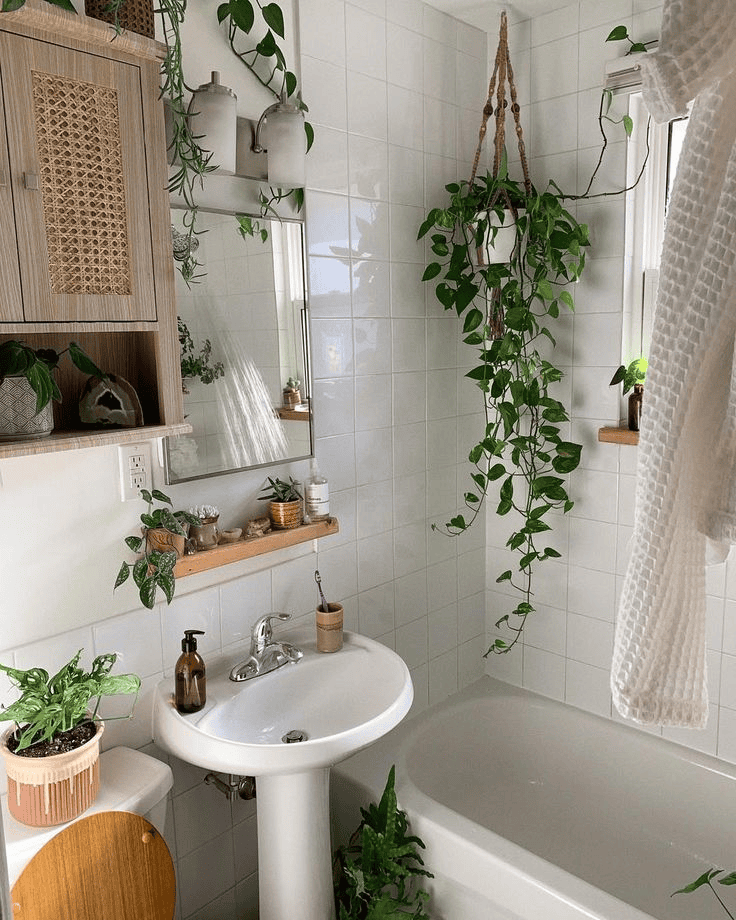
1. Bathrooms
Bathrooms often have high humidity and low light, which can be perfect for certain plants like ferns, spider plants, or peace lilies.
Placing a plant near a shower or on a windowsill brightens the space and creates a spa-like atmosphere while thriving in moisture-rich conditions.
2. Staircases
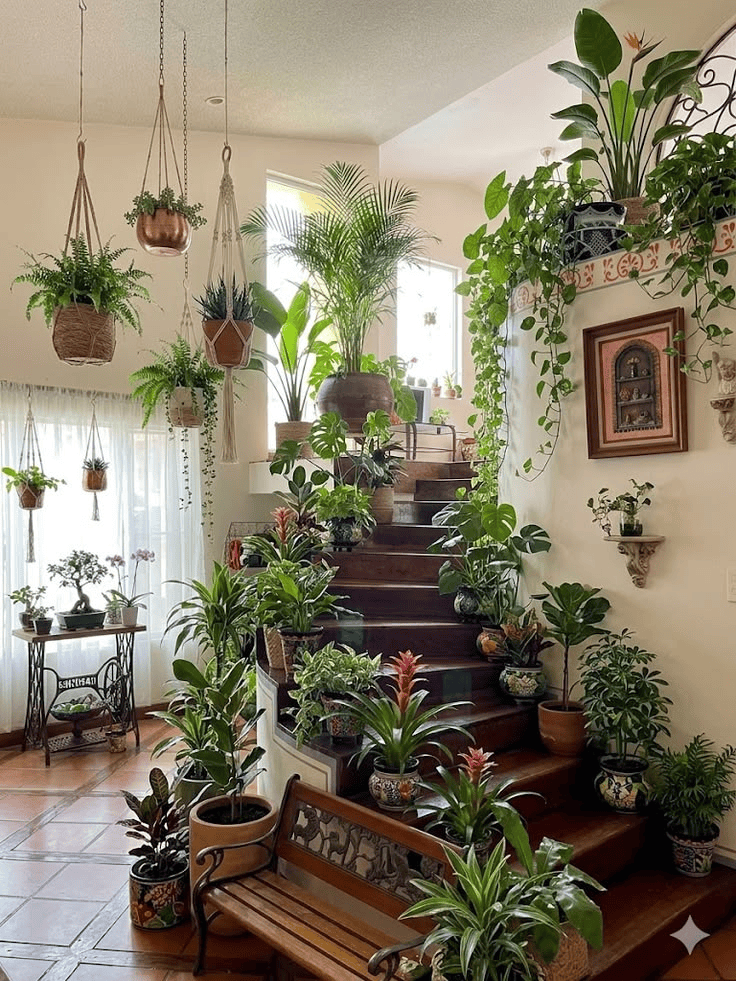
Empty stair landings or spaces beside steps are rarely used but perfect for greenery.
Small potted plants, trailing vines, or vertical plant stands add color and interest to otherwise overlooked areas and make staircases feel more inviting.
3. Above Cabinets or Shelves
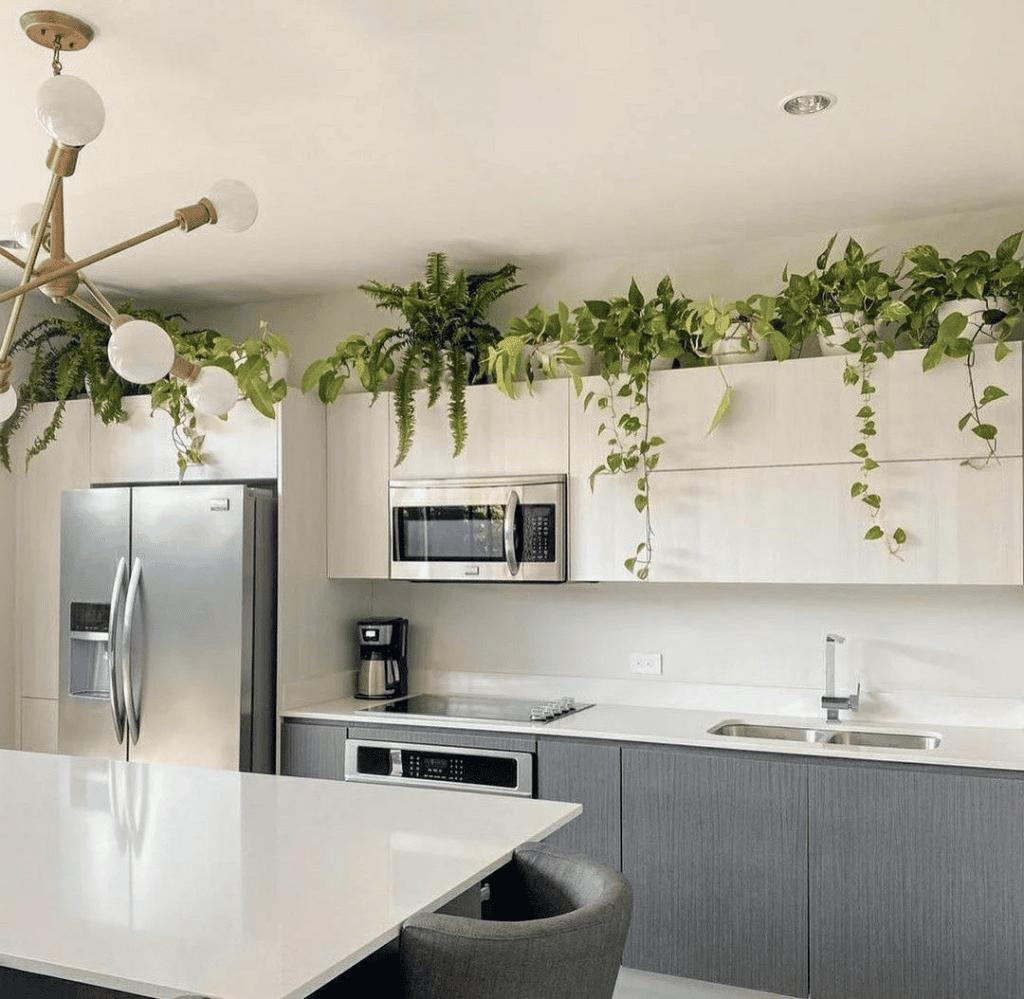
The tops of kitchen cabinets, bookshelves, or wardrobes are often empty and underutilized.
Tall plants or trailing vines can add height, texture, and greenery to the room without taking up valuable counter or floor space.
4. Bathrooms and Laundry Rooms
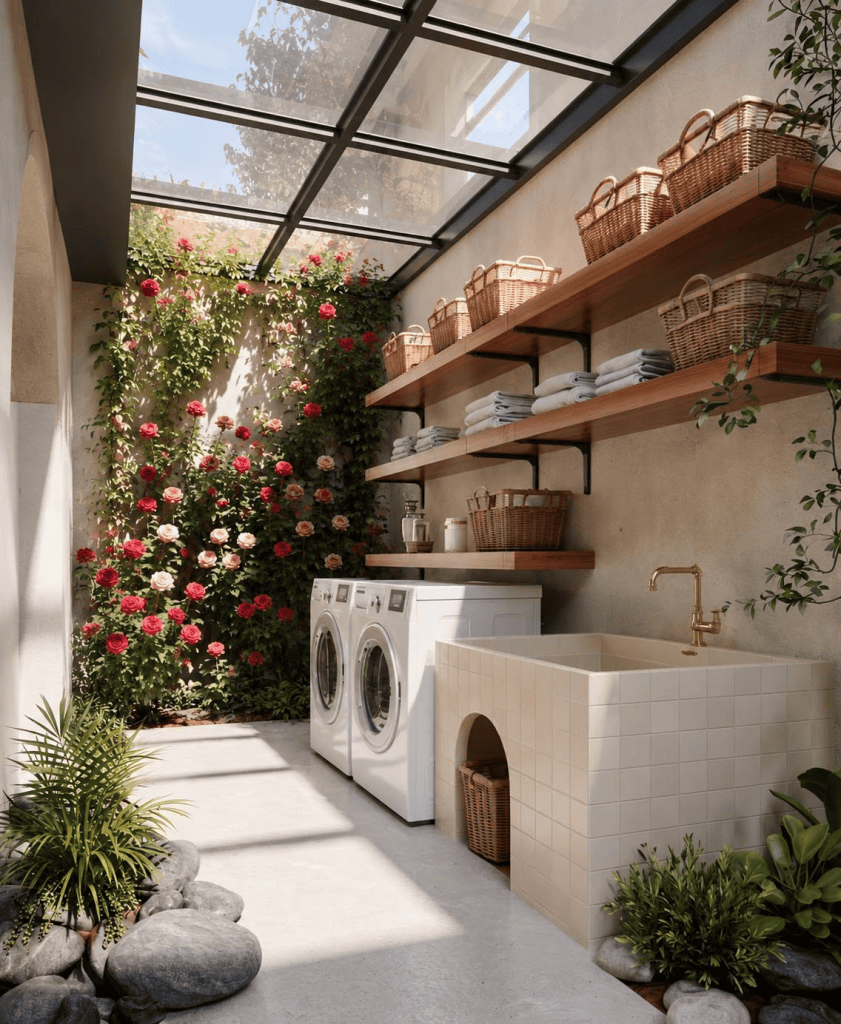
Laundry rooms and secondary bathrooms are typically neglected spaces where greenery can thrive.
Low-light tolerant plants like pothos, ZZ plants, or snake plants bring life to functional areas and make them feel cleaner and fresher.
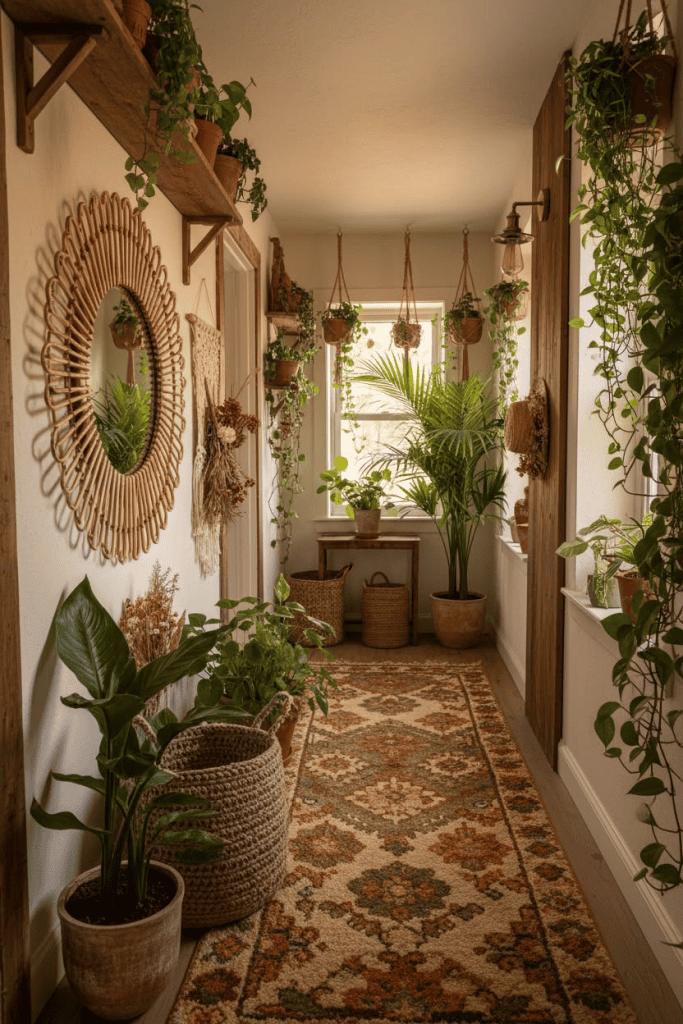
5. Hallways and Entryways
Long hallways and entryways are often bare and dull. Adding small plants on narrow tables, shelves, or wall-mounted planters enlivens the space.
This placement creates a welcoming environment and improves the visual flow between rooms.
6. Office Desk Corners
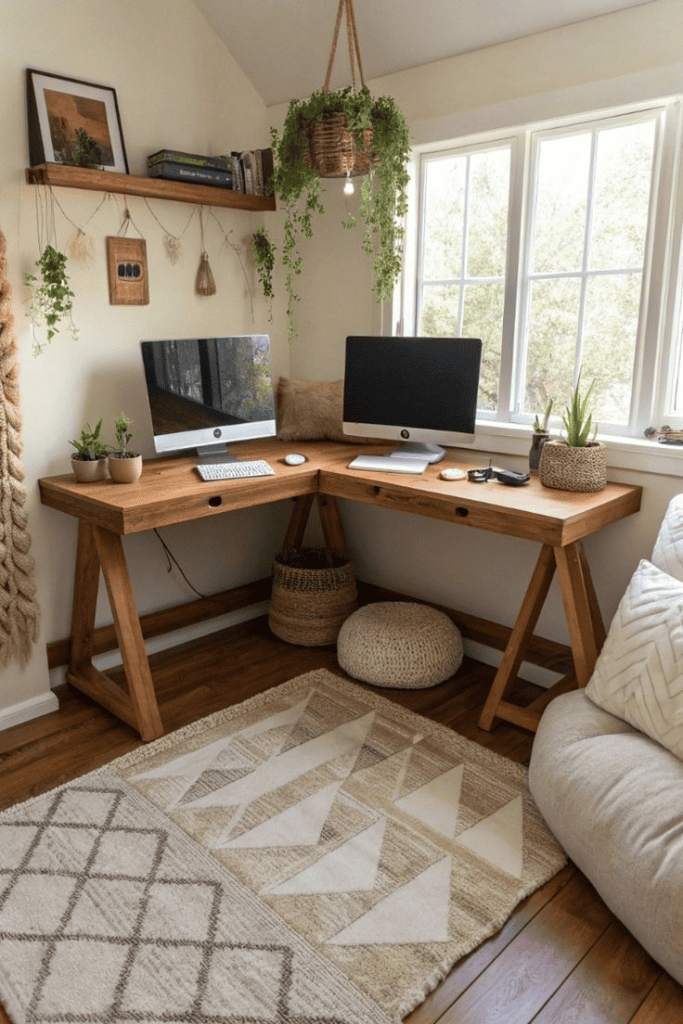
Desks and workspaces can benefit from small potted plants or succulents.
Placing greenery in corners or beside monitors reduces stress, improves focus, and brightens the office environment without cluttering the workspace.
7. Hanging from the Ceiling
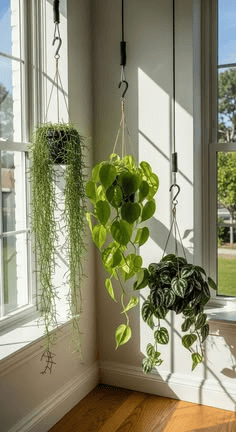
Ceiling-mounted planters or macramé hangers are perfect for trailing or lightweight plants like ivy, string-of-pearls, or spider plants.
This placement utilizes vertical space, keeps plants away from pets or small children, and adds a whimsical touch to any room.
Summary
Plants don’t need to be confined to traditional spaces. By exploring unexpected areas like bathrooms, staircases, hallways, and ceilings, you can expand your indoor garden, improve aesthetics, and create a more vibrant home environment. Thoughtful placement in surprising spots makes your home feel greener, more dynamic, and visually exciting.
Frequently Asked Questions
Can plants survive in low-light areas?
Yes, varieties like snake plants, ZZ plants, pothos, and ferns tolerate low light and thrive in shaded indoor spaces.
Are bathrooms good for plants?
Yes, humidity-loving plants like ferns, spider plants, and peace lilies thrive in bathrooms.
How do I hang plants from the ceiling safely?
Use sturdy hooks, ceiling anchors, and lightweight pots with secure macramé or plant hangers.
Can small spaces like hallways accommodate plants?
Yes, use narrow shelves, wall-mounted planters, or small pots to maximize space without clutter.
What type of plants work best above cabinets?
Trailing vines or tall plants that complement vertical space, such as pothos, ivy, or dracaena.
Are hanging plants safe for pets and children?
Place them high enough to avoid interference, and choose non-toxic varieties if accessible.
How do I care for plants in unconventional spaces?
Monitor light levels, water as needed, and choose low-maintenance plants suited to the environment.
Can indoor plants improve mood in unusual spots?
Absolutely. Greenery anywhere in the home reduces stress, improves focus, and adds visual comfort.