
Chakras are energy centers in the human body that play a vital role in physical, emotional, and spiritual well-being. In 2026, awareness of chakras has grown as people explore meditation, mindfulness, and holistic health practices. Understanding the 7 main types of chakras helps individuals balance energy, improve health, and enhance self-awareness. Each chakra corresponds to specific physical areas, emotional patterns, and spiritual functions, providing a framework for personal growth.
Balancing chakras involves identifying blockages, practicing meditation, visualization, or energy alignment techniques. By understanding the characteristics and functions of each chakra, beginners can learn to cultivate harmony within their body and mind. Below is a detailed guide to the 7 main chakras and how they influence well-being.
1. Root Chakra (Muladhara)
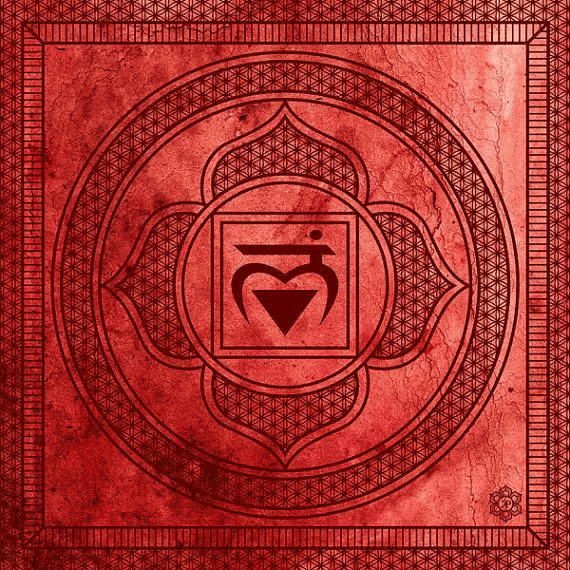
- Location: Base of the spine
- Color: Red
- Function: Stability, grounding, and survival instincts
- Imbalance Signs: Fear, insecurity, or feeling disconnected
The root chakra anchors energy in the body, creating a sense of safety and security. Practices like grounding meditation, walking barefoot on grass, or yoga poses targeting the lower body help activate and balance this chakra.
2. Sacral Chakra (Svadhisthana)
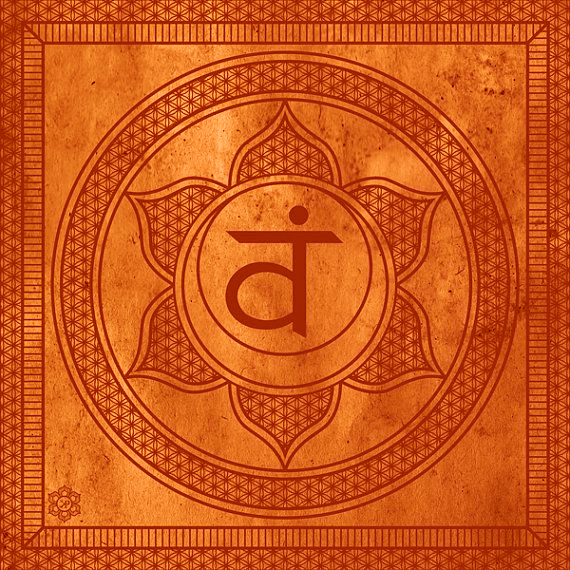
- Location: Lower abdomen, below the navel
- Color: Orange
- Function: Creativity, emotions, and sexual energy
- Imbalance Signs: Emotional instability, low creativity, or intimacy issues
The sacral chakra governs pleasure, emotional expression, and connection with others. Creative activities, water-based exercises, and mindful emotional practices support its balance.
3. Solar Plexus Chakra (Manipura)
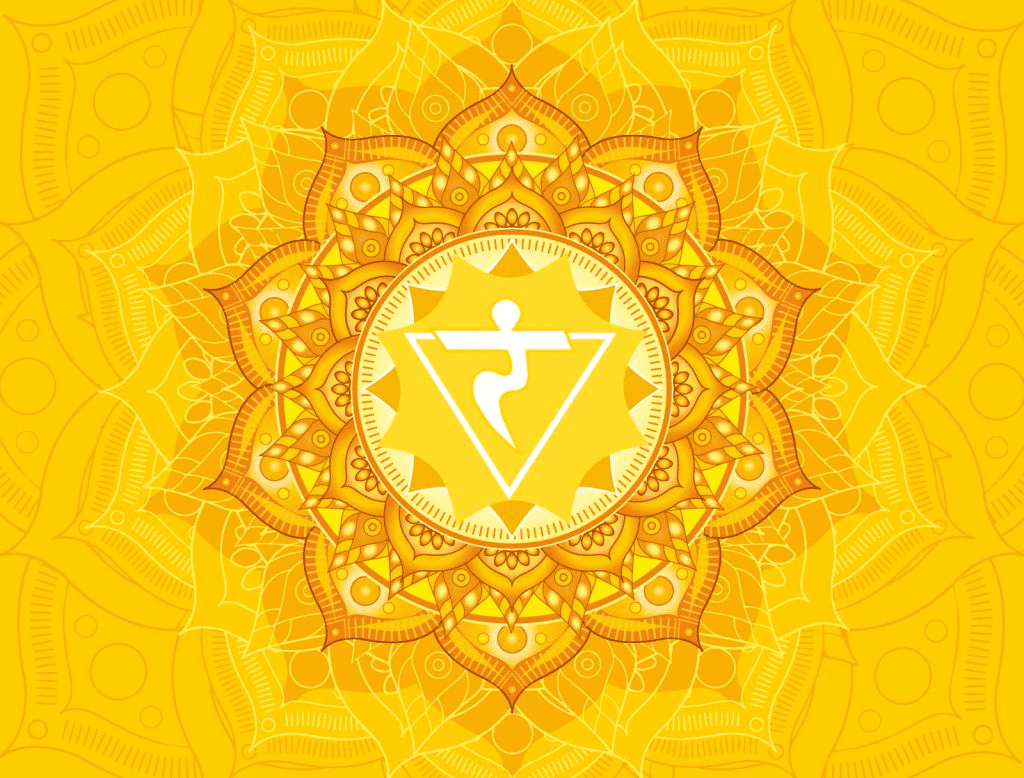
- Location: Upper abdomen/stomach
- Color: Yellow
- Function: Confidence, personal power, and self-esteem
- Imbalance Signs: Low self-esteem, lack of motivation, or control issues
This chakra influences decision-making and personal willpower. Core-strengthening exercises, affirmations, and goal-setting activities help restore its energy flow.
4. Heart Chakra (Anahata)
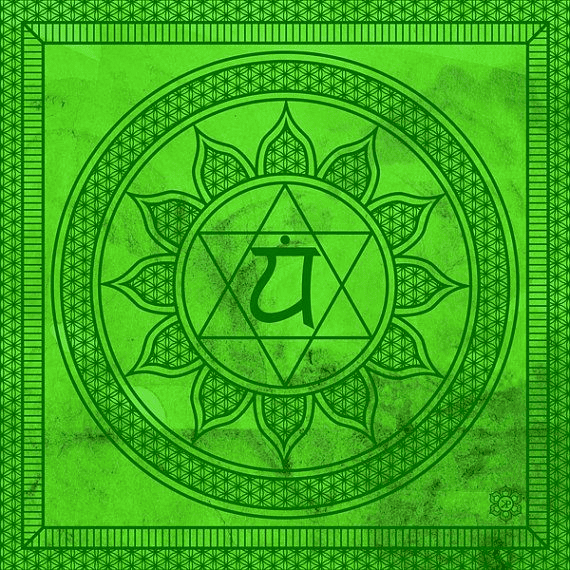
- Location: Center of the chest
- Color: Green
- Function: Love, compassion, and emotional balance
- Imbalance Signs: Emotional coldness, difficulty trusting, or relationship challenges
The heart chakra fosters compassion and empathy. Practices include loving-kindness meditation, gratitude exercises, and cultivating meaningful relationships.
5. Throat Chakra (Vishuddha)
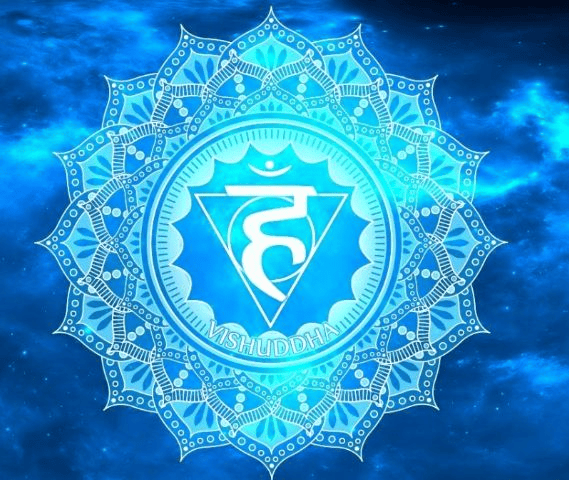
- Location: Throat
- Color: Blue
- Function: Communication, self-expression, and truth
- Imbalance Signs: Difficulty expressing thoughts, shyness, or dishonesty
Balanced throat chakra encourages authentic communication. Singing, journaling, and mindful speech exercises enhance clarity and expression.
6. Third Eye Chakra (Ajna)
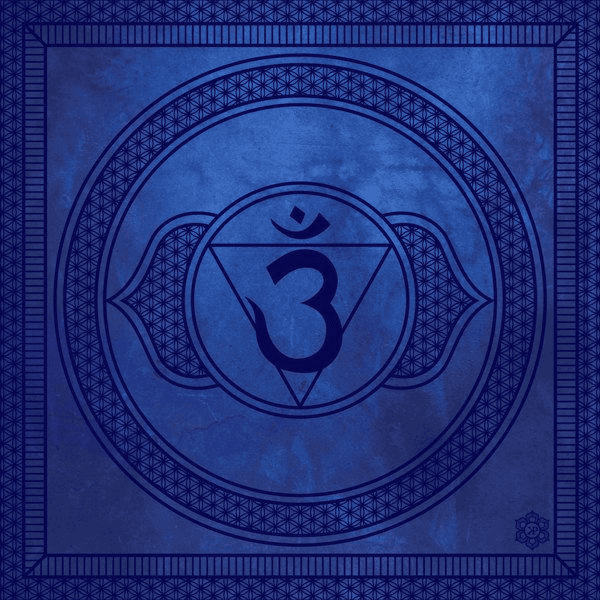
- Location: Between the eyebrows
- Color: Indigo
- Function: Intuition, insight, and inner wisdom
- Imbalance Signs: Poor focus, lack of intuition, or overthinking
The third eye chakra helps connect to inner guidance and imagination. Meditation, visualization, and mindfulness strengthen intuition and mental clarity.
7. Crown Chakra (Sahasrara)
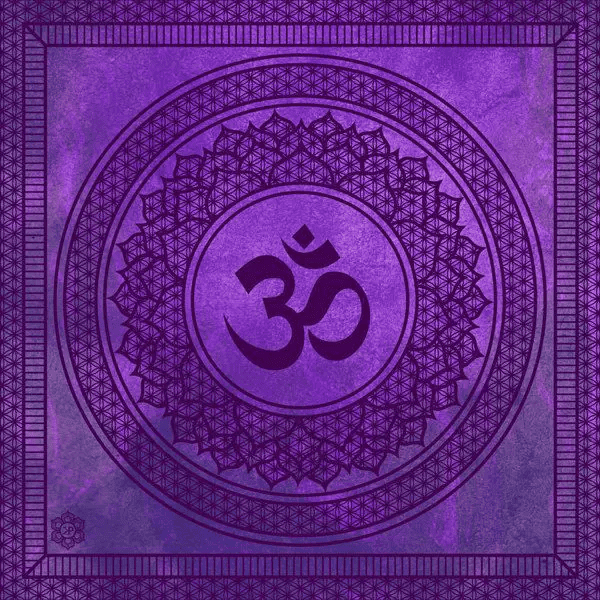
- Location: Top of the head
- Color: Violet or White
- Function: Spiritual connection, enlightenment, and consciousness
- Imbalance Signs: Feeling disconnected, lack of purpose, or spiritual doubt
The crown chakra allows connection with higher consciousness. Practices include meditation, energy healing, and mindfulness to foster spiritual awareness and unity.
Summary
The 7 main chakras—Root, Sacral, Solar Plexus, Heart, Throat, Third Eye, and Crown—serve as the foundation of physical, emotional, and spiritual well-being. Each chakra governs specific aspects of life, from grounding and stability to creativity, love, communication, intuition, and spiritual connection. Understanding and balancing these chakras through meditation, mindfulness, and energy practices enhances overall health, personal growth, and inner harmony.
FAQ
1. What are chakras?
Chakras are energy centers in the body that influence physical, emotional, and spiritual well-being.
2. How many main chakras are there?
There are 7 primary chakras in the human energy system.
3. How can I balance my chakras?
Meditation, yoga, visualization, affirmations, and mindful practices can help balance energy flow.
4. What happens if a chakra is blocked?
Blockages can cause physical discomfort, emotional instability, or lack of focus in associated areas.
5. Can children learn about chakras?
Yes, age-appropriate practices like simple meditation and breathing exercises are effective for kids.
6. Do chakras affect energy and mood?
Yes, balanced chakras promote mental clarity, emotional stability, and overall vitality.