
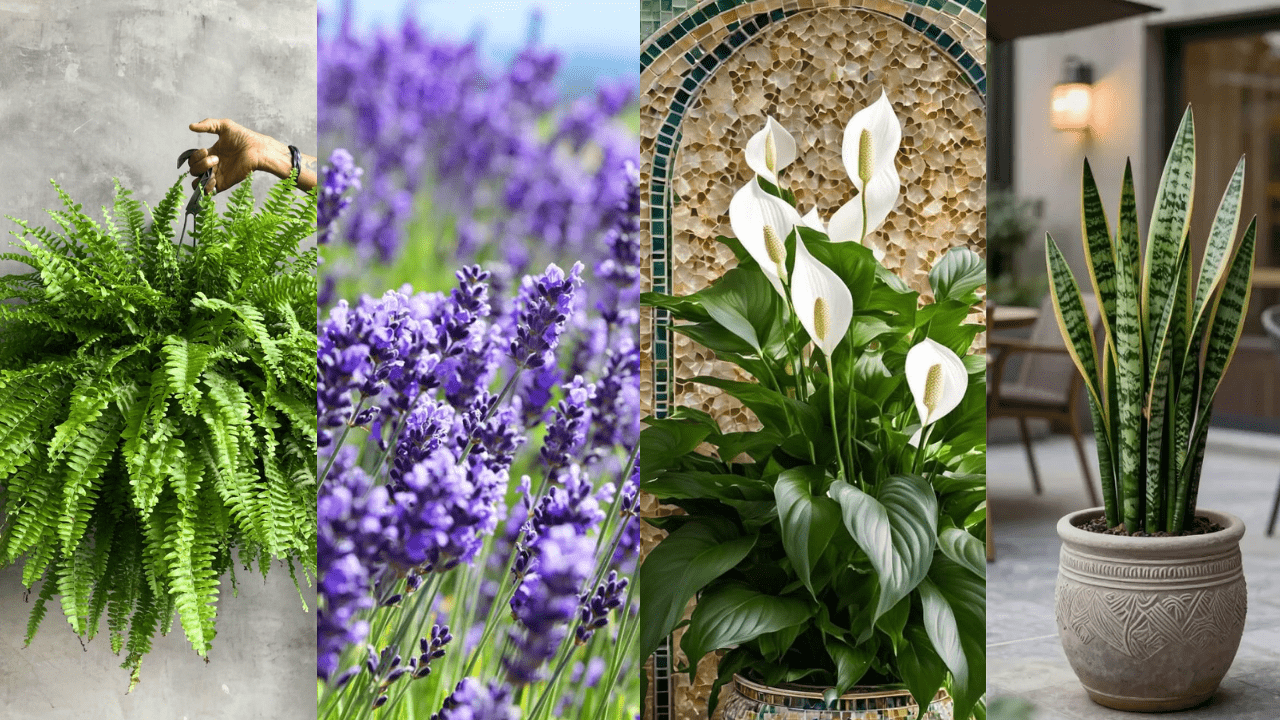
Introduction
Adding plants to a bedroom can make the space feel more inviting, natural, and relaxing. Beyond their decorative appeal, caring for indoor plants can become a calming routine and help create a stronger connection with nature. However, it’s important to keep expectations realistic: most ordinary houseplants won’t dramatically purify a bedroom or replace good ventilation, cleaning, or healthy sleep habits.
The best bedroom plants are generally those that tolerate indoor conditions, require manageable care, and fit comfortably into your space. If you have pets or young children, also check whether a plant is considered toxic before bringing it home. Here are six popular options that can complement a wellness-focused bedroom.
1. Snake Plant
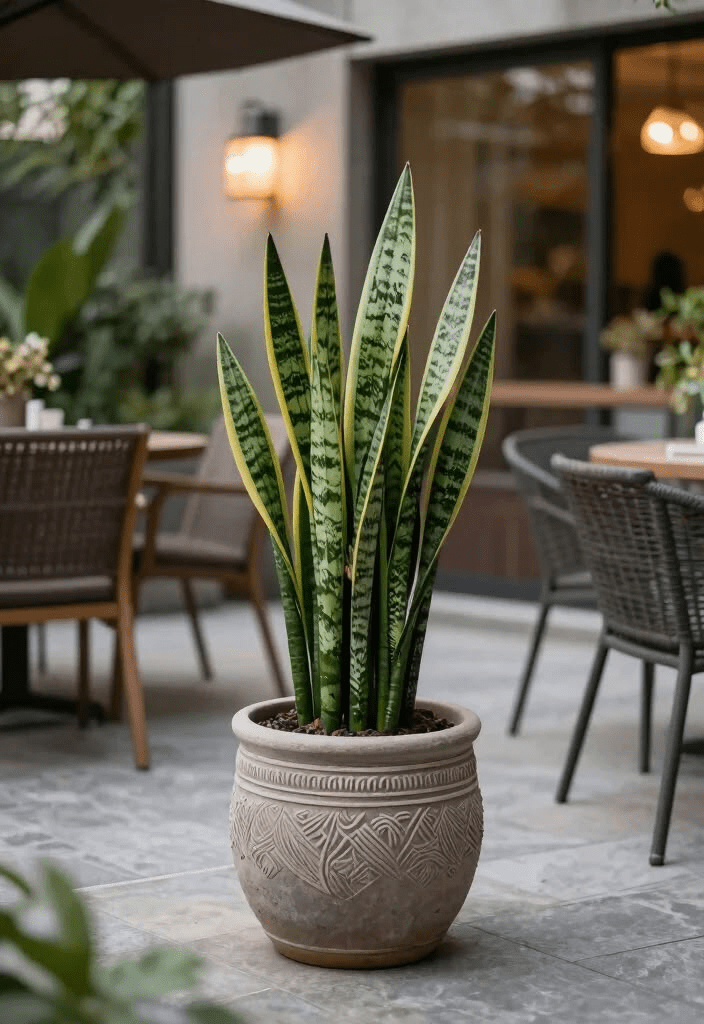
Snake plants are popular bedroom choices because they tolerate a range of indoor conditions and generally require little maintenance.
Why consider one:
- Handles lower light
- Doesn’t need frequent watering
- Works well in small spaces
- Adds a clean, architectural look
Place it near bright indirect light when possible and allow the soil to dry between waterings.
2. Spider Plant
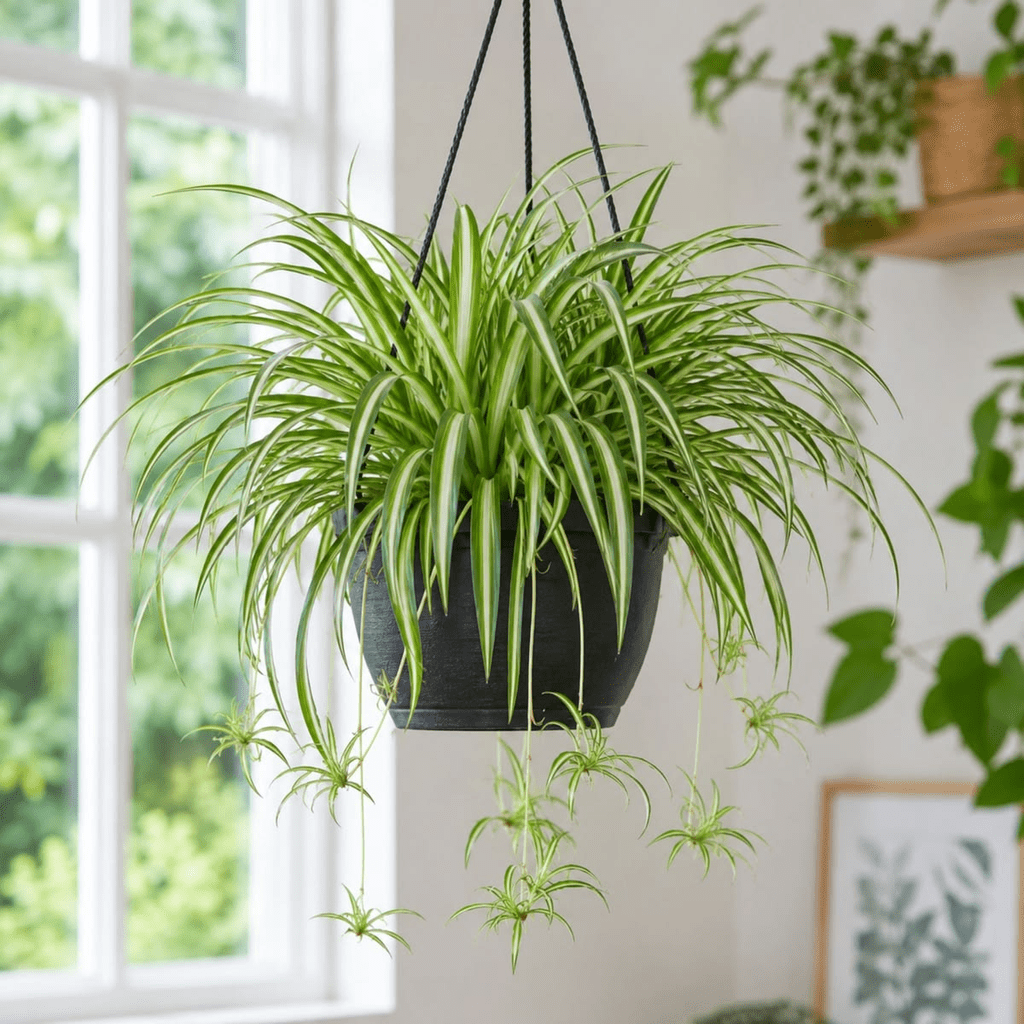
Spider plants are easygoing houseplants that can add a fresh touch of greenery to bedrooms.
Try placing one:
- On a shelf
- In a hanging planter
- On a dresser
- Near a bright window with indirect light
They can produce small plantlets, making them fun to propagate and share.
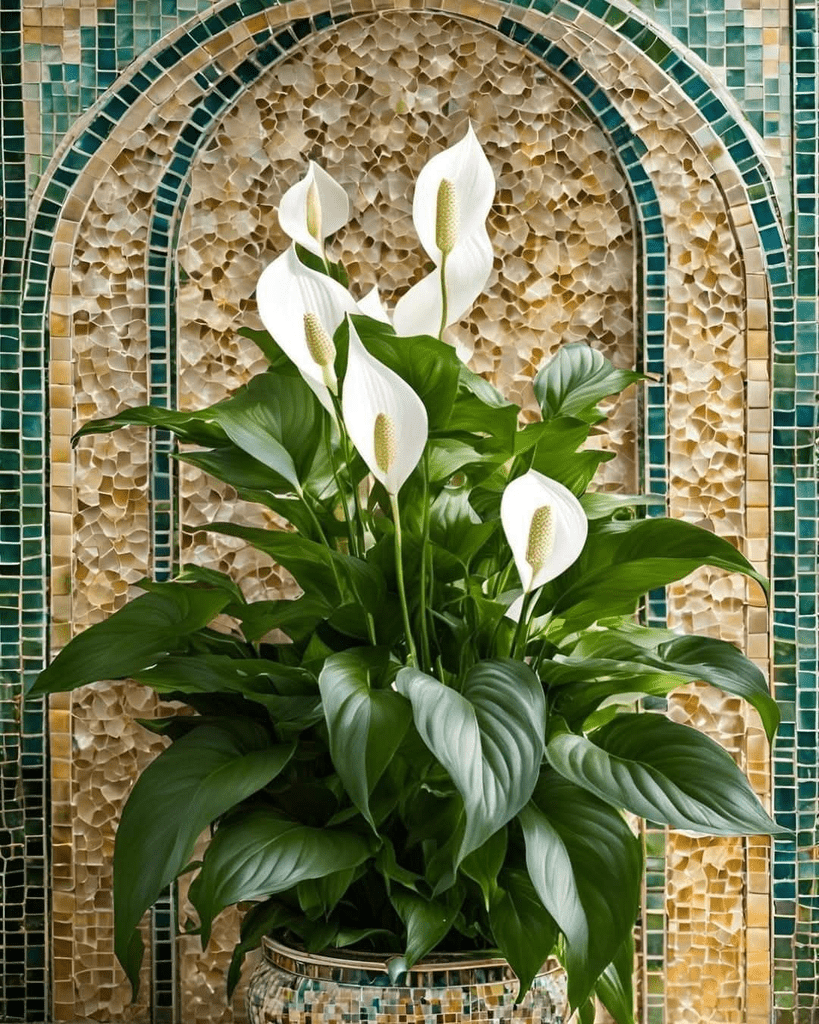
3. Peace Lily
Peace lilies have attractive green leaves and distinctive white flowers.
They work well for:
- Bright indirect light
- Bedroom corners
- Decorative planters
- People who enjoy flowering houseplants
Keep the soil moderately moist without allowing the plant to sit in standing water. If your home has pets, check its toxicity before choosing one.
4. Lavender
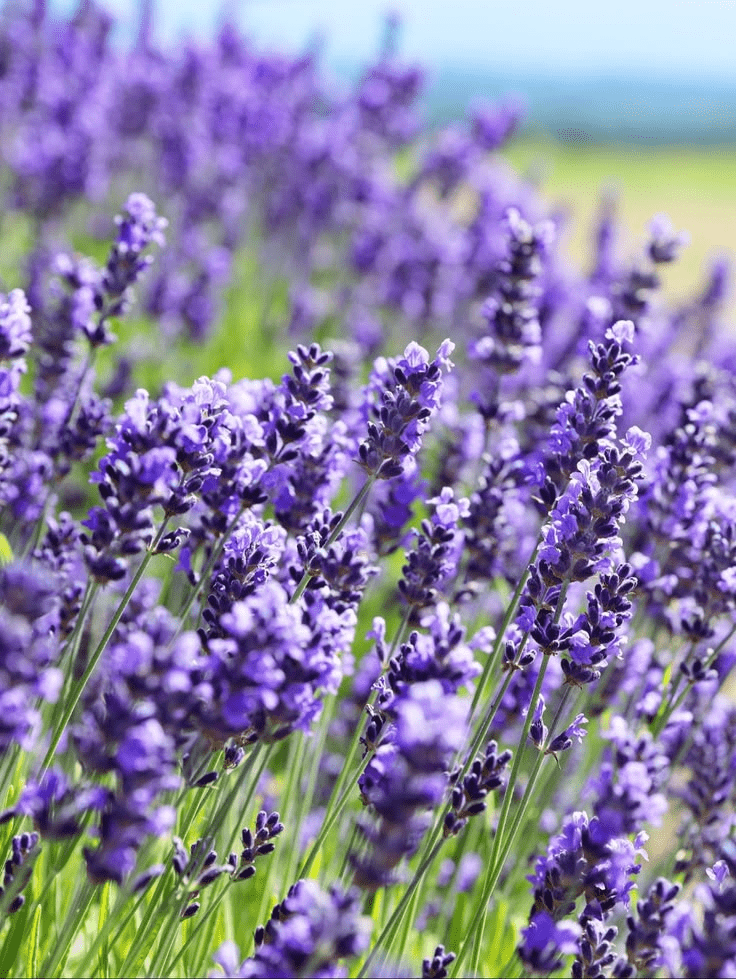
Lavender is known for its pleasant fragrance and is often associated with relaxation.
For indoor growing:
- Provide plenty of bright light
- Use well-draining soil
- Avoid overwatering
- Give the plant good air circulation
A sunny windowsill is usually more suitable than a dim bedroom corner.
5. Aloe Vera
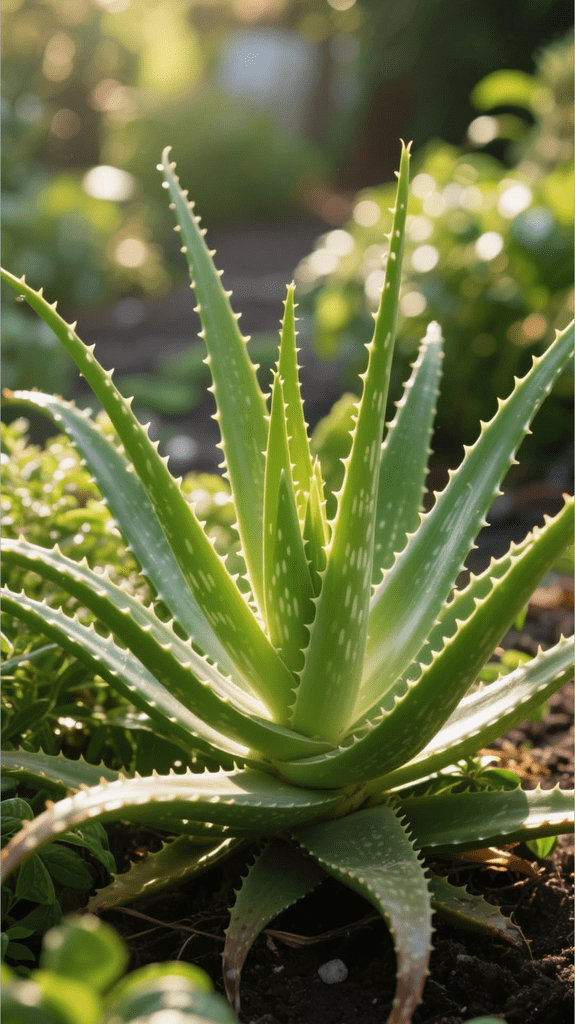
Aloe vera is a low-maintenance succulent that can add a distinctive look to a bedroom.
Care basics:
- Give it plenty of bright light
- Use well-draining soil
- Allow the soil to dry between waterings
- Avoid keeping the roots constantly wet
Aloe is better suited to a bright bedroom than a dark one.
6. Boston Fern
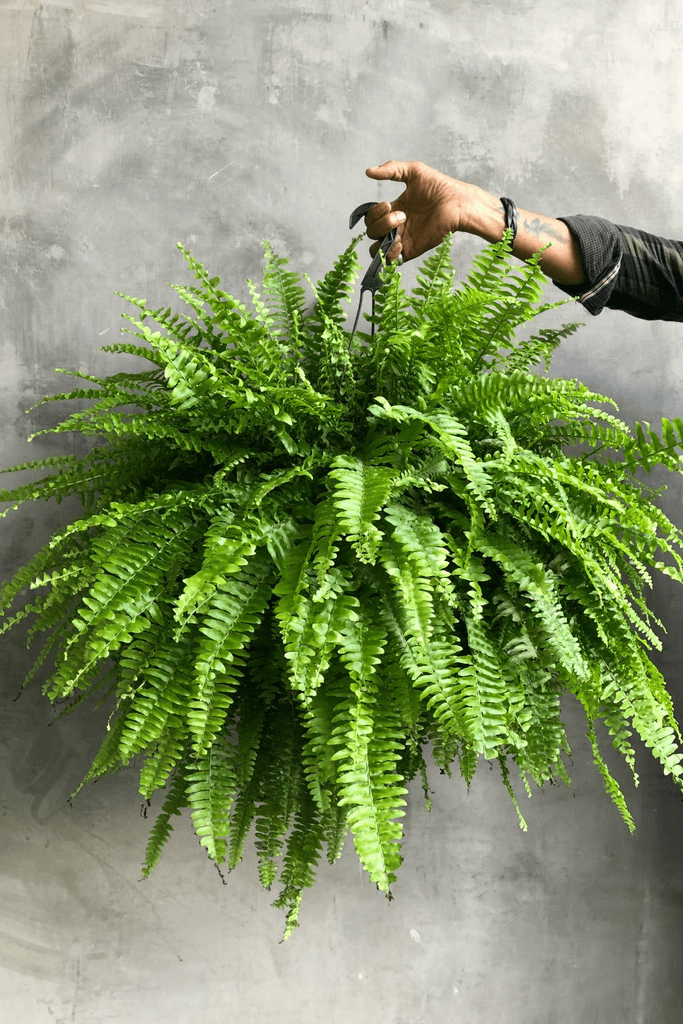
Boston ferns bring a lush, soft appearance to indoor spaces and can work beautifully in bedrooms with suitable humidity and light.
Keep in mind:
- They prefer indirect light
- They appreciate consistent moisture
- Dry indoor air can make care more challenging
- Good airflow is helpful
A bathroom-adjacent bedroom or naturally humid space may be easier for this plant than a very dry room.
Summary
Bedroom plants can add beauty, greenery, and a calming element to your personal space, but they shouldn’t be viewed as a substitute for good ventilation, regular cleaning, or healthy sleep habits. Snake plants and spider plants are useful choices for beginners, while lavender and aloe vera are better suited to brighter rooms. Peace lilies and Boston ferns can create a lush appearance but require more attention to watering and environmental conditions. Choose plants according to your bedroom’s light, humidity, available space, and household safety needs.
Frequently Asked Questions
Can bedroom plants improve air quality?
Houseplants can contribute to a pleasant indoor environment, but claims that a few bedroom plants will significantly remove indoor pollutants under normal home conditions are often overstated. Ventilation and reducing pollution sources are more important for indoor air quality.
Are plants good to keep in the bedroom at night?
Yes. Healthy indoor plants can generally be kept in bedrooms. The amount of oxygen plants consume or release at night is not a practical concern in a normally ventilated room.
Which bedroom plant is easiest for beginners?
Snake plants and spider plants are generally forgiving choices because they can tolerate a range of indoor conditions and don’t require frequent watering.
Which plants are best for a low-light bedroom?
Snake plants and some spider plants can tolerate lower-light conditions, although “low light” does not mean no light. Growth may be slower when light levels are limited.
Can plants help with relaxation?
Caring for plants and having greenery in your environment may contribute to a calming atmosphere for some people. However, plants shouldn’t be considered a treatment for stress, anxiety, or sleep problems.
Are all bedroom plants safe for pets?
No. Some popular houseplants can be harmful if pets chew or ingest them. Check the specific plant’s toxicity before bringing it into a home with pets.
How many plants should I keep in my bedroom?
There is no ideal number. Start with one or two plants and consider the available space, light, humidity, and your ability to care for them.
Can too much moisture from plants cause problems?
Overwatering plants or allowing soil to remain constantly wet can encourage mold or other issues. Use suitable pots with drainage and water according to the plant’s actual needs.