
One of the most recognizable and comforting sounds a cat makes is its purr. Many people associate purring with a happy, content pet, but the truth is that cats purr for a variety of reasons. This soft, rhythmic vibration is a natural form of communication that can express everything from relaxation and affection to stress or a desire for attention.
Although researchers are still learning about all the functions of purring, it’s clear that this unique behavior plays an important role in a cat’s daily life. By paying attention to your cat’s body language, environment, and behavior along with its purring, you can better understand what it may be trying to communicate. Here are 12 common reasons why cats purr.
1. They Feel Happy and Relaxed
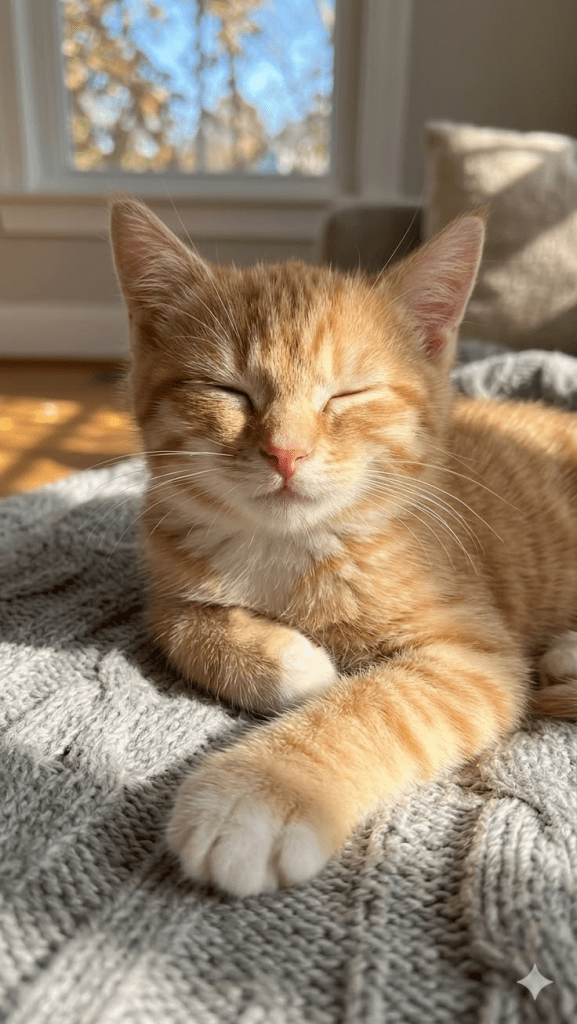
The most common reason cats purr is because they feel comfortable and content.
Many cats purr while lounging in a sunny spot, curling up for a nap, or relaxing beside their favorite person. A relaxed body posture, slow blinking, and gentle kneading often accompany this type of purring.
2. They Enjoy Your Company
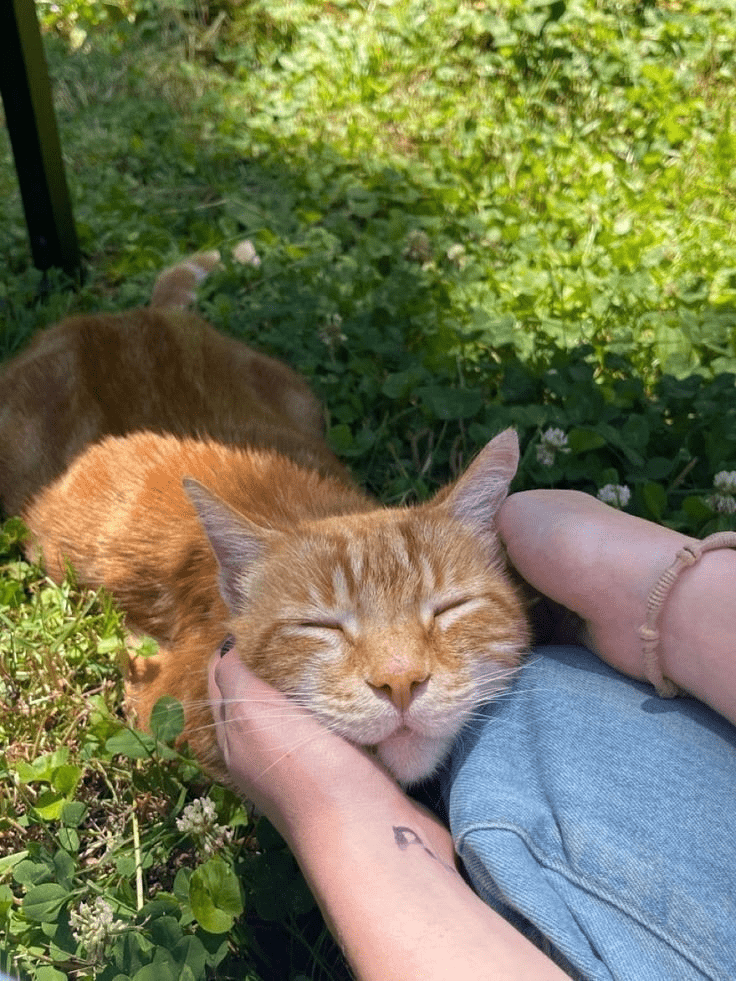
Cats often purr while sitting on your lap or being gently petted.
This can be a sign that they enjoy spending time with you and feel safe in your presence. Every cat has its own preferences, so learning where your cat likes to be touched can strengthen your bond.
3. They Want Attention
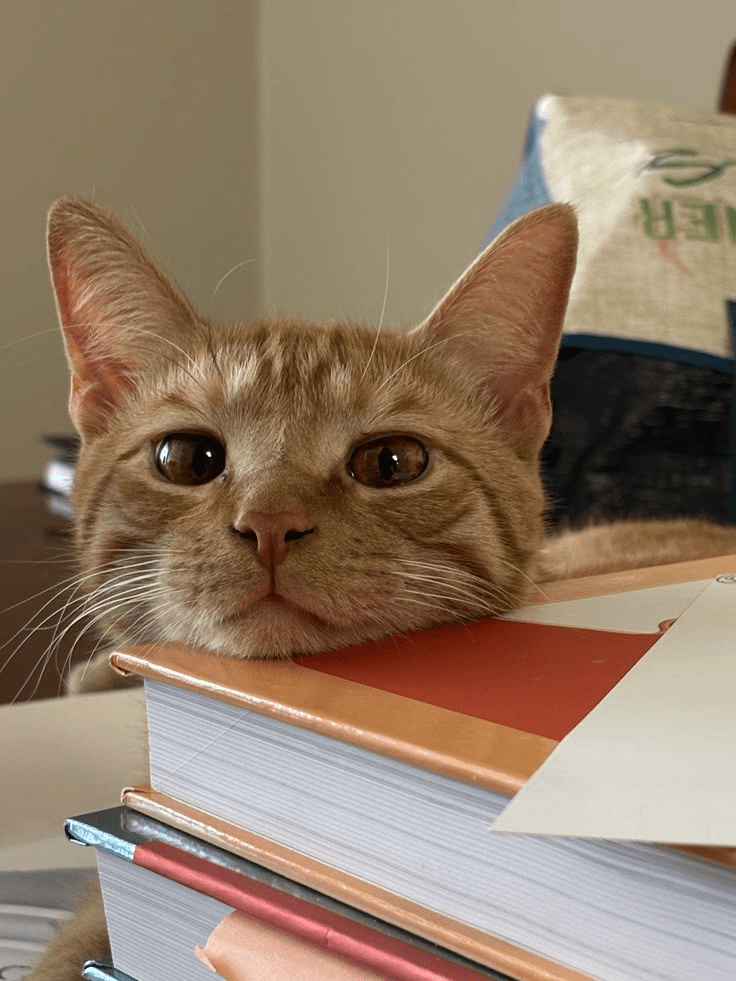
Sometimes purring is a way for cats to get your attention.
Your cat may purr while rubbing against your legs, following you around the house, or sitting near its food bowl. Combined with other behaviors, purring can be part of how cats communicate their needs.
4. They’re Greeting Someone
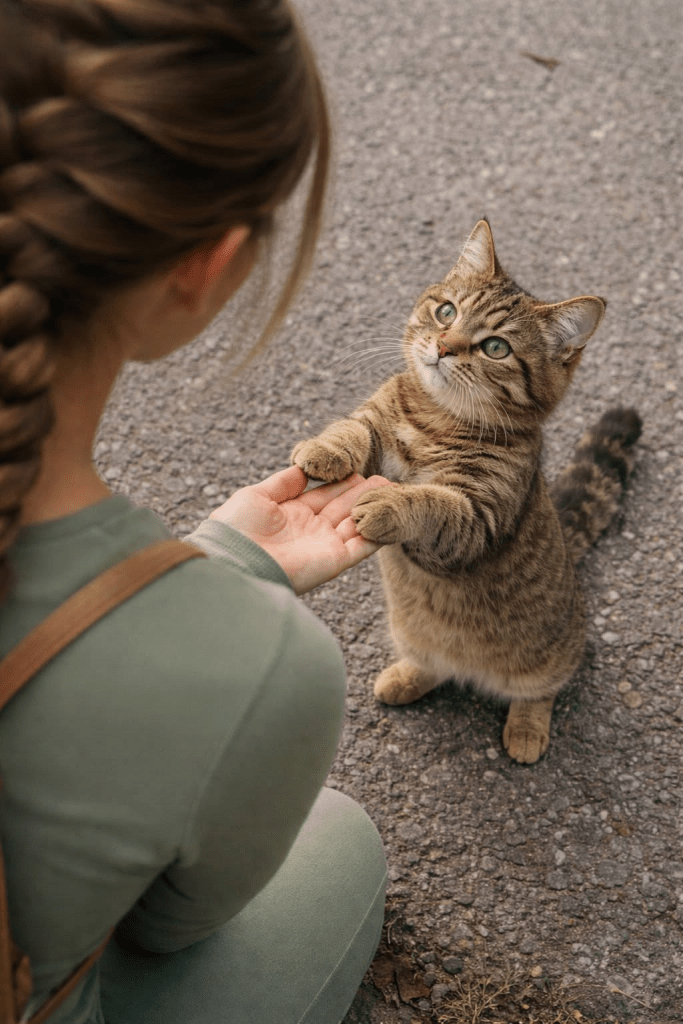
Cats may purr when welcoming a familiar person or another friendly animal.
This gentle sound can accompany head bumps, tail-up greetings, or rubbing against your legs as a friendly form of communication.
5. A Mother Is Comforting Her Kittens
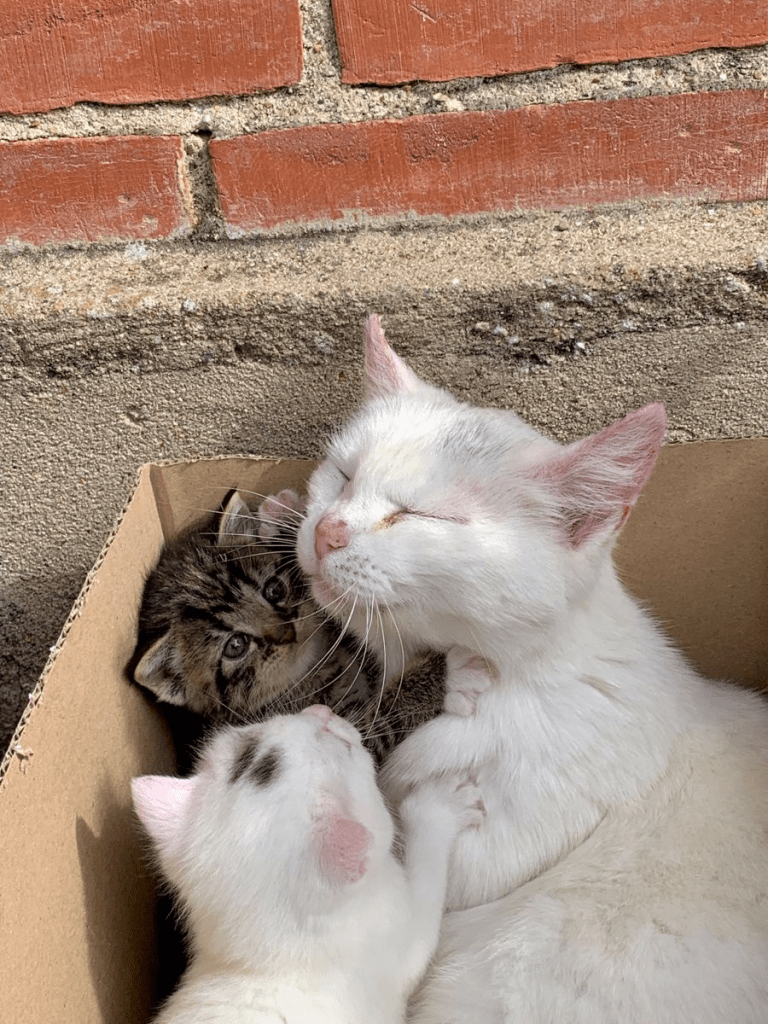
Mother cats often purr while caring for their newborn kittens.
The sound helps create a calm environment and allows kittens, which are born with closed eyes, to locate their mother more easily.
6. Kittens Communicate with Their Mother
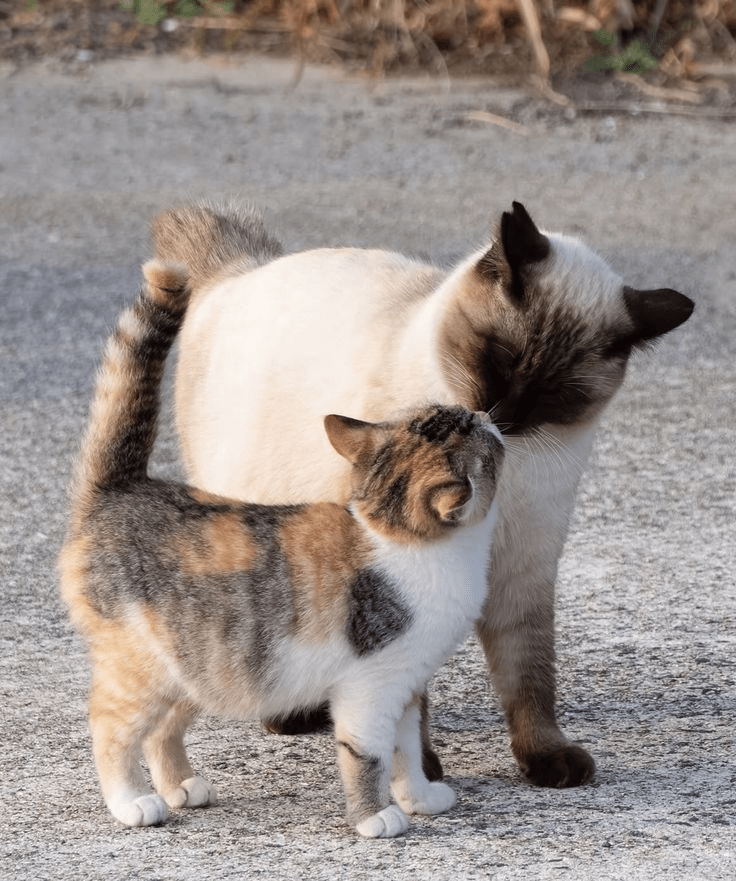
Young kittens begin purring at a very early age.
Their purring may help communicate that they are nearby, comfortable, and nursing successfully while strengthening the bond with their mother.
7. They May Be Feeling Stressed
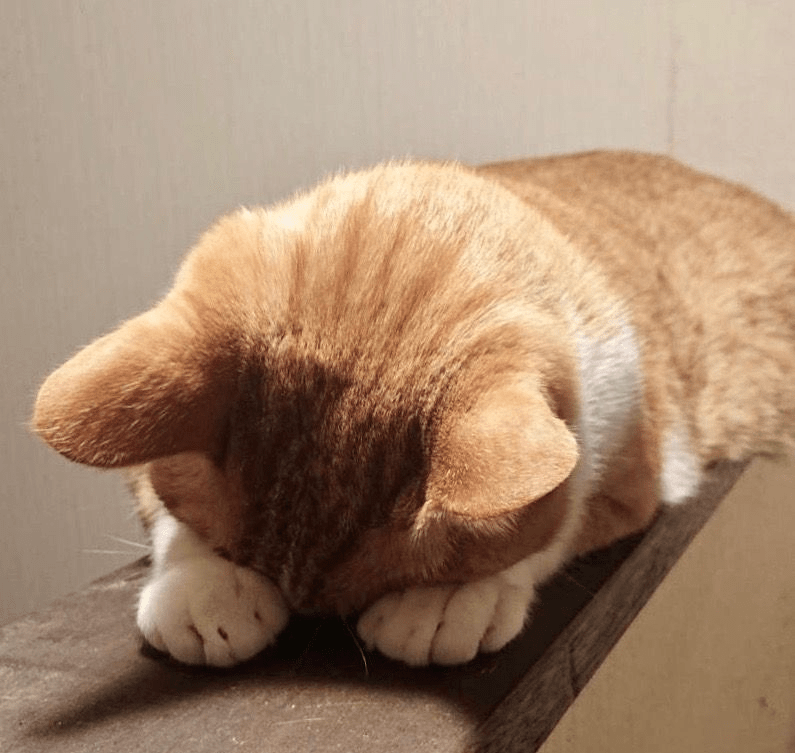
Not all purring means a cat is happy.
Some cats purr in unfamiliar environments, during veterinary visits, or in situations they find stressful. Looking at your cat’s overall body language can provide important clues about how it’s feeling.
8. They Are Relaxing During Grooming
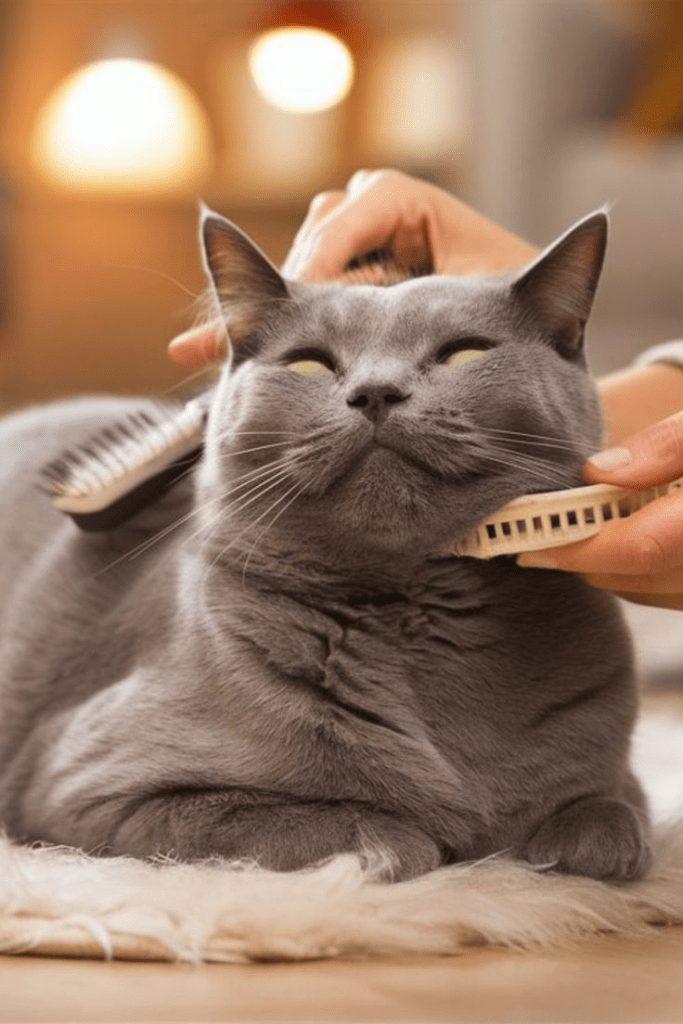
Many cats purr while grooming themselves or while being brushed.
The repetitive grooming routine often helps cats feel calm and comfortable, making purring a natural part of the experience.
9. They Enjoy Cozy Sleeping Spots
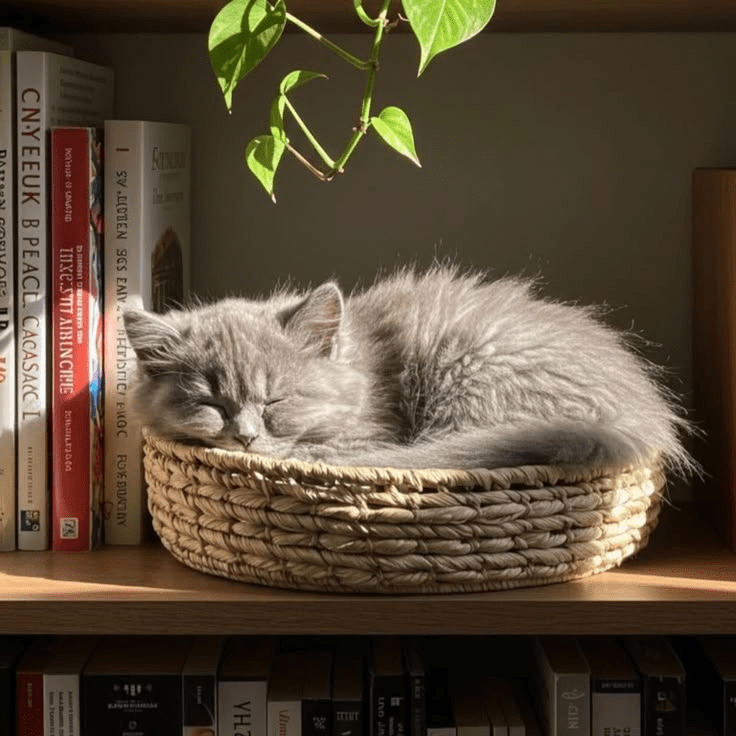
Cats frequently purr while settling into soft blankets, beds, or warm resting places.
A comfortable environment often encourages relaxed behavior, including gentle purring before falling asleep.
10. They Are Bonding with You
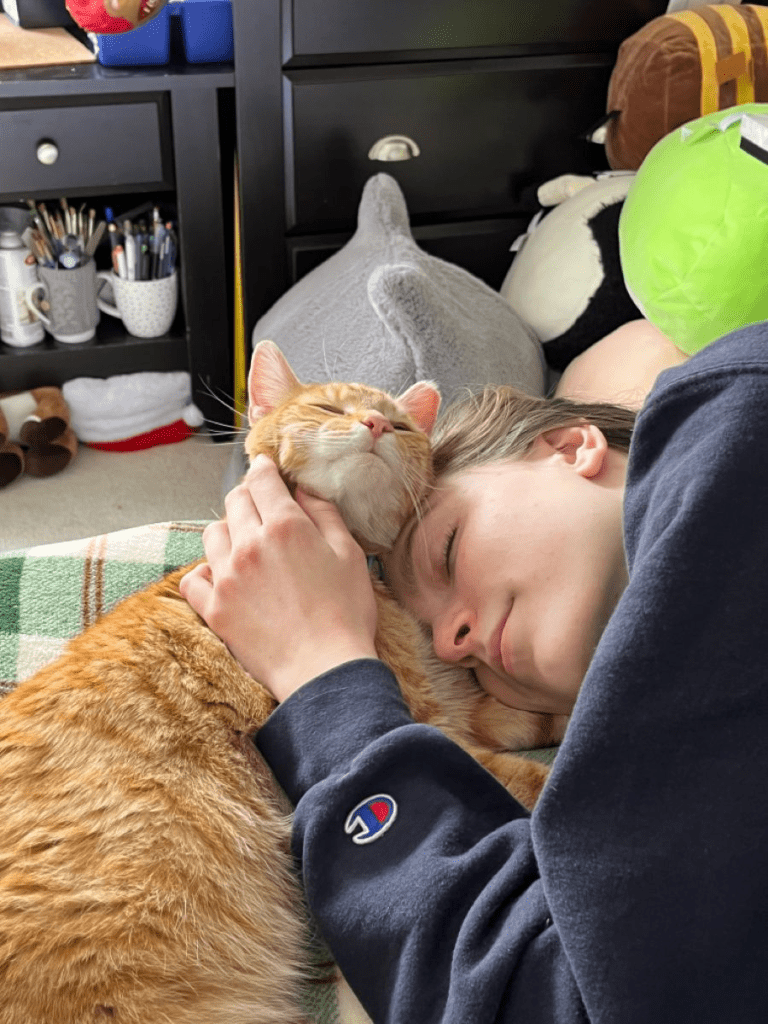
Purring can strengthen the relationship between cats and their owners.
When combined with slow blinking, gentle rubbing, or sitting close to you, purring often reflects trust and a positive social connection.
11. They Anticipate Something Pleasant
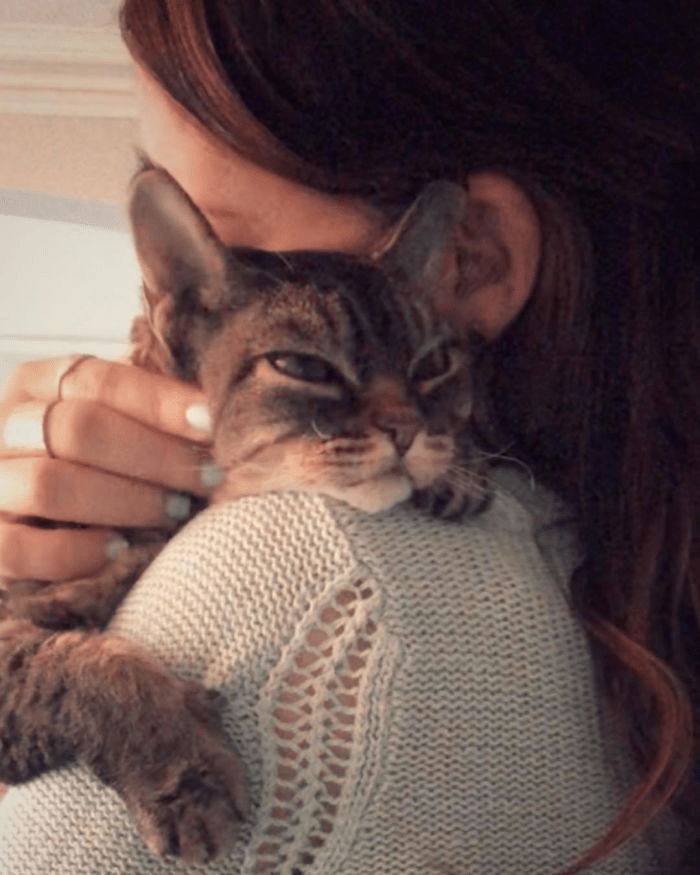
Some cats begin purring when they know something enjoyable is about to happen.
They may purr while waiting for a meal, hearing the treat container, or seeing you prepare their favorite toy or blanket.
12. Every Cat Has Its Own Personality
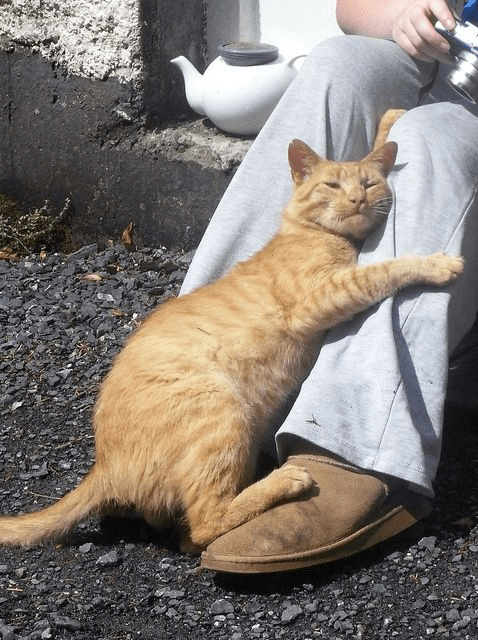
Each cat is unique, and some naturally purr more often than others.
Certain cats are very vocal and expressive, while others purr quietly or only in specific situations. Learning your cat’s normal behavior helps you better understand what its purring may mean.
Summary
Purring is one of the many fascinating ways cats communicate with the world around them. While it often reflects comfort, affection, or relaxation, it can also occur in other situations depending on the cat and its surroundings. By observing your cat’s body language and daily habits alongside its purring, you can better understand its emotions and strengthen your relationship with your feline companion.
Frequently Asked Questions
Why do cats purr?
Cats purr for several reasons, including relaxation, affection, communication, seeking attention, and sometimes in response to stressful situations.
Does purring always mean a cat is happy?
No. While purring often accompanies contentment, cats may also purr in unfamiliar or stressful situations. Looking at their overall body language provides better context.
Why do kittens purr?
Kittens begin purring at a young age as part of their communication with their mother during nursing and early development.
Why does my cat purr when I pet it?
Many cats purr while being petted because they enjoy the interaction and feel comfortable with the person touching them.
Why does my cat purr while sleeping?
Some cats continue to purr as they settle down or drift off to sleep because they feel relaxed and secure.
Can cats purr when they want food?
Yes. Some cats purr while waiting for meals or treats as part of how they communicate with their owners.
Why does my cat purr and rub against me?
This combination often serves as a friendly greeting and can also be a way for cats to seek attention or show affection.
Should I worry if my cat suddenly changes its purring behavior?
If your cat shows sudden changes in behavior, appetite, activity level, or purring along with other unusual signs, it’s a good idea to consult a veterinarian for guidance.