
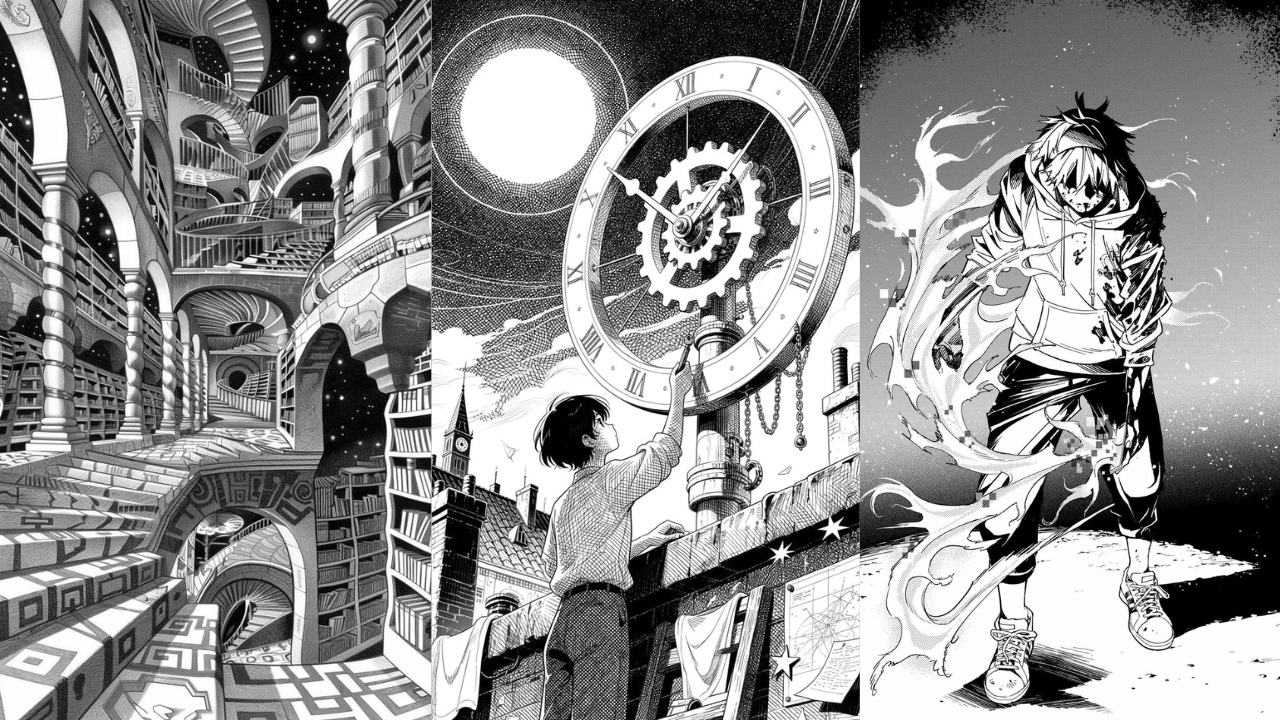
Creating an original manga starts with a compelling central idea, an interesting protagonist, and a world that readers want to explore. Whether you’re interested in action, romance, fantasy, science fiction, or everyday life, a strong manga concept combines engaging characters with visual storytelling and an emotional journey. You don’t need to invent an entirely new genre; sometimes, the most exciting stories come from giving a familiar idea an unexpected twist.
When developing a manga concept, consider your target demographic and the themes you want to explore. Shōnen stories often focus on action, friendship, and personal growth, while shōjo explores romance and relationships, and seinen or josei can explore more mature psychological and everyday-life themes. The following 12 original manga plot ideas offer creative starting points for building memorable characters, intriguing settings, and stories with plenty of potential.
1. The Library That Collects Forgotten Memories
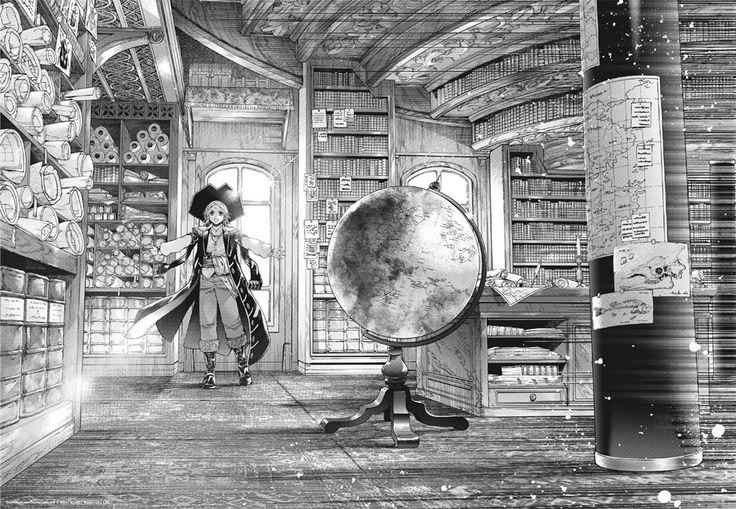
A quiet librarian discovers a hidden library where every book contains a memory someone has forgotten, including memories that were deliberately erased. When she finds a book containing her own childhood, she begins investigating why an important part of her past disappeared. This supernatural mystery could explore identity, grief, and the emotional value of memories.
2. The Villain’s Ordinary Life
After losing his magical powers, a feared demon lord is forced to live as an ordinary office worker in the modern world. While struggling with deadlines, difficult coworkers, and everyday responsibilities, he discovers that kindness and friendship are harder to conquer than kingdoms. This comedy-fantasy concept offers opportunities for humor, character development, and unexpected emotional moments.
3. The Last Train to Tomorrow
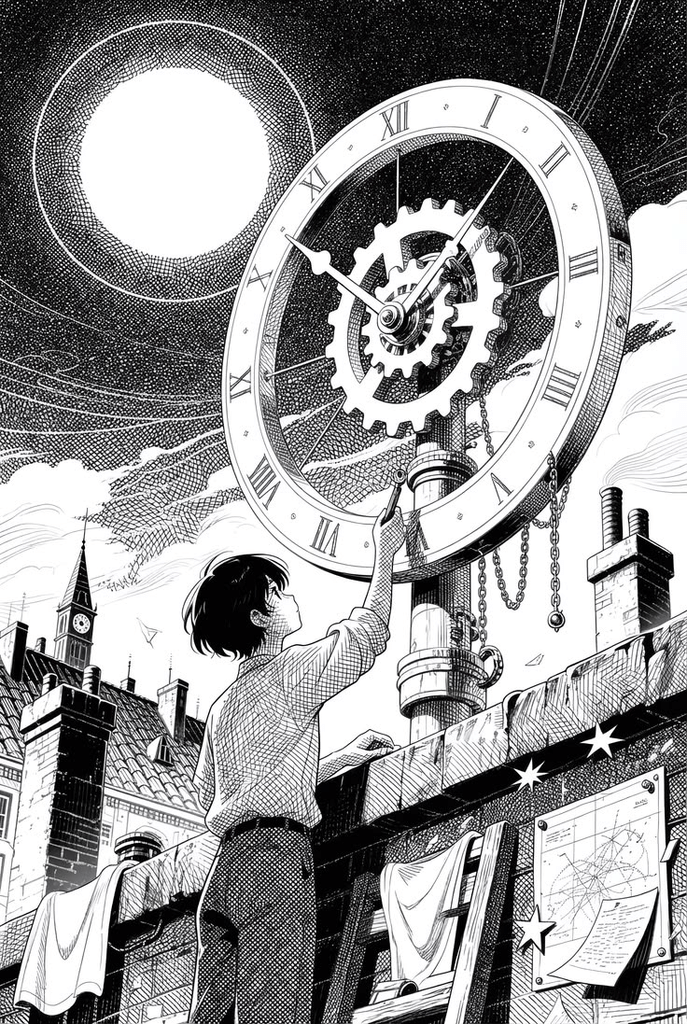
A mysterious midnight train appears only to people standing at a major crossroads in their lives, taking them to possible versions of their future. Each passenger must decide whether to accept their destiny or return to change their present choices. This emotional science-fiction story could follow different characters while exploring regret, hope, and second chances.
4. A Romance Written in the Stars
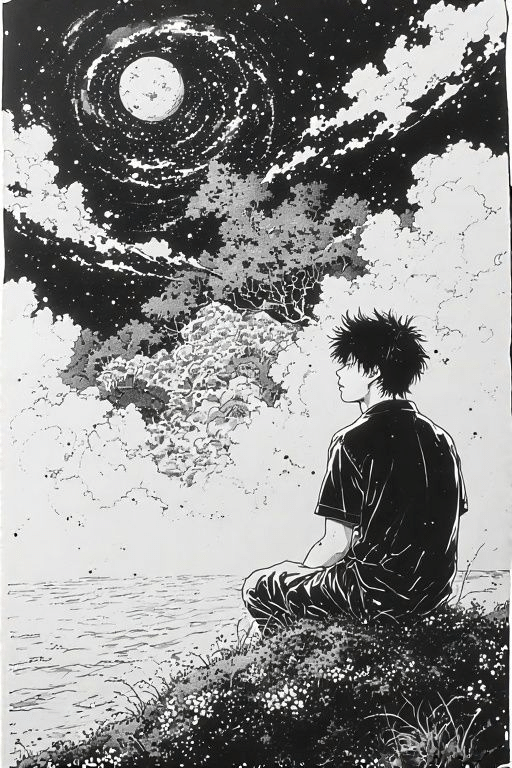
Two students discover that whenever they write wishes in an old astronomy notebook, the events begin appearing in the night sky as constellations. As they grow closer, they realize that one mysterious constellation predicts a heartbreaking event in their future. This shōjo-inspired romance could combine emotional relationships, magical realism, and the question of whether love can change destiny.
5. The City Where Shadows Have Secrets
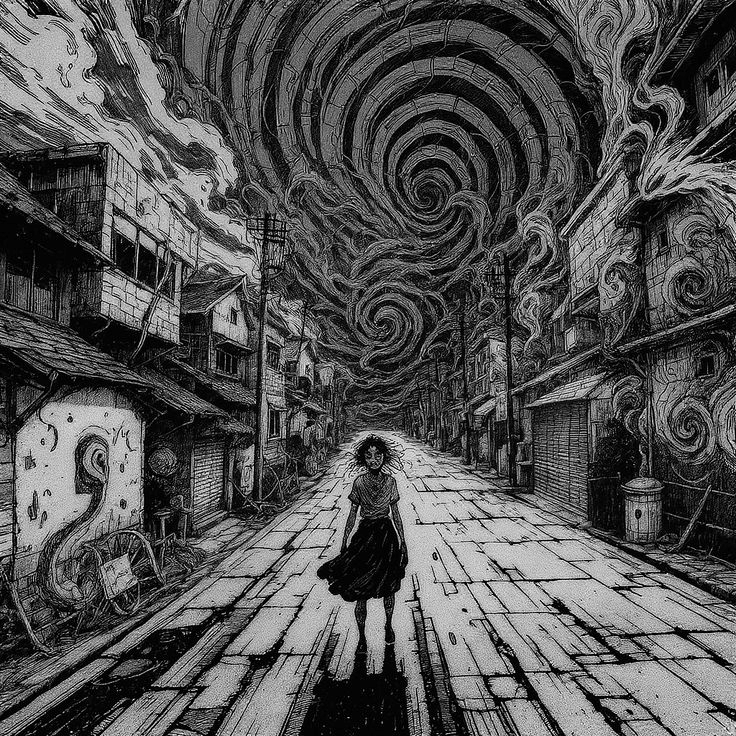
In a city where everyone’s shadow moves independently, a young detective discovers that shadows reveal secrets their owners are desperate to hide. When his own shadow begins acting strangely, he uncovers a mystery connected to a series of disappearances. This psychological fantasy could explore trust, hidden identities, and the difference between appearance and reality.
6. Reborn as the World’s Weakest Mage
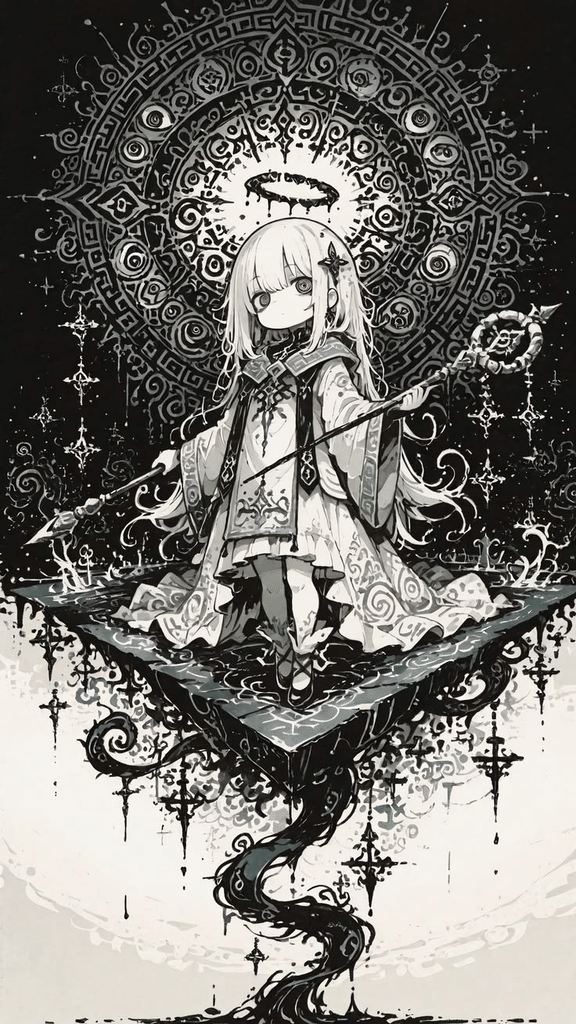
A legendary magician is reborn in a fantasy world with almost no magical ability, despite remembering every spell from his previous life. Instead of relying on powerful attacks, he uses creativity, strategy, and knowledge to overcome challenges that stronger mages cannot solve. This adventure story could focus on personal growth, clever battles, friendship, and redefining what true strength means.
7. The Art Club That Paints Other Worlds
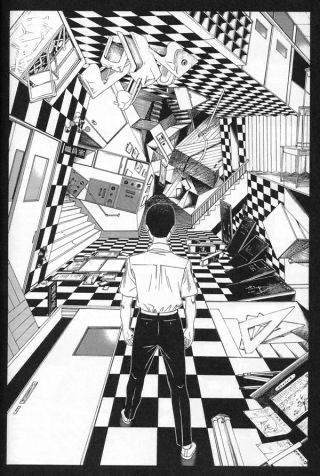
A group of students discovers that anything they paint in their abandoned art classroom becomes a real place they can enter. Each painting creates a different world shaped by the artist’s emotions, but one student’s dark artwork begins releasing something dangerous. This coming-of-age fantasy could explore creativity, teamwork, self-expression, and the consequences of imagination.
8. The Girl Who Can Hear Tomorrow
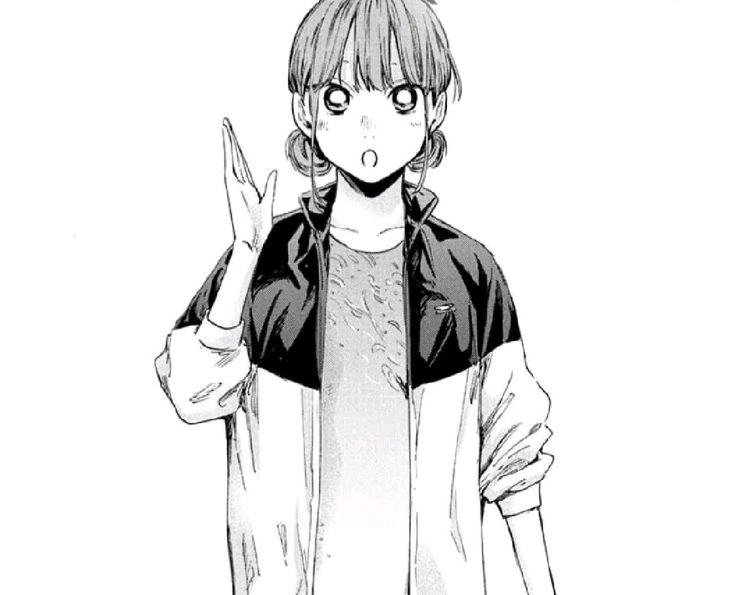
A teenager suddenly develops the ability to hear sounds from exactly 24 hours into the future, including conversations, accidents, and moments that have not happened yet. At first, she uses her unusual gift to help people, but one future sound reveals a secret involving someone she trusts. This suspenseful supernatural drama could explore responsibility, friendship, and the limits of changing the future.
9. The Monster Next Door
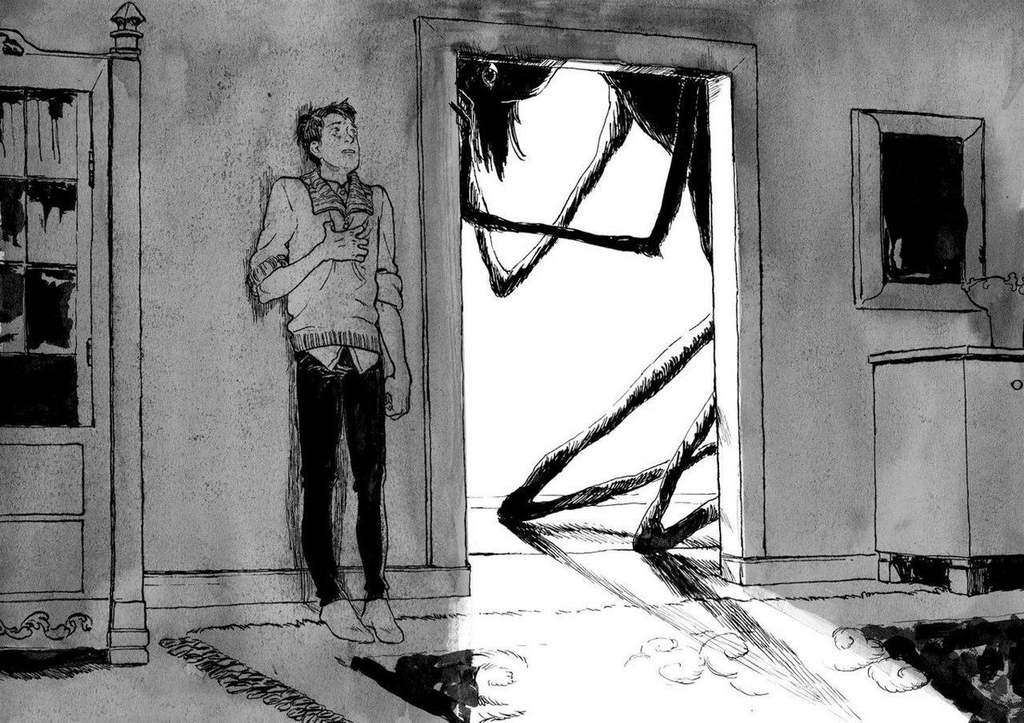
A lonely teenager discovers that the strange neighbor everyone fears is actually a misunderstood monster trying to live a peaceful human life. As an unlikely friendship develops, they uncover a hidden community of supernatural beings living quietly among ordinary people. This slice-of-life fantasy could balance humor and heartwarming moments with themes of acceptance, belonging, and prejudice.
10. The Clockmaker’s Missing Hour
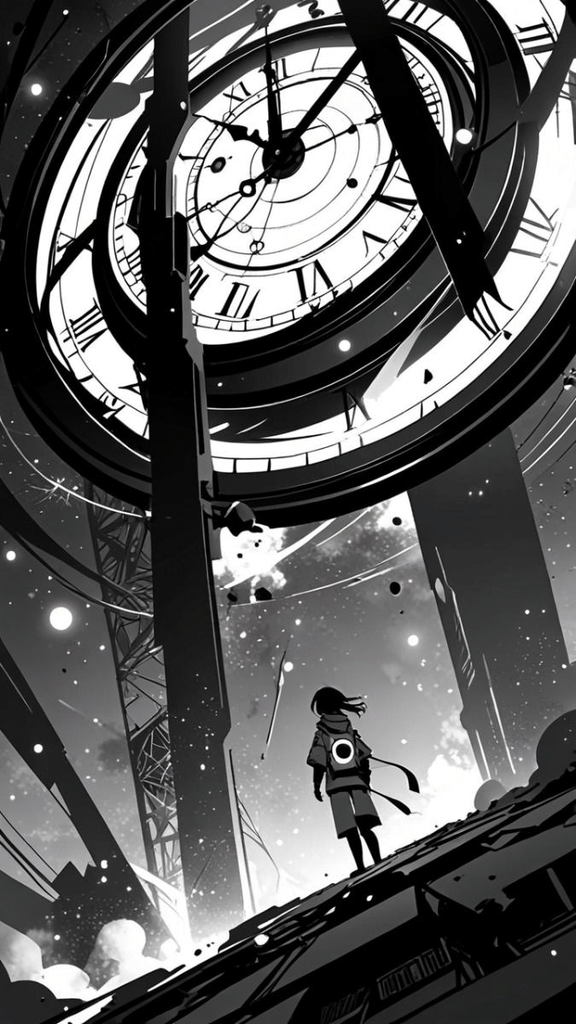
A young clockmaker discovers an unusual pocket watch capable of removing one hour from someone’s life and storing it inside a mysterious mechanism. When people across the city begin losing memories of entire hours, she must uncover who is collecting the stolen time and why. This steampunk mystery could explore sacrifice, the value of time, and the consequences of trying to control life.
11. The Academy for Unwanted Superpowers
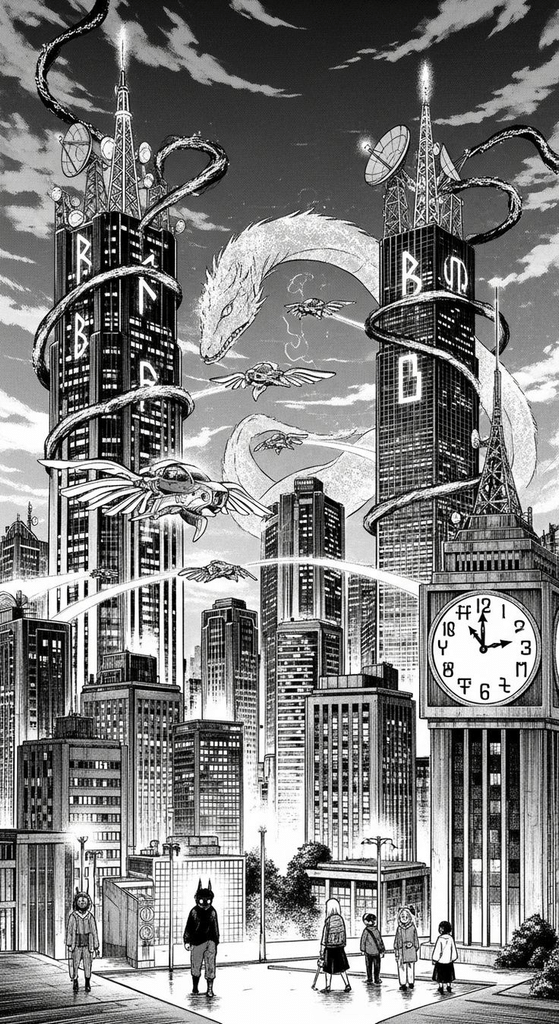
At a special academy, students are sent to develop superpowers considered useless, such as making objects slightly warmer or communicating with insects. When a mysterious threat appears, their seemingly insignificant abilities become essential to saving the school. This shōnen-style adventure could highlight teamwork, confidence, and the idea that everyone has something valuable to contribute.
12. Letters From a Parallel World
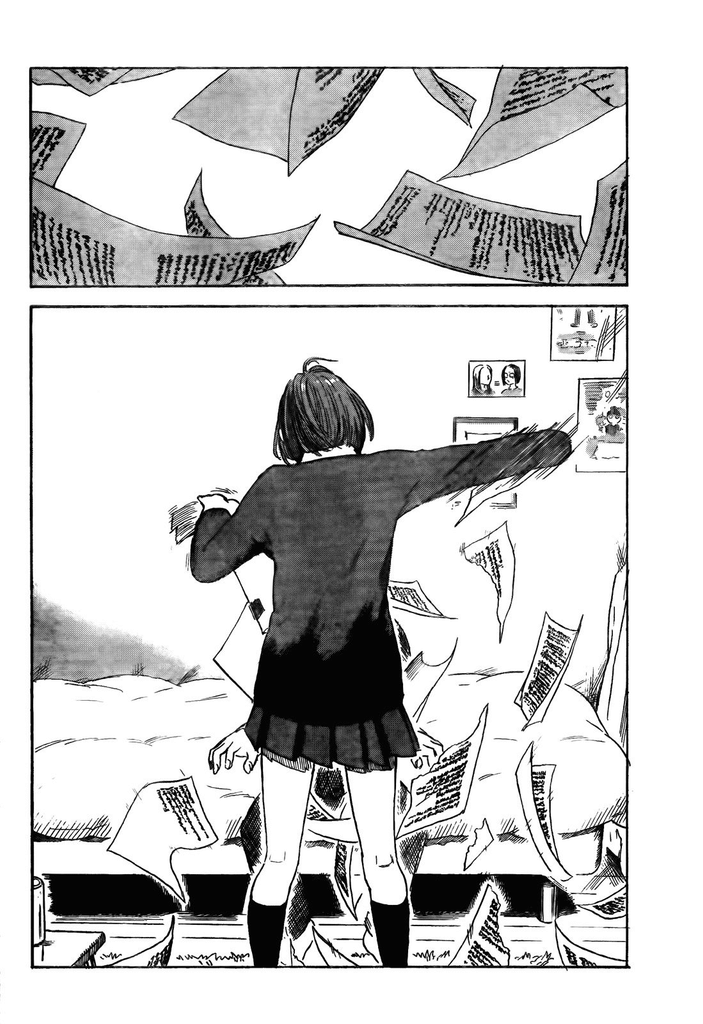
A young writer begins receiving handwritten letters from another version of herself living in a parallel world where every major life decision turned out differently. Their correspondence gradually reveals that the two worlds are connected by a mysterious event that neither can remember. This emotional science-fiction drama could explore identity, choices, self-acceptance, and the lives we imagine we could have lived.
Tips for Developing Your Manga Concept
- Choose your demographic: Decide whether your story is aimed at shōnen, shōjo, seinen, josei, or another readership, and consider the themes and storytelling style that suit it.
- Start with a strong premise: Use a simple “What if?” question to give a familiar genre an original twist.
- Build a relatable protagonist: Give your main character a clear goal, an internal weakness, and a reason readers should care about their journey.
- Create recognizable designs: Develop distinctive silhouettes, hairstyles, clothing, expressions, and character sheets.
- Plan the story structure: Consider the four-part Kishōtenketsu approach: Ki (introduction), Shō (development), Ten (unexpected twist), and Ketsu (resolution).
- Think visually: Use expressive panels, meaningful backgrounds, sound effects, and page-turn reveals instead of relying on lengthy explanations.
- Create thumbnails first: Sketch small panel layouts to test pacing and remember that traditional Japanese manga is generally read right-to-left and top-to-bottom.
Summary
Great manga storytelling begins with an idea that creates curiosity and characters readers want to follow. From mysterious libraries and parallel worlds to unusual superpowers and magical romances, these 12 original manga plot ideas offer different directions for creative storytelling. Choose a concept that inspires you, develop its central emotional theme, and build a protagonist whose personal journey gives the story meaning. With thoughtful character design, strong visual foundations, and engaging story structure, even a simple premise can grow into a memorable manga series.
Frequently Asked Questions
1. How do I come up with an original manga plot?
Start with a familiar genre or storytelling trope and change one important element using a “What if?” question. Then develop a protagonist, a central conflict, and an emotional theme.
2. What are the main manga demographics?
Common demographic categories include shōnen, shōjo, seinen, and josei. They broadly describe intended readerships and common storytelling tendencies, although manga can appeal to readers outside these groups.
3. What makes a manga protagonist interesting?
An interesting protagonist has a clear goal, recognizable personality, personal weaknesses, and room to grow. Their decisions and emotional journey should influence the direction of the story.
4. What is Kishōtenketsu in manga storytelling?
Kishōtenketsu is a four-part narrative structure consisting of introduction, development, twist, and resolution. It offers a way to build a story through changing situations and unexpected developments.
5. Should I plan my manga before drawing it?
Yes. Developing the main concept, character designs, story outline, and page thumbnails before creating finished pages can help improve consistency and storytelling flow.
SEO Description
Explore 12 original manga plot ideas for creative storytelling, including fantasy, romance, mystery, supernatural adventures, and tips for developing your own manga concept.