
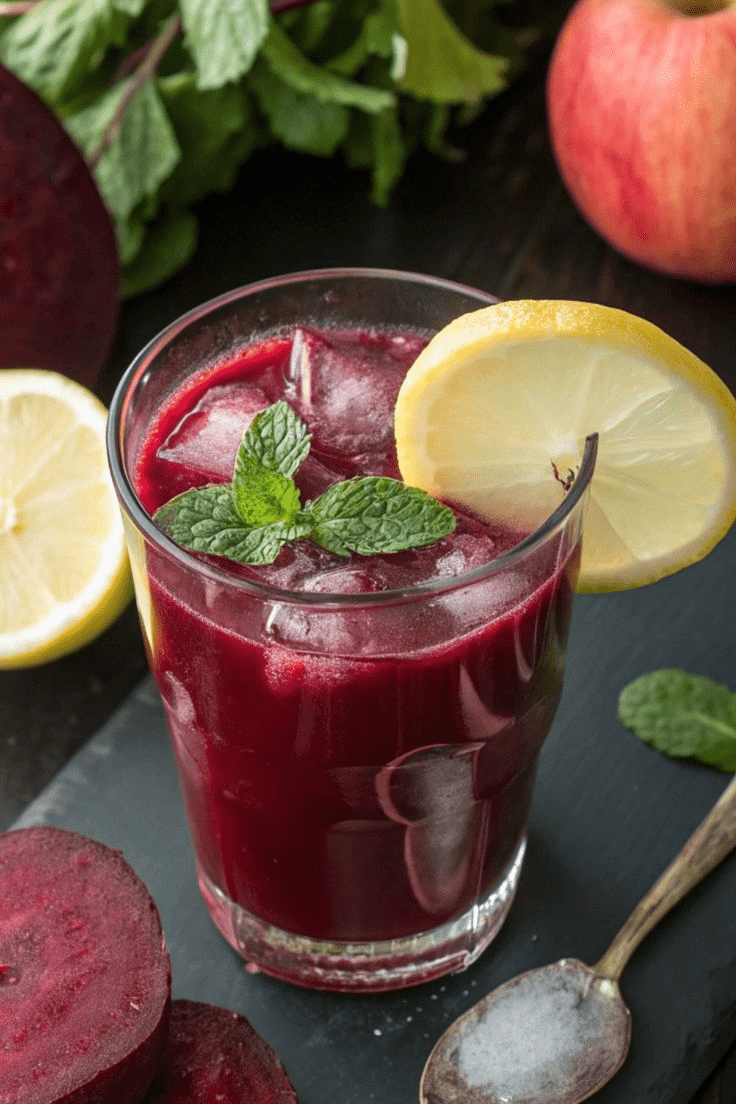
Fresh juices can be a delicious way to add more fruits and vegetables to your everyday routine. When made with whole produce, juices can provide nutrients such as vitamin C, vitamin A precursors, potassium, and plant compounds that support overall nutrition. While no single juice can transform your skin, choosing colorful fruits and vegetables as part of a balanced diet can help you get a wider variety of nutrients. Homemade juice also gives you control over the ingredients, allowing you to combine naturally sweet fruits with refreshing vegetables and herbs.
For a skin-friendly nutrition routine, think beyond extremely sweet fruit-only juices. Combining fruits with vegetables can create a more balanced flavor while adding different nutrients to your glass. Carrots, cucumbers, tomatoes, leafy greens, citrus fruits, berries, and pineapple are all versatile ingredients for homemade juice recipes. You can also add ingredients such as ginger or mint for extra flavor. Since juicing removes much of the fiber found in whole fruits and vegetables, it is a good idea to enjoy fresh juice alongside fiber-rich foods rather than using it as a replacement for whole produce. These 12 refreshing combinations are easy to experiment with and can bring more variety to your daily menu.
1. Carrot, Orange, and Ginger Juice
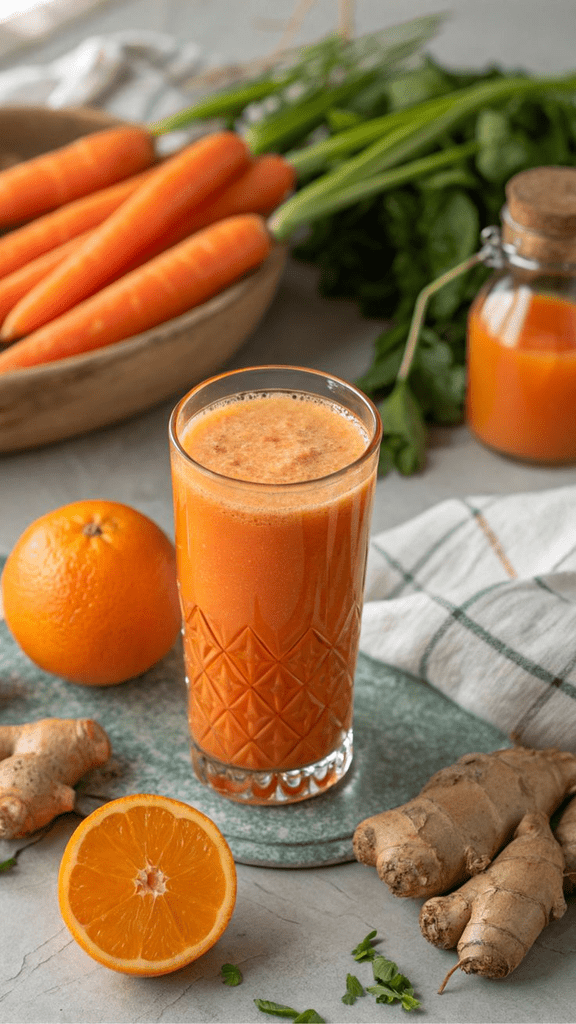
Carrot, orange, and ginger make a bright and flavorful combination that is especially refreshing in the morning. Carrots provide beta-carotene, which the body can convert into vitamin A, while oranges are well known for their vitamin C content.
To make this juice, combine fresh carrots with peeled oranges and a small piece of fresh ginger. Adjust the amount of ginger according to your taste because even a little can add noticeable warmth.
The orange provides natural sweetness, while carrots create a smooth earthy base. Ginger adds a slightly spicy finish that keeps the juice from tasting overly sweet.
For the best flavor, use fresh produce and serve the juice immediately over ice. You can also add a squeeze of lemon if you prefer a sharper citrus flavor.
Rather than thinking of this as a beauty treatment, consider it a convenient way to add colorful produce and useful nutrients to your overall diet.
2. Cucumber, Apple, and Mint Juice
Cucumber, apple, and mint create a light, crisp juice that is perfect when you want something refreshing. Cucumber contributes a mild flavor and plenty of water, while apple provides natural sweetness and mint adds a cooling herbal note.
Simply juice cucumber and apple together, then add a few fresh mint leaves. Green apples work especially well if you prefer a tart flavor, while sweeter apples create a softer and fruitier juice.
This combination is a good choice for warm days because its flavor is clean and refreshing. You can serve it chilled or pour it over ice with a few additional mint leaves.
If you want more citrus flavor, add a small amount of lemon or lime. You can also experiment with cucumber, green apple, and fresh basil for a slightly different herbal variation.
3. Tomato and Carrot Juice
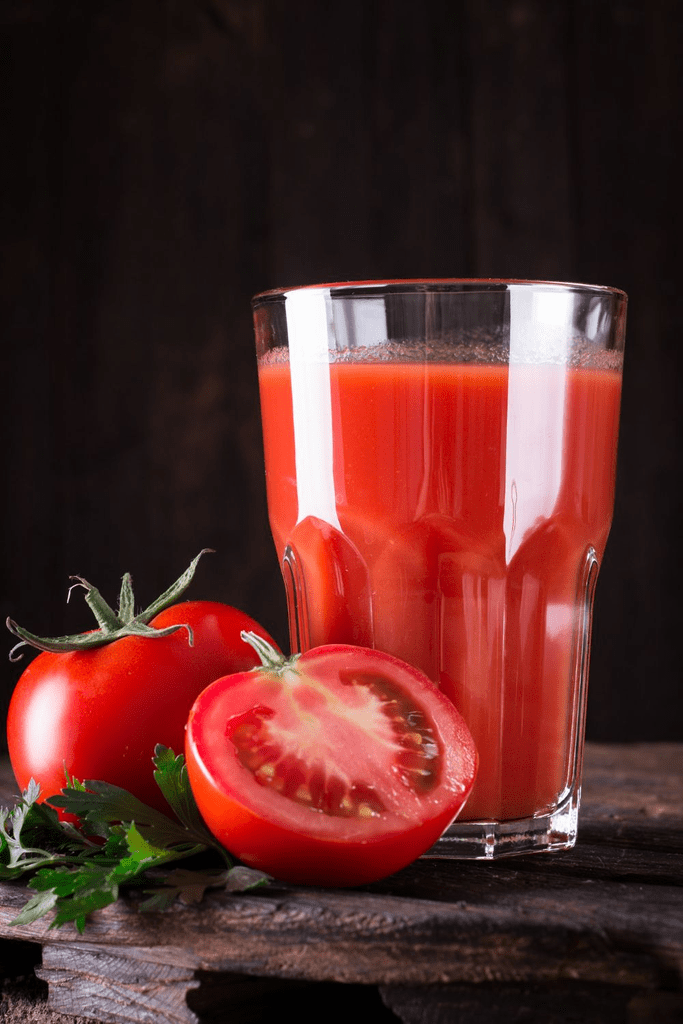
Tomato and carrot juice creates a savory-sweet combination packed with colorful produce. Tomatoes contain vitamin C and the antioxidant lycopene, while carrots provide beta-carotene.
To prepare it, juice ripe tomatoes with fresh carrots and add a little lemon juice for brightness. A small amount of celery can also work well if you enjoy a more savory flavor.
For extra seasoning, add a pinch of black pepper or a few fresh herbs after juicing. Unlike sweeter fruit juices, this combination can work particularly well alongside breakfast or lunch.
You can also turn it into a vegetable-forward juice by adding cucumber, celery, or leafy greens.
The key is to view this juice as part of a varied diet rather than relying on it for a particular skin benefit. Whole tomatoes and carrots also provide fiber, so include them regularly in meals alongside fresh juices.
4. Strawberry, Kiwi, and Lime Juice

Strawberries and kiwi create a naturally colorful juice with a pleasantly sweet-tart flavor. Both fruits can contribute vitamin C, while lime adds even more citrus brightness.
Start with ripe strawberries, peeled kiwi, and a small amount of fresh lime juice. Because strawberries can be soft, you may need to use a juicer or blend and strain the mixture depending on your equipment.
This juice tastes especially good when served very cold. Add a few ice cubes or refrigerate it briefly before serving.
You can adjust the flavor by using more strawberries for sweetness or more kiwi and lime for a sharper taste.
For a thicker drink with more fiber, blend the fruits into a smoothie instead of straining them. That option retains more of the fruit’s natural fiber while still giving you the same colorful combination.
5. Spinach, Green Apple, and Lemon Juice
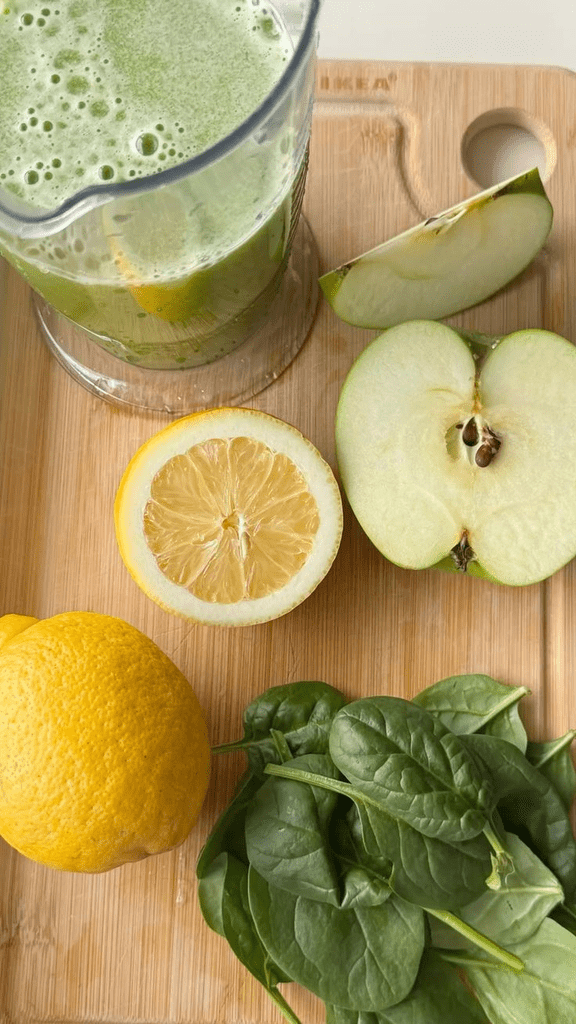
Green juice does not have to taste overly grassy. Combining spinach with green apple and lemon creates a refreshing balance between leafy vegetables, natural sweetness, and citrus acidity.
Use a handful of fresh spinach, one green apple, and a small amount of lemon. Cucumber can also be added to make the juice lighter and more refreshing.
Spinach contributes folate and other nutrients, while apples provide natural sweetness. Lemon helps brighten the flavor and can make leafy greens more appealing.
If you are new to green juices, start with a smaller amount of spinach and gradually increase it as you become accustomed to the flavor.
This juice works well as an occasional addition to breakfast or a snack. For a more filling option, turn the same ingredients into a smoothie and keep the pulp and fiber.
6. Pineapple, Cucumber, and Mint Juice
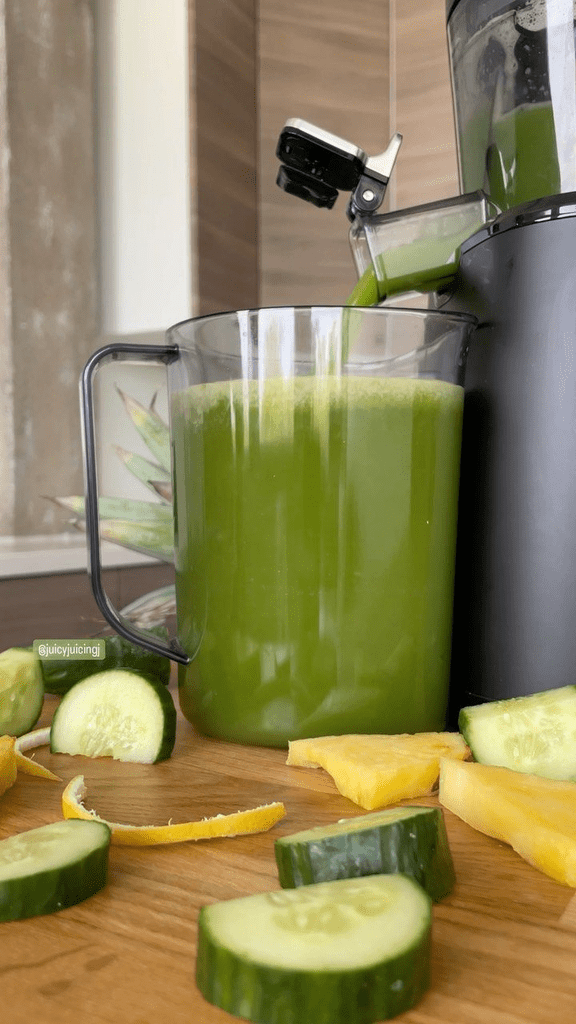
Pineapple, cucumber, and mint make a tropical-inspired combination with plenty of fresh flavor. Pineapple provides natural sweetness and vitamin C, cucumber gives the juice a light base, and mint adds a refreshing herbal finish.
Juice fresh pineapple and cucumber together, then add a few mint leaves. You can serve it over ice for an especially refreshing drink.
If the pineapple is very sweet, add a little lime juice to create more balance. A small piece of ginger can also give the juice a subtle spicy note.
This combination is particularly enjoyable during warm weather, but it can be made throughout the year when fresh ingredients are available.
Because fruit juice can contain a concentrated amount of naturally occurring sugar, keep portions reasonable and consider pairing it with a meal containing protein, healthy fats, and fiber.
7. Watermelon, Strawberry, and Lime Juice
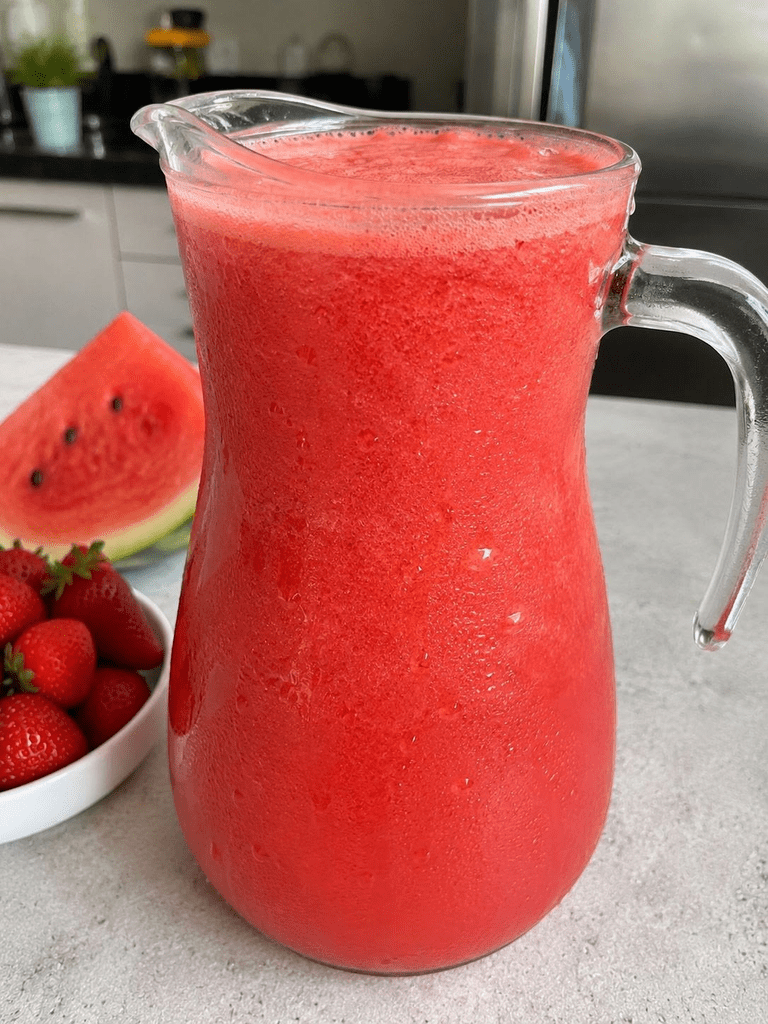
Watermelon and strawberry create a naturally sweet, vibrant juice that feels like summer in a glass. Lime adds acidity and keeps the combination from becoming too sweet.
Use fresh watermelon and ripe strawberries, then finish with a squeeze of lime. Depending on your juicer, you may want to strain the strawberry mixture for a smoother texture.
This juice is naturally high in water because watermelon contains a large amount of water. Serve it cold or over ice for a refreshing drink.
You can add fresh mint or basil for another layer of flavor. A few cucumber slices can also create a lighter variation.
For everyday nutrition, enjoy this juice as one part of your overall fruit and vegetable intake rather than treating it as a replacement for whole fruit.
8. Beet, Apple, and Lemon Juice
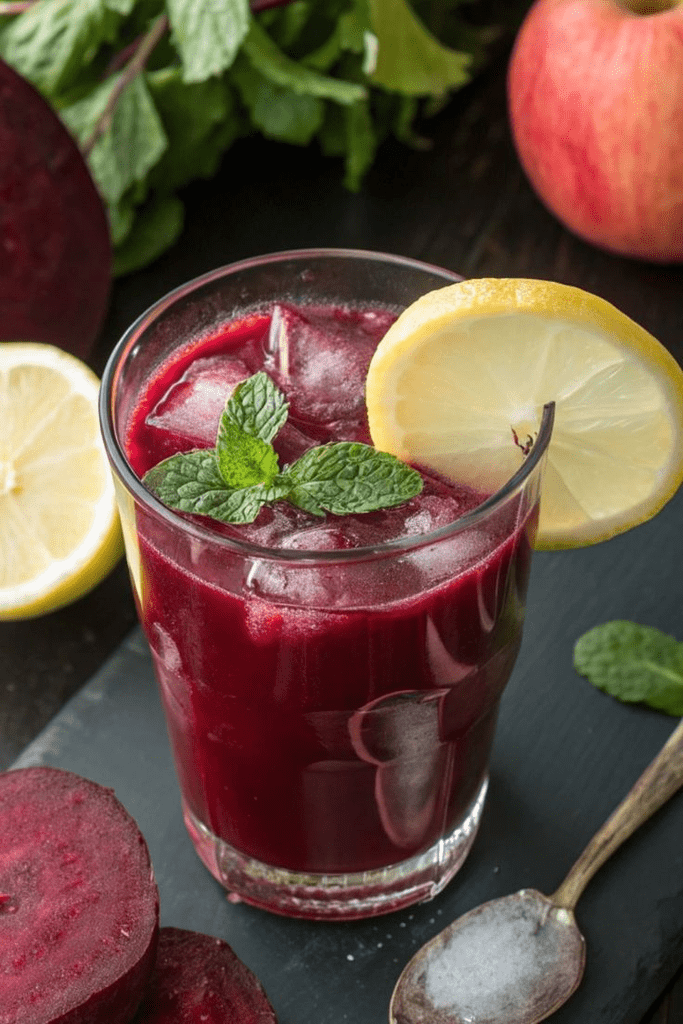
Beet, apple, and lemon create a strikingly colorful juice with an earthy, sweet, and tangy flavor. Beets provide folate and naturally occurring plant compounds, while apples help balance their earthy taste.
Start with a small beet and combine it with an apple and fresh lemon juice. If you are new to beet juice, use a modest amount at first because its flavor can be quite strong.
Carrot or cucumber can also be added to soften the flavor and create a smoother combination.
The vivid color makes this juice especially appealing for breakfast or brunch. Serve it chilled and garnish with a thin lemon slice if desired.
Remember that beet juice can temporarily change the color of urine or stool in some people, which is generally harmless. As with other juices, moderation and variety are more useful than relying heavily on one particular drink.
9. Orange, Grapefruit, and Carrot Juice
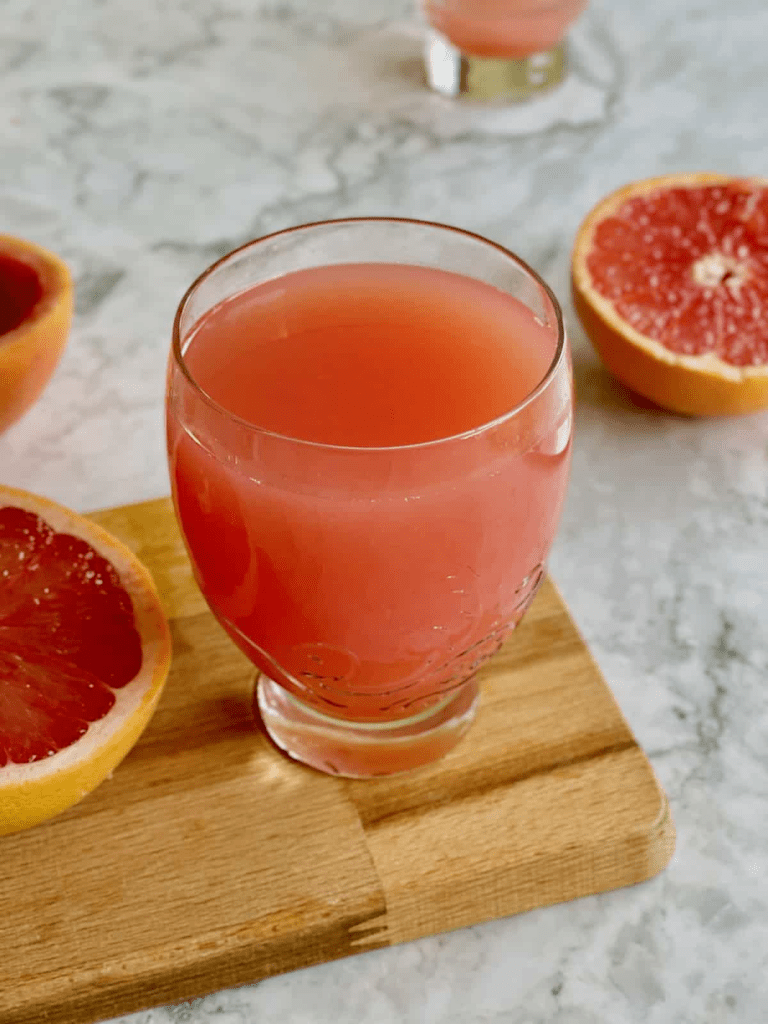
Orange, grapefruit, and carrot create a vibrant citrus-forward juice with a pleasant balance of sweetness and tartness. Oranges and grapefruit contribute vitamin C, while carrots add beta-carotene and a naturally earthy sweetness.
Juice the citrus fruits and carrots together, adjusting the grapefruit amount according to your preferred level of bitterness.
If you enjoy sweeter juice, use more orange. If you prefer a sharper citrus flavor, increase the grapefruit.
This combination is especially refreshing when served cold and works well with a light breakfast.
One important consideration is that grapefruit can interact with certain medications. If you take prescription medicines, check with your healthcare professional or pharmacist before regularly consuming grapefruit or grapefruit juice.
10. Celery, Cucumber, and Green Apple Juice
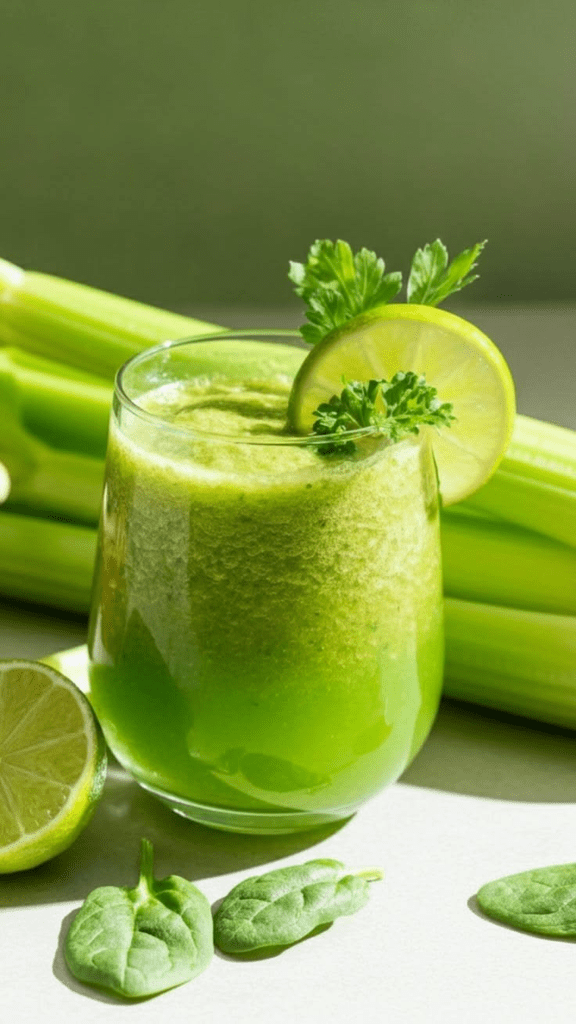
Celery, cucumber, and green apple create a crisp vegetable-forward juice with a mild sweetness. It is a useful combination for anyone who enjoys lighter green juices.
Juice fresh celery, cucumber, and green apple together. Add lemon or lime if you prefer a brighter flavor, or a small amount of ginger for warmth.
The cucumber and apple help balance the stronger celery flavor. You can also add fresh parsley or mint for a more herbal taste.
This juice is best enjoyed fresh and chilled. Because celery has a naturally savory flavor, it can also work well as an accompaniment to a breakfast sandwich or light lunch.
If you want more fiber and a thicker texture, blend the same ingredients rather than straining them.
11. Mango, Carrot, and Orange Juice
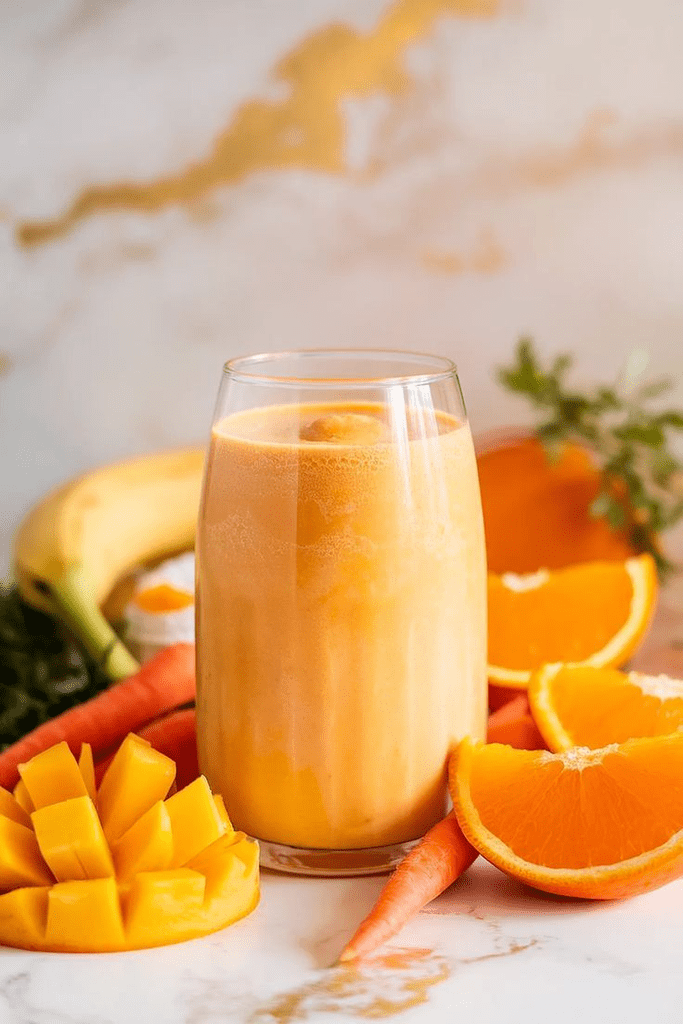
Mango, carrot, and orange create a naturally sweet tropical juice with a beautiful golden color. Mango and orange bring fruity brightness, while carrot adds an earthy note and beta-carotene.
Because all three ingredients can be quite sweet, balance the combination with fresh lime or lemon juice. A small piece of ginger can also add complexity.
Use ripe mango for the best flavor and combine it with fresh carrots and oranges. Depending on your equipment, mango may work better blended and strained rather than processed through some traditional juicers.
This juice is especially appealing as a weekend breakfast drink or a colorful addition to brunch.
For everyday nutrition, keep the serving moderate and remember that whole mango, oranges, and carrots provide more fiber than their juiced versions.
12. Berry, Cucumber, and Lemon Juice
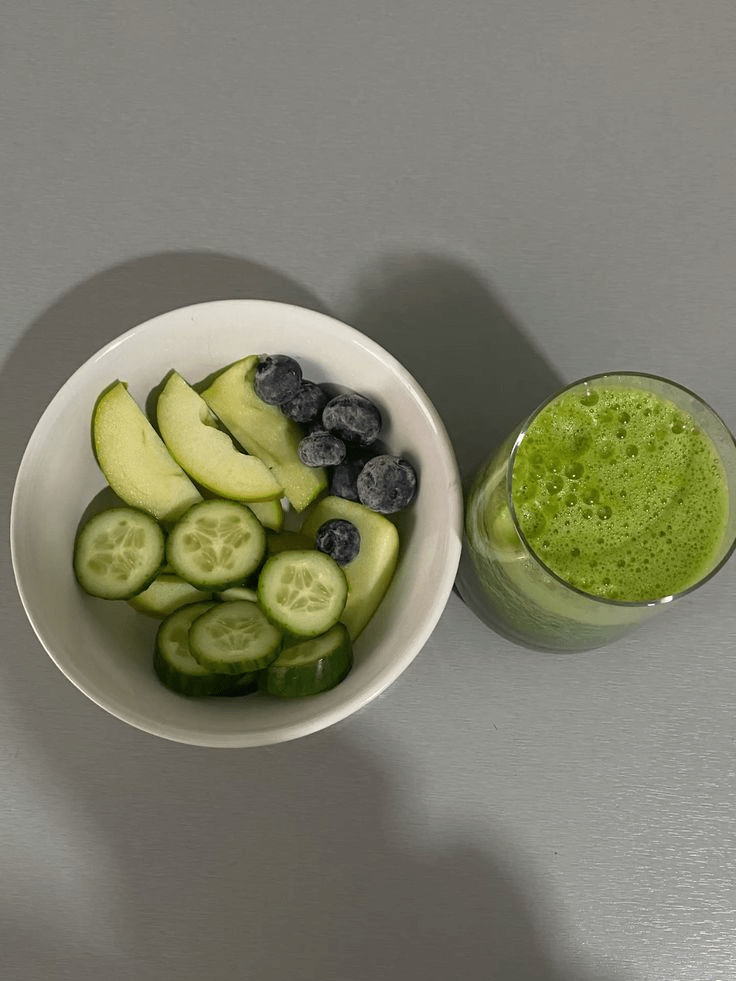
A mixed berry, cucumber, and lemon juice is a refreshing option for anyone who enjoys tart fruit flavors. Strawberries, blueberries, raspberries, or blackberries can be combined depending on what you have available.
Cucumber helps create a lighter base, while lemon adds brightness. Berries provide naturally occurring plant compounds and contribute color and flavor.
Because berries contain seeds and pulp, this combination may work particularly well as a blended drink that is lightly strained according to your preferred texture.
For more fiber, keep the pulp rather than straining it completely. You can also turn the same ingredients into a smoothie by adding plain yogurt or another protein-rich ingredient.
Serve the juice chilled with fresh berries and a lemon wedge for a simple, colorful drink that feels fresh without requiring complicated preparation.
Short Summary
Fresh juices can be a flavorful way to include more fruits and vegetables in a varied eating pattern. Carrots, citrus fruits, berries, leafy greens, cucumbers, tomatoes, beets, and pineapple offer plenty of combinations to experiment with. For skin-friendly nutrition, focus on overall dietary variety rather than expecting one juice to create dramatic changes. Since juicing removes much of the fiber found in whole produce, enjoy fresh juice in reasonable portions alongside whole fruits, vegetables, protein-rich foods, healthy fats, and other fiber-rich choices.
Frequently Asked Questions
1. Which fresh juices are good for skin-friendly nutrition?
Juices containing colorful produce such as carrots, citrus fruits, berries, tomatoes, leafy greens, and beets can contribute useful vitamins, minerals, and plant compounds to an overall balanced diet.
2. Can drinking juice improve your skin?
Juice alone cannot guarantee specific skin improvements. However, regularly eating a variety of nutrient-rich fruits and vegetables can contribute to overall nutrition, which supports normal body functions including healthy skin.
3. Is homemade juice better than packaged juice?
Homemade juice gives you more control over the ingredients and allows you to avoid unnecessary added sugars. However, unsweetened packaged juices can also fit into a balanced diet depending on the product and portion.
4. How often should I drink fresh juice?
There is no universal requirement to drink juice every day. A small serving can be included as part of a varied diet, but whole fruits and vegetables should remain important sources of produce and fiber.
5. Does juicing remove fiber?
Yes. Most traditional juicers separate much of the pulp from the liquid, significantly reducing the fiber compared with eating the whole fruit or vegetable. Blending and keeping the pulp retains more fiber.
6. What can I add to fresh juice for more flavor?
Fresh lemon or lime, ginger, mint, basil, parsley, and cucumber can add flavor without relying on added sugar.
7. Are fruit-only juices healthy?
Fruit-only juices can provide nutrients, but they can also be relatively concentrated in natural sugars and contain little fiber. Combining fruit with vegetables and keeping portions moderate can create more variety.
8. Can everyone drink fresh juice?
Most people can enjoy fresh juice as part of a balanced diet, but individual needs vary. People managing blood sugar, taking certain medications, or following specific dietary recommendations should consider discussing regular juice consumption with a qualified healthcare professional.