
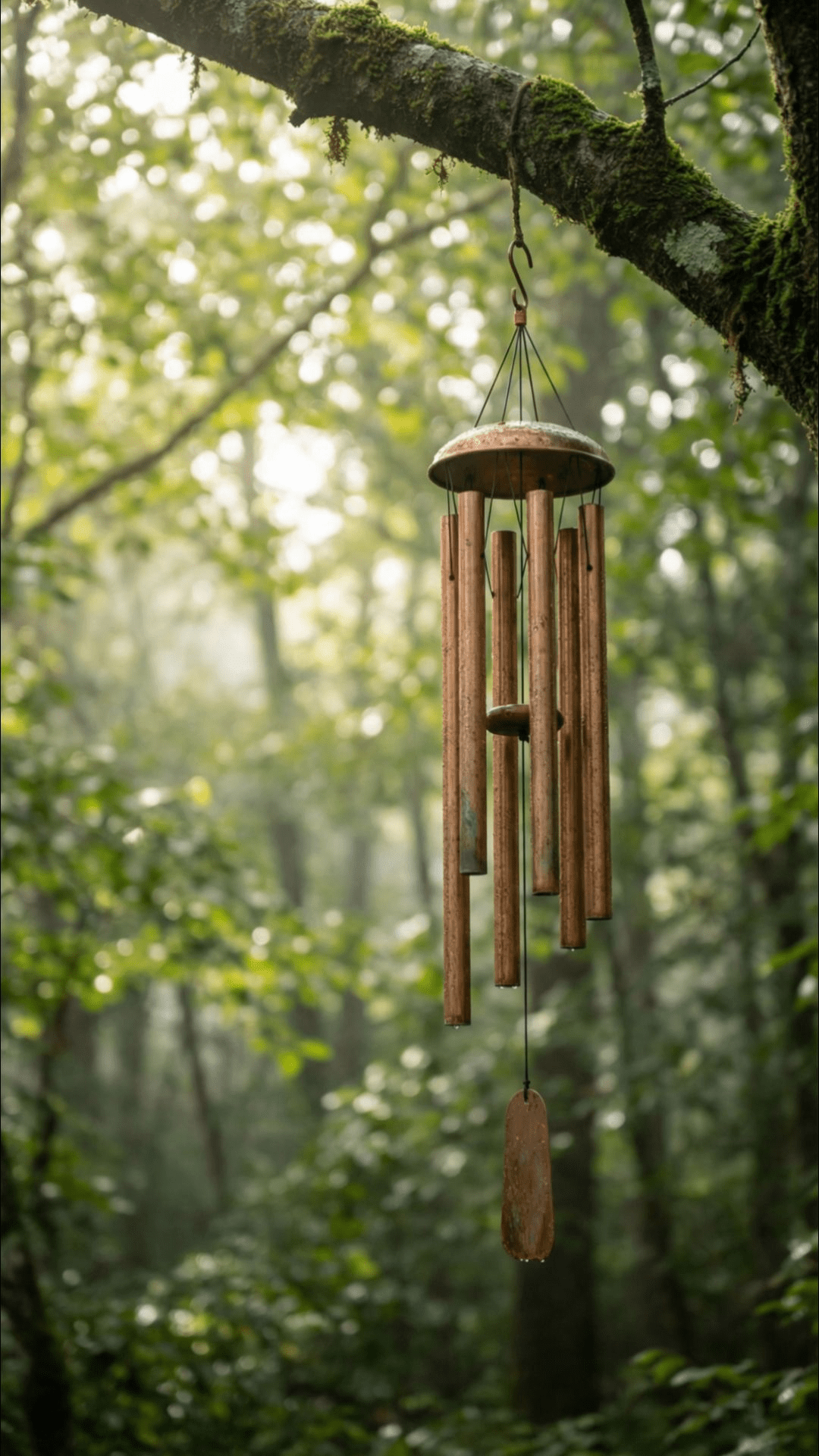
Sound healing is a calming wellness practice that uses sounds, vibrations, and mindful listening to encourage relaxation and emotional balance. For centuries, different cultures have used music, chanting, bells, and natural sounds as tools for meditation, reflection, and creating a peaceful environment. Today, many people use sound-based practices as part of their self-care routines to unwind after a busy day and create moments of calm.
You don’t need expensive equipment or professional training to enjoy the relaxing benefits of sound. Simple practices like listening to calming music, humming, using singing bowls, or spending time with nature sounds can easily become part of your daily routine. These gentle techniques can help create a peaceful atmosphere, support mindfulness, and encourage a deeper connection with yourself. Here are 12 easy sound healing practices you can try for relaxation and stress relief.
1. Practice Mindful Listening
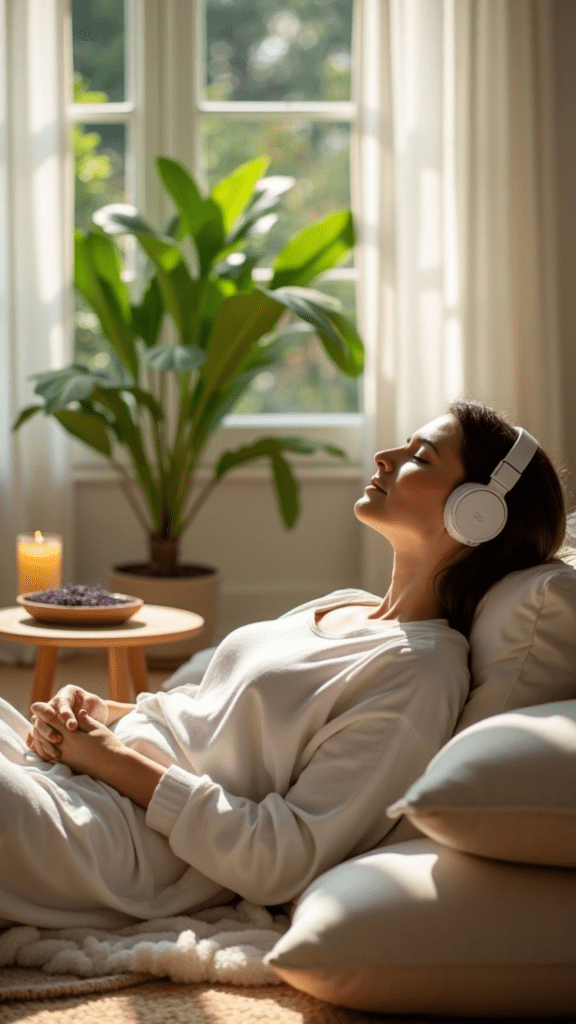
Mindful listening involves focusing completely on the sounds around you without judgment.
Sit comfortably, close your eyes, and pay attention to different sounds nearby, such as birds, wind, rain, or background music. This practice encourages you to stay present and can help calm a busy mind by shifting your attention away from stressful thoughts.
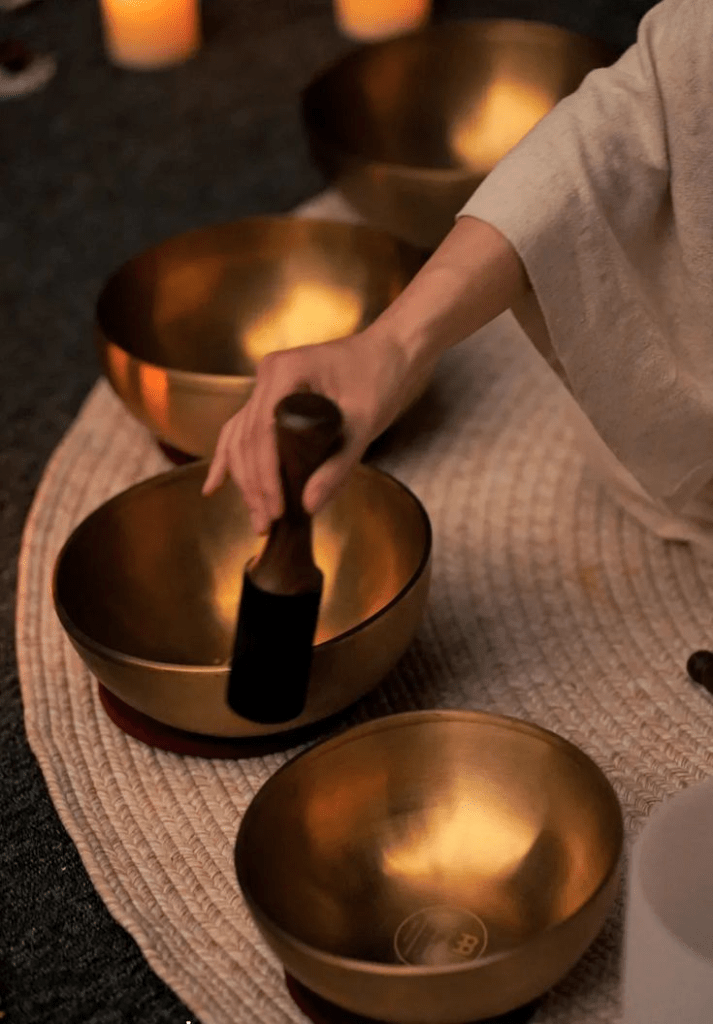
2. Try Singing Bowl Meditation
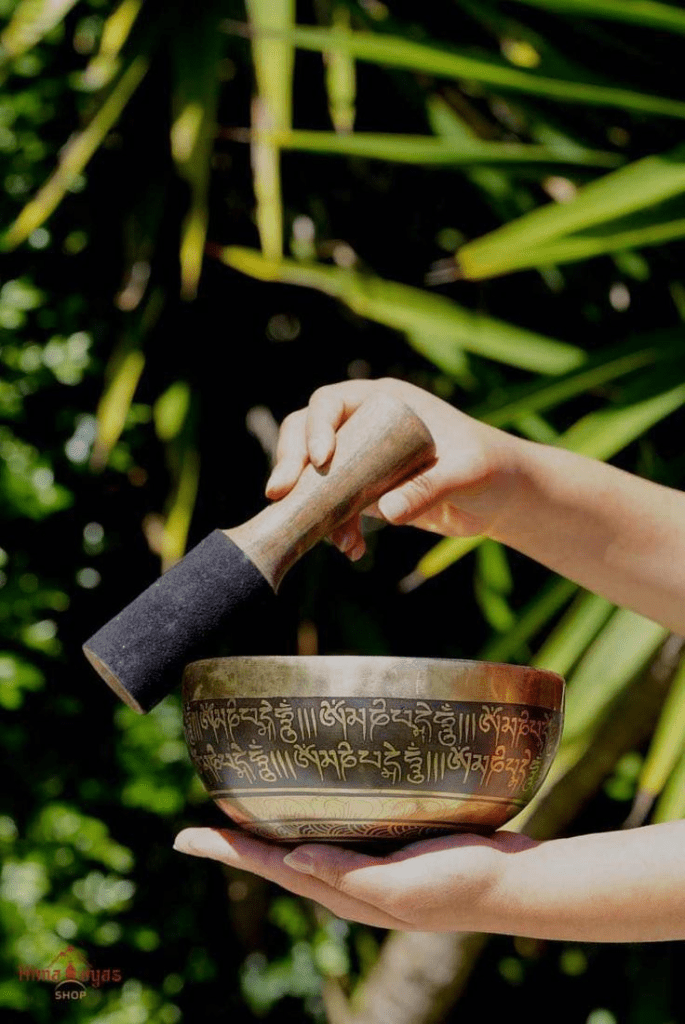
Singing bowls create soothing tones and vibrations that are often used during meditation.
Gently strike the bowl and listen as the sound fades away. Focus on the vibration and allow yourself to relax. This simple practice can create a peaceful atmosphere for quiet reflection.
3. Listen to Nature Sounds

Natural sounds like ocean waves, rainfall, forests, and flowing rivers can create a calming environment.
Play nature sound recordings during meditation, before sleep, or while relaxing at home. These sounds can help you create a peaceful space away from daily distractions.
4. Practice Humming
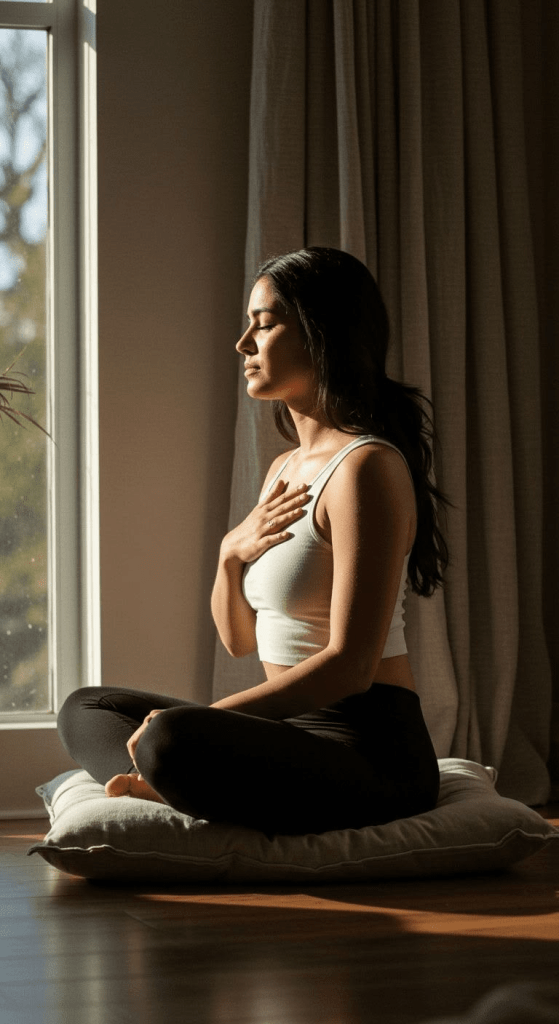
Humming is one of the simplest ways to incorporate sound into relaxation.
Take slow breaths and gently hum a comfortable note. The vibration can create a soothing sensation and help you focus on your breathing and body awareness.
5. Use Calming Music

Create a playlist of gentle music that helps you feel relaxed.
Soft instrumental music, classical pieces, ambient sounds, or slow melodies can be used during yoga, reading, meditation, or quiet moments throughout the day.
6. Explore Chanting
Chanting involves repeating sounds, words, or phrases in a rhythmic way.
Many traditions use chanting as a form of meditation and mindfulness. Repeating a calming phrase can help quiet mental distractions and create a focused, peaceful state.
7. Try Breath and Sound Exercises

Combine slow breathing with gentle sounds to create a relaxing routine.
For example, inhale slowly and exhale while making a soft humming or “ah” sound. This practice encourages relaxation and helps you become more aware of your breathing patterns.
8. Use Wind Chimes
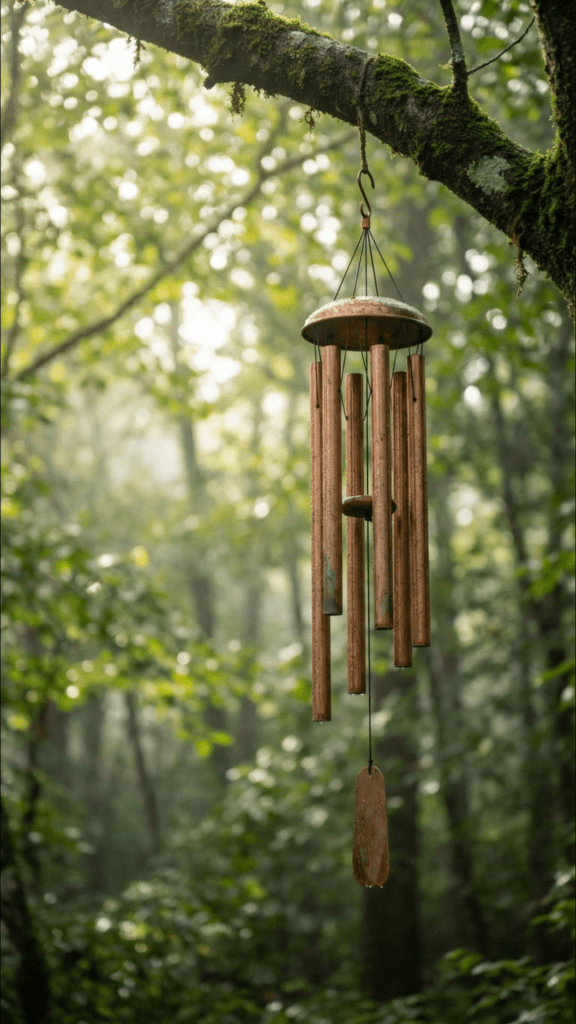
Wind chimes create natural, gentle sounds that can add a peaceful feeling to your surroundings.
Place them near a window, garden, or outdoor space where you can enjoy their calming tones. Listening to their changing sounds can become a simple mindfulness activity.
9. Create a Relaxing Sound Bath at Home
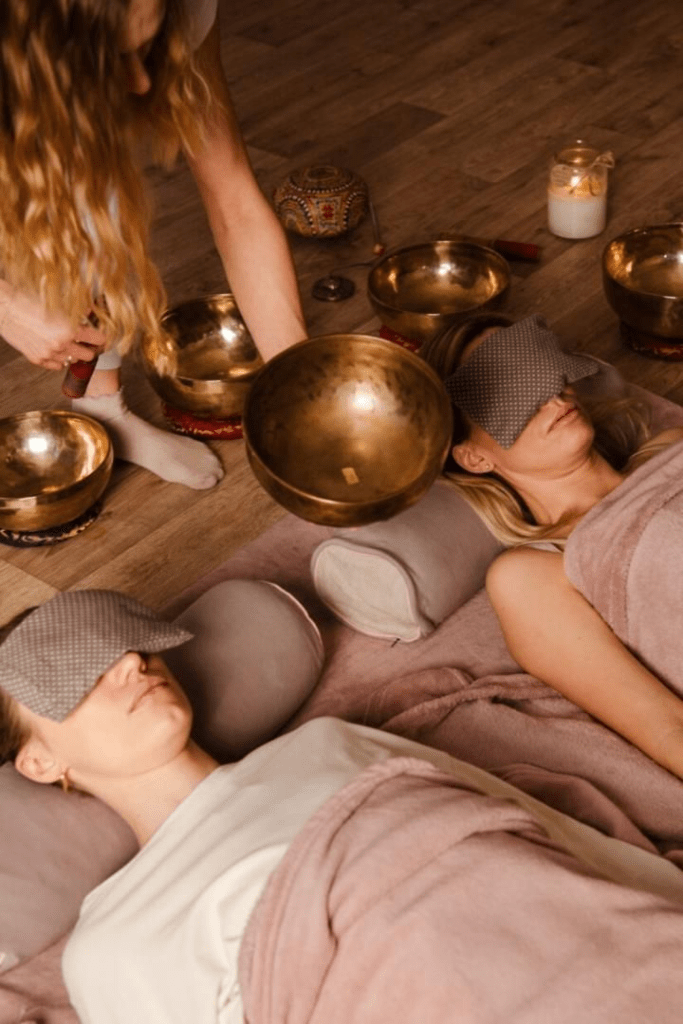
A sound bath uses continuous sounds to create a deeply relaxing experience.
You can use recorded sound baths, meditation tracks, or instruments like chimes, drums, or singing bowls. Create a comfortable space, lie down, and focus on the sounds around you.
10. Play a Simple Musical Instrument
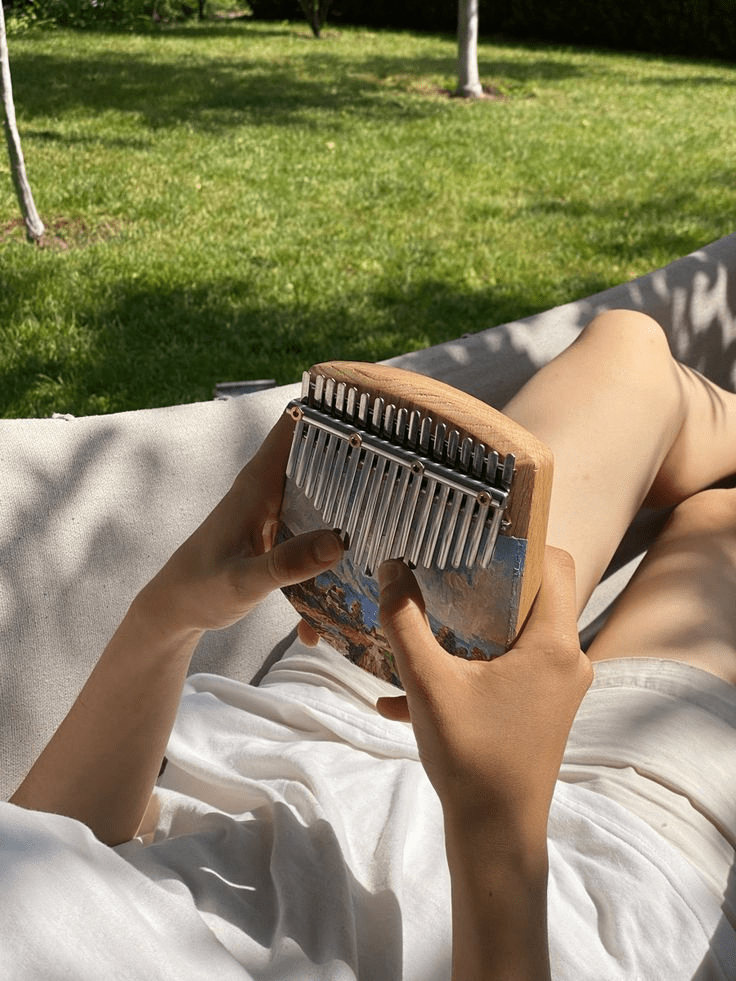
You don’t need to be an expert musician to enjoy sound creation.
Try simple instruments like a hand drum, ukulele, keyboard, or flute. Playing music can be a creative way to relax and express yourself.
11. Use Guided Sound Meditation
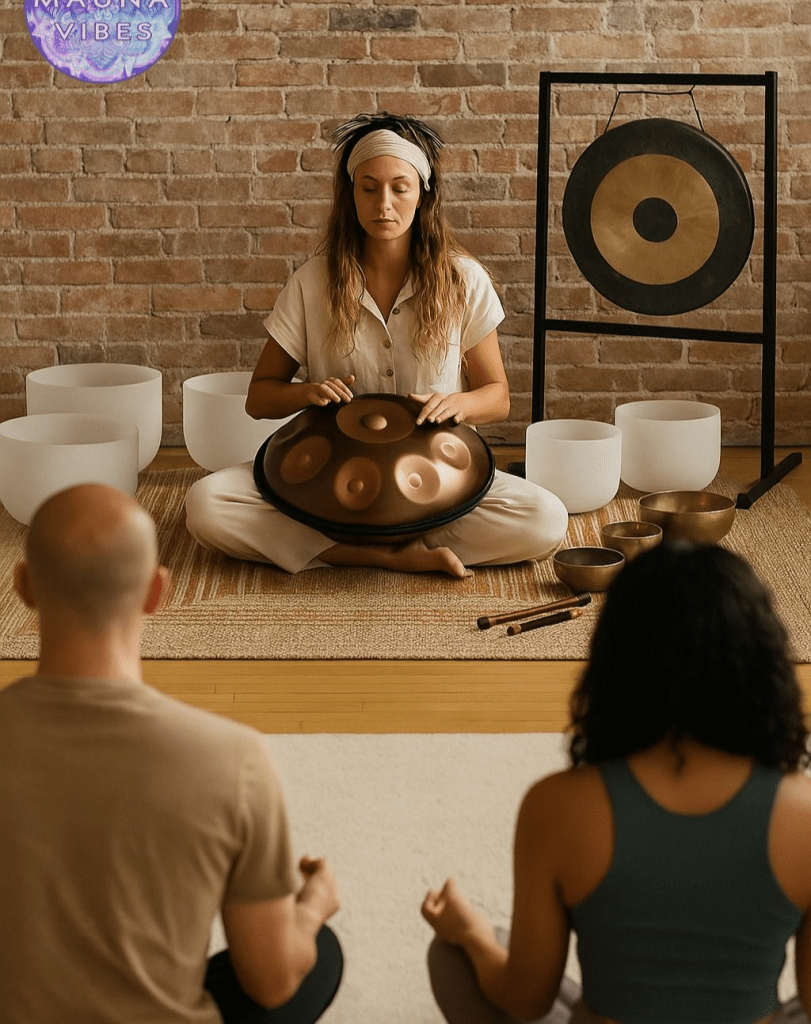
Guided sound meditations combine calming voices with relaxing background sounds.
These sessions can help beginners learn how to focus, relax, and build a consistent mindfulness practice.
12. Enjoy Sound During Outdoor Walks

Pay attention to the natural sounds around you while walking.
Listen to birds, footsteps, leaves moving, or the sounds of your surroundings. Turning a regular walk into a mindful listening experience can make it feel more peaceful and refreshing.
Summary
Sound healing practices offer simple ways to create moments of relaxation and mindfulness in everyday life. From humming and nature sounds to singing bowls and calming music, these techniques can help you slow down, focus on the present moment, and create a peaceful environment. Whether you practice for a few minutes or include sound meditation in your daily routine, these gentle activities can become a meaningful part of your self-care journey.
Frequently Asked Questions
What is sound healing?
Sound healing is a wellness practice that uses sounds, vibrations, and music as tools for relaxation, meditation, and mindfulness.
Do I need special instruments for sound healing?
No. You can practice sound healing with simple methods like humming, listening to music, or using nature sounds.
How long should I practice sound healing?
Even a few minutes of mindful listening or relaxation with sound can be a helpful addition to your routine.
Can sound healing help with stress?
Many people find calming sounds and mindful listening relaxing, though individual experiences may vary.
What sounds are best for relaxation?
Nature sounds, gentle music, singing bowls, soft instrumental sounds, and calming chants are commonly used for relaxation.
Can beginners try sound meditation?
Yes. Many sound practices are beginner-friendly and require no previous experience.
When is the best time to practice sound healing?
Many people enjoy sound practices in the morning, before bedtime, during meditation, or whenever they need a peaceful break.
Can I combine sound healing with yoga or meditation?
Yes. Sound practices are often combined with yoga, breathing exercises, and mindfulness activities to create a calming routine.