
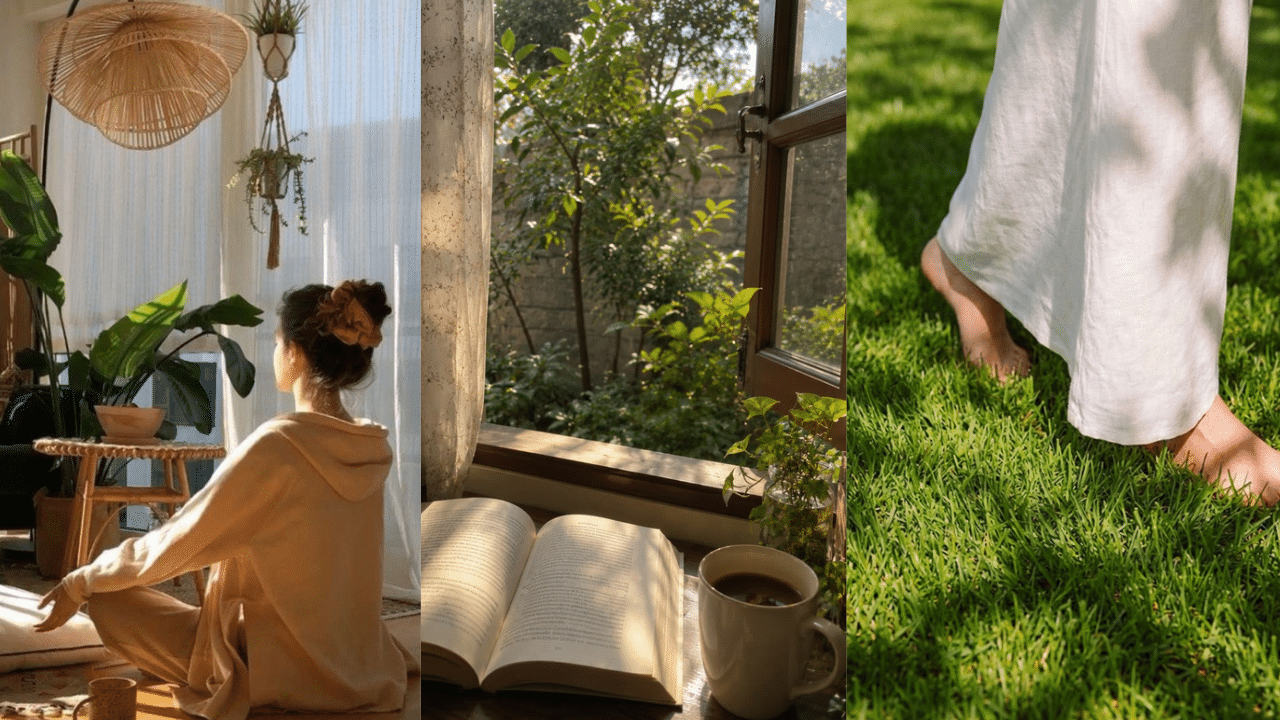
Finding inner peace in a busy world can feel challenging, especially when responsibilities, unexpected changes, and constant distractions compete for your attention. However, creating a calmer life does not always require a long meditation session or a complete lifestyle transformation. Sometimes, small daily habits can make a meaningful difference in how you respond to stress, process emotions, and connect with yourself. Practicing daily Zen rituals is one way to bring more mindfulness, simplicity, and balance into your everyday routine.
Zen-inspired practices encourage you to slow down, pay attention to the present moment, and let go of unnecessary mental clutter. These rituals are not about eliminating every negative thought or feeling. Instead, they help you develop a gentler relationship with your experiences. Whether you have five minutes in the morning or a quiet moment before bed, these 12 daily Zen rituals can help you cultivate inner peace and emotional balance, one mindful moment at a time.
1. Begin Your Morning in Silence
The way you start your morning can influence how you approach the rest of your day. Reaching for your phone immediately after waking up can fill your mind with notifications, messages, and other people’s demands before you have had time to check in with yourself. Beginning the day in silence offers an opportunity to feel grounded before the outside world takes over.
Try spending the first five to ten minutes of your morning without screens, music, or conversation. Sit comfortably near a window, notice the natural light, and allow your thoughts to settle without trying to control them. You might enjoy a quiet cup of tea or simply listen to the sounds around you.
How to practice it:
- Keep your phone away from your bed.
- Sit quietly for five minutes after waking.
- Notice your breathing without forcing it to change.
- Set a gentle intention, such as being patient or staying present.
You do not need to feel perfectly calm every morning. The goal is to create a little space between waking up and rushing into your responsibilities.
2. Practice Mindful Breathing
Mindful breathing is a simple way to bring your attention back to the present moment when your mind feels busy. Worries often pull you into the future, while regret can keep you thinking about the past. Paying attention to your natural breathing gives you something immediate and steady to focus on.
Find a comfortable position and notice the sensation of air entering and leaving your body. You can observe the movement of your chest or abdomen or feel the air around your nostrils. When your attention wanders, gently return it to your breath instead of criticizing yourself.
A simple breathing ritual:
- Sit comfortably with your shoulders relaxed.
- Breathe in gently through your nose.
- Breathe out slowly without forcing the exhalation.
- Continue for two to five minutes.
- Notice how you feel before returning to your activities.
Practice mindful breathing during a stressful workday, before a difficult conversation, or whenever you need a short pause. If focusing on your breath feels uncomfortable, direct your attention toward your feet on the floor or the sounds around you instead.
3. Create a Mindful Tea or Coffee Ritual
A warm drink can become more than a quick source of energy. When prepared and enjoyed mindfully, it can serve as a daily reminder to slow down and appreciate ordinary experiences.
Instead of making your morning coffee or tea while scrolling through your phone, give the process your full attention. Notice the sound of water boiling, the aroma of the drink, the warmth of the cup, and the changing colors as the ingredients mix. When you take your first sip, focus on its taste and temperature.
How to make it a Zen ritual:
- Prepare your drink without rushing.
- Choose a quiet place to sit.
- Put away screens while drinking.
- Take a few slow sips and notice the experience.
- Allow yourself to enjoy the moment without multitasking.
This ritual can take only five minutes, making it practical even on busy mornings. The purpose is not to turn every cup of tea into a complicated ceremony. It is to practice giving one ordinary activity your complete attention.
4. Meditate for Five to Ten Minutes
Meditation is often associated with long periods of silence, but beginners can start with just a few minutes a day. A short meditation practice can help you become more aware of your thoughts and emotional reactions without feeling that you must immediately act on them.
Choose a quiet spot where you can sit comfortably. Close your eyes if that feels natural, or keep them softly focused on a point in front of you. Pay attention to your breathing, bodily sensations, or the sounds in the room. When thoughts arise, acknowledge them and gently return your attention to your chosen focus.
A beginner-friendly meditation routine:
- Set a timer for five minutes.
- Sit with a relaxed but comfortable posture.
- Choose your breath as an anchor for attention.
- Notice thoughts as they appear without following every one.
- Return to your breathing whenever you become distracted.
You may notice restlessness, boredom, or a stream of thoughts. These experiences are normal and do not mean you are meditating incorrectly. Consistency matters more than achieving a perfectly quiet mind. If meditation increases distress, try keeping your eyes open, shortening the session, or using a grounding activity instead.
5. Take a Mindful Walk in Nature
Walking can become a moving meditation when you pay attention to your surroundings rather than treating the activity as another task to finish. A quiet walk gives you an opportunity to step away from screens, reconnect with your senses, and notice details that often disappear into the background of a busy day.
You do not need a forest, beach, or beautiful garden. A neighborhood street, a small park, or even a courtyard can provide an opportunity to practice mindfulness. As you walk, notice the sensation of your feet touching the ground, the movement of the air, the shapes of nearby trees, and the sounds around you.
Try this simple walking ritual:
- Walk for 10–15 minutes at a comfortable pace.
- Keep your phone in your pocket when it is safe to do so.
- Notice five things you can see.
- Listen for three distinct sounds.
- Feel the movement of your body as you walk.
Allow your thoughts to come and go without trying to solve every problem along the way. If you are walking near traffic or in an unfamiliar area, prioritize your surroundings and personal safety. The goal is to become more present, not to walk without awareness of your environment.
6. Declutter One Small Space Each Day
A crowded environment can sometimes contribute to feelings of distraction or overwhelm. You may not be able to organize your entire home or workspace at once, but clearing one small area can create a sense of order without adding another demanding project to your day.
Choose a manageable space, such as your bedside table, desk, handbag, kitchen counter, or one drawer. Spend five minutes returning items to their proper places and removing things you no longer need. As you work, focus on the task rather than rushing through it.
Make daily decluttering easier:
- Choose one small area instead of an entire room.
- Put away items you have finished using.
- Keep only useful or meaningful objects within easy reach.
- Donate or recycle unwanted items when appropriate.
- Stop when your five-minute timer ends.
Zen-inspired simplicity is not about owning as few possessions as possible or maintaining a perfect home. It is about making your surroundings more supportive of the life you want to live. A small, peaceful corner can become a helpful place to read, reflect, meditate, or simply rest.
7. Write in a Daily Reflection Journal
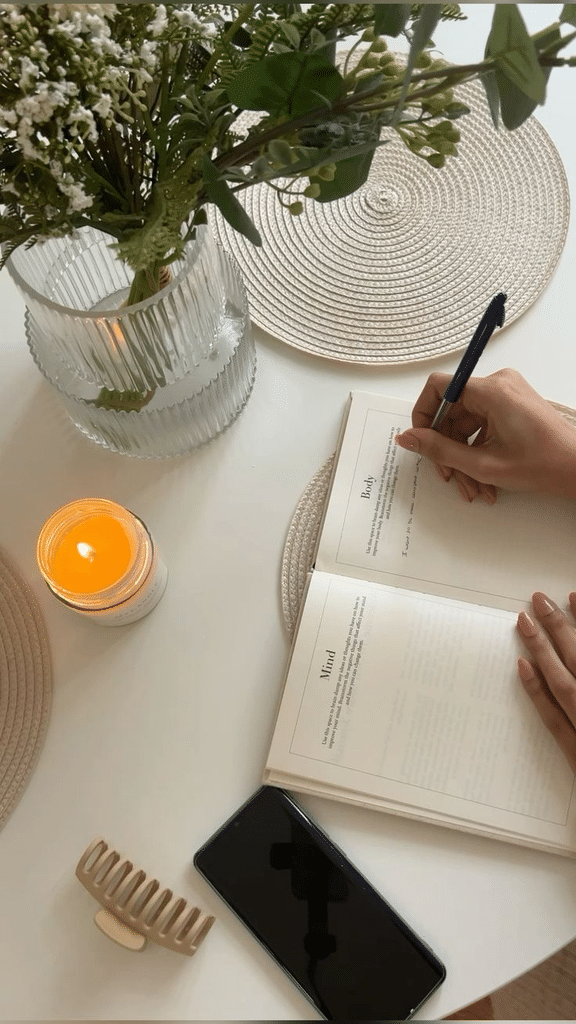
Journaling gives you a private place to explore your thoughts and emotions without needing to explain them to anyone else. When worries remain unexamined, they can feel tangled and difficult to understand. Writing them down may help you identify what is bothering you, recognize recurring patterns, and decide what deserves your attention.
You do not need to write several pages or follow a strict format. Spend five minutes answering a few questions about your day. Be honest about difficult feelings while also making room for positive moments and small achievements.
Use these journal prompts:
- What am I feeling right now?
- What has been taking up most of my mental energy?
- What is within my control today?
- What is one thing I appreciate?
- What can I release before going to bed?
Avoid judging yourself for what appears on the page. Your journal does not need to sound inspiring or positive all the time. Emotional balance includes acknowledging sadness, frustration, disappointment, and uncertainty. If writing makes you feel more overwhelmed, pause and try a shorter reflection focused on what you need in the present moment.
8. Practice Gratitude Without Forcing Positivity
Gratitude can help you notice the supportive, comforting, or meaningful parts of your life that are easy to overlook during stressful periods. It does not mean pretending everything is fine or ignoring problems that need attention. Instead, it creates room for appreciation alongside whatever difficulties you may be experiencing.
Each day, identify three things you genuinely appreciate. They can be significant experiences, such as receiving support from someone you love, or ordinary details, such as a delicious meal, a cool breeze, or a few minutes of rest.
A simple gratitude ritual:
- Choose a regular time, such as breakfast or bedtime.
- Think of three specific things you appreciate.
- Reflect briefly on why each one matters.
- Notice how these moments fit into your day.
- Allow gratitude to feel natural rather than forced.
For example, instead of writing, “I am grateful for my family,” you might write, “I appreciated the conversation I had with my sister because it helped me feel understood.” Specific reflections make the practice more personal and meaningful.
On particularly difficult days, one small source of comfort is enough. You do not have to find a silver lining in every painful experience to practice gratitude.
9. Pause Before Reacting to Strong Emotions
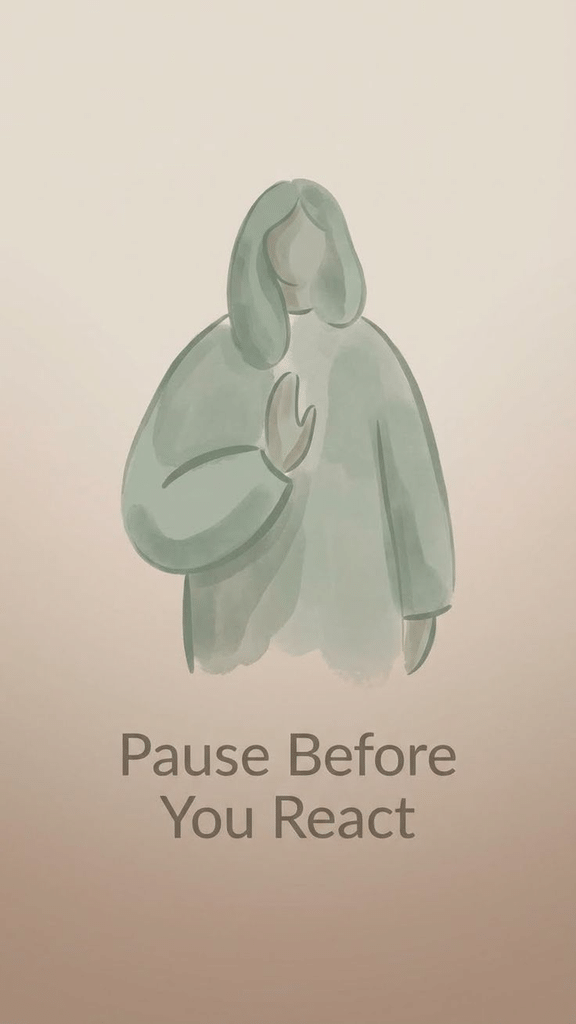
Emotional balance does not mean never feeling angry, anxious, disappointed, or hurt. It means learning to recognize emotions and respond thoughtfully instead of automatically reacting to every feeling. A short pause can create room to choose what you say or do next.
When something upsets you, notice the physical and mental signs of your reaction. Perhaps your shoulders tighten, your thoughts race, or you feel an immediate urge to send a message. If possible, give yourself a moment before responding.
Try the pause-and-notice method:
- Stop: Avoid reacting immediately if the situation allows.
- Notice: Name the emotion you are experiencing.
- Breathe: Take a few comfortable, unforced breaths.
- Assess: Ask yourself what happened and what you need.
- Respond: Choose a constructive next step.
You might tell yourself, “I am feeling frustrated, and I can take a moment before answering.” This acknowledges the feeling without allowing it to dictate your behavior.
If the situation involves a serious boundary violation or immediate danger, prioritize your safety rather than feeling obligated to remain calm or delay action. Mindfulness should help you respond to reality more clearly, not encourage you to tolerate harmful behavior.
10. Spend a Few Minutes in Digital Silence
Constant notifications, social media updates, and endless scrolling can make it difficult to hear your own thoughts. A short period of digital silence gives your attention a chance to rest and helps you become more intentional about how you use technology.
Choose a time each day when you can step away from nonessential digital activity. You might leave your phone in another room while eating, avoid social media during the first 15 minutes after waking, or take a short break from screens during the afternoon.
Create a realistic digital boundary:
- Turn off nonessential notifications.
- Set specific times for checking social media.
- Keep meals or short walks screen-free when practical.
- Avoid scrolling automatically whenever you feel bored.
- Replace one scrolling session with reading, stretching, or resting.
You do not need to abandon technology or feel guilty about enjoying online content. The goal is to make your digital habits more deliberate. When you choose when to connect and when to disconnect, you can protect more time for activities that support your attention and emotional well-being.
11. Connect With Your Body Through Gentle Stretching
Stress can sometimes show up as physical tension, particularly in the neck, shoulders, back, and jaw. Gentle stretching offers an opportunity to notice your body and release some of that tension while taking a break from mental demands.
Choose a few comfortable movements that suit your ability. Roll your shoulders slowly, stretch your arms overhead, gently turn your head from side to side, or stand and reach toward the ceiling. Breathe naturally and pay attention to how each movement feels.
A five-minute stretching ritual:
- Relax your shoulders and unclench your jaw.
- Roll your shoulders gently several times.
- Reach your arms overhead without forcing the stretch.
- Stretch your calves or legs if you have been sitting for a long time.
- Finish by standing or sitting comfortably and noticing your body.
Move slowly and stay within a comfortable range of motion. Avoid bouncing, forcing a stretch, or continuing through sharp pain. If you have an injury or a medical condition that affects movement, adapt the routine to your needs.
This practice is especially useful after long periods of sitting or working at a computer. It can also serve as a gentle transition between work and personal time, reminding you to care for your body as well as your thoughts.
12. End the Day With a Peaceful Evening Ritual
The final moments of the day can influence how easily you transition from activity to rest. If you spend the entire evening answering messages, working, or worrying about tomorrow, your mind may have little opportunity to slow down. A simple evening ritual can help you close the day with greater intention.
Begin by choosing a realistic time to reduce stimulating activities. Dim the lights if appropriate, prepare your clothes or essentials for the next day, and spend a few minutes reflecting on what happened. You might read a few pages of a book, listen to gentle music, or enjoy a warm caffeine-free drink.
Create your own bedtime ritual:
- Put away work materials when possible.
- Write down unfinished tasks for tomorrow.
- Reflect on one thing you learned or appreciated.
- Spend a few minutes stretching or breathing comfortably.
- Keep a consistent bedtime and wake-up schedule when practical.
Avoid turning your evening routine into another list of tasks you must complete perfectly. Some nights, you may have only five minutes to spare, and that is enough to begin building a habit.
A peaceful evening is not about solving every problem before sleeping. It is about recognizing that the day has ended and giving yourself permission to rest.
Practical Tips for Building a Daily Zen Routine
You do not need to practice all 12 rituals every day to benefit from a more mindful lifestyle. Starting with too many new habits can make your routine feel overwhelming, especially when you already have work, family, and personal responsibilities.
Use these practical tips to make your Zen rituals easier to maintain:
- Start with one or two rituals: Choose practices that fit naturally into your existing routine.
- Attach them to daily activities: Try mindful breathing after brushing your teeth or journaling before bed.
- Keep sessions short: Begin with two to five minutes and extend the time only if it feels helpful.
- Focus on consistency, not perfection: Missing a day does not mean you have failed.
- Choose rituals that suit you: Walking may feel more natural than sitting meditation, and that is perfectly fine.
- Reduce unnecessary pressure: Your routine should support your life, not become another source of stress.
- Review your experience: After a week, notice which habits help you feel more grounded and which ones need adjusting.
Remember that inner peace is not a permanent state in which you never experience stress. It is the ability to meet life’s changing circumstances with greater awareness, patience, and self-compassion.
Summary: Make Room for More Inner Peace
Daily Zen rituals can help you bring mindfulness into ordinary moments, from your first cup of tea to the final minutes before bed. Practices such as mindful breathing, meditation, journaling, gratitude, nature walks, and digital breaks encourage you to slow down and become more aware of your thoughts, feelings, and surroundings.
Start small and allow your routine to develop naturally. You might begin with five minutes of morning silence and a short evening reflection, then add other practices as they become comfortable. The most useful rituals are not necessarily the longest or most elaborate ones. They are the ones you can return to with kindness and consistency.
Over time, these small moments of awareness may help you recognize emotional patterns, respond more thoughtfully to challenges, and create a more peaceful relationship with yourself. You do not have to change your entire life today. Simply begin with one mindful moment.
Frequently Asked Questions
1. What are daily Zen rituals?
Daily Zen rituals are simple, mindful activities that encourage present-moment awareness, simplicity, and calm. Examples include meditation, mindful breathing, quiet walks, gratitude journaling, and peaceful evening routines. They can be practiced at home, at work, or while completing ordinary tasks.
2. How can I practice Zen every day as a beginner?
Begin with one easy activity, such as sitting quietly for five minutes, taking a mindful walk, or noticing your breathing before starting work. Attach the activity to an existing habit so it becomes easier to remember. Focus on regular practice rather than perfection.
3. How long should I meditate for inner peace?
Beginners can start with two to five minutes of meditation and gradually increase the duration if they find it helpful. There is no single perfect length for everyone. A short, comfortable practice that fits your daily schedule may be easier to maintain than a long session that feels demanding.
4. Can Zen rituals help with emotional balance?
Mindfulness-based activities may help some people become more aware of emotional reactions and respond more deliberately to stressful situations. Journaling, breathing, and pausing before reacting can support self-awareness. However, these practices are not a substitute for professional mental health care when it is needed.
5. What is the best time to practice Zen rituals?
The best time is the time you can practice consistently. Morning rituals can help you begin the day intentionally, while afternoon pauses can interrupt a busy schedule. Evening practices may help you transition away from work and prepare for rest.
6. How can I find inner peace when life feels stressful?
Start by identifying one small thing you can do in the present moment, such as taking a comfortable breath, stepping outside, writing down your worries, or talking with someone you trust. Focus on what is within your control while acknowledging what you cannot immediately change. Seek additional support if stress becomes persistent or overwhelming.
7. Do I need a quiet room to practice mindfulness?
No. A quiet room can make mindfulness easier for some people, but it is not essential. You can practice while walking, washing dishes, drinking tea, or sitting on a bus. Choose a safe activity and bring your attention to the sensations and details of the present moment.
8. What is the difference between inner peace and emotional balance?
Inner peace generally refers to a sense of calm, acceptance, or steadiness, while emotional balance involves recognizing and responding to different feelings in a constructive way. They are connected, but neither requires feeling happy all the time. A balanced person can experience difficult emotions while still responding thoughtfully.
9. Can I practice Zen rituals without following a religion?
Yes. Many mindfulness practices, such as mindful walking, breathing, journaling, and reducing distractions, can be used as everyday well-being habits without adopting a particular religious belief. Zen itself has Buddhist roots, so these modern adaptations should not be confused with the entirety of Zen Buddhist practice.
10. How long does it take to notice the benefits of daily Zen rituals?
The experience varies from person to person. Some people notice a helpful pause or greater awareness during their first practice, while developing a consistent routine can take weeks or longer. Focus on how the habits fit into your life rather than expecting immediate or identical results every day.