
Sometimes, the need for change doesn’t arrive as one dramatic moment. Instead, it shows up in small ways: waking up feeling unmotivated, repeating the same habits, feeling disconnected from people, or wondering why your life no longer feels right. You might have a stable job, a familiar routine, and people around you who care about you, yet still feel that something is missing. These feelings don’t automatically mean your life is going wrong, but they may be worth paying attention to.
Recognizing the signs you need to change your life can help you understand what is no longer working and what you want to experience instead. Change doesn’t always mean quitting your job, moving somewhere new, ending relationships, or starting over completely. Sometimes, it begins with setting healthier boundaries, changing your daily routine, learning a new skill, or making more room for the things that matter to you. The goal isn’t to build a perfect life overnight. It’s to create a life that feels more meaningful, balanced, and aligned with who you are becoming. Here are 12 clear signs that it might be time to make a change, along with practical ways to begin.
1. You Wake Up Feeling Unmotivated Most Days

Everyone has mornings when getting out of bed feels difficult. However, if you regularly wake up feeling uninspired, disconnected, or reluctant to begin another day, it may be worth examining your current routine and circumstances.
Perhaps your days have become repetitive, your responsibilities feel overwhelming, or you’re spending most of your energy meeting other people’s expectations. You might also be working toward goals that no longer feel meaningful to you. Over time, this can make even ordinary activities feel like obligations rather than opportunities.
Instead of blaming yourself for lacking motivation, ask what might be contributing to the feeling. Are you getting enough rest? Do you have anything enjoyable to look forward to? Does your schedule leave room for personal interests and meaningful connections?
How to start changing: Introduce one small activity that gives your day a sense of purpose. It could be a morning walk, a creative hobby, learning something new, or working toward a personal goal for 15 minutes. If low motivation persists and affects your daily functioning, consider speaking with a qualified professional.
2. You Keep Saying, “I’ll Start Tomorrow”

You have ideas, plans, and goals, but somehow, you never seem to begin. You tell yourself you’ll exercise next week, apply for a better job next month, or finally make time for a hobby when life becomes less busy.
Occasional procrastination is normal. But when postponing important changes becomes a pattern, it can leave you feeling stuck. Sometimes, the problem isn’t laziness. You might be afraid of failing, uncertain about where to begin, or overwhelmed by the size of the goal.
Waiting until you feel completely ready can keep you in the same place for years. Progress often starts before you feel confident.
How to start changing: Make the first step so small that it feels manageable. Instead of planning an entire career change, spend 20 minutes researching one opportunity. Rather than committing to a complicated fitness routine, begin with a short walk. Set a specific time to take action and focus on completing that one task.
You don’t need a perfect plan to begin. You need a realistic first step that turns an intention into something you actually do.
3. Your Daily Routine Feels Like Groundhog Day

You wake up, complete the same responsibilities, scroll through your phone, go to bed, and repeat the process the next day. Your routine might be productive on paper, but it leaves you feeling as though you’re watching your life pass by rather than actively participating in it.
Familiar routines can provide comfort and stability. The problem arises when every day feels identical and there’s no room for curiosity, creativity, connection, or growth.
You don’t necessarily need a dramatic lifestyle transformation. Sometimes, a few intentional changes can help you feel more engaged with your surroundings.
How to start changing: Introduce variety into your week. Visit somewhere new, try a recipe you’ve never made, take a different route on your walk, or schedule time for a creative project. You could also create a weekly activity that gives you something enjoyable to anticipate.
Look at your routine and identify what feels unnecessarily repetitive. Keep the habits that support you, but make room for experiences that help you feel present and interested in your own life.
4. You Feel Jealous When You See Other People’s Progress

You scroll through social media and see someone launching a business, traveling, learning a skill, improving their fitness, or reaching a goal you’ve quietly wanted for yourself. Instead of feeling happy for them, you feel frustrated, behind, or disappointed with your own progress.
These feelings can be uncomfortable, but they may contain useful information. Sometimes, jealousy highlights a desire you’ve ignored or a goal you’ve convinced yourself is impossible.
Of course, social media rarely shows the complete picture of someone’s life. Comparing your everyday reality with another person’s carefully selected highlights can create an unfair standard. Still, repeatedly feeling envious of a particular achievement may reveal something you genuinely want.
How to start changing: Identify what specifically triggers the feeling. Is it someone’s confidence, financial independence, creative work, relationships, or freedom to travel? Separate the underlying desire from the comparison.
Then choose one practical action that moves you toward your own version of that goal. If someone inspires you to learn a skill, research a beginner course. If their career progress makes you reconsider yours, explore your options.
Use comparison as a clue, not as a reason to judge yourself.
5. You Stay in Situations That Make You Unhappy

You might remain in a job that leaves you drained, maintain one-sided friendships, or continue saying yes to commitments that don’t fit your priorities. Even when you recognize that something isn’t working, the idea of changing it feels uncomfortable.
There are many reasons people stay in difficult situations. Financial responsibilities, family expectations, uncertainty, fear of disappointing others, and the possibility of failure can all make change complicated. You don’t have to ignore these realities to acknowledge that something needs attention.
The important question is whether you’re making a conscious choice to stay or simply assuming you have no alternatives.
How to start changing: Identify the part of the situation that is causing the most difficulty. If your job is the issue, begin exploring other roles or building relevant skills before making a major decision. If a relationship feels one-sided, consider communicating your needs and setting boundaries.
You don’t have to leave everything immediately. Sometimes, the first meaningful change is creating options, understanding your limits, and deciding what you will no longer accept indefinitely.
6. You No Longer Make Time for Things You Love

Think about the activities that used to make you feel curious, relaxed, or excited. Perhaps you enjoyed painting, reading, gardening, cooking, sewing, photography, or exploring new places. Now, those interests rarely appear in your schedule.
Responsibilities can gradually take over your life. Work, errands, household tasks, and other people’s needs may leave little time for activities that don’t produce an obvious result. Eventually, you might begin to feel as though your identity revolves entirely around what you need to accomplish.
Personal interests aren’t necessarily unproductive distractions. They can provide enjoyment, creativity, and a sense of individuality outside your responsibilities.
How to start changing: Choose one activity you genuinely miss and schedule a small amount of time for it each week. You don’t need to turn a hobby into a business or become exceptionally good at it. Enjoying the process is enough.
If you’re unsure what you enjoy anymore, experiment with different activities. Visit a library, try a beginner art project, learn a few sewing techniques, or spend an afternoon outdoors.
Making room for personal interests can help you reconnect with parts of yourself that have been neglected.
7. You Constantly Compare Your Life to an Imaginary Timeline
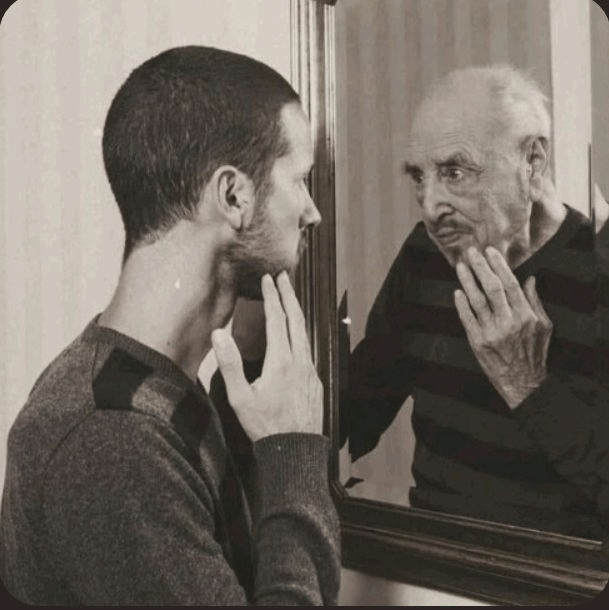
You thought you’d be further along by now. Maybe you expected to have a different career, earn more money, own a home, travel frequently, or feel more confident at this stage of life.
When your current circumstances don’t match the timeline you imagined, it’s easy to interpret the difference as failure. You may start believing that you’ve missed your chance or that everyone else is progressing faster than you.
But life rarely follows a predictable schedule. People begin new careers, develop meaningful relationships, learn unfamiliar skills, and discover different ambitions at many stages of adulthood.
How to start changing: Examine where your expectations came from. Are they based on your own values, or on what family, friends, society, or social media suggested your life should look like?
Write down what you genuinely want over the next year, without worrying about what you think you should have achieved already. Turn those wishes into realistic steps and review your progress regularly.
Your life doesn’t need to match an imaginary deadline to be worthwhile. You can acknowledge where you are while still working toward something different.
8. You Feel Mentally Exhausted by Your Own Lifestyle

You’re tired even when you haven’t done much physically. Small decisions feel overwhelming, your schedule feels crowded, and you struggle to find time to rest without thinking about everything left unfinished.
Mental exhaustion can have many causes, including ongoing stress, insufficient sleep, excessive responsibilities, health concerns, and a lack of recovery time. It isn’t always a sign that your lifestyle needs a complete overhaul, but it can indicate that your current demands aren’t sustainable.
You may be trying to do too much, expecting yourself to be productive every hour, or taking responsibility for problems that aren’t entirely yours to solve.
How to start changing: Review your commitments and identify what can be reduced, postponed, delegated, or approached differently. Build short breaks into your schedule and protect time for sleep, meals, movement, and activities that help you unwind.
Consider setting boundaries around notifications and social media, especially when constant information makes it difficult to relax.
If exhaustion is persistent, severe, or interfering with everyday life, seek professional advice to explore possible causes. Rest is important, but ongoing fatigue may require more than a change in routine.
9. You Keep Ignoring Your Own Needs to Please Others

You agree to things you don’t want to do, hide your opinions to avoid conflict, or feel guilty whenever you prioritize yourself. You might worry that setting boundaries will disappoint people or make you seem selfish.
Caring about others is valuable, but constantly sacrificing your own needs can leave you resentful, overwhelmed, or disconnected from what you actually want. Healthy relationships allow room for both people to have preferences, limits, and individual responsibilities.
You don’t need to become less considerate. You may simply need to stop treating everyone else’s comfort as more important than your own.
How to start changing: Practice pausing before you agree to a request. Give yourself time to consider whether you genuinely have the capacity and desire to help. A simple response such as “Let me check my schedule first” can prevent you from making automatic commitments.
Begin with small boundaries. Decline a nonessential request, communicate your availability clearly, or express a preference instead of automatically agreeing with someone else.
Remember that a reasonable boundary isn’t an attack on another person. It is a way to make your relationships more honest and your commitments more sustainable.
10. You Feel Disconnected From the Person You’re Becoming

Sometimes, the habits, goals, relationships, or beliefs that once felt right no longer fit. You may find yourself questioning your priorities, feeling uninterested in old ambitions, or wanting to explore a completely different direction.
Personal growth can change what you value. The career you wanted several years ago might no longer excite you. A familiar social circle may not share your current interests. You might discover that the lifestyle you once admired doesn’t provide the fulfillment you expected.
This doesn’t mean your previous choices were mistakes. They may simply have belonged to an earlier version of you.
How to start changing: Spend time reflecting on what matters to you now. Consider which activities make you feel engaged, which relationships encourage your growth, and what kind of daily life you would like to build.
Experiment before making major commitments. Take a class, start a creative project, volunteer, or explore a new professional interest. You can learn a great deal from small experiences before deciding whether a bigger change makes sense.
Allow yourself to evolve without demanding that every part of your life change at once.
11. You Spend More Time Escaping Your Life Than Enjoying It

You automatically reach for your phone whenever you have a quiet moment, spend hours scrolling to avoid thinking, or constantly distract yourself because being alone with your thoughts feels uncomfortable.
Entertainment and distraction aren’t inherently bad. Watching a show, playing games, browsing social media, or enjoying a favorite hobby can be perfectly healthy ways to relax. The concern is when these activities become your main way of avoiding feelings, responsibilities, or problems that need attention.
If you regularly use distraction to escape your everyday reality, it may be worth exploring what you’re trying not to think about.
How to start changing: Notice when you reach for a distraction and ask yourself what you need in that moment. Are you bored, lonely, overwhelmed, tired, or uncertain about a task?
Try replacing one automatic scrolling session with an intentional activity. You could take a walk, write a few journal entries, call a friend, tidy one small area, or spend time on a creative hobby.
You don’t need to eliminate entertainment from your life. The aim is to make sure your downtime helps you recharge rather than becoming the only way you cope with difficult feelings.
12. You Keep Thinking About How Different Your Life Could Be

You frequently imagine a different version of your life. Perhaps you picture yourself in a new career, living somewhere else, building a creative business, becoming more independent, or having a healthier relationship with your time.
These thoughts don’t automatically mean you should make a dramatic change. Daydreaming can simply be enjoyable. But if the same desires return repeatedly and feel increasingly important, they may deserve more attention.
Sometimes, imagining a different future is easier than taking the first step toward it. You might worry that you’re too inexperienced, that you’ll fail, or that other people won’t understand your decision.
How to start changing: Turn the imagined future into a practical experiment. If you want to change careers, research the qualifications and skills involved. If you want to travel more, create a savings plan and investigate realistic destinations. If you want a more creative life, reserve time each week for making something.
Write down what attracts you to the future you’re imagining. Is it freedom, creativity, stability, adventure, or a stronger sense of purpose? Understanding the underlying desire can help you find realistic ways to incorporate it into your current life.
You don’t need to know every step in advance. Start gathering information, testing possibilities, and building momentum.
How to Start Changing Your Life Without Feeling Overwhelmed
Recognizing the signs you need to change your life is only the beginning. The next step is choosing a manageable action instead of trying to transform everything at once.
Here are five practical ways to begin:
- Identify your biggest source of dissatisfaction. Focus on one area, such as work, relationships, health habits, finances, or personal growth.
- Define what you want instead. Rather than saying you want to be happier, identify what a better everyday life would look like for you.
- Choose one small action. Start with something you can realistically complete this week.
- Build a supportive routine. Make space for rest, meaningful relationships, enjoyable interests, and progress toward your goals.
- Review your progress regularly. Notice what helps, what doesn’t, and what needs adjusting. Change rarely follows a perfectly straight line.
You don’t need to change your entire life overnight. Consistent, thoughtful decisions can gradually create a life that better reflects your priorities.
Summary
The signs you need to change your life can appear as persistent dissatisfaction, repeated procrastination, mental exhaustion, unhealthy comparisons, neglected interests, or a growing desire for something different. These feelings aren’t proof that you’ve failed. They may simply be signals that certain parts of your current routine, environment, or priorities deserve attention.
Start by listening to yourself without judgment. Identify what feels wrong, consider what you want to experience instead, and take one realistic step toward it. You may discover that you need a few small adjustments rather than a complete restart. The goal isn’t to become someone else overnight. It’s to build a life that feels more meaningful, sustainable, and true to you.
Frequently Asked Questions
1. How do I know when it’s time to change my life?
You might consider making changes when dissatisfaction becomes persistent, your daily habits no longer support your goals, or you repeatedly feel disconnected from your priorities. Look for patterns rather than making a major decision based on one difficult day.
2. What is the first step to changing your life?
Start by identifying one area you want to improve. Write down what’s not working, what you would prefer instead, and one small action you can take this week.
3. Can small changes really make a difference?
Yes. Small changes can help you build consistency, develop new skills, improve routines, and gain confidence. Their impact often becomes more noticeable when you repeat them over time.
4. Is it normal to feel stuck in life?
Yes. Many people experience periods of uncertainty, comparison, or dissatisfaction. These feelings can arise during transitions or when priorities change. If they persist or interfere with daily functioning, talking with a qualified professional may help.
5. How can I change my life when I have responsibilities?
You don’t have to abandon your responsibilities to create change. Start with manageable actions, explore options before making major decisions, and make gradual adjustments that fit your financial situation, commitments, and available time.
6. How long does it take to change your life?
There is no universal timeline. Some changes, such as creating a new routine, can begin immediately, while career changes, financial goals, and relationship improvements may take much longer. Focus on realistic progress rather than a deadline.
SEO Description
Discover 12 clear signs you need to change your life and learn practical ways to break old habits, find direction, and create a more fulfilling future.