

The first few minutes after waking up can influence how you approach the rest of your day. You do not need a complicated morning routine filled with dozens of habits to feel more organized and focused. In fact, a few simple actions can help you start your morning with greater intention. Instead of immediately reaching for your phone or rushing through the first part of the day, use those first 10 minutes to check in with yourself, get moving, and prepare mentally for what is ahead. Small habits such as drinking water, opening the curtains, taking a few deep breaths, or deciding on your top priority can make your morning feel calmer and more purposeful.
The key is to keep your routine realistic. Ten minutes may not seem like much, but it is enough time to create a few positive habits that can become part of your everyday schedule. You can choose several of these ideas and combine them into your own personalized morning routine. Some days you may have time for all 10, while on busy mornings you might choose only two or three. The goal is not to make your mornings perfect. It is to begin the day intentionally, reduce unnecessary rushing, and create a little space for yourself before everything else demands your attention.
1. Drink a Glass of Water

After several hours of sleep, starting your morning with a glass of water is a simple way to begin your day with hydration. Keep a glass or reusable bottle near your bed so you do not have to think about it when you first wake up.
You do not need to add lemon, supplements, or special ingredients unless you genuinely enjoy them. Plain water is perfectly fine.
Making hydration one of your first morning habits can also serve as a useful reminder to continue drinking fluids throughout the day.
If you tend to forget about water, keep your bottle somewhere visible, such as beside your coffee maker or on your desk.
This habit takes less than a minute, making it particularly useful when you have a busy morning. Pair it with another habit, such as opening the curtains or taking a few deep breaths, to create a simple morning sequence that feels automatic over time.
2. Open the Curtains and Let in Natural Light

One of the easiest ways to make your morning feel brighter is to open your curtains or blinds as soon as you get up. Natural light can help signal to your body that the day has begun and can make a dark bedroom feel more inviting.
If possible, spend a few moments near a window or step outside briefly. You can combine this with drinking your morning water or doing a few gentle stretches.
Opening the curtains also gives you an immediate visual change. Instead of remaining in a dim room while checking your phone, you are creating a clearer transition from sleep to daytime.
On cloudy mornings, natural light may still brighten your environment even if the sun is not shining directly through the window.
This tiny habit requires almost no effort, yet it can become a pleasant part of your morning ritual. Think of it as opening your space—and your mind—to the new day.
3. Take Five Slow Breaths

Before jumping into notifications, emails, and responsibilities, give yourself a few quiet moments to breathe. Sit comfortably, relax your shoulders, and take five slow, comfortable breaths.
There is no need for a complicated breathing technique. Simply focus your attention on each inhale and exhale. If your mind starts thinking about everything you need to do, gently bring your attention back to your breathing.
This can create a small pause between waking up and beginning your day.
You can also use these moments to think about how you want to approach the next few hours. Perhaps you want to be patient, focused, productive, creative, or simply less rushed.
The goal is not to force yourself to feel a certain way. It is simply to begin the morning with a few moments of awareness rather than immediately reacting to whatever appears on your screen.
4. Make Your Bed

Making your bed takes only a minute or two, but it can give your bedroom an instantly more organized appearance. Pull up the sheets, arrange the pillows, and straighten the blanket.
This small task creates a clear distinction between your sleeping time and the beginning of your day. It also means that when you return to your bedroom later, the space feels a little tidier.
You do not need hotel-level perfection. The goal is simply to create a quick reset.
If making your bed feels like an unnecessary chore, think of it as the first small task you complete for yourself. Starting with something manageable can create momentum for other simple tasks throughout the morning.
On especially busy days, simply straightening the bedding is enough. A morning routine should support you, not give you another reason to feel pressured.
5. Stretch for a Few Minutes

A few gentle stretches can help you transition from several hours of lying down to moving through your day. You do not need a full workout or yoga session.
Try simple movements such as shoulder rolls, neck stretches, gentle side bends, arm reaches, or easy standing stretches.
Move slowly and comfortably rather than forcing your body into deep positions. If something causes pain, stop and choose a different movement.
You can stretch beside your bed, in the living room, or wherever you have a little space.
This is particularly useful if you spend much of your day sitting at a desk. Even a few minutes of movement in the morning can encourage you to think about staying active throughout the rest of the day.
Keep it simple enough that you will actually want to repeat it tomorrow.
6. Avoid Your Phone for a Few Minutes
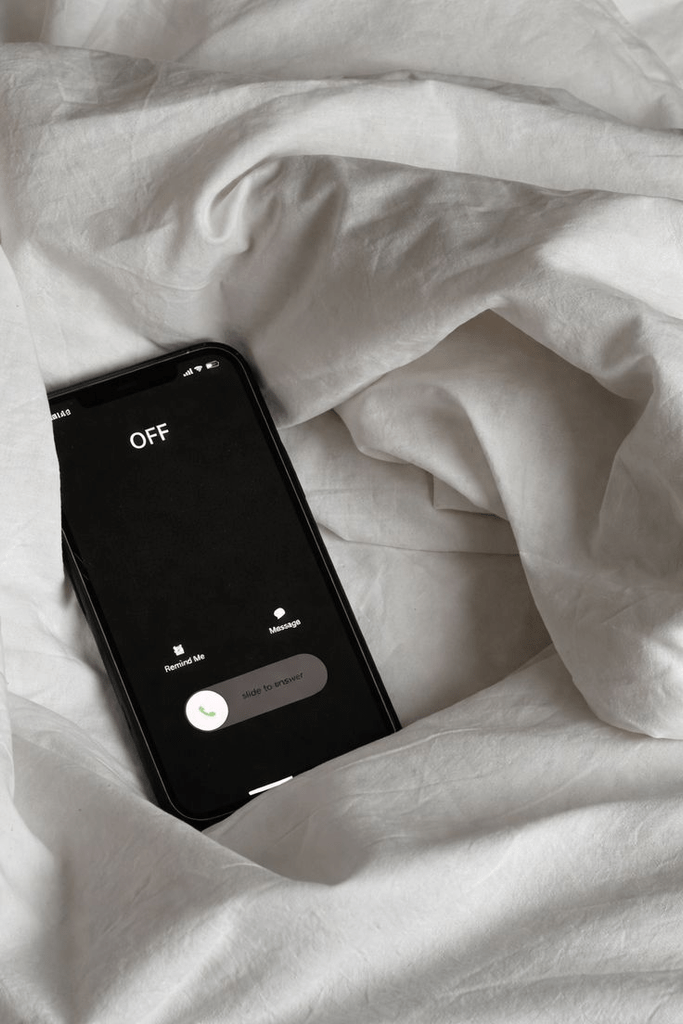
One of the most valuable things you can do in the first 10 minutes of your day is delay the urge to check your phone.
Notifications, social media, emails, and news can immediately fill your mind with other people’s priorities. Give yourself a few minutes before opening any apps.
Instead, use that time to drink water, stretch, make your bed, or simply sit quietly.
You do not have to create a strict rule that you can never use your phone in the morning. Even delaying it for five or ten minutes can make your morning feel less reactive.
If your phone is your alarm, turn off the alarm and place it somewhere slightly out of reach. This makes it easier to avoid automatically opening social media while still using your device when necessary.
The objective is to give yourself the first few minutes of the day before giving them away to notifications.
7. Choose Your Top Priority

Before your day becomes busy, identify the one thing that matters most. It could be finishing an important work task, attending an appointment, exercising, studying, preparing a meal, or simply completing an important household responsibility.
Ask yourself: “If I accomplish one meaningful thing today, what should it be?”
Writing your answer down can make it easier to remember when distractions appear.
Do not create an enormous morning to-do list. Choosing one main priority helps you focus on what genuinely deserves your attention.
You can add smaller tasks later, but knowing your most important task gives your day a sense of direction.
If your schedule is unpredictable, make your priority flexible. The goal is not to control every minute of the day. It is simply to begin with a clearer idea of where you want your energy to go.
8. Say One Positive Intention

Choose one simple intention for the day. It could be something like being patient, staying focused, listening carefully, taking breaks, speaking kindly to yourself, or finishing what you start.
An intention is different from a huge goal. It is more about how you want to approach your day.
You can write it on a sticky note, put it in your phone’s notes app, or simply repeat it quietly to yourself.
For example, if you know you have a stressful day ahead, your intention might be, “I will handle one thing at a time.” If you have an important meeting, it might be, “I will speak clearly and confidently.”
This small practice encourages you to think about your behavior and mindset before the day’s events begin.
Keep your intention realistic. It should feel like a helpful reminder rather than another expectation you can fail to meet.
9. Tidy One Small Area

Instead of attempting a full house cleaning first thing in the morning, choose one tiny area that needs attention. Clear your bedside table, put away yesterday’s clothes, wash a few dishes, or organize your desk.
Set a short limit and stop when the time is up.
A small amount of tidying can make your surroundings feel more manageable without taking over your morning.
This habit is especially useful if clutter tends to distract you while you are getting ready. Clearing one visible surface can make the entire space feel calmer.
The trick is to keep the task small. Your first 10 minutes should not turn into an unexpected cleaning marathon.
Think of it as a quick reset that helps you leave your home or begin your workday with a slightly more organized environment.
10. Think of One Thing You’re Looking Forward To

End your first 10 minutes by identifying something you are looking forward to. It does not have to be a major event or achievement.
Maybe you are excited about your morning coffee, a favorite lunch, an evening walk, a new book, dinner with someone you love, a hobby, or simply getting some quiet time after work.
Having something pleasant in mind can give your day a small point of anticipation.
You can also use this moment to remind yourself that your day does not have to be completely productive to be worthwhile. Everyday pleasures count too.
If nothing immediately comes to mind, create something small to look forward to. Plan a favorite breakfast, listen to a playlist you enjoy, or reserve 20 minutes for a hobby later in the day.
A good morning routine is not only about getting things done. It is also about making space for moments that make everyday life enjoyable.
Short Summary
The first 10 minutes of your day can become a simple opportunity to slow down, take care of yourself, and set a clear direction. Drink some water, open the curtains, breathe, make your bed, stretch, delay your phone, choose a priority, set an intention, tidy one small area, and think about something you are looking forward to. You do not need to complete every habit every morning. Choose the ones that fit your lifestyle and repeat them consistently. A simple morning can create a calmer, more intentional start without requiring a complicated routine.
Frequently Asked Questions
1. What should I do in the first 10 minutes after waking up?
Start with simple habits such as drinking water, opening the curtains, stretching, making your bed, breathing slowly, and deciding on your main priority for the day.
2. Should I check my phone immediately after waking up?
You do not have to. Delaying your phone for a few minutes can give you time to wake up and begin your day without immediately reacting to notifications and social media.
3. How can I create a 10-minute morning routine?
Choose three to five habits that take only a few minutes each. For example, drink water, open the curtains, stretch, make your bed, and choose your top priority.
4. Do I need to wake up early to have a good morning routine?
No. A morning routine can be useful regardless of what time you wake up. The goal is to make the beginning of your day more intentional, not to wake up at a specific hour.
5. What is the easiest morning habit to start with?
Drinking a glass of water or opening your curtains is an easy place to begin because each habit takes very little time and requires minimal preparation.
6. Can I customize my 10-minute morning routine?
Absolutely. Choose habits that fit your schedule, personality, and priorities. Your routine should feel practical enough to maintain consistently.
7. What if I only have five minutes in the morning?
Choose your top two or three habits. Even a few minutes of stretching, hydration, breathing, or planning can create a more intentional start to your day.
8. Should my morning routine be the same every day?
It can be, but it does not have to be. Having a basic structure can make mornings easier, while allowing flexibility helps your routine work on both busy and relaxed days.