
Success rarely comes from one big decision. More often, it develops through small actions repeated consistently over time. Good habits can make it easier to manage your time, stay focused, make progress toward meaningful goals, and handle everyday challenges with greater confidence.
Whether you’re working toward career goals, improving your health, learning a new skill, or simply trying to become more organized, the routines you build can influence how consistently you take action. Here are 10 reasons good habits can play an important role in long-term success.
1. Habits Create Consistency
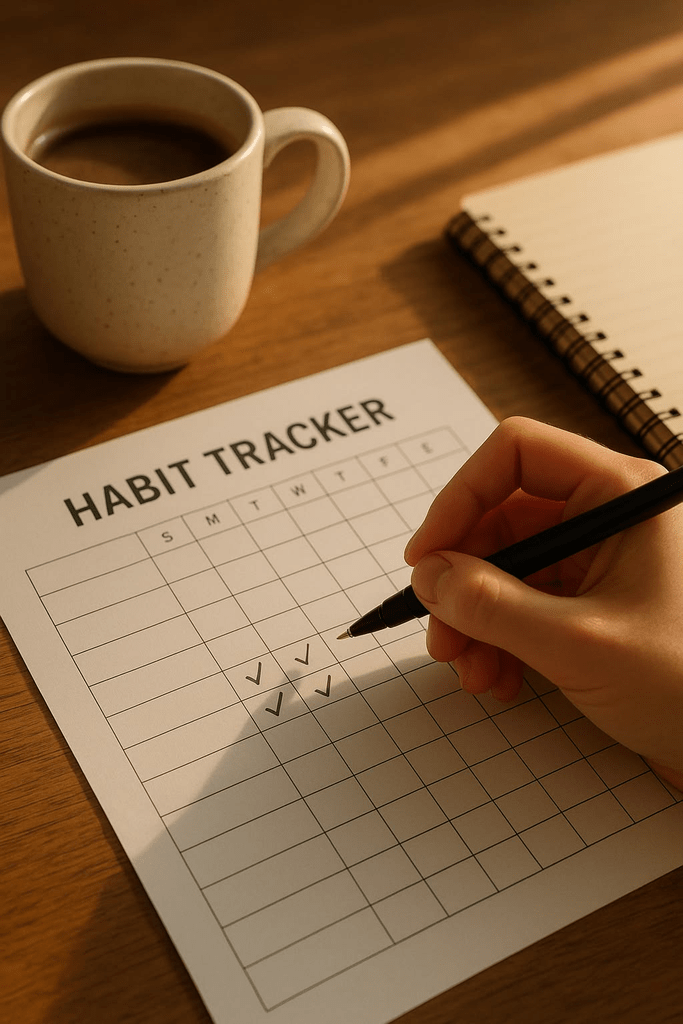
Motivation can change from one day to the next, but a strong routine can help you keep moving forward.
Consistent habits can help you:
- Practice regularly
- Complete important tasks
- Follow through on plans
- Maintain steady progress
Small actions become more meaningful when you repeat them over time.
2. They Reduce Decision Fatigue

Having established routines means you don’t have to make the same small decisions every day.
For example, deciding when to exercise, when to review your schedule, or when to work on an important project can become part of your normal routine.
Fewer unnecessary decisions can leave more mental energy for priorities that require your attention.
3. Good Habits Improve Time Management

Productive habits can help you organize your day and make better use of limited time.
Useful habits include:
- Planning tomorrow the night before
- Prioritizing important tasks
- Setting realistic deadlines
- Limiting unnecessary distractions
- Scheduling regular breaks
A structured routine can make it easier to focus on what matters most.
4. They Help You Reach Long-Term Goals

Big goals can feel overwhelming when viewed as one enormous task.
Breaking them into repeatable habits makes them more manageable.
For example:
- Reading 10 pages a day
- Practicing a skill for 20 minutes
- Saving a small amount regularly
- Writing a few hundred words each day
Progress may seem small at first, but consistent effort can add up.
5. Habits Build Self-Discipline
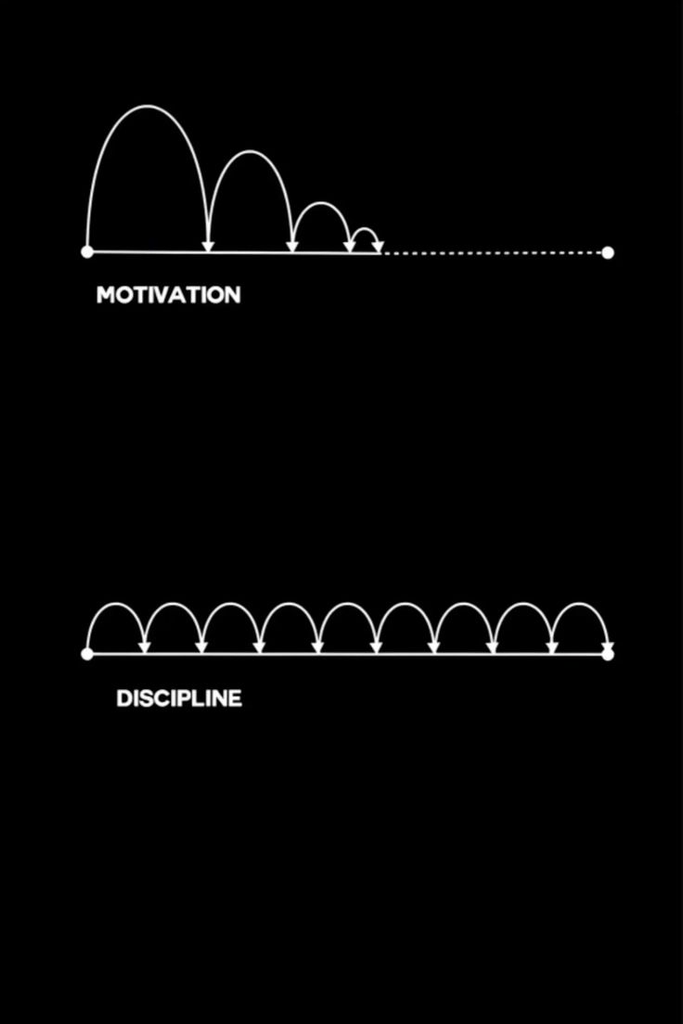
Following through on a planned action—even when you don’t feel particularly motivated—can strengthen your ability to stay committed.
Over time, completing small responsibilities consistently can make it easier to approach larger challenges with discipline and persistence.
6. They Help You Stay Focused

Good habits can create structure around your priorities.
A routine that includes focused work periods, fewer distractions, and clear goals can make it easier to direct your attention toward meaningful tasks instead of constantly reacting to whatever demands your attention.
7. Good Habits Can Improve Confidence

Keeping promises to yourself can create a stronger sense of self-trust.
When you repeatedly follow through on realistic commitments, you have evidence that you can take action and make progress.
Confidence doesn’t have to come from being perfect. It can come from knowing you can keep trying.
8. They Make Progress Easier to Track

Habits provide measurable actions that you can monitor.
Instead of simply saying, “I want to get better at this,” you can track specific behaviors such as practice sessions completed, books read, workouts finished, or tasks accomplished.
Tracking can help you identify what’s working and where you need to adjust.
9. They Make Positive Actions More Automatic
Repeated behaviors can eventually require less conscious effort.
For example, preparing your workspace before starting work or reviewing your priorities each morning can become a familiar part of your routine.
The easier a useful behavior becomes to repeat, the more likely you may be to maintain it.
10. Small Habits Can Create Big Changes Over Time
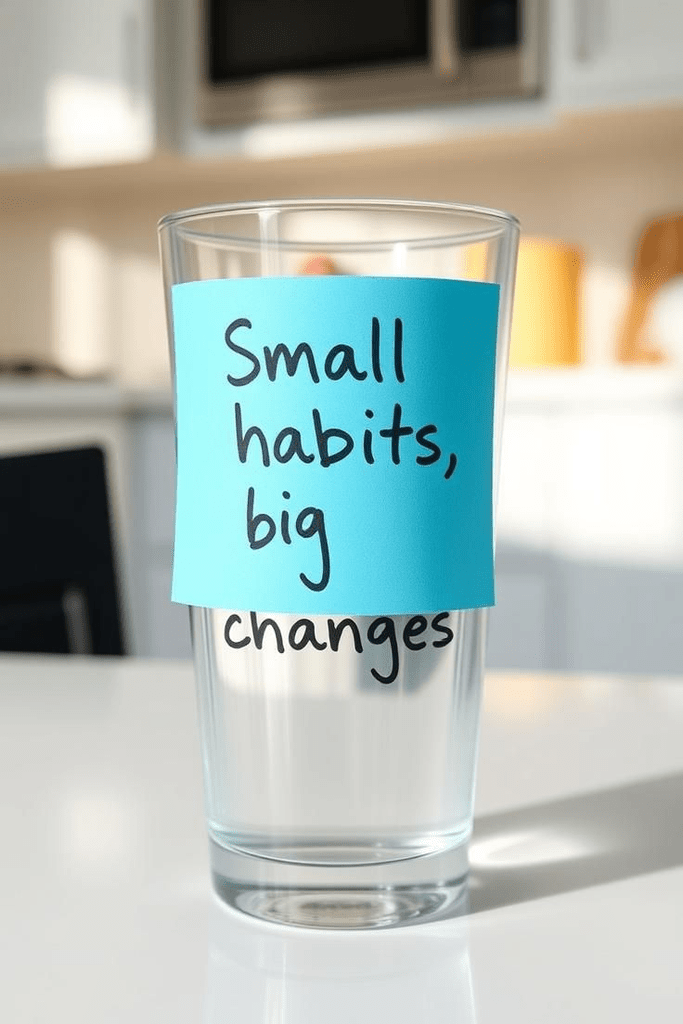
One of the biggest advantages of good habits is their cumulative effect.
A single productive morning may not transform your life, but hundreds of mornings spent using your time intentionally can contribute to meaningful progress.
The key is choosing habits that support your goals and making them realistic enough to maintain.
Summary
Good habits can provide the structure behind long-term progress. They encourage consistency, improve time management, reduce unnecessary decisions, support self-discipline, and make large goals easier to approach one step at a time. The most effective habits aren’t necessarily complicated. Start with one or two small behaviors that align with your priorities, make them easy to repeat, and adjust them as your circumstances change. Success is rarely about doing everything perfectly; it’s often about continuing to take useful steps consistently.
Frequently Asked Questions
Why are habits important for success?
Habits create repeatable behaviors that can help you make consistent progress toward your goals without relying entirely on motivation.
What is the best habit to start with?
Choose a small habit connected to a goal that matters to you. It might be planning your day, reading, exercising, practicing a skill, or organizing your workspace.
How long does it take to build a good habit?
There is no universal timeframe. Habit formation varies depending on the person, behavior, environment, and how consistently the behavior is repeated.
Do successful people have the same habits?
No. Successful routines vary widely. What matters is whether your habits support your individual goals, responsibilities, and circumstances.
Can small habits really make a difference?
Yes. Small actions repeated consistently can accumulate over time and contribute to meaningful progress.
How can I make a habit easier to maintain?
Start small, connect the habit to an existing routine, reduce friction, and make the desired behavior easy to begin.
What if I break a good habit?
One missed day doesn’t erase your progress. Instead of focusing on perfection, return to the routine as soon as practical and consider what caused the interruption.
How many habits should I build at once?
Starting with one or two habits can make the process more manageable. Once they become established, you can gradually introduce additional routines.