
The beginning of a new month is a great opportunity to pause, reset, and create a clear direction for the weeks ahead. You do not need a complicated productivity system or a long list of resolutions to make the most of a fresh month. A few intentional habits can help you organize your schedule, manage your priorities, and feel more prepared for what is coming. Taking time to review the previous month can also help you understand what worked well and what needs to change.
Simple monthly reset activities can make everyday responsibilities feel more manageable. From planning your goals and checking your budget to decluttering your home and organizing your calendar, small actions at the beginning of the month can create a strong foundation. The key is to focus on meaningful tasks rather than trying to change everything at once. Whether you are balancing work, family, school, personal projects, or self-care, a monthly reset can help you start with greater clarity and purpose.
1. Review the Previous Month
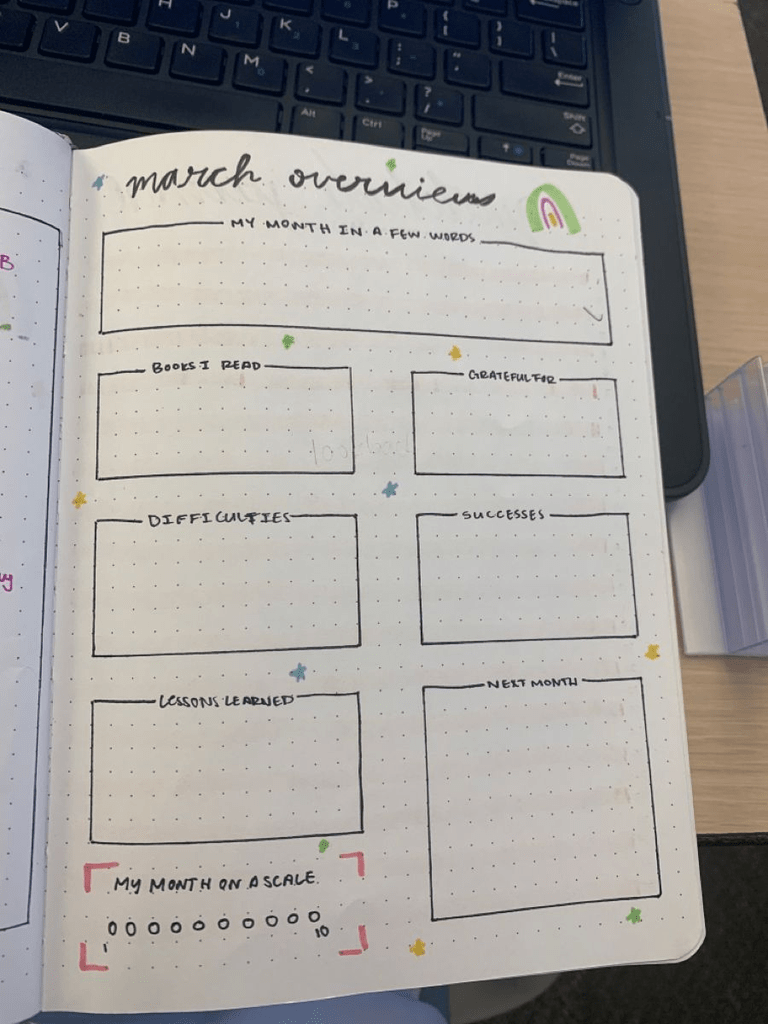
Before planning the new month, take a few minutes to reflect on the month that just ended. Reviewing your accomplishments, challenges, habits, and unfinished tasks can help you make better decisions moving forward. Instead of simply asking whether the month was “good” or “bad,” look at specific areas of your life.
Write down a few things you accomplished, something you learned, a challenge you faced, and anything you would like to handle differently. You can also review goals from the previous month and identify which ones were completed, postponed, or no longer relevant.
This simple reflection gives you useful information for your next monthly plan. For example, if you consistently ran out of time for exercise, you might need to schedule shorter workouts or choose more realistic days. If you completed a major project successfully, you can identify which habits helped you stay on track.
A monthly review does not need to take more than 15–30 minutes. The goal is not perfection but awareness. Learning from the previous month allows you to enter the new one with a clearer idea of where your time and energy should go.
2. Set Your Main Goals
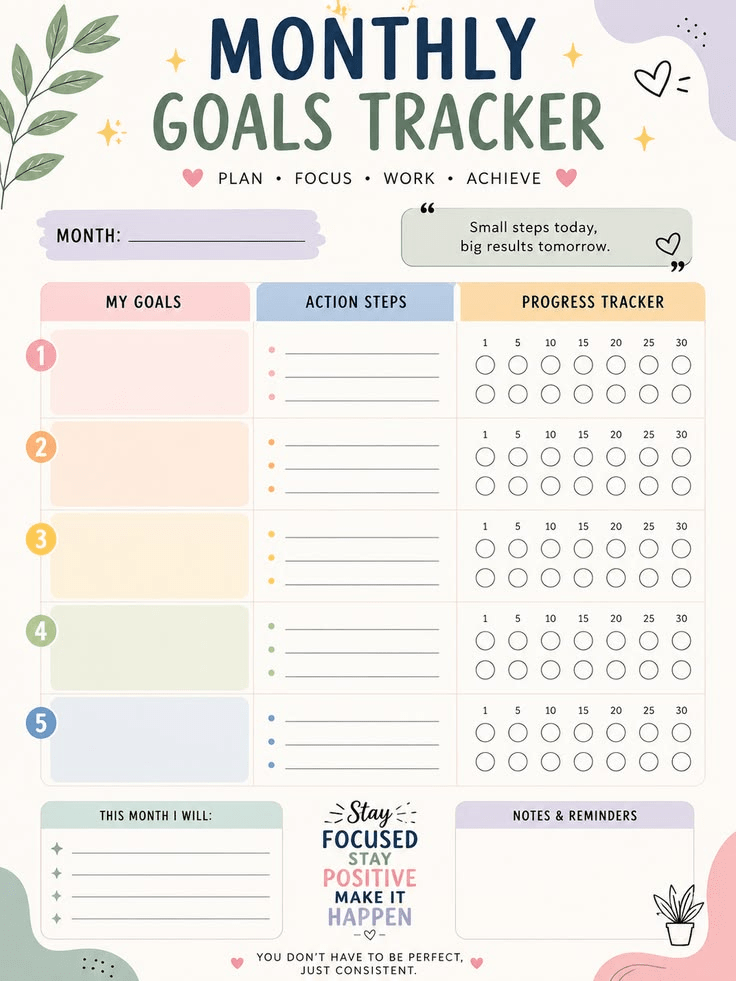
Choose a few meaningful goals for the month instead of creating an overwhelming list. Monthly goals can focus on different areas, such as work, finances, health, relationships, learning, home organization, or personal development.
Start by identifying what matters most right now. You might want to finish a work project, save a certain amount of money, read two books, organize a room, or spend more intentional time with family. Once you have chosen your priorities, make each goal specific enough that you know what action is required.
For example, instead of saying “exercise more,” you could aim to take a 30-minute walk three times a week. Instead of “save money,” you could decide to transfer a specific amount into savings after payday.
Try limiting yourself to three to five major monthly goals. Having fewer priorities makes it easier to focus and recognize progress.
You can write your goals in a notebook, planner, digital calendar, or monthly checklist. Review them throughout the month so they remain visible rather than becoming forgotten New Year-style resolutions.
3. Organize Your Calendar
A calendar reset is one of the most useful things to do at the beginning of the month. Look ahead at appointments, birthdays, deadlines, meetings, events, travel plans, bills, and other important commitments.
Add fixed events first. Then look at your available time and decide when you will work on your most important goals. This helps prevent your priorities from being pushed aside by smaller tasks.
You can also identify especially busy weeks. If you know that one week contains several appointments or work deadlines, you can avoid scheduling unnecessary activities during that period.
Consider creating separate categories for work, personal commitments, family activities, and important deadlines if that makes your calendar easier to understand.
A monthly calendar review can also help you notice gaps where you can rest, catch up, or work on personal projects. Productivity is not about filling every available hour. It is about using your time intentionally.
Spending 15–20 minutes organizing your calendar at the beginning of the month can reduce last-minute stress and make your schedule easier to manage.
4. Check Your Budget and Finances

The beginning of the month is a convenient time to review your finances. Look at your expected income, recurring bills, subscriptions, savings goals, debt payments, and planned spending.
Start by listing essential expenses such as housing, utilities, transportation, groceries, and other regular commitments. Then consider flexible categories such as entertainment, shopping, dining out, and hobbies.
Review the previous month’s spending to see where your money actually went. You may discover recurring expenses that you rarely use or categories where you consistently spend more than expected.
Set a realistic spending plan for the new month. If you have a savings goal, decide how much you want to put aside and when you will transfer it. You can also schedule bill payments to avoid forgetting important due dates.
A monthly financial check-in does not have to be complicated. Even a simple spreadsheet or budgeting app can help you track your money.
The purpose is not to restrict every purchase. It is to understand your finances and make intentional choices before the month becomes busy.
5. Declutter One Area of Your Home

You do not need to deep-clean your entire house at the beginning of every month. Instead, choose one small area that would benefit from attention.
You might organize a kitchen cabinet, clean your desk, sort a drawer, refresh your closet, organize paperwork, or clear out your bathroom storage.
Set a timer for 20–30 minutes and focus only on the chosen space. Remove items you no longer use, put misplaced belongings back where they belong, and clean the area once it is cleared.
A small monthly decluttering habit can prevent clutter from becoming overwhelming. It also gives you a visible sense of accomplishment early in the month.
If you have limited time, choose the area you interact with most frequently. A tidy workspace can make workdays feel more organized, while an organized kitchen can make meal preparation easier.
The goal is not to create a perfectly organized home. Consistent small improvements are often easier to maintain than occasional major cleaning sessions.
6. Plan Your Meals

Meal planning can save time and make busy weeks easier to manage. At the beginning of the month, think about the types of meals you would realistically like to prepare.
You do not necessarily need a complete 30-day meal plan. Instead, create a collection of easy breakfasts, lunches, dinners, and snacks that you can rotate throughout the month.
Check your pantry, refrigerator, and freezer before making a grocery list. Using ingredients you already have can reduce food waste and prevent unnecessary purchases.
You can also plan around your schedule. Choose simple meals for busy evenings and reserve more time-consuming recipes for days when you have more flexibility.
Creating a basic list of go-to meals can reduce the daily question of “What should I cook?” It also makes grocery shopping more organized.
For extra convenience, prepare a few ingredients in advance when possible. Washing vegetables, cooking grains, or preparing basic proteins can make meals easier to assemble during the week.
7. Reset Your Digital Space

Your digital environment can become cluttered just as quickly as your physical environment. Use the beginning of the month to clean up your computer, phone, email inbox, and cloud storage.
Start by deleting unnecessary screenshots, duplicate files, old downloads, and apps you no longer use. Organize important documents into clearly labeled folders.
You can also unsubscribe from newsletters and promotional emails that you no longer want. A cleaner inbox makes it easier to find important messages.
Review your phone notifications as well. Turn off unnecessary alerts that interrupt your concentration throughout the day.
If you use digital calendars, task managers, or note-taking apps, archive outdated lists and reorganize current projects.
A digital reset does not have to take hours. Choose one area each month and gradually improve your digital organization.
Keeping your devices organized can make it easier to find information, focus on important tasks, and reduce unnecessary digital distractions.
8. Choose One Habit to Build

The beginning of the month is a good time to introduce one small habit that supports your goals. Rather than trying to completely transform your routine, choose something simple and repeatable.
Your habit could be drinking more water, reading for 10 minutes, stretching before bed, writing a short to-do list, walking after dinner, or spending five minutes tidying your workspace.
Make the habit easy enough that you can realistically maintain it on busy days. Consistency matters more than making the habit impressive.
It can also help to connect the new habit to something you already do. For example, you could read for 10 minutes after your morning coffee or prepare tomorrow’s clothes after brushing your teeth at night.
Track your progress with a calendar, habit tracker, or simple checklist. Seeing a series of completed days can provide useful motivation.
If you miss a day, simply return to the habit the next day. A monthly reset should encourage progress rather than create unnecessary pressure.
9. Schedule Personal Time

Productivity should include time for rest and activities that help you recharge. At the beginning of the month, intentionally schedule some personal time instead of waiting until your calendar happens to be empty.
Think about activities that genuinely help you relax or feel refreshed. You might enjoy reading, walking, journaling, cooking, gardening, watching a favorite movie, spending time outdoors, or enjoying a quiet morning.
Add these activities to your calendar just as you would add appointments. This makes personal time easier to protect when other responsibilities become demanding.
You can also schedule occasional breaks during particularly busy weeks. Rest does not have to mean taking an entire day off. Even a short period without work or digital distractions can give you space to reset.
Making room for yourself can help create a more balanced monthly routine. Instead of treating rest as something you earn after finishing everything, recognize it as part of maintaining a sustainable lifestyle.
10. Create a Simple Monthly Reset Checklist
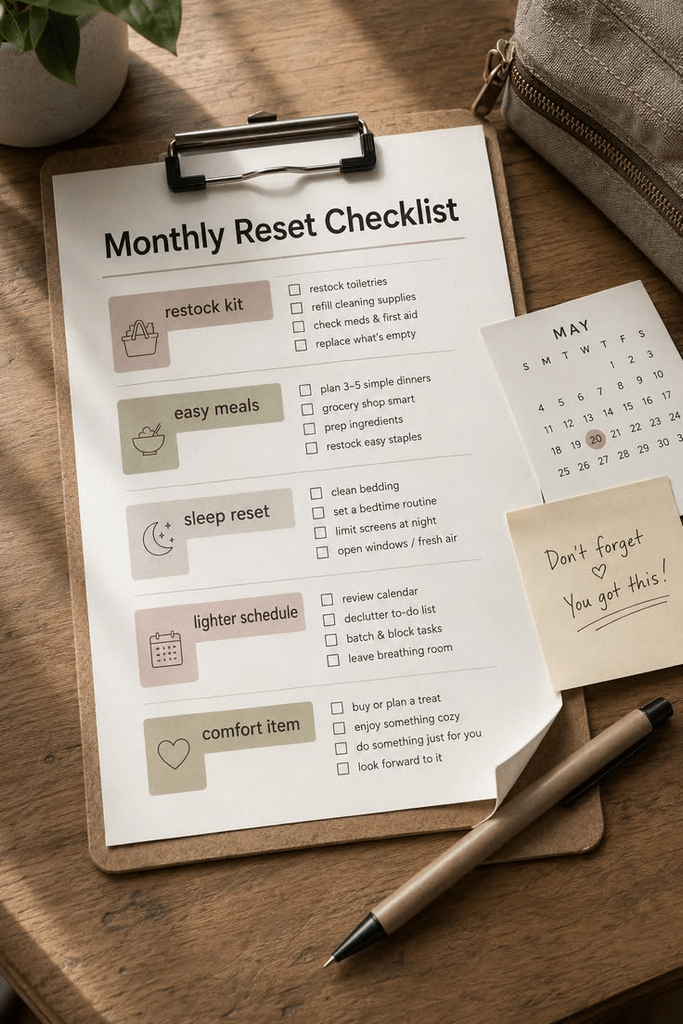
Finish your monthly planning by creating a checklist you can reuse at the start of every month. A repeatable checklist reduces the need to remember every task from scratch.
Your checklist could include reviewing last month’s progress, setting goals, checking your budget, organizing your calendar, decluttering one area, planning meals, cleaning digital files, choosing a habit, and scheduling personal time.
Keep the checklist short enough that you can realistically complete it. You could divide it across a weekend rather than trying to finish everything in one morning.
A reusable checklist also makes it easier to notice patterns. After several months, you may see which tasks consistently help you feel organized and which ones are unnecessary.
You can keep your monthly checklist in a planner, notes app, spreadsheet, or printed notebook.
The most effective monthly reset is one you can actually maintain. Keep it simple, repeat it consistently, and adjust it whenever your priorities change.
Summary
The beginning of the month is an excellent time to create a fresh sense of direction without putting pressure on yourself to change everything at once. Reviewing the previous month, setting realistic goals, organizing your calendar, checking your finances, and decluttering small areas can help you start with greater clarity.
Simple habits such as meal planning, digital organization, personal time, and monthly reflection can also make everyday responsibilities easier to manage. Choose the tasks that are most useful for your lifestyle and turn them into a simple monthly reset routine. Small actions repeated consistently can make each new month feel more organized, intentional, and manageable.
FAQ
1. What should I do at the beginning of every month?
Start by reviewing the previous month, setting a few priorities, checking your calendar and budget, and organizing one area of your home or digital life.
2. How can I make the beginning of the month more productive?
Create a short monthly reset checklist. Focus on goals, scheduling, finances, organization, meal planning, and one or two habits rather than trying to complete dozens of tasks.
3. How many monthly goals should I set?
Three to five meaningful goals are usually easier to manage than a long list. Choose goals that are specific, realistic, and connected to your current priorities.
4. Should I create a full monthly schedule?
You can, but you do not need to plan every hour. Start with fixed commitments, deadlines, important tasks, and personal time, then leave some flexibility for unexpected events.
5. What is a good monthly habit to start?
Choose a small habit that supports something you already want to improve. Reading for 10 minutes, walking regularly, planning tomorrow’s tasks, or tidying for five minutes can be good starting points.
6. How often should I declutter?
A small decluttering session at the beginning of each month can help prevent buildup. Focus on one drawer, shelf, room, or category at a time.
7. Is meal planning worth doing at the beginning of the month?
Yes. Even a simple list of favorite meals can make grocery shopping and busy weekdays easier. You do not have to plan every meal for the entire month.
8. How long should a monthly reset take?
There is no fixed amount of time. A simple reset can take 30–60 minutes, while a more detailed review may take a few hours. The goal is to create useful organization without making the reset stressful.