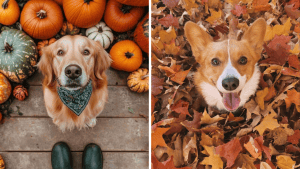
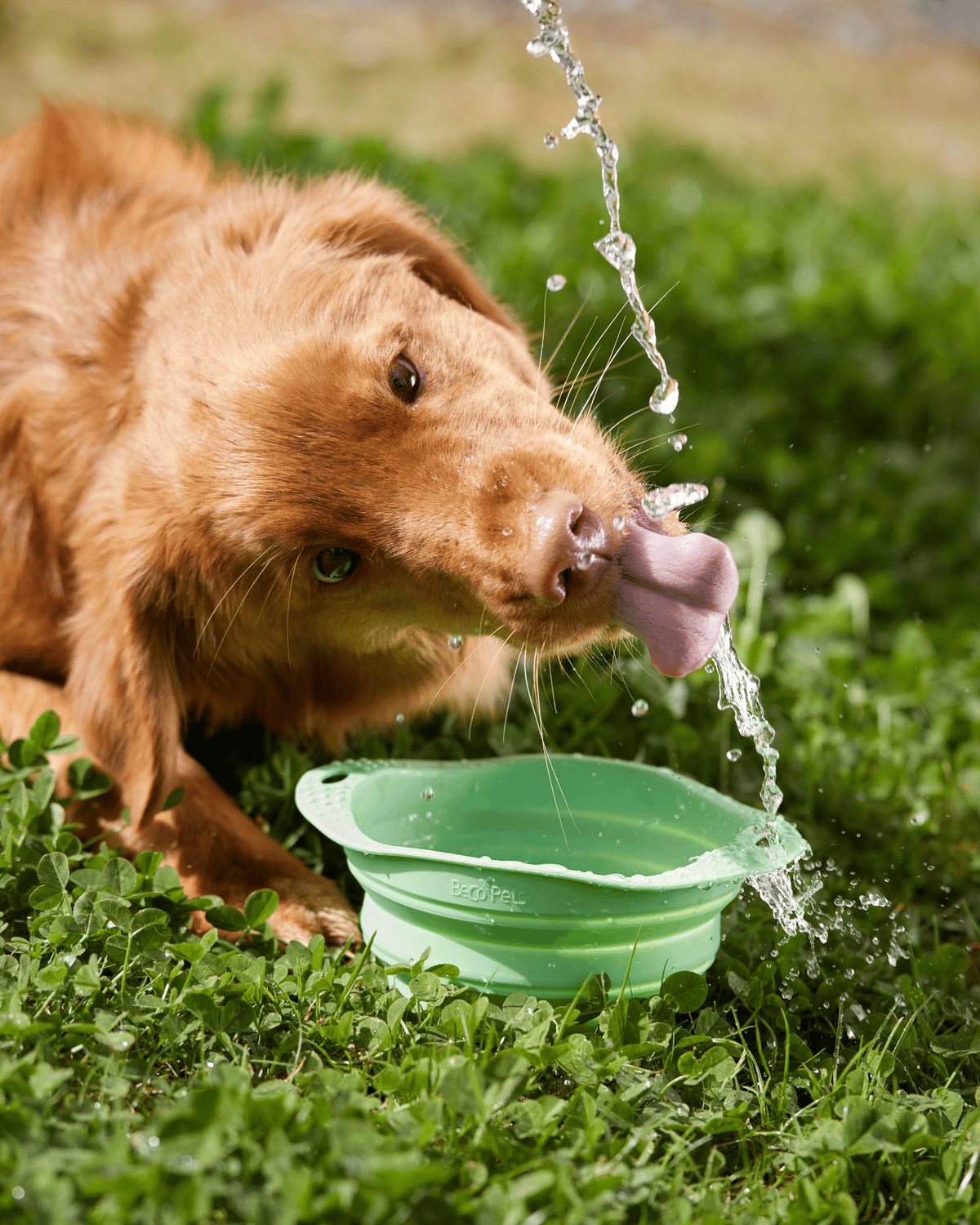
Summer is a fun and active time for pets, but the heat, outdoor activities, and seasonal hazards can pose risks if not managed properly. In 2026, pet owners are prioritizing safety to ensure their furry, feathered, or small companions enjoy the season without health or injury issues. Understanding how to protect pets from heat, dehydration, and outdoor dangers is crucial for a happy and safe summer.
Proper planning, awareness, and preventive measures help minimize risks while maximizing enjoyment for pets. Below are 10 essential pet safety tips for summer that every pet owner should follow to ensure comfort, hydration, and safety during outdoor adventures and daily activities.
1. Keep Pets Hydrated
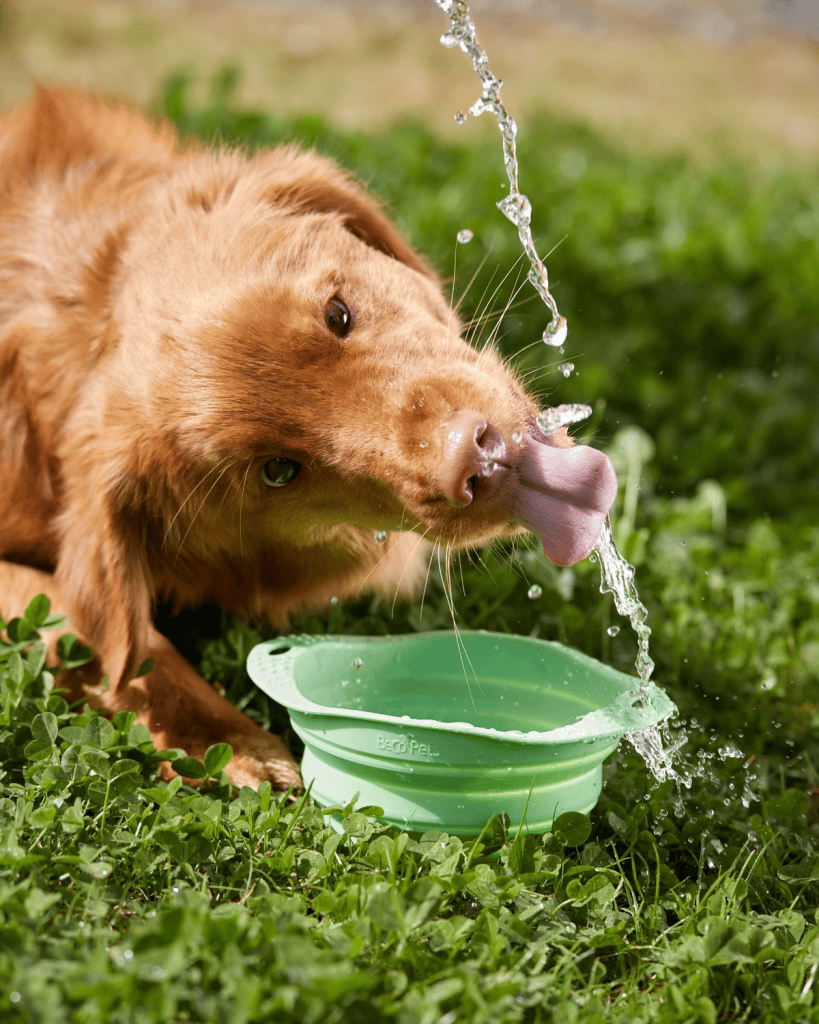
Provide fresh water at all times, especially during walks, playtime, or hot weather. Portable water bowls are ideal for outdoor activities.
Proper hydration prevents heat exhaustion, kidney problems, and dehydration-related illnesses.
2. Avoid Midday Heat
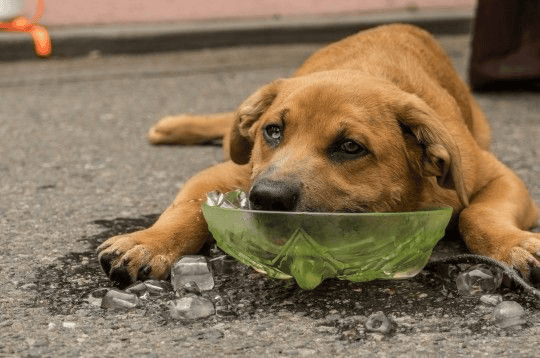
Walk or exercise pets during early mornings or evenings to prevent overheating. Hot pavement can burn paw pads.
Scheduling activities during cooler hours reduces the risk of heatstroke and ensures safe outdoor enjoyment.
3. Provide Shade and Cooling Areas
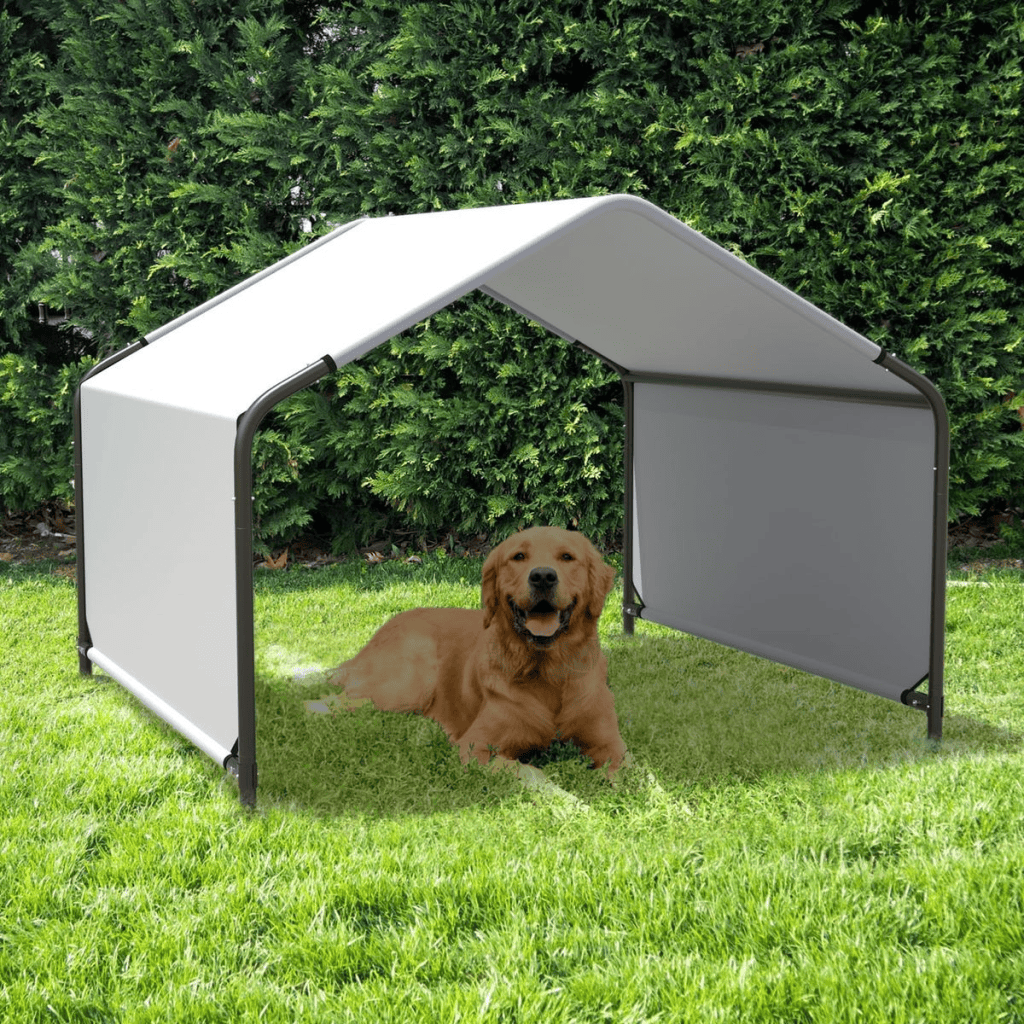
Ensure pets have access to shaded areas when outside. Use umbrellas, trees, or cooling mats to lower body temperature.
Shade and ventilation help regulate body heat and prevent sunstroke, particularly for dogs with thick coats.
4. Never Leave Pets in Vehicles
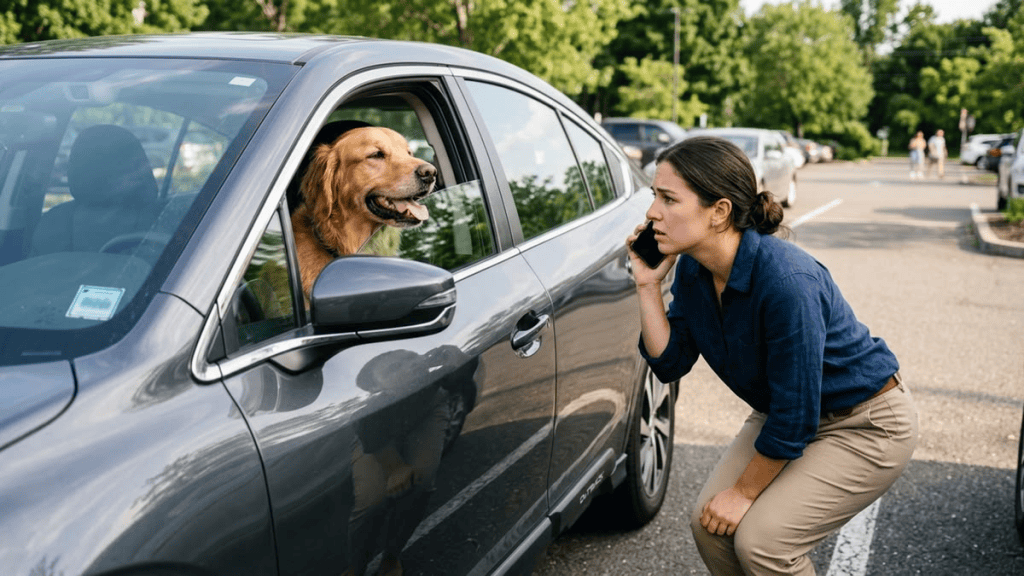
Cars can heat up rapidly, even with windows cracked, creating dangerous conditions for pets.
Leaving pets unattended in vehicles can cause heatstroke, organ damage, or death, making this a critical summer safety rule.
5. Protect Against Parasites
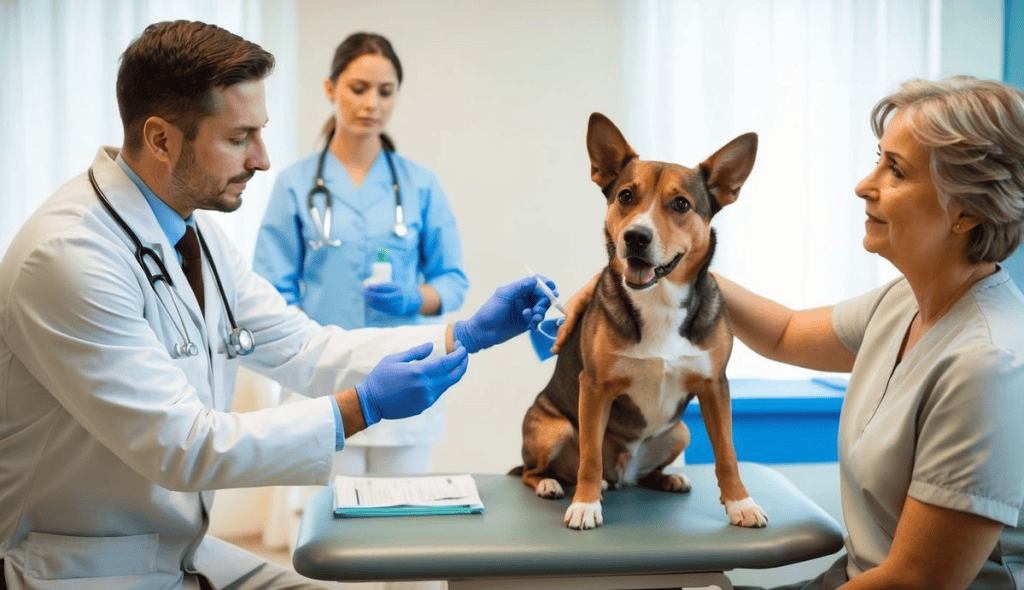
Use vet-recommended flea, tick, and mosquito preventatives. Summer brings increased insect activity, which can transmit diseases.
Regular protection reduces discomfort, skin irritation, and serious illnesses in pets.
6. Be Cautious with Pools and Beaches
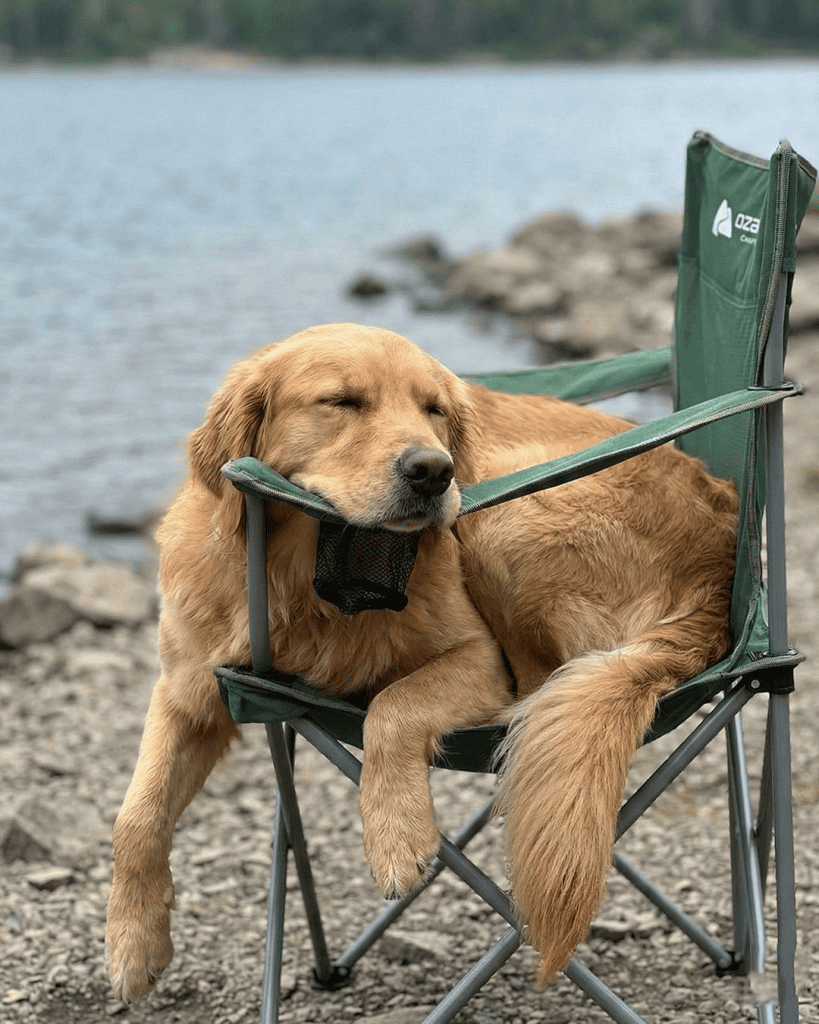
Monitor pets around water to prevent drowning or accidents. Use pet life jackets for safety if needed.
Supervision ensures pets enjoy swimming or wading safely and reduces risks associated with deep or rough waters.
7. Groom Pets Appropriately
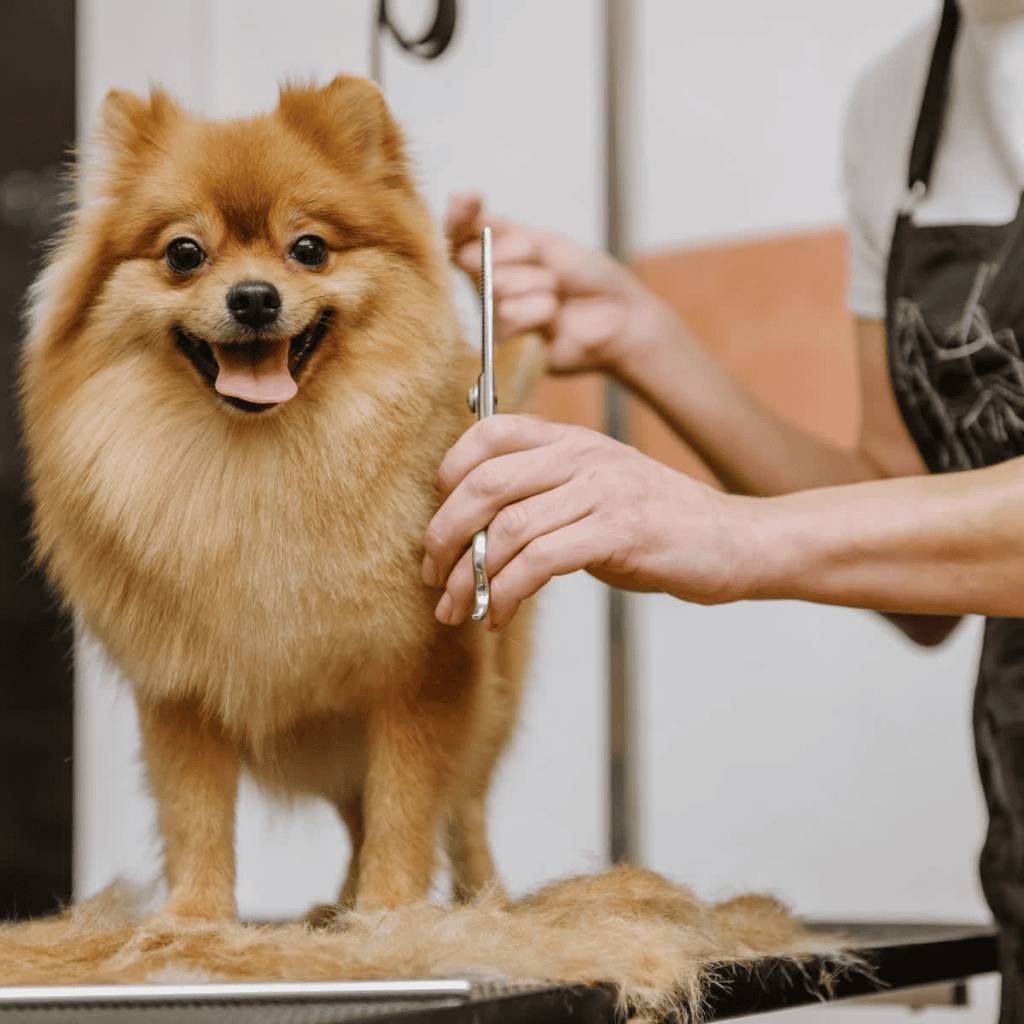
Regular grooming and trimming prevent overheating, matting, and skin infections, especially for long-haired breeds.
Groomed pets stay cooler, more comfortable, and healthier during summer activities.
8. Watch for Signs of Heatstroke
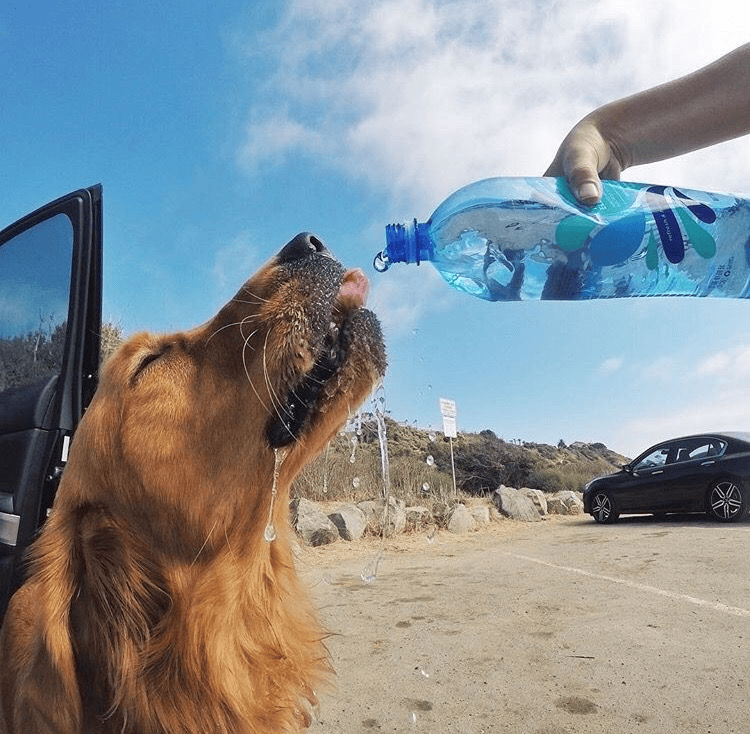
Symptoms include excessive panting, drooling, lethargy, vomiting, or uncoordinated movements. Seek immediate veterinary care if these occur.
Recognizing early signs is critical to prevent serious health consequences and ensure pet safety.
9. Avoid Toxic Foods and Plants

Keep pets away from human summer treats like chocolate, grapes, or ice cream. Be cautious of toxic plants and flowers.
Prevention reduces the risk of poisoning, digestive issues, or allergic reactions during outdoor activities.
10. Schedule Vet Checkups

Regular veterinary visits ensure vaccinations, overall health, and summer-specific advice like parasite prevention or hydration strategies.
Routine care supports long-term well-being and prepares pets for safe enjoyment of the summer season.
Summary
Summer requires extra care to keep pets safe, healthy, and comfortable. Ensuring hydration, avoiding midday heat, providing shade, supervising around water, protecting against parasites, grooming, monitoring for heatstroke, and regular vet care are essential. These 10 pet safety tips help owners prevent injuries, heat-related illnesses, and seasonal hazards while allowing pets to enjoy the outdoors safely and happily in 2026.
FAQ
1. How can I keep my dog cool during summer walks?
Walk during early morning or evening, provide water breaks, and avoid hot pavement.
2. Are short-haired pets safe in hot weather?
Yes, but they still need shade, water, and monitoring for heat stress.
3. Can cats go outside safely in summer?
Yes, with supervision, shaded areas, and protection from insects and heat.
4. What signs indicate my pet is overheated?
Excessive panting, drooling, lethargy, vomiting, or uncoordinated movements.
5. Are pets at risk in backyard pools?
Yes, always supervise pets around water and use life jackets if necessary.
6. How often should pets see the vet in summer?
Routine checkups are recommended, and consult your vet if your pet shows heat stress symptoms.