
Tarot journaling can be a simple and creative way to reflect on your thoughts, experiences, and goals. If you’re new to tarot, working with just one card at a time can make the practice feel approachable without requiring complicated spreads or extensive knowledge of every card. The goal is not to predict the future, but to use the card’s imagery and symbolism as a starting point for thoughtful self-reflection.
All you need is a journal, a pen, and a tarot card—or even a randomly chosen card from a digital deck. These beginner-friendly prompts can help you explore your emotions, notice patterns, and think about your next steps. Here are 10 one-card tarot journaling ideas for beginners.
1. What Does This Card Make Me Feel?

Start with your immediate reaction to the card.
Write about:
- The first emotion you notice
- Colors or symbols that catch your attention
- What the image reminds you of
- Why the card stands out to you
Don’t worry about getting the traditional interpretation right.
2. What Is This Card Reflecting?

Use the card as a mirror for your current life.
Ask yourself:
- What part of my life does this card remind me of?
- What situation feels connected to its symbolism?
- What am I currently experiencing that relates to this card?
Let your own experiences guide the entry.
3. What Can I Learn From This Card?
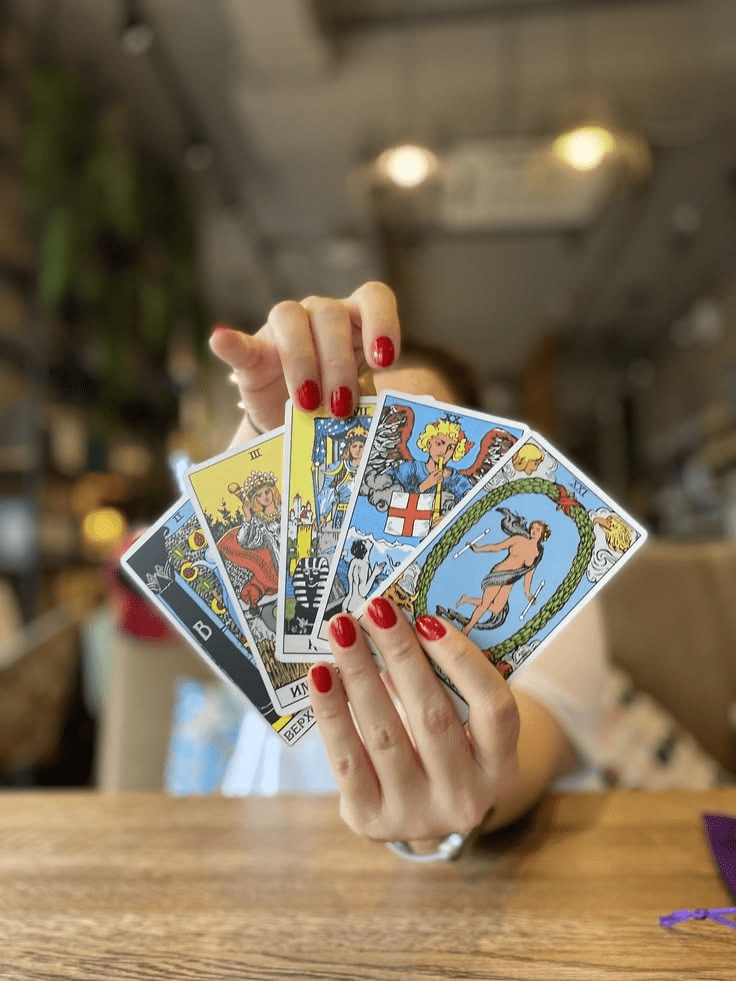
Treat the card as a reflective prompt rather than a prediction.
Consider:
- What lesson might this theme suggest?
- What have I recently learned?
- What could I approach differently?
4. What Am I Avoiding?
Use a challenging or mysterious card to explore something you may be putting off.
Journal about:
- A conversation you’re avoiding
- A decision you’ve delayed
- A task you’ve been postponing
- Why you might be hesitant
Focus on understanding the hesitation rather than judging yourself.
5. What Strength Does This Card Represent?
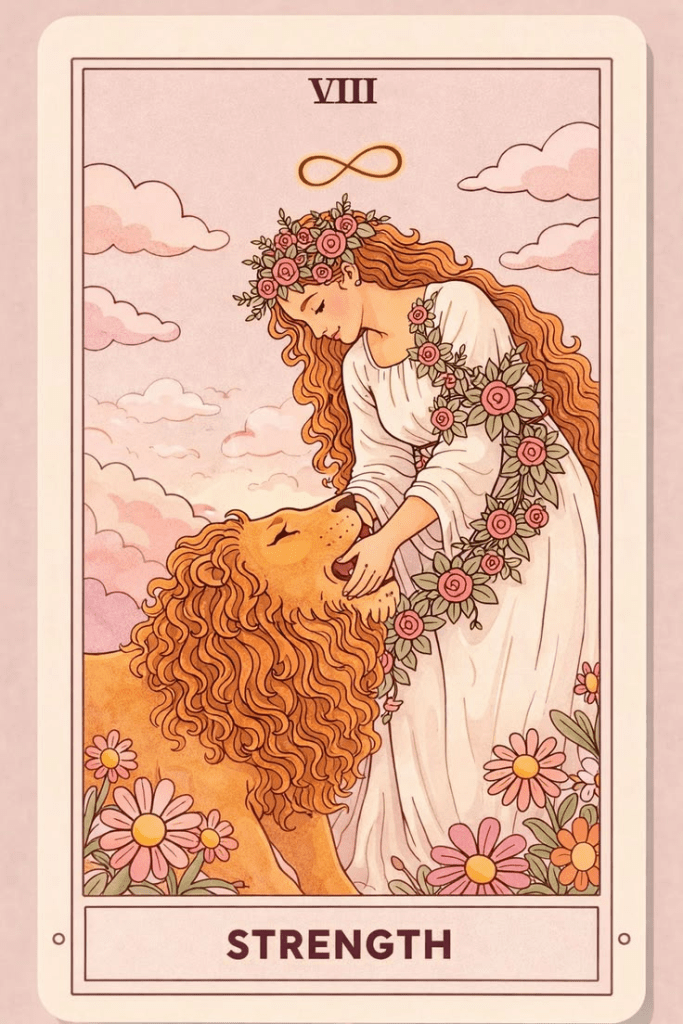
Look for qualities represented by the card that you may already possess or want to develop.
Examples:
- Patience
- Courage
- Creativity
- Confidence
- Adaptability
Write about how you could express one of these qualities today.
6. What Should I Release?

Choose one card and use its symbolism to think about what you no longer need.
Complete these sentences:
I am ready to release: ______
I learned from it: ______
I want to make room for: ______
This can be a simple way to reflect on changing priorities.
7. What Is One Small Next Step?
Use your card as inspiration for a practical action.
Ask:
“What is one small thing I can do today?”
Keep the answer realistic and specific. A tiny step can be more useful than an overwhelming list of goals.
8. What Would This Card Say to Me?
Imagine the card as a character giving you a short message.
Write:
“If this card could speak to me today, it would say…”
Continue writing without overthinking your answer.
9. How Does This Card Relate to My Goals?

Choose one current goal and explore it through the card’s theme.
Consider:
- What is helping me?
- What might be getting in my way?
- What quality do I need more of?
- What action can I take next?
10. What Do I Want to Remember From Today?

Use one card as a prompt for a daily reflection.
Write about:
- Something you learned
- Something you enjoyed
- Something that challenged you
- Something you want to remember
Finish with one sentence about what you want to carry into tomorrow.
Summary
One-card tarot journaling is an easy way for beginners to explore tarot symbolism while developing a regular reflection habit. You don’t need complicated spreads or advanced knowledge to get started. Choose one card, notice your reaction, and use a simple question to connect its imagery with your own experiences. Treat the practice as a creative tool for self-reflection rather than a way to make definite predictions, and let your journal become a space for curiosity, mindfulness, and personal growth.
Frequently Asked Questions
Do beginners need to know all 78 tarot cards?
No. You can start by exploring one card at a time and gradually become familiar with the cards as you practice.
How often should I pull one tarot card?
You can pull a card daily, weekly, or whenever you want a new journaling prompt. Choose a schedule that feels sustainable.
Do I need a physical tarot deck?
No. A physical deck is helpful, but you can also use a digital tarot deck or choose a card from a list.
What should I do if I don’t understand the card?
Start with the image. Notice the colors, characters, symbols, and emotions it evokes, then compare your impressions with a traditional guidebook interpretation.
Should I use reversed tarot cards?
That’s completely optional. Beginners may find it easier to work with upright cards until they feel comfortable with the basics.
Can tarot journaling predict my future?
Tarot journaling is better approached as a reflective practice. It can help you explore possibilities and perspectives, but it shouldn’t be treated as a guaranteed prediction of future events.
How long should a tarot journal entry be?
Even five to ten minutes can be enough. A few honest sentences may be more useful than a long entry written without much thought.
What should I do after writing?
Read your entry back and highlight one useful insight, question, or practical action you want to carry forward.