
How you spend the final hour or two before bed can influence how prepared you feel for the next day. A relaxing evening routine can help you transition away from work, reduce unnecessary stimulation, and create conditions that support consistent, restorative sleep.
You don’t need an elaborate nighttime ritual. A few simple habits practiced regularly can make your evenings calmer and your mornings easier. From preparing for tomorrow to creating a comfortable bedroom environment, these 10 night routines can help you build a more restful evening and wake up feeling ready for the day.
1. Set a Consistent Bedtime

Going to bed around the same time each night can help establish a predictable sleep schedule.
Try to:
- Choose a realistic bedtime
- Keep your schedule relatively consistent
- Allow enough time for sleep
- Adjust gradually when changing your routine
Consistency is often more practical than trying to catch up after several nights of poor sleep.
2. Put Your Phone Away Before Bed

Constant notifications and scrolling can keep your mind engaged when you’re trying to wind down.
Try:
- Setting a screen cutoff time
- Keeping your phone away from the bed
- Turning off unnecessary notifications
- Using an alarm clock if you don’t need your phone nearby
Replace scrolling with something quieter, such as reading or listening to relaxing music.
3. Prepare for Tomorrow

Spend a few minutes getting tomorrow’s essentials ready.
You can:
- Choose your outfit
- Pack your bag
- Prepare breakfast ingredients
- Check your schedule
- Write down your top priorities
A little preparation at night can make your morning feel less rushed.
4. Take a Warm Shower or Bath

A warm shower or bath can become a relaxing part of your wind-down routine.
Keep the lighting soft afterward and give yourself time to transition into bedtime rather than immediately returning to stimulating activities.
5. Keep Your Bedroom Comfortable

Your sleeping environment can make a difference to how easy it is to settle down.
Consider:
- Keeping the room comfortably cool
- Reducing unnecessary light
- Limiting disruptive noise
- Using comfortable bedding
- Keeping the bedroom uncluttered
Your ideal sleep environment is personal, so focus on what helps you feel comfortable.
6. Write Down Tomorrow’s To-Do List

If you tend to think about unfinished tasks when you’re trying to sleep, write them down before bed.
Keep it simple:
- Important tasks
- Appointments
- Things to remember
- One or two priorities
You don’t need to solve everything at night. The purpose is simply to get your thoughts out of your head and onto paper.
7. Read Something Calming

Reading can be a relaxing alternative to scrolling through social media or watching stimulating content.
Choose something enjoyable and easy to put down rather than work-related material that keeps your mind active.
Try:
- Fiction
- Poetry
- A light biography
- Personal development
- A favorite book you’ve read before
8. Practice Gentle Stretching or Relaxation

A few minutes of gentle stretching can help create a transition between daytime activities and bedtime.
Try:
- Neck and shoulder stretches
- Gentle leg stretches
- Slow breathing
- Relaxation exercises
Keep the routine comfortable and avoid turning it into an intense workout immediately before bed.
9. Reflect on the Day
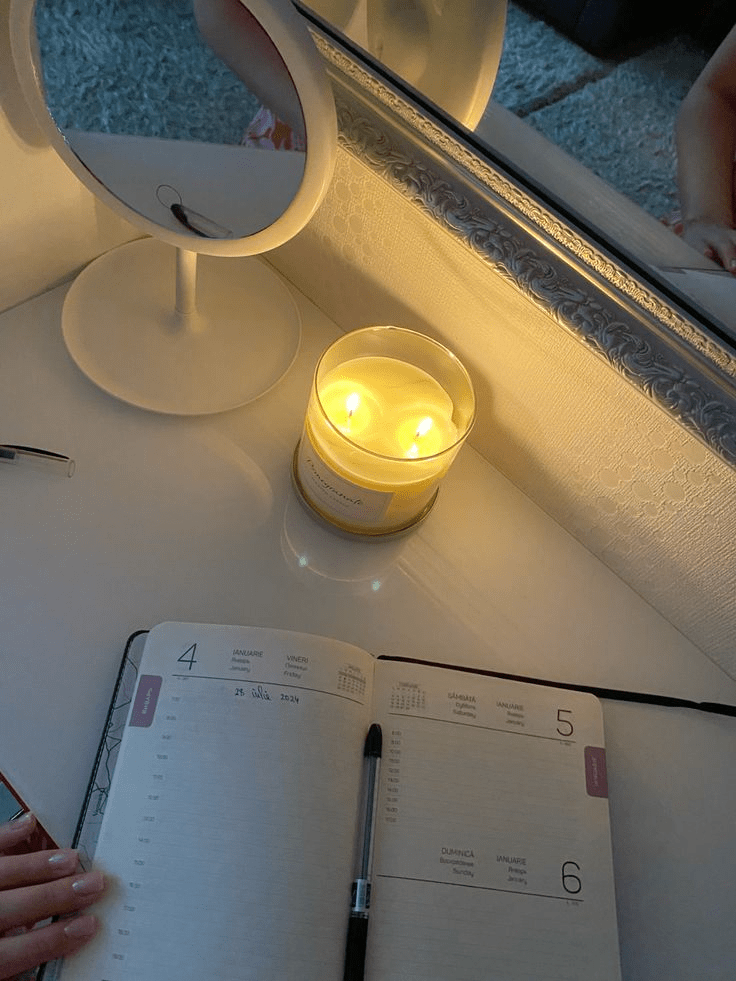
Take a few quiet minutes to think about your day.
Ask yourself:
- What went well today?
- What did I learn?
- What am I grateful for?
- What can wait until tomorrow?
A short reflection can help you mentally close the day without turning bedtime into a long planning session.
10. Create a Simple “Lights Out” Ritual

Give your brain a predictable sequence that signals bedtime.
For example:
Brush your teeth → wash your face → prepare your room → read for 10 minutes → lights out.
Repeating the same sequence can make your nighttime routine easier to follow and reduce the number of decisions you have to make at the end of the day.
Summary
Waking up energized often starts the night before. A consistent bedtime, reduced screen time, a comfortable bedroom, gentle relaxation, and a little preparation for tomorrow can help create a calmer transition into sleep. You don’t need to adopt all 10 routines at once. Choose two or three that fit your lifestyle and practice them consistently. If you regularly struggle with sleep or wake feeling exhausted despite getting enough time in bed, consider discussing it with a qualified healthcare professional.
Frequently Asked Questions
What is the best nighttime routine for better mornings?
A consistent sleep schedule combined with a relaxing wind-down period is a good starting point. Reducing stimulating activities before bed and preparing for the next day can also make mornings easier.
How long should a nighttime routine be?
There is no ideal length. Even 20–30 minutes of consistent wind-down time can be useful. Choose a routine that you can realistically maintain.
Should I stop using my phone before bed?
Reducing phone use before bedtime can make it easier to transition into sleep, particularly if scrolling or notifications keep you mentally engaged.
What should I do if I can’t fall asleep?
Keep the environment comfortable and avoid repeatedly checking the clock. If you remain awake for a while, consider getting up briefly and doing a quiet activity in dim light before returning to bed when you feel sleepy.
Does preparing for tomorrow help with sleep?
For some people, preparing clothes, bags, schedules, and a short to-do list can reduce the need to think about unfinished tasks while trying to settle down.
Can stretching help before bed?
Gentle stretching or relaxation exercises can be a calming part of a bedtime routine. Keep the movements comfortable rather than treating the session as an intense workout.
Why do I still feel tired after getting enough sleep?
Feeling tired despite adequate sleep can have many possible causes, including inconsistent sleep schedules, poor sleep quality, stress, medications, or sleep disorders. If it happens regularly, consider discussing it with a healthcare professional.
How can I make my nighttime routine a habit?
Start with two or three simple actions and connect them to things you already do every evening. Keep the routine realistic, repeat it consistently, and adjust it when something isn’t working.