
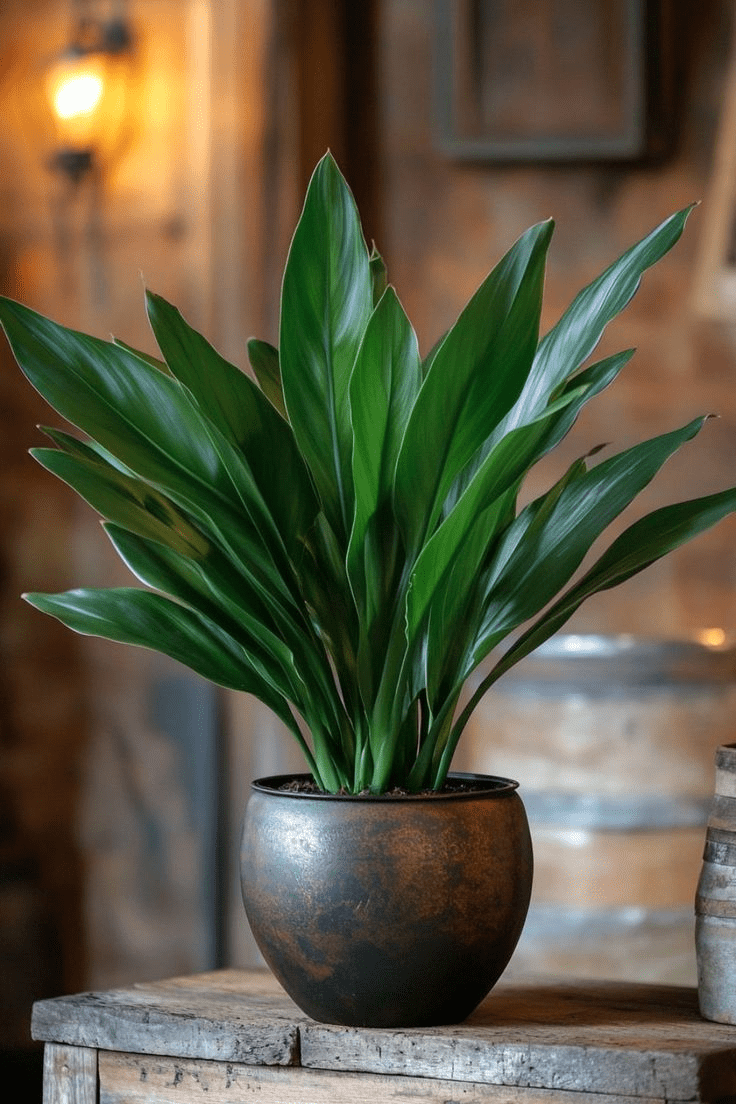
Not every home has bright, sunny windows, but that doesn’t mean you have to give up on indoor greenery. Many houseplants can tolerate lower-light conditions and thrive with relatively simple care. They can add color, texture, and a natural feel to bedrooms, offices, hallways, and other spaces where direct sunlight is limited.
While low-light plants still need some light to stay healthy, choosing varieties that naturally tolerate indirect or filtered light can make indoor gardening much easier. Here are 10 low-light indoor plants that are easy to grow.
1. Snake Plant
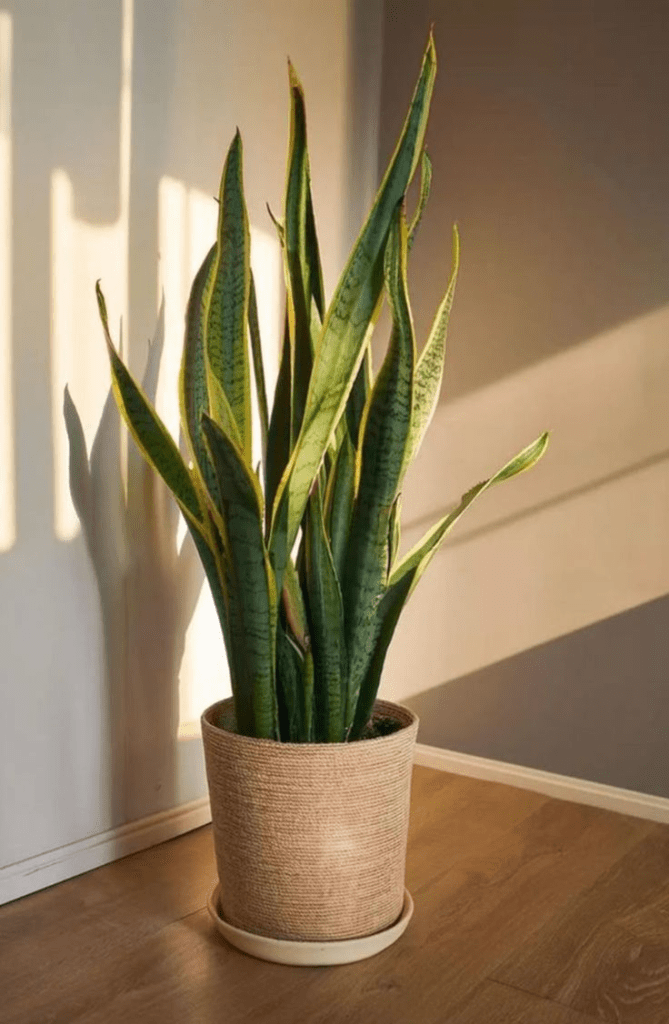
Snake plants are among the most forgiving houseplants and can tolerate a wide range of indoor lighting conditions.
Why they’re easy:
- Tolerate low light
- Don’t need frequent watering
- Upright growth suits small spaces
- Available in several varieties
Allow the soil to dry between waterings.
2. ZZ Plant
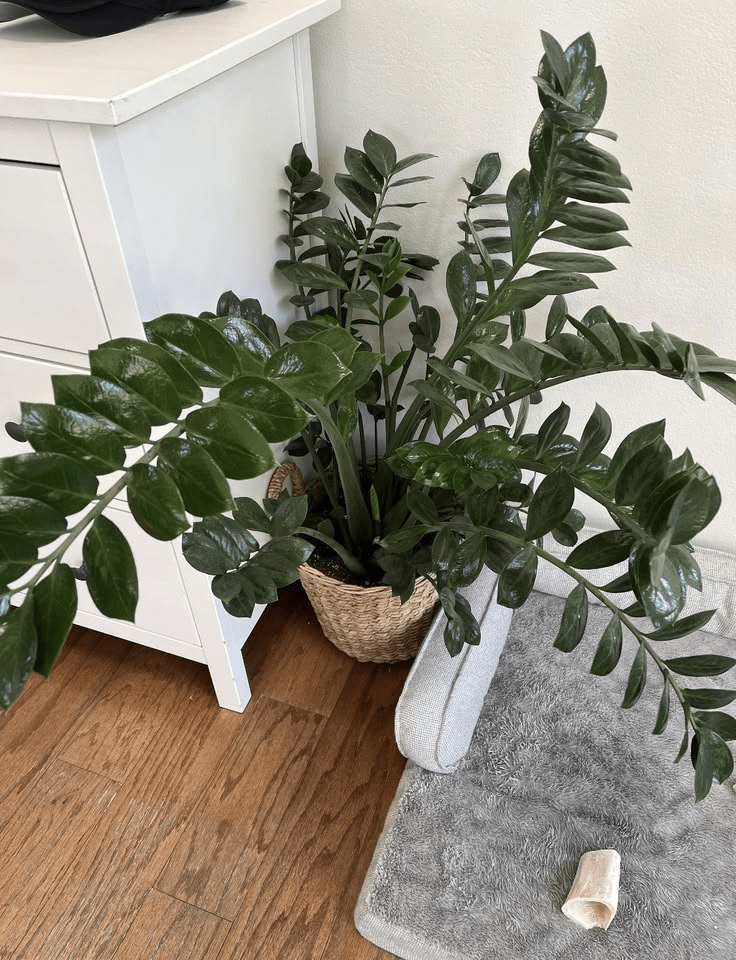
The ZZ plant is a popular choice for rooms with limited natural light.
Good for:
- Offices
- Bedrooms
- Apartments
- Low-maintenance plant collections
Its thick stems and roots help it handle periods of dry soil.
3. Pothos
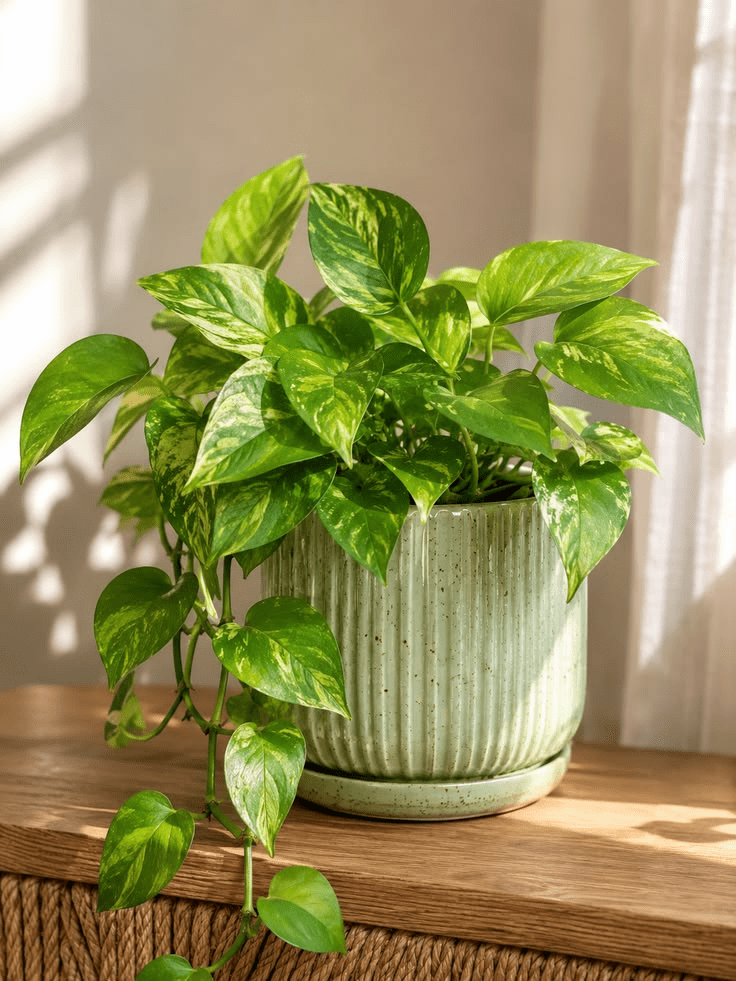
Pothos is a versatile trailing plant that can grow in low to moderate indirect light.
Try it:
- In hanging baskets
- On shelves
- On bookcases
- In wall planters
Water when the upper portion of the soil has dried.
4. Heartleaf Philodendron
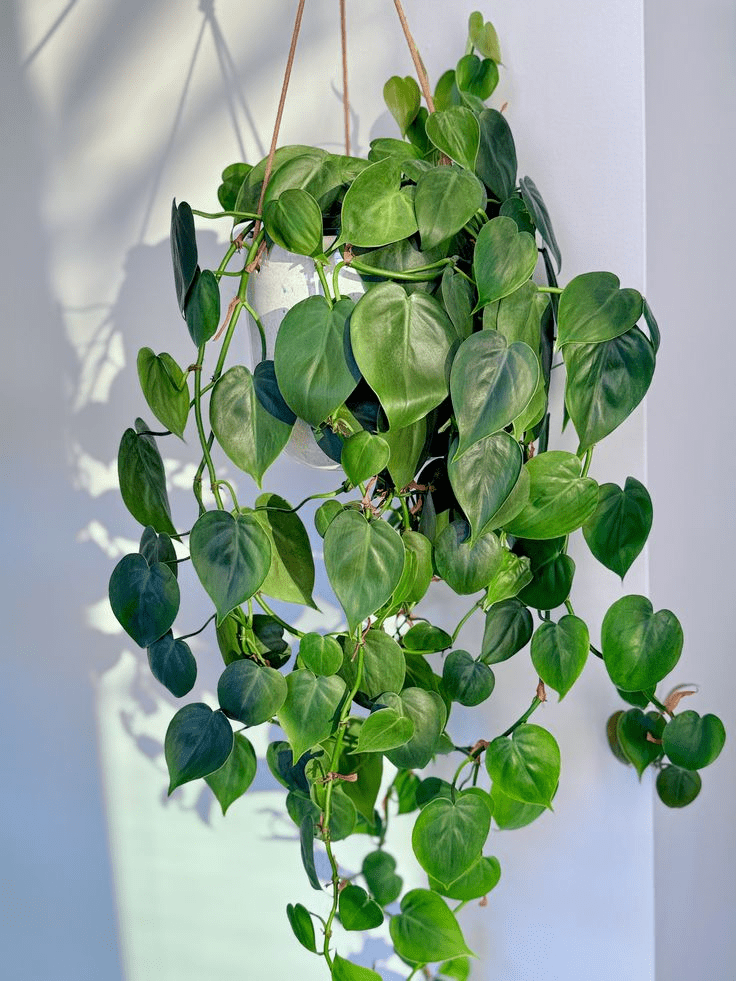
With heart-shaped leaves and trailing stems, this philodendron makes an attractive indoor plant.
Benefits:
- Easy to propagate
- Adaptable to indoor conditions
- Works well in hanging containers
- Tolerates lower light
Avoid keeping the soil constantly waterlogged.
5. Cast Iron Plant
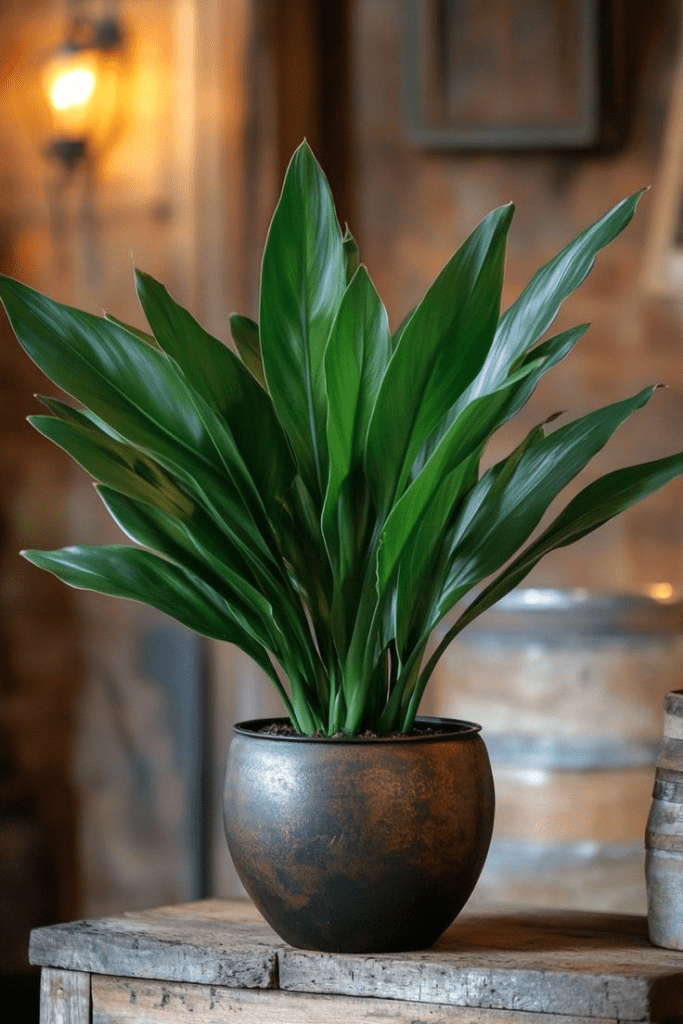
The cast iron plant has earned its reputation for being particularly tough and adaptable.
It can handle:
- Lower light
- Less frequent watering
- Indoor temperature changes
- Neglect better than many houseplants
It’s a great option for beginner plant owners.
6. Peace Lily
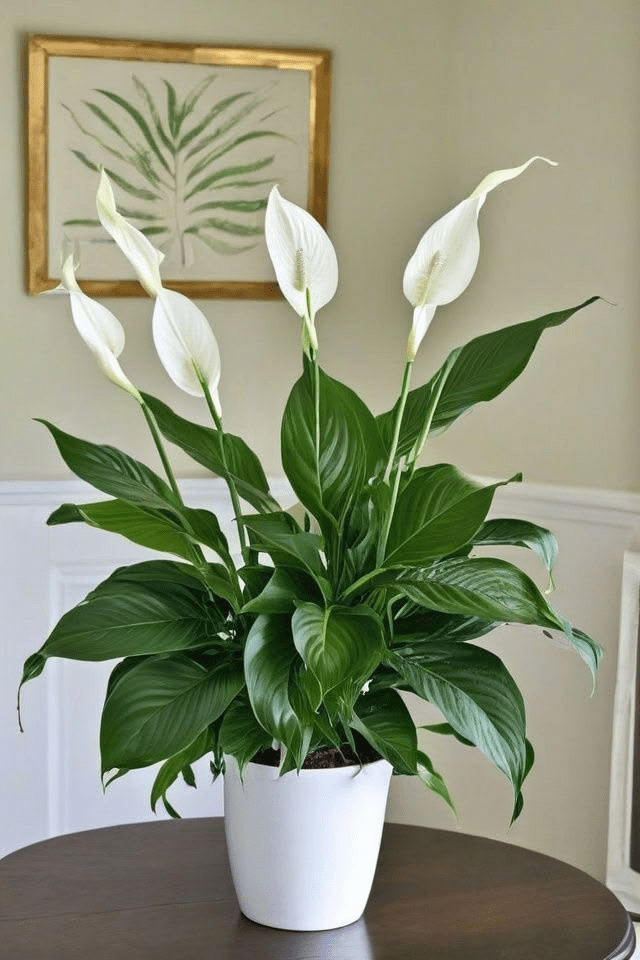
Peace lilies can adapt to lower-light areas and are known for their attractive foliage and white flower-like structures.
Keep it happy with:
- Indirect light
- Evenly moist soil
- Good drainage
- A warm indoor environment
It may droop noticeably when it needs water.
7. Chinese Evergreen
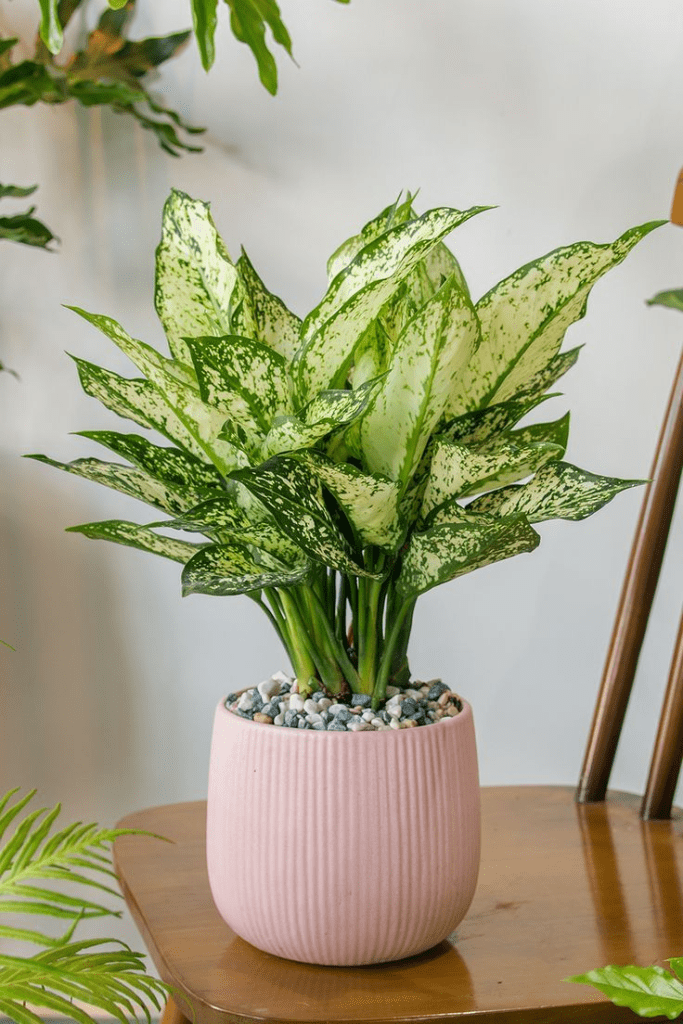
Chinese evergreen varieties are popular for their patterned foliage and ability to tolerate lower indoor light.
Choose from varieties featuring:
- Green leaves
- Silver patterns
- Cream markings
- Pink or red tones
Let the soil partially dry between waterings.
8. Parlor Palm
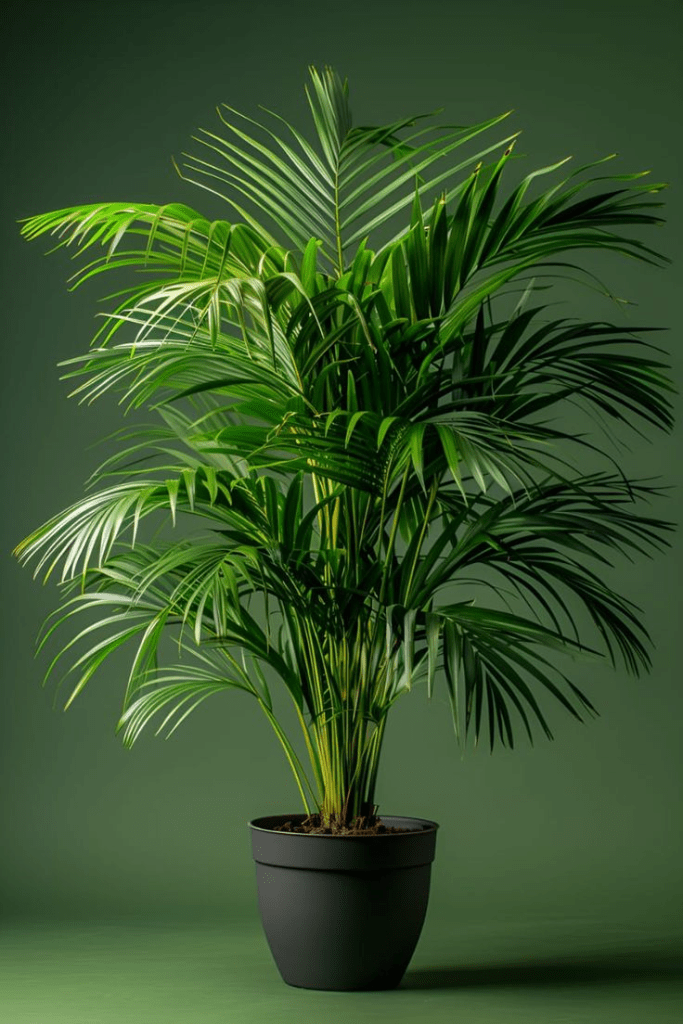
Parlor palms can bring a soft, tropical look to rooms with filtered or indirect light.
Place one:
- Near a shaded window
- In a living room corner
- Beside a desk
- In a bedroom with indirect light
Avoid placing it in harsh direct sunlight.
9. Spider Plant
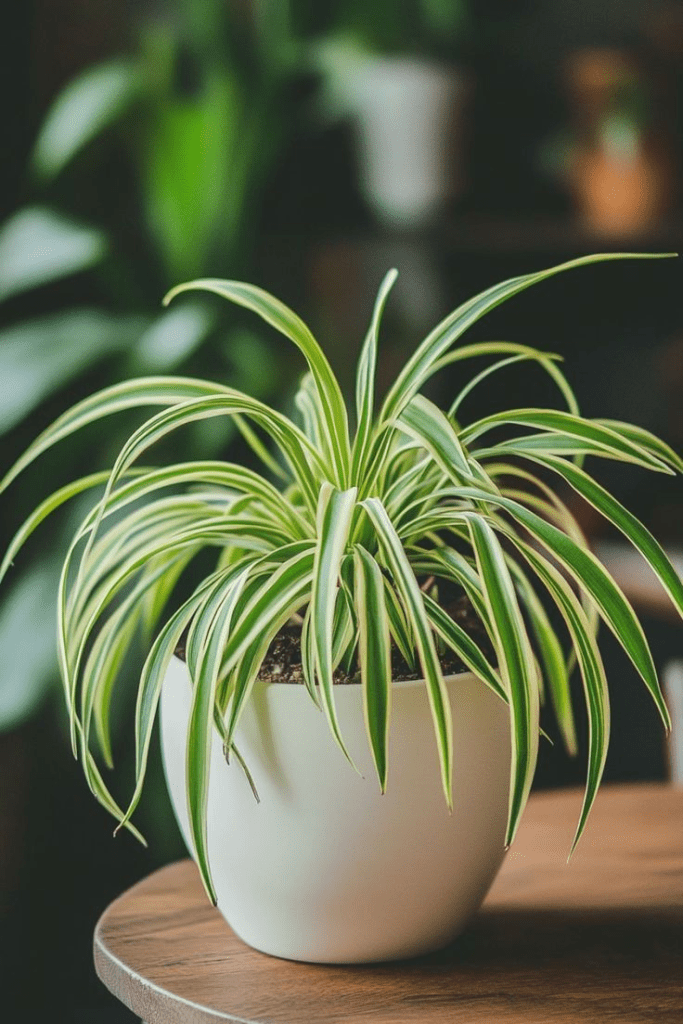
Spider plants are adaptable and beginner-friendly, producing long arching leaves and small plantlets.
They’re great for:
- Hanging baskets
- Shelves
- Bedrooms
- Home offices
Allow the soil to dry somewhat between waterings.
10. Dracaena
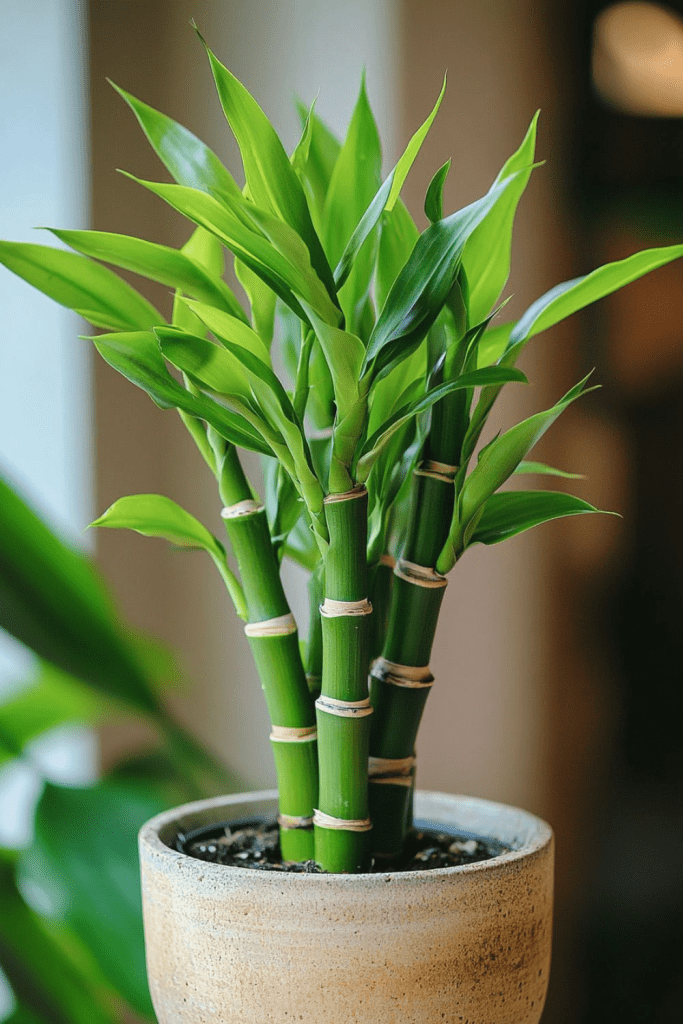
Several dracaena varieties can tolerate lower indoor light and provide an architectural look.
Care tips:
- Use well-draining soil
- Avoid overwatering
- Keep away from harsh direct sunlight
- Rotate the pot occasionally for even growth
Summary
Low-light indoor plants can make it easier to bring greenery into spaces without bright windows. Snake plants, ZZ plants, pothos, philodendrons, and cast iron plants are particularly approachable choices for beginners. Remember that “low light” doesn’t mean no light—plants still need enough indirect or filtered light to remain healthy. Choose a plant that matches your home’s conditions and pay attention to watering, drainage, and signs of stress.
Frequently Asked Questions
What is the easiest low-light indoor plant?
Snake plants and ZZ plants are among the easiest choices because they tolerate lower light and can handle periods of dry soil.
Can indoor plants survive without sunlight?
Plants need light for photosynthesis, so completely dark spaces aren’t suitable for long-term plant growth. Low-light plants still need some natural or suitable artificial light.
How often should I water low-light plants?
It depends on the plant, pot, soil, and indoor conditions. Check the soil before watering rather than following a strict schedule.
Are low-light plants good for bedrooms?
Yes. Many low-light houseplants can grow well in bedrooms when they receive appropriate indirect light and are cared for properly.
Can I keep a pothos in a dark room?
Pothos can tolerate lower light, but a completely dark room won’t provide enough light for healthy long-term growth.
Which low-light plant needs the least care?
Snake plants and ZZ plants are particularly tolerant of occasional missed waterings and lower-light conditions.
Why are my low-light plant’s leaves turning yellow?
Yellow leaves can have several causes, including overwatering, poor drainage, aging leaves, or unsuitable lighting. Check the plant’s soil and growing conditions before changing your watering routine.
Do low-light plants need fertilizer?
They may benefit from occasional fertilizing during active growth, but requirements vary by species. Avoid overfertilizing, especially when growth is slow.