High-fat foods can be an important part of a balanced diet, especially when you choose foods that provide useful nutrients along with their fats. Foods such as avocados, nuts, seeds, olive oil, fatty fish, eggs, and full-fat dairy can add flavor, texture, and satisfying richness to everyday meals. Rather than avoiding all dietary fat, it can be helpful to focus on the type of fat and the overall nutritional value of the food. Pairing healthy fat sources with vegetables, whole grains, fruits, beans, or lean proteins can create balanced and satisfying meals.
Adding more nutritious high-fat foods to your routine does not have to mean complicated cooking. A spoonful of nut butter can turn oatmeal into a more filling breakfast, while avocado can make toast or a grain bowl creamy and satisfying. Olive oil can become the base of a simple salad dressing, and salmon can be baked with herbs for an easy dinner. Portion sizes still matter because fats are calorie-dense, but they can fit comfortably into a varied eating pattern. The recipes below focus on simple combinations that make it easier to enjoy high-fat foods as part of healthy everyday meals.
1. Avocado and Egg Whole-Grain Toast
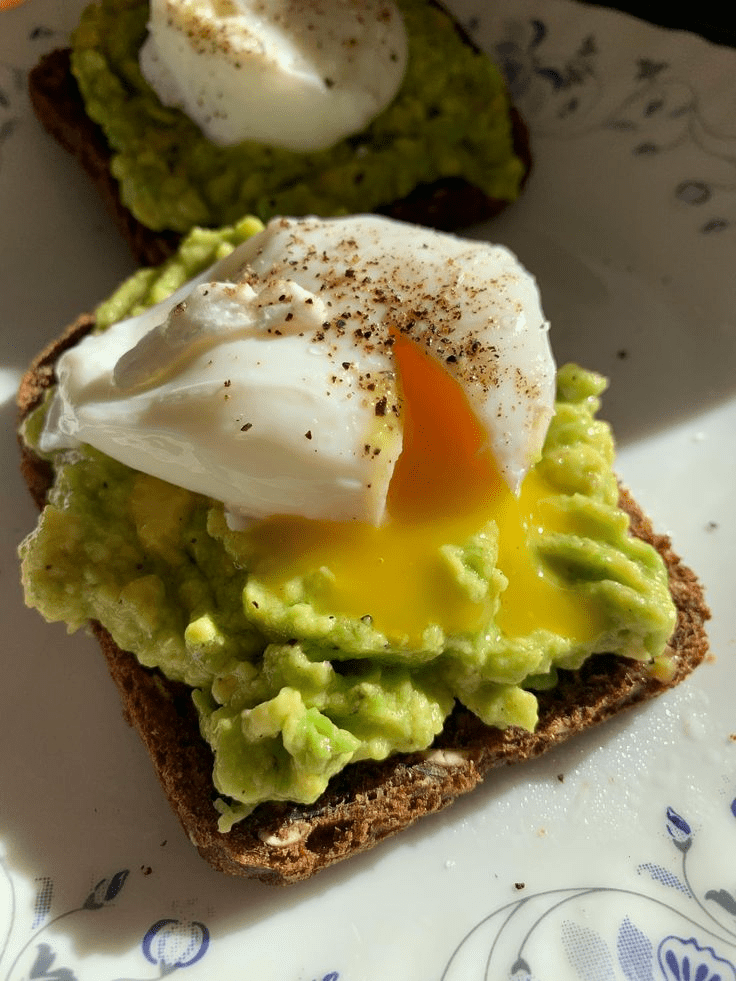
Avocado and egg toast is a simple breakfast that combines healthy fats, protein, and whole-grain carbohydrates. Avocados provide mostly unsaturated fat along with fiber, while eggs contribute protein and several important nutrients.
Start with a slice of toasted whole-grain bread and spread mashed avocado evenly over the top. Add a boiled, poached, or lightly fried egg. Season with black pepper, a pinch of salt, and optional red pepper flakes.
For additional flavor and nutrition, add sliced tomatoes, spinach, cucumber, or microgreens. A squeeze of lemon or lime can brighten the flavor and help prevent the avocado from tasting too heavy.
This recipe is easy to customize based on what you have available. You can also add pumpkin seeds or sesame seeds for extra texture. If you’re preparing breakfast ahead of time, keep the avocado separate until you’re ready to eat so the toast remains crisp.
2. Salmon and Avocado Grain Bowl
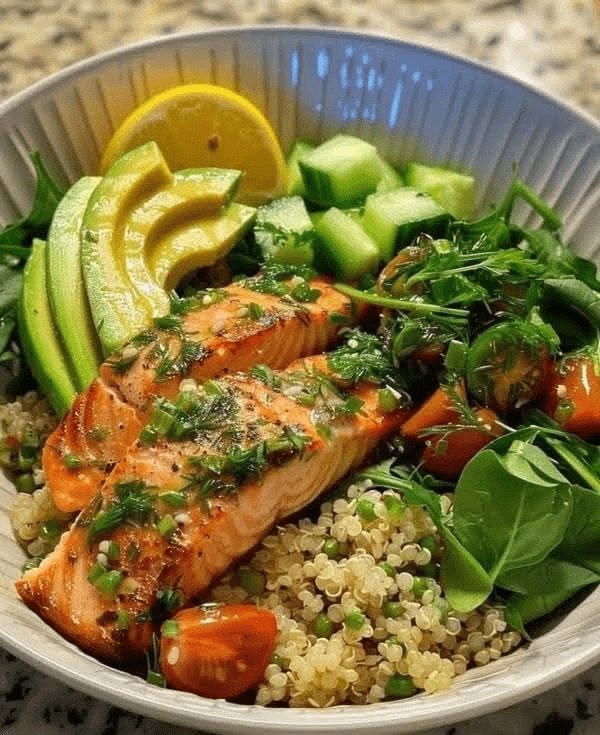
A salmon and avocado grain bowl is a satisfying lunch or dinner that combines fatty fish with vegetables and whole grains. Salmon is a well-known source of omega-3 fatty acids, while avocado contributes unsaturated fats and fiber.
Cook salmon with simple seasonings such as garlic, black pepper, lemon, and herbs. Serve it over cooked brown rice, quinoa, or another whole grain. Add avocado slices, cucumber, leafy greens, shredded carrots, or roasted vegetables.
For a simple dressing, whisk together lemon juice, olive oil, mustard, and a little black pepper. Drizzle a small amount over the bowl just before serving.
The recipe is flexible enough for meal preparation. Cook several salmon portions and grains at once, then assemble individual bowls throughout the week. Keep avocado and dressing separate until serving for the freshest texture.
3. Greek Yogurt Berry and Nut Bowl
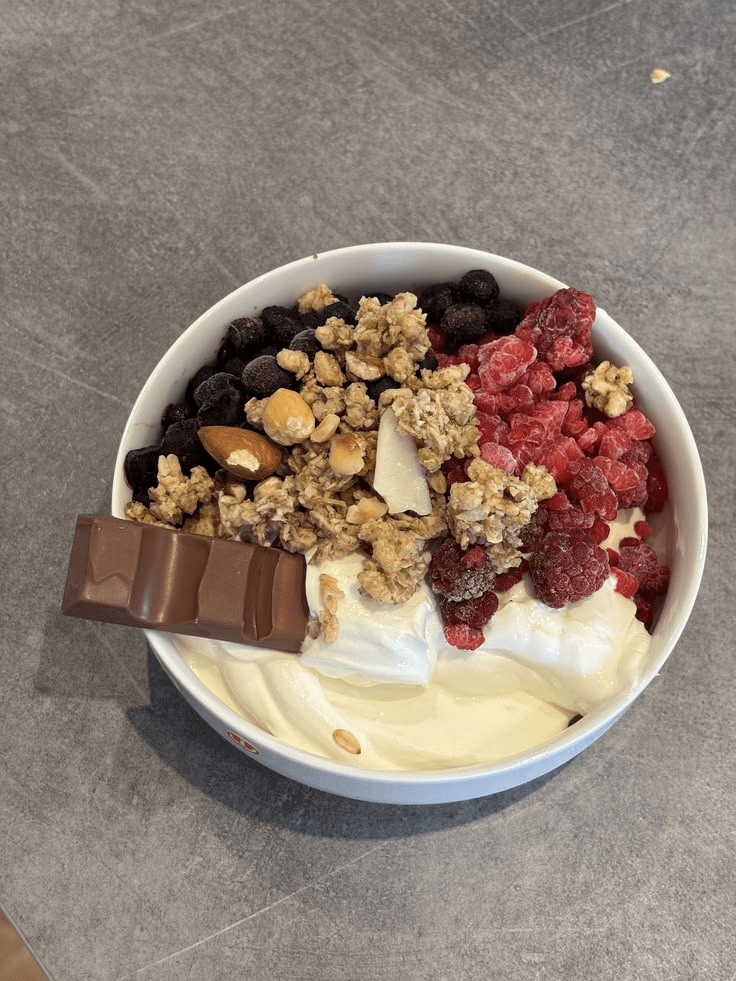
A Greek yogurt bowl can be a quick breakfast or snack that combines creamy dairy with fruit, nuts, and seeds. Choosing full-fat Greek yogurt provides more dietary fat than low-fat varieties while also supplying protein.
Add Greek yogurt to a bowl and top it with fresh or frozen berries. Sprinkle over chopped walnuts, almonds, pecans, or pumpkin seeds. A small spoonful of natural nut butter can add even more richness.
For sweetness, use fresh fruit or a small drizzle of honey if desired. Cinnamon, vanilla, or unsweetened coconut can also add flavor without requiring much added sugar.
This bowl can be adjusted according to your preferences. Use strawberries and almonds for one version, blueberries and walnuts for another, or sliced banana with peanut butter for a more substantial option. Keep portions of nuts, seeds, and nut butter moderate because these foods are nutrient-dense and high in calories.
4. Mediterranean Chickpea and Avocado Salad
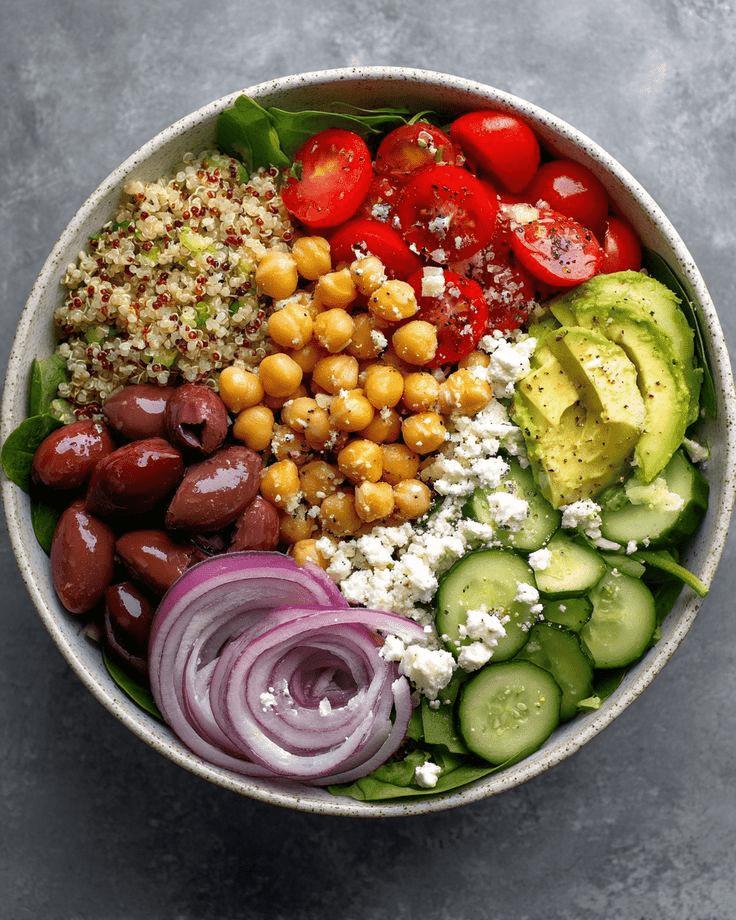
This colorful salad combines chickpeas, avocado, vegetables, herbs, and olive oil for a satisfying meat-free meal. Chickpeas provide plant-based protein and fiber, while avocado and olive oil contribute unsaturated fats.
Combine cooked chickpeas with diced avocado, cucumber, tomatoes, red onion, and fresh parsley. Add lemon juice, extra-virgin olive oil, black pepper, and a small amount of salt.
For extra flavor, add olives or a little crumbled feta cheese. You can also serve the salad over leafy greens or alongside whole-grain pita bread.
The salad works well for lunch because the chickpeas make it more substantial than a simple vegetable salad. If preparing it ahead, add the avocado shortly before serving to maintain its texture. You can also prepare the chickpea and vegetable mixture in advance and add the dressing just before eating.
5. Peanut Butter Banana Overnight Oats
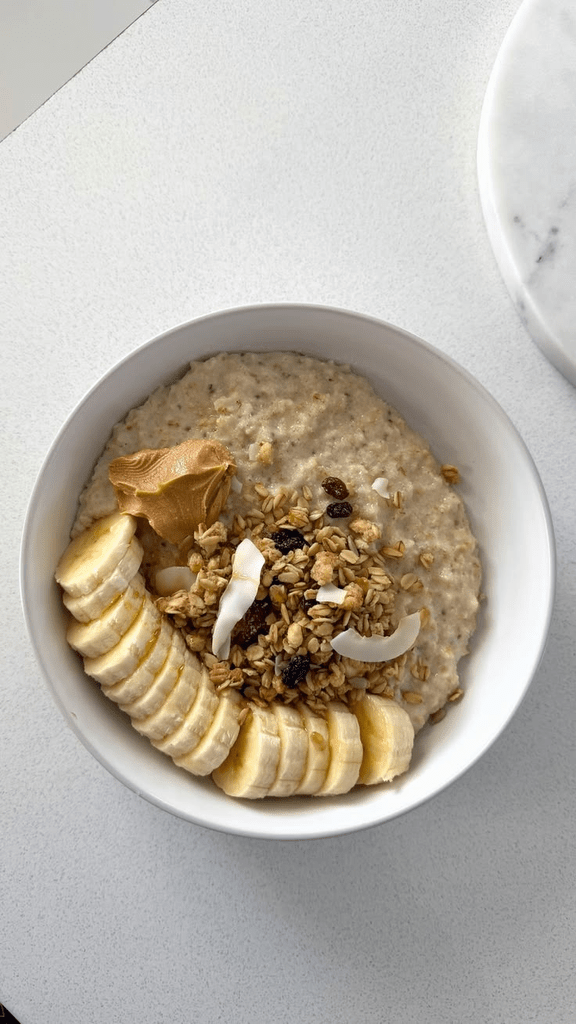
Peanut butter banana overnight oats are an easy make-ahead breakfast featuring oats, fruit, milk, and nut butter. Natural peanut butter adds healthy fats and helps give the oats a creamy texture.
Combine rolled oats with milk or an unsweetened plant-based alternative. Stir in mashed banana, natural peanut butter, chia seeds, and cinnamon. Refrigerate overnight so the oats soften.
In the morning, add banana slices, chopped peanuts, or a small spoonful of additional peanut butter. If you prefer a thinner consistency, add a splash of milk before eating.
You can prepare several jars at once for busy mornings. Almond butter, cashew butter, or sunflower seed butter can replace peanut butter. To keep the recipe balanced, choose nut or seed butter without a large amount of added sugar when possible.
6. Olive Oil and Roasted Vegetable Pasta
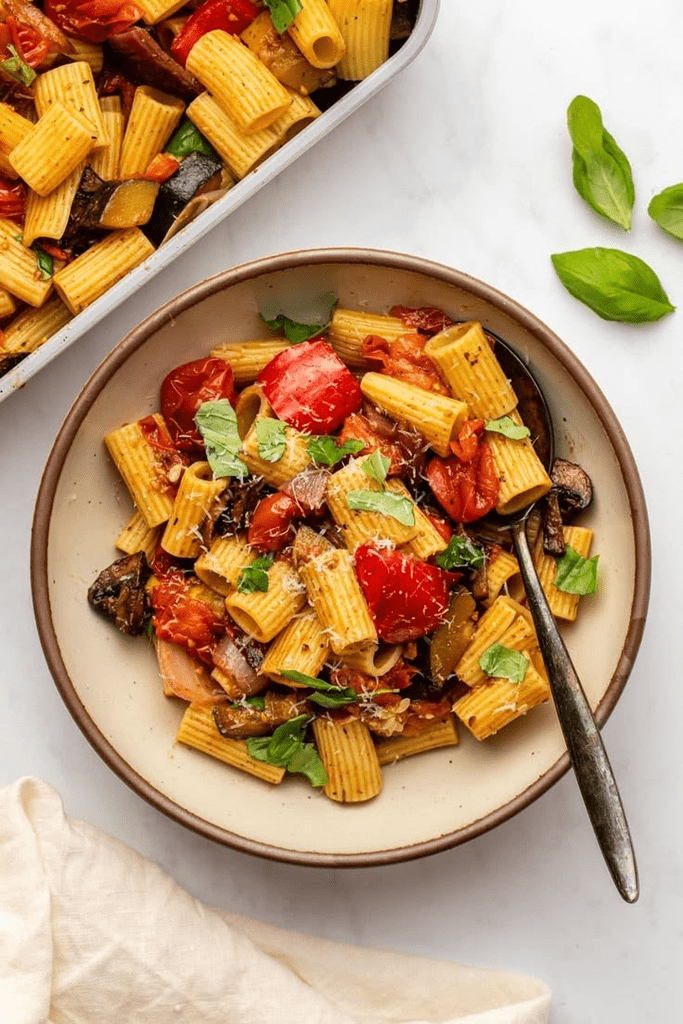
Olive oil can be used to create a simple pasta dish without relying on heavy cream. Extra-virgin olive oil is rich in monounsaturated fat and can add plenty of flavor to vegetables and whole-grain pasta.
Cook whole-grain pasta according to the package directions. Meanwhile, roast vegetables such as zucchini, bell peppers, cherry tomatoes, broccoli, or eggplant with olive oil, garlic, and herbs.
Toss the cooked pasta with the roasted vegetables and a modest amount of additional olive oil. Add lemon zest, parsley, black pepper, and grated Parmesan if desired.
For more protein, add chickpeas, grilled chicken, or white beans. You can also use different vegetables depending on the season. The combination of roasted vegetables and olive oil creates a flavorful meal without requiring a complicated sauce.
7. Chia Seed Pudding with Almond Butter
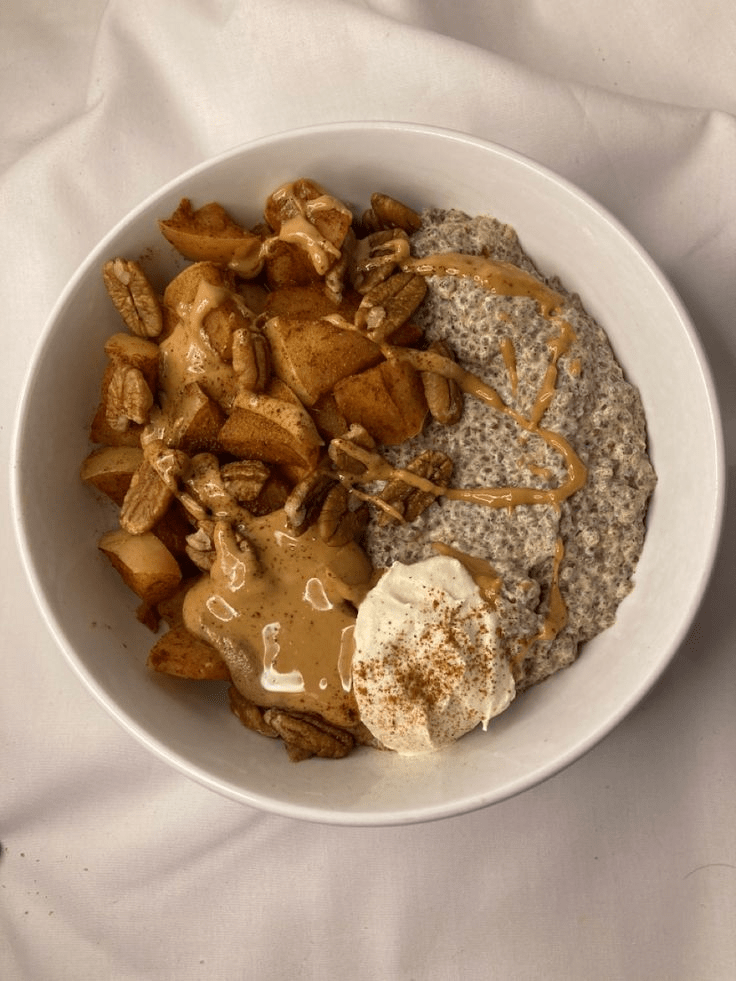
Chia seed pudding is a convenient breakfast or snack that can be prepared the night before. Chia seeds contain fats, including omega-3 fatty acids, and also provide fiber.
To prepare it, combine chia seeds with milk or a plant-based milk and stir thoroughly. Refrigerate for several hours or overnight until the mixture thickens. Stir again before serving to distribute the seeds evenly.
Top the pudding with berries, sliced banana, chopped almonds, or a small spoonful of almond butter. Cinnamon and vanilla can provide additional flavor.
Because chia seeds absorb liquid and expand, make sure there is enough liquid in the recipe. You can adjust the consistency by adding more milk before serving. For variety, try cocoa powder and banana, mango and coconut, or berries with vanilla.
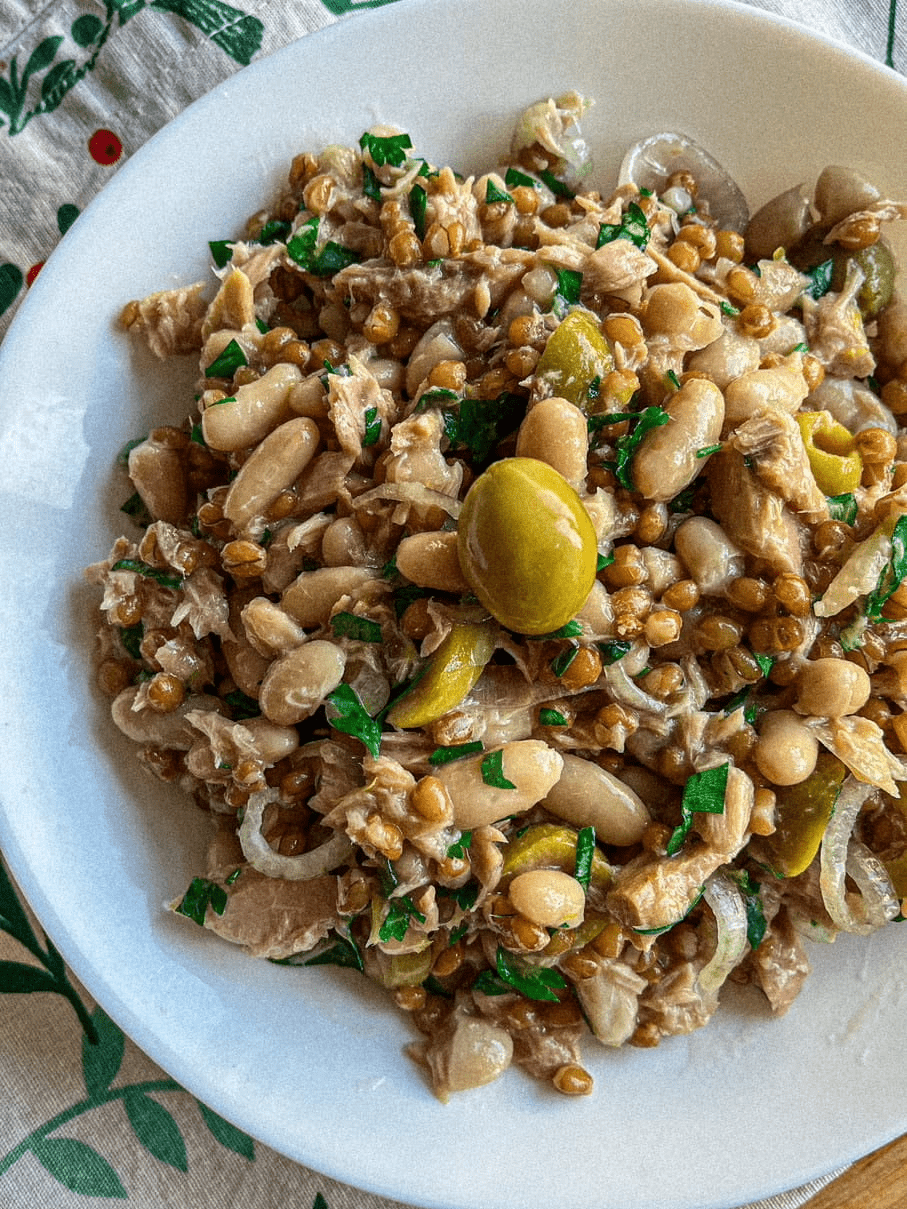
8. Tuna and Olive Oil Bean Salad
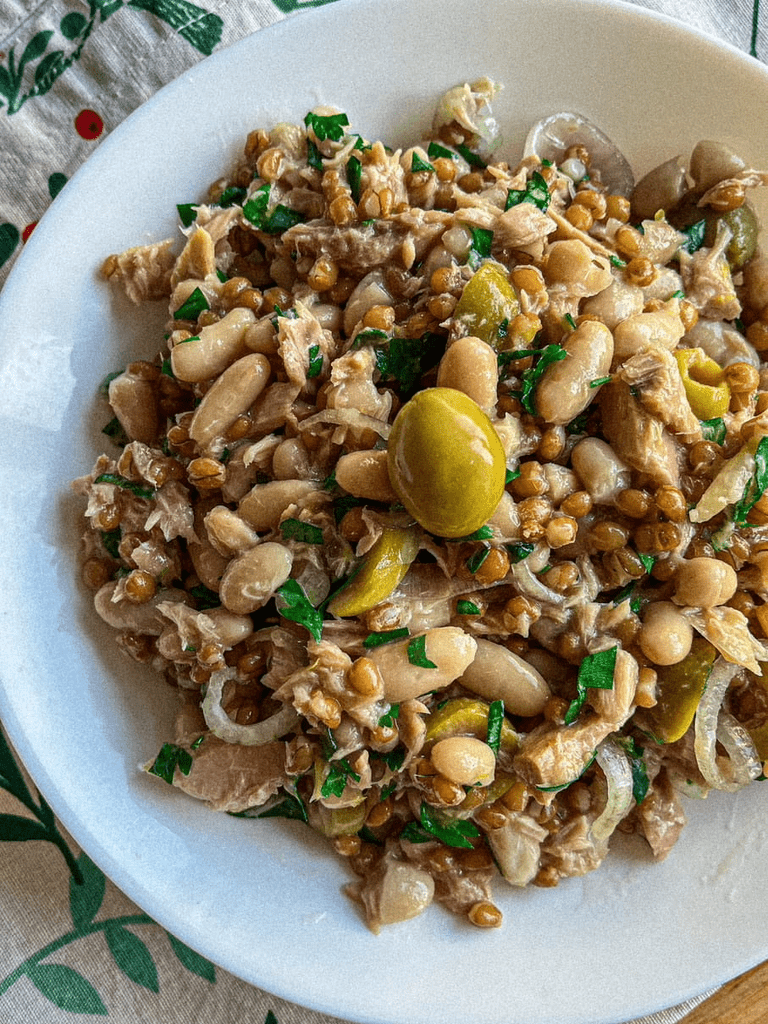
Tuna and bean salad is an easy lunch option that combines protein with olive oil and fiber-rich beans. It can be served on its own, over leafy greens, or with whole-grain bread.
Combine canned tuna with white beans, chopped cucumber, tomatoes, red onion, parsley, and olives. Add extra-virgin olive oil, lemon juice, black pepper, and herbs.
For additional crunch, add celery or bell peppers. You can also replace white beans with chickpeas or another cooked bean.
This recipe requires very little cooking, making it useful for busy days. Choose tuna packed in water or oil according to your preference, keeping in mind that oil-packed tuna will add more fat and calories. Refrigerate leftovers promptly and enjoy the salad within a suitable food-safety timeframe.
9. Walnut and Apple Cinnamon Snack Bowl
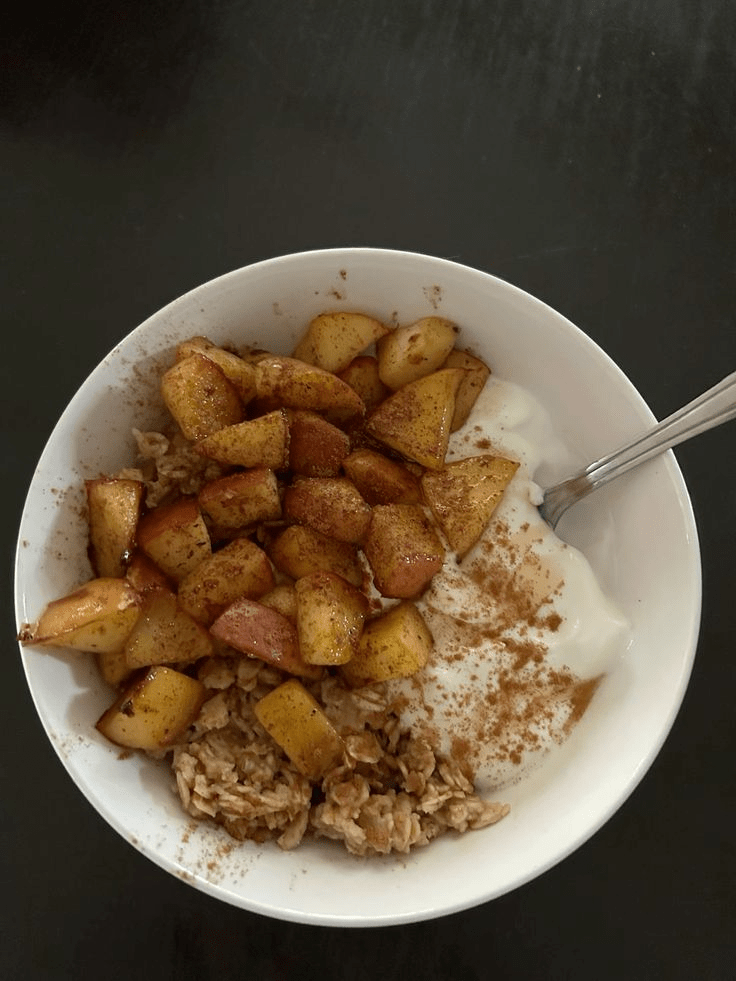
A walnut and apple snack bowl is a simple way to combine fruit with a nutrient-dense source of fat. Walnuts provide unsaturated fats and have a naturally rich flavor that pairs well with sweet fruit.
Slice an apple and place it in a bowl with a small handful of walnuts. Add cinnamon and, if desired, a spoonful of plain Greek yogurt or natural nut butter.
For a more substantial snack, add pumpkin seeds or a small amount of unsweetened coconut. You can also turn the combination into a breakfast topping for oatmeal.
The key to keeping this snack balanced is portion awareness. Nuts and nut butters are nutritious but energy-dense, so a small serving can go a long way. Choose whole or minimally processed ingredients and let the natural sweetness of the apple provide most of the flavor.
10. Baked Sardines with Lemon and Herbs
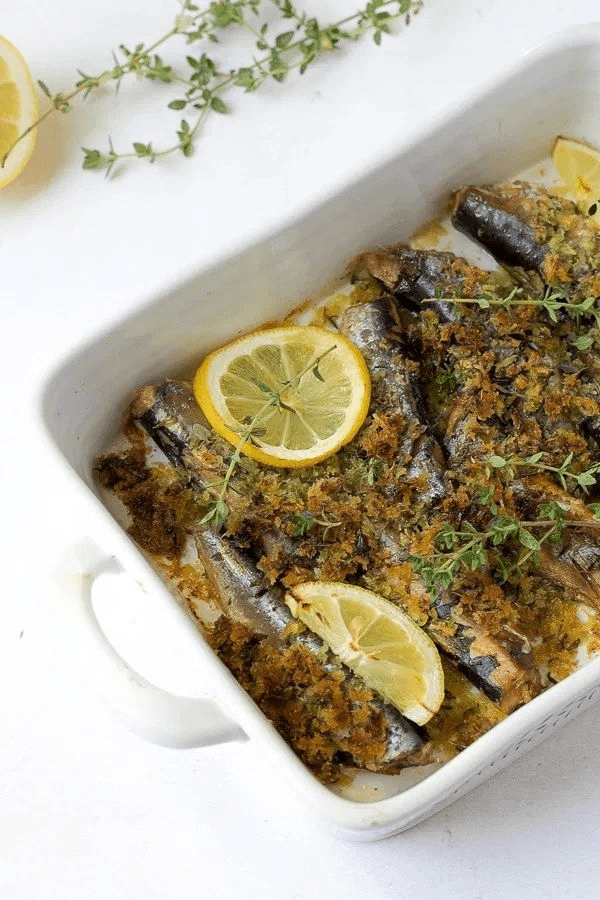
Sardines are another fatty fish that can be incorporated into a simple dinner or lunch. They provide omega-3 fats and can be paired with vegetables and whole grains for a balanced
Place sardines in a baking dish or use canned sardines that are ready to serve. Add lemon juice, garlic, parsley, black pepper, and a small drizzle of olive oil. If using fresh sardines, bake until thoroughly cooked.
Serve them with roasted vegetables and brown rice, quinoa, or whole-grain bread. A fresh tomato and cucumber salad can provide a crisp contrast to the rich fish.
If you’re new to sardines, start with a simple lemon-and-herb preparation. Their strong flavor pairs particularly well with acidic ingredients such as lemon and vinegar. Canned sardines can also be added to salads, toast, pasta, or grain bowls for a quick meal.
Summary
High-fat foods can fit into healthy eating when you focus on nutrient-rich choices and balanced portions. Avocados, nuts, seeds, olive oil, fatty fish, eggs, and full-fat dairy can add satisfying flavor and important nutrients to everyday meals. The key is to build meals around a variety of foods rather than relying on one ingredient.
These recipes make it easy to incorporate nutritious fats into breakfast, lunch, dinner, and snacks. Try avocado toast in the morning, a salmon grain bowl for lunch, roasted vegetable pasta for dinner, or a simple fruit-and-nut snack between meals. With a little planning, high-fat foods can be part of a varied and enjoyable eating pattern.
FAQ
What are some healthy high-fat foods?
Avocados, nuts, seeds, olive oil, fatty fish, eggs, and some full-fat dairy products are examples of nutrient-rich high-fat foods.
Are high-fat foods healthy?
Some high-fat foods are highly nutritious, particularly those rich in unsaturated fats. Overall food quality, portion size, and dietary balance are important.
What is a good high-fat breakfast?
Avocado and egg toast, Greek yogurt with nuts and berries, and peanut butter banana overnight oats are simple options.
Can I eat high-fat foods every day?
Yes, nutrient-rich sources of fat can be included regularly as part of a varied diet. Portion sizes and the overall balance of your meals still matter.
What foods are high in healthy unsaturated fats?
Avocados, olive oil, nuts, seeds, and fatty fish are common sources of unsaturated fats.
Are nuts considered high-fat foods?
Yes. Nuts contain significant amounts of fat, along with protein, fiber, vitamins, minerals, and other nutrients.
How can I add more healthy fats to meals?
Try adding avocado to toast or salads, using olive oil in dressings, sprinkling seeds over yogurt or oatmeal, or including fatty fish in meals.
Are high-fat foods high in calories?
Fat contains more calories per gram than carbohydrates or protein, so even nutritious high-fat foods are generally best enjoyed in appropriate portions.