

Spending time alone can feel very different when it is chosen rather than forced. Learning to enjoy your own company doesn’t mean avoiding other people. Instead, it can mean becoming more comfortable with yourself while creating meaningful routines, hobbies, and moments of connection. Small daily habits can make alone time feel less empty and more intentional.
If you’re feeling lonely, it’s also important to remember that loneliness is a normal human experience and isn’t something you have to handle entirely on your own. Alongside building enjoyable solo routines, staying connected with supportive friends, family members, communities, or professionals can make a meaningful difference. Here are 10 simple habits to help make your time alone more fulfilling.
1. Create a Morning Routine You Enjoy
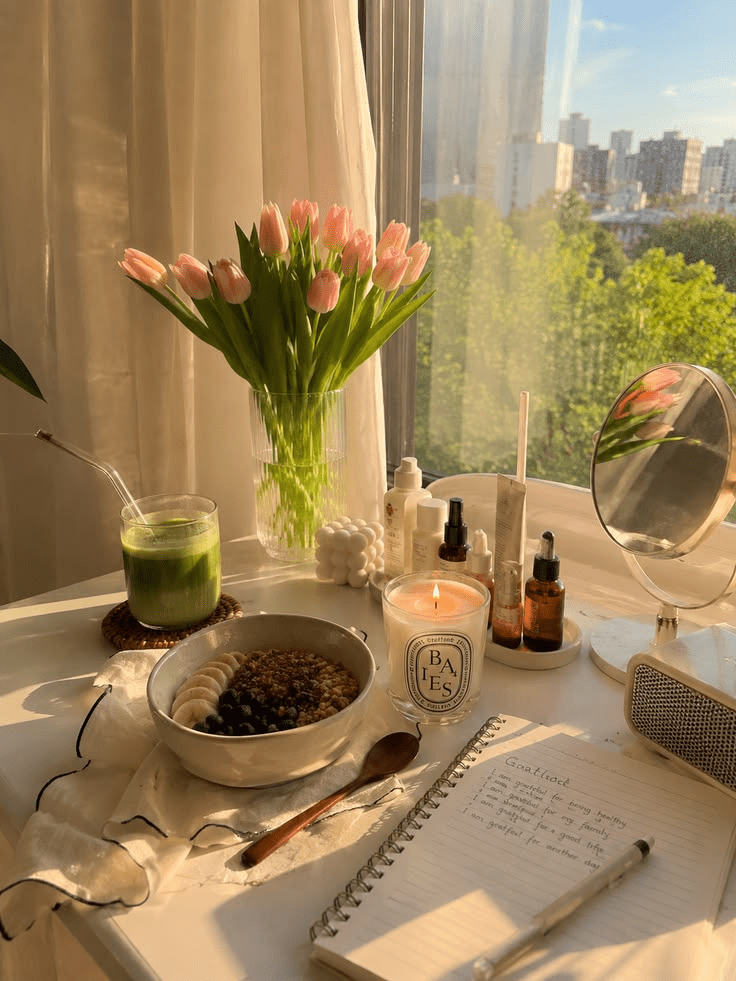
Start your day with a few activities that make your mornings feel personal and intentional.
Try:
- Making your favorite breakfast
- Listening to calming music
- Drinking coffee or tea without your phone
- Writing down your priorities
- Opening the windows for fresh air
A pleasant morning routine can give you something to look forward to each day.
2. Take Yourself on Solo Outings

You don’t need to wait for someone else to be available before enjoying activities outside the house.
Try going:
- To a café
- To a bookstore
- For a nature walk
- To a museum
- To a local market
Start with short outings and gradually try activities that feel comfortable.
3. Develop a Hobby Just for You
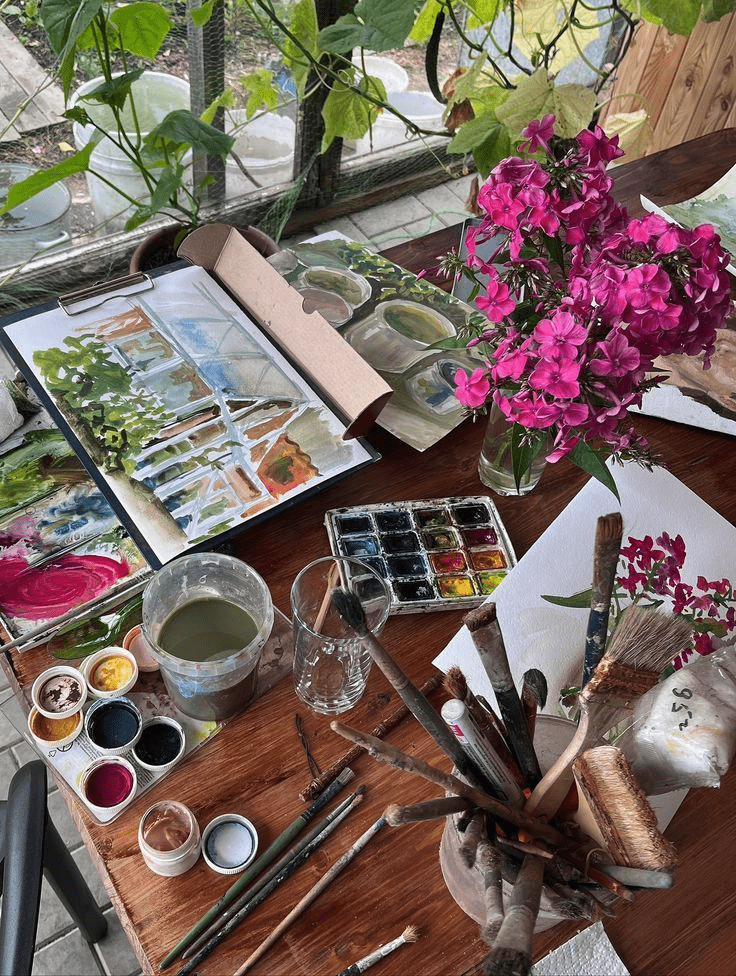
A personal hobby can make alone time feel purposeful and enjoyable.
Ideas include:
- Painting
- Gardening
- Photography
- Baking
- Reading
- Learning an instrument
- Crafting
Choose something you’re genuinely curious about rather than something you think you “should” enjoy.
4. Make Your Home Feel Welcoming

Your environment can influence how you experience your time alone.
Create a cozy atmosphere with:
- Soft lighting
- Comfortable blankets
- Favorite books
- Houseplants
- Music
- A tidy relaxation area
You don’t need to completely redecorate. A few small changes can make your space feel more inviting.
5. Practice Mindful Screen Time
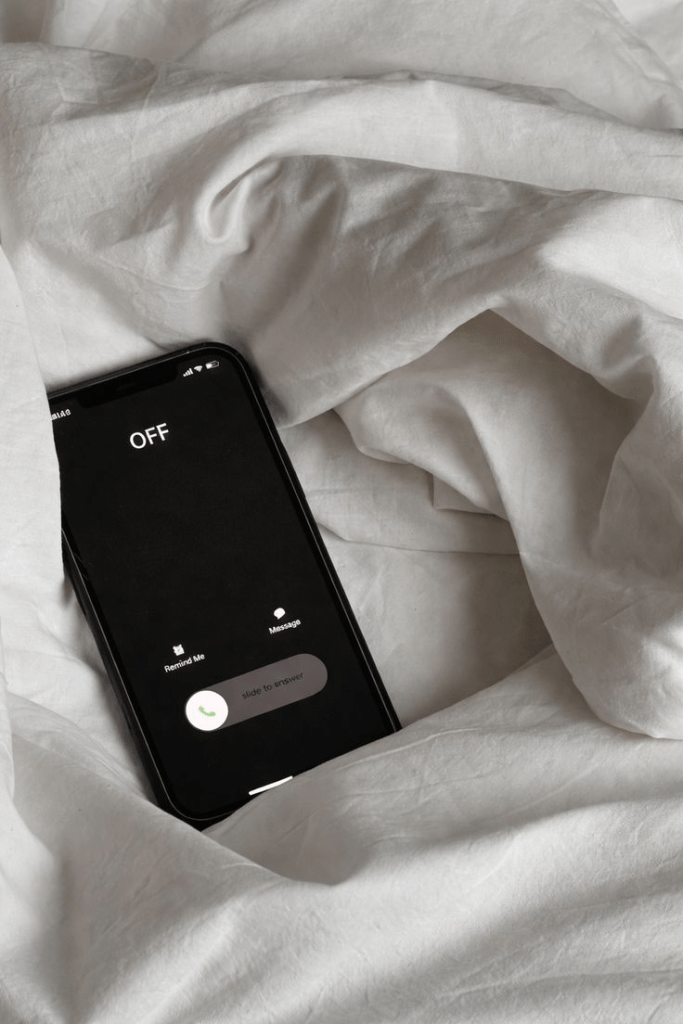
Social media can create a sense of connection, but constant scrolling can sometimes make loneliness feel stronger.
Instead of automatically reaching for your phone, experiment with intentional screen breaks.
Try:
- Eating without scrolling
- Taking a phone-free walk
- Turning off unnecessary notifications
- Having a screen-free evening
- Checking social media at specific times
Notice how your mood changes when you create more space away from your screen.
6. Keep a Personal Journal

Writing can provide a private place to process thoughts and understand your emotions.
Try prompts such as:
- What did I enjoy today?
- What am I grateful for?
- What would make tomorrow better?
- What am I learning about myself?
- When do I feel most connected to others?
You don’t need to write perfectly. A few honest sentences can be enough.
7. Take Yourself on a Weekly “Solo Date”
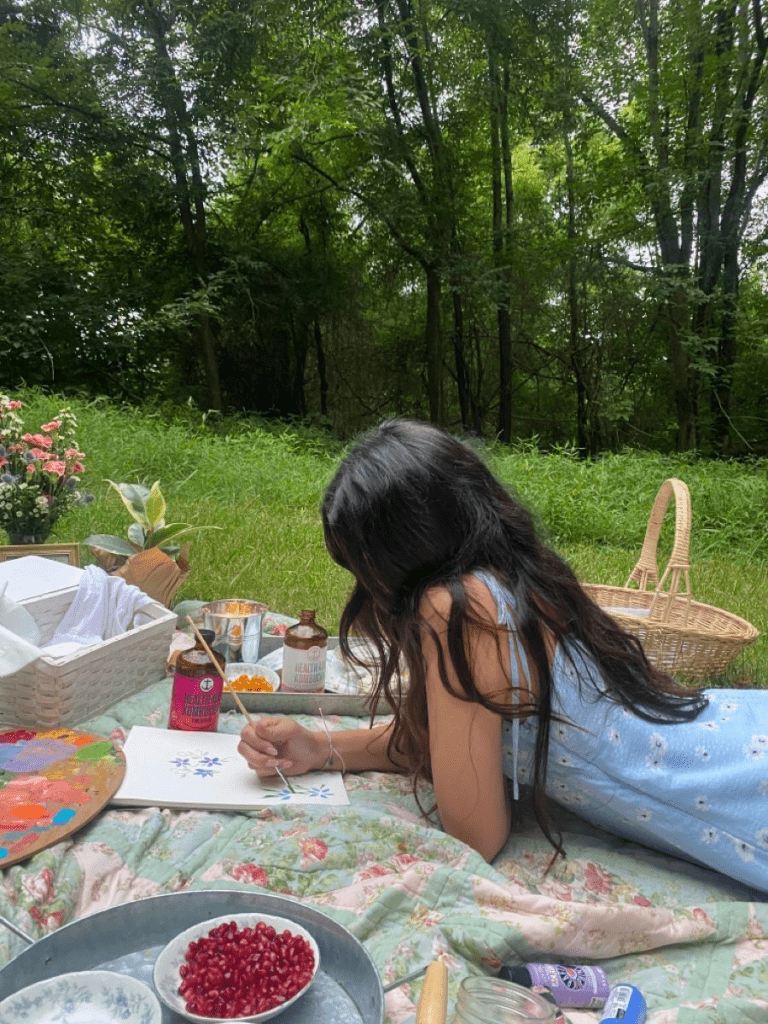
Make alone time something you actively look forward to.
Ideas:
- Cook a new recipe
- Watch a favorite movie
- Visit a new café
- Explore a nearby neighborhood
- Have a relaxing bath
- Buy yourself flowers
Treat the experience as intentional time with yourself rather than something you’re doing because nobody else is available.
8. Build Small Moments of Social Connection

Enjoying your own company doesn’t mean becoming isolated.
Create small opportunities to connect with others throughout the week.
Try:
- Calling a friend
- Joining a hobby group
- Attending a class
- Volunteering
- Greeting a neighbor
- Participating in a local community activity
Even brief positive interactions can help create a greater sense of connection.
9. Move Your Body Regularly

Physical activity can be an easy way to change your environment and create structure in your day.
Choose something enjoyable:
- Walking
- Yoga
- Dancing
- Cycling
- Swimming
- Stretching
The goal isn’t perfection or intense exercise. Find movement that feels comfortable and sustainable for you.
10. Learn to Appreciate Quiet Moments
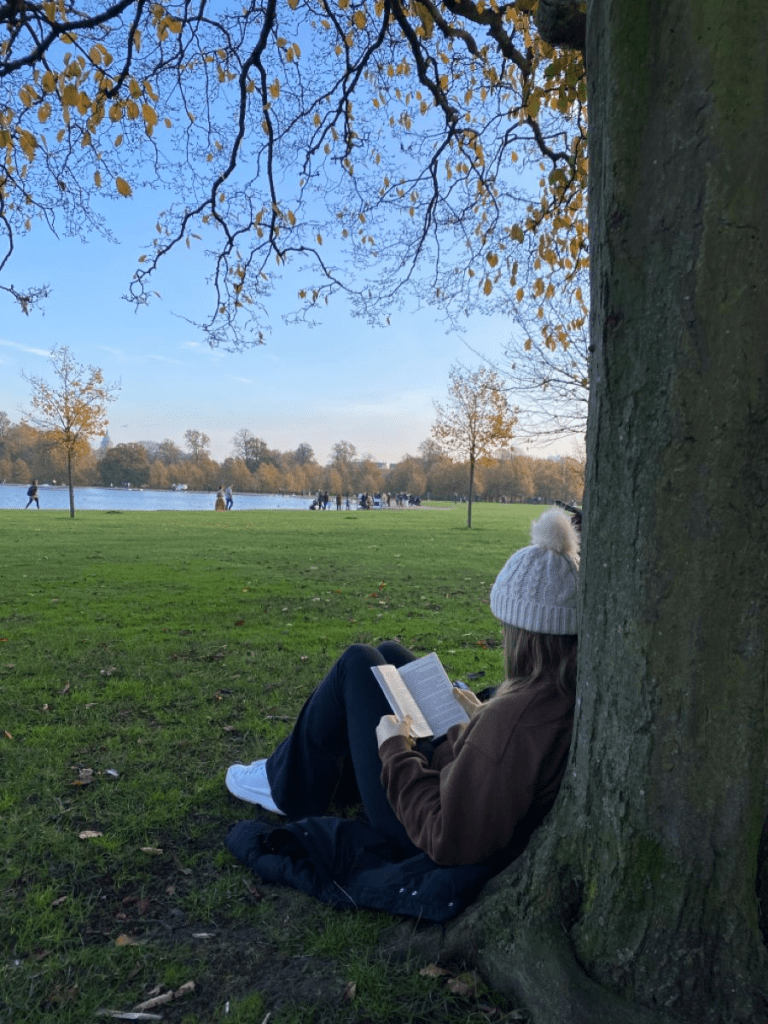
Not every moment needs to be filled with entertainment, notifications, or conversation.
Try sitting quietly with a cup of tea, watching the sunset, reading, listening to music, or simply noticing your surroundings.
Over time, quiet moments can become opportunities to rest and reconnect with yourself rather than reminders that you’re alone.
Summary
Learning to enjoy your own company is a gradual process. Creating pleasant routines, exploring hobbies, taking yourself on outings, journaling, moving your body, and making intentional social connections can help make everyday life feel richer. You don’t need to eliminate loneliness completely to become comfortable alone. Aim for a healthy balance between meaningful solitude and genuine connection with other people.
If loneliness feels persistent, overwhelming, or begins affecting your daily life, consider talking with someone you trust or seeking support from a qualified mental health professional.
Frequently Asked Questions
How can I start enjoying being alone?
Start with short periods of intentional alone time. Choose an activity you genuinely enjoy, such as reading, cooking, walking, or visiting a favorite café.
Is enjoying your own company the same as being lonely?
No. Solitude is time spent alone and can be positive or restorative. Loneliness is the feeling of lacking meaningful connection. A person can enjoy solitude while still maintaining strong relationships.
What should I do when I feel lonely at home?
Try changing your environment, going for a walk, calling someone you trust, joining an online or local community activity, or doing a hobby that gives your attention somewhere positive to go.
Can hobbies help with loneliness?
Hobbies can provide structure, enjoyment, and opportunities to meet people with similar interests. They aren’t a replacement for meaningful relationships, but they can be a helpful part of a balanced routine.
How can I stop relying on my phone when I’m alone?
Start with small screen-free periods. Put your phone away during meals, walks, or relaxing activities and gradually increase the amount of intentional offline time.
Should I force myself to socialize when I want to be alone?
Not necessarily. Healthy solitude is valuable. The goal is balance—give yourself space to recharge while also maintaining relationships and seeking connection when you need it.
How often should I have a solo date?
There’s no required schedule. Once a week is a simple starting point, but even a short enjoyable activity a few times a week can help you become more comfortable spending intentional time alone.
What if my loneliness doesn’t improve?
Persistent loneliness deserves attention, especially if it affects your sleep, mood, work, relationships, or daily functioning. Consider reaching out to someone you trust or speaking with a qualified professional for additional support.