
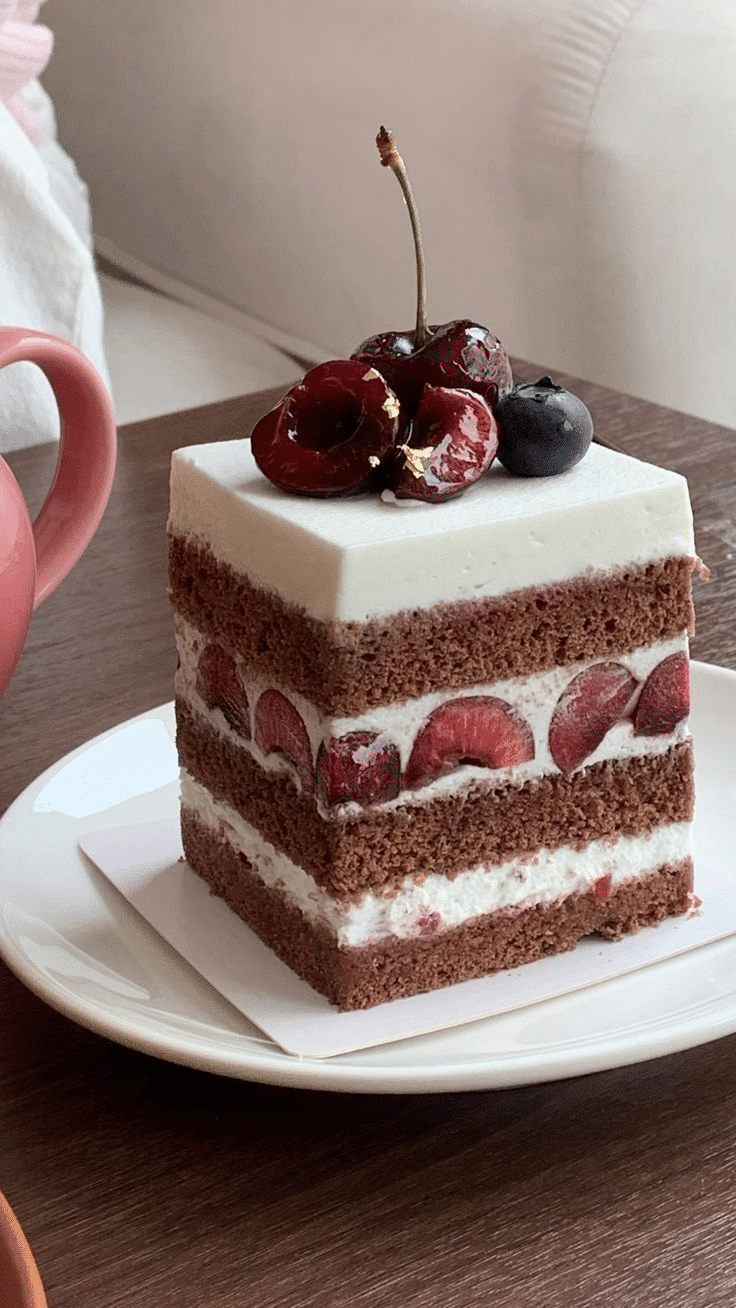
Japanese-style fruit cakes are known for their light textures, delicate sweetness, and beautiful presentation. Unlike very rich traditional cakes, many Japanese-inspired desserts focus on fluffy sponge cake, softly whipped cream, and fresh seasonal fruit. Strawberries, peaches, mangoes, kiwi, grapes, and berries can all add natural color and refreshing flavor. These cakes are especially appealing when you want an elegant homemade dessert that feels special without being overly heavy.
Whether you are planning a birthday, afternoon tea, family gathering, or simply want to try something new, Japanese-style fruit cakes offer plenty of creative possibilities. You can make a classic strawberry shortcake, experiment with colorful fruit layers, or prepare a simple roll cake filled with cream and fresh fruit. The key is keeping the sponge light and moist while balancing the sweetness of the cream and fruit. Here are 10 delicious Japanese-style fruit cake ideas to inspire your next baking project.
1. Japanese Strawberry Shortcake
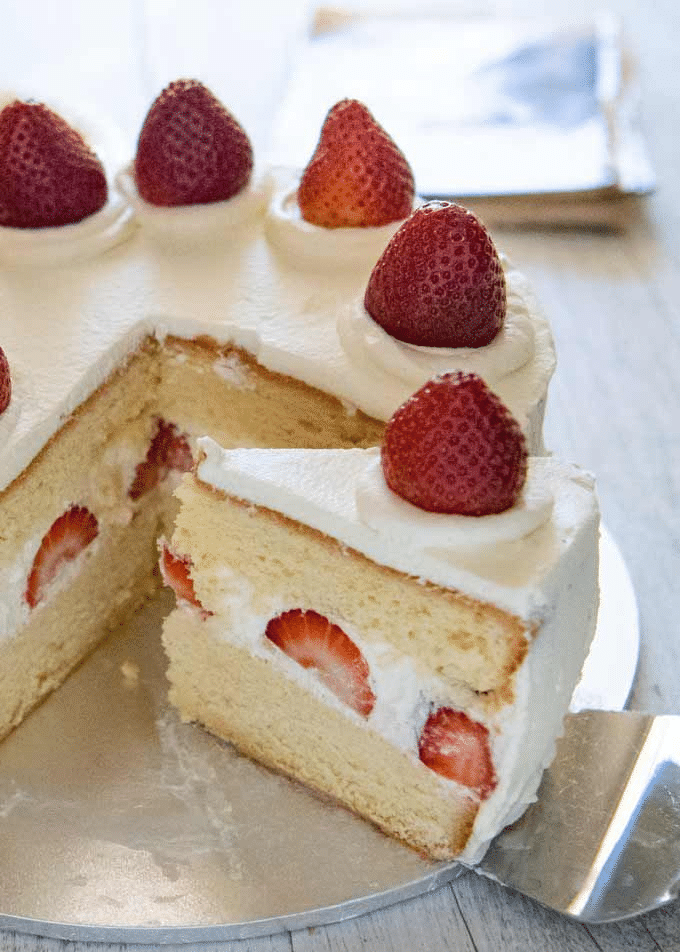
Japanese strawberry shortcake is one of the most recognizable Japanese-style fruit desserts. It typically combines soft vanilla sponge cake, lightly sweetened whipped cream, and fresh strawberries. The result is airy, creamy, fruity, and much lighter than many traditional frosted cakes.
To make this cake at home, prepare a fluffy sponge using eggs, sugar, flour, and a small amount of butter or milk. Once cooled, slice the sponge into two or three layers. Spread whipped cream over each layer and arrange thinly sliced strawberries across the surface. Continue layering until the cake is assembled, then cover the outside with a smooth layer of whipped cream.
For a polished finish, decorate the top with whole or halved strawberries. You can also add a few small mint leaves for contrast. Keep the cake refrigerated before serving so the cream stays firm and the fruit remains fresh. This cake is particularly lovely for birthdays, spring celebrations, and afternoon tea.
2. Japanese Mixed Fruit Shortcake
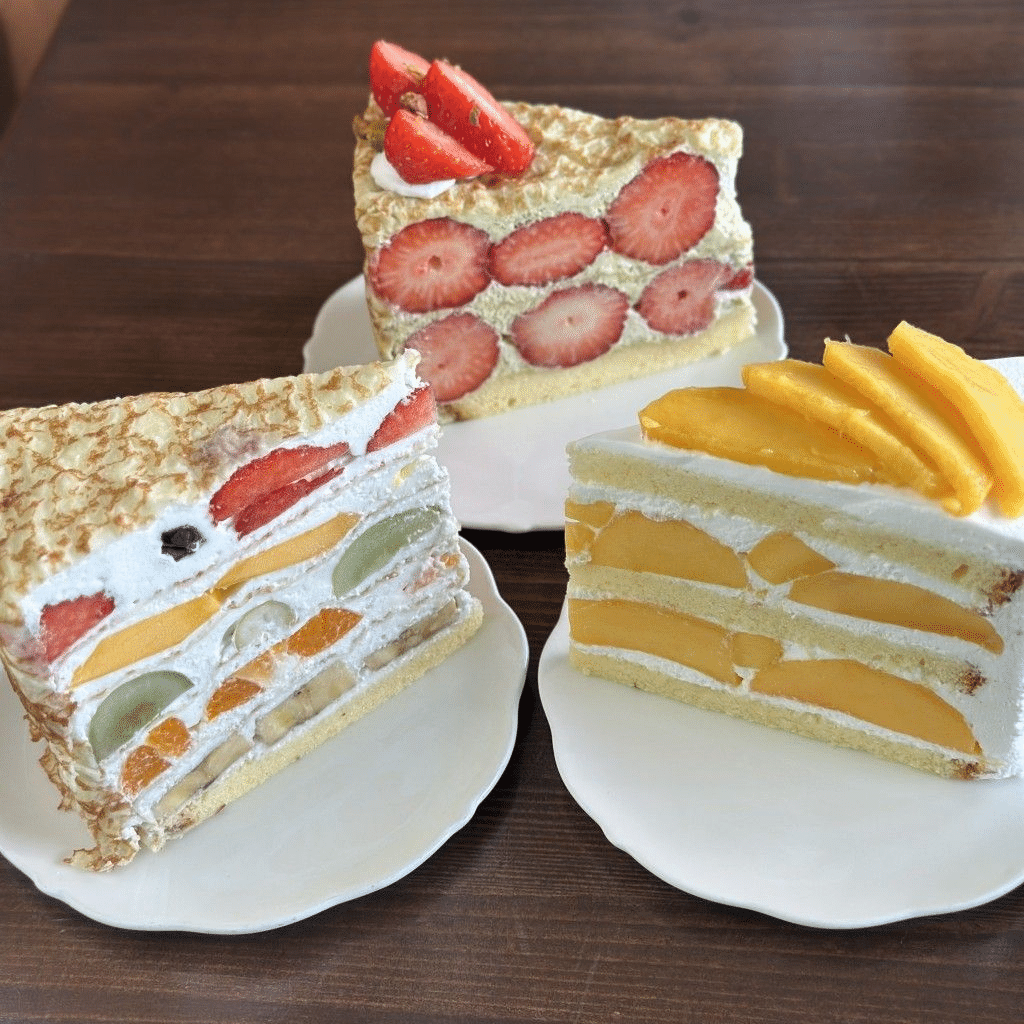
If you love variety, a mixed fruit shortcake is a colorful option. Instead of relying on one fruit, this version combines several fresh fruits with fluffy sponge cake and whipped cream.
Choose fruits with different colors and textures, such as strawberries, kiwi, peaches, mangoes, blueberries, and grapes. Avoid using fruits that release excessive moisture unless they are thoroughly drained. Slice larger fruits into thin, attractive pieces so they are easy to layer and eat.
Prepare a light sponge and cut it into layers once completely cool. Add a layer of whipped cream followed by a selection of fruit. Repeat the process until the cake is assembled. Spread cream around the outside and arrange colorful fruit on top.
For a Japanese-inspired presentation, keep the decoration neat rather than covering the entire cake with heavy frosting. A simple arrangement of fruit can make the dessert look elegant and bakery-style. This is also an excellent cake for using whatever fresh fruit is currently available at home.
3. Japanese Mango Cream Cake
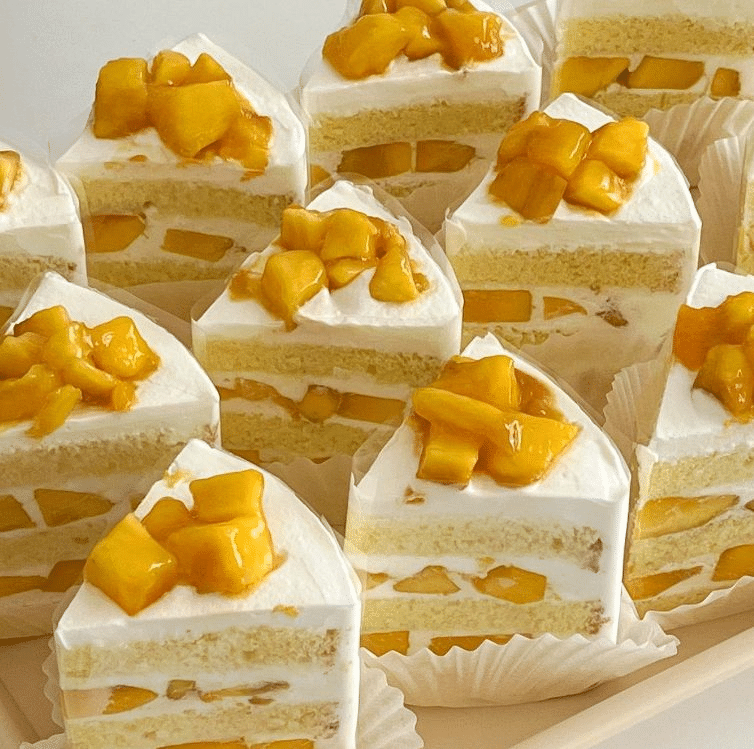
Mango gives Japanese-style fruit cake a naturally sweet and tropical flavor. A mango cream cake combines fluffy sponge, whipped cream, and ripe mango slices for a refreshing dessert that works beautifully during warm weather.
For the best results, choose ripe mangoes that are sweet but still firm enough to slice neatly. Prepare a soft vanilla sponge and allow it to cool completely before assembling. Spread lightly sweetened whipped cream across the first layer, then add thin slices or small cubes of mango.
Repeat the layers and finish the cake with a smooth coating of cream. Arrange mango slices in a simple flower or fan pattern on top for an elegant presentation. You can also add small pieces of mango around the sides.
Because mango is naturally sweet, avoid making the whipped cream overly sugary. The combination of mild sponge, airy cream, and juicy mango creates a balanced dessert. Chill the completed cake for several hours before serving for cleaner slices and a firmer texture.
4. Japanese Peach Cream Cake
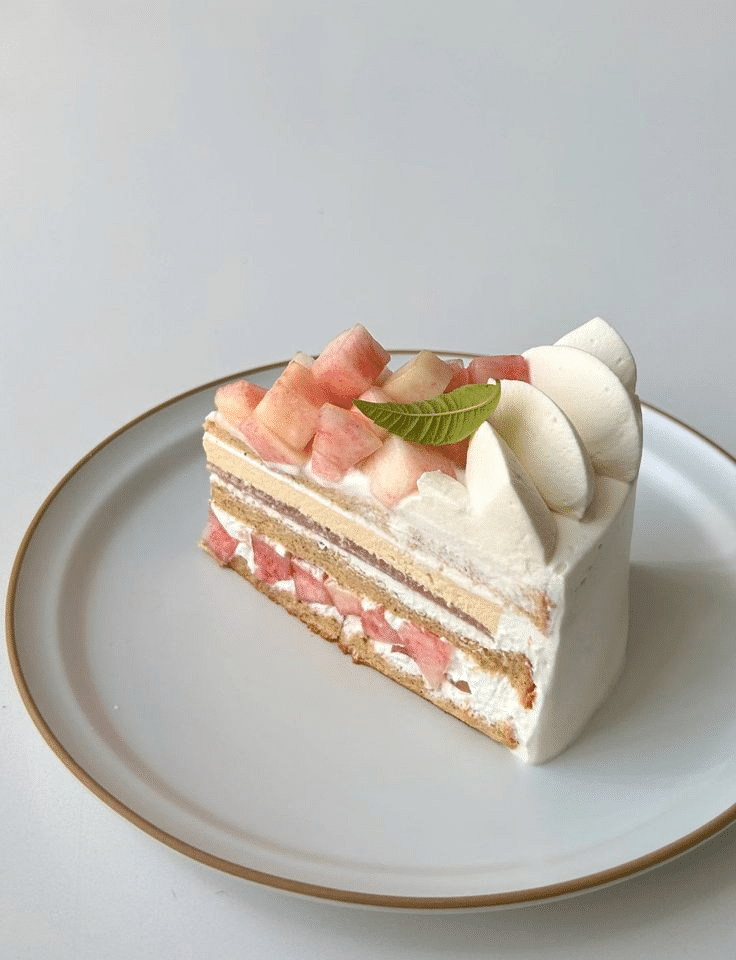
Peaches are another excellent choice for a delicate Japanese-style fruit cake. Their soft texture and gentle sweetness pair naturally with vanilla sponge and whipped cream.
Fresh peaches work beautifully when they are ripe and fragrant, but canned peaches can also be convenient. If using canned fruit, drain it thoroughly and pat the slices dry before adding them to the cake. Excess syrup can make the sponge soggy.
Slice the sponge horizontally into layers and spread each layer with whipped cream. Arrange thin peach slices evenly across the cream, then add another layer of sponge. Continue until the cake is complete.
For decoration, cover the outside with a thin layer of whipped cream and place peach slices in overlapping circles on top. A few berries can provide an attractive contrast.
This cake is ideal when you want something elegant without complicated decorating techniques. The soft peach, airy sponge, and creamy filling create a gentle flavor combination that works well for tea parties, birthdays, and summer gatherings.
5. Japanese Berry Cream Cake
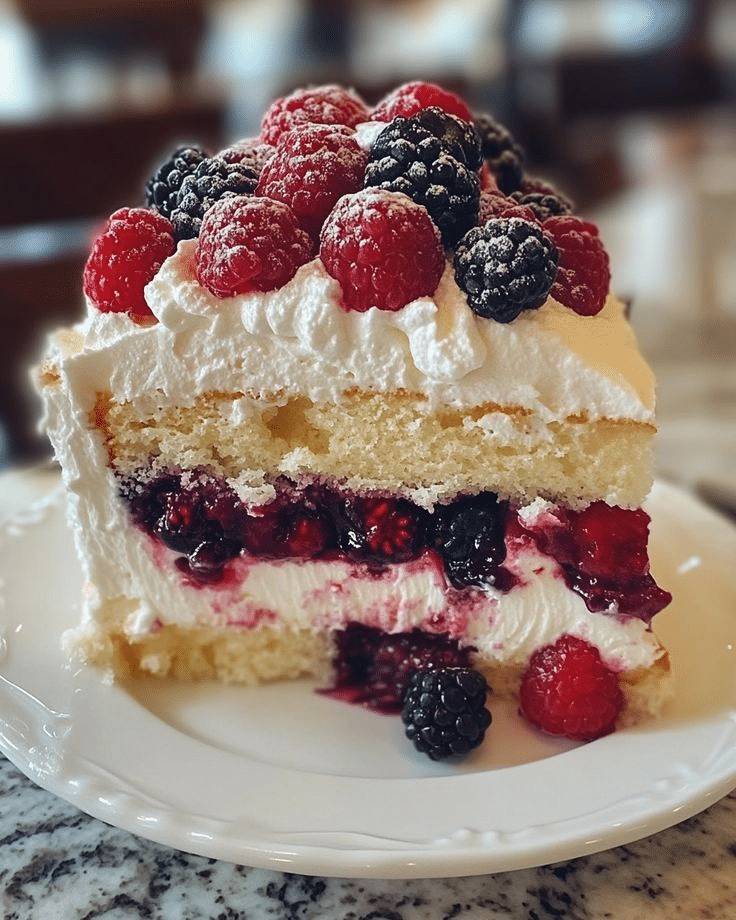
A Japanese berry cream cake is perfect for anyone who enjoys bright, slightly tangy fruit flavors. Strawberries, raspberries, blueberries, and blackberries can be combined to create a beautiful cake with plenty of natural color.
Start with a light sponge cake and prepare lightly sweetened whipped cream. Fresh berries should be washed carefully and dried completely before assembling the dessert. Moisture from wet berries can affect the texture of the cream and sponge.
Spread cream over the first sponge layer and arrange a mixture of berries across the surface. Add another layer of sponge and repeat the process. Cover the cake with a thin layer of cream and decorate the top with berries arranged in clusters or circles.
For a more refined Japanese-style appearance, avoid excessive frosting and let the fruit become the main decoration. A dusting of powdered sugar can also add a simple finishing touch.
This cake is especially suitable for celebrations because the berries create a naturally colorful presentation without requiring elaborate decorations.
6. Japanese Fruit Roll Cake
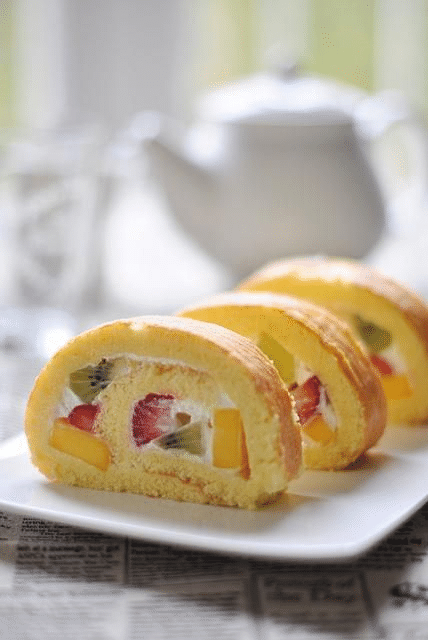
Japanese fruit roll cake, often inspired by soft cream-filled roll cakes, is an excellent choice when you want something elegant but slightly different from a layered cake. Its thin sponge is rolled around whipped cream and fresh fruit.
The most important part is creating a flexible sponge that will roll without cracking. Beat the eggs and sugar thoroughly to create enough volume, then fold the flour in gently. Avoid overmixing because this can reduce the cake’s light texture.
Once baked, allow the sponge to cool according to your chosen rolling method. Spread an even layer of whipped cream over the surface and arrange thin pieces of strawberries, kiwi, mango, or peaches near one edge. Roll the cake carefully and chill it before slicing.
The finished roll looks beautiful when cut into rounds because the fruit and cream form a colorful spiral. It is also convenient for afternoon tea because individual slices are easy to serve. Keep the filling relatively light so the roll remains balanced rather than overly sweet.
7. Japanese Strawberry Swiss Roll
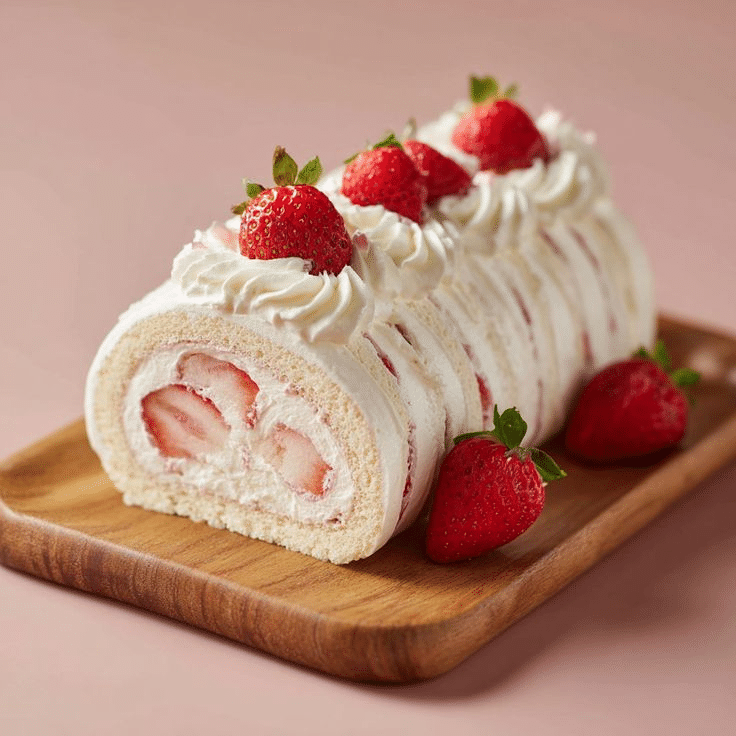
A strawberry Swiss roll combines a tender sponge with whipped cream and fresh strawberries. It has the delicate appearance associated with Japanese bakery desserts while remaining achievable in a home kitchen.
Prepare a thin sponge and make sure it is evenly baked. Once cooled, spread a thin layer of whipped cream over the cake. Place sliced strawberries in a line toward one side rather than spreading large pieces everywhere. This helps create a defined fruit center when the cake is rolled.
Roll the sponge firmly but gently, then wrap it and refrigerate it for several hours. Chilling helps the cake hold its shape and makes slicing easier.
For decoration, add a few strawberries and a light dusting of powdered sugar. You can also pipe small dots or swirls of whipped cream along the top.
This dessert is a wonderful option for people who want the flavor of strawberry shortcake in a more compact and visually interesting format.
8. Japanese Kiwi and Grape Fruit Cake
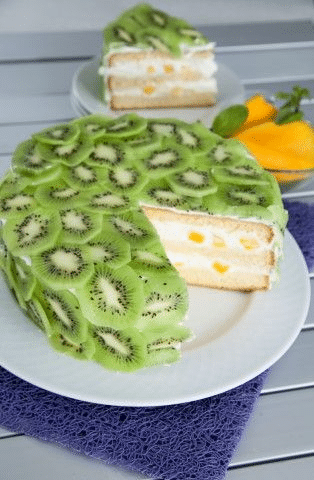
Kiwi and grapes create an attractive combination of green, purple, and natural sweetness. This fruit cake is especially appealing if you want something colorful without relying heavily on frosting or decorations.
Prepare a soft vanilla sponge and lightly sweetened whipped cream. Peel and slice the kiwi into thin rounds or small pieces. Choose seedless grapes and cut them in half before using them inside the cake. Pat all fruit dry to minimize excess moisture.
Layer the sponge with cream, kiwi, and grapes, repeating until the cake reaches the desired height. Keep the fruit pieces relatively small inside the cake so each slice holds together.
For the top, arrange kiwi slices around the edge and place halved grapes in the center. A few strawberries or blueberries can also be added if desired.
The slightly tart kiwi balances the sweetness of the cream and sponge, while grapes add juicy texture. This cake makes a refreshing dessert for family meals, celebrations, or weekend baking projects.
9. Japanese Chocolate Fruit Cake
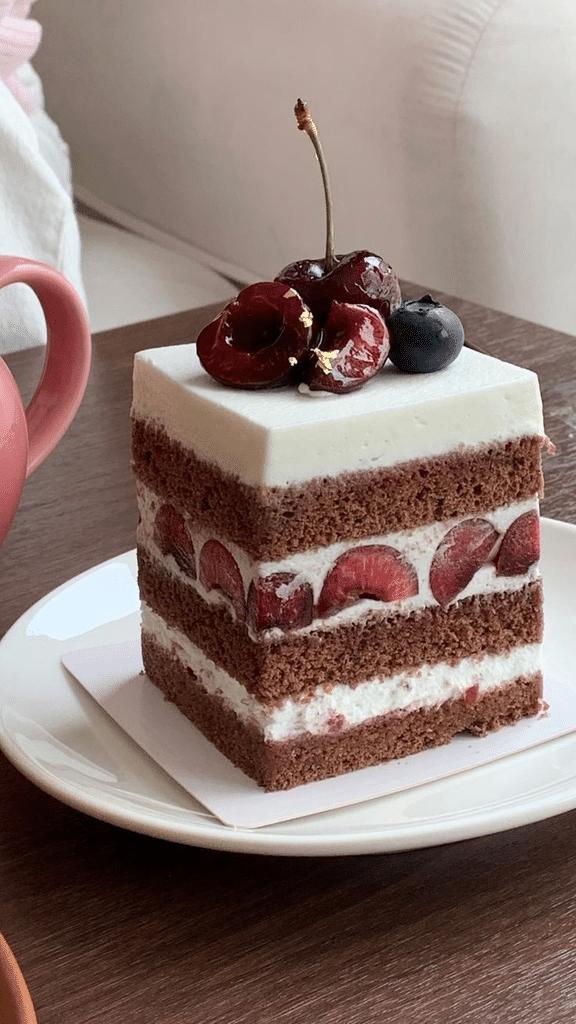
For chocolate lovers, a Japanese-style chocolate fruit cake combines a soft cocoa sponge with whipped cream and fresh fruit. The chocolate flavor is usually lighter than a dense chocolate layer cake, allowing the fruit to remain noticeable.
Prepare a fluffy cocoa sponge using unsweetened cocoa powder. Once cooled, layer it with lightly sweetened whipped cream and fruits such as strawberries, raspberries, cherries, or sliced bananas.
Strawberries are particularly effective because their slight acidity complements chocolate beautifully. Add a thin layer of cream between the sponge layers rather than using a heavy chocolate frosting.
For decoration, spread whipped cream over the outside and top the cake with fresh berries. A small amount of grated chocolate can be added for extra visual appeal.
This dessert works well when you want a cake that feels indulgent while still maintaining the light texture associated with Japanese-style cream cakes.
10. Japanese Matcha and Strawberry Fruit Cake
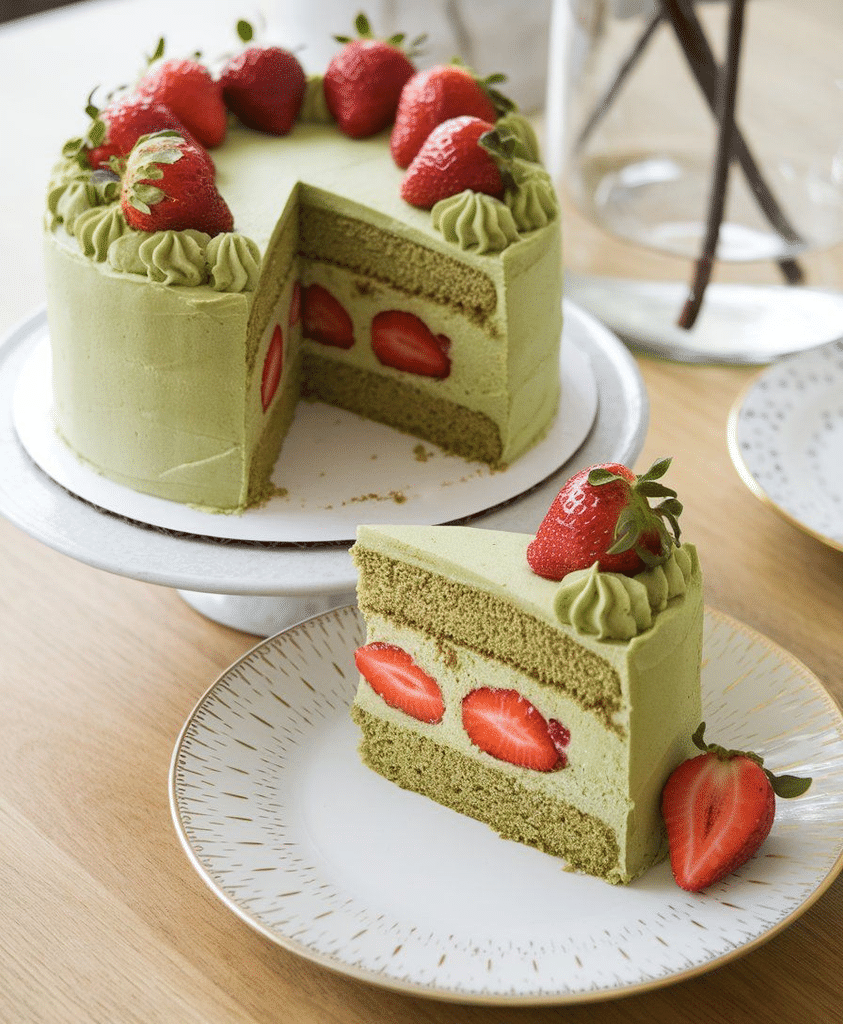
Matcha and strawberry make a beautiful combination of earthy green tea flavor and sweet, slightly tangy fruit. A matcha sponge provides a subtle bitterness that balances the sweetness of whipped cream and strawberries.
To make this cake, add high-quality matcha powder to a light sponge batter. Avoid using too much matcha because its strong flavor can overpower the fruit. Once the sponge has cooled, layer it with lightly sweetened whipped cream and sliced strawberries.
For the outside, a thin layer of whipped cream allows the green sponge to remain visible. Decorate the top with strawberries and a small dusting of matcha powder.
This cake is particularly attractive for tea-themed gatherings, birthdays, or anyone who enjoys Japanese-inspired desserts. The contrasting colors also make each slice visually appealing.
If you are new to baking with matcha, start with a small amount and adjust according to the strength of your matcha powder. Pairing it with naturally sweet strawberries creates a balanced and sophisticated dessert.
Tips for Making Japanese-Style Fruit Cakes at Home
Use a Light Sponge
The sponge is the foundation of many Japanese-style fruit cakes. Avoid overmixing the batter after adding flour, as this can create a dense texture.
Choose Fresh, Firm Fruit
Fresh fruit should be ripe enough to taste sweet but firm enough to hold its shape. Strawberries, mangoes, peaches, kiwi, grapes, and berries are especially useful.
Keep the Cream Light
Lightly sweetened whipped cream allows the fruit and sponge to remain the focus. Overly sweet or heavy frosting can hide the delicate flavors.
Dry Fruit Before Layering
Wash fruit ahead of time and dry it thoroughly. Excess water can loosen whipped cream and make the sponge soggy.
Chill Before Serving
Refrigerating the finished cake helps stabilize the cream and makes it easier to cut into clean slices.
Keep Decorations Simple
Japanese-style desserts often look beautiful with simple fruit arrangements. Neat slices, berries, and a thin layer of cream can create an elegant presentation without advanced decorating skills.
Summary
These Japanese-style fruit cakes are wonderful choices when you want a dessert that looks elegant, tastes fresh, and does not feel overly heavy. From classic strawberry shortcake and mango cream cake to matcha strawberry cake and colorful mixed-fruit creations, there are plenty of combinations to explore. The secret is a soft sponge, lightly sweetened cream, fresh fruit, and careful chilling. You can also adapt these recipes according to the fruit available in your kitchen, making them practical for birthdays, afternoon tea, holidays, and casual weekend baking.
Frequently Asked Questions
What fruit is commonly used in Japanese-style cakes?
Strawberries are especially popular, but mangoes, peaches, kiwi, grapes, blueberries, raspberries, and other fresh fruits can also be used.
What cream is best for Japanese fruit cake?
Lightly sweetened whipped cream is a common choice because it complements the soft sponge and fresh fruit without making the cake too heavy.
Can I use frozen fruit?
Fresh fruit is generally easier to use because frozen fruit can release extra moisture when thawed. If using frozen fruit, drain it very well before adding it.
How should I store a Japanese fruit cake?
Because these cakes often contain fresh fruit and whipped cream, store them covered in the refrigerator and serve them chilled.
Can beginners make Japanese fruit cakes?
Yes. Start with a simple strawberry shortcake or fruit roll cake. The decoration can remain simple while you practice making a light sponge and stable whipped cream.
How far in advance can I make the cake?
The sponge can usually be prepared ahead of time, while the fully assembled fruit cake is best made relatively close to serving so the fruit and cream stay fresh.
What makes Japanese fruit cake different?
Japanese-style fruit cakes often emphasize light sponge, fresh fruit, and gently sweetened cream rather than dense frosting. The overall result is delicate, fresh, and visually clean.
SEO Description
Discover 10 delicious Japanese-style fruit cakes to make at home, from strawberry shortcake and mango cream cake to matcha, berry, and fruit roll cakes.