
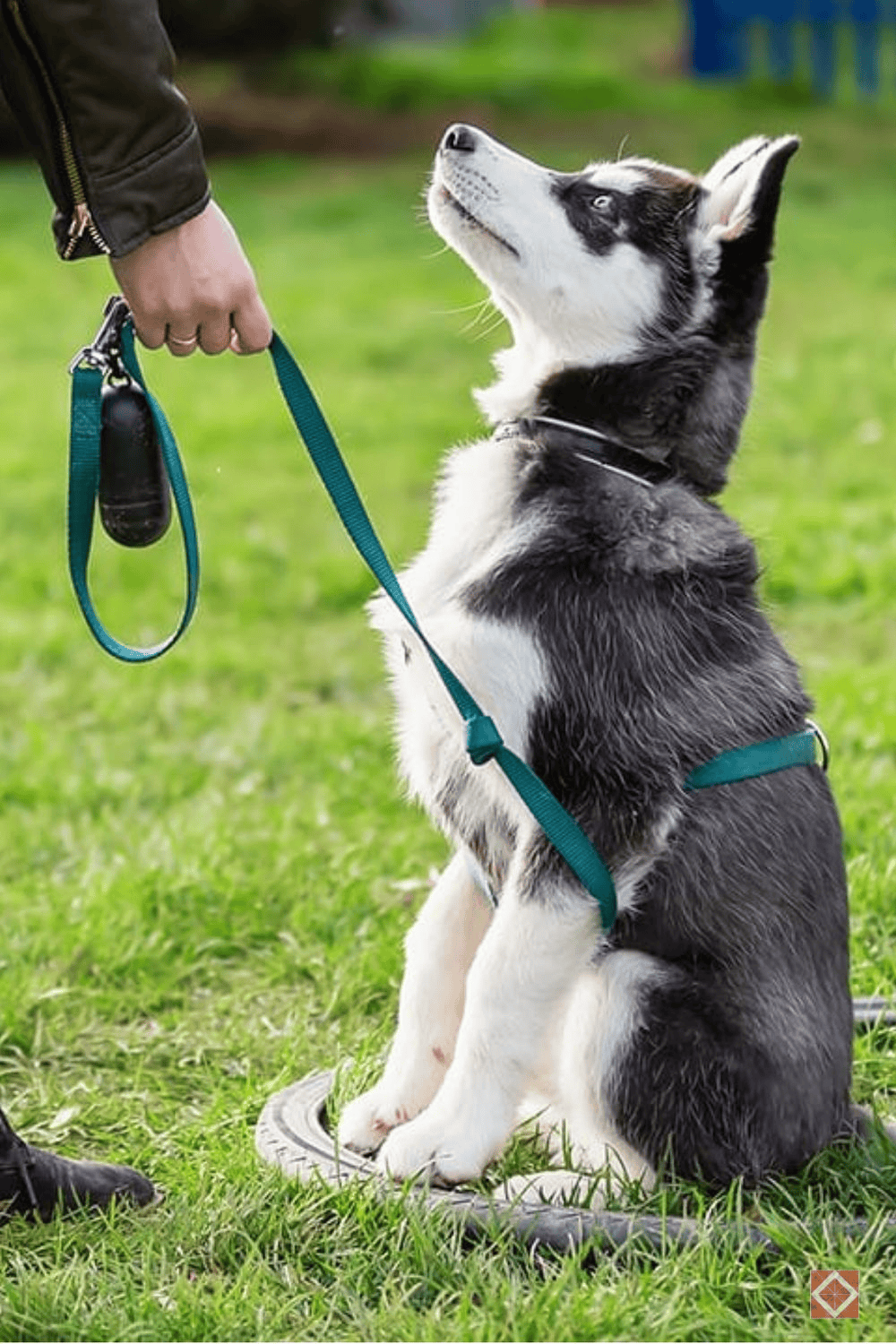
Pet ownership in 2026 is growing rapidly as more people welcome animals into their homes for companionship, emotional support, and family bonding. However, many new and even experienced owners still make common pet care mistakes that can affect the health, behavior, and happiness of their pets. Whether you are caring for a dog, a cat, or other small animals, understanding proper care practices is essential for long-term well-being. Pets depend fully on their owners for nutrition, hygiene, exercise, and emotional support, so even small mistakes can lead to serious consequences over time.
Modern pet care in 2026 emphasizes balanced nutrition, regular veterinary visits, mental stimulation, and consistent training routines. Unfortunately, many owners still rely on outdated habits or incomplete information from the internet. This can result in behavioral issues, health problems, and stress for the animal. The good news is that most pet care mistakes are easy to avoid once you are aware of them. Below are 10 common pet care mistakes you should avoid in 2026 to ensure a healthier, happier life for your pets.
1. Poor Feeding Habits
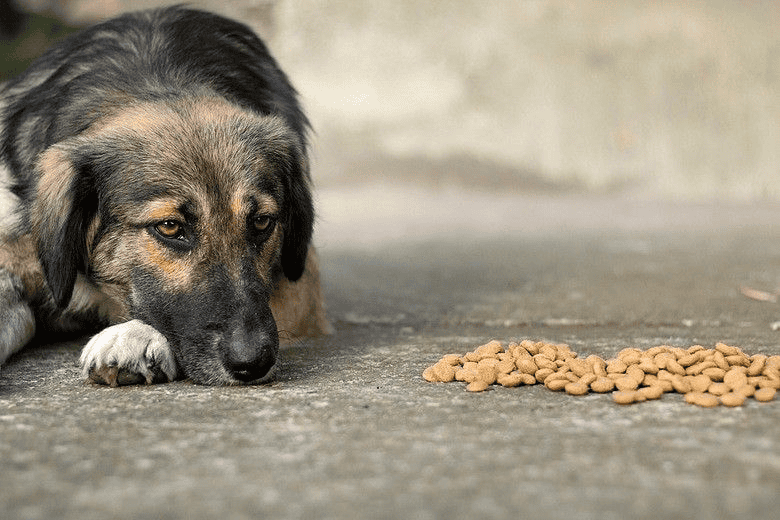
One of the most common pet care mistakes is providing an unbalanced or inconsistent diet. Feeding pets human food, overfeeding treats, or ignoring nutritional requirements can lead to obesity, digestive issues, and long-term health problems.
For a dog or cat, a proper diet should include balanced nutrients based on age, breed, and activity level. Many owners underestimate portion control, which leads to weight gain and reduced energy levels. Establishing a fixed feeding schedule and using high-quality pet food is essential for maintaining good health.
2. Ignoring Regular Vet Checkups
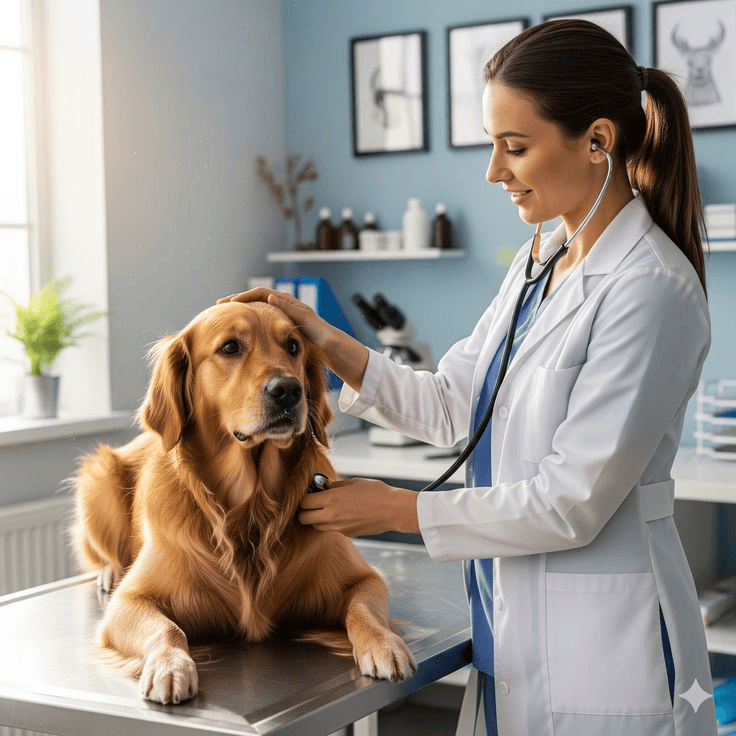
Skipping veterinary visits is another serious mistake. Many pet owners only visit the vet when their pet is sick, but preventive care is just as important.
Regular checkups help detect early signs of illness, dental issues, and nutritional deficiencies. Vaccinations and health screenings ensure long-term protection. Routine vet care significantly increases the lifespan and quality of life for pets.
3. Lack of Exercise and Physical Activity

Pets need regular exercise to stay healthy and mentally balanced. Lack of physical activity can lead to obesity, anxiety, and destructive behavior.
A dog requires daily walks, playtime, and outdoor activity, while a cat benefits from indoor play, climbing, and interactive toys. Exercise helps release energy, improve mood, and strengthen the bond between pet and owner.
4. Inconsistent Training Practices
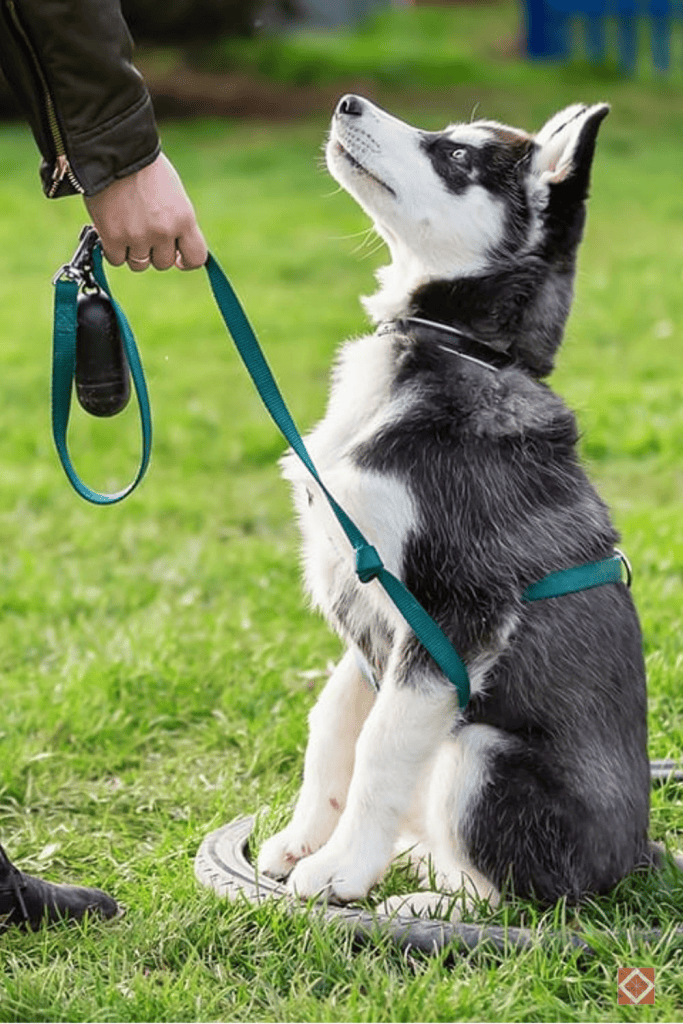
Training inconsistency is a major cause of behavioral issues in pets. Using different commands, ignoring rules, or not reinforcing good behavior confuses animals.
Training should be clear, consistent, and based on positive reinforcement. A structured approach helps pets understand expectations and improves obedience over time. Consistency builds trust and reduces stress for both owner and pet.
5. Ignoring Grooming and Hygiene
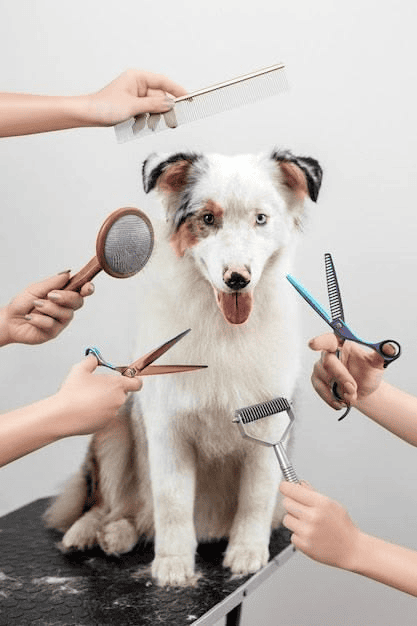
Poor grooming habits can lead to skin infections, matting, and discomfort. Many owners overlook regular brushing, bathing, and nail trimming.
For a cat or dog, grooming is not just about appearance—it is essential for health. Regular brushing removes dirt and loose hair, while bathing helps prevent bacteria buildup. Nail care and ear cleaning are also important parts of hygiene maintenance.
6. Leaving Pets Alone for Too Long

Pets are social animals and can experience loneliness and anxiety when left alone for extended periods. This can lead to destructive behavior or emotional stress.
Dogs especially require companionship and interaction. If long hours away from home are unavoidable, providing toys, stimulation, or pet sitters can help reduce stress. Emotional care is as important as physical care.
7. Using Human Products on Pets
Another common mistake is using human shampoos, medications, or cleaning products on pets. These products may contain ingredients that are harmful to animals.
Pets require specially formulated products designed for their skin and physiology. Using incorrect products can cause irritation, allergies, or serious health issues. Always choose vet-approved pet care items.
8. Ignoring Behavioral Signals
Many owners fail to understand pet body language and behavioral cues. This can lead to miscommunication and stress for the animal.
A dog may show stress through tail position, barking, or withdrawal, while a cat may use ear movement or hiding behavior. Understanding these signals helps prevent problems before they become serious.
9. Not Providing Mental Stimulation
Pets need mental exercise just as much as physical activity. Without stimulation, they can become bored and develop unwanted behaviors.
Interactive toys, training games, and environmental enrichment help keep pets mentally active. Puzzle feeders and learning exercises are especially useful for intelligent breeds. Mental stimulation improves overall behavior and happiness.
10. Skipping Socialization
Early and proper socialization is crucial for well-behaved pets. Lack of exposure to different environments, people, and animals can lead to fear or aggression.
A well-socialized pet is more confident and adaptable. Gradual exposure to new experiences helps reduce anxiety and improves behavior in public settings. Socialization is especially important during early development stages.
Summary
Avoiding common pet care mistakes is essential for ensuring a healthy and happy life for your pets in 2026. Proper feeding, regular vet visits, exercise, grooming, training, and emotional care all contribute to a well-balanced lifestyle. Pets like dogs and cats depend on consistent care and attention from their owners. By understanding these mistakes and making simple improvements, you can create a safer, more loving environment and strengthen your bond with your pet.
FAQ
1. What is the most common pet care mistake?
Poor feeding habits and lack of exercise are among the most common mistakes.
2. How often should pets visit the vet?
At least once or twice a year for routine checkups, even if they appear healthy.
3. Why is exercise important for pets?
It helps maintain physical health, mental balance, and reduces behavioral issues.
4. Can grooming affect pet health?
Yes, regular grooming prevents infections, skin issues, and discomfort.
5. Is it bad to leave pets alone all day?
Yes, long isolation can cause anxiety and behavioral problems.
6. Why is training consistency important?
It helps pets understand rules and reduces confusion in behavior.