

Frequency practices, such as sound therapy, vibrational healing, and energy alignment, are increasingly popular for enhancing well-being and positive energy in 2026. These techniques use specific sound waves, tones, or rhythmic vibrations to promote relaxation, mindfulness, and emotional balance. Beginners can benefit from starting with simple, accessible methods to safely explore the advantages of frequency-based practices.
Classic methods like mantra chanting and singing bowls have long been valued for their calming effects, while trending approaches, including guided apps and chakra tuning, are gaining popularity among modern wellness enthusiasts. Below are 10 of the best frequency practices suitable for beginners to cultivate balance, healing, and positive energy.
1. Solfeggio Frequency Listening
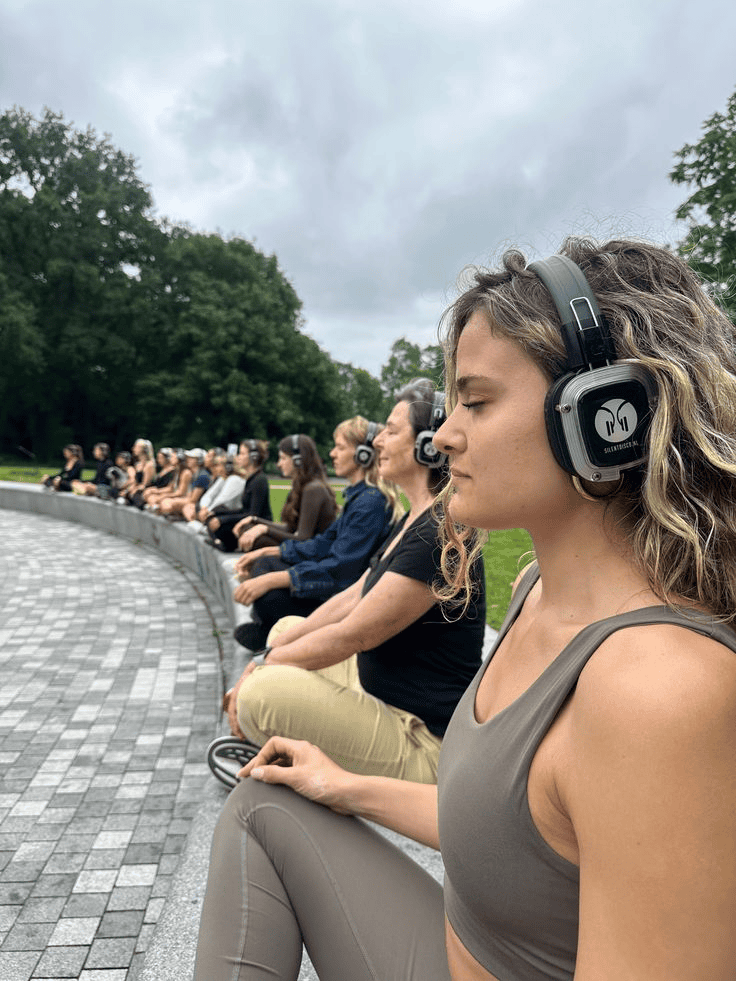
Solfeggio tones are specific sound frequencies believed to promote spiritual and emotional healing. Beginners can listen through apps or online playlists.
Listening to these tones enhances meditation, relieves stress, and encourages inner balance.
2. Singing Bowl Meditation

Using Tibetan or crystal singing bowls produces resonant vibrations that relax the mind and body.
These vibrations promote energy alignment, reduce anxiety, and support emotional well-being.
3. Mantra Repetition

Repeating simple sound vibrations or mantras such as “Om” creates harmonizing frequencies within the body.
This practice improves focus, mindfulness, and positive energy flow for beginners.
4. Tuning Fork Therapy

Tuning forks produce precise vibrations applied to specific points or energy centers.
They help release tension, align energy, and enhance overall relaxation and awareness.
5. Music Therapy for Frequency Healing

Listening to music designed with healing frequencies or binaural beats supports calmness and mental clarity.
Daily listening enhances focus, reduces stress, and fosters emotional balance.
6. Nature Sound Immersion

Sounds like ocean waves, rainfall, or birdsong carry natural vibrations that restore energy and promote mindfulness.
Nature sound therapy helps beginners ground themselves and improve relaxation.
7. Chanting Circles

Participating in group chanting or sound healing sessions amplifies vibrational energy and promotes collective relaxation.
Social interaction combined with sound therapy enhances mental clarity and emotional well-being.
8. Breath and Sound Integration

Combine deep breathing with humming or vocal tones to create resonant frequencies within the body.
This technique is beginner-friendly and supports energy flow, relaxation, and mental focus.
9. Guided Frequency Meditation Apps
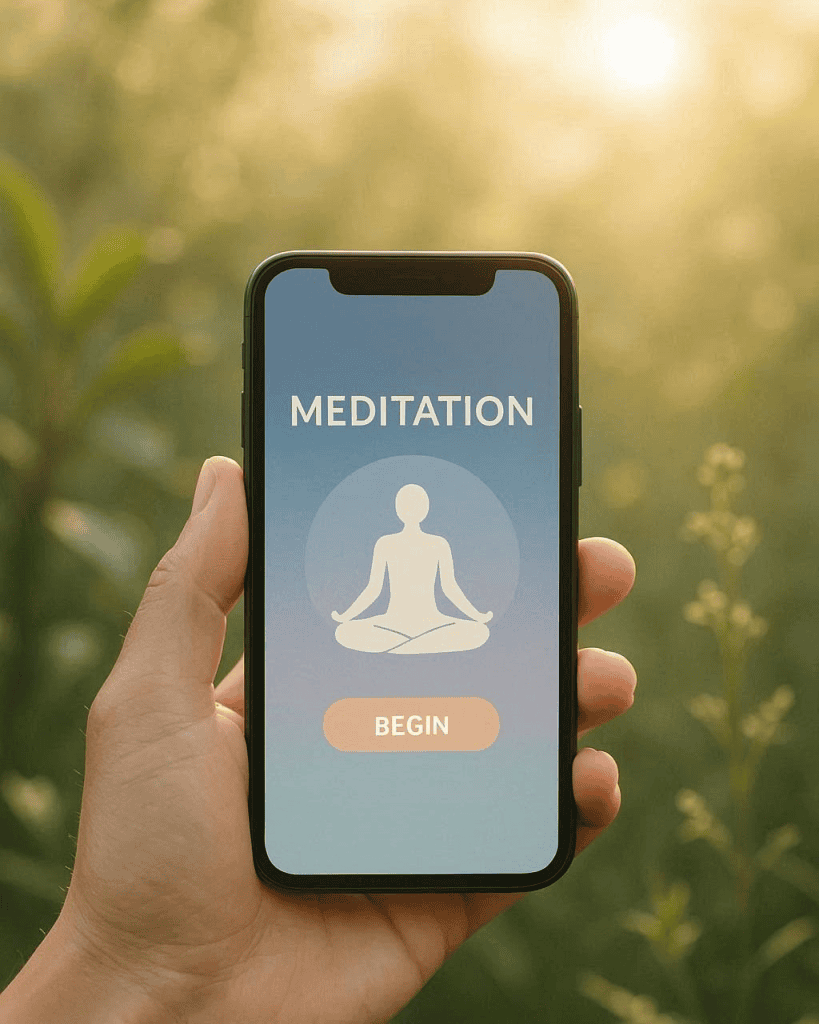
Apps provide structured guidance, soundscapes, and frequency-based meditations for beginners.
Digital tools make it easy to establish a consistent practice and track progress.
10. Chakra Frequency Tuning

Apply vibrations to balance specific chakras using singing bowls, tuning forks, or guided recordings.
Focusing on chakra frequencies promotes energy alignment, emotional balance, and overall wellness.
Summary
Frequency practices offer beginners accessible ways to cultivate positive energy, relaxation, and healing in 2026. Solfeggio listening, singing bowls, mantra repetition, tuning forks, music therapy, nature sounds, chanting, breath integration, guided apps, and chakra tuning provide a variety of approaches for mindfulness and energy alignment. These 10 practices help reduce stress, enhance focus, and support emotional and spiritual well-being.
FAQ
1. What are frequency practices?
Techniques using sound, vibration, or rhythmic patterns to improve relaxation, energy flow, and mental clarity.
2. Are frequency practices safe for beginners?
Yes, most methods are low-risk and accessible without prior experience.
3. How long should beginners practice daily?
Sessions of 10–20 minutes daily are recommended to experience benefits.
4. Do I need special tools?
Some methods require singing bowls, tuning forks, or apps, but others like mantras or nature sounds need no equipment.
5. Can frequency practices improve emotional health?
Yes, they can reduce stress, improve focus, and promote positive energy.
6. Are guided apps useful?
Absolutely; they provide structured sessions, soundscapes, and reminders for consistent practice.