Mandala art is a beautiful way to explore creativity, relax your mind, and create something meaningful with simple drawing tools. With its repeating shapes, balanced patterns, and decorative details, mandala drawing can look complicated at first, but beginners can start with surprisingly simple designs. You do not need expensive supplies or professional art skills to get started. A pencil, ruler, compass, fine-tip pen, and paper are enough to create lovely mandala patterns at home.
If you enjoy peaceful creative activities, aesthetic mandala patterns are a wonderful way to spend your free time. From delicate floral circles to geometric designs and minimal dot patterns, there are many styles to experiment with. The secret is to begin with basic shapes and build your design one section at a time. Here are ten beginner-friendly mandala patterns to inspire your next art project.
1. Simple Floral Mandala Pattern
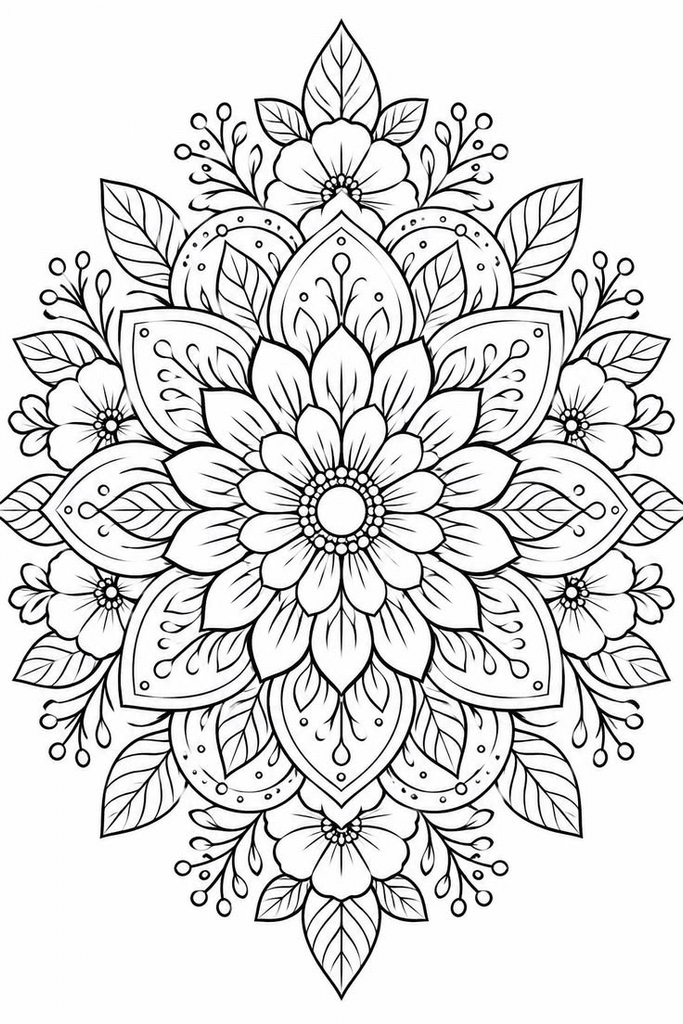
A floral mandala is one of the easiest designs for beginners because it uses familiar shapes such as petals, leaves, and small circles. Start by drawing a small circle in the center of your paper. Around it, add evenly spaced petals, creating a flower-like shape. Continue adding larger layers of petals, dots, and curved lines until your mandala looks full and balanced.
You can keep the design simple with just two or three layers or add tiny decorative details for a more intricate appearance. Floral mandalas look especially beautiful when drawn with a black fine-tip pen on white paper.
Beginner tip: Use a pencil to mark your petal positions before outlining them with ink. This helps keep the pattern symmetrical.
2. Geometric Mandala Pattern
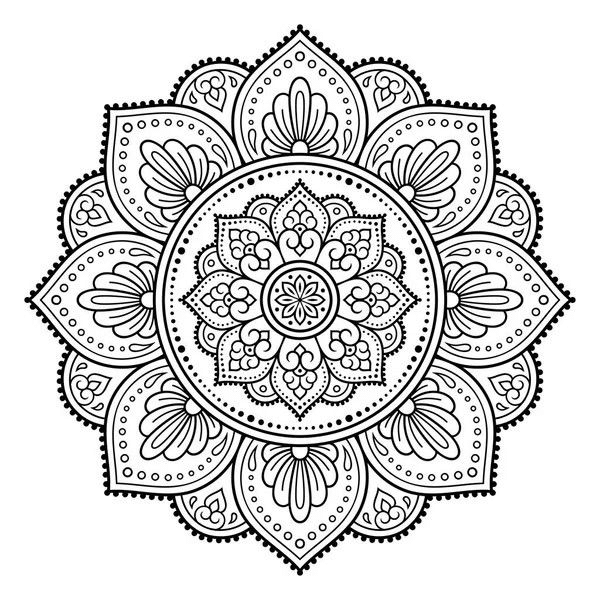
Geometric mandalas are perfect for anyone who enjoys clean lines and organized designs. These patterns combine circles, triangles, squares, diamonds, and other simple shapes to create an attractive symmetrical composition. Begin with a central circle and divide the surrounding space into equal sections using a ruler and compass.
Add small geometric shapes inside each section, repeating the same design around the circle. You can create a modern aesthetic by leaving some areas empty and using thin, precise lines rather than filling every space.
Beginner tip: Start with just four or eight sections. Repeating a simple shape evenly is easier than drawing a complicated pattern from the beginning.
3. Dot Mandala Pattern
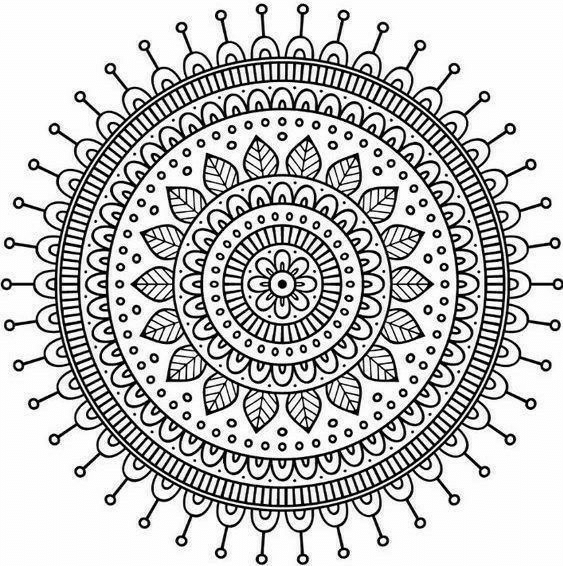
Dot mandalas are a lovely option if you prefer detailed artwork without drawing complicated shapes. Instead of using continuous lines, this style uses dots of different sizes arranged in circular layers. Begin with one large dot in the center, then create a circle of smaller dots around it. Continue adding more rings, gradually changing the dot sizes to form a balanced pattern.
You can use a fine-tip marker, cotton swabs, or the rounded end of a pencil to create dots. Keep the spacing consistent for a neat appearance, or experiment with different sizes for a playful design.
Beginner tip: Practice making dots on scrap paper first so you can control their size and spacing.
4. Minimalist Mandala Pattern
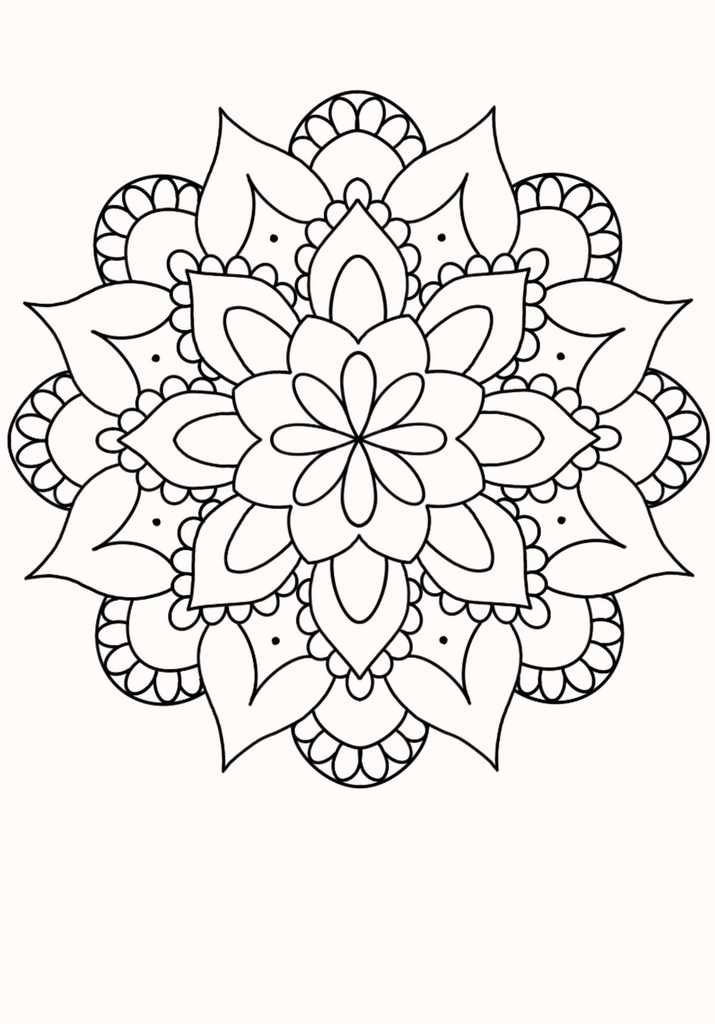
If you love simple and elegant artwork, a minimalist mandala is a great place to begin. This design focuses on a few repeating elements rather than filling the entire page with details. Use thin lines, small circles, simple petals, and plenty of open space to create a delicate pattern.
Start with a central circle and add one or two decorative rings around it. You might include tiny dots, short curved lines, or simple leaf shapes. The finished design can look sophisticated even when it contains only a few elements.
Beginner tip: Avoid adding too many details. A little empty space can make your mandala look more balanced and visually appealing.
5. Sunburst Mandala Pattern
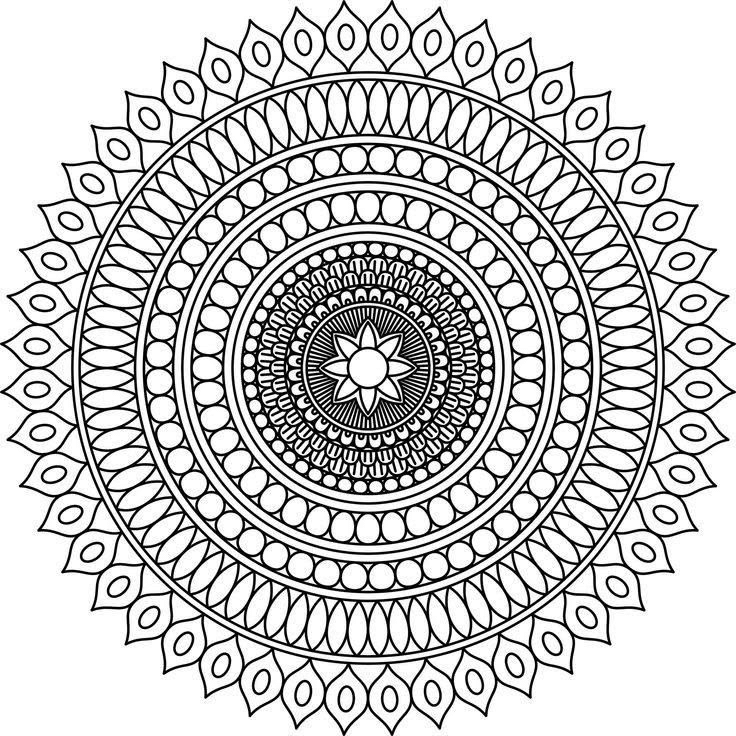
A sunburst mandala features radiating lines and shapes that spread outward from the center, similar to the appearance of sunlight. It is an excellent beginner design because its structure is easy to understand. Draw a small circle in the middle and divide the surrounding area into equal sections. Add long and short lines, pointed petals, triangles, or small decorative shapes to create a sun-inspired effect.
You can make each section identical or alternate between different shapes to add variety. A simple black-and-white sunburst mandala looks striking, while soft yellow, orange, and gold shades can create a warm decorative finish.
Beginner tip: Use a compass or circular template to guide the outer rings and maintain an even shape.
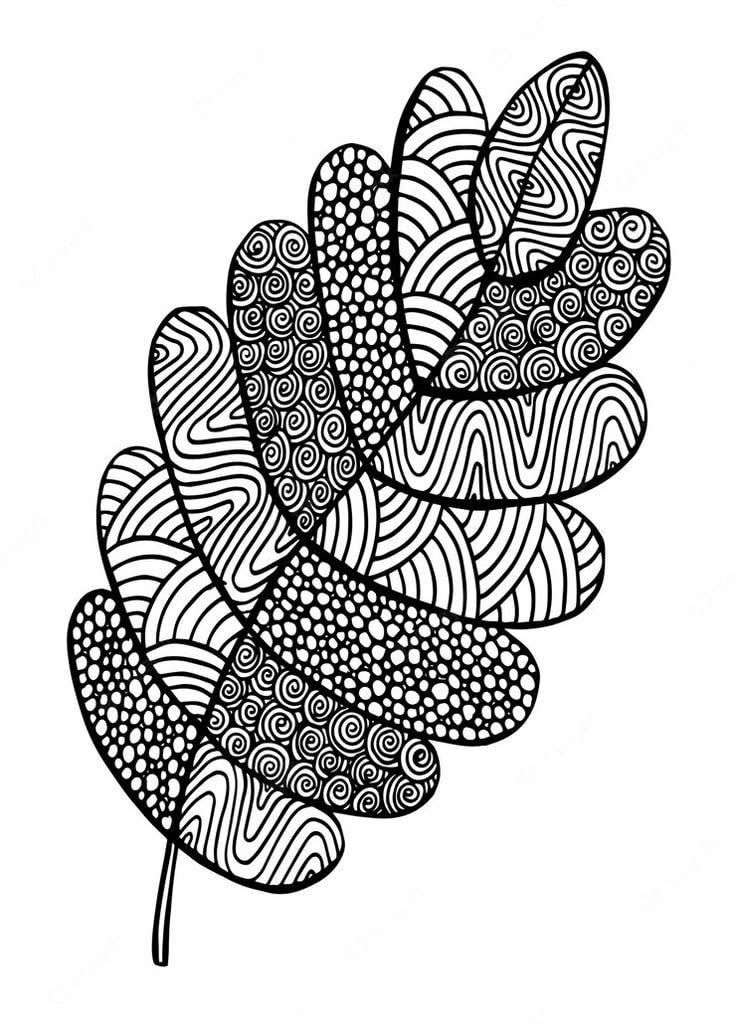
6. Leaf and Nature-Inspired Mandala
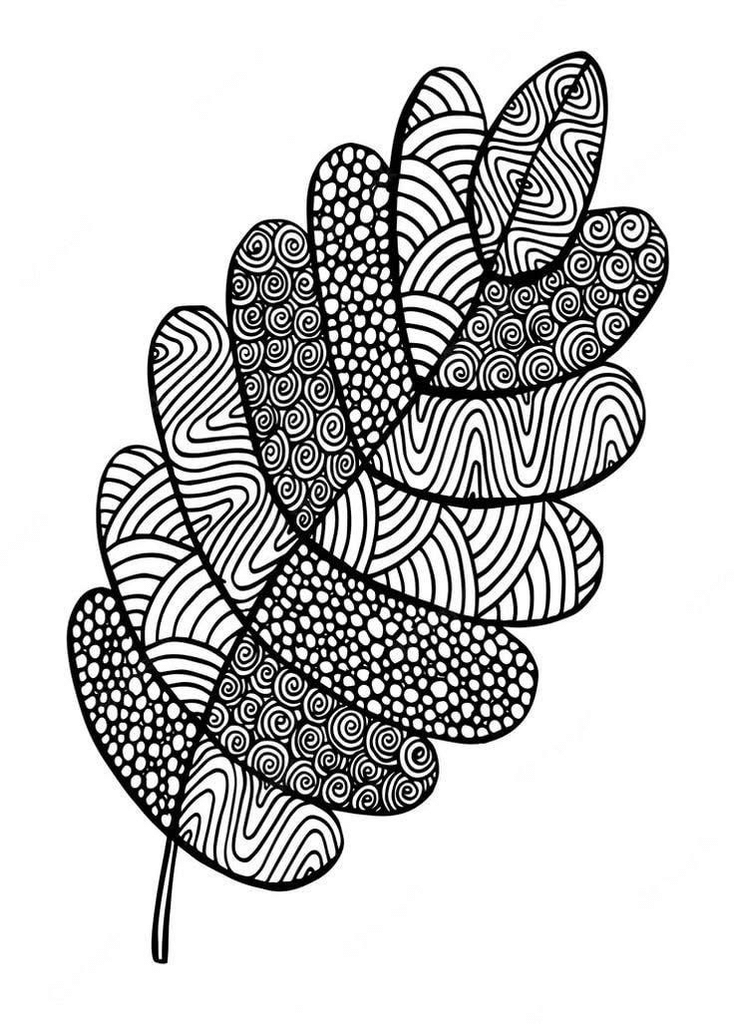
Bring a natural touch to your artwork with a mandala inspired by leaves, vines, and delicate botanical shapes. Begin with a small flower or circle in the center. Around it, draw repeating leaves that point outward, then add tiny branches, curved stems, and small dots to fill the spaces.
This pattern works beautifully with organic shapes, so the leaves do not need to look perfectly identical. You can also experiment with fern-like details, little buds, and simple flower petals. For a soft aesthetic, use earthy colors such as sage green, terracotta, beige, and muted brown.
Beginner tip: Look at real leaves for inspiration, but keep your first design simple by repeating just one or two leaf shapes.
7. Heart-Shaped Mandala Pattern
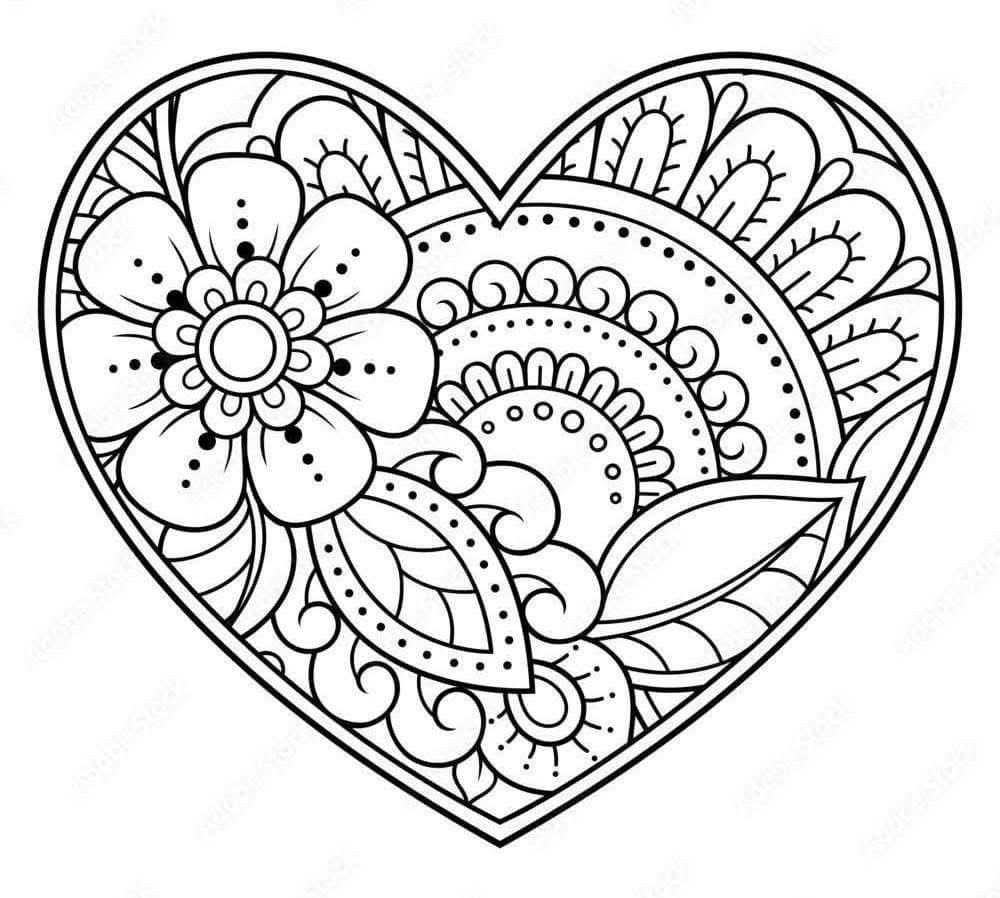
A heart-inspired mandala combines decorative symmetry with a sweet, romantic theme. Instead of using a traditional circular outline, arrange small hearts, curved lines, and floral shapes around a central point. You can also draw a heart in the middle and surround it with repeating petals and dots.
For an easier version, create a circular mandala using small heart shapes as the main repeating element. This gives you the familiar structure of a mandala while adding a charming decorative touch. It can be used for handmade greeting cards, journal covers, or personal artwork.
Beginner tip: Draw a light circular guide first so the hearts follow a consistent direction and spacing.
8. Lace-Inspired Mandala Pattern
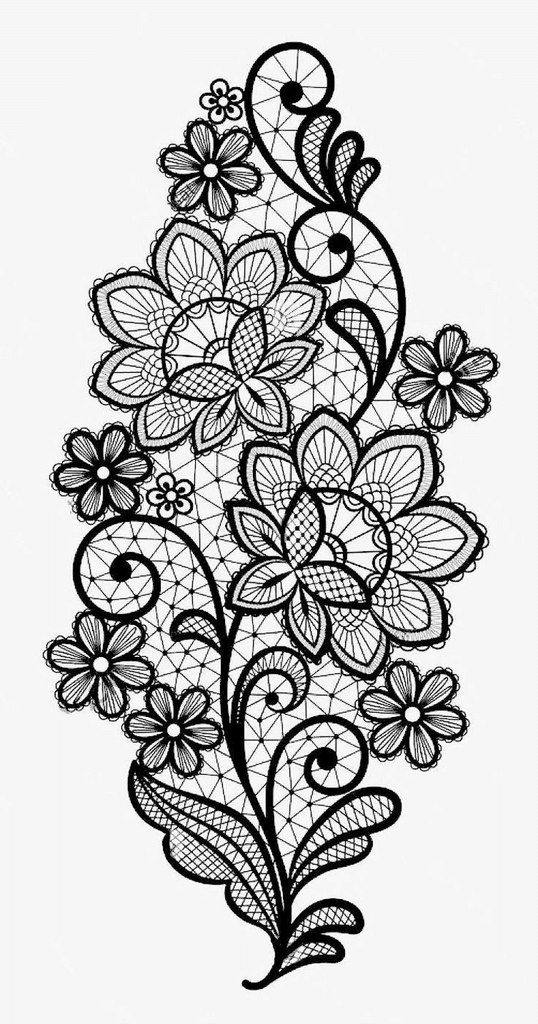
Lace-inspired mandalas have a delicate, decorative appearance that resembles the details of handmade lace. They use small loops, arches, scalloped edges, tiny flowers, and repeating curved lines. Although the finished design may look detailed, you can build it gradually using simple shapes.
Begin with a small central flower and add a ring of arches around it. Continue outward with loops, dots, and curved decorative borders. Keep the lines light and delicate to create an elegant effect. This style looks especially beautiful in black ink on white paper.
Beginner tip: Work on one ring at a time. Complete each layer before moving outward so the pattern stays organized.
9. Crescent Moon Mandala Pattern
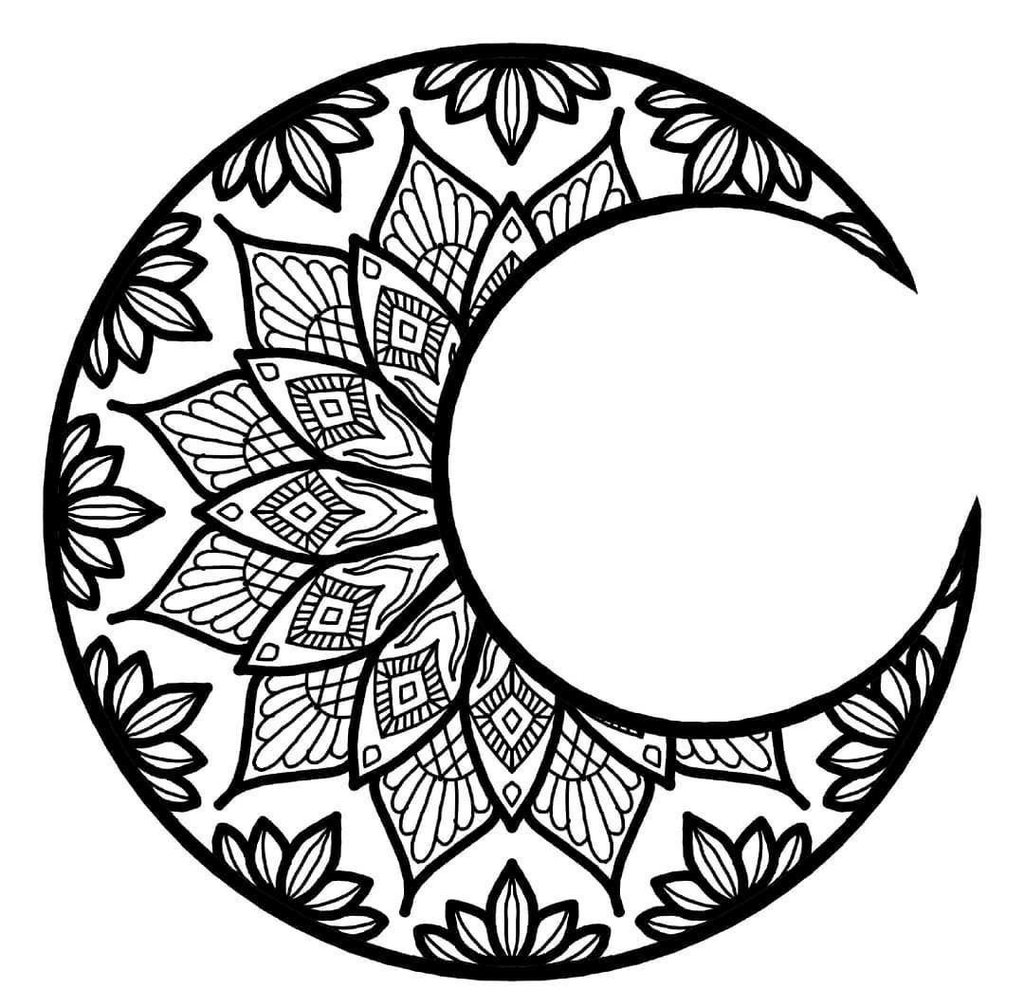
A crescent moon mandala is a creative choice for anyone who enjoys celestial-inspired artwork. It combines moon shapes, stars, dots, and circular decorative patterns. You can draw a large crescent moon in the center and fill it with small flowers, curved lines, or geometric details.
Another option is to create a traditional circular mandala with a moon-inspired center. Add tiny stars and dots around the outer rings to give the design a dreamy appearance. Deep blue, lavender, silver, and soft gold are lovely color choices if you want to move beyond black-and-white artwork.
Beginner tip: Sketch the crescent shape lightly before adding the decorative details. This makes it easier to keep the moon’s outline clear.
10. Rainbow Mandala Pattern
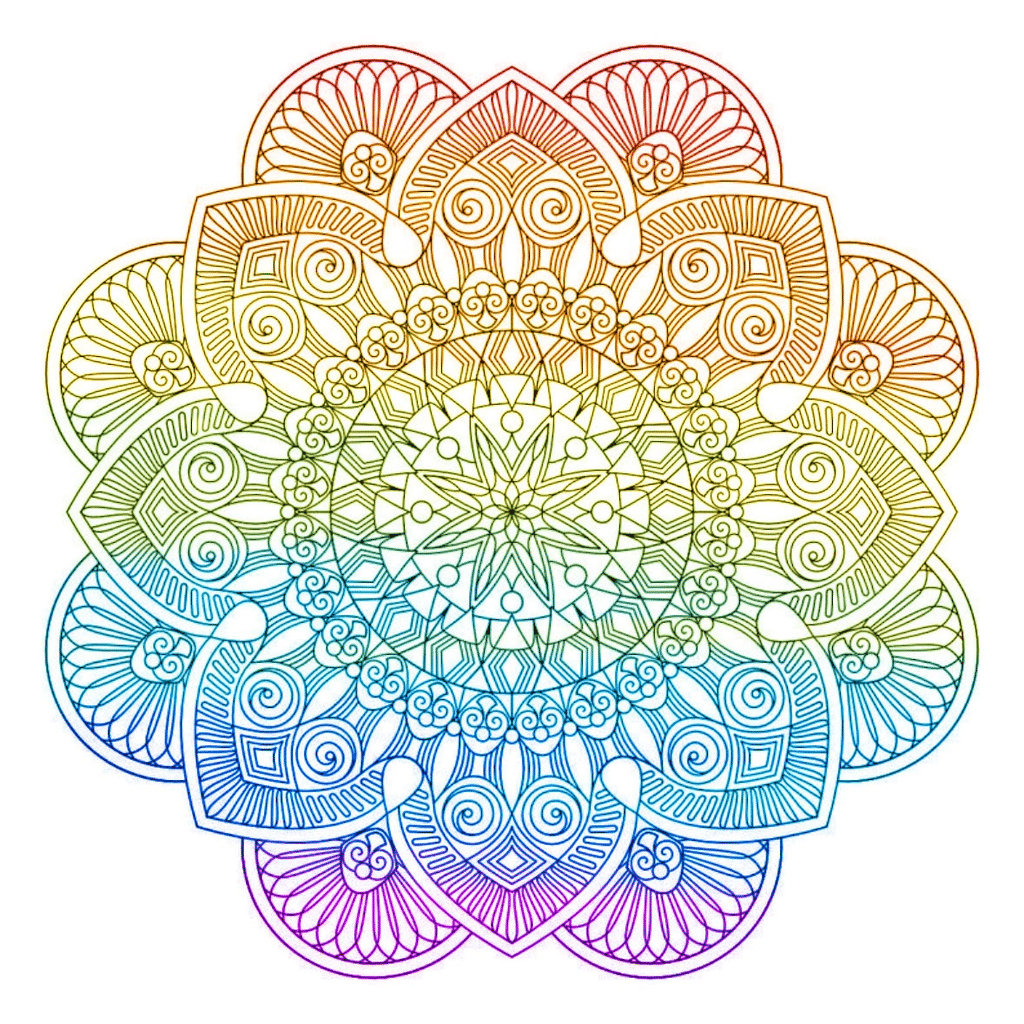
A rainbow mandala is a cheerful design that combines repeating shapes with colorful layers. Start with a central circle and create several rings around it. Divide each ring into equal sections, then repeat simple patterns such as petals, triangles, dots, or curved lines.
Once the outline is complete, use different colors for each ring or alternate shades within the same layer. You can choose bright rainbow colors for a playful look or use pastel pink, lavender, mint, and pale yellow for a softer aesthetic.
Beginner tip: Choose your color palette before starting. Using a limited selection of complementary colors helps the finished mandala look coordinated.
Simple Tips for Creating Beautiful Mandala Art at Home
You do not need advanced drawing skills to make attractive mandala patterns. A few simple habits can make the process easier and help your artwork look more polished.
- Start with basic supplies: Use plain drawing paper, a pencil, eraser, ruler, compass, and fine-tip black pen.
- Create a center point: Most traditional circular mandalas begin from the center and expand outward.
- Divide your paper evenly: Light guidelines help you repeat shapes consistently.
- Repeat simple elements: Small petals, dots, triangles, and curves can create beautiful patterns when repeated.
- Work slowly: Complete one circular layer at a time instead of trying to finish the entire design at once.
- Experiment with colors: Try pastel shades, earthy tones, or classic black-and-white combinations.
- Practice regularly: Even a few minutes of drawing can help you become more comfortable with symmetry and pattern-making.
Summary
Mandala drawing is an enjoyable creative activity that allows beginners to experiment with shapes, patterns, and colors at home. From simple floral and geometric designs to dot mandalas, crescent moons, and rainbow-inspired patterns, there are plenty of beautiful styles to try. Start with basic shapes, use light guidelines, and gradually add decorative details as your confidence grows. Most importantly, enjoy the creative process rather than worrying about making every line perfect. Your first mandala does not have to be complicated to be beautiful.
Frequently Asked Questions
1. What is the easiest mandala pattern for beginners?
Simple floral mandalas and dot mandalas are among the easiest designs to try. Both use basic shapes and repeating elements that are easy to practice.
2. What supplies do I need to draw a mandala at home?
You only need paper, a pencil, an eraser, a ruler, a compass, and a fine-tip pen. Colored pencils or markers are optional.
3. How do I make a mandala look symmetrical?
Start by marking the center of your paper and dividing the design into equal sections. Use light guidelines and repeat the same shapes in each section.
4. Can I draw mandalas without a compass?
Yes. You can use circular household objects, such as a glass or small bowl, to create circles. You can also draw freehand designs if you prefer a more relaxed style.
5. How long does it take to complete a beginner mandala?
A simple mandala may take 20–30 minutes, while more detailed designs can take several hours. The time depends on the size and complexity of your pattern.
6. Should I use black ink or colored pencils for mandala art?
Both work well. Black ink is excellent for clean outlines and detailed patterns, while colored pencils add softness and visual interest.
7. Can mandala patterns be used for home decoration?
Absolutely! You can frame finished mandala drawings, use them as handmade greeting cards, decorate journals, or create wall art for your home.
SEO Meta Description: Discover 10 aesthetic mandala patterns for beginners, from floral and geometric designs to dot and rainbow mandalas you can easily draw at home.