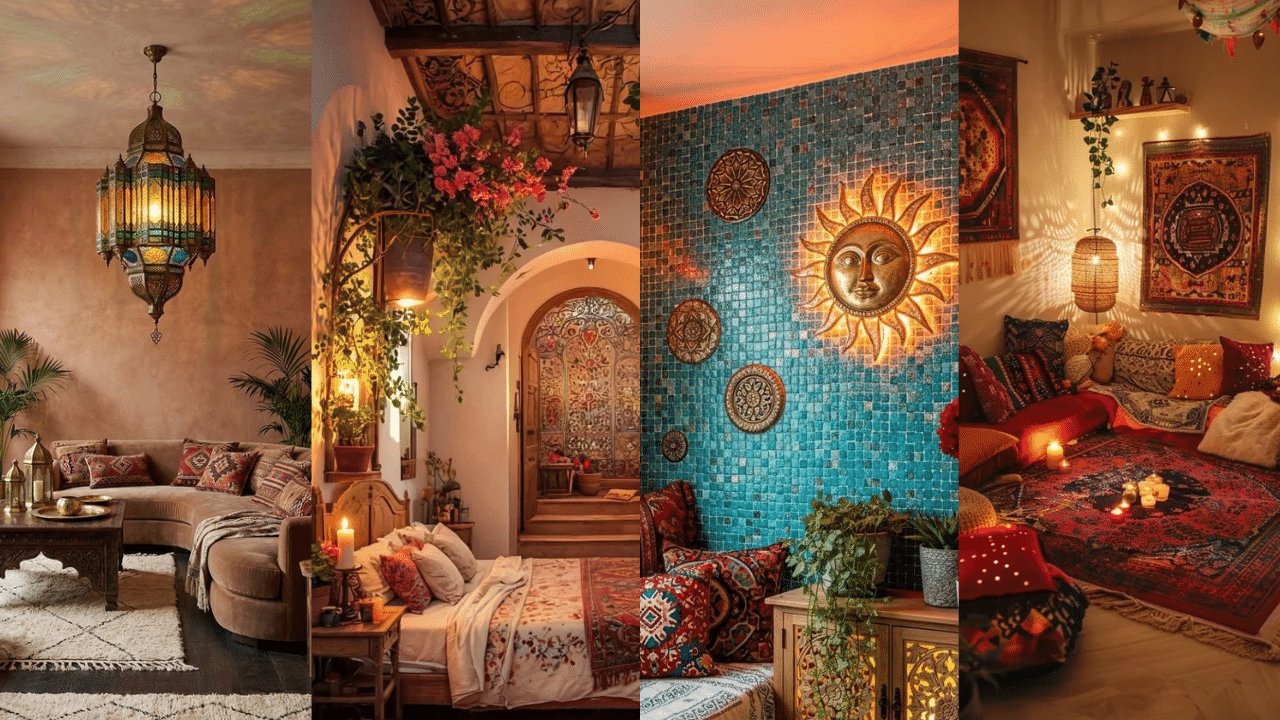
Moroccan decor is known for its rich colors, intricate patterns, handcrafted details, and inviting atmosphere. Inspired by the architecture and artistic traditions of Morocco, this decorating style combines influences from North African, Arab, Mediterranean, and Andalusian design. From colorful mosaic tiles and ornate lanterns to cozy floor cushions and carved wooden furniture, Moroccan interiors create a beautiful balance between comfort and visual interest.
One of the best things about Moroccan-inspired decor is its versatility. You can transform an entire room with bold colors and traditional furniture, or introduce just a few decorative accents for a subtle touch of exotic charm. Jewel tones such as emerald green, sapphire blue, ruby red, and golden yellow work beautifully alongside neutral shades like cream, beige, and terracotta. Natural materials, layered textiles, patterned rugs, and soft lighting also help create a relaxed, welcoming space. Whether you’re decorating a living room, bedroom, patio, or small apartment, these 15 Moroccan decor ideas will help you bring warmth, character, and timeless style into your home.
1. Add Moroccan Lanterns for Magical Lighting

Moroccan lanterns are one of the easiest ways to bring traditional charm into your home. Often made from brass, copper, or other metals, these decorative lights feature intricate cutout patterns that create beautiful shadows on walls and ceilings. Their warm glow makes a room feel cozy, relaxing, and inviting.
Hang a large lantern above a coffee table or dining area, place a smaller one beside your sofa, or arrange a few lanterns at different heights in a corner. For a modern interpretation, choose brass or black metal designs that complement neutral walls and contemporary furniture. You can also use candle lanterns on shelves, entryway tables, or covered patios.
For the best effect, combine lanterns with soft, warm-white lighting rather than relying on a single overhead light. If you choose electric lanterns, make sure the wiring and installation are suitable for your space. This simple addition can create a Moroccan-inspired atmosphere without requiring a major renovation.
2. Decorate with Colorful Moroccan Mosaic Tiles

Moroccan mosaic tiles, commonly known as zellige, bring handcrafted beauty and rich color into interior spaces. Traditionally made from glazed clay, these tiles are arranged in intricate geometric designs that create a distinctive decorative surface. Their subtle variations in color and finish give walls and other surfaces depth and character.
Design Style Book+1
Use Moroccan-inspired tiles for a kitchen backsplash, bathroom vanity wall, fireplace surround, or decorative niche. Popular colors include deep blue, emerald green, white, turquoise, and earthy terracotta. If you prefer a quieter look, choose cream or pale green tiles and pair them with natural wood and brass accents.
You don’t need to cover an entire room to achieve the effect. A small tiled section can become an attractive focal point while allowing the rest of the space to remain simple. For an affordable alternative, consider patterned ceramic tiles or removable tile decals in suitable areas. Choose materials designed for the surface and level of moisture where they’ll be installed.
3. Create a Cozy Moroccan Living Room

A Moroccan-inspired living room is designed to feel welcoming, comfortable, and full of personality. Low seating, layered cushions, patterned rugs, and decorative tables help create a relaxed gathering space where family and friends can spend time together.
Start with a comfortable sofa in cream, beige, or warm brown. Add cushions in rich colors such as burgundy, mustard yellow, emerald green, and sapphire blue. A patterned rug can anchor the seating area, while a brass tray table or carved wooden coffee table adds traditional character. Finish the arrangement with a few lanterns and handmade ceramic accessories.
If your living room is small, you can still recreate this style without overcrowding it. Choose one statement rug, two or three colorful cushions, and a single decorative light. Keeping larger furniture relatively neutral allows the smaller details to stand out.
The secret is to combine different textures rather than filling every surface with decoration. Soft upholstery, woven textiles, carved wood, and reflective metal create an appealing balance that feels layered but still practical for everyday living.
4. Use Moroccan Rugs to Add Warmth and Pattern

Moroccan rugs can transform a plain room by introducing texture, pattern, and warmth. Traditional and Moroccan-inspired designs range from thick wool rugs with simple geometric motifs to colorful flatwoven kilims featuring bold stripes and intricate shapes.
For a modern home, an ivory rug with dark diamond patterns works beautifully with neutral sofas and wooden furniture. If you prefer a more vibrant look, choose a multicolored rug with terracotta, red, orange, blue, and yellow details. These colors can help tie together different decorative elements throughout the room.
Place a large rug beneath your sofa and coffee table to define the seating area. In a bedroom, position one beside or beneath the bed for a softer feel underfoot. Smaller runners also work well in hallways and entryways.
When choosing a rug, consider the room’s size, existing colors, and practical needs. A washable or flatwoven option may be more convenient in a busy household, while a thicker wool rug can make a quiet reading corner feel especially comfortable. Let the rug serve as the room’s main patterned feature if the other furnishings are already colorful.
5. Bring in Colorful Moroccan Throw Pillows

Decorative pillows are an easy and budget-friendly way to introduce Moroccan style without changing your furniture. Look for covers featuring embroidery, woven patterns, tassels, metallic accents, or geometric motifs. Rich shades such as ruby red, turquoise, saffron, and deep purple can create a vibrant and inviting atmosphere.
Mix several pillow sizes on a neutral sofa or arrange them across a bed with a coordinating throw blanket. To make the arrangement feel intentional, repeat two or three colors throughout the room instead of choosing completely unrelated shades. For example, turquoise pillows can complement blue tilework, while gold accents can connect with brass lanterns.
Texture is just as important as color. Combine velvet with cotton, woven fabric, or embroidered textiles for a more interesting arrangement. You can also change the pillow covers seasonally, using warmer shades during cooler months and lighter colors when you want a fresh look.
For a small decorating budget, start with new cushion covers rather than buying new inserts or furniture. A few well-chosen pieces can refresh an ordinary living room and create a recognizable Moroccan-inspired style.
6. Add Leather Poufs and Floor Cushions

Leather poufs and floor cushions are practical decorative pieces that give Moroccan interiors their relaxed, welcoming character. Traditionally inspired spaces often use low seating arrangements that encourage conversation and create a comfortable place to gather.
A round leather pouf in tan, caramel, or dark brown works particularly well beside a sofa. Use it as a footrest, an extra seat, or a decorative accent. Embroidered fabric poufs and colorful floor cushions offer a more playful alternative, especially when paired with patterned rugs and textured throws.
For a cozy reading corner, arrange two floor cushions beside a low table and add a lantern or small lamp. In a larger living room, several poufs can provide flexible seating without the visual bulk of extra chairs.
Choose pieces that complement your existing color palette. Neutral leather looks timeless against colorful textiles, while patterned poufs can add interest to a room with plain walls and simple furniture. If you have children or pets, consider durable, easy-to-clean materials and secure the pouf’s filling so it maintains its shape.
7. Introduce Moroccan Arches and Curved Details

Arches are a distinctive architectural feature in many Moroccan-inspired interiors. Horseshoe and keyhole shapes can make a doorway, mirror, alcove, or wall niche feel more decorative and elegant. Their curved lines also soften a room filled with rectangular furniture and straight edges.
If your home already has arched doorways, emphasize them with a contrasting paint color or subtle decorative trim. Otherwise, you can introduce the shape through an arched mirror, a freestanding screen, or a painted arch behind a console table. These smaller changes create a similar visual effect without requiring structural alterations.
A painted arch in terracotta, muted blue, or warm beige can frame a bed, reading nook, or entryway. For a more traditional appearance, consider carved detailing or a decorative plaster finish around the opening.
Keep the proportions suitable for the room. One well-placed arch often looks more convincing than repeating the shape everywhere. Pair it with warm lighting, textured walls, and a few handcrafted objects to create a cohesive Moroccan-inspired feature.
8. Choose Carved Wooden Furniture

Carved wooden furniture adds craftsmanship and natural warmth to Moroccan decor. Traditional designs may feature geometric patterns, floral carvings, decorative panels, or intricate latticework. The wood’s natural grain also balances the vibrant colors and reflective surfaces often found in this style.
You can introduce carved wood through a coffee table, side table, chest, headboard, or decorative cabinet. A carved accent table beside a neutral sofa creates a beautiful focal point, while a wooden chest can provide useful storage for blankets, books, or household items.
If your budget is limited, look for a small secondhand wooden piece and refresh the surrounding decor rather than replacing all your furniture. A simple wood console can also be styled with a brass tray, ceramic vase, and lantern to evoke a Moroccan aesthetic.
To prevent the room from feeling too busy, combine ornate woodwork with simpler furniture and plain wall finishes. This contrast allows the carving to stand out. Natural wood, warm lighting, and woven textiles work especially well together for a cozy, timeless atmosphere.
9. Create a Moroccan-Inspired Bedroom

A Moroccan-inspired bedroom can feel like a peaceful retreat with the right combination of soft textiles, warm colors, and decorative lighting. Instead of relying on bold patterns everywhere, build the room around a comfortable bed and introduce Moroccan details through the headboard, cushions, rug, and bedside accessories.
Choose bedding in cream, ivory, sand, or soft terracotta. Add a carved wooden headboard or an arched feature behind the bed, then layer in cushions with embroidered or geometric designs. Brass bedside lamps or small lantern-inspired lights create a warm glow, while a patterned rug adds texture beneath the bed.
For a more dramatic look, incorporate deep blue, emerald green, or burgundy through a throw blanket or accent wall. If you prefer a calmer bedroom, keep the walls light and limit stronger colors to a few accessories.
Practicality matters in a bedroom, so make sure decorative lighting provides enough illumination for reading and everyday tasks. Soft ambient lighting can create atmosphere, while separate bedside lamps offer useful task lighting. The result is a room that feels stylish and relaxing rather than overly decorated.
10. Decorate with Brass Trays and Metal Accents

Brass and copper accents add a subtle glow that complements the colors and textures of Moroccan decor. These metals appear in traditional decorative objects such as trays, tea accessories, candleholders, mirrors, and lanterns. Their warm finishes can make even a simple room feel more layered and refined.
A round brass tray is particularly versatile. Place it on a coffee table and style it with a ceramic vase, a small candleholder, and a few decorative objects. On a bedroom dresser, use a smaller tray to organize perfume bottles or jewelry. A copper bowl or hammered-metal vessel can also serve as a striking centerpiece on a dining table.
You don’t need to purchase a complete matching set. Combining a few brass pieces with natural wood, cream textiles, and handmade ceramics usually creates a more relaxed appearance. Aged or brushed finishes can feel understated, while polished metal offers a more glamorous look.
For everyday use, check the care requirements of the metal finish and avoid placing liquids directly on surfaces that may stain. These decorative accents are a simple way to add Moroccan character without making permanent changes to your home.
11. Use Moroccan Mirrors as Statement Pieces

A Moroccan-inspired mirror combines decorative beauty with everyday functionality. Look for designs featuring arched silhouettes, brass frames, carved wooden borders, or geometric details. These shapes can echo traditional Moroccan architecture while helping a room feel brighter and more spacious.
Hang a large arched mirror above an entryway console or place one above a bedroom dresser. In a living room, a decorative mirror can become the focal point of a plain wall, especially when paired with a lantern, ceramic vase, or small plant.
Mirrors are especially useful in smaller spaces because they reflect available light and create a greater sense of openness. Position yours where it can reflect a window or an attractive part of the room rather than clutter or an uninteresting wall.
If you want a dramatic look, choose a generously sized mirror with an ornate frame. For a contemporary interpretation, a simple arched mirror in brass or dark wood may be enough. Secure heavy mirrors with appropriate wall fixings, and keep the surrounding decor relatively simple so the frame remains the main feature.
12. Bring Moroccan Style into the Kitchen

beautifulhomes.asianpaints.com
A Moroccan-inspired kitchen can combine practical surfaces with beautiful handmade details. Patterned tiles, warm wood, brass finishes, and colorful ceramics are all useful ways to bring this style into a space that is used every day.
Start with a tiled backsplash in blue, green, cream, or terracotta. If you already have plain tiles, introduce the look through decorative ceramic bowls, patterned serving dishes, a woven runner, or a brass tray displayed on the counter. Open shelves can hold handmade pottery and glassware, adding color without requiring extra wall decoration.
Wooden cutting boards, terracotta planters, and woven baskets help balance reflective metal and glazed tile. You could also display a few decorative tea glasses or a traditional-style serving tray to give the kitchen a welcoming, hospitality-focused feel.
The key is to keep work surfaces functional. Choose easy-to-clean materials near the stove and sink, and use decorative objects where they won’t interfere with food preparation. A single patterned backsplash or a carefully arranged shelf can make the kitchen feel distinctly Moroccan without overwhelming the space.
13. Design a Moroccan-Inspired Bathroom

Moroccan-inspired bathrooms are known for their combination of textured finishes, decorative tiles, warm metals, and softly curved shapes. Even a small bathroom can benefit from these elements when they are used thoughtfully.
Consider a feature wall of green or blue mosaic-style tiles behind the sink, an arched mirror above the vanity, and brass or bronze-colored fixtures. A handmade-looking ceramic soap dish, a textured towel, or a small decorative tray can add character without taking up much space.
For a spa-like atmosphere, use warm neutral walls and introduce color through the tilework and accessories. If you prefer a bold design, choose a patterned floor or a vivid tiled shower wall while keeping the other surfaces relatively simple.
Bathrooms require materials that can withstand moisture, so choose tiles, grout, wall finishes, and lighting rated for their intended use. Real traditional finishes may need specialist installation, while suitable modern alternatives can offer a similar appearance with easier maintenance. Good ventilation and practical lighting are essential to keeping the bathroom comfortable as well as beautiful.
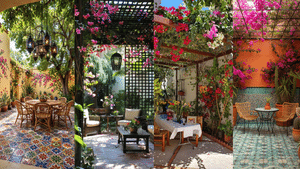
14. Transform Your Patio with Moroccan Decor

Moroccan decor works beautifully in outdoor spaces because it emphasizes relaxed seating, warm materials, soft lighting, and inviting places to gather. A patio, balcony, or garden corner can be transformed into a cozy retreat with just a few carefully chosen elements.
Start with outdoor seating and add weather-resistant cushions in terracotta, blue, mustard, or green. A patterned outdoor rug can define the seating area, while terracotta pots and leafy plants introduce natural texture. Place lanterns around the space for a warm evening atmosphere, making sure any electrical fixtures are rated for outdoor use.
If you have room, add a low table for drinks and snacks. A small fountain or decorative ceramic vessel can provide a focal point, while a woven screen or outdoor curtain can create a sense of privacy.
For smaller balconies, focus on foldable furniture, a couple of cushions, and a few compact lanterns or planters. Protect delicate fabrics and metal accessories from rain and harsh weather. With a thoughtful mix of textures, colors, and lighting, even a modest outdoor area can feel like a welcoming Moroccan courtyard.
15. Mix Moroccan Decor with Modern Minimalism

You don’t need to fill your home with bold colors and elaborate patterns to enjoy Moroccan decor. Modern Moroccan style combines traditional craftsmanship with a simpler approach to furniture, color, and accessories. This is a great option if you love the warmth of Moroccan interiors but prefer a clean and uncluttered home.
Begin with a neutral foundation of warm white walls, natural wood, and comfortable furniture. Introduce a few distinctive pieces, such as a geometric rug, an arched mirror, a brass lantern, or an embroidered cushion. Choose one or two accent colors and repeat them subtly throughout the space.
Natural textures help the room feel warm rather than plain. A wool rug, woven basket, linen throw, or handmade ceramic vase can add character without introducing too many competing patterns. Keep decorative objects grouped thoughtfully and leave some surfaces clear.
This approach is especially effective in apartments and small rooms, where too many large or highly patterned items can make the space feel crowded. By focusing on a few meaningful accents, you can create a modern home that feels elegant, comfortable, and inspired by Moroccan design.
Tips for Decorating Your Home in Moroccan Style
- Choose a balanced color palette: Start with warm neutrals and add two or three richer shades, such as emerald green, terracotta, or cobalt blue.
- Mix textures thoughtfully: Combine wood, leather, wool, metal, ceramics, and woven fabrics for visual depth.
- Use statement pieces: A striking rug, lantern, mirror, or tiled feature can establish the style without decorating every surface.
- Layer the lighting: Combine overhead lighting with table lamps, wall lights, and lantern-inspired accents for a softer atmosphere.
- Keep the room functional: Make sure seating, walkways, kitchen surfaces, and storage remain practical for daily life.
- Choose handmade-looking details: Crafted ceramics, woven textiles, and carved wood help create a more personal, character-filled space.
- Adapt the style to your budget: Begin with cushions, rugs, trays, and small decorative objects before considering costly tilework or architectural changes.
These principles reflect a common feature of successful Moroccan-inspired interiors: combining expressive craftsmanship with a considered arrangement of materials, light, and furniture.
Moroccan Corridor®+2
Summary
Moroccan decor brings warmth, texture, and distinctive character into a home through colorful textiles, patterned tiles, ornate lanterns, carved furniture, and inviting seating. Whether you prefer a vibrant living room, a peaceful bedroom, a decorative kitchen, or a cozy patio, there are plenty of ways to incorporate the style into your existing space. Start with one or two elements you love, build a coordinated color palette, and mix traditional details with practical modern furnishings. The result can be a beautiful, welcoming home that reflects Moroccan-inspired design without feeling cluttered or overdone.
Frequently Asked Questions
1. What are the main features of Moroccan decor?
Common features include geometric tilework, pierced-metal lanterns, carved wood, arched shapes, colorful cushions, patterned rugs, brass accents, and layered textures. The style can be bold and colorful or calm and neutral.
2. What colors work best for Moroccan decor?
Terracotta, saffron, emerald green, cobalt blue, burgundy, and warm neutrals are popular choices. You can use vibrant colors as accents against cream or beige walls for a balanced look.
3. How can I decorate my home in Moroccan style on a budget?
Start with affordable items such as patterned cushion covers, a decorative tray, a small lantern, a woven rug, or a colorful ceramic vase. These accessories can introduce the style without requiring a full renovation.
4. Can Moroccan decor work in a modern home?
Yes. Pair modern furniture and neutral walls with a few Moroccan-inspired accents, such as an arched mirror, a geometric rug, brass lighting, or embroidered cushions.
5. How do I make a small room look Moroccan without overcrowding it?
Choose one main feature, such as a patterned rug or statement lantern, and add a few complementary accessories. Use light wall colors, multifunctional furniture, and clear walking spaces to keep the room open.
6. Is Moroccan decor suitable for outdoor spaces?
Yes. Moroccan-inspired patios and balconies can feature patterned outdoor cushions, terracotta pots, lanterns, low tables, and weather-resistant rugs. Choose materials suitable for the local weather and protect delicate items when needed.
SEO Description: Discover 15 Moroccan decor ideas for living rooms, bedrooms, kitchens, bathrooms, and patios. Explore colorful tiles, cozy rugs, brass lanterns, and budget-friendly styling tips.