Your home should be more than just a place to sleep, eat, and complete everyday tasks. It can also be a peaceful retreat where you relax, recharge, and escape the stress of a busy day. Creating a calming sanctuary at home doesn’t require a complete renovation, expensive furniture, or a perfectly decorated interior. Sometimes, a few thoughtful changes can make your space feel warmer, more comfortable, and more inviting.
Whether you live in a small apartment, a rented home, or a spacious house, you can create a relaxing atmosphere by focusing on elements that support your comfort and well-being. Soft lighting, soothing colors, natural textures, pleasant scents, and organized surroundings can all help make your home feel more peaceful. Even a small corner with a comfortable chair and a favorite book can become a personal retreat.
The best part is that you can create a calming sanctuary on almost any budget. Start with the things you already own, make small adjustments to your daily surroundings, and gradually introduce details that bring you joy. These 10 easy ideas will help you transform your home into a relaxing haven where you can unwind, enjoy quiet moments, and feel more at ease.
1. Declutter Your Space for a Peaceful Atmosphere
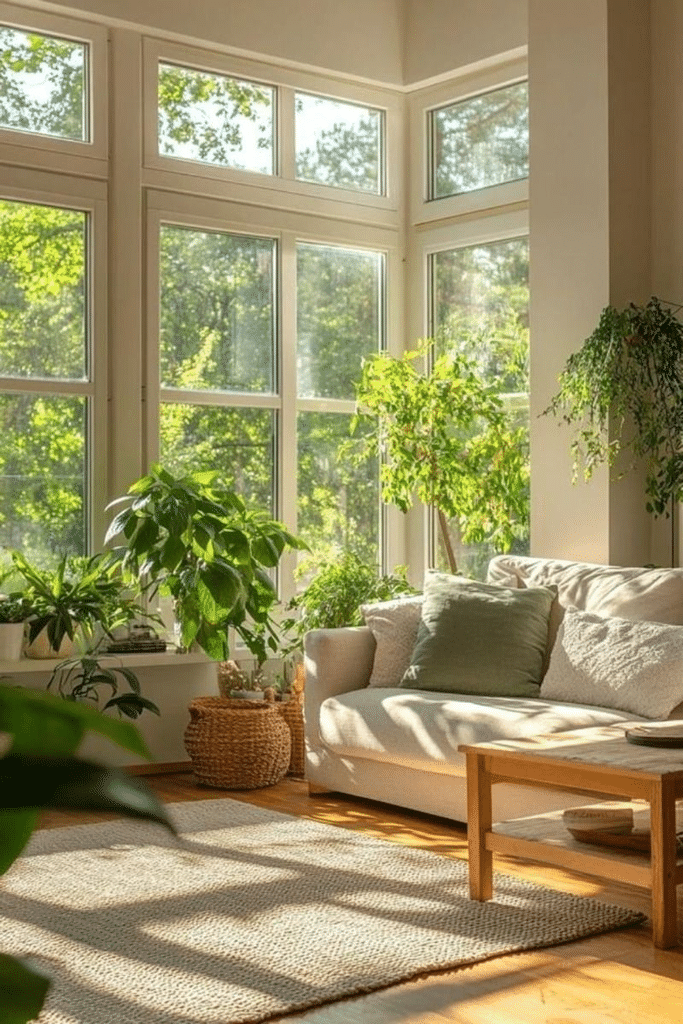
One of the easiest ways to create a calming sanctuary at home is to reduce unnecessary clutter. When countertops, tables, and living areas are crowded with belongings, your space can feel visually overwhelming. Organizing your surroundings can make rooms feel more open and easier to enjoy.
You don’t need to organize your entire home in one afternoon. Begin with one small area, such as your bedside table, coffee table, kitchen counter, or favorite reading spot. Remove items you no longer need, return belongings to their proper places, and keep only the things that serve a purpose or make you happy.
Try adopting a simple evening reset. Spend five to ten minutes putting away loose items, folding blankets, and clearing surfaces before going to bed. Waking up to a tidier room can make your mornings feel less rushed.
Budget-friendly tip: Use baskets, existing storage boxes, and decorative trays to group smaller belongings instead of purchasing new organizers.
2. Use Soft, Warm Lighting
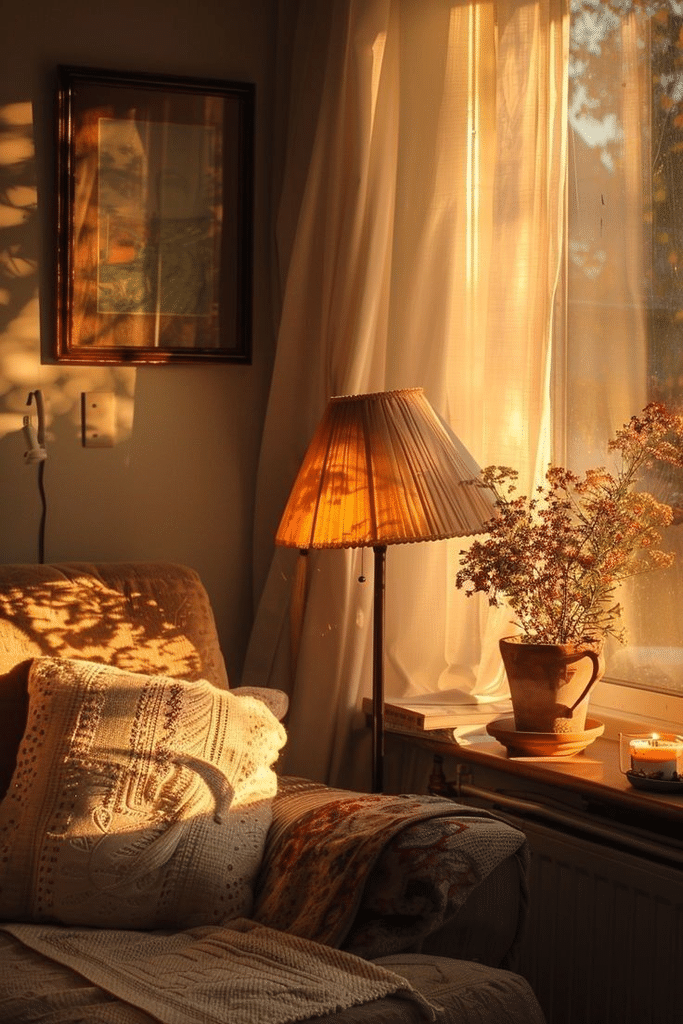
Lighting has a significant influence on the atmosphere of a room. Bright overhead lights can be useful for cleaning, cooking, and working, but softer lighting often creates a more relaxing environment for evenings and quiet activities.
Introduce warm-toned table lamps, floor lamps, or wall lights to make your living room or bedroom feel more inviting. If you already own lamps, experiment with their placement to create a gentle glow instead of relying entirely on one bright ceiling light.
You can also make the most of natural daylight during the day. Open your curtains in the morning, allow sunlight to enter where practical, and use lightweight window treatments if you want to soften the light without making the room feel dark.
For an extra cozy atmosphere, consider flameless LED candles or battery-operated decorative lights. These options provide a soft glow without an open flame.
Budget-friendly tip: Rearrange your existing lamps and use warm-white bulbs that are compatible with your fixtures to change the mood without redecorating the entire room.
3. Bring Nature Indoors With Plants and Flowers
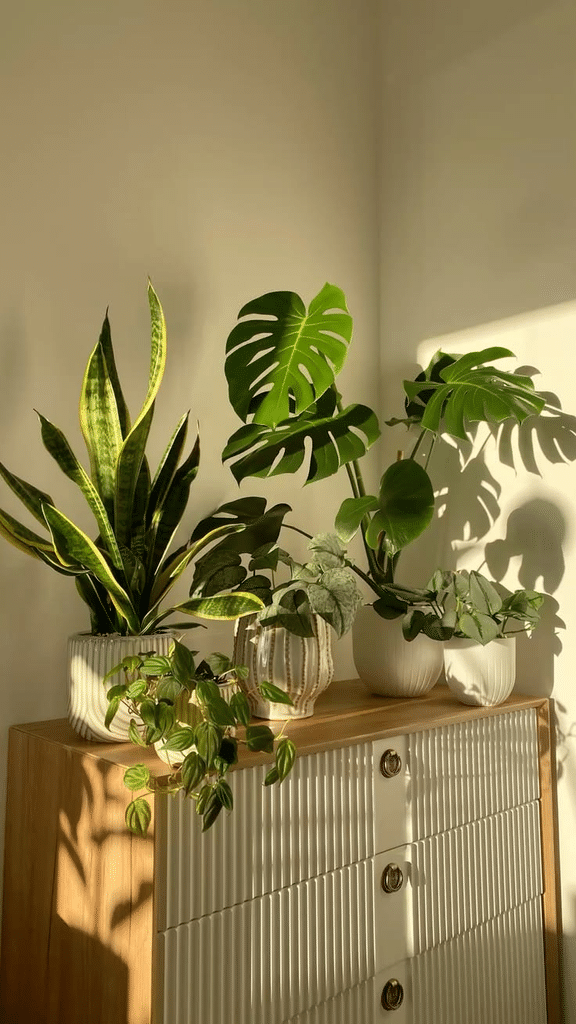
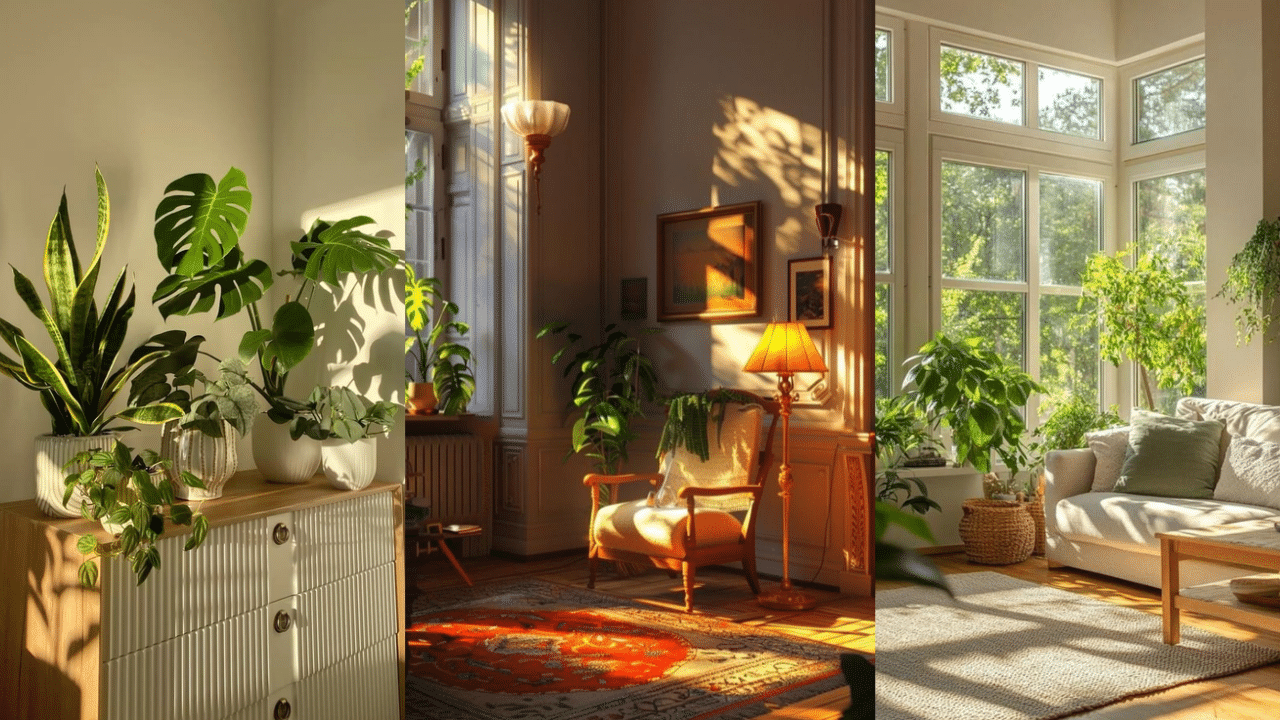
Natural elements can make a home feel fresh, welcoming, and connected to the outdoors. Houseplants, fresh flowers, branches, and natural materials introduce gentle colors and textures that complement a peaceful interior.
Choose plants that suit the lighting and conditions in your home. Pothos, snake plants, and spider plants are popular options for different indoor settings, although each plant still needs suitable care. If your home doesn’t receive much natural light, choose carefully or decorate with natural branches and other botanical accents instead.
Fresh flowers can brighten a dining table or bedside area, while a small herb pot can bring greenery to a kitchen windowsill. You can also display dried flowers or arrange a few natural branches in a simple vase for a low-maintenance decorative touch.
Avoid overcrowding your space with plants if you prefer a minimalist atmosphere. A few thoughtfully placed pieces can be just as effective as a room full of greenery.
Budget-friendly tip: Propagate suitable plants from cuttings, reuse simple containers as planters, or collect fallen branches from your garden where permitted.
4. Create a Cozy Corner for Relaxation
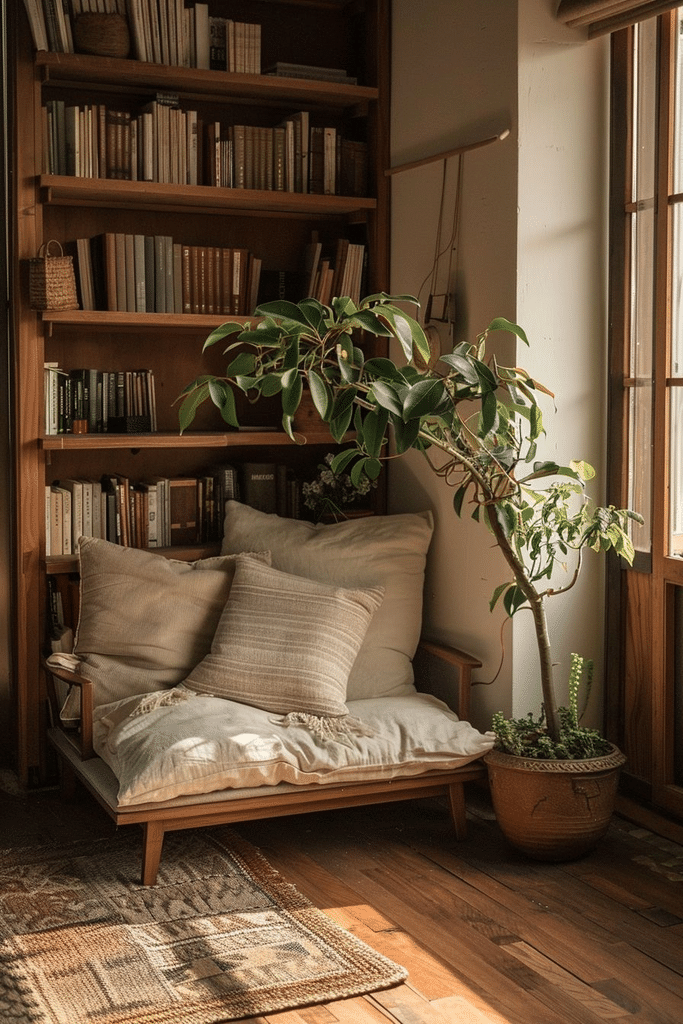
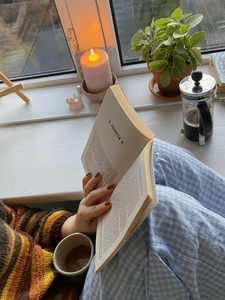
You don’t need a separate meditation room or a large spare bedroom to create a calming sanctuary. A small, dedicated relaxation corner can provide a comfortable place to read, journal, listen to music, meditate, or simply enjoy a few quiet minutes.
Start with a comfortable chair, floor cushion, or soft seat. Add a throw blanket, a small side table, and a lamp if space allows. Keep a few favorite books, a journal, or headphones nearby so your corner is ready whenever you need a break.
If you live in a small home, use an unused corner of your bedroom, a spot beside a window, or a quiet section of your living room. You can also create a flexible relaxation area with floor cushions that are easy to store when not in use.
Make this space feel personal rather than perfect. Choose items that help you feel comfortable, and avoid filling the area with things that create additional visual clutter.
Budget-friendly tip: Repurpose a chair you already own, add a cushion and a blanket, and use a small stool or sturdy side table for your essentials.
5. Choose Soothing Colors and Natural Textures
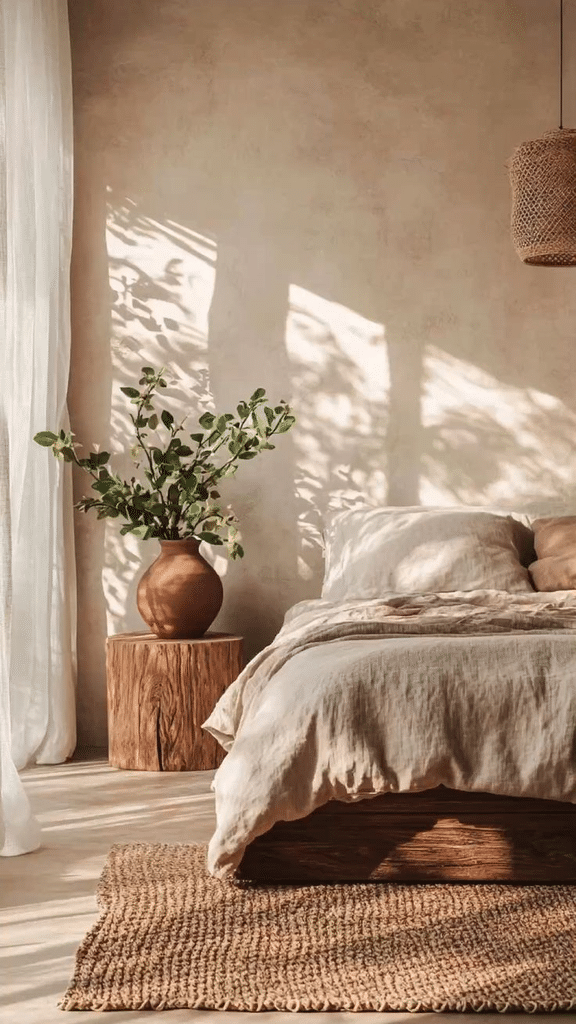
The colors and textures in your home can influence how a room feels. Soft neutrals, muted greens, gentle blues, and warm earthy shades are popular choices for creating a peaceful atmosphere. However, the best color palette is one that feels relaxing to you and works with your existing furniture.
You don’t have to repaint your walls to introduce calming colors. Start with small details such as pillow covers, curtains, bedding, table linens, or a throw blanket. Coordinating a few colors across the room can make the space feel more harmonious without requiring a major investment.
Natural textures can add warmth and depth. Consider cotton bedding, linen curtains, woven baskets, wooden accents, jute rugs, or soft wool-like throws. Combining a few different textures can make a neutral room feel cozy rather than plain.
If you enjoy brighter colors, you don’t need to eliminate them. Use your favorite shades thoughtfully and balance them with softer tones to create a look that feels comfortable and personal.
Budget-friendly tip: Change pillow covers, rearrange existing textiles, or shop your home for blankets and accessories that already fit your preferred color palette.
6. Make Your Home Smell Fresh and Inviting

A pleasant scent can become part of the atmosphere that makes your home feel comforting. Rather than covering every room with strong fragrances, focus on keeping your space clean and introducing subtle scents you genuinely enjoy.
Start with the basics: open windows when conditions allow, wash blankets and cushion covers regularly, take out rubbish, and keep damp areas clean and dry. Good ventilation and everyday cleaning can make a noticeable difference to how your home smells.
If you enjoy fragrance, consider lightly scented candles, reed diffusers, or essential-oil diffusers used according to their instructions. Popular calming fragrance profiles include lavender, chamomile, sandalwood, and soft citrus notes. You can also use fresh flowers or herbs to add a natural touch.
Be mindful of other people, pets, allergies, and sensitivities when choosing scented products. Essential oils and concentrated fragrances are not suitable for every household, and some can be harmful to pets. Always follow product safety guidance and ventilate the space appropriately.
Budget-friendly tip: Keep your home fresh with clean linens, regular ventilation, and a small arrangement of fresh herbs or flowers instead of buying several fragrance products.
7. Add Soft Textiles for Extra Comfort
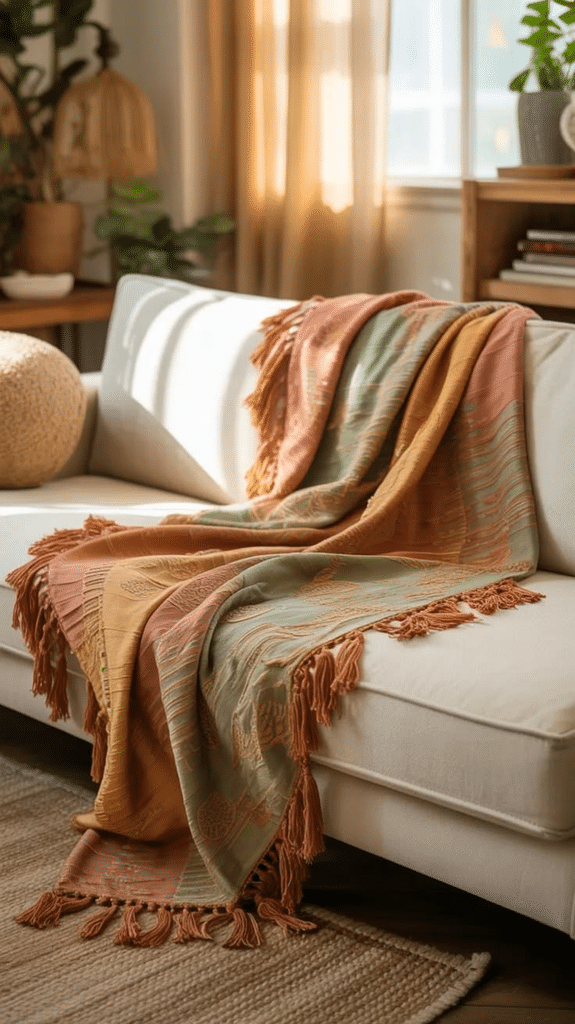
Soft furnishings can instantly make a room feel more inviting. Textiles add warmth, soften hard surfaces, and help create a cozy atmosphere that encourages you to slow down and relax.
In the living room, layer a comfortable throw over the sofa and add a few cushions in complementary colors. In the bedroom, choose bedding that feels pleasant against your skin and use a lightweight blanket for extra comfort. A soft rug beside your bed or beneath a seating area can also make the space feel warmer.
When selecting textiles, consider the climate where you live. Lightweight cotton, breathable linen, and other airy fabrics may be more comfortable in warm or humid conditions than heavy blankets and thick upholstery.
You can also use texture to add visual interest without introducing too many decorative objects. A knitted cushion, woven basket, or softly draped curtain can create a welcoming atmosphere with very little effort.
Budget-friendly tip: Refresh your space by washing and rearranging your existing cushions, blankets, and curtains before deciding whether you need anything new.
8. Reduce Noise and Create a Calmer Sound Environment
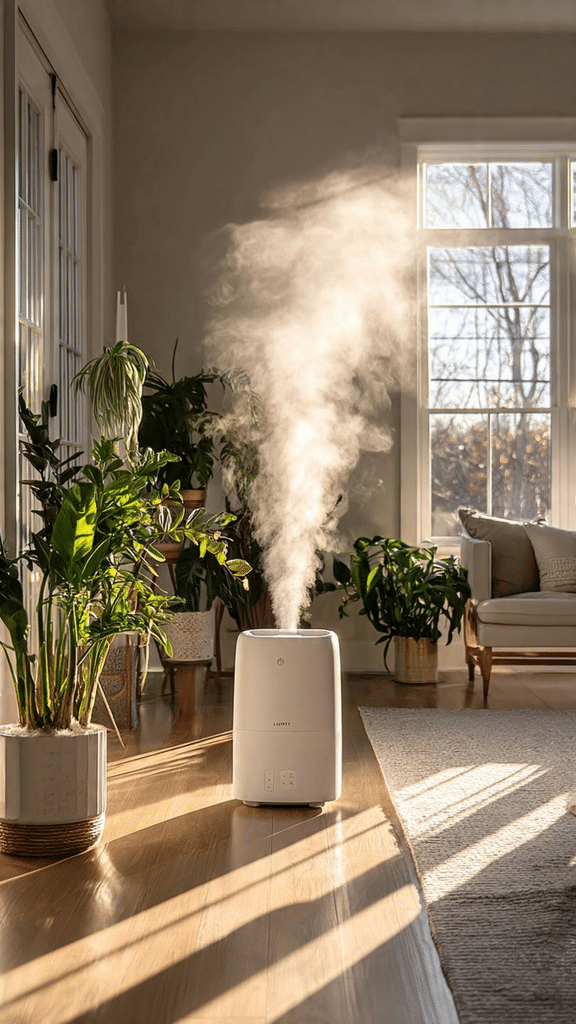
A peaceful home isn’t only about how a room looks. The sounds around you can also influence whether your environment feels restful or overwhelming.
Start by identifying the noises that disturb you most. If outdoor sounds are distracting, try closing windows during noisy periods, adding heavier curtains where suitable, or moving your relaxation corner away from busy areas. Soft furnishings can help reduce some indoor echoes, although they won’t completely soundproof a room.
You can also introduce sounds that help you unwind. Gentle instrumental music, rainfall recordings, ocean sounds, or nature audio may make a room feel more relaxing. If you prefer silence, create a quiet period each day by switching off the television and reducing unnecessary notifications.
For shared homes, communicate your need for occasional quiet time and consider establishing a regular period when everyone can enjoy a calmer environment.
Budget-friendly tip: Use free music or nature recordings at a comfortable volume, or simply turn off background television when you don’t need it.
9. Keep Digital Distractions Under Control

Your home can be beautifully decorated and still feel stressful if you’re constantly interrupted by notifications, messages, and endless scrolling. Creating a calming sanctuary also means making room for moments when you can disconnect from digital demands.
Begin by identifying areas where you want fewer distractions. You might decide to keep your phone away from the dining table, avoid scrolling while relaxing in bed, or create a phone-free period before sleep.
Consider making your bedroom a place for rest rather than work whenever possible. Charge your phone away from the bed if that works for your routine, use a traditional alarm clock if you have one, and avoid bringing unfinished work into your relaxation corner.
You don’t have to stop using technology entirely. The aim is to create more intentional boundaries so that your home supports the activities you value, whether that’s resting, spending time with family, reading, or pursuing a hobby.
Budget-friendly tip: Use your phone’s built-in focus settings, silence nonessential notifications, and designate one small area as a screen-free zone.
10. Develop a Simple Evening Wind-Down Routine
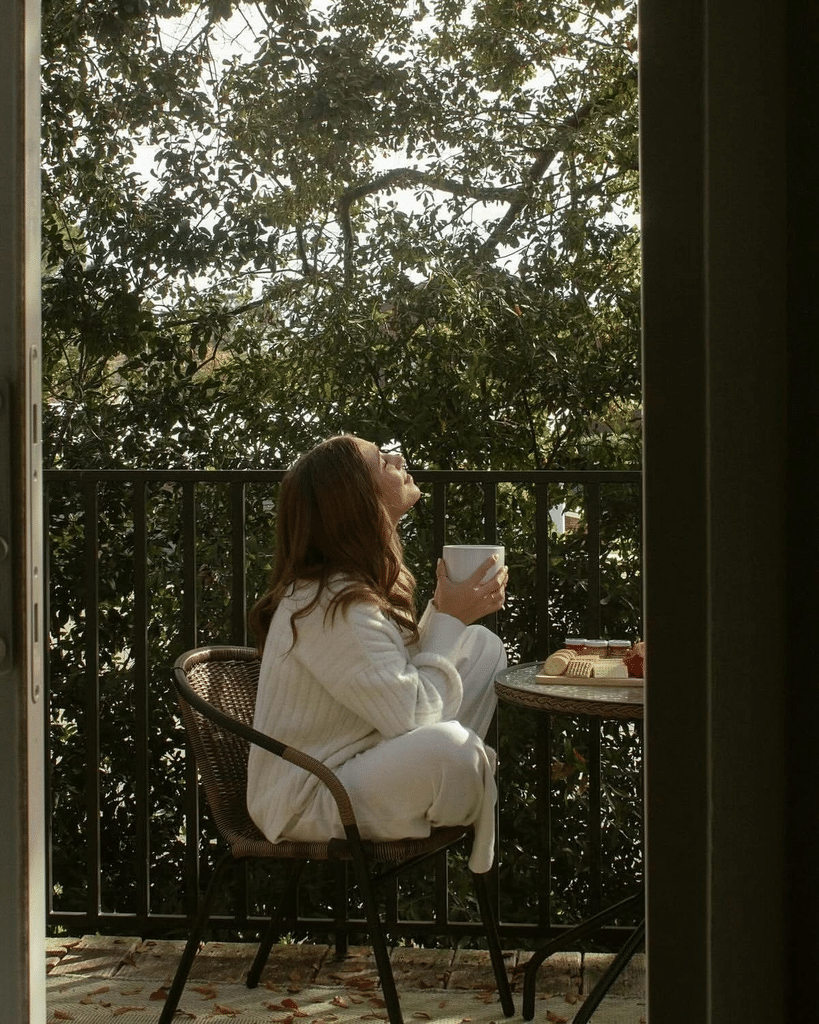
A calming home becomes even more valuable when you use it to support relaxing daily routines. An evening wind-down ritual can help you transition away from work, responsibilities, and screen time toward a quieter end to the day.
Choose a few activities that feel enjoyable rather than treating your routine as another list of tasks. You might dim the lights, prepare a cup of caffeine-free tea, take a warm shower, read a few pages of a book, write in a journal, or listen to soothing music.
Try to keep your routine flexible enough to fit busy evenings. Even 10 to 15 minutes of quieter activity can create a sense of separation between your daily responsibilities and bedtime.
You can also prepare your surroundings for the next morning by putting away clutter, setting out clothes, or making a short to-do list. This may help reduce the number of decisions waiting for you when you wake up.
Budget-friendly tip: Choose three relaxing activities you already enjoy and repeat them in roughly the same order each evening.
Tips for Creating a Calming Sanctuary on a Budget
You don’t need to buy everything at once to make your home feel more peaceful. A thoughtful approach can help you create a beautiful and relaxing environment without unnecessary spending.
- Start with one room: Focus on the bedroom or living room before changing the whole house.
- Use what you already own: Rearrange furniture, reuse decorative objects, and refresh existing textiles.
- Keep surfaces simple: Leave some open space on tables, shelves, and countertops.
- Prioritize comfort: Choose lighting, seating, and bedding that make everyday life more pleasant.
- Add personal touches: Display meaningful photographs, favorite books, handmade crafts, or sentimental objects.
- Shop slowly: Make a list of what you genuinely need instead of purchasing every item that looks appealing.
- Keep the space functional: A calming home should support your routines, not create more work.
- Maintain your sanctuary: Spend a few minutes each day restoring order so your space remains comfortable.
Summary
Creating a calming sanctuary at home is about making your surroundings feel more comfortable, peaceful, and supportive of your everyday life. By decluttering, using warm lighting, bringing in natural elements, creating a cozy corner, choosing soothing colors, refreshing your home’s scent, adding soft textiles, reducing noise, limiting digital distractions, and establishing a relaxing evening routine, you can transform the atmosphere of your home without a major renovation.
Remember that a peaceful home doesn’t need to look like a perfectly styled interior from a magazine. It should reflect your preferences, suit your lifestyle, and provide space for you to rest and recharge. Start with one or two small changes and build from there.
Your home can become a sanctuary through simple, thoughtful choices. With a little creativity and consistency, you can create a space that welcomes you at the end of a busy day and encourages you to slow down, breathe, and enjoy the present moment.
Frequently Asked Questions
1. How can I make my home feel more calming?
Start by reducing clutter, improving lighting, and creating a comfortable place to relax. Soft textiles, natural elements, gentle colors, and fewer digital distractions can also help make your home feel more peaceful.
2. How can I create a calming sanctuary on a small budget?
Begin with free changes, such as decluttering, rearranging furniture, opening curtains during the day, and creating a simple evening routine. Repurpose existing cushions, blankets, baskets, and lamps before buying new decorations.
3. Which colors are best for a relaxing home?
Soft neutrals, muted greens, gentle blues, and warm earthy shades are popular choices for peaceful interiors. However, personal preference matters most, so choose colors that make you feel comfortable and relaxed.
4. How can I make a small room feel more peaceful?
Keep surfaces relatively clear, use multifunctional furniture, introduce soft lighting, and choose a few coordinated accessories instead of many small decorations. Mirrors can also help reflect light, depending on their placement.
5. Which houseplants are good for a calming home?
Pothos, spider plants, and snake plants are popular indoor choices when their light and watering needs are met. Select plants based on your home’s conditions, and check pet safety before bringing new plants into a household with animals.
6. What scents can make a home feel more relaxing?
Lavender, chamomile, sandalwood, and soft citrus fragrances are commonly used in relaxing home environments. Keep scents subtle, ventilate appropriately, and consider allergies, sensitivities, and pet safety before using scented products.
7. How can I make my bedroom feel like a sanctuary?
Use comfortable bedding, gentle lighting, a tidy bedside table, and a simple color palette that suits your taste. Reducing work-related clutter and limiting screen time before bed can also help make your bedroom feel more restful.
8. Can lighting really change the atmosphere of a room?
Yes. Warm, softer lighting can create a cozy atmosphere, while brighter lighting is useful for tasks that require visibility. Combining natural daylight with lamps and adjustable lighting options can help you adapt a room to different activities.
9. How do I keep my home sanctuary organized?
Create simple storage systems, return items to their usual places, and spend five to ten minutes tidying each day. A short weekly reset can help you manage clutter before it becomes overwhelming.
10. How often should I refresh my calming home decor?
There is no set schedule. Make changes whenever your space stops meeting your needs or you want a seasonal refresh. Swapping cushion covers, rearranging accessories, or introducing a small plant can renew a room without requiring a complete makeover.