
Skin supplements have become increasingly popular among people who want healthier-looking, smoother, and more radiant skin. From collagen powders to vitamin capsules, these products often promise to support skin hydration, elasticity, and overall appearance. However, not every ingredient works the same way, and the benefits can vary depending on your diet, individual needs, and the quality of the available research. Before buying a skin supplement, it helps to understand what its ingredients are designed to do and whether there is reliable evidence supporting the claims.
For beginners, the best approach is to focus on ingredients, serving sizes, safety, and realistic expectations rather than attractive packaging or exaggerated promises. Some nutrients support normal skin function, especially when your diet does not provide enough of them, while other ingredients have limited or mixed evidence for noticeable cosmetic benefits. Supplements also cannot replace a balanced diet, adequate sleep, sun protection, and a consistent skincare routine. Here are ten common skin supplement ingredients worth understanding before choosing a product.
1. Collagen Peptides
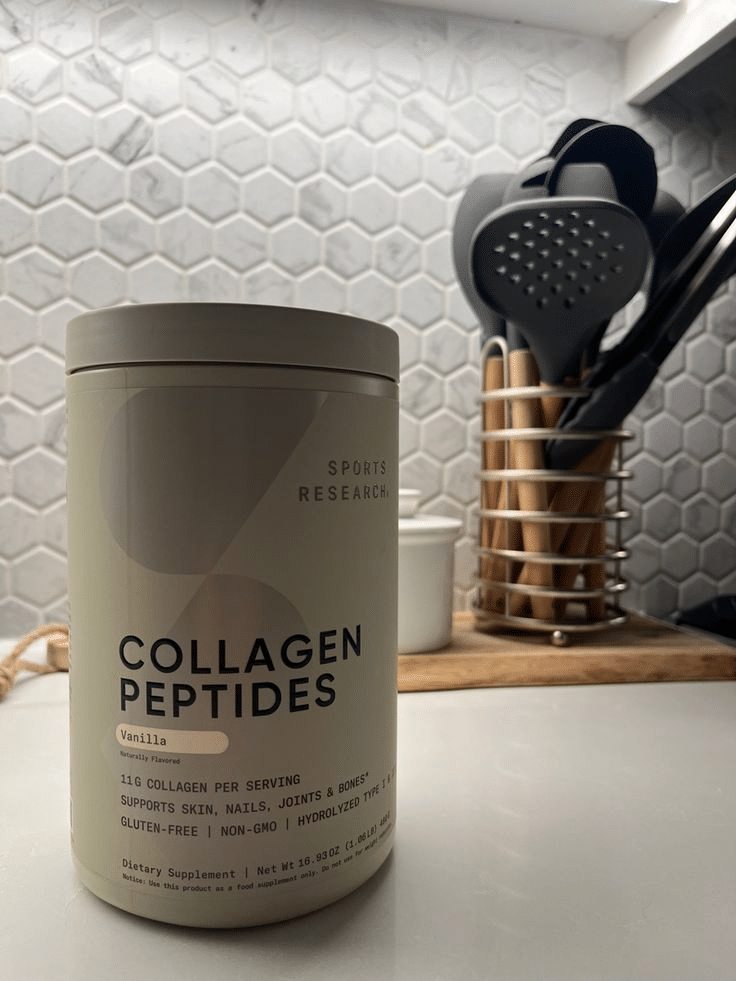
Collagen is a protein that helps provide structure and support to the skin. As people age, natural collagen production gradually declines, contributing to changes in skin firmness and elasticity. Collagen peptides are smaller protein fragments commonly used in powders, capsules, and beauty drinks. Some studies suggest that taking oral collagen may improve skin hydration and elasticity, but research findings are mixed, and results can vary between products and individuals.
Before buying a collagen supplement, check the amount provided per serving, the source of the collagen, and whether the product contains additional ingredients you may not need. Collagen can come from sources such as fish, cattle, or pigs, so check the label for dietary restrictions and potential allergens. It is also important to maintain realistic expectations. A supplement is not guaranteed to remove wrinkles or produce dramatic changes, and recent research has raised questions about whether the evidence is strong enough to support many skin-aging claims.
2. Vitamin C
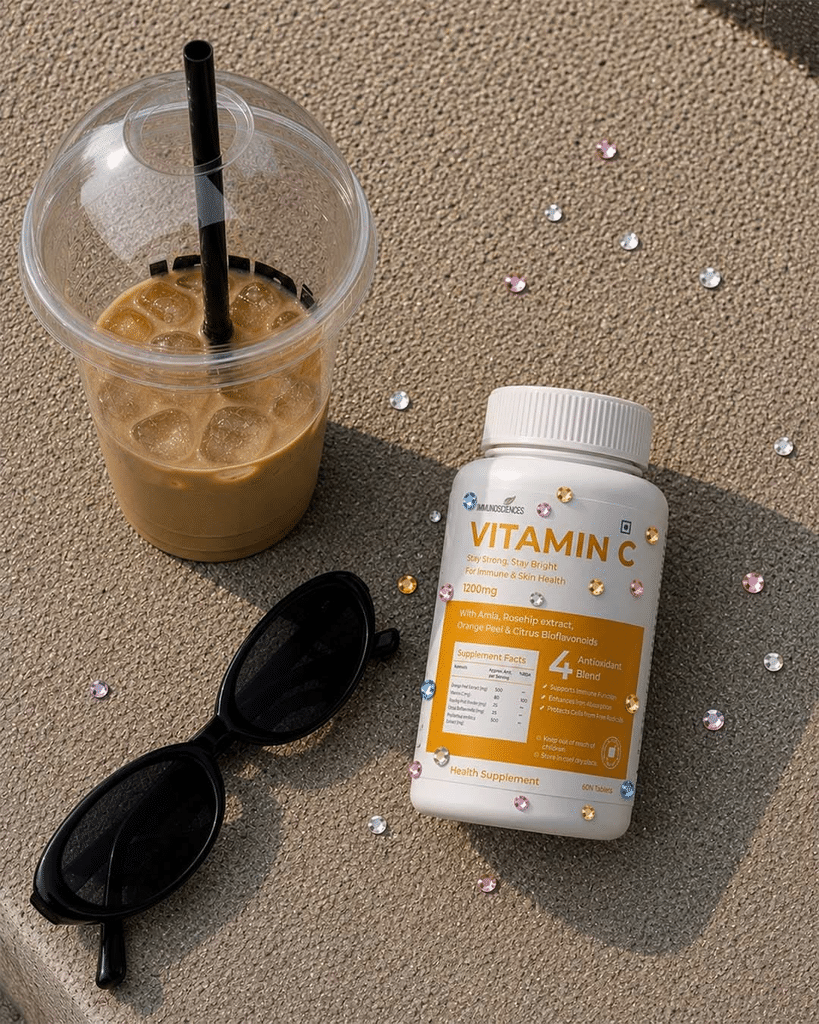
Vitamin C is an essential nutrient that supports normal collagen production and helps protect cells from oxidative damage. It also plays an important role in wound healing and overall skin health. Because the body cannot produce vitamin C on its own, it must come from foods or supplements. Citrus fruits, guava, strawberries, bell peppers, and other fruits and vegetables are useful dietary sources.
When considering a vitamin C supplement, first think about how much you already get from your diet. People who regularly eat a variety of fruits and vegetables may not need an additional supplement. Check the serving size and avoid assuming that higher doses will automatically improve your skin. Large amounts can cause digestive discomfort, including nausea and diarrhea, and may not be suitable for everyone. Vitamin C supplements can help address inadequate intake, but they are not a substitute for sunscreen or a balanced skincare routine.
3. Zinc
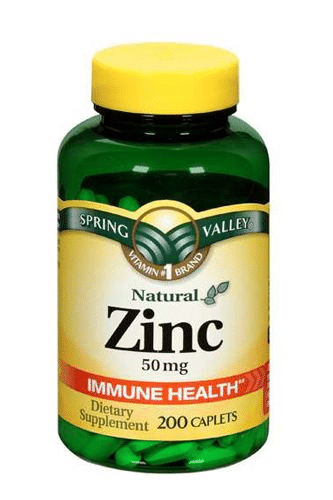
Zinc is an essential mineral involved in immune function, cell growth, protein synthesis, and wound healing. These functions help support normal skin maintenance and repair. Zinc is available in foods such as meat, seafood, dairy products, beans, nuts, and whole grains. It is also included in many multivitamins and supplements marketed for skin health.
Although zinc is necessary for healthy skin, taking extra zinc does not automatically lead to clearer or more radiant skin. Supplementation is most useful when someone has an inadequate intake or a specific need identified by a healthcare professional. Check how much elemental zinc a product provides and avoid combining several zinc-containing supplements without reviewing the total amount. Excessive intake can cause nausea and interfere with copper absorption, potentially leading to health problems over time. If you are considering zinc for persistent acne or another skin concern, professional advice can help you choose an appropriate treatment instead of relying on supplements alone.
4. Vitamin E
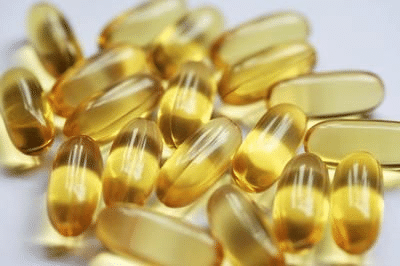
Vitamin E is a fat-soluble nutrient that helps protect cells from oxidative damage. It supports normal skin function and is found in foods such as almonds, sunflower seeds, vegetable oils, and some green vegetables. Because of its antioxidant properties, vitamin E is frequently included in supplements marketed for skin protection, moisture, and healthy aging.
However, the presence of an antioxidant does not mean that taking extra amounts will produce visible improvements in skin appearance. Evidence supporting high-dose vitamin E supplements for cosmetic skin benefits remains limited. Before buying a product, check its vitamin E content and consider whether your regular diet already provides enough. High doses can increase the risk of bleeding, particularly for people taking certain medications, including anticoagulants. If you take prescription medication or have a health condition, speak with a healthcare professional before adding a high-dose vitamin E supplement to your routine.
5. Omega-3 Fatty Acids
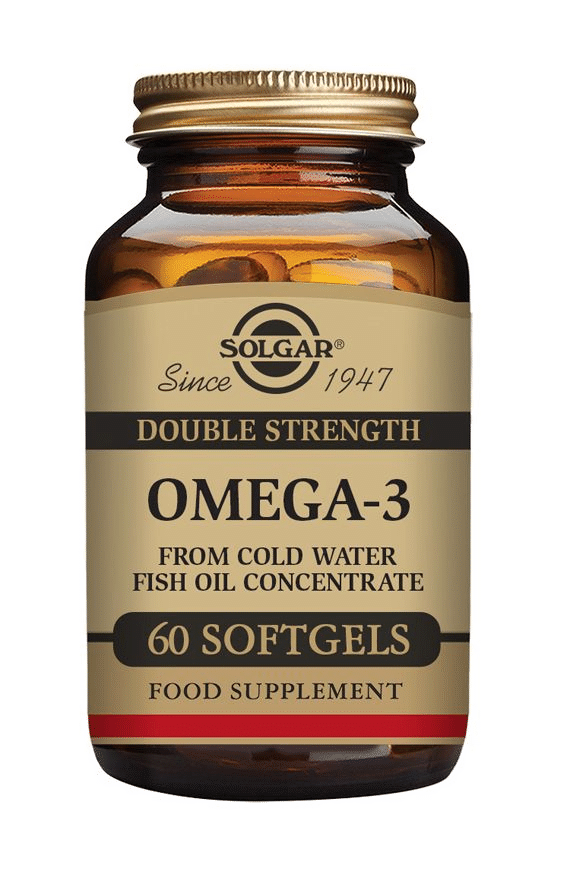
Omega-3 fatty acids are healthy fats found in foods such as salmon, sardines, mackerel, walnuts, chia seeds, and flaxseeds. They play important roles in normal cell function and are often included in supplements intended to support general health. Fish oil products commonly provide EPA and DHA, while certain plant-based products provide ALA, a different type of omega-3 fatty acid.
Omega-3 supplements are sometimes promoted for dry skin, inflammation, and skin comfort, but evidence for specific cosmetic benefits is not conclusive. Their usefulness depends on factors such as your existing diet, overall health, and the reason you are taking them. When comparing products, check the actual amounts of EPA and DHA rather than relying only on the total fish oil amount listed on the front of the package. People with fish allergies should review the source carefully, and anyone taking blood-thinning medication should consult a healthcare professional before using high-dose omega-3 supplements.
6. Hyaluronic Acid
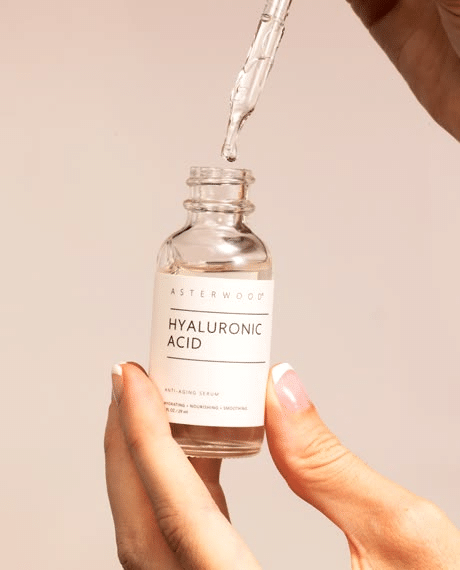
Hyaluronic acid is a substance naturally present in the body that helps retain moisture. It is widely used in skincare products because it can attract and hold water, making the skin appear temporarily plumper and more hydrated. Some supplements contain oral hyaluronic acid and are marketed to support skin moisture, smoothness, and elasticity.
Research into oral hyaluronic acid is still developing, and results from individual studies do not guarantee that every supplement will produce noticeable benefits. If you are interested in trying it, look for a clearly stated amount per serving and review the full ingredient list. Avoid paying extra simply because a product uses terms such as “advanced hydration” or “deep moisture support.” Topical hyaluronic acid may be a more direct option for people seeking additional skin hydration, while regular moisturizer use can also help support the skin barrier. Your choice should depend on your needs, budget, and tolerance for trying products with varying levels of evidence.
7. Biotin (Vitamin B7)
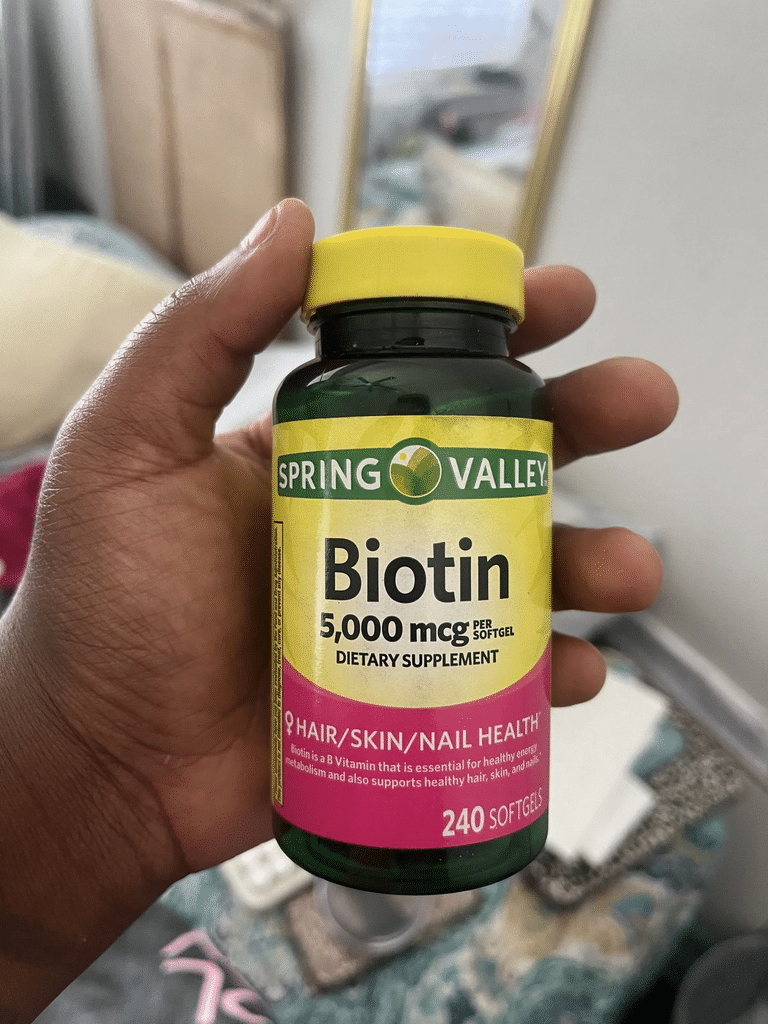
Biotin, also known as vitamin B7, is a B vitamin involved in the body’s metabolism of fats, carbohydrates, and proteins. It is often marketed in beauty supplements for hair, skin, and nail health. Biotin deficiency can cause skin symptoms, but a deficiency is uncommon among healthy people who eat a varied diet. This means that taking additional biotin may not improve skin appearance when your body already receives enough.
One important consideration is that high-dose biotin can interfere with certain laboratory tests, including some tests used to assess thyroid function and heart-related conditions. This interference can lead to misleading results, so tell your healthcare professional and laboratory staff if you use a biotin supplement. Before purchasing a beauty product containing biotin, check the dose rather than assuming that a very high amount is more effective. If you have persistent skin problems, identifying the underlying cause is generally more useful than automatically adding another beauty supplement.
8. Vitamin D
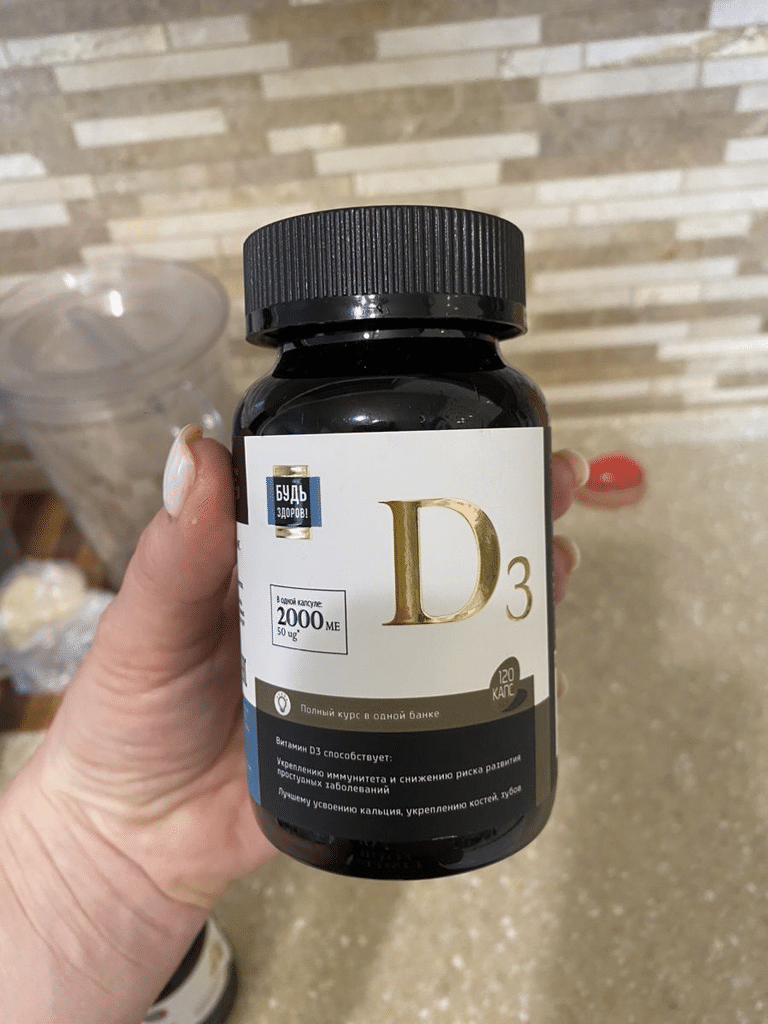
Vitamin D supports several important body functions, including calcium absorption, bone health, and normal immune function. The skin can produce vitamin D when exposed to sunlight, and the nutrient is also available from certain foods and fortified products. Some people may have difficulty maintaining adequate vitamin D levels because of limited sun exposure, dietary factors, or other individual circumstances.
Although vitamin D is important for overall health, taking extra amounts is not a guaranteed way to improve skin texture, brightness, or firmness. Supplementation may be appropriate when intake is inadequate or a healthcare professional identifies a deficiency. Before choosing a product, consider your dietary intake, existing supplements, and any medical advice you have received. Vitamin D is fat-soluble, so excessive intake can cause harmful calcium buildup and other complications. Avoid taking high doses without appropriate guidance, especially if you already use a multivitamin or another product containing vitamin D.
9. Ceramides
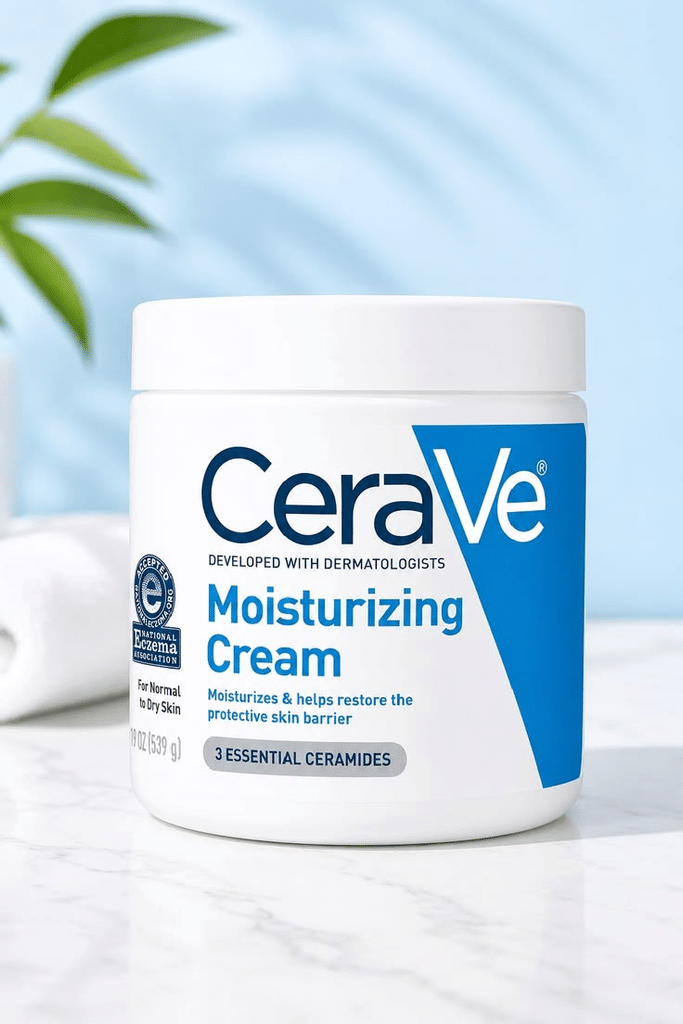
Ceramides are lipids that naturally occur in the skin barrier. They help the skin retain moisture and protect it from external irritants. They are widely used in moisturizers and other topical skincare products, and some oral supplements contain ceramides derived from plant sources, such as rice or wheat. These supplements are often marketed to support skin hydration and barrier function.
Early research suggests that certain oral ceramide products may help improve skin moisture, but the evidence is still limited and results may depend on the specific ingredient and formulation. When shopping, look for the exact ceramide source and amount instead of relying on general claims about skin repair. People with allergies or dietary restrictions should check the source carefully, as some ingredients may be derived from grains or other allergenic materials. If your main concern is dry or irritated skin, a well-formulated moisturizer may be a more practical starting point. Oral ceramides should be viewed as an optional product rather than an essential part of every skincare routine.
10. Astaxanthin
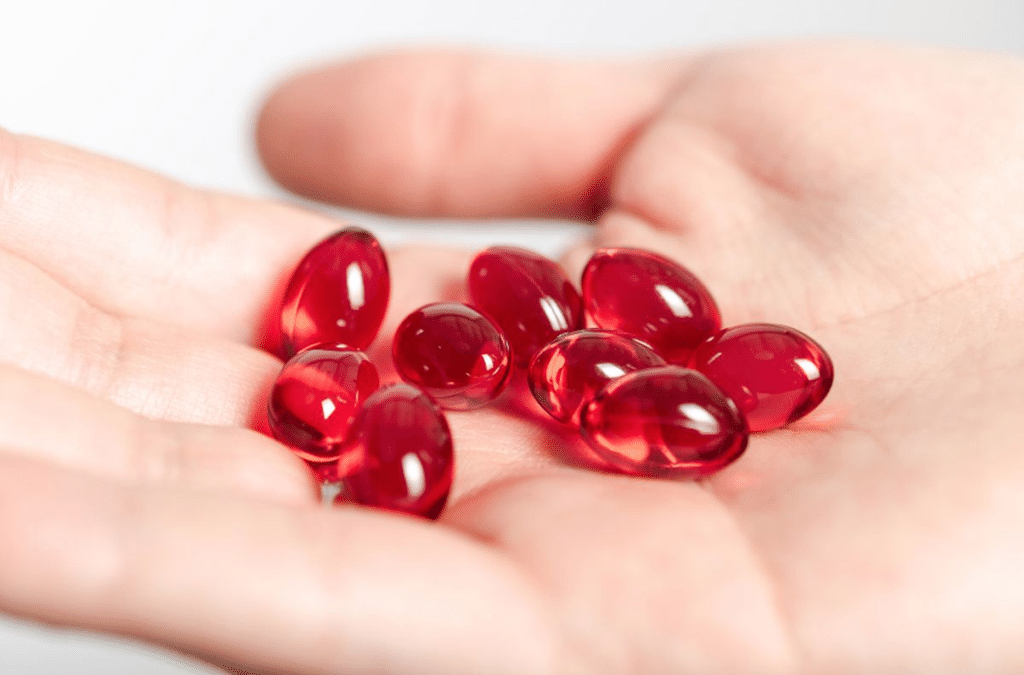
Astaxanthin is a reddish antioxidant pigment found in certain microorganisms and seafood, including salmon and shrimp. It is available as a dietary supplement and is often marketed for skin hydration, elasticity, and protection against visible signs of aging. Its antioxidant activity has attracted research interest, but studies examining its effects on human skin remain limited, and more evidence is needed to establish how consistently it works.
If you are considering astaxanthin, look for a product that clearly identifies the ingredient and its amount per serving. Review the complete formula, particularly if the supplement combines astaxanthin with several other antioxidants or vitamins. Be cautious of claims suggesting that it can replace sunscreen or prevent all skin damage. Antioxidant supplements do not provide the same reliable, direct protection as appropriate sun-protective measures. If you take medication or have an existing medical condition, ask a healthcare professional whether the product is suitable for you before adding it to your routine.
Summary
Choosing a skin supplement begins with understanding what its ingredients can realistically offer. Collagen peptides, vitamin C, zinc, omega-3 fatty acids, and other ingredients may support particular aspects of health, but the evidence for visible cosmetic improvements varies. Some supplements are most useful when they address a nutritional deficiency, while others have promising but limited research. Read labels carefully, compare serving sizes, check for allergens, and avoid products that promise instant results. A balanced diet, consistent skincare, adequate sleep, and sun protection remain important foundations for maintaining healthy-looking skin.
Frequently Asked Questions
1. What is the best skin supplement ingredient for beginners?
There is no single best ingredient for everyone. The right choice depends on your diet, nutritional needs, health history, and skin concerns. Vitamin C and zinc are essential nutrients, while collagen and hyaluronic acid are popular options with varying levels of evidence for cosmetic benefits. Start by identifying a specific need rather than buying a supplement simply because it is trending.
2. How long does it take for skin supplements to work?
There is no universal timeline. Results depend on the ingredient, dosage, individual circumstances, and whether a nutritional deficiency is present. Some studies assess changes over several weeks or months, but that does not guarantee a noticeable result for every person. Be cautious of products promising overnight improvements or dramatic transformations within a few days.
3. Can I take several skin supplements together?
Combining supplements can increase the risk of excessive nutrient intake, ingredient duplication, and medication interactions. For example, a beauty formula may already contain zinc, vitamin D, or vitamin E, making it easy to exceed appropriate amounts when another product is added. Review all labels and consult a healthcare professional or pharmacist if you are unsure about combining products.
4. Are expensive skin supplements better than affordable ones?
Not necessarily. A higher price does not automatically mean better quality or stronger evidence. Compare ingredient amounts, product transparency, manufacturing standards, allergen information, and independent quality testing where available. Be skeptical of expensive formulas that rely on vague claims or proprietary blends without clearly stating the quantities of important ingredients.
5. What should I check before buying a skin supplement?
Check the full ingredient list, serving size, nutrient amounts, allergens, expiry date, and manufacturer information. Look for credible quality testing where available, and avoid products that promise guaranteed results or claim to cure skin conditions. If you are pregnant, breastfeeding, taking medication, or managing a medical condition, seek professional advice before starting a new supplement.
SEO Description: Discover 10 skin supplement ingredients beginners should know before buying, including collagen, vitamin C, zinc, biotin, and omega-3s. Learn their potential benefits, limitations, and safety tips for making informed beauty supplement choices.