
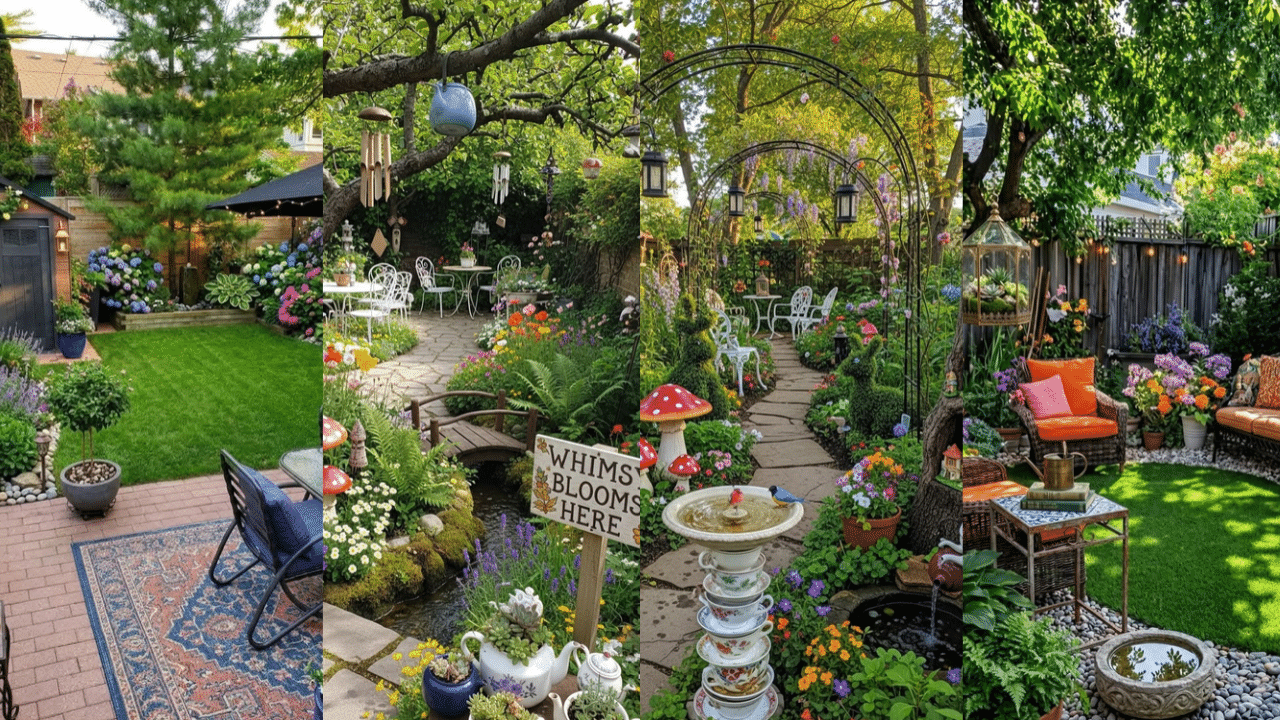
A small garden can be just as beautiful and inviting as a large backyard. In fact, limited space can encourage you to get more creative with containers, vertical planting, compact furniture, and decorative details. Whether you have a tiny backyard, apartment balcony, narrow patio, small courtyard, or even just a sunny corner, there are plenty of adorable small garden ideas that can transform an unused area into a charming outdoor retreat.
The key to designing a small garden is to make every inch count without making the space feel crowded. Instead of trying to fit too many plants or decorations into one area, choose a few elements that work together. Vertical gardens can add greenery without taking up valuable floor space, while hanging planters and tiered shelves can turn empty walls and corners into beautiful growing areas. Adding small seating, pathways, decorative pots, or warm lighting can also make a compact garden feel much more finished.
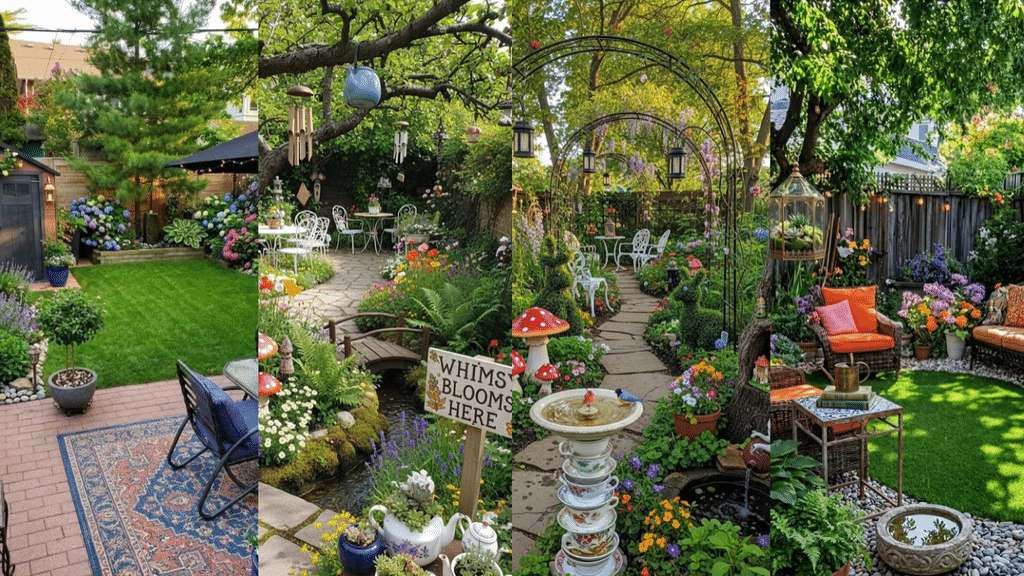
1. Create a Tiny Cottage Garden
A miniature cottage garden can bring plenty of charm to even the smallest outdoor space. Focus on mixing plants with different heights, textures, and flower shapes rather than planting everything in neat rows.
Choose compact flowering plants, herbs, small shrubs, and trailing varieties to create a relaxed, slightly wild appearance. Vintage-style pots, a small watering can, decorative stones, or a tiny garden sign can add to the cottage-inspired look.
If you have very little ground space, use containers instead of planting directly into the soil. Group several pots together at different heights to create the feeling of a layered garden.
The beauty of a small cottage garden is that it doesn’t need to look perfectly organized. A little variety and natural growth can make the space feel cozy and whimsical.
Best for: Tiny backyards, patios, and courtyards.
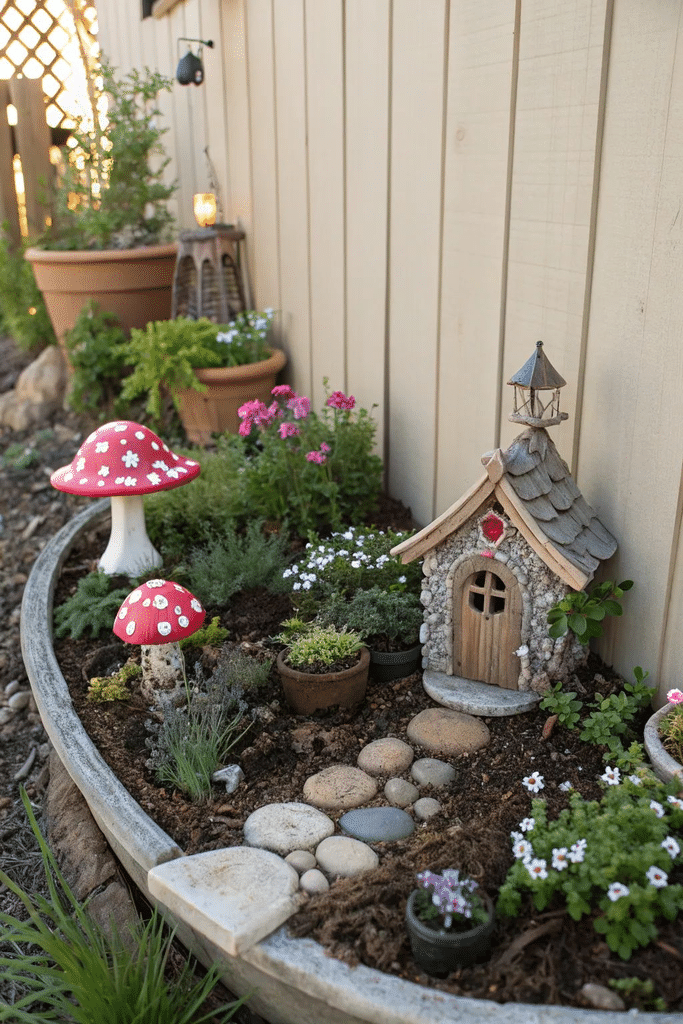
2. Use a Vertical Plant Wall
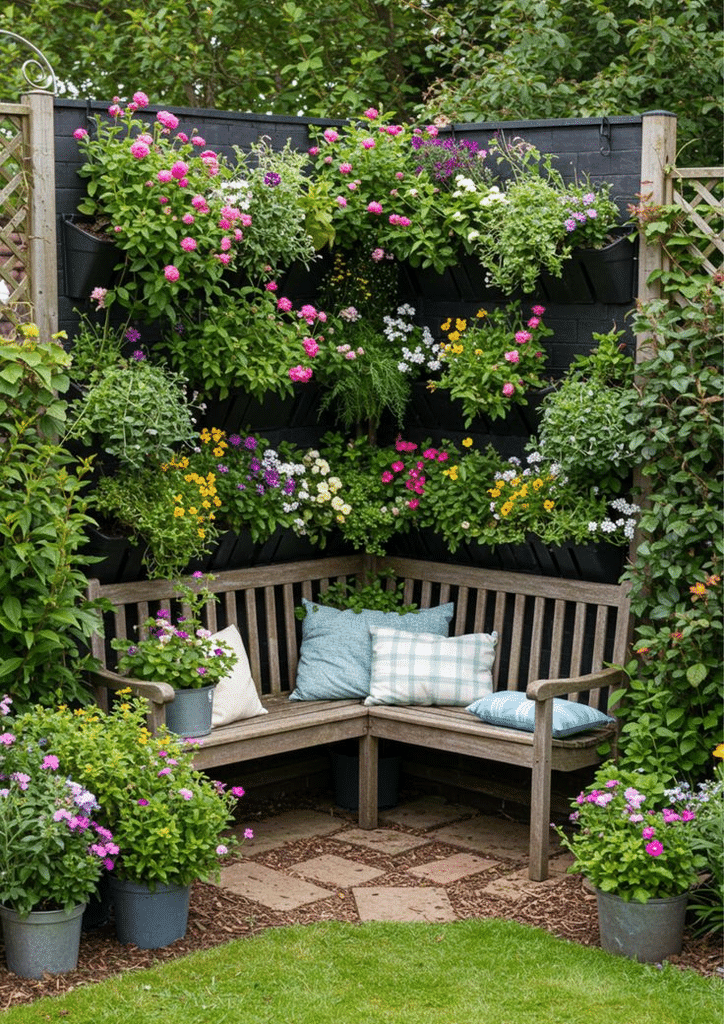
When floor space is limited, look upward. A vertical garden can transform a blank wall or fence into a lush green feature without taking up much room.
Use wall-mounted planters, hanging pots, pocket planters, or a simple trellis to grow herbs, flowers, leafy plants, or compact vegetables. Arrange plants at different heights to create a layered effect.
For a more decorative look, use matching pots or choose several containers in complementary colors. If you prefer a rustic appearance, wooden crates or reclaimed materials can work beautifully.
A vertical plant wall is also a great way to make a small garden feel larger because it draws the eye upward instead of keeping everything at ground level.
Best for: Balconies, patios, and narrow gardens.
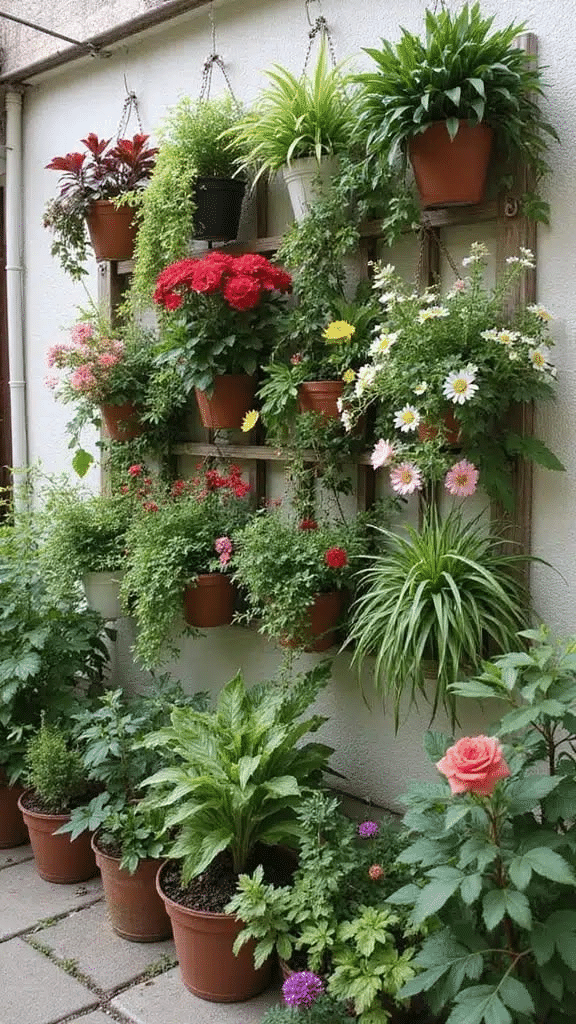
3. Add a Tiny Garden Path
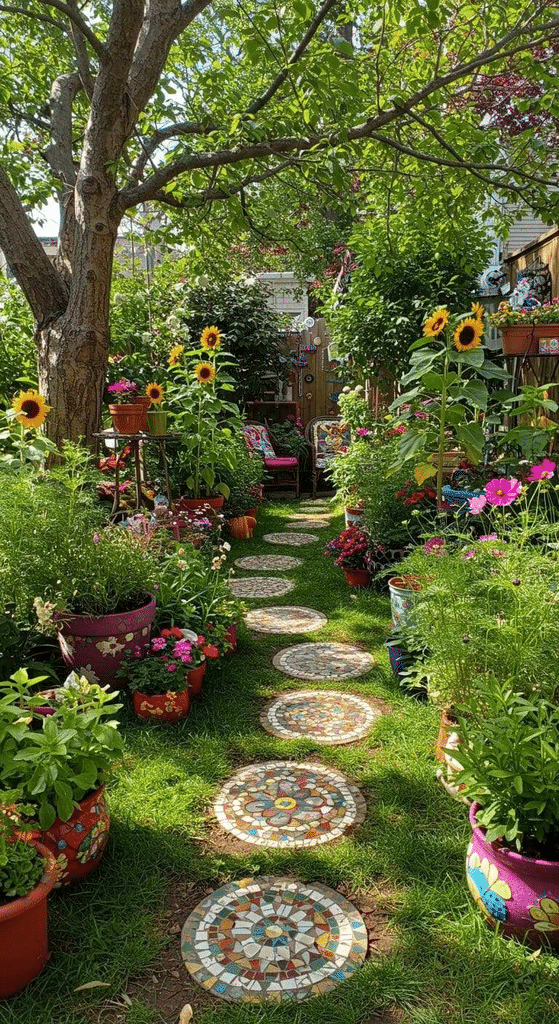
Even a very small garden can benefit from a miniature pathway. You don’t need a long walkway. A short curved path leading toward a plant corner, seating area, or garden gate can create the impression of a larger space.
Small stepping stones, bricks, gravel, or flat pieces of natural stone can all work. Leave small spaces between stones and add low-growing plants around the edges for a softer appearance.
A curved path can make a compact garden feel more interesting than a completely straight layout. If space is extremely limited, even three or four stepping stones can create a visual pathway.
Keep the pathway narrow so it doesn’t take over the garden.
Best for: Small backyards and courtyard gardens.
4. Turn a Corner Into a Plant Nook
Unused corners are perfect for creating a tiny garden retreat. Instead of spreading plants evenly throughout the entire space, gather them into one attractive corner.
Place a few potted plants on a small tiered stand, add a hanging planter above them, and place one taller plant toward the back. This creates different levels without requiring much floor space.
A small stool, garden lantern, or decorative pot can complete the nook. If the corner receives limited sunlight, choose plants that tolerate the available light rather than trying to force sun-loving varieties into the space.
This approach keeps the rest of the garden open while giving you one lush, eye-catching focal point.
Best for: Tiny patios, balconies, and apartment gardens.
5. Grow Herbs in Cute Containers
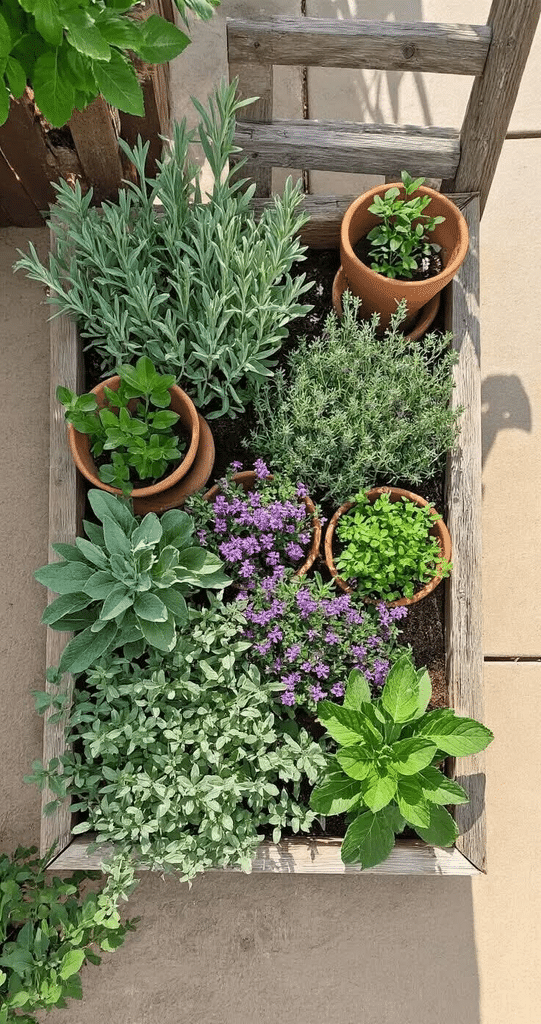
You don’t need a large vegetable garden to grow useful plants. A collection of small containers can become a charming herb garden for your kitchen.
Try growing basil, mint, rosemary, parsley, thyme, chives, or other herbs suited to your growing conditions. Place the containers on a windowsill, small shelf, balcony railing, or tiered plant stand.
Use matching ceramic pots for a clean appearance or mix different containers for a more relaxed look. Small handwritten labels can make the garden even more adorable.
Besides looking attractive, a container herb garden gives you fresh ingredients within easy reach.
Best for: Kitchens, balconies, patios, and sunny windows.
6. Make a Mini Fairy Garden
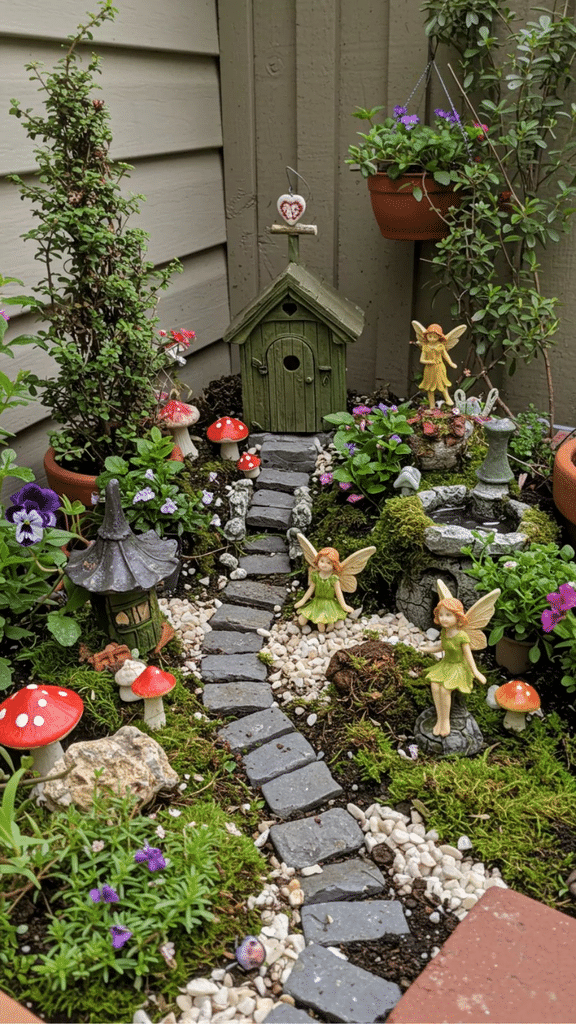
A fairy garden can turn a small container or garden corner into a whimsical little world. Use a shallow planter, wooden box, or dedicated garden area as the foundation.
Add miniature plants, tiny pathways, small stones, miniature houses, little bridges, or other weather-appropriate decorations. Keep the scale consistent so the finished display feels intentional.
You don’t need a huge collection of decorations. A few carefully selected pieces can be much more effective in a small space.
This is also a fun project if you enjoy DIY gardening because you can make miniature signs, benches, pathways, and other details yourself.
Best for: Families, balconies, patios, and creative gardeners.
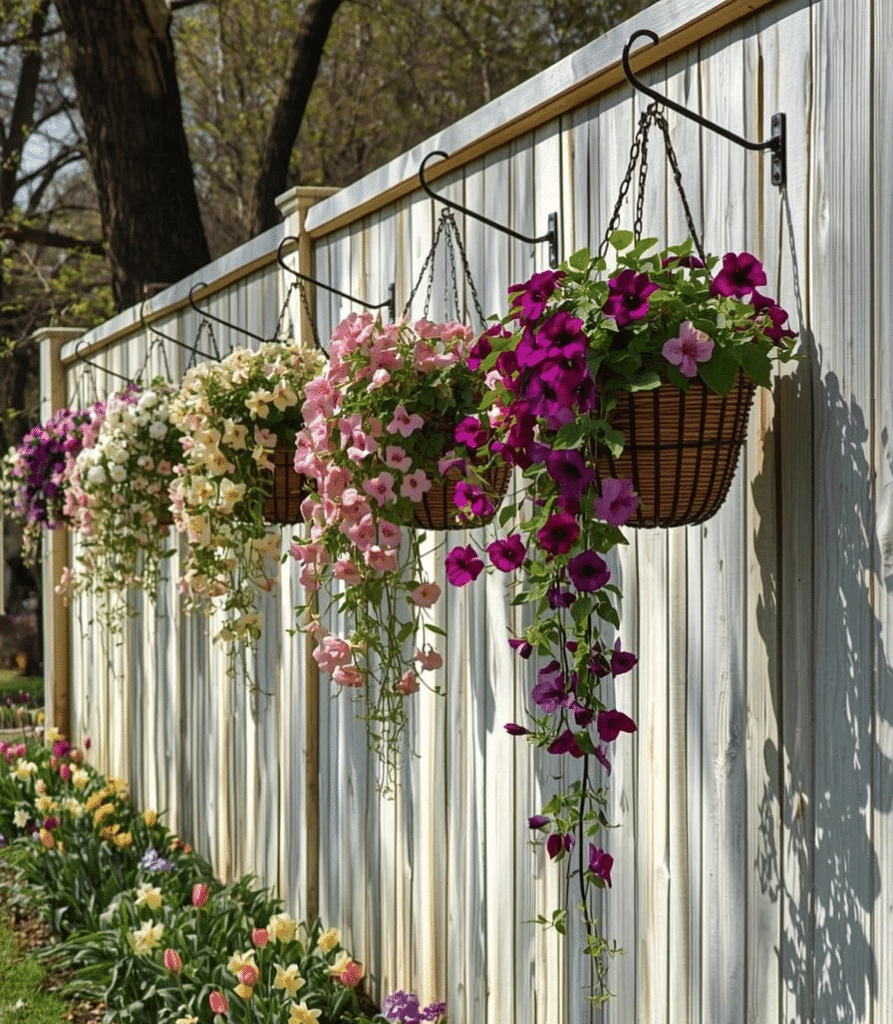
7. Hang Plants From a Fence
A fence can become valuable gardening space when you use it for hanging planters. Attach several small pots at different heights or install a simple rail system for hanging baskets.
Trailing plants can be especially attractive because their foliage can spill downward and soften the hard surface of the fence.
Choose lightweight containers and make sure they are securely attached. You should also consider how much sunlight the fence receives before selecting plants.
Hanging plants are particularly useful when you want plenty of greenery without sacrificing walking or seating space below.
Best for: Small backyards, patios, and balcony fences.
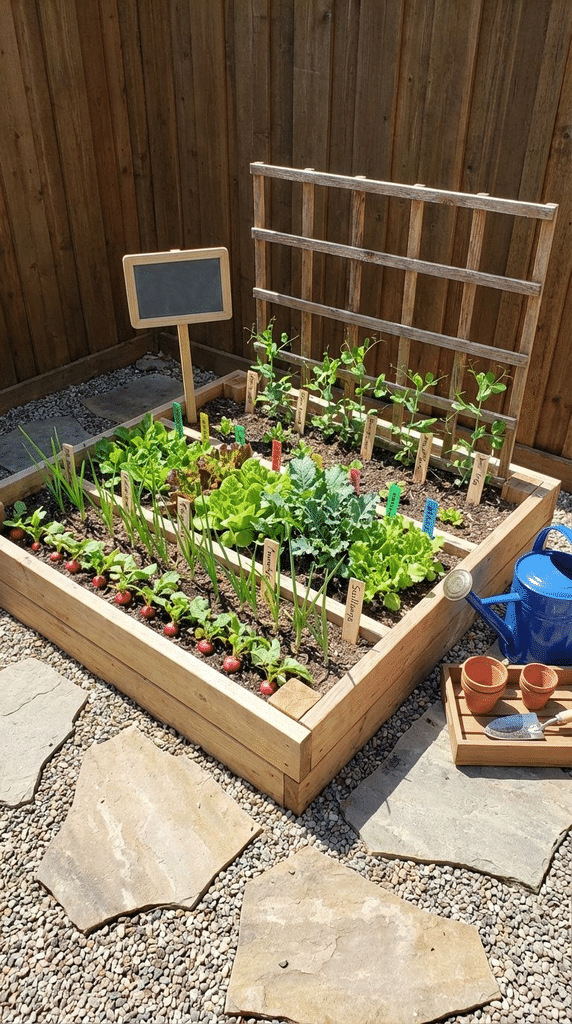
8. Create a Tiny Raised Garden Bed
A compact raised bed can make a small garden feel organized while giving you a dedicated area for plants. You don’t need a large rectangular bed. A narrow raised planter can fit against a wall, fence, or edge of a patio.
Grow herbs, flowers, salad greens, or compact vegetables depending on your available sunlight and climate.
Wooden raised beds can provide a warm, natural appearance, while painted or modern planters can create a cleaner contemporary style.
Keep the bed narrow enough that you can easily reach all the plants without stepping into it.
Best for: Small yards and edible gardens.
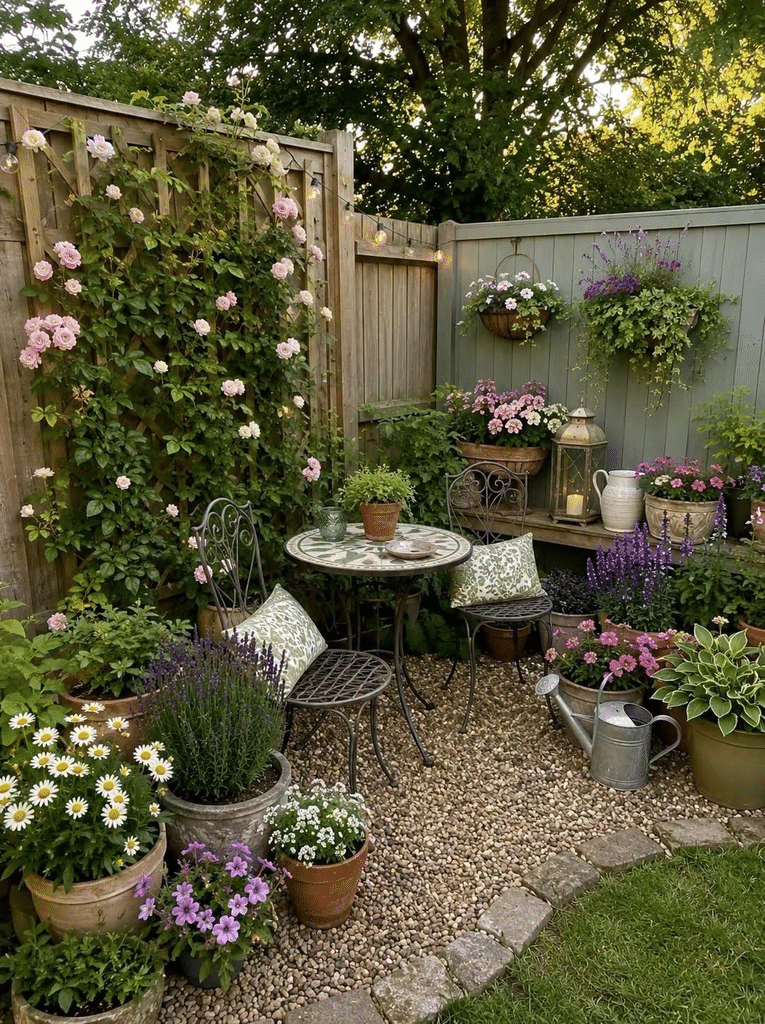
9. Add a Tiny Seating Spot
Even the smallest garden can benefit from somewhere to sit. Instead of trying to fit a large outdoor furniture set, choose one compact chair, a small bench, or a simple bistro-style table.
Surround the seating area with a few potted plants to make it feel connected to the garden. A small outdoor cushion or throw can add comfort and personality.
Position the chair where you can enjoy the plants, morning sunlight, shade, or a pleasant view.
The goal isn’t to create a large entertaining area. A single comfortable seat can turn a small garden into a personal place to read, drink coffee, or relax.
Best for: Patios, balconies, and courtyard gardens.
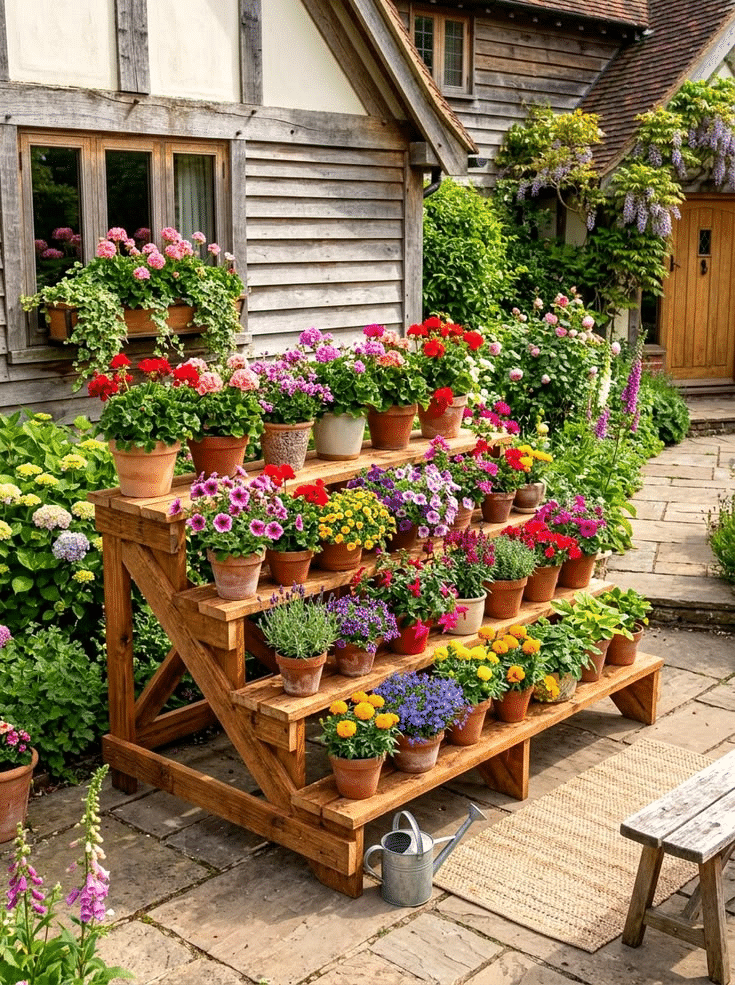
10. Use Tiered Plant Stands
Tiered plant stands are one of the easiest ways to maximize a small garden. Instead of spreading pots across the floor, arrange them vertically on two, three, or more levels.
Place taller plants toward the back and smaller or trailing plants toward the front. This makes each plant visible while keeping the footprint relatively small.
Wooden ladder-style stands can give a garden a rustic feel, while metal stands can create a more modern appearance.
You can also use a tiered stand for herbs, flowers, succulents, or a mixture of houseplants that can tolerate your outdoor conditions.
Best for: Small patios, balconies, and apartment gardens.
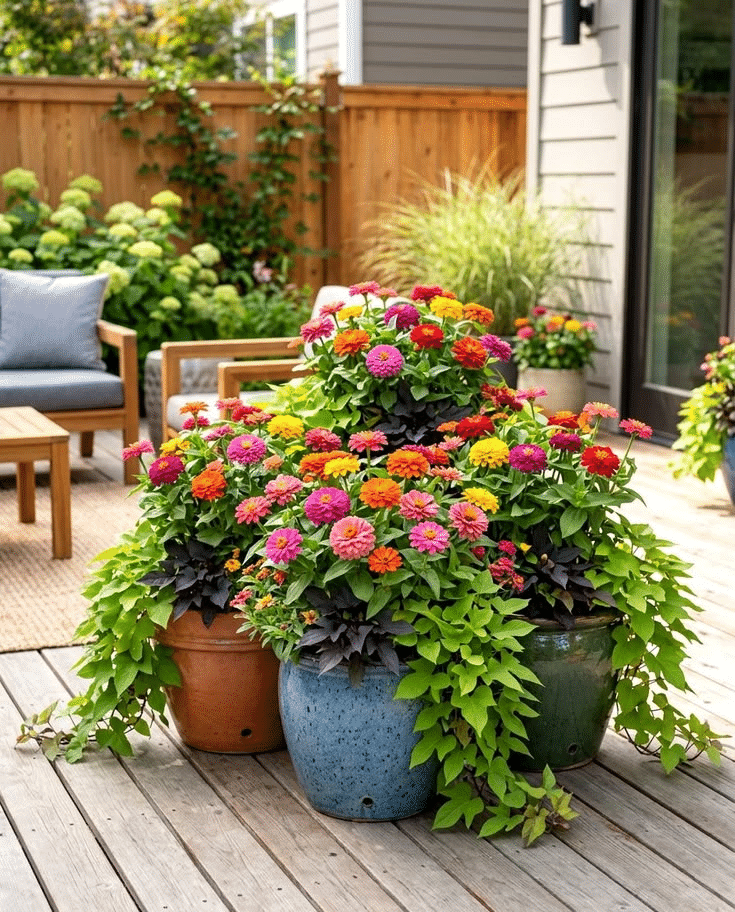
11. Create a Colorful Container Garden
A collection of colorful containers can instantly make a tiny garden feel cheerful. Choose several pots in different sizes and arrange them together rather than scattering them around the space.
You can use colorful ceramic pots, painted terracotta, patterned containers, or simple neutral pots with brightly colored flowers.
To keep the display cohesive, repeat one or two colors throughout the arrangement. For example, blue and white pots can create a fresh look, while warm terracotta and cream can create a more rustic feel.
Container gardening also makes it easier to change your garden’s appearance throughout the year.
Best for: Patios, balconies, and small courtyards.
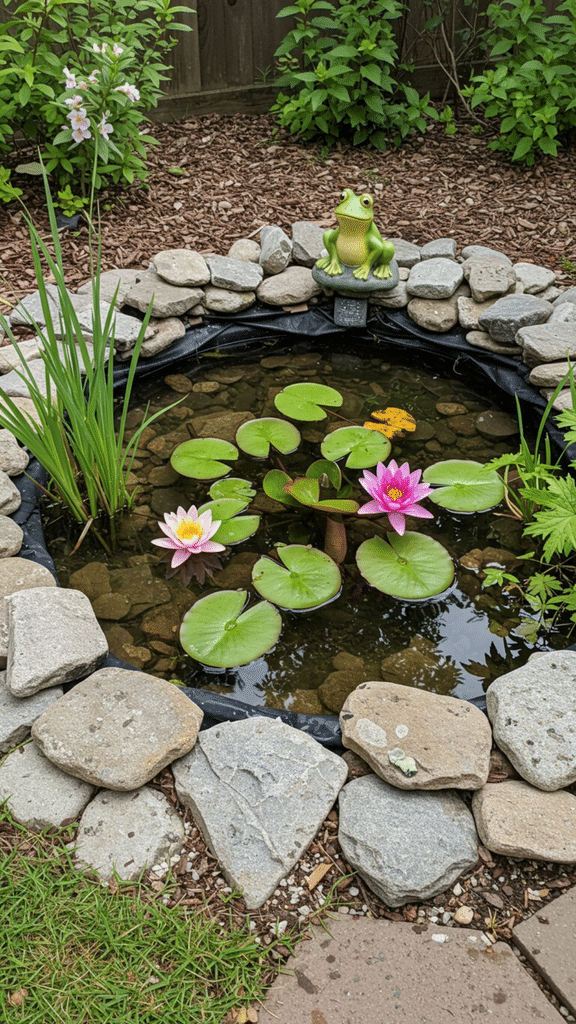
12. Add a Small Water Feature
A tiny water feature can bring a peaceful atmosphere to a compact garden without requiring a large pond. Look for small tabletop fountains, bowl-style water features, or compact recirculating fountains.
Place the feature near a seating area where you can enjoy the gentle sound of moving water.
Surround it with a few suitable plants or decorative stones to make it feel integrated into the garden rather than simply placed there.
Always choose a water feature appropriate for the available space and maintain it regularly so the water remains clean.
Best for: Courtyards, patios, and peaceful garden corners.
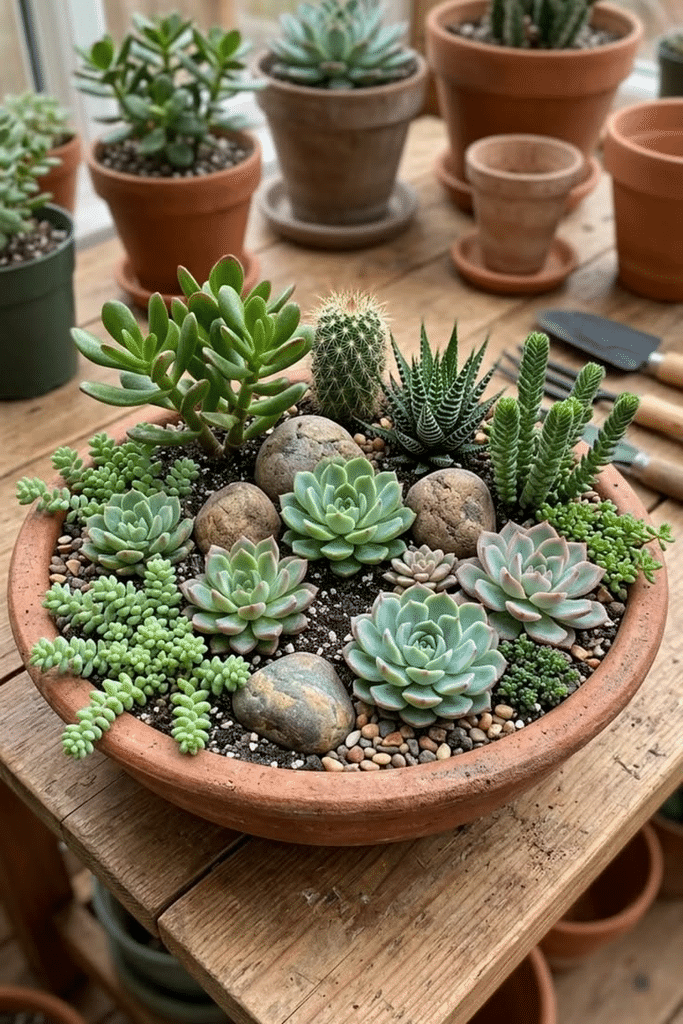
13. Make a Small Succulent Garden
Succulents are ideal for creating a compact garden display because many varieties stay relatively small and come in interesting shapes, colors, and textures.
Arrange several varieties in a shallow planter, decorative bowl, or collection of small pots. Combine upright varieties with rounded and trailing types to create visual contrast.
Use a well-draining growing medium and choose a location that provides the amount of light your selected succulents need.
A miniature succulent garden can look especially attractive on a small patio table, balcony shelf, or outdoor plant stand.
Best for: Sunny balconies, patios, and low-maintenance gardens.
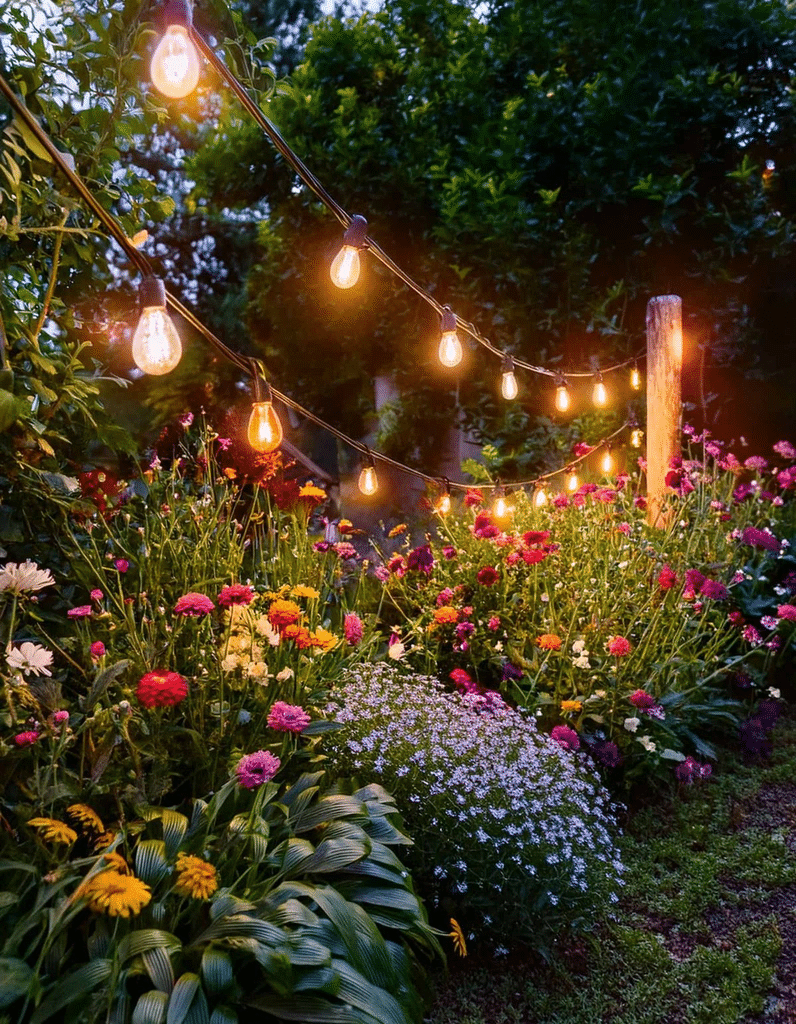
14. Add Warm Garden Lighting
Small gardens can become even more charming after sunset with simple outdoor lighting. String lights, solar lanterns, small pathway lights, or LED garden lights can create a warm atmosphere without taking up much physical space.
Wrap string lights around a railing, drape them across a small seating area, or place solar lights along a tiny pathway.
Avoid using too many different lighting styles in a compact space. A simple, consistent lighting scheme usually looks more polished.
With the right lighting, even a tiny garden can become a cozy evening retreat.
Best for: Patios, balconies, courtyards, and entertaining spaces.
Tips for Designing a Small Garden
- Use vertical space: Walls, fences, railings, and trellises can provide extra room for plants.
- Choose compact plants: Look for dwarf, miniature, or naturally small varieties.
- Create different heights: Plant stands, hanging baskets, and raised containers add depth.
- Avoid overcrowding: Leave some open space so the garden doesn’t feel cramped.
- Choose a focal point: A beautiful planter, small fountain, seating area, or flowering plant can anchor the design.
- Match plants to sunlight: Observe how much direct and indirect light your space receives before choosing plants.
- Use multipurpose furniture: A small bench with storage can provide both seating and practical space.
- Repeat colors: Repeating a few colors can make a small garden look more coordinated.
- Keep pathways simple: Small stepping stones can define movement without using too much space.
- Think about maintenance: Choose plants and features that fit the amount of gardening time you realistically have.
Summary
Small gardens don’t need a lot of space to feel beautiful. With thoughtful planning, even a tiny balcony, patio, courtyard, or backyard can become a charming green retreat. Vertical plant walls, tiered stands, container gardens, miniature fairy gardens, herb planters, and compact seating areas are all practical ways to make the most of limited space.
The most successful small garden ideas balance greenery with open space. Choose a few plants you love, add different heights and textures, and finish the area with one or two decorative details. Whether you want a cozy cottage garden, a productive herb corner, or a peaceful place to sit, a small outdoor space can become one of the most inviting areas of your home.
Frequently Asked Questions
1. How can I make a small garden look bigger?
Use vertical planting, keep pathways simple, avoid overcrowding, and create different levels with plant stands and hanging containers. Leaving some open space can also make the garden feel larger.
2. What plants are best for a small garden?
Compact herbs, succulents, flowering plants, dwarf shrubs, and trailing plants can work well. The best choices depend on your available sunlight and local growing conditions.
3. How do I garden when I have very little space?
Container gardening and vertical gardening are two of the easiest solutions. Use walls, fences, shelves, hanging baskets, and tiered stands to increase your growing space.
4. Can I create a small garden without a backyard?
Yes. Balconies, patios, rooftops, windowsills, and small courtyards can all be used for container gardening.
5. How many plants should I put in a small garden?
There is no specific number. Start with a few plants and arrange them so there is still enough open space to move around and appreciate each plant.
6. Are raised beds good for small gardens?
Yes. A narrow raised bed can create an organized growing area without requiring a large yard. It can be especially useful for herbs, flowers, and compact vegetables.
7. How can I decorate a tiny garden?
Try small lanterns, decorative pots, stepping stones, garden signs, a compact water feature, string lights, or a small seating area. Choose only a few decorative elements to avoid clutter.
8. What is the easiest small garden idea for beginners?
A container garden is one of the simplest options. Start with a few plants that suit your sunlight conditions and use pots with good drainage.
9. How can I make a small garden feel cozy?
Add a comfortable chair or small bench, surround it with plants, and use warm lighting. Soft textures and coordinated containers can also make the space feel more inviting.
10. Can I grow vegetables in a small garden?
Absolutely. Herbs, salad greens, compact tomatoes, peppers, radishes, and other space-friendly crops can be grown in containers or small raised beds when their growing requirements are met.