
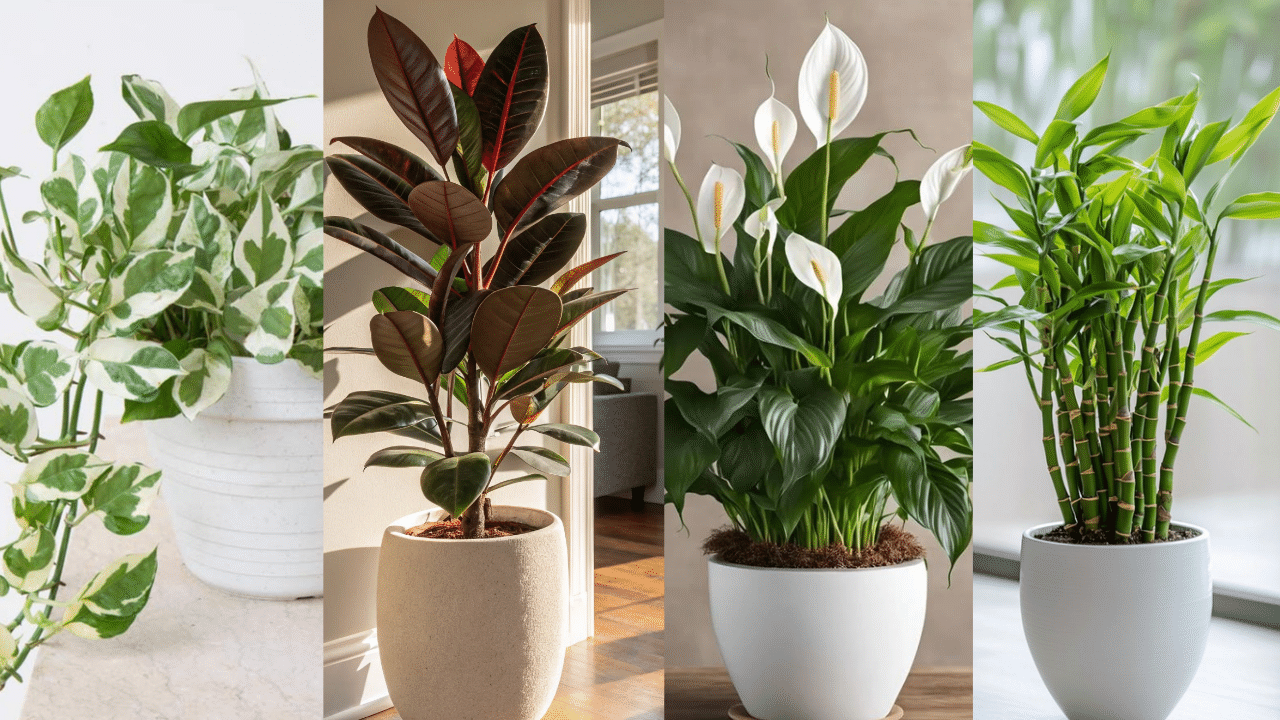
Looking for an easy way to make your home feel fresher and more inviting? Adding houseplants is a simple place to start. Beyond their decorative appeal, indoor plants can contribute to a more pleasant indoor environment by adding greenery, supporting humidity, and making rooms feel more comfortable. Some plants are also commonly associated with improving indoor air quality, although their real-world impact in a typical home is much more modest than popular “air-purifying plant” claims suggest.
If you want to refresh your space quickly, choosing several easy-care plants and placing them where you spend the most time can make your home feel noticeably greener within a few days. This list features 12 indoor plants for cleaner-feeling air, including low-maintenance favorites such as snake plants, pothos, spider plants, peace lilies, and rubber plants. While no houseplant can literally clean all household pollutants from your home within 72 hours, these plants can be a beautiful addition to a well-ventilated space.
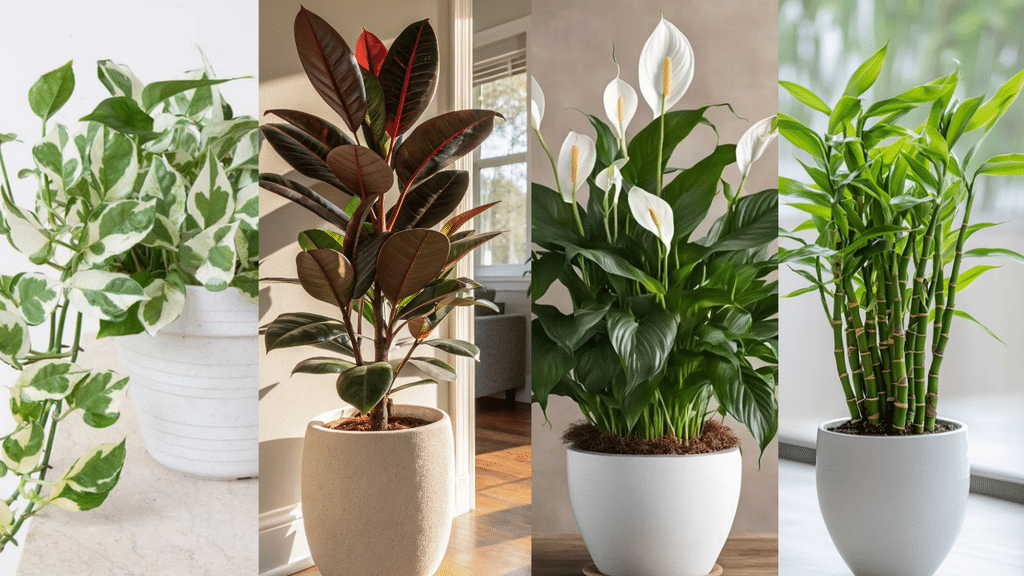
1. Snake Plant
The snake plant is one of the easiest houseplants for beginners and a popular choice for bedrooms, offices, and living rooms. Its tall, upright leaves add structure without taking up much floor space, making it especially useful for smaller rooms.
Snake plants tolerate periods of neglect and can handle relatively low-light conditions. Allow the soil to dry between waterings because consistently wet soil can cause root problems.
For a fresh-looking indoor space, place a snake plant in an attractive pot near a window with indirect light. You can use a single large plant as a statement piece or group several smaller plants together.
While snake plants are frequently marketed as powerful air purifiers, their ability to remove pollutants in a normal home should not be overstated. Good ventilation and reducing pollutant sources remain much more important for indoor air quality.
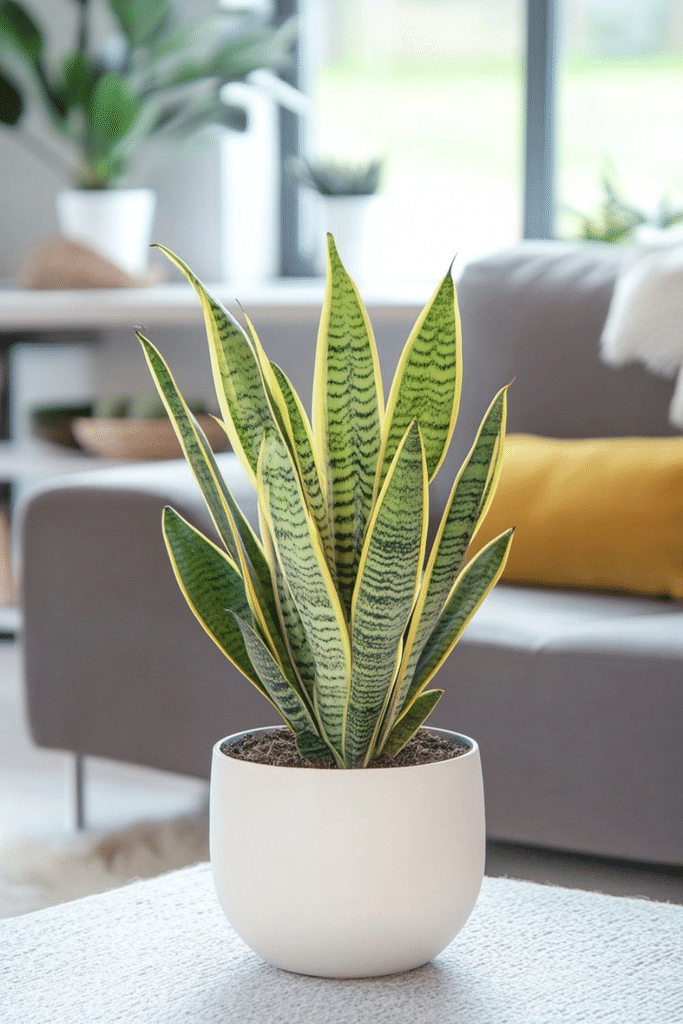
2. Spider Plant
Spider plants are another beginner-friendly option that can add a lively touch to your home. Their long, arching leaves and small plantlets make them particularly attractive when displayed in hanging baskets or on shelves.
They prefer bright, indirect light but can adapt to lower-light areas. Water when the top layer of soil begins to dry, and avoid allowing the plant to sit in standing water.
Spider plants are often included on lists of air-purifying houseplants because of their performance in older laboratory research. In a typical home, however, they should be viewed primarily as an attractive greenery option rather than a replacement for ventilation.
They are especially useful for adding greenery to bedrooms, home offices, kitchens, and living spaces.
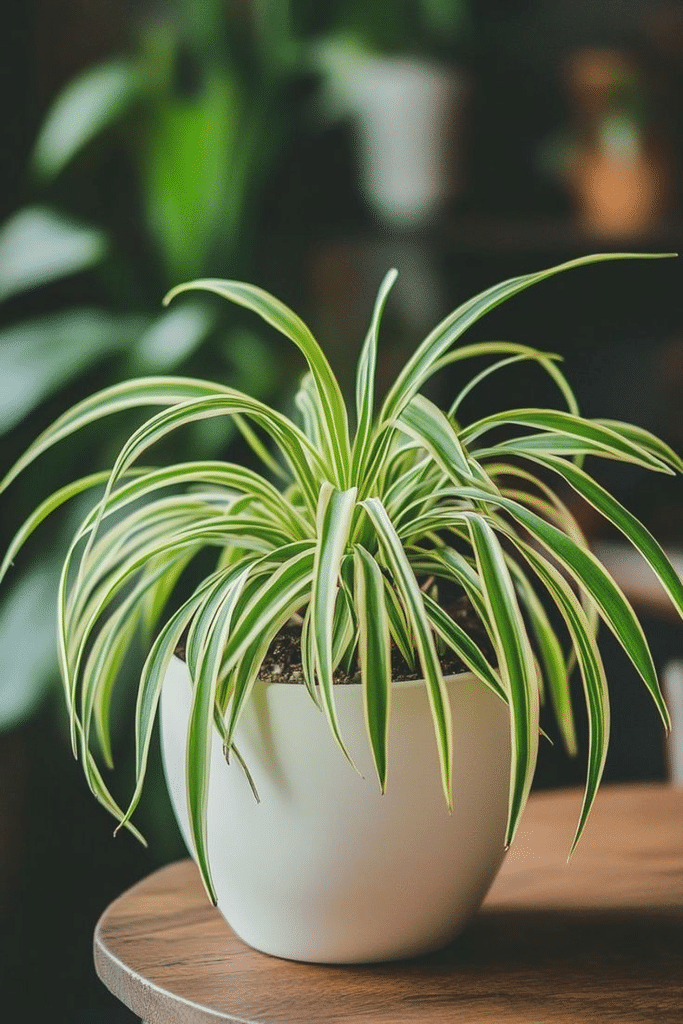
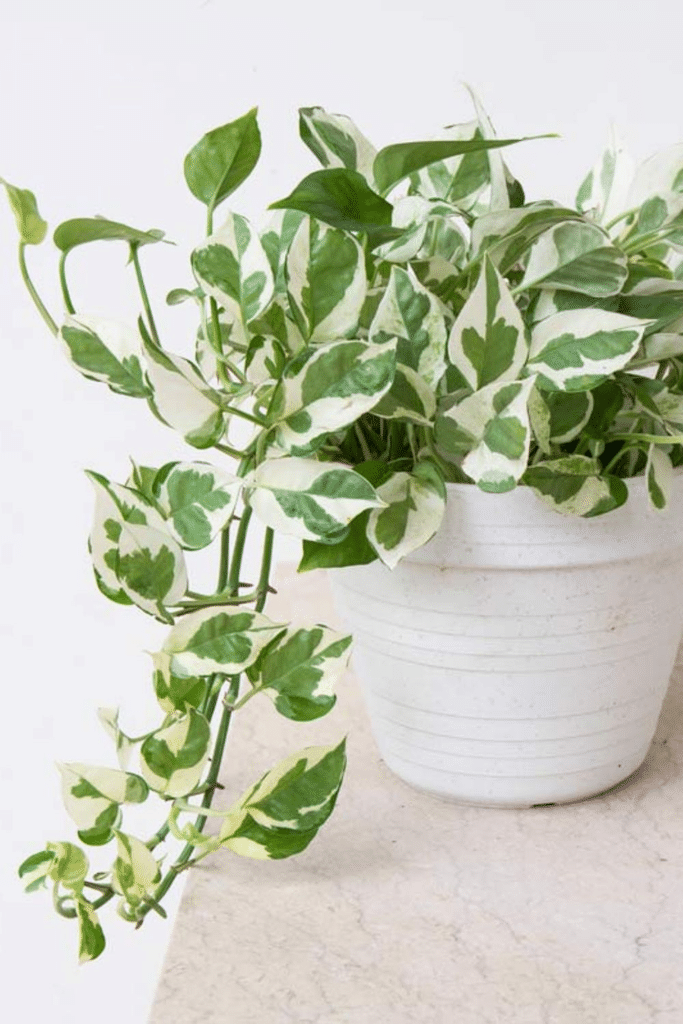
3. Pothos
Pothos is one of the most forgiving indoor plants you can grow. Its trailing vines make it ideal for hanging planters, bookshelves, cabinets, and plant stands.
The plant grows well in bright, indirect light but can tolerate lower-light conditions. Allow the soil to dry somewhat between waterings, and trim the vines when they become too long.
Golden pothos, marble queen, jade, and neon pothos can all bring different colors and textures into your home. Because pothos grows relatively quickly under good conditions, it can make a room feel greener in a short amount of time.
Keep in mind that pothos is toxic if chewed by pets or children, so position it somewhere inaccessible if necessary.
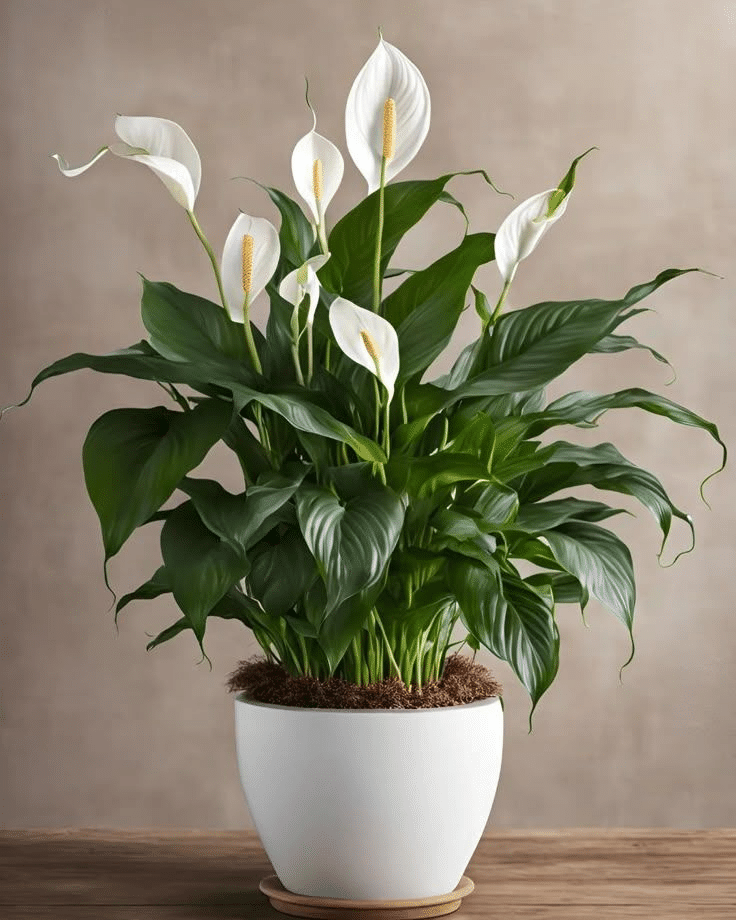
4. Peace Lily
Peace lilies are known for their glossy green leaves and elegant white flowers. They can make a living room, bedroom, or office feel more polished while adding plenty of greenery.
They prefer bright, indirect light but can tolerate moderate shade. Their leaves may droop noticeably when they need water, making them useful for beginners learning plant-care routines.
Peace lilies are frequently promoted as air-cleaning plants because of laboratory research involving plants in enclosed environments. However, a normal home is very different from those controlled experiments.
If you enjoy their appearance, they can still be an excellent addition to your indoor garden. Just remember that peace lilies contain compounds that can irritate pets and people if eaten.
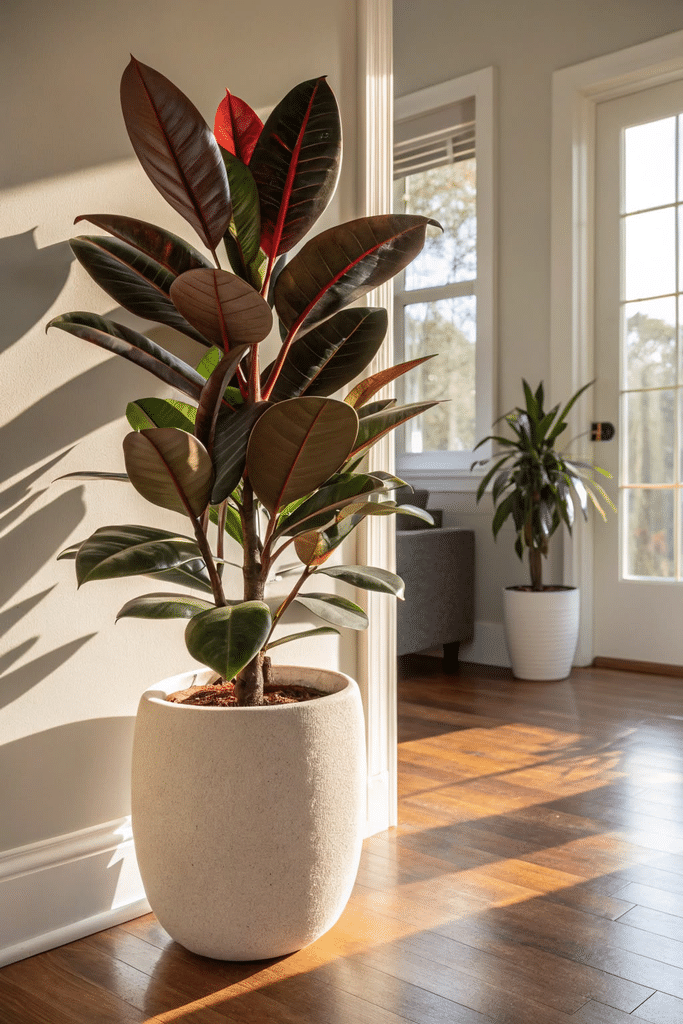
5. Rubber Plant
Rubber plants bring a bold, tropical appearance to indoor spaces. Their large, glossy leaves can make an empty corner feel more finished and intentional.
Place a rubber plant near a bright window with filtered or indirect sunlight. Rotate the pot occasionally so the plant grows more evenly. Water when the upper portion of the soil has dried rather than keeping the roots constantly wet.
Because rubber plants can grow substantially larger than many tabletop houseplants, they work particularly well in spacious living rooms, entryways, and home offices.
Their large leaves also make them visually useful for creating a lush indoor environment. Regularly wiping the leaves with a damp cloth can help keep them looking healthy and attractive.
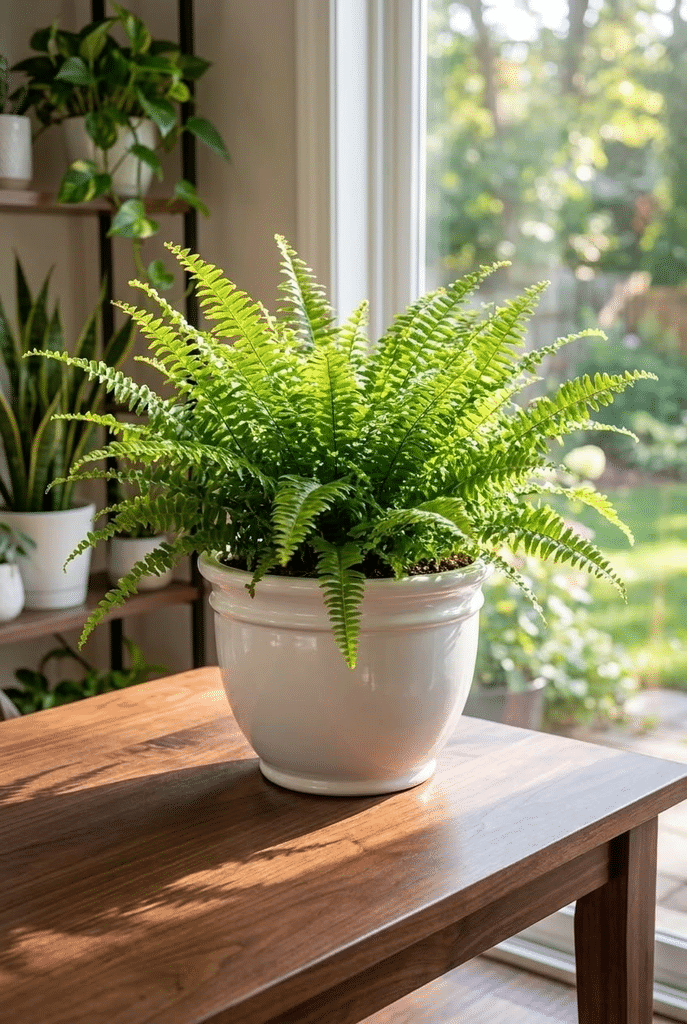
6. Boston Fern
Boston ferns are beautiful, full plants with soft, arching fronds that can instantly make a room feel more natural. They are particularly attractive in hanging baskets where their foliage can cascade downward.
Unlike many drought-tolerant houseplants, Boston ferns prefer consistently moist soil and higher humidity. They tend to do well in bathrooms or other naturally humid areas with indirect light.
Because they require more attention than snake plants or pothos, they may not be the best choice if you frequently forget to water your plants.
Still, if you enjoy lush greenery and are willing to maintain adequate moisture, a Boston fern can be a beautiful way to add texture and freshness to your home.
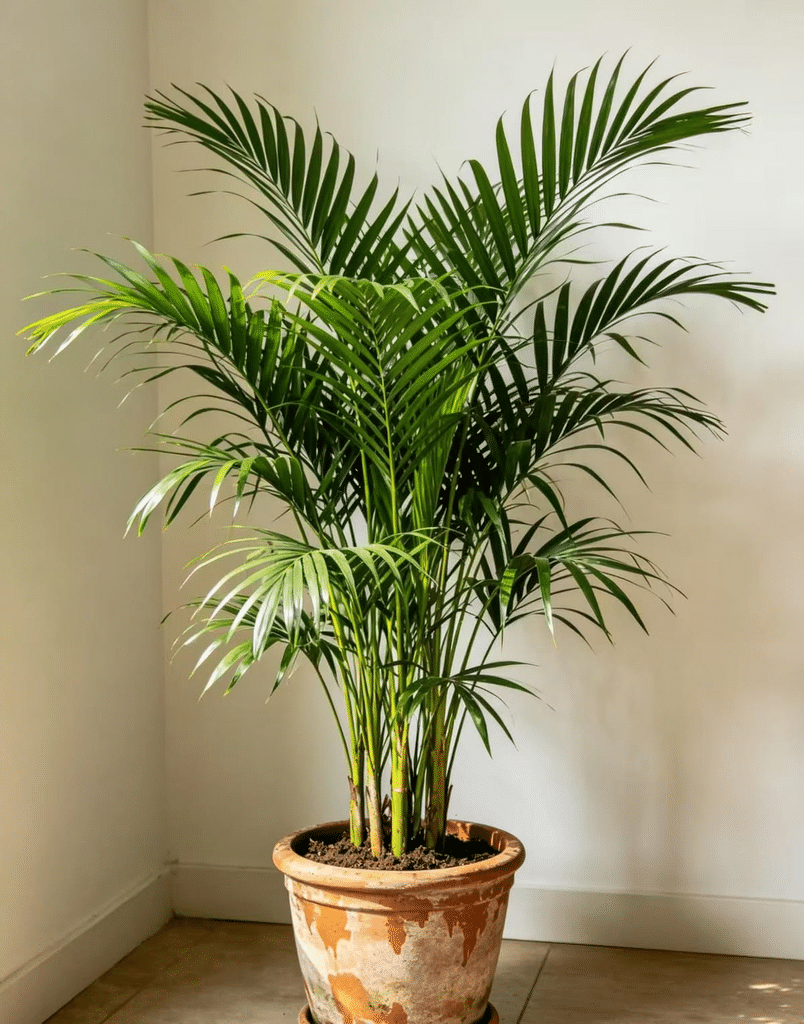
7. Areca Palm
Areca palms can create a tropical atmosphere while filling larger spaces with attractive feathery foliage. They work particularly well in living rooms, sunrooms, and spacious bedrooms.
Give an areca palm bright, indirect light and water when the upper layer of soil begins to dry. Avoid placing it directly against a very hot window because intense sunlight can scorch the leaves.
Areca palms are often marketed as natural air purifiers and humidifiers. Their main practical benefit in a home is their decorative greenery, although plants do release water vapor through transpiration.
If you want to make a room feel more tropical and relaxing, an areca palm can be a striking choice.
8. Dracaena
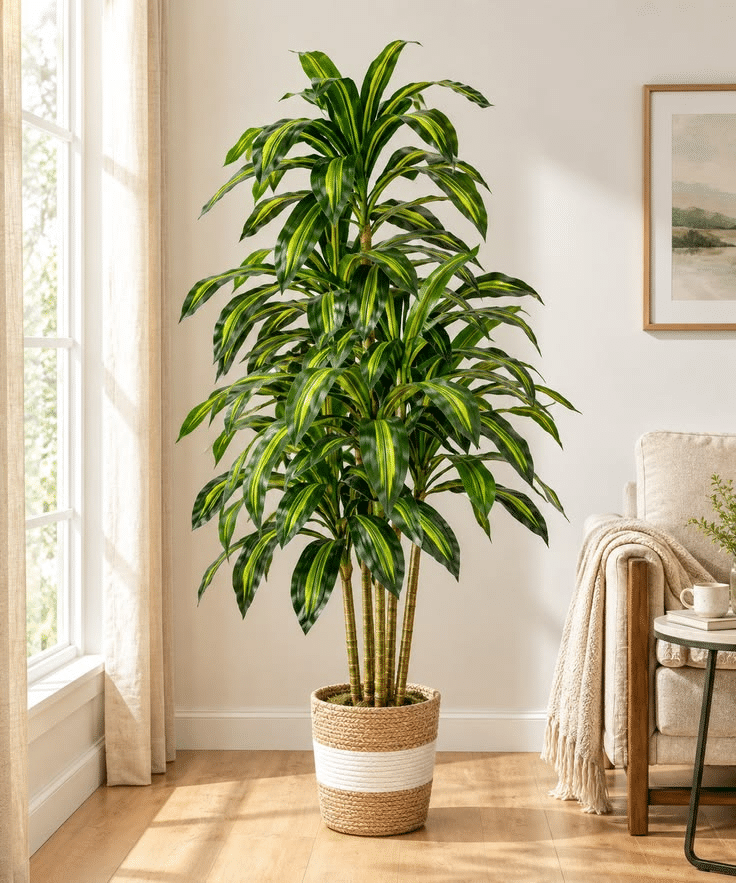
Dracaena includes several popular indoor varieties with different leaf shapes and colors. They are useful for adding vertical greenery without requiring an enormous amount of space.
Most varieties prefer bright, indirect light and moderate watering. Allow the soil to dry somewhat between waterings and make sure the pot has good drainage.
Dracaenas have also appeared in research and popular discussions about plants that can remove certain airborne compounds under controlled conditions. However, their impact in an ordinary room is limited compared with practical measures such as ventilation.
Choose a dracaena based on the look you want. Some varieties have dramatic striped leaves, while others feature darker green foliage.
9. English Ivy
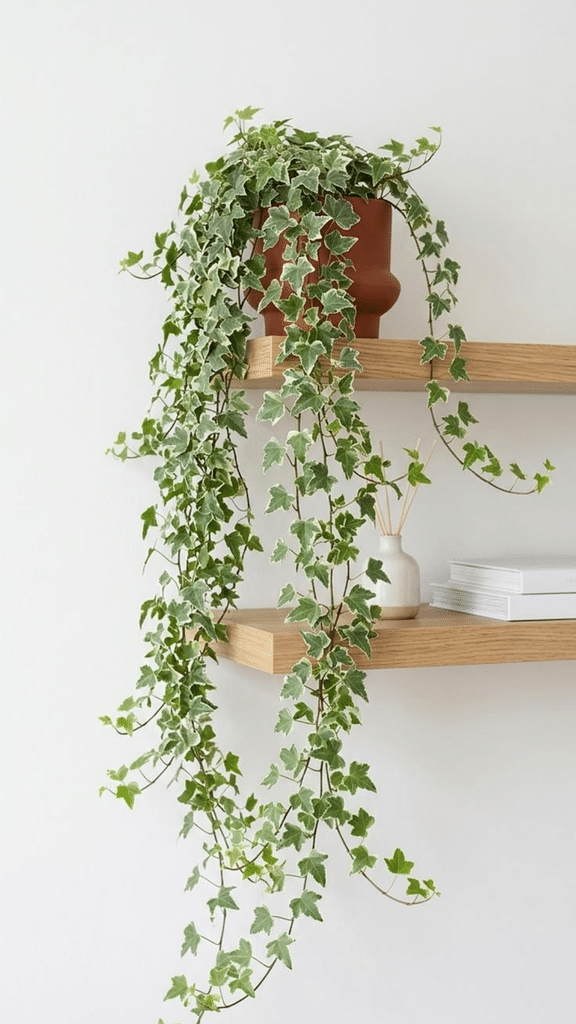
English ivy is a fast-growing trailing plant that can add a charming, classic appearance to shelves and hanging baskets. Its small, lobed leaves create a completely different look from broad-leaved tropical plants.
It prefers bright, indirect light and evenly moist but well-draining soil. Good air circulation can also help reduce problems with pests and fungal issues.
English ivy has been included in discussions about indoor air quality because of older laboratory experiments. However, these results should not be interpreted as proof that a few ivy plants will significantly purify the air inside a modern home.
It can still be a lovely decorative choice, particularly if you enjoy trailing plants and have a bright indoor location.
10. Bamboo Palm
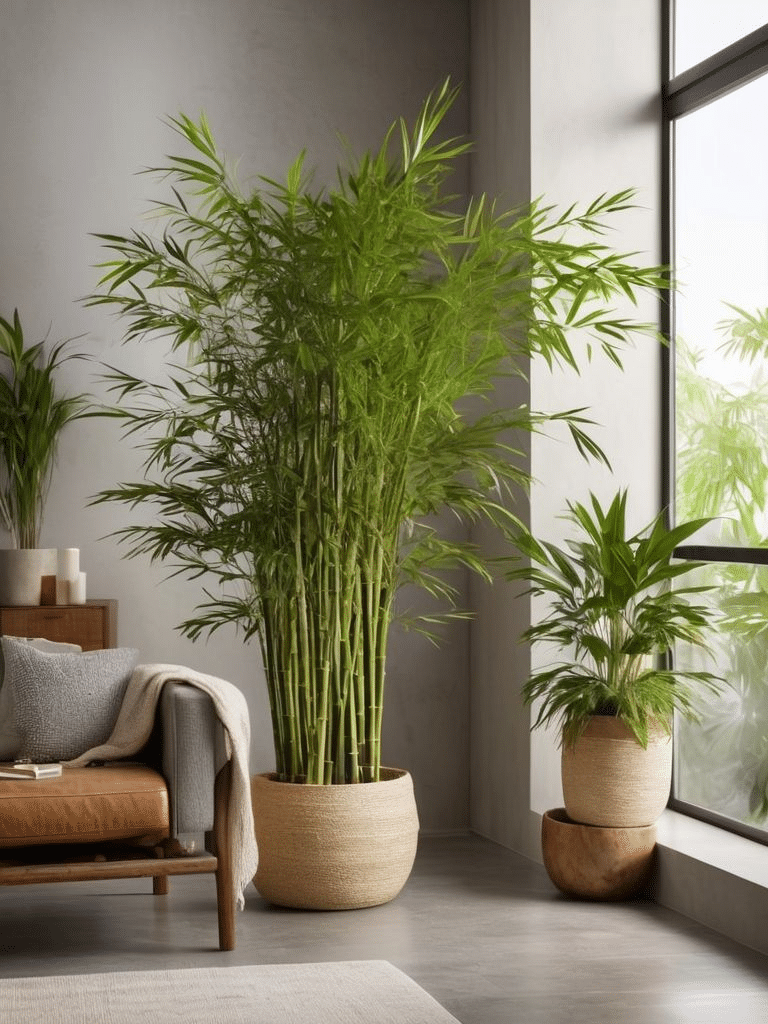
Bamboo palms are another option for anyone who wants a tropical look indoors. Their slender stems and delicate leaves can soften a room and work beautifully in larger decorative containers.
They prefer bright, indirect light and evenly moist soil. Avoid placing them in extremely dry or drafty locations.
Bamboo palms are frequently listed among plants associated with indoor air quality because of research on plants in controlled environments. In a normal household, however, they should complement—not replace—good ventilation and other air-quality practices.
Use a bamboo palm to add height and texture to living rooms, offices, or bright corners.
11. Aloe Vera
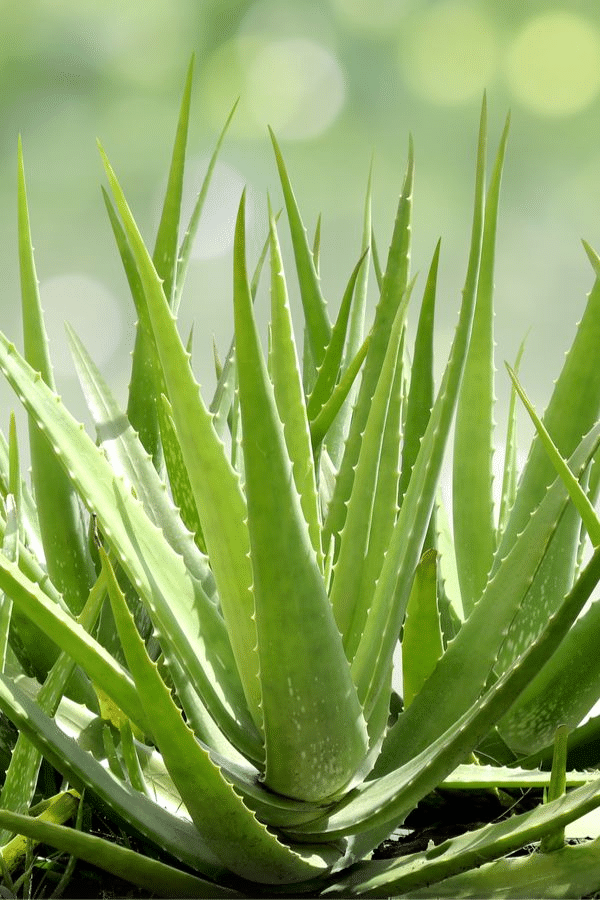
Aloe vera is a practical succulent that works especially well on sunny windowsills. Its thick, pointed leaves store water, meaning it generally needs much less frequent watering than tropical houseplants.
Place aloe vera near a bright window where it receives plenty of sunlight. Allow the soil to dry thoroughly between waterings and use a fast-draining potting mix.
Aloe vera is often included on lists of air-purifying plants, but its biggest practical advantage as a houseplant is how easy it is to maintain in a sunny location.
It is also visually attractive enough to work as part of a kitchen windowsill garden or minimalist plant display.
12. ZZ Plant
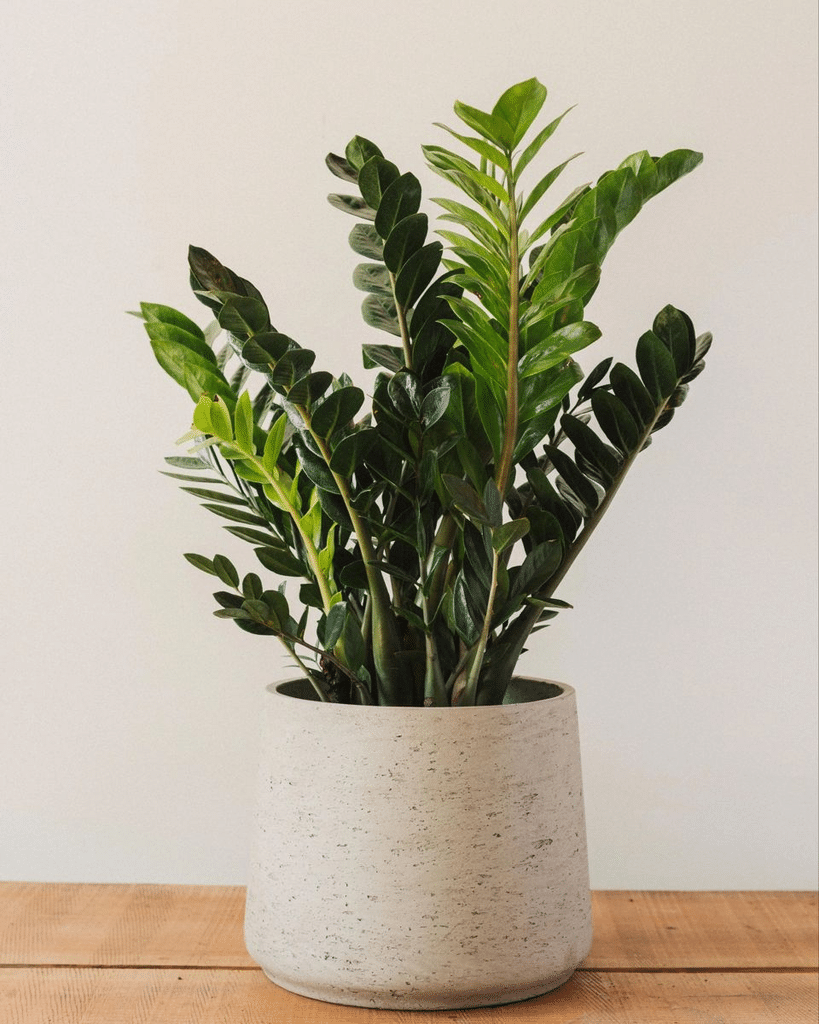
The ZZ plant is an excellent choice for people who want greenery without a demanding care routine. Its thick, glossy leaves give it a modern appearance that works well with contemporary interiors.
It tolerates lower light and can survive periods without watering because its underground structures store water. In fact, overwatering is one of the most common problems with ZZ plants.
Place it in indirect light and allow the soil to dry between waterings. It is particularly useful for offices, bedrooms, apartments, and darker corners where more demanding plants may struggle.
Like the other plants on this list, a ZZ plant should be considered an attractive addition to a healthy indoor environment rather than a standalone air-cleaning system.
How to Make Your Home Feel Fresher in 72 Hours
If your goal is to make your home feel noticeably fresher over the next three days, plants can be part of the process—but they should not be your only strategy.
Start by opening windows when outdoor conditions allow and improving airflow between rooms. Remove obvious sources of indoor odors, clean dusty surfaces, wash fabrics that hold smells, and avoid unnecessary use of strongly scented products.
Then add a few suitable houseplants to rooms where you spend the most time. Choose plants based on the available light and how much care you can realistically provide.
For the best overall indoor air quality, focus on ventilation, source control, regular cleaning, appropriate humidity, and filtration rather than expecting plants alone to remove pollutants.
Summary
These 12 plants that can help freshen your home’s air are beautiful options for creating a greener, more comfortable indoor environment. Snake plants, pothos, spider plants, peace lilies, rubber plants, ferns, palms, dracaenas, aloe vera, and ZZ plants each offer different colors, shapes, and care requirements.
Although popular claims suggest that houseplants can dramatically purify indoor air within 72 hours, real-world homes do not behave like the sealed laboratory environments used in some plant studies. Think of houseplants as a beautiful addition to your indoor environment—not a replacement for ventilation, cleaning, and proper air filtration.
FAQ
Can plants really clean indoor air in 72 hours?
There is no good evidence that ordinary houseplants can dramatically clean the air of a typical home within exactly 72 hours. Plants can contribute to a pleasant indoor environment, but ventilation and reducing pollution sources are more important.
How many plants should I put in one room?
There is no universal number. Start with one or two plants that suit the room’s light and your ability to care for them.
Which indoor plant is easiest to maintain?
Snake plants, ZZ plants, and pothos are among the more forgiving choices for beginners because they tolerate less frequent watering and a range of indoor conditions.
Do plants improve bedroom air?
Plants can add greenery and may contribute modestly to humidity through transpiration. However, proper ventilation is much more important for maintaining healthy bedroom air.
Should I open windows if I have air-purifying plants?
Yes, when outdoor air quality and weather conditions make it appropriate. Fresh-air ventilation can be much more effective for reducing indoor concentrations of many pollutants than relying on houseplants.
Are all air-purifying plants safe for pets?
No. Some popular houseplants, including pothos and peace lilies, can be harmful if pets chew or ingest them. Check the safety of each plant before bringing it into a home with pets.
Can houseplants remove dust?
Plants should not be relied upon to remove household dust. Regular cleaning, vacuuming, and appropriate filtration are more effective ways to control indoor dust.
SEO Description
Discover 12 indoor plants that can help freshen your home, from snake plants and pothos to peace lilies, ferns, palms, aloe vera, and ZZ plants.