
Sometimes, life begins to feel different without any obvious explanation. You may still have the same job, relationships, routines, and responsibilities, yet something inside you feels ready for a change. You might describe this feeling as intuition, spiritual guidance, or simply a growing awareness that your current direction no longer fits. For those who believe in universal guidance, these moments can feel like gentle signs encouraging them to explore a new path.
The universe does not always seem to guide us through dramatic events or sudden breakthroughs. Sometimes, the message appears through repeated patterns, unexpected opportunities, uncomfortable feelings, or a quiet desire to begin again. These experiences are not guaranteed signs of destiny, but they can provide useful opportunities for reflection. Paying attention to them may help you understand your values, recognize your needs, and make more intentional decisions.
If you have been feeling uncertain about your future, these 12 subtle signs may encourage you to pause and consider whether life is inviting you to move in a different direction.
1. Your Current Routine No Longer Feels Meaningful

One subtle sign that you may be ready for a different path is a growing sense of emptiness in your daily routine. Your life may appear comfortable or successful from the outside, but your regular activities no longer give you the same sense of purpose. Tasks that once excited you might now feel repetitive, and you may find yourself moving through each day simply out of habit.
This feeling does not necessarily mean that you must leave your job, relationship, or current lifestyle immediately. Sometimes, it indicates that an important part of your life needs more attention. You may need new challenges, more creativity, stronger connections, or time for personal growth.
Take a moment to identify which parts of your routine feel draining and which activities still bring you energy. Try introducing small changes before making major decisions. You could learn a new skill, explore a different hobby, volunteer, or spend more time doing something that reflects your interests.
A lack of meaning can be an invitation to reassess your priorities. Rather than viewing it as a failure, consider it a chance to understand what you genuinely want from the next chapter of your life.
2. You Keep Thinking About a Different Future

Do you often imagine yourself living somewhere else, pursuing another career, starting a creative project, or adopting a completely different lifestyle? Repeated thoughts about an alternative future may be worth exploring, especially when they continue to return over time.
Occasional daydreaming is normal, but persistent thoughts can sometimes reveal unmet needs or interests. Perhaps you have always wanted to write a book, travel independently, return to school, or build a small business. These ideas may not be random distractions. They could be clues about the experiences you would like to include in your life.
Instead of dismissing these thoughts, write them down in a journal. Ask yourself what attracts you to each possibility. Is it freedom, creativity, financial independence, adventure, or a stronger sense of purpose?
You do not need to change your entire life based on one idea. Begin by testing the possibility in a manageable way. Research the field, take a short course, speak with someone experienced, or create a small project.
Sometimes, imagining a different future helps you discover what is missing from your present one.
3. Familiar Opportunities Keep Disappearing

Repeatedly losing opportunities can be frustrating, especially when you have worked hard to achieve a particular goal. A job offer may fall through, a plan may be canceled, or an expected opportunity may never materialize. If this happens several times, you may begin to wonder whether life is directing you somewhere else.
Although setbacks do not automatically carry a spiritual message, they can encourage you to reconsider your plans. Sometimes, an opportunity disappears because of circumstances beyond your control. Other times, the experience reveals that the goal was not as suitable for you as you initially believed.
Rather than assuming every closed door is a sign to give up, examine the situation carefully. Ask whether the goal still aligns with your values and whether there are alternative ways to achieve what you want.
You may discover a new option that you had previously overlooked. A canceled plan could create time for another project, while a rejected application might motivate you to improve your skills or explore a different industry.
A setback can be disappointing and still become useful. Give yourself time to process the experience before deciding what it means for your future.
4. You Feel Drawn Toward New People and Experiences

Sometimes, a desire for change appears through the people and experiences you feel naturally drawn toward. You may suddenly become interested in a new community, creative field, subject, or activity. You might meet someone whose lifestyle or perspective inspires you to think differently about your own choices.
These new connections can introduce ideas that challenge your usual way of thinking. They may encourage you to try something unfamiliar or remind you of interests you had forgotten.
Pay attention to the experiences that leave you feeling curious, energized, and more connected to yourself. You do not have to copy another person’s life. Instead, consider what their example reveals about your own desires.
You could join a local group, attend a workshop, explore a new subject, or reconnect with people who share your interests. Even a small change in your social environment can expand your perspective.
New people and experiences are not always signs of a predetermined destination. However, they can help you discover possibilities that were previously outside your comfort zone.
5. Your Intuition Keeps Asking You to Pause
There may be moments when everything appears logical on paper, yet something inside you encourages you to slow down. You may feel uncertain about signing a contract, accepting an offer, entering a relationship, or making a major commitment.
Some people interpret this feeling as spiritual guidance, while others understand it as intuition based on past experiences and subtle observations. Whatever explanation you prefer, it can be helpful to give yourself time before making an important decision.
Pausing does not mean ignoring opportunities or allowing fear to control your life. It means creating enough space to evaluate your options clearly. Ask yourself whether your hesitation comes from a genuine concern, a lack of information, or anxiety about the unfamiliar.
Write down the advantages and disadvantages of the decision. Seek advice from a trusted person and gather any information you may be missing. If the situation involves serious financial, legal, or personal consequences, consider professional guidance.
A quiet feeling of hesitation can be a useful reminder to pay attention. You do not have to treat it as a prediction; you can simply use it as an invitation to think more carefully.
6. You Feel More Peaceful When You Imagine Letting Go
Sometimes, the thought of releasing a goal, habit, relationship, or outdated expectation brings an unexpected sense of relief. You may have spent years trying to make something work, yet imagining a different direction makes you feel calmer and lighter.
This feeling may suggest that you have been carrying pressure that no longer serves you. Perhaps you are trying to meet someone else’s expectations or holding on to a goal because you have already invested so much time and effort.
Letting go does not always mean walking away permanently. It could mean changing your approach, lowering unrealistic expectations, setting a boundary, or allowing yourself to choose a new priority.
Try writing about what you fear losing and what you might gain by releasing the situation. Consider whether your attachment is based on genuine desire or simply the fear of disappointing others.
Relief can provide valuable information about your emotional needs. Before making a major decision, make sure you have considered practical responsibilities and possible consequences. A peaceful feeling can guide reflection, but thoughtful planning can help turn that reflection into a healthy choice.
7. The Same Lesson Keeps Appearing in Different Ways
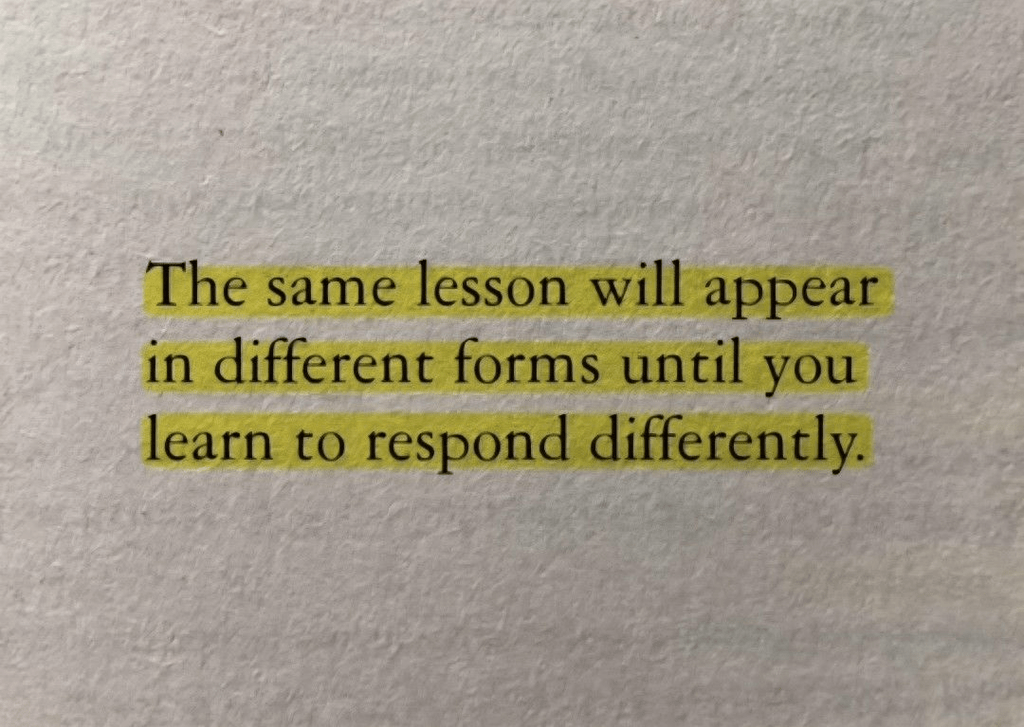
You may notice the same personal lesson showing up through different situations. Perhaps you repeatedly find yourself learning about boundaries, self-respect, patience, communication, or trusting your own decisions. The details may change, but the underlying theme remains similar.
Some people see these repeated patterns as messages from the universe. From a practical perspective, recurring experiences can also reveal habits, unresolved concerns, or situations that deserve attention.
For example, if you repeatedly feel exhausted because you agree to too many responsibilities, the lesson may involve learning to say no. If similar misunderstandings happen in different relationships, you may benefit from examining your communication style or expectations.
When a pattern appears, avoid blaming yourself. Instead, approach it with curiosity. Ask what the situation is teaching you and what you can do differently next time.
Keeping a journal can help you identify repeated themes. Record what happened, how you responded, and what you might try in the future.
A recurring lesson does not necessarily mean that you are being punished or tested. It may simply provide an opportunity to develop greater awareness and make choices that better support your well-being.
8. Your Priorities Are Changing Naturally
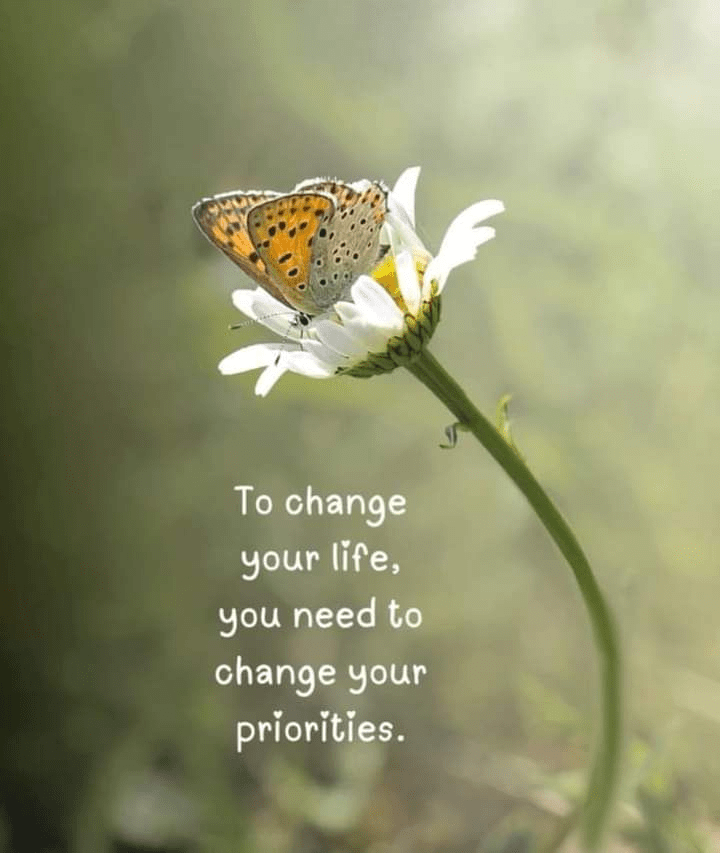
A change in priorities can be a subtle indication that you are entering a new stage of life. Things that once seemed extremely important may no longer hold the same appeal. You might begin valuing peace over popularity, flexibility over status, or meaningful relationships over constant achievement.
These changes can happen gradually as you gain experience and learn more about yourself. They may also emerge after a major life event, a period of reflection, or a shift in your responsibilities.
Rather than forcing yourself to maintain old goals, take time to evaluate what matters to you now. Make a list of your current priorities and compare it with the goals you were pursuing a few years ago.
You may discover that your definition of success has changed. Perhaps you no longer want to impress others and instead want a lifestyle that gives you more time, freedom, or emotional balance.
Changing priorities does not mean that your previous choices were wrong. It means that you are responding to new information and a deeper understanding of yourself.
Allow your goals to evolve while remaining mindful of your responsibilities and long-term needs.
9. You Keep Encountering Unexpected Opportunities

Unexpected opportunities can sometimes appear when you are not actively searching for them. You may receive an invitation to join a project, discover an interesting course, meet someone who offers useful advice, or come across a career possibility you had never considered.
These moments may feel meaningful, especially when they connect with interests you have quietly carried for a long time. However, not every unexpected opportunity is automatically the right one.
When something new appears, take time to examine it carefully. Consider whether it aligns with your values, abilities, schedule, and future goals. Ask questions, research the details, and avoid making rushed commitments simply because the opportunity feels exciting.
You can also experiment with low-risk options. Attend a free event, complete a short course, volunteer for a project, or have an introductory conversation with someone in the field.
An unexpected opportunity may not lead to a permanent change, but it can introduce you to valuable information and new possibilities.
Stay open without abandoning your judgment. Curiosity and careful evaluation can work together when you are exploring a different direction.
10. You Feel Restless Despite Having What You Once Wanted

Achieving a goal does not always produce the lasting satisfaction you expected. You may finally reach a milestone, purchase something important, receive recognition, or establish a comfortable routine, yet still feel restless.
This experience can be confusing because you may believe you should be completely happy. However, satisfaction is influenced by many factors, including relationships, personal values, mental well-being, and a sense of purpose.
Restlessness may indicate that you need a new challenge or that your current goals no longer reflect what matters most to you. It could also be a sign that you need rest, emotional support, or a healthier balance in your daily life.
Instead of immediately abandoning everything you have built, explore the source of your dissatisfaction. Ask whether you are bored, overwhelmed, disconnected, or pursuing goals mainly for external approval.
Try making one meaningful adjustment at a time. You might create a new project, change your routine, reconnect with someone important, or dedicate time to a cause you care about.
Restlessness can become a valuable opportunity to redefine success in a way that feels more personal and sustainable.
11. You Are Becoming Less Afraid of Change
A new direction can feel frightening, especially when it involves uncertainty. Yet, over time, you may notice that the idea of change no longer feels as intimidating as it once did. You might begin to feel curious about the unknown instead of focusing only on what could go wrong.
This shift may happen after you gain confidence, learn from past experiences, or realize that staying in the same situation also carries risks. You may understand that growth often requires leaving familiar patterns behind.
Becoming more open to change does not mean acting impulsively. Healthy courage involves recognizing your fears while taking thoughtful steps forward.
Start with manageable changes. Rearrange your routine, try a new activity, update your skills, or set a small goal that challenges your usual habits. Each successful experience can help you develop confidence.
You can also create a practical transition plan if you are considering a major life decision. Review your finances, responsibilities, support network, and available resources.
A growing willingness to change may signal that you are ready to explore new possibilities. Let curiosity guide your next step, but allow preparation to support it.
12. You Keep Feeling That There Is More to Discover

One of the most subtle signs that you may be ready for a new direction is a persistent feeling that your story is not finished. You may not know exactly what you want next, but you sense that there are experiences, skills, relationships, or opportunities still waiting to be explored.
This feeling does not mean that your current life lacks value. You can appreciate where you are while remaining open to what may come next.
A desire to discover more can encourage you to learn, travel, create, connect, and challenge familiar beliefs. It may inspire you to revisit an old dream or investigate a new interest.
Instead of demanding immediate clarity, focus on taking small steps. Read about a subject that fascinates you, write down questions about your future, explore a new location, or speak with someone whose experiences differ from yours.
You may not receive one dramatic answer. Your direction might become clearer through many small discoveries over time.
The feeling that there is more to experience can be an invitation to remain curious. You do not need to know the entire destination before taking the next meaningful step.
Short Summary
The idea that the universe may be guiding you elsewhere can offer a meaningful way to reflect on change, intuition, and personal growth. Subtle signs may appear as repeated patterns, shifting priorities, unexpected opportunities, or a growing desire for something different. These experiences should not replace practical thinking or careful decision-making, but they can encourage you to listen more closely to your needs and values. If your current path no longer feels right, start with small, thoughtful changes. Sometimes, discovering a new direction begins with simply becoming more aware of what your life is trying to teach you.
Frequently Asked Questions
1. What does it mean when the universe may be guiding you elsewhere?
It can mean that you are noticing changes in your feelings, priorities, interests, or circumstances that encourage you to consider a different direction. This idea is spiritual for some people and reflective or psychological for others.
2. How can I tell the difference between intuition and fear?
Intuition may feel like a quiet sense that you should pay attention, while fear often involves persistent worry and imagined negative outcomes. However, the two can overlap, so it is helpful to examine evidence and seek advice before making important decisions.
3. Are closed doors always signs that I should move on?
No. A setback may result from timing, circumstances, or factors outside your control. Consider what happened, review your options, and decide whether adjusting your approach or pursuing another goal makes sense.
4. What should I do if I feel that my life needs to change?
Start by identifying what feels unsatisfying. Journal about your priorities, explore new interests, speak with trusted people, and make small changes before committing to major decisions.
5. Can repeated coincidences be signs from the universe?
Some people interpret meaningful coincidences spiritually, while others see them as patterns their minds notice more easily. You can use these experiences as prompts for reflection without assuming that they predict the future.
6. How do I know whether I am on the wrong path?
Consider whether your current direction reflects your values, supports your well-being, and allows room for growth. Feeling uncertain does not automatically mean you are on the wrong path, so give yourself time to explore the reasons behind your feelings.
7. Should I make a major decision based on a spiritual sign?
It is best to combine personal reflection with practical evaluation. Consider the possible risks, gather reliable information, and seek professional advice when necessary before making significant life decisions.
8. Can I change direction without starting over completely?
Absolutely. A new direction may involve small adjustments rather than a complete restart. You could change your habits, develop a skill, set new boundaries, or explore a different interest while keeping valuable parts of your current life.