
Money plays an important role in everyday life. It can help provide food, housing, education, transportation, healthcare, and many other necessities. Having enough money can also reduce certain financial pressures and give people more choices in how they spend their time. However, financial comfort and genuine happiness are not necessarily the same thing. Once basic needs are reasonably met, having more money does not automatically create lasting fulfillment, meaningful relationships, or a sense of purpose.
The idea that money cannot buy happiness does not mean money is unimportant. Financial stability can contribute to a more comfortable and secure life, especially when someone is struggling to meet essential needs. The distinction is that money is a resource, while happiness is influenced by many other parts of life, including relationships, health, personal values, experiences, purpose, and emotional well-being. A person can have considerable financial success and still feel lonely, stressed, disconnected, or unfulfilled.
Understanding this difference can help you think about wealth in a healthier way. Instead of treating money as the ultimate measure of success, consider what you actually want your money to support. More meaningful experiences, time with loved ones, learning, generosity, creativity, and personal growth may contribute more to long-term satisfaction than simply accumulating possessions. These ten reasons explore why financial success alone cannot guarantee a happy and fulfilling life.
1. Happiness Comes From More Than Material Possessions

Buying something new can feel exciting, but the feeling often changes with time. A new phone, outfit, car, or piece of furniture may provide immediate enjoyment, yet that excitement can fade as the purchase becomes part of everyday life.
This is one reason material possessions cannot serve as a permanent source of happiness. Once something becomes familiar, you may begin looking toward the next purchase for the same feeling. This can create a cycle in which satisfaction depends on constantly acquiring something new.
Meaningful happiness can come from experiences, relationships, personal achievements, creativity, and everyday moments that cannot necessarily be purchased. A walk with someone you love, finishing a difficult project, learning a skill, or enjoying a peaceful morning can have lasting emotional value without requiring a large expense.
This does not mean people should avoid buying things they enjoy. There is nothing wrong with appreciating beautiful or useful possessions. The important distinction is recognizing that possessions are only one part of life.
Money can provide access to products and experiences, but it cannot guarantee that those things will create lasting emotional fulfillment.
2. Money Cannot Create Genuine Relationships

Money can make it easier to socialize, travel, host gatherings, or give thoughtful gifts, but it cannot force genuine emotional connection. Strong relationships are built through trust, respect, communication, shared experiences, and mutual care.
A person may have a large social circle because of their financial position, but that does not necessarily mean they have people who truly understand or support them. Genuine friendship cannot be measured by the price of a dinner or the value of a gift.
In fact, relationships can sometimes become complicated when money becomes the central focus. People may question whether someone appreciates them for who they are or for what they can provide.
Meaningful relationships are often created through simple moments: talking late at night, helping each other through difficult periods, celebrating small successes, sharing traditions, or simply being present.
Money can support relationships by making certain experiences easier, but it cannot purchase loyalty, emotional intimacy, or authentic connection. Those qualities develop gradually through time and shared experiences.
3. More Money Does Not Automatically Create Purpose

A comfortable lifestyle can make certain aspects of life easier, but financial success does not automatically answer the question, “What am I living for?”
Purpose often comes from meaningful work, relationships, creativity, contribution, learning, personal values, or helping others. These sources of fulfillment are deeply personal and cannot simply be purchased.
Someone might achieve a major financial goal and initially feel proud and excited. But once the goal has been reached, they may wonder what comes next. Without another source of meaning, success can sometimes feel surprisingly empty.
This is why it can be useful to define success beyond income or possessions. Think about the kind of person you want to become, the relationships you want to build, the skills you want to develop, or the contribution you want to make.
Money can give you resources to pursue meaningful goals, but it cannot decide what those goals should be. Purpose comes from understanding what matters to you and choosing actions that reflect those values.
4. Experiences Can Matter More Than Things

Some purchases provide lasting practical value, but experiences can create memories and stories that remain meaningful for years. A trip, family gathering, creative project, outdoor adventure, or special celebration may become an important part of your personal history.
Interestingly, an experience does not have to be expensive to be meaningful. A simple picnic, road trip, home-cooked dinner, museum visit, or afternoon spent exploring a new place can create valuable memories.
The important factor is often how an experience makes you feel and who you share it with, rather than how much it costs.
Money can make certain experiences more accessible, but it cannot guarantee that an expensive experience will be meaningful. A luxury vacation may be enjoyable, while a simple afternoon with someone you care about may become a more cherished memory.
Instead of measuring happiness by how much you own, consider paying attention to the experiences that make you feel connected, curious, grateful, or alive.
5. Financial Success Cannot Eliminate Every Problem

Money can solve many practical problems, but it cannot eliminate every challenge in life. People still experience disappointment, relationship difficulties, uncertainty, grief, loneliness, and other emotional struggles regardless of their financial situation.
Having financial resources can make certain situations easier to manage. For example, savings may provide flexibility during an unexpected expense, and financial stability can reduce some everyday pressures. However, money cannot guarantee that life will always go according to plan.
This distinction is important because expecting wealth to eliminate all problems can create unrealistic expectations. Someone may believe that reaching a certain income level will finally make everything feel perfect, only to discover that new challenges appear.
A healthier perspective is to view money as a useful tool rather than a universal solution. Financial stability can support a good life, but emotional resilience, supportive relationships, healthy habits, and realistic expectations are also important.
6. Comparing Wealth Can Reduce Satisfaction
Money can become a source of dissatisfaction when people constantly compare their financial situation with others. Social media can make this especially challenging because people often see carefully selected images of expensive homes, vacations, clothing, cars, and lifestyles.
Even when someone is financially comfortable, seeing another person with more can create the feeling of falling behind.
This comparison can make financial goals endless. There is always another house, car, destination, investment, or lifestyle that appears better. If happiness depends on being wealthier than someone else, satisfaction can become difficult to achieve.
Instead, it can be more helpful to define personal financial goals based on your own needs and values. Maybe your goal is to build an emergency fund, reduce unnecessary spending, save for travel, support your family, or create more freedom in your schedule.
Financial progress feels more meaningful when it is connected to your own priorities rather than someone else’s lifestyle.
7. Time and Attention Are Valuable Too

One of the most interesting things about money is that earning more can sometimes require giving up more time. Long working hours, constant availability, stressful responsibilities, or multiple commitments can reduce the time available for rest, relationships, hobbies, and personal interests.
Of course, meaningful work can be rewarding, and financial goals can be worthwhile. The issue is balance.
If earning and accumulating money becomes the only priority, other valuable parts of life may receive less attention. A person may eventually realize that they have resources but very little time to enjoy them.
This is why financial planning should consider more than income. Think about how you want to spend your time and what activities make your life feel worthwhile.
Money can sometimes buy convenience, such as paying for services that save time, but it cannot recreate time that has already passed. Building a satisfying life often means deciding not only how much money you want to earn but also how you want to use your limited time.
8. Gratitude Does Not Depend on Wealth
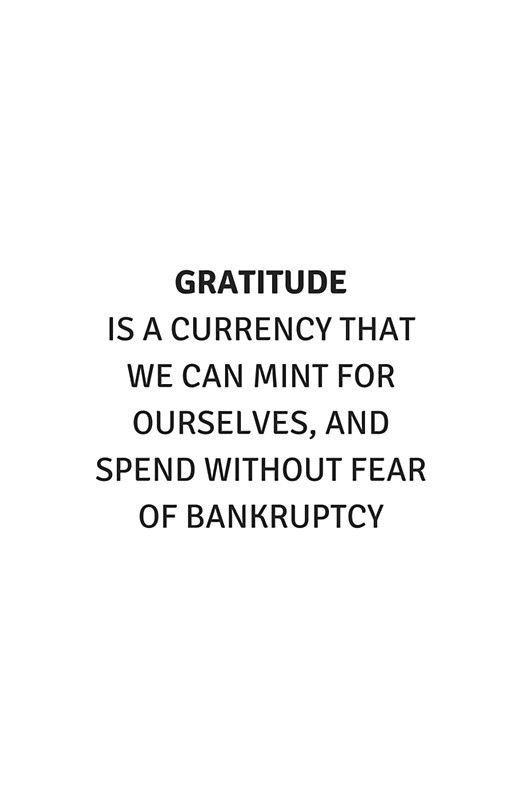
Gratitude is the ability to recognize and appreciate what is already valuable in your life. It can come from relationships, nature, good conversations, personal progress, creativity, meaningful work, or simple everyday comforts.
You do not need a large income to practice gratitude.
In fact, regularly noticing what is going well can help shift attention away from constant comparison and the feeling that you always need more. This does not mean ignoring genuine financial challenges. Rather, it means recognizing that financial goals and appreciation can exist together.
You can want a better financial future while still appreciating the people and experiences you already have.
Simple habits such as keeping a gratitude journal, acknowledging small wins, or taking a few quiet minutes to reflect can help you notice positive parts of everyday life.
Money can purchase comforts, but gratitude is a mindset. It changes the way you experience what you already have rather than simply increasing the amount you own.
9. Personal Growth Requires Effort

Money can provide access to education, courses, books, travel, coaching, equipment, and other resources that support personal development. However, simply having access to those resources does not guarantee growth.
Learning still requires curiosity, discipline, practice, reflection, and persistence.
For example, buying expensive fitness equipment does not automatically create healthy habits. Purchasing dozens of books does not automatically create knowledge. Paying for a course does not guarantee that you will develop the skill.
The same principle applies to emotional and personal growth. You cannot outsource every difficult part of becoming a better version of yourself.
Money can create opportunities, but you still have to take action.
This is actually encouraging because it means meaningful growth is not reserved for wealthy people. Many important forms of development can begin with simple actions: reading a free resource, practicing a skill, keeping a journal, walking regularly, learning from mistakes, or having an honest conversation.
Growth comes from what you do with the resources available to you.
10. A Meaningful Life Is Built Around Values

Perhaps the biggest reason money cannot buy happiness is that happiness is closely connected to how your life aligns with what you value.
If you value family, creativity, freedom, friendship, learning, service, adventure, or peace, earning more money will not automatically make those things happen. You have to intentionally make room for them.
Money can support your values when used thoughtfully. It might help you travel to see family, take time away from work, support a creative project, donate to a cause, or create a more comfortable home.
But the money itself is not the source of meaning. Its value comes from what it allows you to do.
A fulfilling life does not have to reject financial ambition. You can pursue career success, save money, invest, and build wealth while also protecting your relationships, health, interests, and personal values.
The goal is not to choose between money and happiness. It is to understand that money is one tool within a much larger picture of what makes life meaningful.
Short Summary
The idea that money cannot buy happiness is really about understanding the difference between financial resources and emotional fulfillment. Money can provide security, comfort, convenience, and opportunities, and having enough to meet basic needs is an important part of a stable life. But lasting happiness also comes from relationships, purpose, meaningful experiences, gratitude, personal growth, time, and living according to your values. Instead of making money the only measure of success, consider what you want your financial resources to help you build. A balanced life can include financial goals while still leaving room for connection, rest, curiosity, generosity, and experiences that cannot be measured by a price tag.
FAQ
1. Does money have any connection to happiness?
Yes. Financial stability can contribute to well-being by helping people meet basic needs and reducing certain financial pressures. However, money alone does not guarantee lasting happiness.
2. Why do expensive purchases sometimes make us happy?
New purchases can create excitement, satisfaction, convenience, or a sense of achievement. However, the emotional boost may decrease as the item becomes familiar.
3. Can money improve quality of life?
Absolutely. Money can provide access to safer housing, education, transportation, nutritious food, leisure, and other resources. The point is that quality of life involves more than financial resources alone.
4. What brings happiness besides money?
Relationships, meaningful experiences, personal growth, purpose, hobbies, gratitude, creativity, time in nature, and contributing to others can all play important roles in a fulfilling life.
5. Can rich people still be unhappy?
Yes. Financial wealth does not protect someone from loneliness, relationship problems, disappointment, stress, or other emotional challenges.
6. How can I stop comparing my financial life to others?
Focus on your own financial goals, reduce exposure to comparison-heavy content, track your progress, and define success according to your personal priorities rather than someone else’s lifestyle.
7. Should I stop caring about money if it cannot buy happiness?
No. Money remains an important practical resource. A healthier approach is to manage it responsibly while recognizing that it is only one part of a fulfilling life.
8. How can I use money in a way that supports happiness?
Consider spending and saving in ways that support your values. This might include investing in education, meaningful experiences, relationships, convenience, financial security, or causes that matter to you.