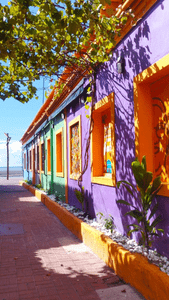
Choosing a strong theme is one of the most important steps when starting GCSE Art coursework. A good theme gives you enough room to experiment with different materials, artists, techniques, and ideas while still creating a clear connection between your research and final outcomes. Instead of choosing a topic simply because it looks interesting, think about whether you can develop it in several different directions. The best coursework themes often allow you to explore drawing, painting, photography, collage, printmaking, sculpture, mixed media, or digital processes.
Your sketchbook can become much stronger when you show how your ideas change throughout the project. Start by collecting visual references, making observational studies, researching relevant artists, and experimenting with materials. You do not need to know exactly what your final piece will look like at the beginning. In fact, showing experimentation and development can make the project more interesting.
These GCSE Art coursework ideas cover a range of themes, from nature and identity to architecture, objects, movement, and memories. Each one can be adapted to suit your personal interests and the assessment requirements of your specific exam board. Use these themes as starting points rather than copying the examples exactly, and develop your own visual language as your project progresses.
1. Nature and Organic Forms
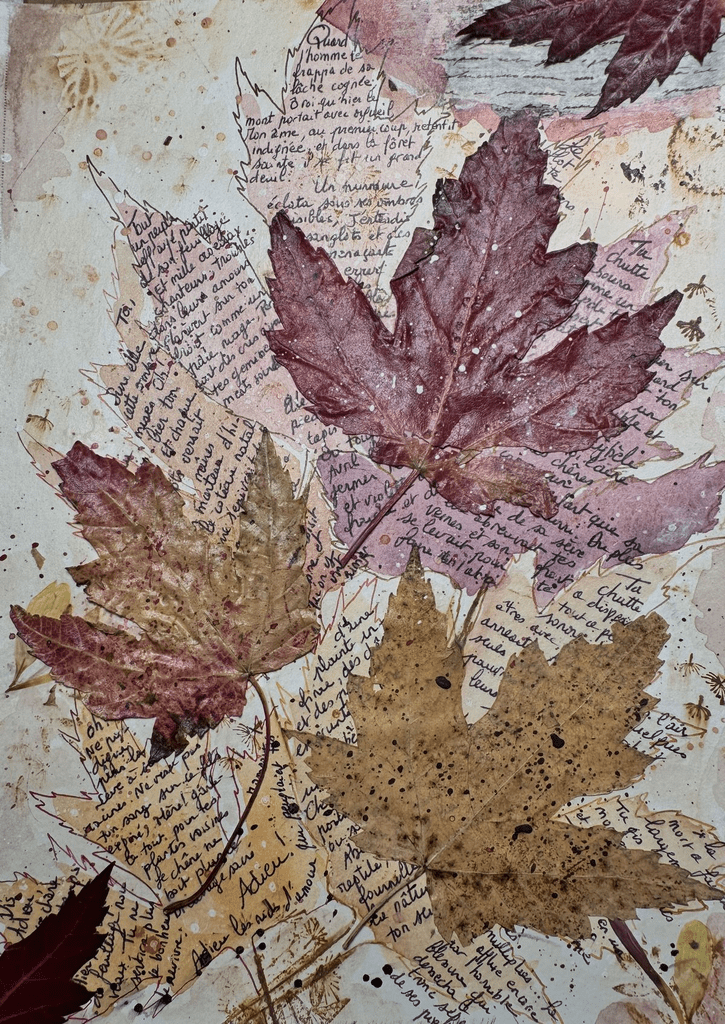
Nature is a versatile GCSE Art coursework theme because it provides an enormous amount of visual material. Leaves, flowers, trees, shells, feathers, insects, seeds, rocks, and fruits can all become starting points for observational drawing and experimentation.
Begin by collecting your own photographs or making direct observational studies. Look closely at textures, patterns, shapes, shadows, and natural structures rather than simply drawing an entire object. For example, the veins of a leaf can become an abstract pattern, while the surface of a tree can inspire a texture-based mixed-media piece.
You can experiment with pencil, charcoal, ink, watercolor, acrylic paint, photography, collage, or printmaking. Research artists who work with natural forms and consider how their approaches could influence your own experiments.
To develop the project, move from realistic studies toward abstraction. Enlarge small details, repeat patterns, combine several natural forms, or transform organic shapes into something unexpected.
A final piece could combine observational drawings with layered textures and photographs. The theme is particularly useful for students who enjoy detailed work but also want opportunities to experiment with abstraction.
2. Identity and Self-Portraiture
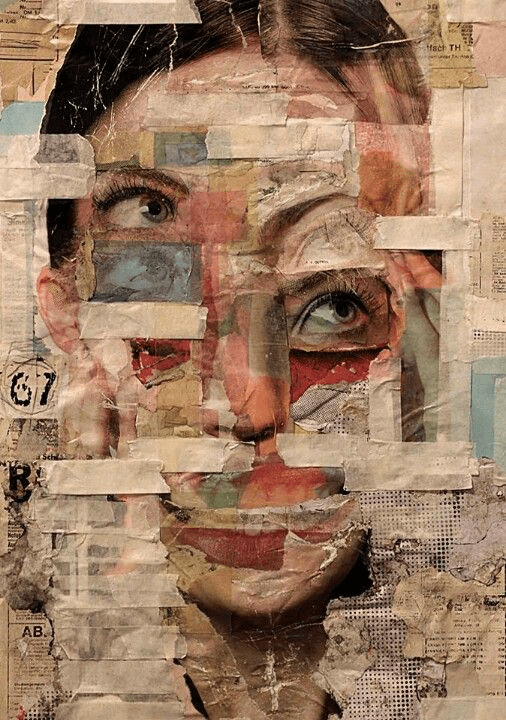
Identity offers plenty of opportunities for personal and meaningful GCSE Art coursework. Instead of limiting the project to traditional self-portraits, explore different aspects of who you are, such as memories, interests, culture, hobbies, emotions, relationships, or the way you present yourself to others.
Start with observational self-portraits using mirrors or photographs. Experiment with different lighting, facial expressions, viewpoints, and cropping. You could also photograph meaningful objects, clothing, rooms, or places that represent different parts of your identity.
Try combining portraiture with collage, handwritten text, photographs, paint, or transparent layers. You could distort facial features, repeat sections of the face, or combine your portrait with objects that have personal significance.
Artist research can help you explore different approaches to portraiture and identity. Instead of simply recreating an artist’s style, identify a technique or idea that interests you and adapt it to your own project.
A final artwork might combine a self-portrait with photographs, patterns, objects, or symbolic imagery. This theme works especially well when your development pages clearly explain why particular visual choices are connected to your personal ideas.
3. Architecture and Urban Spaces
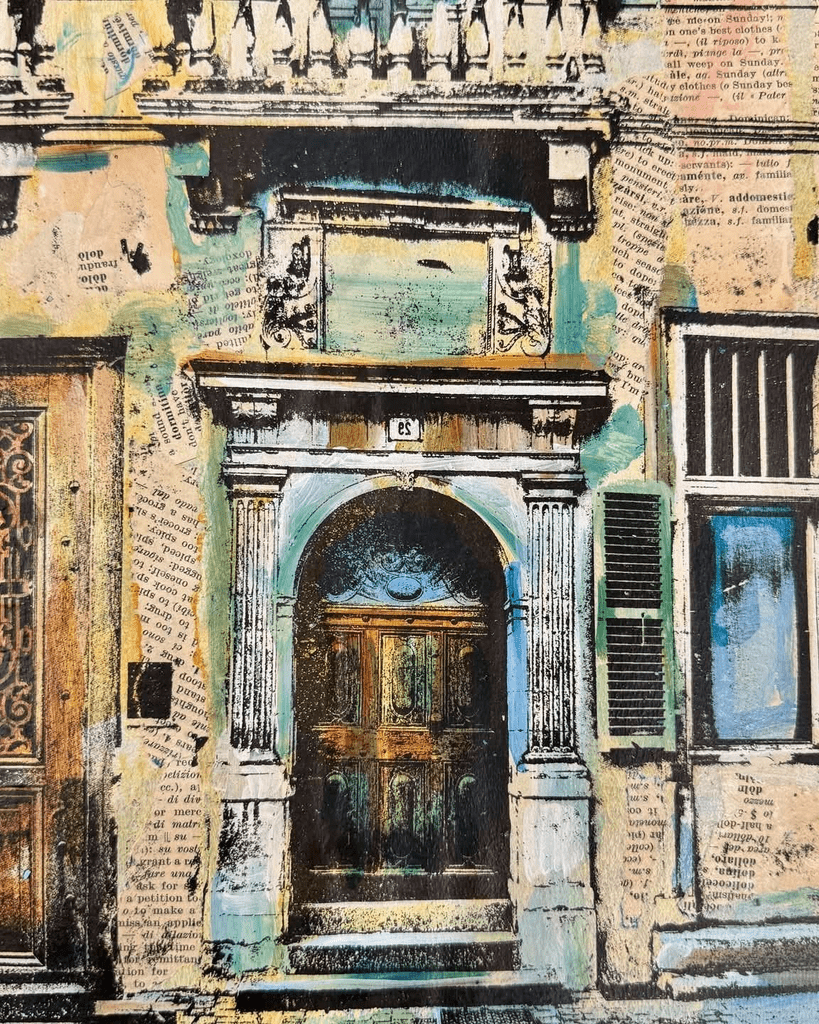
Buildings and urban environments can create a visually rich coursework project. Explore houses, schools, bridges, train stations, skyscrapers, abandoned buildings, streets, staircases, windows, doors, or industrial structures.
Photography can provide excellent source material. Try taking pictures from unusual viewpoints, such as looking directly upward, standing close to architectural details, or photographing reflections in windows.
Begin with accurate observational drawings before experimenting with distortion and abstraction. You could crop architectural photographs, repeat geometric shapes, combine multiple buildings, or exaggerate perspective.
Experiment with rulers and technical drawing alongside looser approaches such as charcoal, ink, or expressive paint. You could also create architectural collages from photographs, newspaper, tracing paper, or painted paper.
For a final piece, consider combining several viewpoints into one composition. A cityscape does not have to look completely realistic. Distorted perspective, repeated windows, layered structures, and contrasting textures can create a more personal outcome.
4. Memories and Childhood
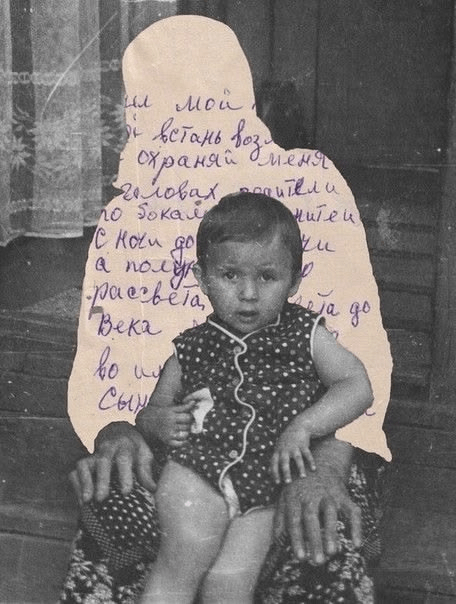
Memories can provide a personal direction for GCSE Art coursework while giving you plenty of visual material to explore. Think about places, toys, photographs, objects, family traditions, childhood rooms, old clothes, books, or activities that remind you of earlier experiences.
Begin by collecting photographs and objects connected to your chosen memories. Make observational drawings of these items and record written thoughts about why they are meaningful.
Old photographs can become useful material for collage and mixed media. Experiment with photocopying, enlarging, cropping, tearing, layering, and partially covering images. You could combine childhood photographs with drawings or present-day photographs of the same locations.
Consider how color can communicate memory. Soft, faded tones might suggest nostalgia, while strong contrasting colors could represent memories that feel particularly vivid.
The final artwork could combine several personal images into one layered composition. The strongest projects will not simply show childhood objects but explore what those objects represent and how memories can change over time.
5. Food and Everyday Objects
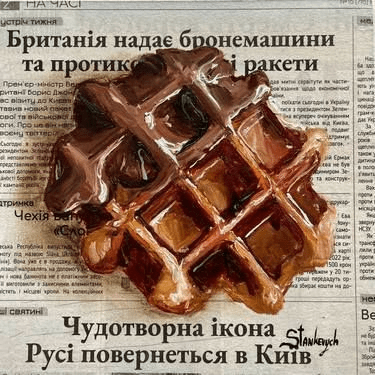
Everyday objects can become surprisingly interesting art subjects when you examine them closely. Food, kitchen utensils, packaging, cups, plates, bottles, fruit, and household objects offer opportunities for still-life drawing, photography, painting, and mixed media.
Start by arranging several objects together and photographing them from different angles. Make observational studies focusing on shape, texture, reflections, and shadows.
You could explore the contrast between fresh and processed food, natural and manufactured objects, or traditional and modern packaging. Enlarging a small section of an object can also transform an ordinary subject into an abstract composition.
Experiment with colored pencils, acrylic paint, watercolor, charcoal, photography, collage, or printmaking. Packaging can be cut up and incorporated into mixed-media work, while food textures can inspire abstract paintings.
For a final piece, create an arrangement that communicates an idea rather than simply showing objects. For example, repeated packaging could explore consumer culture, while decaying fruit could explore change and time.
6. The Sea and Underwater Worlds
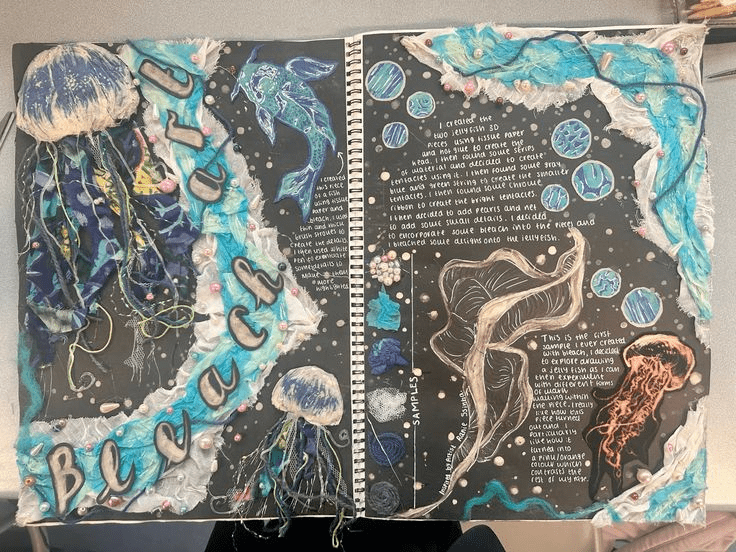
The sea provides a strong visual theme because it combines movement, texture, color, and organic forms. Explore waves, shells, coral, fish, seaweed, rocks, reflections, underwater plants, or objects found along the shoreline.
Photography can provide your main source material, especially if you can safely photograph beaches, rock pools, or coastal environments. Close-up images of shells and textures can also become excellent observational studies.
Experiment with transparent materials, watercolor washes, acrylic paint, ink, collage, and layered photography. Try representing the movement of water rather than simply painting a realistic seascape.
You could research artists who explore marine environments, then experiment with their approaches while developing your own ideas. Consider how color changes underwater and how light interacts with the surface.
A final piece might combine realistic sea-life drawings with abstract waves and translucent layers. This theme can also become more personal if you connect it to a particular place, memory, environmental concern, or experience.
7. Light and Shadow
Light and shadow can turn an ordinary subject into a dramatic artwork. This theme allows you to focus on contrast, atmosphere, composition, and the effects of different lighting conditions.
Choose simple objects and photograph them under different light sources. Try natural daylight, a desk lamp, side lighting, backlighting, or strong directional light. Observe how shadows change when you move the light.
Create observational drawings using pencil, charcoal, or ink, paying particular attention to the transition between light and dark. You can gradually introduce color through paint or photography.
For development work, experiment with extreme cropping and unusual viewpoints. Instead of showing the entire object, focus only on its shadow. You could also combine several shadows into an abstract composition.
A final piece might feature a familiar object dramatically transformed through lighting. This theme is particularly useful if you enjoy photography because you can generate a large amount of original source material while exploring both technical and conceptual development.
8. Movement and Motion
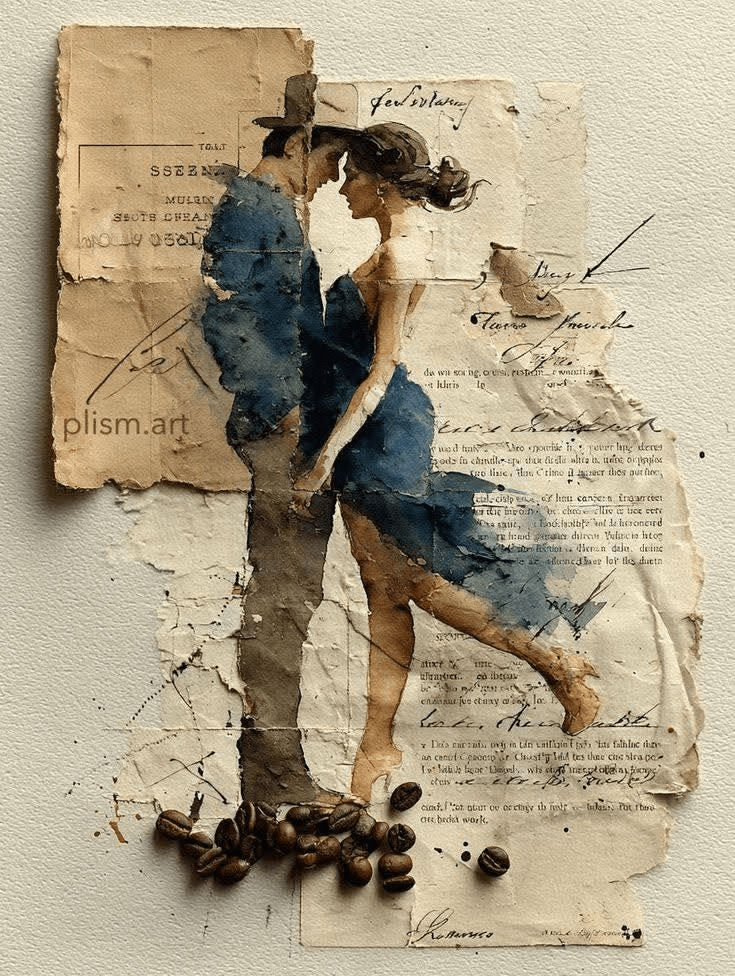
Movement is an exciting theme for students who want to explore dynamic compositions rather than static images. You could investigate dancing, running, sports, traffic, animals, flowing fabric, falling objects, or crowds.
Photography is particularly useful for capturing movement. Experiment with different shutter speeds, sequences, blurred images, and repeated frames if your equipment allows.
Drawing can also communicate movement without showing a perfectly accurate figure. Use expressive lines, overlapping forms, repeated shapes, and directional marks to suggest speed.
Try combining photography with drawing or painting. You could print a photograph and draw over it, layer several photographs together, or use transparent paper to create a sequence of movements.
For your final piece, consider showing several stages of an action in one composition. A dancer, runner, or cyclist could appear multiple times across the artwork, creating a sense of motion.
The theme works particularly well for students who enjoy experimenting because it encourages you to challenge traditional ideas of accurate representation.
9. Faces and Expressions
Faces provide endless possibilities for observational and expressive artwork. Instead of creating only traditional portraits, focus on emotions, expressions, relationships, or how different people communicate through facial features.
Start by photographing or drawing a range of faces. Experiment with different ages, expressions, viewpoints, and lighting conditions. Pay attention to how small changes in eyebrows, eyes, mouths, and shadows can alter an expression.
You can experiment with realistic drawing before gradually changing proportions or exaggerating particular features. Try charcoal for dramatic portraits, colored pencil for detail, or acrylic paint for stronger blocks of color.
Collage can also create interesting results. Cut and rearrange facial features, combine different faces, or layer photographs with painted sections.
For a final outcome, create a series of connected portraits rather than one isolated face. You could explore a single emotion through multiple expressions or show how one person appears under different circumstances.
This theme gives you plenty of opportunities to demonstrate observational skills while gradually developing a more personal and expressive approach.
10. Time and Decay
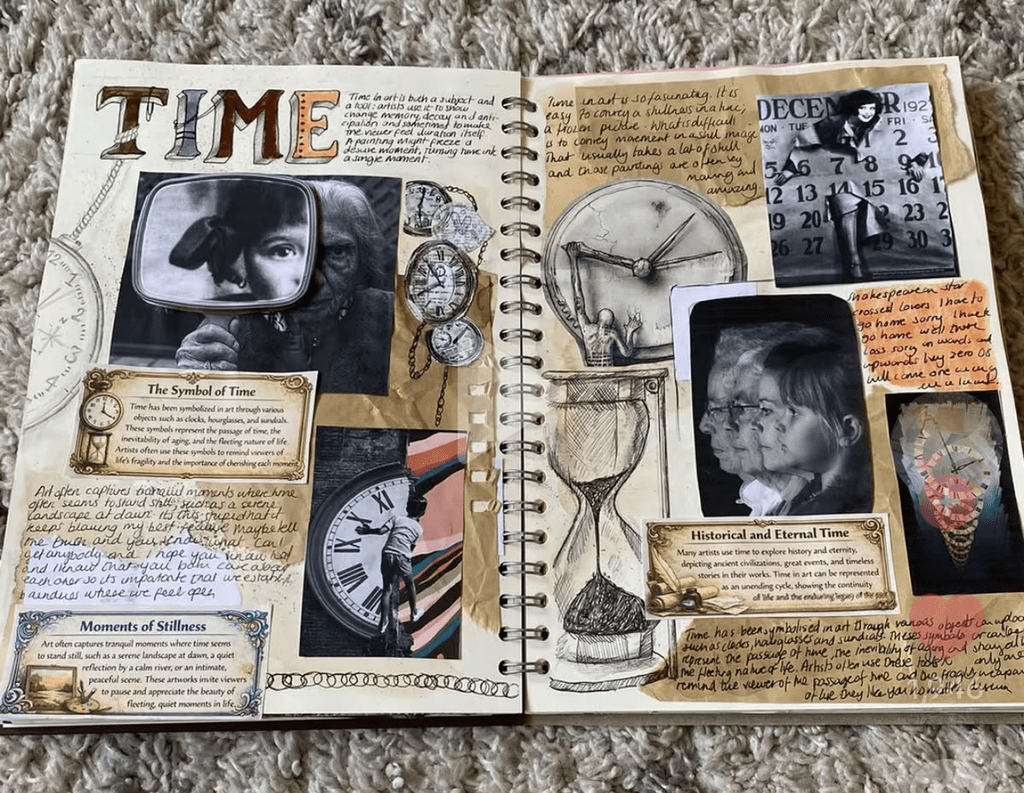
Time and decay can create a thoughtful GCSE Art coursework project with strong opportunities for experimentation. Look at objects that change over time, such as flowers, fruit, buildings, photographs, clothing, metal, or handwritten letters.
Start by photographing the same subject at different stages. For example, photograph a flower when it is fresh and continue documenting it as it changes. This gives you original material showing transformation.
You can experiment with distressed surfaces, faded colors, torn photographs, rust-like textures, layered paper, charcoal, and paint. Try combining old and new images in the same composition.
Think about how time can be represented visually. Repetition, fading, cracks, overlapping photographs, and gradual changes in color can all suggest aging.
For the final piece, combine several stages of your subject’s transformation into one artwork. The result could be realistic, abstract, or somewhere between the two.
This theme works especially well if you want your project to have a clear progression from initial observation to experimentation and a final piece that communicates a strong concept.
11. Patterns and Repetition
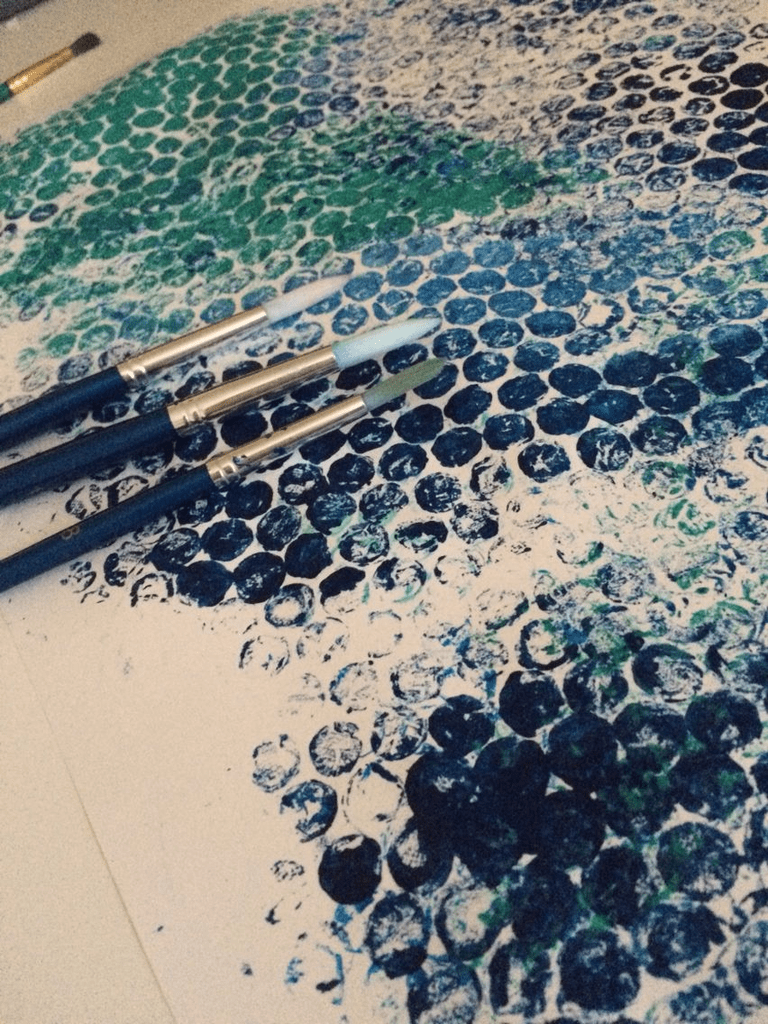
Patterns can become the foundation for a highly experimental art project. Look for repetition in nature, architecture, textiles, tiles, clothing, wallpaper, shells, plants, or everyday objects.
Begin by collecting photographs and making small observational drawings of interesting patterns. Then simplify, enlarge, rotate, mirror, or repeat these shapes to create new compositions.
You can experiment with printmaking, stencils, collage, painting, photography, digital editing, or mixed media. Try changing the scale so that a tiny pattern becomes the dominant feature of your artwork.
You could also explore the difference between regular and irregular repetition. A perfectly repeated geometric pattern creates a different feeling from an organic pattern that gradually changes.
For a final piece, consider creating a large composition made from one or several repeated motifs. You might begin with an observational image of a leaf, building, or shell and gradually transform it into an abstract pattern.
This theme is especially useful for students who enjoy design, graphic elements, or highly organized compositions.
12. Personal Places and Belonging
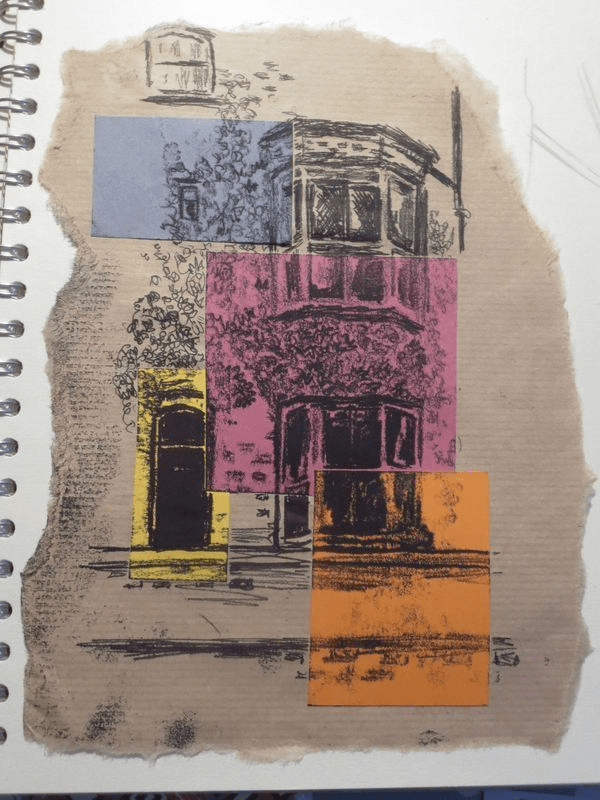
A project about places can combine architecture, landscape, memory, and personal experience. Think about a place that feels important to you, such as your home, neighborhood, school, a favorite park, a holiday location, or somewhere connected to your family.
Take photographs from different viewpoints and make observational drawings of important details. Do not focus only on large landscapes. A doorway, street sign, window, chair, tree, or familiar object can communicate a strong sense of place.
Experiment with combining different viewpoints into one composition. You could layer photographs, drawings, maps, handwritten notes, tickets, or other visual materials connected to the location.
Color can also help communicate atmosphere. Consider whether the place feels calm, nostalgic, energetic, lonely, familiar, or changing, and choose materials accordingly.
For the final artwork, bring several elements of the place together rather than simply copying one photograph. This allows your project to become more personal and gives you plenty of opportunities to demonstrate development throughout your sketchbook.
Short Summary
The best GCSE Art coursework ideas are themes that give you enough space to experiment, research, develop, and create something personal. Nature, identity, architecture, memories, food, the sea, light and shadow, movement, faces, time, patterns, and personal places can all become strong starting points. Once you choose a theme, build your project through original photography, observational studies, artist research, material experiments, and increasingly developed compositions. Avoid rushing straight toward the final piece. Instead, show how each experiment teaches you something and influences the next stage. A clear connection between your research, experiments, development, and final outcome can make the whole coursework project feel much more intentional.
FAQ
1. How do I choose a GCSE Art coursework theme?
Choose something you genuinely find interesting and that offers plenty of visual material. Make sure the theme can be explored through different subjects, materials, techniques, and ideas.
2. Can I make my GCSE Art theme personal?
Yes. Personal themes can give you strong opportunities to explain your choices and develop meaningful ideas. Identity, memories, family, places, and hobbies can all provide useful starting points.
3. Do I need to copy famous artists for GCSE Art?
No. Artist research should help you understand different techniques, concepts, and approaches. You can take inspiration from an artist and adapt relevant ideas to your own work.
4. What materials can I use for GCSE Art coursework?
Depending on your project and school facilities, you might use pencil, charcoal, ink, watercolor, acrylic, colored pencil, photography, collage, printmaking, textiles, sculpture, or digital processes.
5. Is photography useful for GCSE Art coursework?
Yes. Your own photographs can provide original source material for drawing, painting, collage, digital manipulation, and composition development.
6. How many ideas should I explore?
There is no single ideal number for every project. Focus on meaningful experimentation rather than producing many unrelated ideas. Your experiments should help you understand what works and guide your project toward a stronger outcome.
7. How can I make my GCSE Art sketchbook stronger?
Show your process clearly. Include observations, photographs, artist research, experiments, annotations, material tests, composition ideas, and explanations of how each stage influences the next.
8. Should my final GCSE Art piece look realistic?
Not necessarily. Your final outcome can be realistic, abstract, expressive, conceptual, or mixed-media. What matters is that it demonstrates development from your research and experimentation and communicates your chosen ideas effectively.