
Introduction
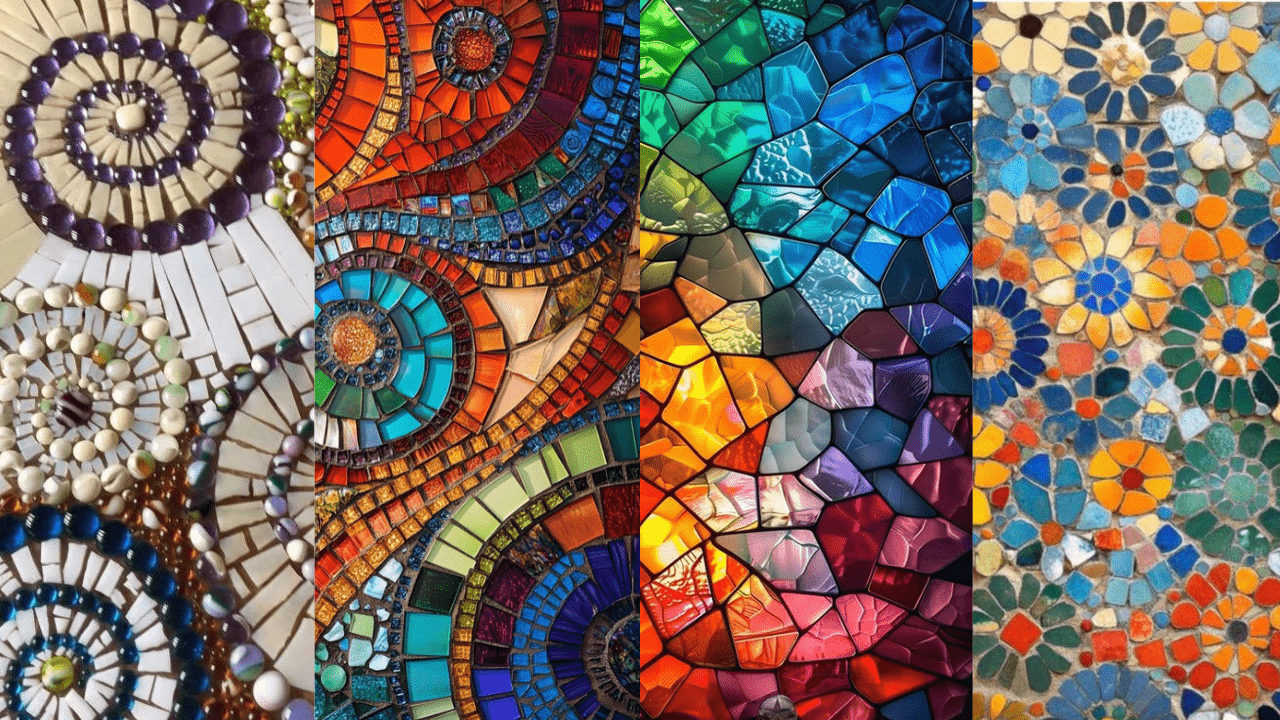
Mosaic art is a creative way to turn small pieces of different materials into colorful patterns, pictures, and decorative surfaces. While traditional mosaics often use ceramic or glass tiles, you can experiment with many other materials to create unique textures and styles.
The best material depends on the type of project, the surface you’re decorating, and whether the finished mosaic will be displayed indoors or outdoors. Here are 15 materials that can be used to make beautiful and creative mosaics.
1. Ceramic Tiles
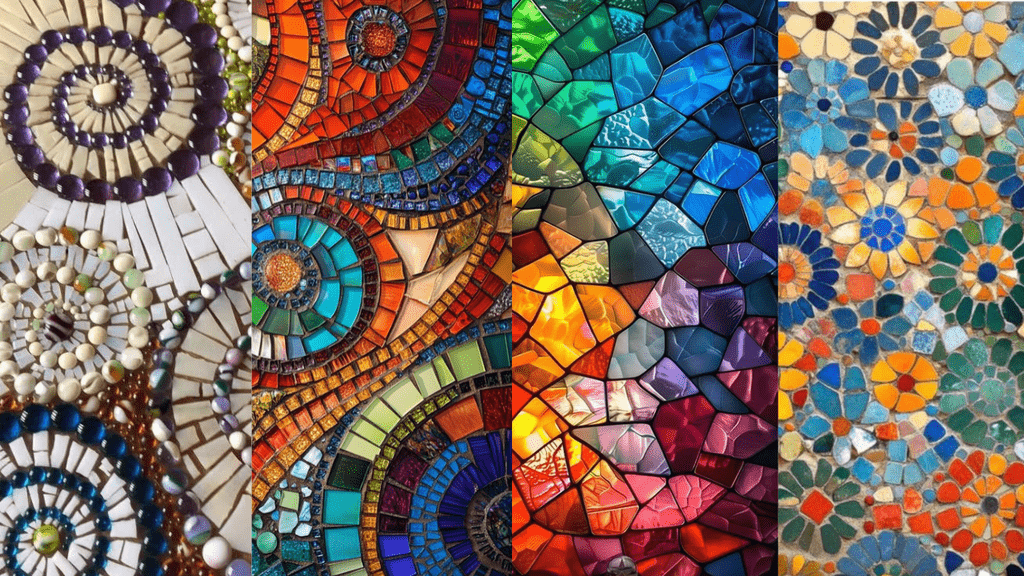
Ceramic tiles are one of the most popular materials for mosaic projects.
They work well for:
- Wall art
- Tabletops
- Planters
- Garden decorations
- Decorative panels
They are available in many colors, shapes, and finishes.
2. Glass Tiles
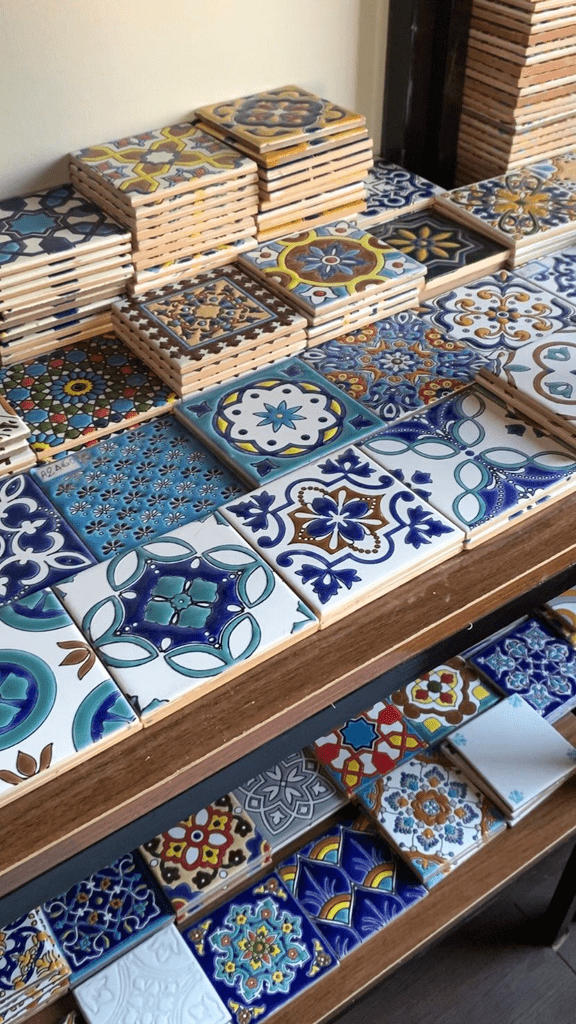
Glass tiles can add brightness and depth to a mosaic because they reflect and transmit light.
Try using them for:
- Bathroom mosaics
- Mirrors
- Wall art
- Decorative trays
- Outdoor designs
Mix transparent and opaque pieces for interesting effects.
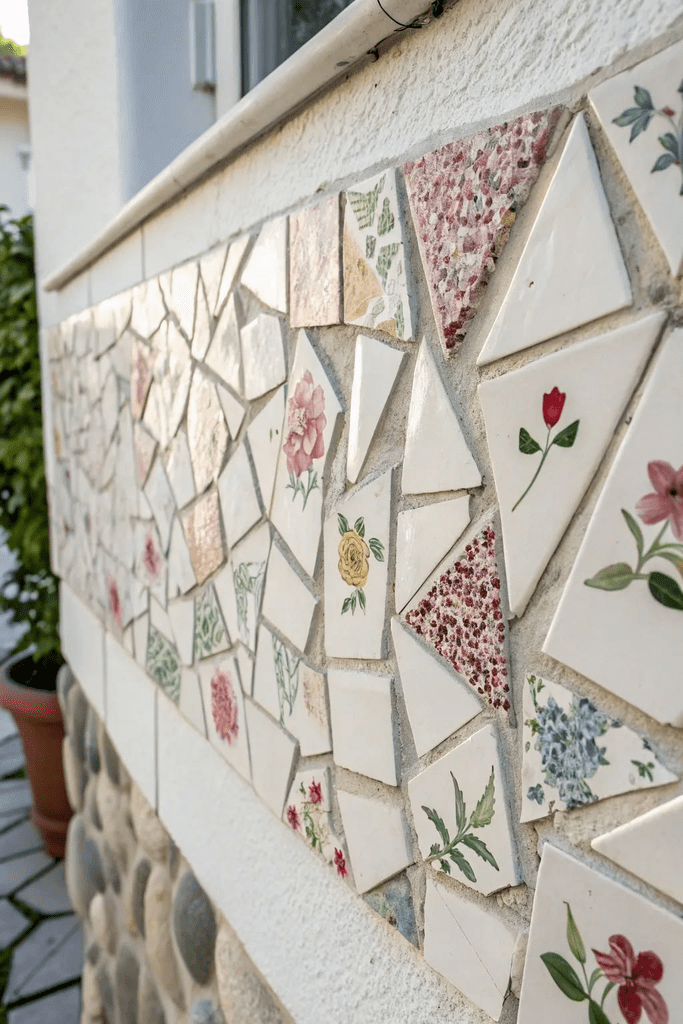
3. Broken China
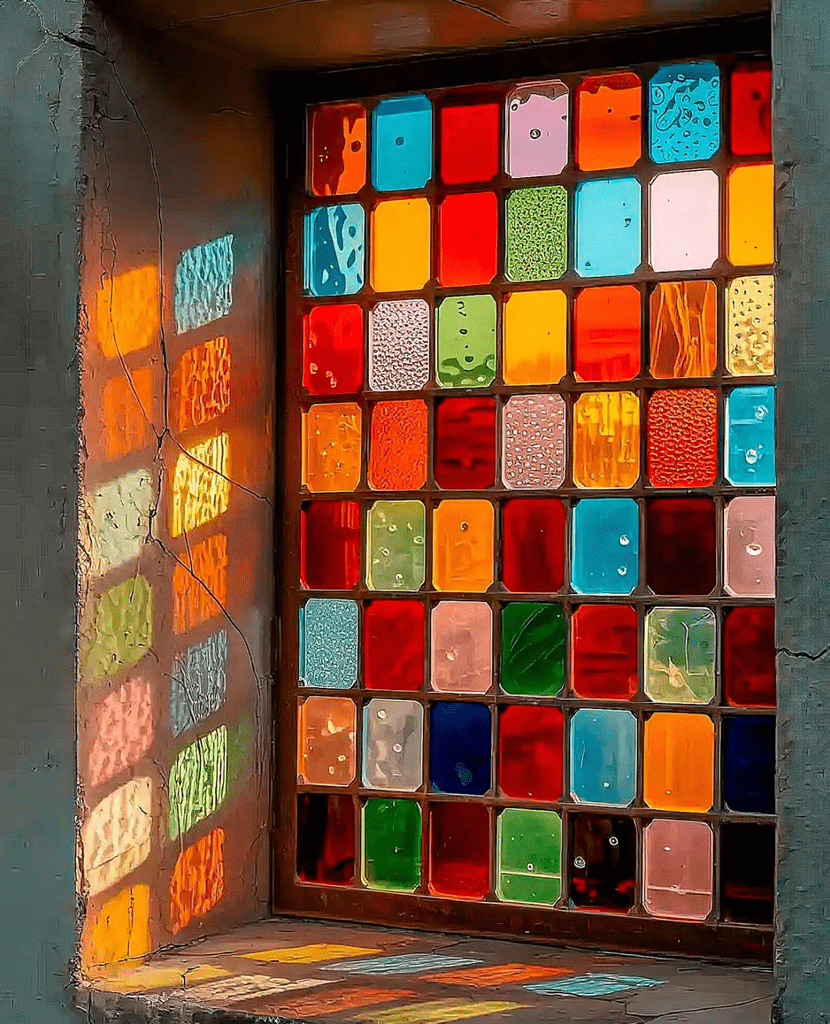
Old plates, cups, and dishes can be repurposed into beautiful mosaic pieces.
Look for:
- Floral patterns
- Solid colors
- Vintage designs
- Interesting borders
- Contrasting textures
Always handle broken ceramic pieces carefully because the edges can be sharp.
4. Sea Glass
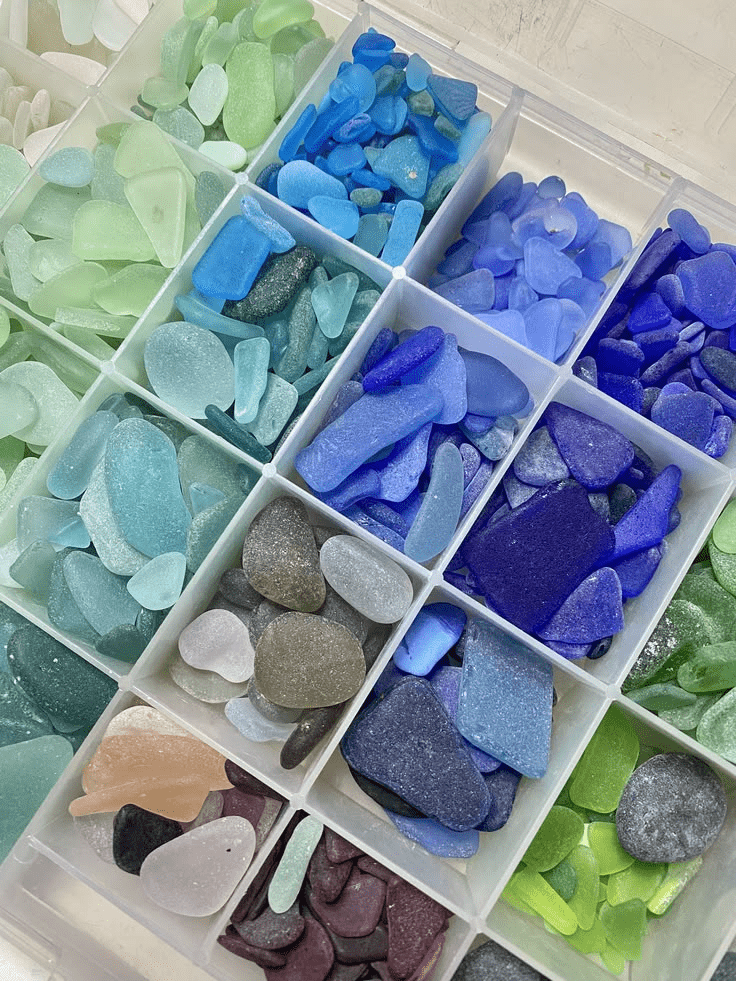
Naturally frosted sea glass can give mosaics a soft, beach-inspired appearance.
Use it for:
- Coastal artwork
- Picture frames
- Garden decorations
- Mirrors
- Small decorative panels
Purchased craft sea glass can be an alternative when naturally collected pieces aren’t available.
5. Pebbles and Small Stones
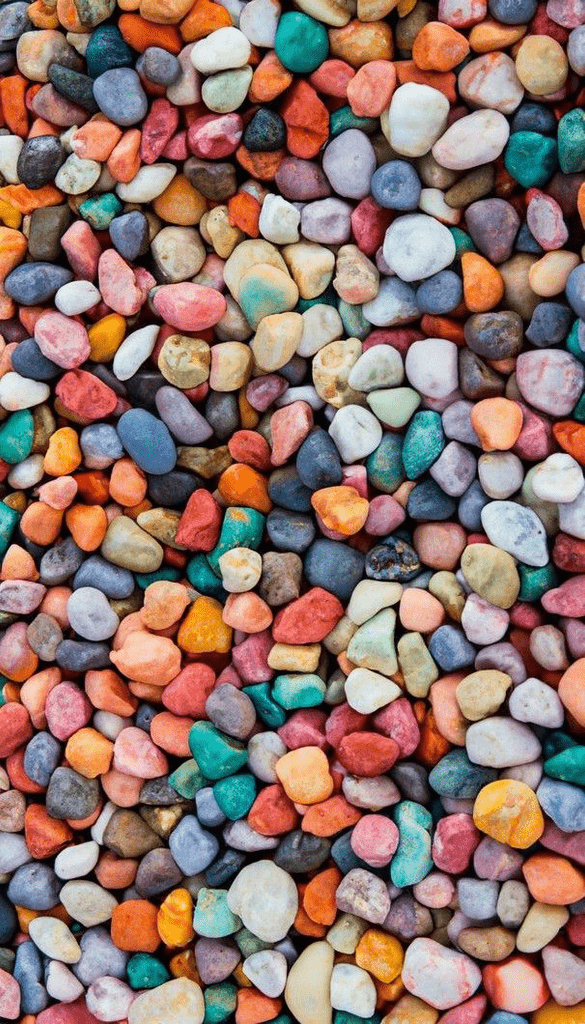
Natural stones create an earthy texture and are especially suitable for outdoor mosaics.
Try them for:
- Garden stepping stones
- Pathways
- Patio decorations
- Planters
- Landscape features
Choose relatively flat pieces when working on a surface that needs to remain even.
6. Seashells
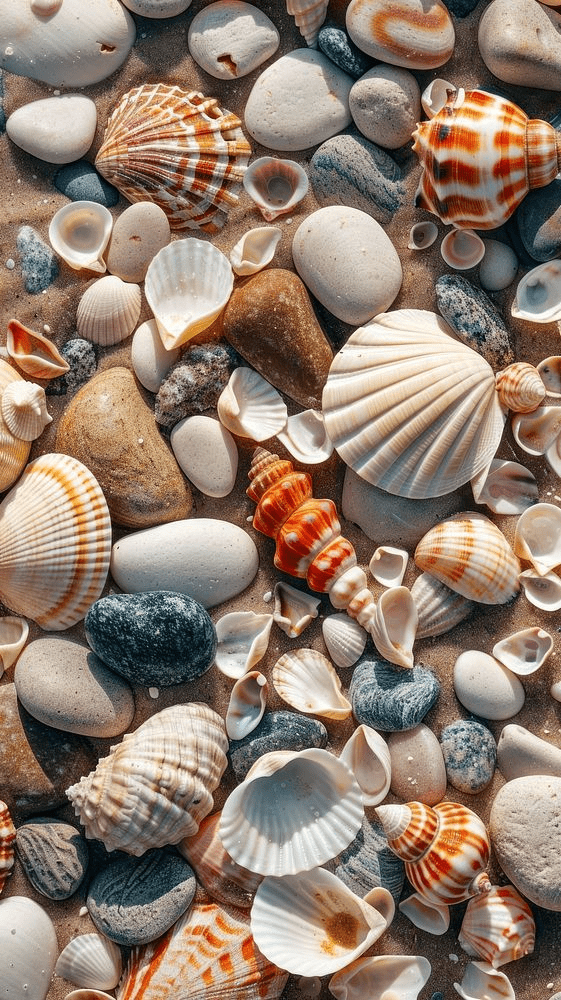
Seashells can bring a coastal theme and natural texture to mosaic artwork.
Use shells for:
- Mirrors
- Frames
- Wall art
- Garden decorations
- Beach-themed signs
Combine whole shells with smaller shell fragments for variety.
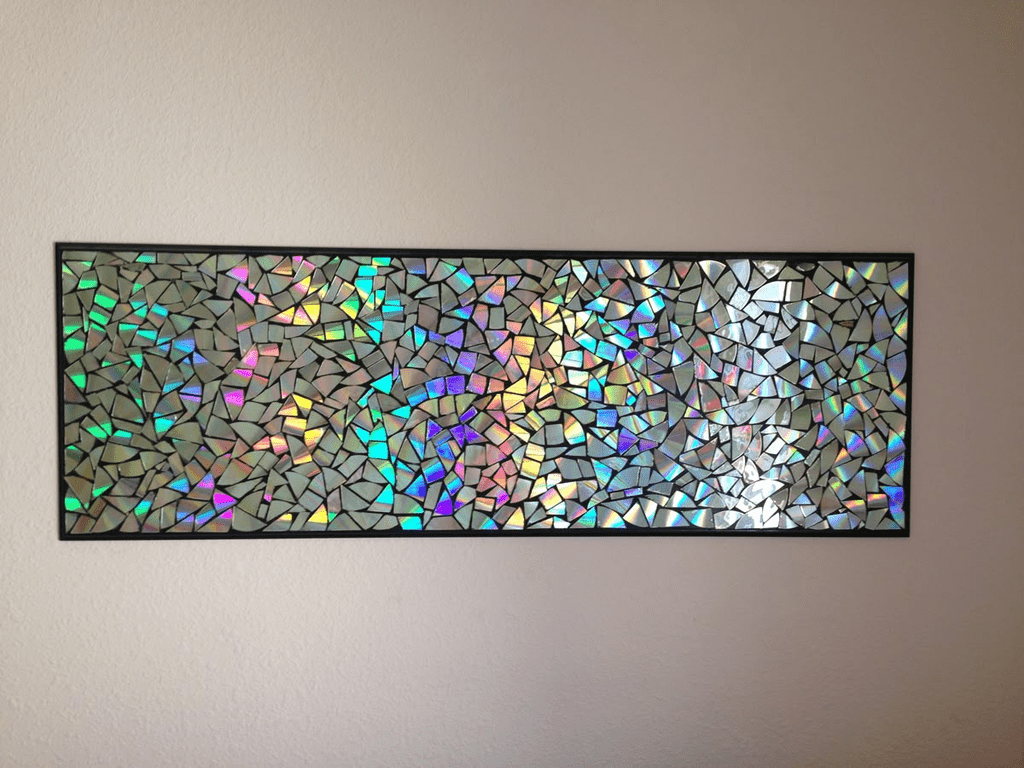
7. Mirror Pieces
Small mirror pieces can add sparkle and make mosaic surfaces visually striking.
Great for:
- Decorative mirrors
- Wall art
- Furniture accents
- Picture frames
- Indoor ornaments
Wear appropriate eye protection when cutting or handling mirror pieces.
8. Terracotta Pieces
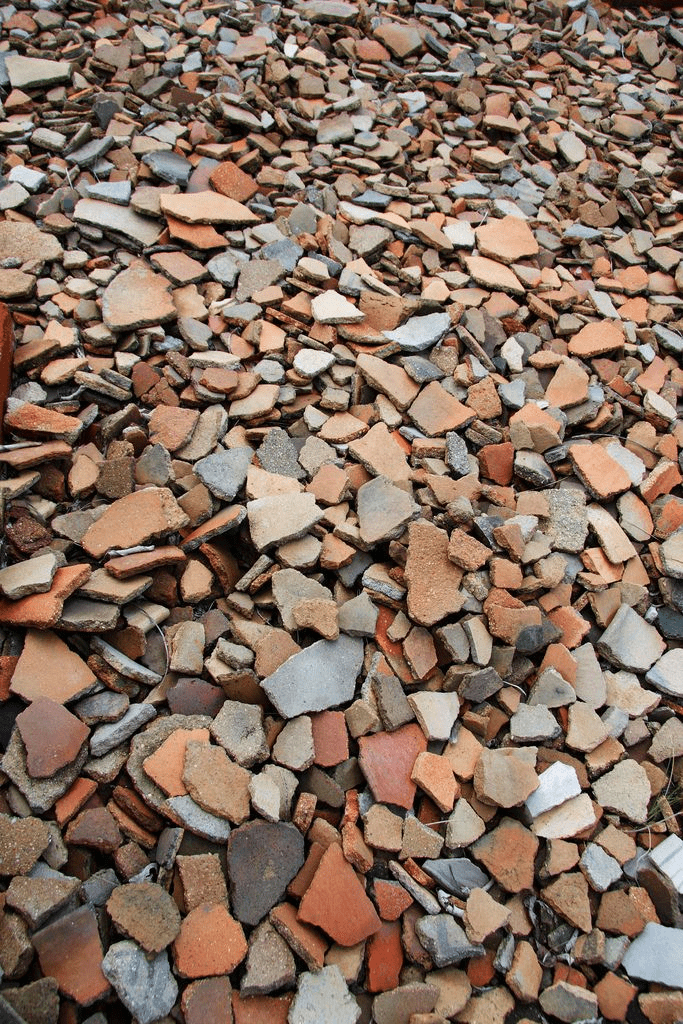
Broken terracotta pots can be reused as warm, earthy mosaic materials.
Try them on:
- Garden pots
- Outdoor signs
- Stepping stones
- Garden walls
- Planters
Their natural orange and brown tones pair well with stones and ceramic tiles.
9. Glass Beads
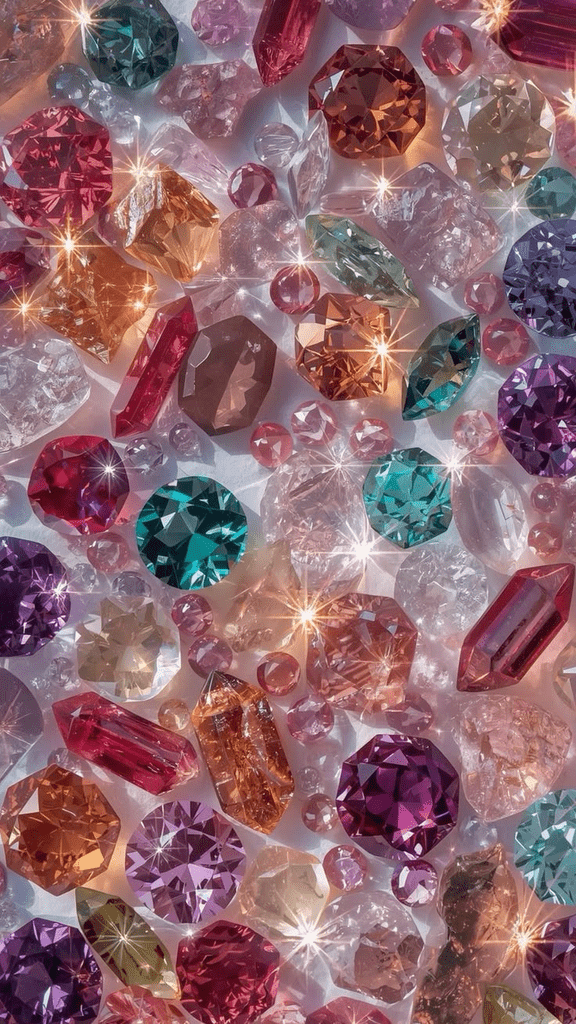
Glass beads can provide small points of color and texture.
Use them as:
- Decorative accents
- Flower centers
- Border details
- Pattern highlights
- Jewelry-inspired designs
They’re particularly useful for filling small spaces between larger pieces.
10. Bottle Caps
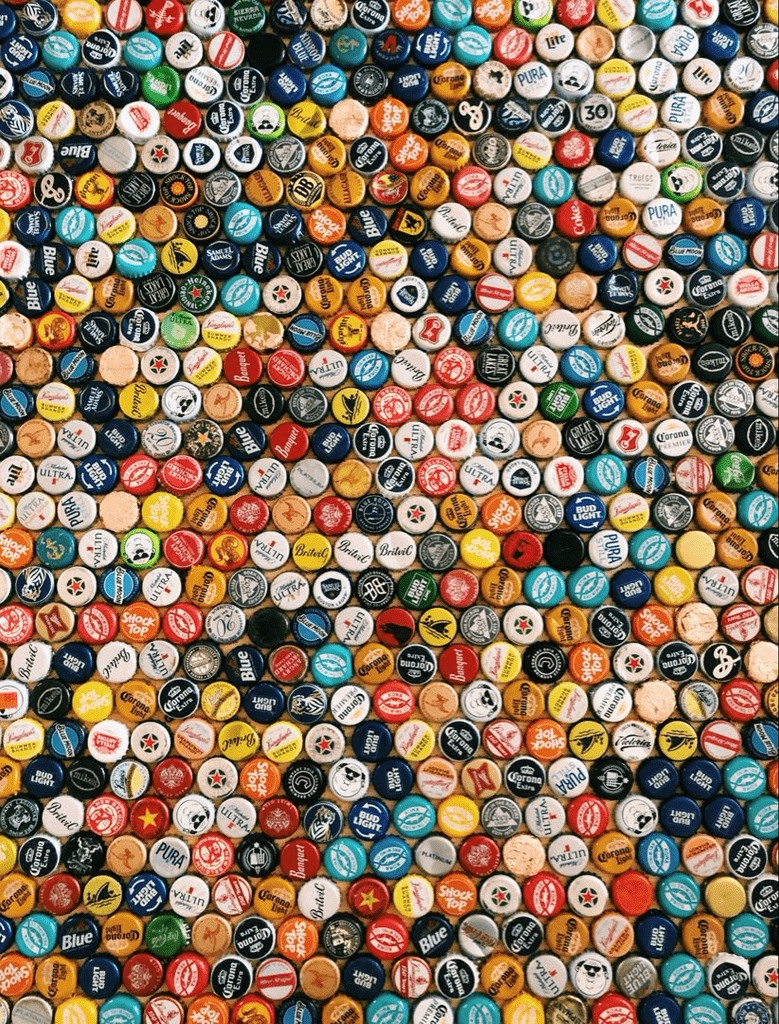
Clean bottle caps can create playful, colorful mosaics with a three-dimensional effect.
Try making:
- Wall art
- Garden decorations
- Signs
- Children’s craft projects
- Colorful patterns
Arrange caps by color to create simple geometric designs.
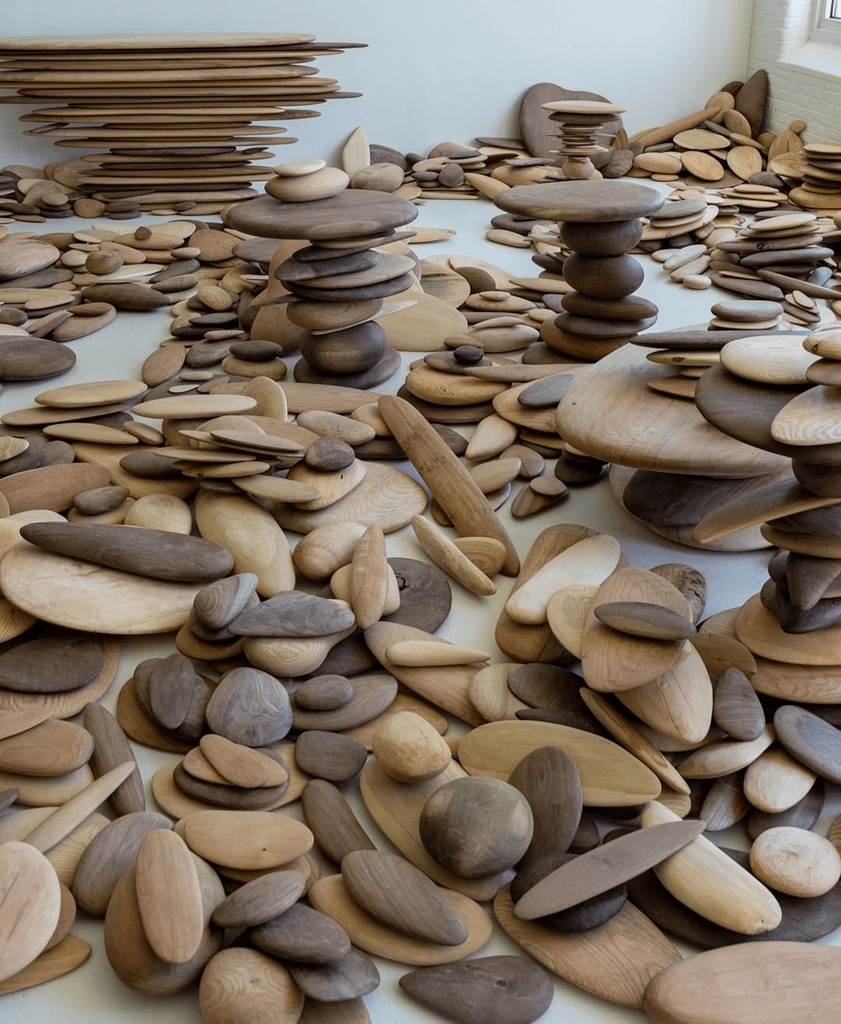
11. Wooden Pieces
Small pieces of wood can add warmth and natural texture to mosaic artwork.
Options include:
- Wood slices
- Small wooden shapes
- Craft sticks
- Thin wood scraps
Use suitable materials and finishes based on whether the mosaic will remain indoors or outdoors.
12. Buttons
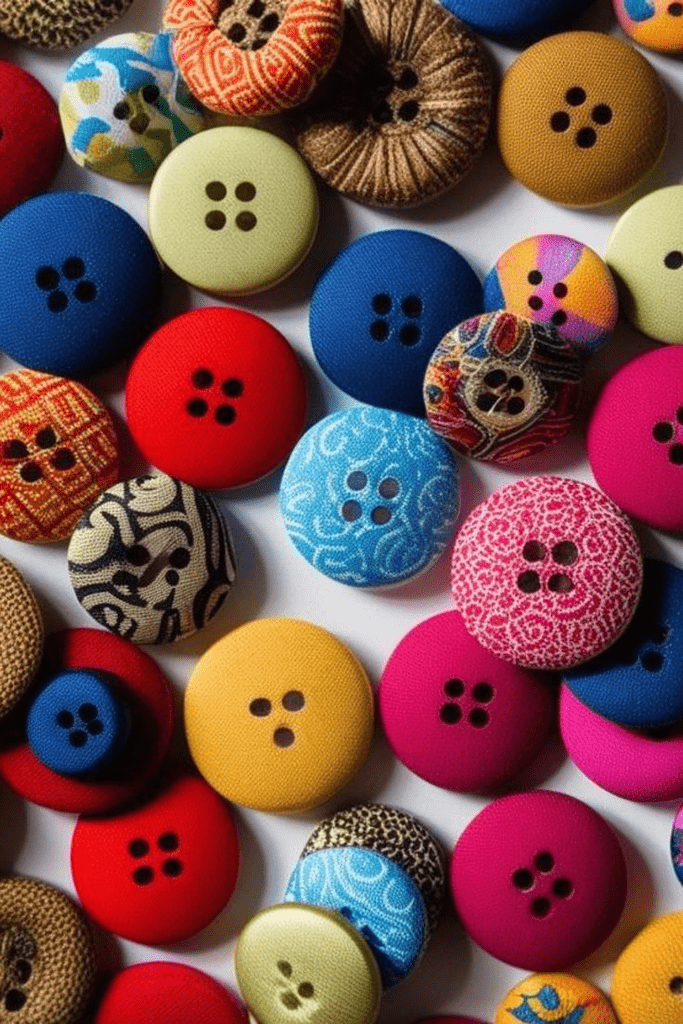
Buttons are lightweight and available in countless colors, shapes, and sizes.
Use them to create:
- Flowers
- Geometric patterns
- Children’s artwork
- Decorative frames
- Small wall pieces
They work particularly well for craft-style mosaics.
13. Eggshells
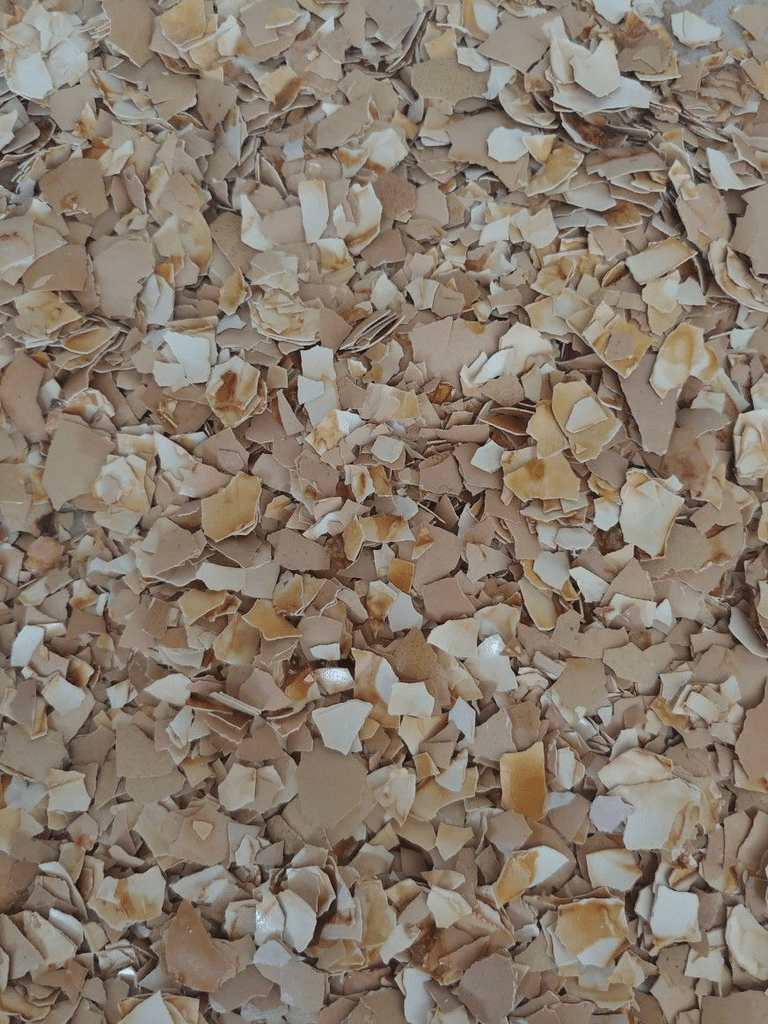
Clean, dried eggshells can be used to create delicate textured mosaic designs.
Try using them for:
- Small canvases
- Decorative boxes
- Frames
- Greeting-card art
- Patterned artwork
Paint the shells different colors before arranging them for additional variety.
14.Natural Wood Bark
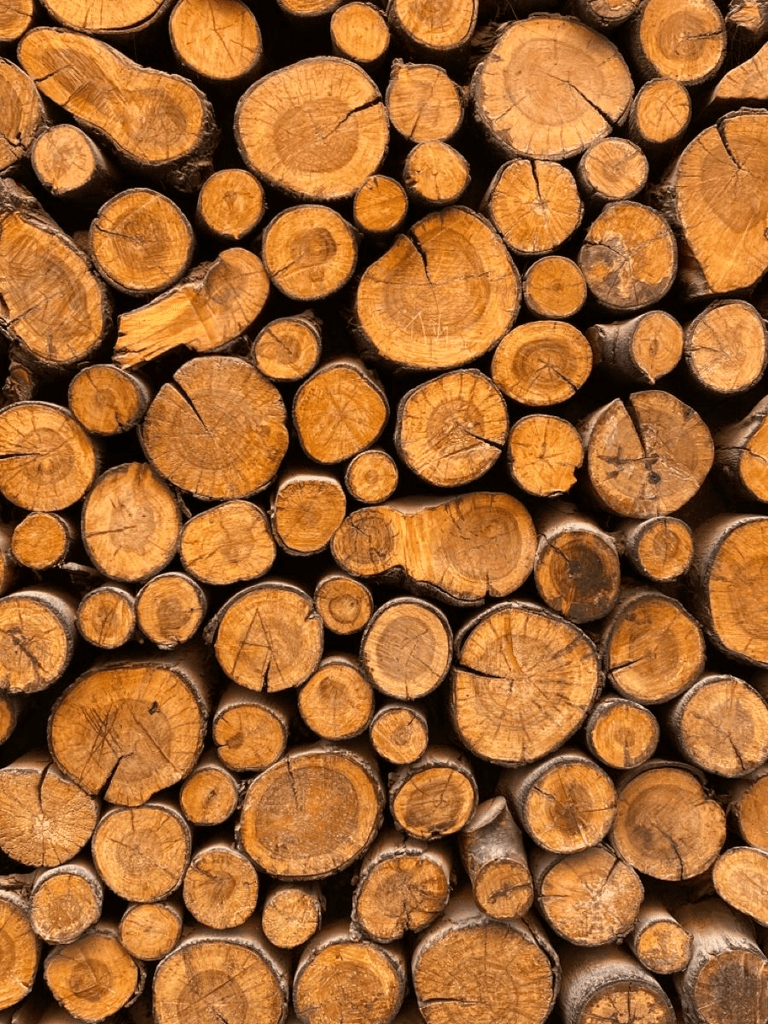
Small pieces of suitable bark can give a mosaic an organic, rustic appearance.
Combine bark with:
- Pebbles
- Wood pieces
- Dried natural materials
- Ceramic pieces
Use clean, dry material and appropriate adhesive for the project.
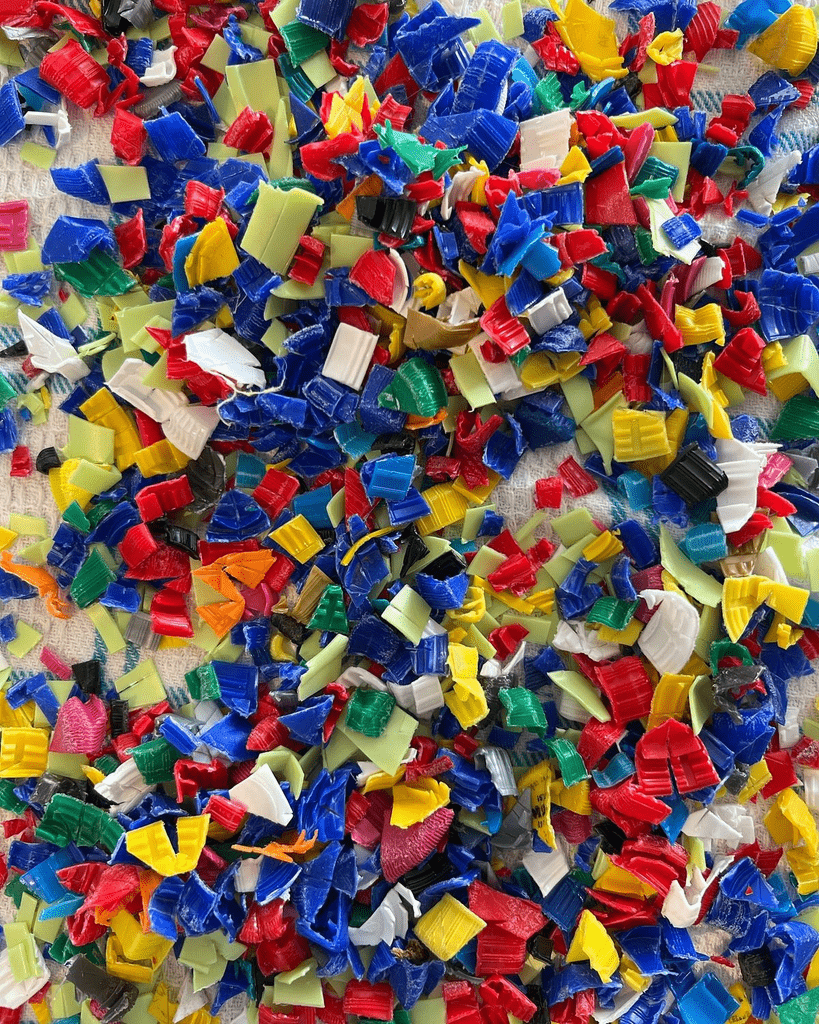
15. Recycled Plastic Pieces
Clean, sturdy plastic pieces can be cut into simple shapes and used for colorful craft mosaics.
Try:
- Plastic packaging
- Bottle pieces
- Colored containers
- Craft plastic sheets
Only use clean, suitable plastics and avoid sharp edges. For projects involving cutting or heating plastic, use appropriate safety precautions and ventilation.
Summary
Mosaics don’t have to be made exclusively from traditional tiles. Ceramic, glass, china, sea glass, stones, seashells, mirrors, terracotta, beads, bottle caps, wood, buttons, eggshells, bark, and suitable recycled plastics can all add different colors, textures, and shapes to a project. Experimenting with materials can help you create mosaics that feel personal and distinctive. For beginners, ceramic tiles, buttons, pebbles, and other easy-to-handle materials are good places to start.
Frequently Asked Questions
What is the best material for making mosaics?
Ceramic tiles and glass tiles are popular choices because they are durable, colorful, and available in many shapes and sizes. The best option depends on your project.
Can I make a mosaic with recycled materials?
Yes. Broken dishes, bottle caps, buttons, suitable plastic pieces, old tiles, and other reusable materials can be incorporated into creative mosaics.
What materials are easiest for beginners?
Flat ceramic pieces, buttons, small pebbles, and craft tiles are generally easier to arrange than irregular or very sharp materials.
Can seashells be used in mosaics?
Yes. Seashells can create beautiful coastal designs and can be combined with glass, ceramic, stones, and other decorative materials.
Can mosaics be made outdoors?
Yes, but outdoor mosaics require materials, adhesives, grout, and finishes that are appropriate for moisture, temperature changes, and weather exposure.
Do mosaic pieces need to be the same size?
No. Combining different sizes and shapes can create interesting texture and movement. Smaller pieces are useful for details and curved areas.
What surface can I use for a mosaic?
Depending on the project, you can use wood, ceramic pots, concrete, suitable boards, trays, frames, and other stable surfaces compatible with your adhesive and grout.
How do I choose materials for one mosaic?
Start with a theme or color palette, then choose materials with compatible textures and durability. If the mosaic will be outdoors, prioritize materials designed to withstand outdoor conditions.