
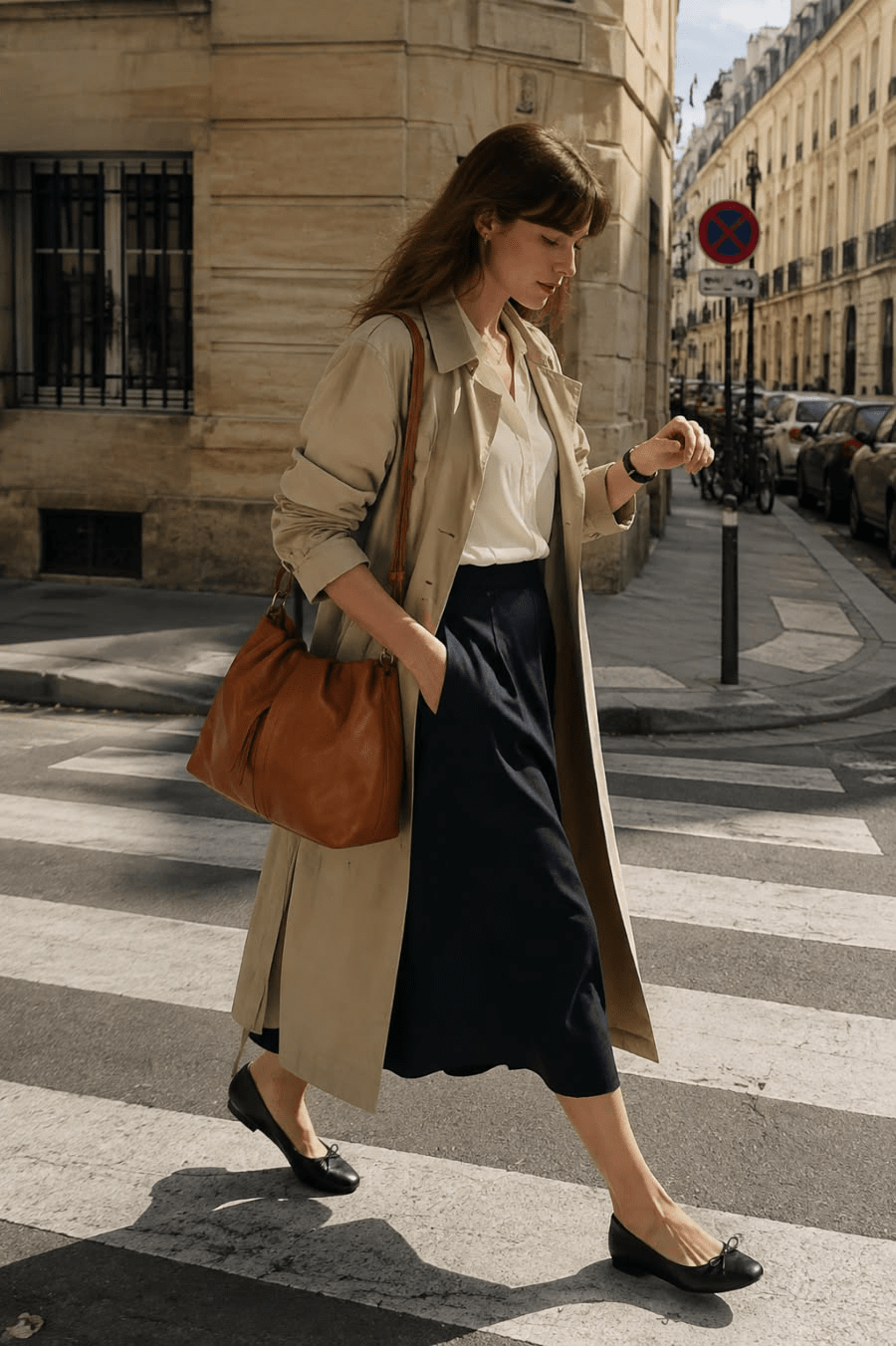
Museum outfits are all about finding the sweet spot between comfort, personal style, and timeless elegance. A museum visit often means spending several hours walking through galleries, standing in front of exhibits, and moving between indoor and outdoor spaces, so your outfit should feel comfortable while still looking polished. Classic pieces such as tailored trousers, midi skirts, simple knitwear, button-down shirts, loafers, and structured bags can easily create an effortlessly sophisticated museum look.
The best museum outfits also leave room for your personality. You do not need to dress formally to look elegant. Neutral colors, classic silhouettes, subtle accessories, and quality-looking basics can create an outfit that feels refined without appearing overly styled. Layering is especially useful because museums can vary in temperature, while comfortable shoes are essential if you plan to explore several galleries. Whether you prefer minimalist, feminine, casual, or slightly vintage fashion, these timeless museum looks can help you put together an outfit that feels appropriate for the setting and easy to wear all day.
1. Tailored Trousers and a Classic Button-Down
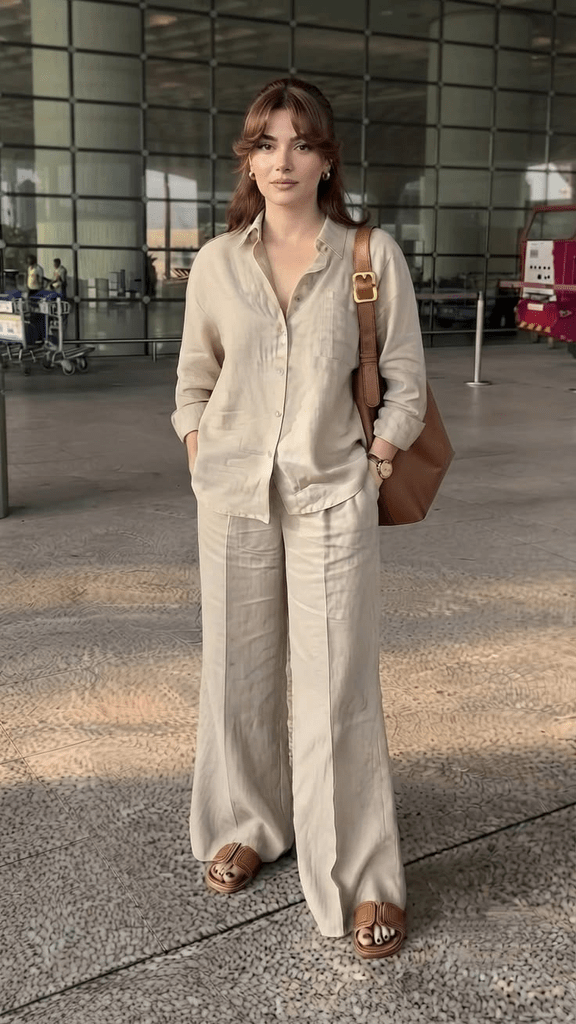
Tailored trousers paired with a classic button-down shirt create one of the easiest timeless museum outfits. The combination feels polished without being overly formal, making it suitable for everything from a quiet afternoon at an art museum to exploring several galleries in one day.
Choose straight-leg, wide-leg, or slightly relaxed trousers in shades such as black, cream, camel, navy, or gray. Pair them with a crisp white shirt for a classic look, or choose a soft blue, beige, or subtle striped shirt for something more relaxed.
For footwear, loafers, ballet flats, or sleek low-profile sneakers can keep the outfit comfortable while maintaining a polished appearance. Add a structured shoulder bag or medium-sized tote for a practical finishing touch.
Simple jewelry works particularly well with this outfit. Think small hoops, a delicate necklace, or a classic watch. If the museum is cool, add a lightweight cardigan or tailored blazer.
The result is an understated outfit that looks sophisticated in photographs while remaining comfortable enough for hours of walking.
2. Midi Skirt and Fitted Knit Top
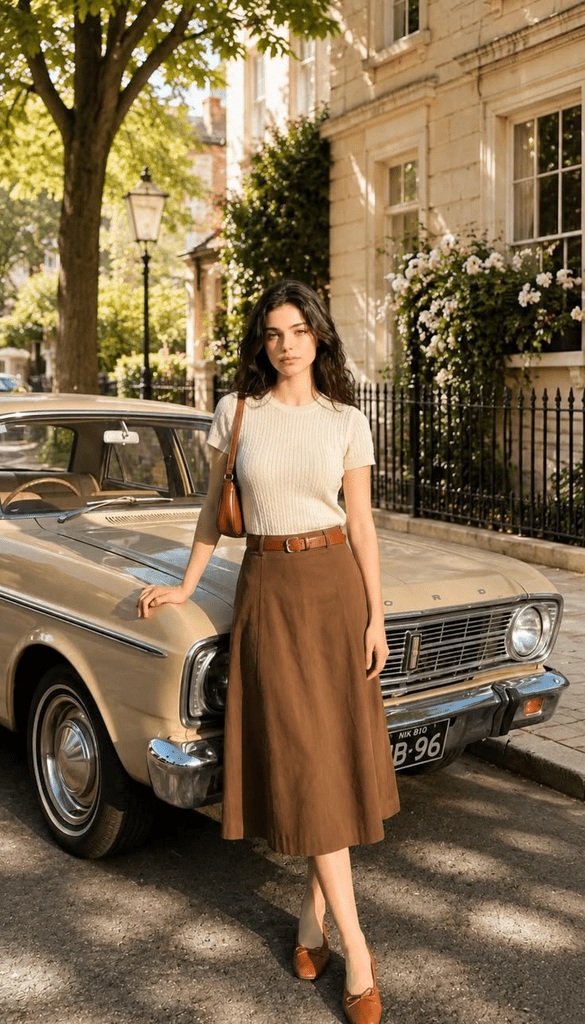
A midi skirt and fitted knit top offer a feminine alternative to trousers while keeping the overall look sophisticated and practical. The longer skirt length creates an elegant silhouette without feeling too formal.
Try a pleated, A-line, satin, or straight midi skirt depending on your personal style. Neutral shades such as black, cream, brown, navy, and olive make the outfit particularly versatile.
Pair the skirt with a fitted knit sweater or simple long-sleeve top. Tucking the top into the waistband can help define the shape of the outfit, while a slim belt can add another classic detail.
Complete the look with ballet flats, loafers, ankle boots, or comfortable Mary Jane shoes. A small crossbody bag keeps your hands free for exploring exhibits and reading museum information.
For cooler weather, layer a trench coat, cardigan, or simple wool coat over the outfit. Keep accessories understated so the clothing feels elegant rather than overly complicated. This is a particularly lovely choice when you want a museum outfit that feels polished and feminine.
3. Straight-Leg Jeans and a Blazer
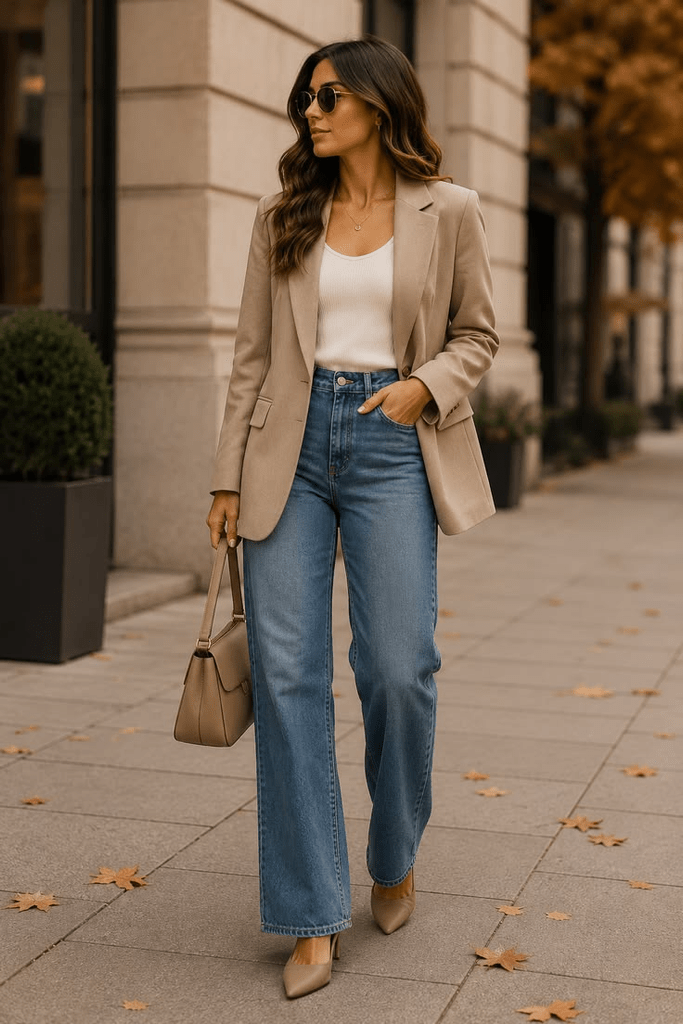
If your personal style is more casual, straight-leg jeans and a blazer can create a relaxed museum look that still feels put together. This combination is especially useful for casual galleries, weekend museum trips, or days when you plan to explore a neighborhood afterward.
Choose dark-wash or medium-wash straight-leg jeans without excessive distressing. Pair them with a simple fitted T-shirt, lightweight knit top, or classic tank layered underneath.
Add a structured blazer in black, beige, gray, navy, or brown. The tailored outer layer instantly gives simple jeans a more refined appearance.
For shoes, choose clean sneakers, loafers, or comfortable ankle boots. A leather-look crossbody bag or structured tote can complement the blazer and pull the outfit together.
Keep the accessories simple with sunglasses, small earrings, and a watch. If you want a more elevated look, choose a monochromatic palette such as dark denim, black, and charcoal. This outfit proves that museum fashion does not have to mean dressing up—it simply requires thoughtful combinations of classic pieces.
4. Monochrome Neutral Outfit
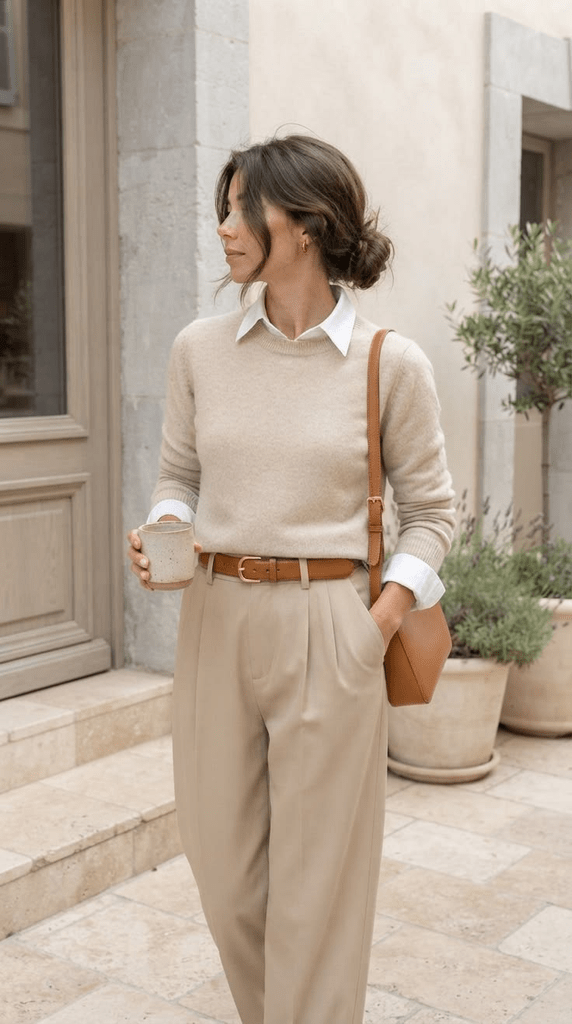
A monochrome neutral outfit is an easy way to create an elegant museum look without spending much time deciding what to wear. Dressing in different shades of the same color family creates a cohesive appearance and gives simple pieces a more intentional feel.
Try combinations such as cream and beige, camel and brown, gray and charcoal, or black from head to toe. You can build the outfit around trousers and a sweater, a skirt and blouse, or jeans with a knit top.
The secret to making a monochrome outfit interesting is texture. Combine materials such as denim, knitwear, cotton, suede, leather-look accessories, or wool. Different textures prevent the outfit from looking flat.
Comfortable loafers, ballet flats, or minimalist sneakers can complete the look. Add a structured handbag and understated jewelry for a sophisticated finish.
This style works particularly well in museums because it looks polished without competing visually with the artwork around you. It is also easy to adapt for different seasons by changing the layers and fabrics while keeping the same color palette.
5. Classic Midi Dress and Flats
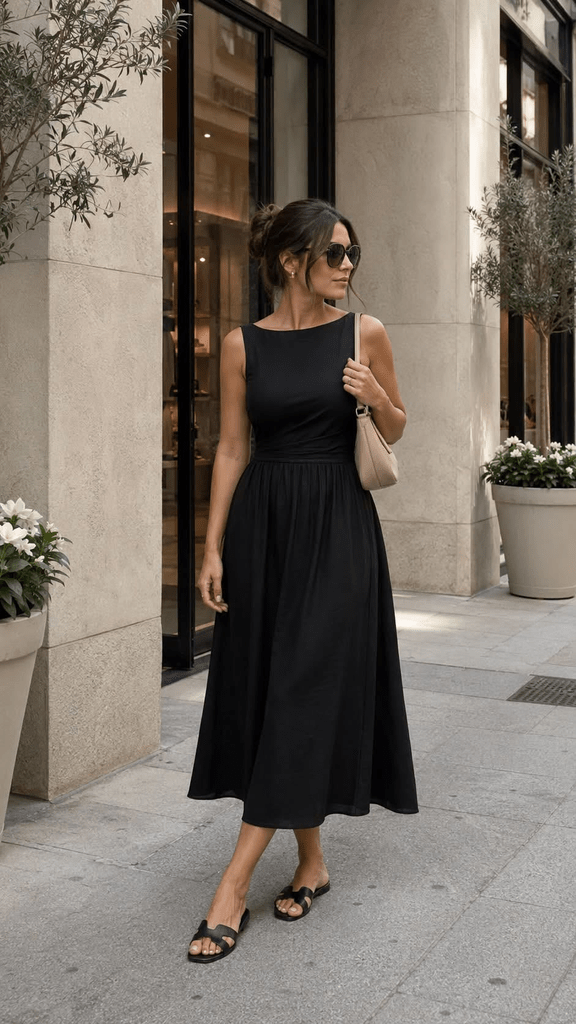
A simple midi dress is an effortless museum outfit when you want to look feminine without putting together several separate pieces. Choose a classic silhouette that allows comfortable movement and does not require constant adjustment.
A shirt dress, wrap-inspired dress, simple knit midi, or softly structured A-line style can all work beautifully. Solid colors and subtle prints tend to create the most timeless appearance.
Pair the dress with ballet flats, loafers, Mary Janes, or low ankle boots. If you expect to walk extensively, prioritize shoes that you already know are comfortable.
Add a lightweight cardigan, cropped jacket, trench coat, or simple blazer depending on the weather. A crossbody bag keeps the look practical while allowing you to move freely.
For accessories, choose one or two simple pieces rather than layering too many statement items. A watch, small earrings, or a delicate necklace can be enough. This outfit is especially useful when you want something that can transition from a museum visit to lunch or coffee afterward.
6. Wide-Leg Pants and a Minimalist Top
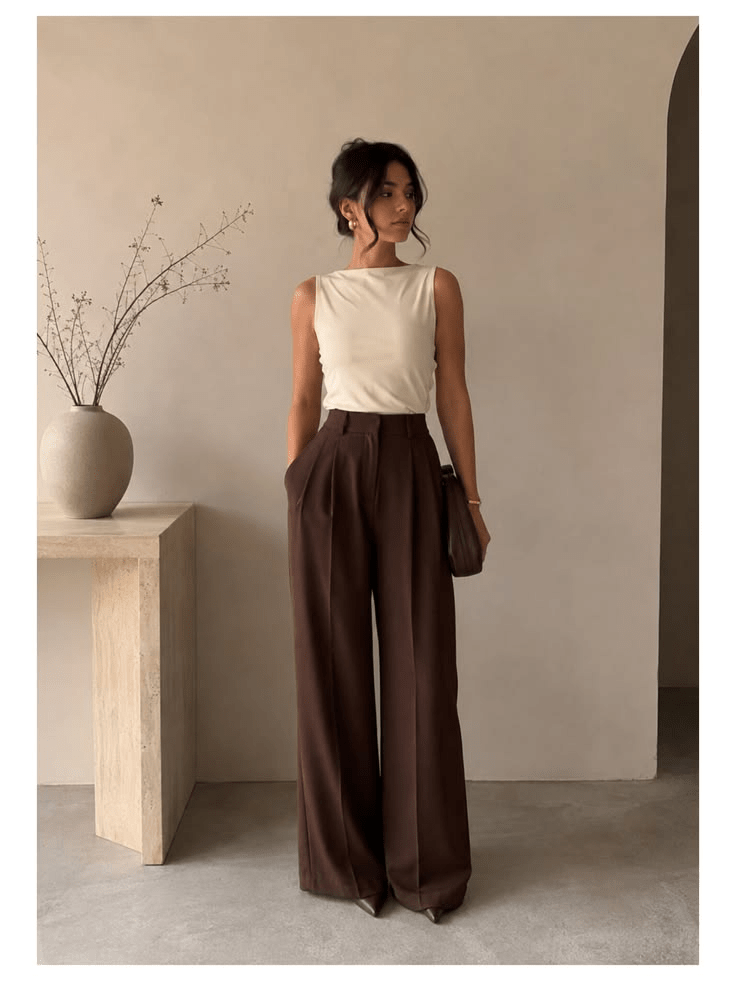
Wide-leg pants can create a modern version of classic museum style while offering plenty of movement and comfort. They work particularly well when paired with a simple top that balances the volume of the trousers.
Choose wide-leg trousers in black, cream, taupe, navy, or another understated shade. Pair them with a fitted knit, tucked-in T-shirt, simple blouse, or sleeveless top.
If the trousers are high-waisted, tucking in the top can create a balanced silhouette. Add a slim belt if you want more definition around the waist.
For footwear, try loafers, pointed flats, simple sneakers, or low block heels. Avoid shoes that become uncomfortable after long periods of walking.
A structured tote or shoulder bag complements the clean lines of the outfit. For colder weather, add a long coat or cropped jacket. Keep the color palette simple and let the silhouette do the work. This look feels contemporary while relying on classic pieces that can remain useful in your wardrobe for years.
7. Sweater, Ankle Pants, and Loafers
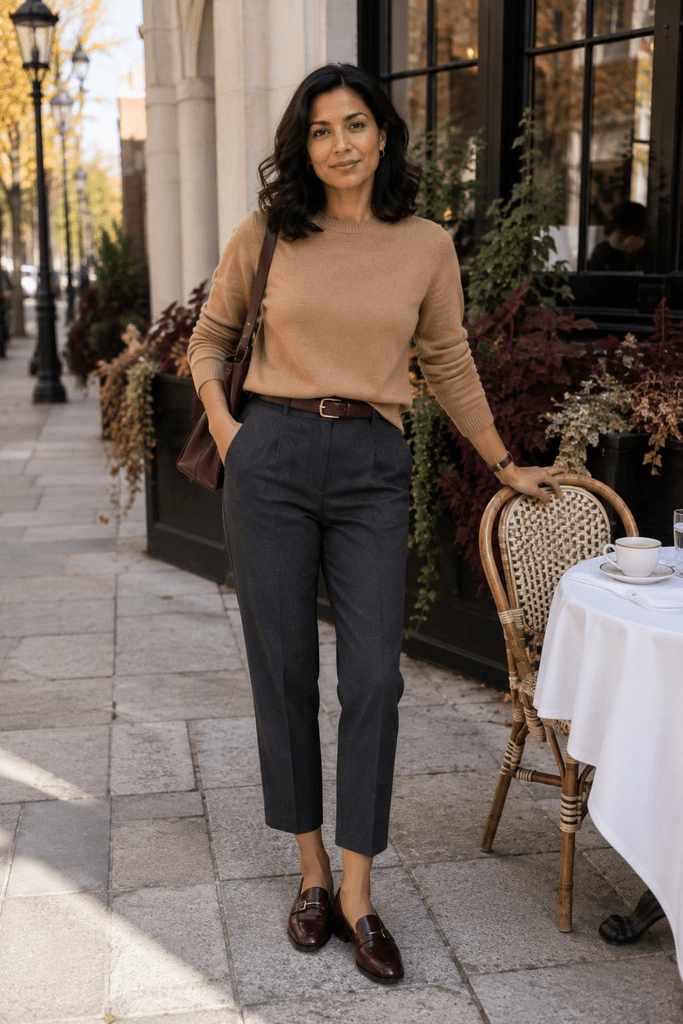
A lightweight sweater paired with ankle-length trousers and loafers creates a comfortable outfit with a refined, slightly preppy feel. It is particularly suitable for fall, winter, or air-conditioned museums where you may want an extra layer.
Choose ankle pants in a neutral shade and pair them with a fine-knit sweater. You can tuck the sweater slightly at the front for a relaxed silhouette or wear a shorter knit that naturally ends near the waistband.
Classic loafers add structure while remaining practical for walking. If you prefer a softer look, substitute ballet flats or simple leather-look sneakers.
Add a structured handbag and minimal jewelry. A trench coat, wool coat, or lightweight scarf can provide additional warmth.
For an interesting color combination, try cream with chocolate brown, navy with gray, or camel with black. The outfit is simple enough for everyday wear but polished enough for a museum afternoon. It also transitions easily into other activities, making it a useful choice for a full day in the city.
8. Classic Trench Coat Over a Simple Outfit
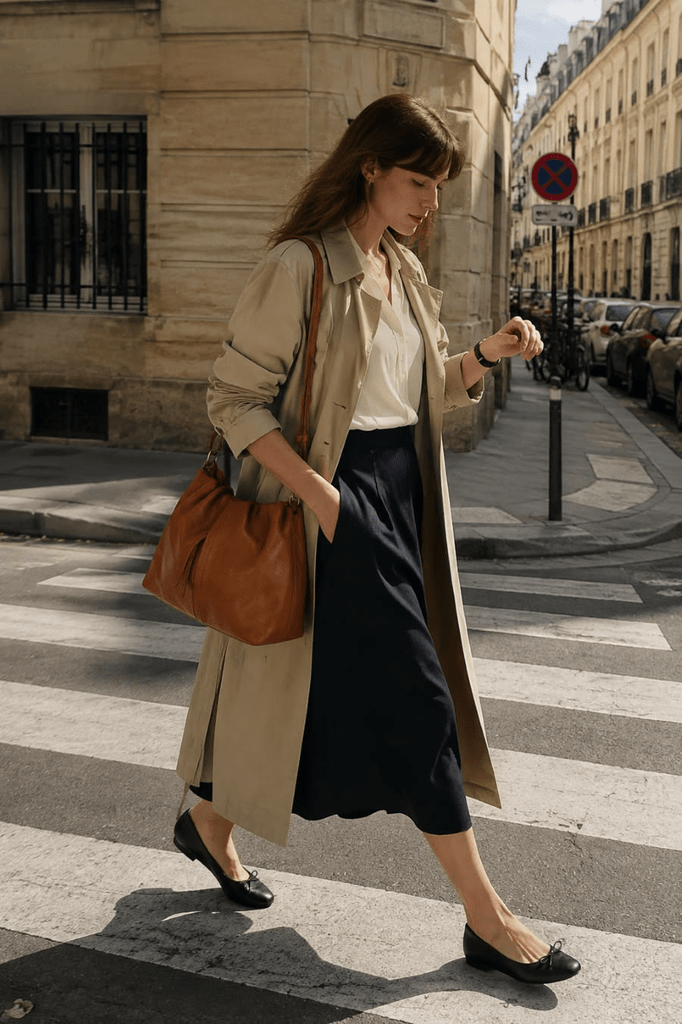
A classic trench coat can instantly elevate almost any museum outfit. It is especially useful during transitional seasons when the weather can change throughout the day.
Underneath the trench, keep the outfit simple. Try straight-leg jeans with a knit top, tailored trousers with a button-down, or a midi dress with flats. Because the trench coat creates a strong classic layer, the rest of the outfit does not need to be complicated.
Traditional beige and camel trenches create the most recognizable timeless appearance, while black, navy, and olive versions offer a more modern alternative.
Finish with loafers, ballet flats, ankle boots, or clean sneakers depending on the rest of your outfit. A crossbody bag or structured tote works well with the clean lines of the coat.
For colder weather, layer a thin sweater underneath rather than choosing one bulky piece. Add a simple scarf if needed. The beauty of this look is its versatility: you can remove the coat inside the museum and still have a complete, polished outfit underneath.
Summary
The best museum looks combine timeless fashion with practical comfort. Tailored trousers, midi skirts, classic shirts, knitwear, straight-leg jeans, loafers, flats, and trench coats can all become the foundation of an elegant outfit that is easy to wear for hours.
Whether you prefer a feminine midi dress, a casual blazer-and-jeans combination, or a minimalist monochrome look, focus on comfortable footwear, simple layers, and classic silhouettes. These pieces can be mixed and matched across seasons, making them useful far beyond your next museum visit.
FAQ
What should women wear to a museum?
A comfortable yet polished outfit works well. Try tailored trousers, jeans with a blazer, a midi dress, a skirt with knitwear, or wide-leg pants with a simple top.
Are jeans appropriate for a museum?
Yes. Straight-leg or dark-wash jeans paired with a polished top, blazer, or classic shoes can create an excellent casual museum outfit.
What shoes are best for visiting museums?
Comfortable loafers, ballet flats, sneakers, Mary Janes, and low ankle boots are practical choices because museum visits often involve significant walking and standing.
Should a museum outfit be formal?
Not usually. Unless the museum has a specific dress code or you are attending a special event, smart-casual and polished everyday clothing is generally appropriate.
What should I bring to a museum?
A small crossbody bag or structured tote can be useful for carrying essentials while keeping your hands free. Check the museum’s bag and locker policies before visiting.
How can I make a simple museum outfit look elegant?
Use classic silhouettes, coordinated neutral colors, simple jewelry, and polished shoes. Adding one structured layer, such as a blazer or trench coat, can also elevate the outfit.
What should I wear to a museum in cold weather?
Layer a sweater or knit top under a blazer, wool coat, or trench coat. Choose comfortable ankle boots or loafers and add a scarf if needed.
What is a timeless color palette for museum outfits?
Black, white, cream, beige, camel, navy, gray, brown, and olive are versatile choices that make it easy to create classic outfits.