

Autumn is a natural time to slow down, reset your routines, and prepare for the months ahead. As the weather changes and days become cozier, it can be the perfect opportunity to introduce simple organization habits that make everyday life easier. You do not need to completely reorganize your home or create an elaborate schedule. Small, consistent changes can help you feel more prepared and less overwhelmed.
An organized lifestyle is not about keeping everything perfectly tidy or filling every hour with productivity. It is about creating systems that work for your actual life. Autumn habits can include planning weekly meals, refreshing your wardrobe, decluttering small spaces, reviewing your calendar, and creating comfortable evening routines. These simple practices can help you stay on top of responsibilities while still leaving room to enjoy the season.
The best approach is to choose habits that reduce future stress. Spending a few minutes preparing today can save time tomorrow. Whether you are heading into a busy work season, getting ready for holidays, or simply wanting a more peaceful routine, these ten autumn organization ideas can help you create a home and schedule that feel more intentional.
1. Do a Seasonal Wardrobe Reset

Autumn is a great time to look through your wardrobe and prepare your clothes for cooler weather. Instead of simply pulling out sweaters and jackets, take the opportunity to evaluate what you actually wear.
Remove summer pieces that are no longer needed and set aside anything that needs washing, repairing, donating, or storing. Then bring your autumn essentials into easier reach.
Group similar pieces together so getting dressed becomes simpler. Keep sweaters, cardigans, jeans, jackets, scarves, and other seasonal items where you can see them.
This is also a good time to create a few reliable outfit combinations. Having several easy outfits planned can reduce the amount of time you spend deciding what to wear during busy mornings.
You do not need to completely minimize your wardrobe. The goal is simply to make your closet easier to use.
A seasonal wardrobe reset can also help you notice what you already own before buying something new, making shopping more intentional.
2. Create a Weekly Planning Routine
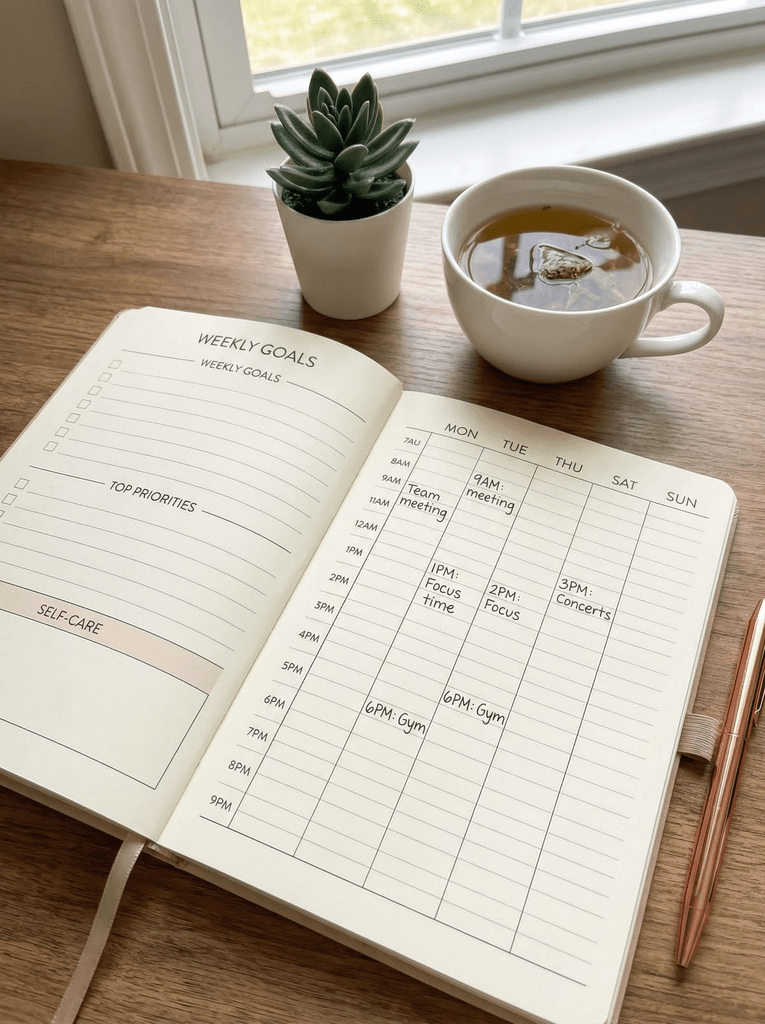
A weekly planning session can make a significant difference when your schedule becomes busy. Choose a consistent day, such as Sunday evening, to review the upcoming week.
Look at appointments, work deadlines, errands, social plans, and household responsibilities. Then identify your most important priorities.
Avoid filling every available space in your calendar. Leave some flexibility for unexpected tasks and time to rest.
You can also use this planning session to decide when you will exercise, shop for groceries, prepare meals, clean, or handle personal tasks.
Keep the system simple. A paper planner, calendar app, or basic notebook can be enough.
The purpose is not to control every minute of your week. It is to give yourself a clear overview so important tasks do not sneak up on you.
Spending 15 to 20 minutes planning ahead can help you enter Monday with a better sense of direction.
3. Plan Cozy, Simple Meals

Autumn often brings a desire for warmer, more comforting meals. Planning your meals before the week begins can make grocery shopping and cooking much easier.
Choose several simple breakfasts, lunches, and dinners that you genuinely enjoy. Soups, roasted vegetables, grain bowls, pasta dishes, oatmeal, and one-pan meals can all be adapted to your preferences.
Check your pantry and refrigerator before creating your shopping list. This helps you use ingredients you already have and reduces unnecessary purchases.
You can also prepare a few ingredients in advance. Wash vegetables, cook grains, prepare a sauce, or portion snacks so weekday meals require less effort.
Do not try to make every meal from scratch if your schedule does not allow it. Convenient ingredients can still be part of a practical routine.
The goal is to remove some of the daily decision-making around food. When you already know what you are going to prepare, busy evenings can feel much more manageable.
4. Declutter One Small Area Each Day

You do not need to spend an entire weekend decluttering your home. Instead, choose one small area each day and give it a few minutes of attention.
Clean out a bathroom drawer, organize your desk, sort a kitchen cabinet, clear your nightstand, or go through one section of your closet.
Set a timer for 10 or 15 minutes and stop when it ends. This makes decluttering feel manageable rather than overwhelming.
Use three simple categories: keep, donate, and discard. If you are unsure about something, ask yourself whether you actually use it and whether it contributes value to your life.
Small areas can make a noticeable difference because they are easier to maintain once organized.
You can also create a five-minute evening reset where everyone in the household puts commonly used items back in their places.
Rather than chasing a perfectly organized home, focus on creating spaces that are functional and easy to reset.
5. Refresh Your Entryway

Your entryway sets the tone for coming home and leaving the house. Autumn is a good time to make this area more functional for jackets, shoes, bags, and umbrellas.
Add hooks for frequently used coats and bags. Use a basket for scarves, gloves, or other small accessories. A shoe rack or tray can help keep footwear from spreading across the floor.
Keep only the items you use regularly within easy reach. Seasonal pieces that are rarely needed can be stored elsewhere.
You can also add a small decorative touch, such as a seasonal wreath, plant, mirror, or simple artwork, without creating unnecessary clutter.
The goal is to make leaving the house easier and returning home more pleasant.
When everything has a designated place, you are less likely to spend several minutes searching for your keys, bag, or favorite jacket.
A functional entryway is a small improvement that can make your daily routine feel noticeably smoother.
6. Build a Consistent Evening Reset

A simple evening reset can help you wake up to a more organized home. Before going to bed, spend 10 to 15 minutes handling a few small tasks.
Put dishes away, clear kitchen surfaces, return misplaced items, prepare your bag, and check what you need for the following morning.
You can also review your next day’s schedule and choose your top priorities.
Avoid turning this into a major cleaning session. The goal is simply to restore order and prepare for tomorrow.
Create a short checklist that works for you. For example: tidy the kitchen, reset the living room, prepare clothes, check the calendar, and put away personal items.
Once this becomes routine, the process can become almost automatic.
Ending the day with a small reset can make mornings feel less rushed because you are not waking up to yesterday’s unfinished tasks.
7. Organize Your Digital Life
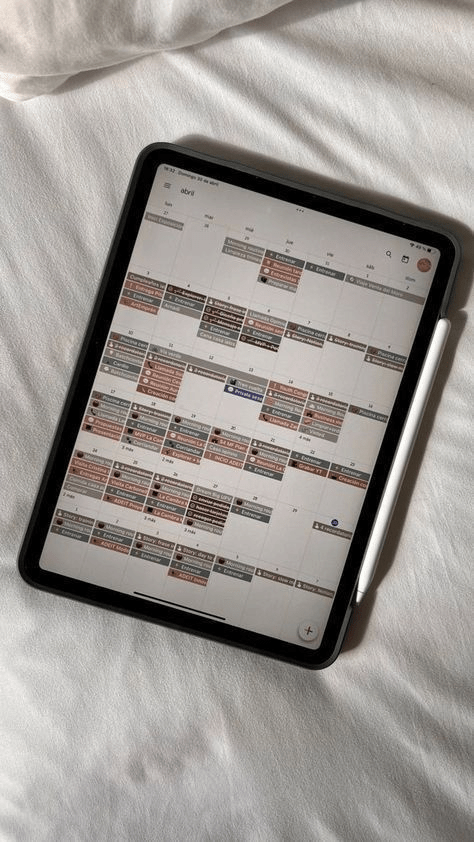
Organization is not only about physical spaces. Your phone and computer can become cluttered too.
Use autumn as an opportunity to clean up your digital environment. Delete unnecessary screenshots, old downloads, unused apps, duplicate photographs, and outdated files.
Organize important documents into clearly labeled folders. Review your email inbox and unsubscribe from newsletters you no longer read.
You can also reorganize your phone’s home screen so the apps you use most often are easy to access while distracting apps are less prominent.
If you have hundreds of photographs, you do not need to organize them all in one sitting. Spend 10 minutes a few times a week sorting and deleting unwanted images.
A cleaner digital environment can make it easier to find important information and reduce unnecessary visual clutter.
Think of digital organization as another form of seasonal housekeeping. Small maintenance sessions are easier than waiting until everything becomes overwhelming.
8. Create an Autumn Self-Care Routine

Organization should include time for yourself. If your schedule becomes increasingly busy, intentionally setting aside time for rest can prevent your routine from becoming completely focused on responsibilities.
Create a simple autumn self-care ritual that feels enjoyable rather than complicated. You might read before bed, take a warm shower, enjoy a cup of tea, journal, stretch, listen to music, or spend a few quiet minutes without your phone.
Choose a realistic time for this ritual. Even 15 minutes can be enough.
You can also create a cozy environment by using comfortable blankets, soft lighting, seasonal scents, or your favorite pajamas.
The purpose is not to make your evening look perfect. It is to create a reliable transition from a busy day to a calmer night.
When self-care becomes part of your schedule instead of something you only do when you have spare time, it becomes easier to protect that time.
9. Review Your Finances Before the Holiday Season

Autumn can be a useful time to review your finances before end-of-year spending increases. A simple financial check-in can help you understand where your money is going.
Review recent expenses and identify subscriptions or recurring costs you no longer need. Check upcoming bills and seasonal expenses so they do not catch you by surprise.
If you have holiday gifts or events coming up, create a realistic spending plan ahead of time.
You can divide your budget into categories such as gifts, travel, food, entertainment, and other seasonal expenses.
The goal is not to create a restrictive budget. It is to make spending more intentional and reduce last-minute financial stress.
Even a short monthly money check-in can help you stay aware of your priorities.
By taking care of financial organization early, you can approach the final months of the year with greater clarity rather than waiting until expenses accumulate.
10. Set Goals for the Rest of the Year
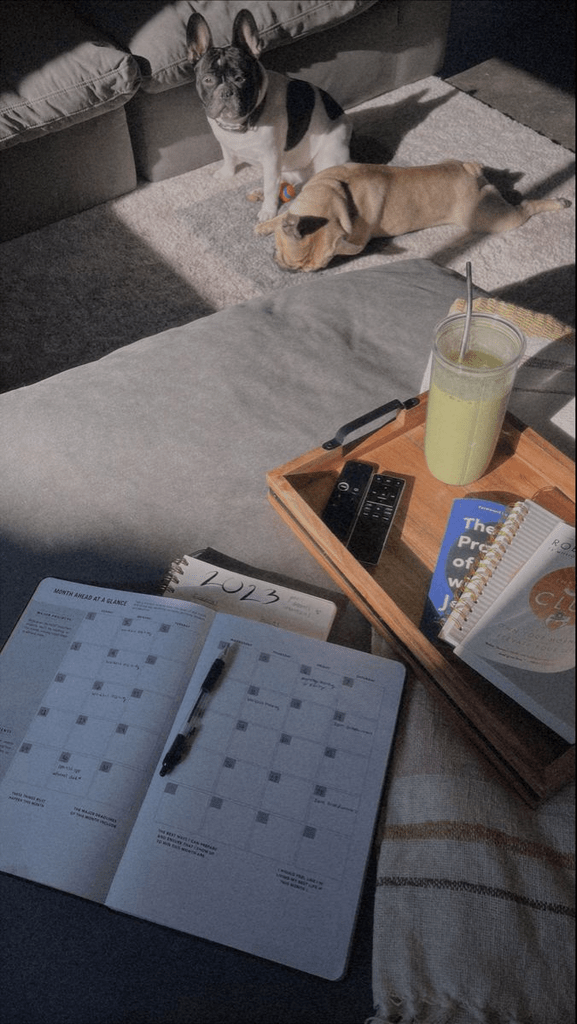
Autumn can feel like a natural checkpoint between the beginning of the year and the holiday season. Instead of waiting for January to think about your goals, take a few minutes now to review your progress.
Look at the goals you set earlier in the year. Which ones still matter? Which have changed? What would you realistically like to accomplish before the year ends?
Choose a small number of priorities rather than creating another enormous list.
Your goals could involve work, learning, finances, home organization, relationships, hobbies, or personal well-being.
Break each goal into small actions that you can schedule during the coming weeks. For example, rather than simply deciding to “read more,” choose a book and schedule 15 minutes of reading several evenings a week.
This seasonal review gives you an opportunity to adjust your expectations without judging yourself for what has not happened yet.
You still have time to make meaningful progress, and small actions can help you finish the year feeling more intentional.
Summary
Autumn is an excellent season for creating simple systems that make everyday life more organized and comfortable. A seasonal wardrobe reset, weekly planning session, simple meal plan, daily decluttering routine, organized entryway, evening reset, digital cleanup, self-care ritual, financial review, and year-end goal check can all help reduce unnecessary stress.
You do not need to adopt every habit immediately. Start with one or two that solve a current problem in your routine. Once they become natural, add another.
Being organized is not about achieving perfection. It is about creating practical routines that give you more time, clarity, and space for the things that matter. With a few small autumn habits, you can make the season feel calmer while preparing yourself for the months ahead.
FAQ
What are good autumn habits for staying organized?
Weekly planning, seasonal decluttering, meal planning, wardrobe organization, evening resets, and digital cleanup are practical habits to start with.
How can I organize my home without feeling overwhelmed?
Focus on one small area at a time. Spending 10 to 15 minutes on a drawer, shelf, desk, or cabinet can be more manageable than trying to organize your entire home at once.
When should I do a fall wardrobe reset?
Early autumn is a convenient time, particularly when temperatures begin changing and you start wearing sweaters, jackets, and other seasonal clothing more frequently.
How can meal planning make life easier?
Meal planning reduces daily decisions, helps you create a focused grocery list, and can make it easier to prepare meals during busy evenings.
What should I include in an evening reset?
You might tidy the kitchen, put away misplaced items, prepare your clothes and bag, check your calendar, and identify your priorities for the next day.
How can I organize my phone?
Delete unnecessary apps, photographs, screenshots, and downloads. Organize important files and rearrange your home screen so frequently used apps are easy to find.
Should I set new goals in autumn?
Yes. Autumn can be a useful checkpoint for reviewing your progress and choosing a few realistic priorities for the remainder of the year.
How do I stay organized without becoming obsessed with productivity?
Remember that organization should support your life, not consume it. Leave room for rest, hobbies, relationships, and spontaneous activities. A useful routine should make life easier rather than create additional pressure.