
Coffee can be a simple part of a balanced daily routine, especially when you pay attention to what goes into your cup. While plain coffee itself is relatively low in calories, the additions can quickly turn an everyday drink into something loaded with added sugar, syrups, and excess calories. The good news is that you do not have to give up the creamy texture or comforting flavor you enjoy. A few small changes can make your coffee routine more balanced without making it boring.
Making healthier coffee choices does not mean there is one perfect recipe everyone needs to follow. Your ideal cup depends on your taste preferences, dietary needs, and how you normally drink coffee. You might reduce added sugar, choose a less sweet creamer, add cinnamon for flavor, or simply pay closer attention to portion sizes. These small adjustments can help you enjoy coffee while being more mindful of added sugars and overall nutrition. Whether you drink one cup in the morning or enjoy coffee throughout the day, these easy ideas can help you create a healthier coffee habit without sacrificing the ritual you love.
1. Reduce Added Sugar Gradually
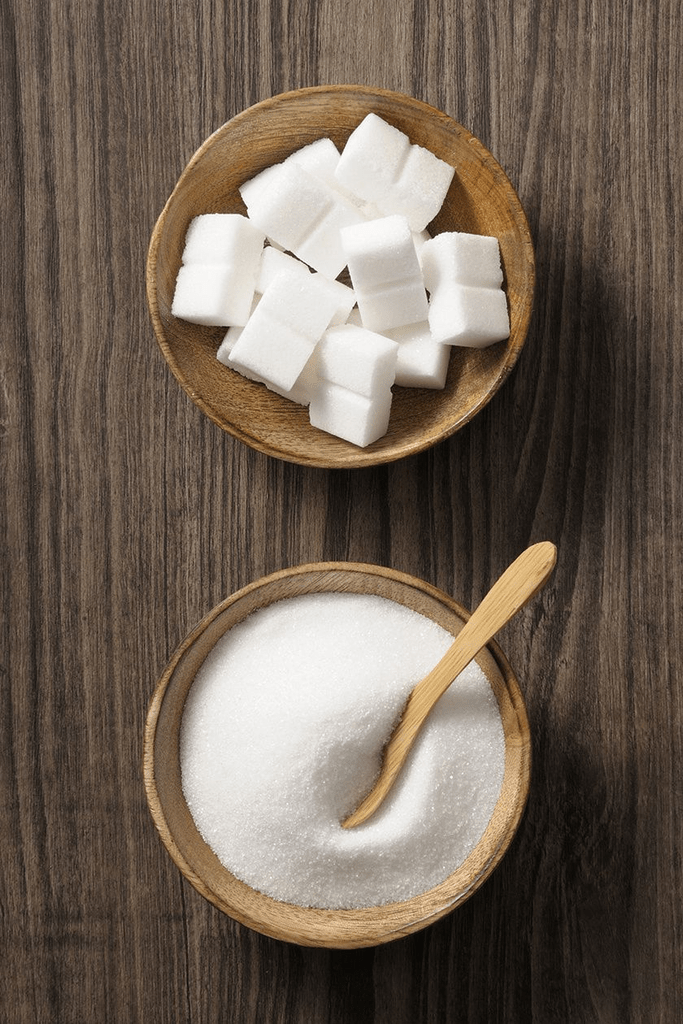
One of the easiest ways to make coffee healthier is to gradually reduce the amount of added sugar you use. If you normally add several teaspoons of sugar, suddenly switching to completely unsweetened coffee may make the drink unpleasant and difficult to maintain.
Instead, reduce the amount slowly. Try using three-quarters of your usual amount for a week, then half, and eventually less. Your taste preferences can adapt over time, making naturally bitter coffee easier to enjoy.
You can also experiment with spices and other flavorful additions. Cinnamon, nutmeg, vanilla extract, or unsweetened cocoa powder can add interesting flavors without relying heavily on sugar.
If you prefer sweet coffee, check the nutrition label on flavored creamers and syrups. Some contain significant amounts of added sugar even when the coffee itself contains very few calories.
The goal is not necessarily to eliminate sweetness completely. Reducing added sugar can simply make your everyday coffee a little more balanced while allowing the natural flavor of the coffee to come through.
2. Choose a Nutritious Milk or Milk Alternative
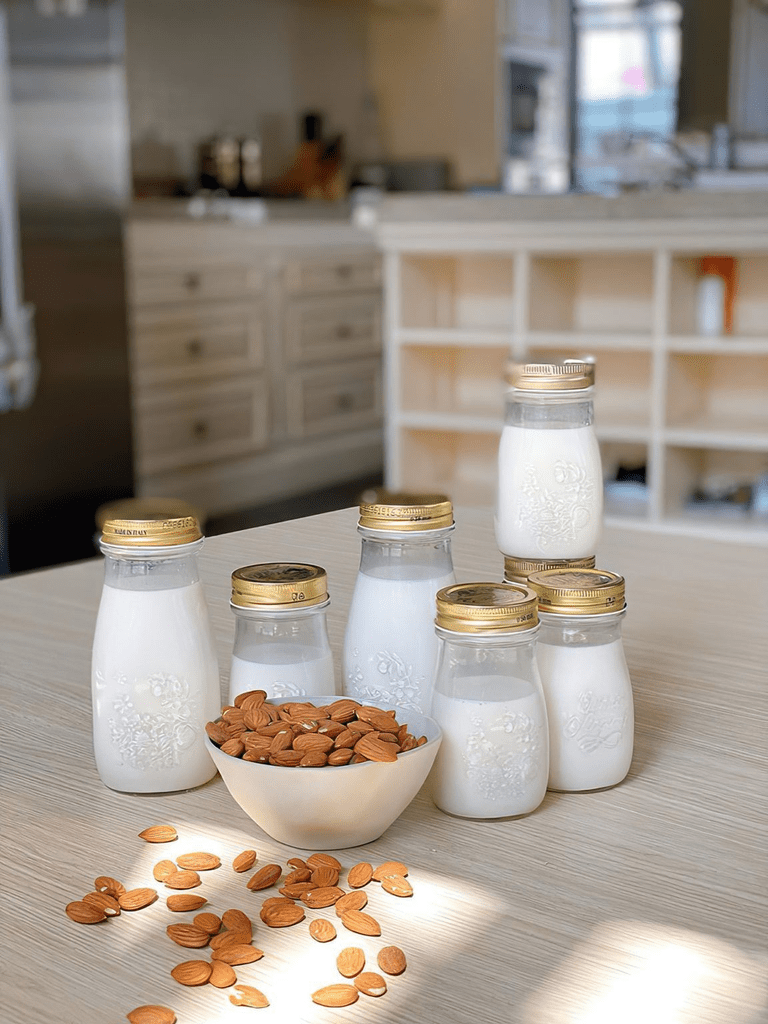
The milk or creamer you add can significantly change the nutritional profile of your coffee. Instead of automatically reaching for heavily sweetened creamers, compare different options and choose one that fits your preferences and dietary needs.
Unsweetened milk alternatives can be useful if you want creaminess without much added sugar. Unsweetened almond, soy, or other plant-based milks can provide different textures and nutritional profiles.
Regular dairy milk can also be a reasonable choice and provides nutrients such as protein and calcium. The best option depends on your overall diet and what you enjoy.
Pay attention to flavored varieties because they may contain added sugars. An unsweetened option gives you more control over the sweetness of your drink.
You can also experiment with the amount. Sometimes reducing the quantity of creamer slightly is enough to lower the overall calories without making a noticeable difference in taste.
Rather than looking for one universally “healthiest” milk, focus on choosing an option with ingredients and nutrition that work well for you.
3. Add Cinnamon for Extra Flavor
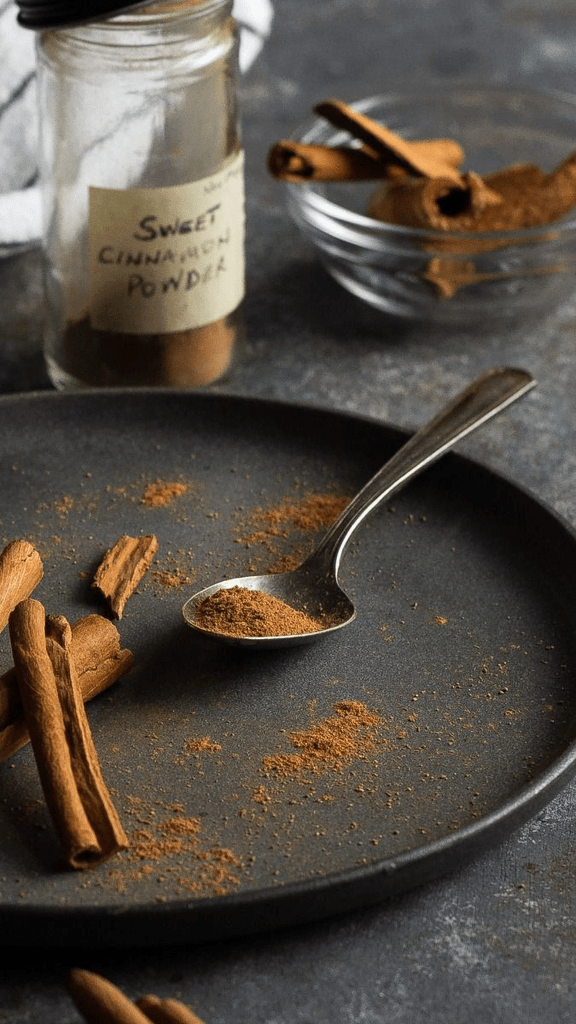
Cinnamon is an easy way to make coffee taste more interesting without adding sugar or flavored syrup. Its warm, slightly sweet aroma pairs especially well with medium and dark coffee roasts.
Sprinkle a small amount directly into your coffee or stir it into your milk before adding it to the cup. You can also add cinnamon to coffee grounds before brewing for a subtle flavor throughout the drink.
Using spices allows you to experiment with different flavor combinations. Cinnamon can be paired with vanilla, unsweetened cocoa, nutmeg, or pumpkin spice for seasonal variations.
It is important not to treat cinnamon as a magic ingredient that automatically makes coffee healthy. Instead, think of it as a flavorful alternative to large amounts of sugar or sweetened syrups.
A small amount can make your regular coffee feel more special while helping you rely less on added sweetness.
If you enjoy experimenting with flavors, keep a few simple spices in your kitchen and rotate them throughout the week.
4. Choose High-Quality Coffee

The quality of your coffee beans can make a difference in how enjoyable your cup tastes. When coffee has a pleasant aroma and balanced flavor, you may find that you need less sugar, syrup, or heavy creamer to make it enjoyable.
Try experimenting with different roast levels, origins, and brewing methods. Light roasts often have brighter or fruitier characteristics, while medium and dark roasts can offer deeper, richer flavors.
Freshly ground coffee can also provide a more noticeable aroma and flavor than coffee that has been sitting for a long time.
You do not need expensive equipment to improve your coffee. Using fresh beans, storing them properly, and keeping your coffee maker clean can make a noticeable difference.
The benefit of better-tasting coffee is simple: when the coffee itself tastes good, you may be less tempted to cover its flavor with sugar and sweetened additions.
Think of this as a flavor upgrade rather than a health claim. Enjoying the natural characteristics of your coffee can make a simpler cup more satisfying.
5. Watch Your Coffee Portions

More coffee is not necessarily better. The amount of caffeine you consume throughout the day matters, particularly if you are sensitive to caffeine or notice that coffee affects your sleep.
Pay attention to the actual size of your coffee rather than assuming every cup contains the same amount of caffeine. A large brewed coffee can contain considerably more caffeine than a small serving depending on the beans, brewing method, and preparation.
If you regularly drink several cups, consider tracking how much caffeine you are consuming. You may find that one or two satisfying cups are enough.
Avoid using coffee as a replacement for adequate sleep, meals, or water. If you feel dependent on increasingly large amounts to stay alert, it may be worth looking at your overall sleep and daily routine.
You can also switch one of your later cups to decaf if you enjoy the taste and ritual of coffee but want less caffeine.
A healthier coffee routine is not just about what you put in the cup. It is also about how much you drink and when you drink it.
6. Skip Sugary Syrups and Whipped Toppings

Flavored syrups and whipped toppings can turn a simple coffee into a dessert-like drink. If you enjoy them occasionally, there is nothing wrong with treating them as an indulgence, but using them every day can add a considerable amount of sugar and calories.
Try creating flavor with ingredients such as cinnamon, vanilla extract, unsweetened cocoa, or a small amount of naturally flavored milk instead.
For a creamy texture, you can use a modest amount of milk or an unsweetened creamer rather than relying on multiple flavored additions.
If you love seasonal coffee flavors, experiment with homemade versions that allow you to control the ingredients. For example, cinnamon, nutmeg, vanilla, and unsweetened pumpkin puree can create a cozy flavor profile without automatically requiring a large amount of syrup.
The idea is not to make every cup plain and boring. It is to make the flavor come from ingredients you can control.
You can still enjoy a sweet specialty coffee occasionally while keeping your everyday coffee routine simpler.
7. Drink Water Alongside Your Coffee

Coffee can be part of your fluid intake, but it should not replace your overall hydration habits. Starting the day with a glass of water alongside your coffee is an easy routine to build.
Keep a reusable water bottle nearby and take regular sips throughout the day. This is particularly helpful if you tend to become so focused on work or other activities that you forget to drink water.
You do not need to follow the idea that every cup of coffee automatically causes dehydration. Moderate coffee consumption can contribute to daily fluid intake. However, drinking water regularly is still an important part of a balanced routine.
Pairing water with coffee can also help you become more aware of how much coffee you are drinking. If you are reaching for another cup simply because you are thirsty, having water available may give you another option.
This simple habit costs almost nothing and does not require changing your favorite coffee recipe.
8. Pair Coffee With a Balanced Breakfast

Coffee can be enjoyable on its own, but if you are drinking it in the morning, consider pairing it with a nutritious breakfast when appropriate.
A balanced breakfast might include protein, fiber-rich carbohydrates, fruit, healthy fats, or a combination of these foods. Examples include eggs with whole-grain toast, Greek yogurt with berries and nuts, oatmeal with seeds, or avocado toast with a protein-rich topping.
Pairing coffee with a meal can make your morning routine feel more complete than relying on coffee alone to get through the first part of the day.
If you prefer intermittent fasting or do not normally eat breakfast, you do not necessarily need to change your routine just because you drink coffee. The important point is to consider your overall eating pattern rather than treating coffee as a meal replacement.
Your coffee can simply be one part of a balanced morning rather than the main source of energy.
Summary
Making your coffee healthier does not require giving up your favorite morning ritual. Small changes such as reducing added sugar, choosing unsweetened milk or creamer, adding spices for flavor, selecting quality coffee, and paying attention to portion sizes can make your everyday cup more balanced.
It is also helpful to consider the bigger picture. Staying hydrated, eating balanced meals, and being mindful of your total caffeine intake all contribute to a healthier coffee routine. You do not have to make every change at once. Start with one simple adjustment and build from there until you find a coffee routine that tastes good and fits comfortably into your lifestyle.
FAQ
1. Is black coffee healthier than coffee with cream and sugar?
Black coffee is naturally low in calories and contains no added sugar. Adding moderate amounts of milk or creamer can still fit into a balanced diet, but sugary syrups and large portions can increase calories and added sugar.
2. What can I add to coffee instead of sugar?
Try cinnamon, nutmeg, unsweetened cocoa powder, vanilla extract, or an unsweetened milk alternative. These can add flavor without relying heavily on added sugar.
3. Is cinnamon good in coffee?
Cinnamon is a flavorful addition that can help make coffee taste naturally sweeter without adding sugar. It should be viewed primarily as a spice for flavor rather than a cure-all health ingredient.
4. What is the healthiest milk to put in coffee?
There is no single best option for everyone. Unsweetened dairy or plant-based milk can be good choices depending on your nutritional needs, taste preferences, and dietary pattern.
5. How much coffee should I drink per day?
Caffeine tolerance varies from person to person. Pay attention to the total caffeine in your drinks and whether coffee affects your sleep, anxiety, digestion, or other aspects of your well-being.
6. Are flavored coffee creamers healthy?
Some flavored creamers contain significant amounts of added sugar and saturated fat. Check the nutrition label and consider unsweetened or lower-sugar options if you use creamer regularly.
7. Can coffee count toward hydration?
Yes. Coffee contributes to your overall fluid intake, especially when consumed in moderate amounts. However, drinking water regularly is still an important part of staying hydrated.
8. How can I make coffee taste better without adding sugar?
Start with fresh, good-quality coffee and experiment with brewing methods. Cinnamon, vanilla, unsweetened cocoa, nutmeg, and a small amount of milk can also add flavor without requiring much sugar.