

Personal growth rarely happens because of one major decision or a single burst of motivation. More often, meaningful change comes from the small actions you repeat consistently over time. Healthy habits can shape the way you think, work, communicate, manage challenges, and care for yourself. When repeated regularly, simple behaviors can gradually become part of your lifestyle rather than something you have to force yourself to do. This is why consistency is so important for long-term personal growth. Reading a few pages each day, planning your priorities, exercising regularly, reflecting on your experiences, or setting aside time to learn may seem insignificant on a single day. However, these actions can create meaningful results when practiced over weeks, months, and years. Consistent habits help turn personal goals into practical routines that can support steady progress.
Building habits does not mean trying to change everything at once. In fact, starting with a few manageable behaviors is often more sustainable than creating an overwhelming routine. The most useful habits are those that fit naturally into your lifestyle and support the areas you want to improve. Some habits strengthen discipline, while others improve focus, emotional awareness, confidence, relationships, or productivity. The goal is not perfection. Missing a day or having an unproductive week does not erase your progress. Instead, long-term growth comes from returning to your habits and continuing to move forward. By focusing on repeatable actions rather than quick results, you can create a foundation for lasting personal development and a more intentional everyday life.
1. Consistent Habits Build Self-Discipline

One of the most valuable ways habits support personal growth is by strengthening self-discipline. Discipline is the ability to follow through on important actions even when motivation is low. Instead of waiting until you feel inspired to work toward a goal, a consistent habit gives you a structure to rely on.
For example, someone who wants to become more physically active may establish a habit of taking a 20-minute walk every morning. On some days, they may feel energetic and motivated. On other days, they may prefer to stay in bed. The habit provides a simple reminder to keep moving regardless of temporary feelings.
Over time, repeatedly completing small commitments can make it easier to follow through on larger responsibilities. You begin learning that you can depend on yourself to take action.
Start with a habit that is realistic rather than ambitious. Spending 10 minutes reading, planning tomorrow’s priorities, or practicing a skill each day can be enough to begin developing consistency.
Self-discipline becomes stronger through repetition. Each time you keep a small promise to yourself, you reinforce the behavior and make future commitments easier to manage.
2. Habits Create a Sense of Progress
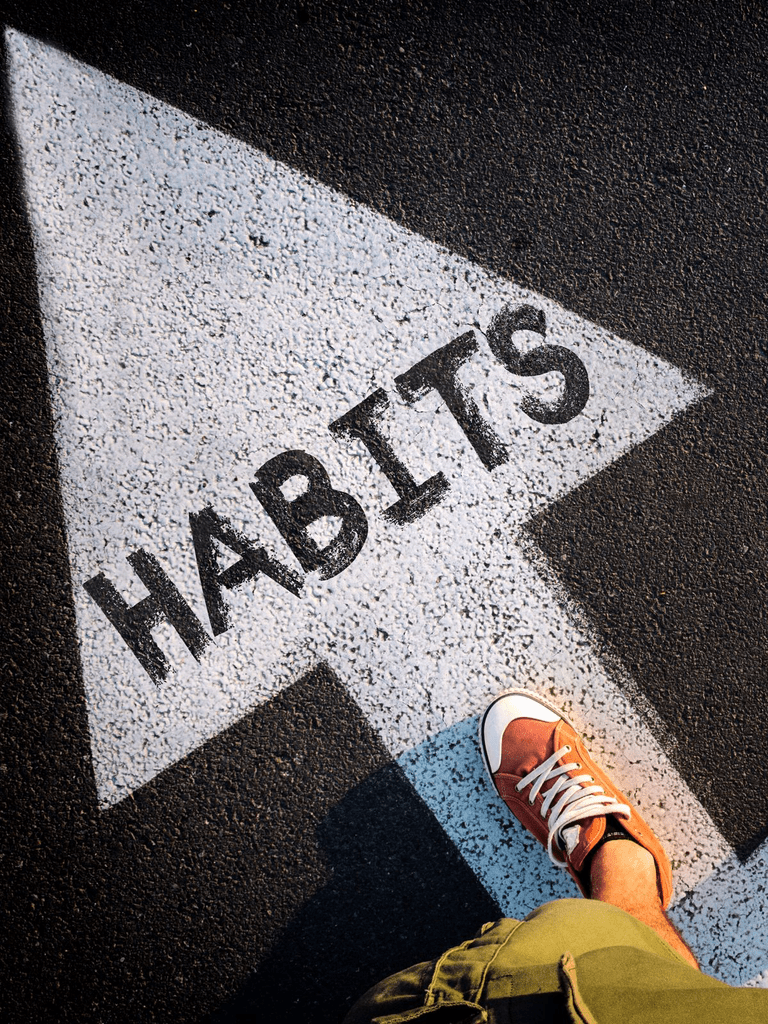
Personal growth can sometimes feel difficult to measure because meaningful changes often happen gradually. Consistent habits provide visible evidence that you are moving forward.
Imagine spending 15 minutes each day learning a new language. A single practice session may not feel significant, but several months of regular practice can create noticeable improvement. The same principle applies to fitness, reading, writing, professional development, and many other goals.
Tracking your habits can make this progress easier to see. You might use a calendar, journal, habit tracker, or simple checklist. Marking completed actions gives you a record of your effort and can help maintain motivation.
The purpose of tracking is not to create pressure for perfection. Instead, it helps you recognize patterns and appreciate incremental improvements.
When progress feels slow, looking back at what you have consistently accomplished can remind you that small actions add up. This perspective can make long-term goals feel more achievable and encourage you to keep going.
3. Consistency Improves Time Management

Good habits can help you use your time more intentionally. Without routines, it is easy to spend too much time deciding what to do next or reacting to distractions.
A simple daily planning habit can make a significant difference. Spending a few minutes each morning identifying your most important tasks gives your day a clearer direction. Similarly, setting a regular time for exercise, reading, studying, or household responsibilities can reduce decision-making.
Consistent routines also make it easier to recognize how you actually spend your time. If you repeatedly notice that certain activities consume more time than expected, you can make adjustments.
Time management does not mean filling every minute with productivity. Rest and leisure are important too. Instead, the goal is to create a balanced routine that makes space for priorities.
By developing reliable habits around planning and organization, you can reduce unnecessary stress and create more time for activities that contribute to your personal goals.
4. Habits Strengthen Focus and Concentration
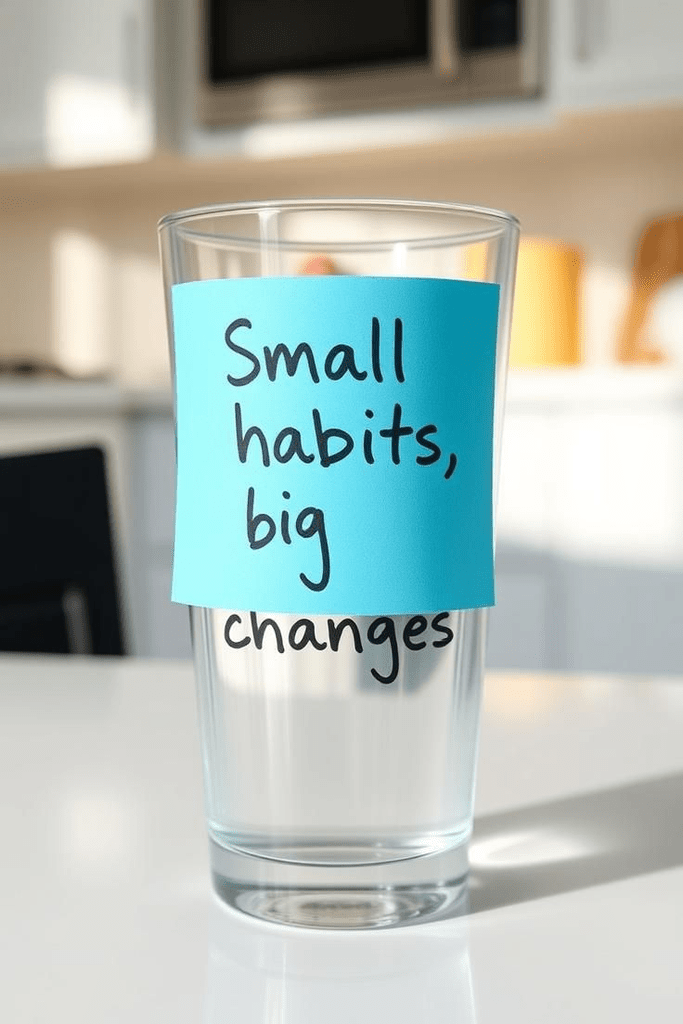
In a world filled with notifications, entertainment, and constant digital distractions, maintaining focus can be challenging. Consistent habits can help train your attention and create environments that support concentration.
For example, you might develop a habit of putting your phone away for 30 minutes while studying or working. You could also establish a specific location for focused work or create a regular reading period each evening.
Repeated periods of uninterrupted concentration can gradually make focused work feel more natural. Instead of constantly switching between tasks, you become more comfortable staying with one activity.
Simple habits such as turning off unnecessary notifications, organizing your workspace, and using dedicated focus periods can support this process.
The objective is not to eliminate every distraction. Rather, it is to create regular opportunities to practice directing your attention intentionally.
Improved concentration can benefit many areas of personal growth, including education, career development, creative projects, and problem-solving.
5. Healthy Habits Support Physical Energy

Physical well-being provides an important foundation for personal growth. When you consistently take care of your body, you may find it easier to engage with other goals and responsibilities.
Regular movement, balanced meals, adequate hydration, and a consistent sleep routine are examples of habits that can support everyday energy and well-being.
You do not need to create an extreme fitness or nutrition routine. Small actions can be more sustainable. Taking regular walks, choosing nourishing meals, stretching during breaks, or maintaining a consistent bedtime can become practical parts of everyday life.
Physical habits can also influence how you approach other challenges. When you practice taking care of yourself consistently, you reinforce the idea that your well-being deserves attention.
Rather than viewing healthy habits as short-term projects, consider them part of your long-term lifestyle. Sustainable routines are generally easier to maintain than dramatic changes that are difficult to continue.
A stronger physical foundation can give you more energy and resilience to pursue personal, professional, and creative goals.
6. Reflection Habits Increase Self-Awareness

Personal growth requires understanding yourself, and regular reflection can help you recognize your thoughts, behaviors, strengths, and areas for improvement.
A simple journaling habit can provide an opportunity to reflect on your day. You might write about what went well, what challenged you, what you learned, and what you would like to approach differently tomorrow.
Reflection does not have to involve writing several pages. Even five minutes of thoughtful reflection can help you notice patterns that may otherwise go unnoticed.
For example, you might discover that certain situations consistently affect your mood or that you tend to postpone particular tasks. Once you recognize these patterns, you can begin experimenting with different responses.
Regular self-reflection can also help you appreciate progress. Instead of focusing only on what remains unfinished, you can acknowledge the skills and experiences you have gained.
Over time, this habit can make personal growth more intentional because your decisions are based on greater awareness rather than automatic reactions.
7. Learning Habits Encourage Continuous Improvement

A consistent learning habit keeps personal development active throughout different stages of life. Learning does not have to happen through formal education. Books, podcasts, courses, practical projects, conversations, and new experiences can all provide opportunities to develop.
Set aside a small amount of time each day or week for learning something connected to your interests or goals. You might read a chapter of a book, practice a professional skill, watch an educational lesson, or explore a new subject.
Regular learning helps prevent the feeling that personal development is something that ends once you reach a particular milestone.
It can also encourage curiosity. When you become accustomed to asking questions and seeking information, you may become more comfortable exploring unfamiliar ideas.
The key is consistency rather than quantity. Twenty minutes of focused learning several times a week can be more sustainable than attempting to consume large amounts of information occasionally.
Over the long term, accumulated knowledge and skills can create new opportunities and increase your confidence in handling unfamiliar situations.
8. Positive Habits Improve Emotional Resilience

Life inevitably includes disappointment, uncertainty, mistakes, and difficult periods. Consistent habits can provide stability when circumstances are unpredictable.
Practices such as journaling, walking, maintaining social connections, practicing gratitude, or setting aside quiet time can create regular opportunities to process emotions and reset.
Emotional resilience does not mean ignoring difficult feelings. Instead, it involves developing healthier ways to respond to challenges and recover from setbacks.
A consistent reflection habit, for example, can help you separate what you can control from what you cannot. A regular exercise routine may provide a constructive way to step away from stressful situations. Maintaining supportive relationships can remind you that you do not have to handle every challenge alone.
The important point is to build these habits before a difficult situation occurs. When supportive routines are already part of your lifestyle, they may be easier to return to during stressful periods.
Over time, these practices can help you approach challenges with greater patience and perspective.
9. Habits Make Goals More Actionable

Large goals can feel overwhelming when they remain abstract. Habits transform broad ambitions into specific actions that you can repeat.
For example, “write a book” is a large goal. Writing 300 words every weekday is a concrete habit. “Get healthier” is broad, while preparing a balanced breakfast each morning or taking a daily walk is a specific behavior.
Breaking goals into repeatable actions makes progress easier to understand. Instead of constantly wondering whether you are getting closer to your goal, you can focus on completing the next small action.
This approach also makes it easier to identify what needs adjustment. If a habit consistently feels impossible to maintain, you can reduce the size or change the timing.
The goal is to create a connection between what you want and what you regularly do. When daily actions consistently support your larger objectives, progress becomes part of your routine rather than something that depends entirely on motivation.
10. Consistency Builds Confidence

Confidence often develops through experience rather than simply positive thinking. When you repeatedly follow through on commitments, you gain evidence that you are capable of taking action.
Suppose you decide to practice a skill for 15 minutes every evening. After several weeks, you can look back and recognize that you stayed committed. That experience can strengthen your belief that you are capable of maintaining other commitments too.
This type of confidence is grounded in behavior. You are not simply telling yourself that you can succeed; you have demonstrated consistency through your actions.
Start by choosing small commitments that you are confident you can maintain. Completing them regularly creates a positive cycle. You act, see progress, develop confidence, and become more willing to take on another challenge.
Over time, these small experiences can influence how you approach larger goals. You may become less intimidated by difficult tasks because you have developed evidence that consistent effort can produce results.
11. Habits Encourage Better Decision-Making

Consistent routines can reduce the number of unnecessary decisions you have to make each day. When certain behaviors become automatic, you can reserve more mental energy for important choices.
For example, having a regular morning routine means you do not have to repeatedly decide when to wake up, exercise, prepare breakfast, or begin your workday.
Habits can also support thoughtful decision-making by creating pauses between impulses and actions. A regular journaling or planning routine may encourage you to think about your priorities before responding to situations.
This does not mean every decision should become automatic. Important choices still deserve careful thought. Instead, routines can simplify predictable parts of life so you have more attention available for meaningful decisions.
Over time, becoming more intentional about your routines can help you identify which behaviors support your goals and which ones repeatedly interfere with them.
That awareness can lead to better choices and a lifestyle that more closely reflects your priorities.
12. Consistent Habits Strengthen Relationships

Personal growth is not limited to individual achievements. The way you communicate and interact with other people is also an important part of development.
Small relationship habits can make a meaningful difference over time. Checking in with loved ones, listening without immediately interrupting, expressing appreciation, keeping promises, and making regular time for important relationships are examples of behaviors that can strengthen connections.
Consistency matters because relationships are built through repeated interactions rather than occasional grand gestures.
You can also develop habits around communication. Taking a moment to think before responding during disagreements, asking thoughtful questions, or regularly expressing gratitude can create healthier patterns.
These behaviors may seem small, but repeated over months and years, they can influence trust and connection.
Strong relationships can also contribute to personal growth by exposing you to different perspectives, providing encouragement, and giving you opportunities to practice empathy and communication.
13. Habits Create a Lifestyle That Supports Your Goals

Perhaps the most powerful benefit of consistent habits is that they can gradually shape your lifestyle. Instead of constantly working toward change, you begin creating an environment where positive behaviors are part of your normal routine.
If reading is part of your daily schedule, learning becomes a regular activity. If exercise is built into your week, physical activity becomes a normal part of life. If reflection is part of your evening routine, self-awareness becomes an ongoing practice.
This shift can make long-term goals feel less dependent on motivation. Your routines begin supporting the person you want to become.
The process takes time, and not every habit will work perfectly. You may need to adjust your schedule, simplify routines, or replace behaviors that no longer fit your circumstances.
The goal is not to build a flawless routine. It is to create sustainable patterns that support your values and priorities.
Over time, consistent habits can become more than individual actions. They can form the foundation of a lifestyle that encourages continued learning, healthier choices, stronger relationships, and meaningful personal growth.
Summary
Consistent habits can provide a practical foundation for long-term personal growth. They help transform large goals into manageable actions while strengthening discipline, focus, confidence, self-awareness, and resilience. Simple routines such as reading regularly, planning your day, exercising, reflecting, learning, and nurturing relationships may seem small, but their impact can grow when practiced consistently.
The key is to focus on sustainable progress rather than perfection. You do not need to change every part of your life at once. Choose a few meaningful habits, make them realistic, and give yourself time to build them into your routine. When your everyday actions consistently support your priorities, personal growth becomes less about occasional bursts of motivation and more about the direction of your daily life.
FAQ
1. Why are consistent habits important for personal growth?
Consistent habits turn personal goals into repeatable actions. Over time, these actions can strengthen skills, discipline, confidence, and self-awareness.
2. How long does it take to build a habit?
There is no universal timeline. The time required depends on the behavior, individual circumstances, and how consistently the habit is practiced. Focus on repetition rather than a specific number of days.
3. What is the best habit to start with?
Choose one small behavior connected to an important goal. Reading for 10 minutes, planning your day, taking a short walk, or writing a brief journal entry can be good starting points.
4. What should I do if I break a habit?
Avoid treating one missed day as failure. Identify what interrupted the routine, make any necessary adjustment, and return to the habit as soon as practical.
5. Can small habits really create significant change?
Yes. Small actions can accumulate over time. The value comes from repeating behaviors consistently and allowing them to contribute to larger goals.
6. How many habits should I build at once?
Starting with one to three manageable habits is often easier than changing everything simultaneously. Once those behaviors become more established, you can gradually add others.
7. How can I stay consistent with my habits?
Make habits specific, realistic, and easy to remember. Connect them to an existing routine, track your progress, and focus on returning to the habit after setbacks rather than expecting perfection.
8. What is the difference between motivation and consistency?
Motivation is the desire or enthusiasm to take action, while consistency is continuing to take action regularly. Motivation can fluctuate, but established habits can provide structure when motivation is low.