
Scotland is an incredible destination for first-time travelers because it combines historic cities, dramatic mountain landscapes, mysterious lochs, ancient castles, charming villages, and beautiful islands within a relatively compact country. Choosing where to go can be difficult, especially when you want to experience Scotland’s highlights without spending most of your trip driving. Current 2026 travel guides consistently highlight destinations such as Edinburgh, the Isle of Skye, Glencoe, Loch Ness, Loch Lomond, Glasgow, and Stirling among Scotland’s standout places. For many first-time visitors, a combination of Edinburgh and the Highlands provides an excellent introduction to Scottish history, culture, and scenery. If you have about a week or more, you can expand your trip to include Skye, Loch Ness, or Glasgow. A five-day route can already connect Edinburgh with Loch Lomond, Glencoe, Fort William, Skye, and Loch Ness, although a slower itinerary gives you more time to enjoy each destination.
When planning your first Scotland trip, it is worth resisting the temptation to squeeze every famous attraction into one itinerary. Scotland’s landscapes reward travelers who slow down and allow time for scenic drives, walks, castle visits, local food, and unexpected stops. May through June and September are often recommended as particularly appealing periods because they offer long days and generally more manageable crowds than the busiest summer months. Transportation also matters: Edinburgh and Glasgow are well connected by train, while exploring more remote Highland and island destinations is often easier with a car or organized tour. A 2026 itinerary guide recommends the classic first-time combination of Edinburgh, the Highlands, and the Isle of Skye, with seven to ten days being a comfortable amount of time for this style of trip. Whether you love history, photography, hiking, charming towns, or spectacular scenery, these 10 places can help you build a memorable first Scottish adventure.
1. Edinburgh
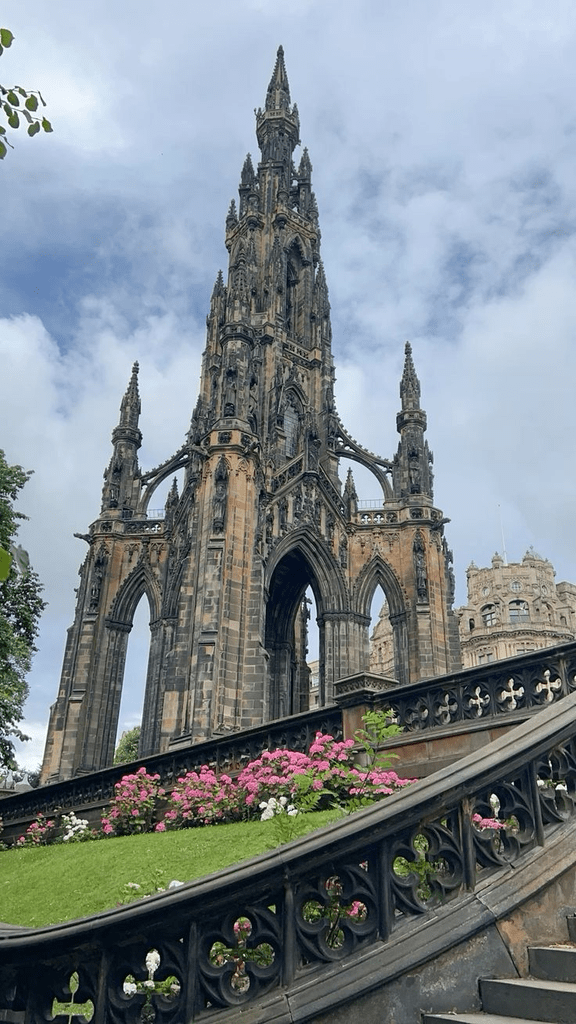
Edinburgh is arguably the best starting point for first-time travelers because it introduces you to Scotland’s history, architecture, culture, and atmosphere in one walkable city. The medieval Old Town is centered around the Royal Mile, which connects Edinburgh Castle with the Palace of Holyroodhouse. Along the way, you’ll find historic closes, shops, restaurants, museums, and centuries-old buildings.
Beyond the Royal Mile, explore the elegant Georgian New Town, stroll through Princes Street Gardens, and climb Calton Hill for city views. If you’re looking for a more active experience, Arthur’s Seat provides panoramic views over Edinburgh and the surrounding landscape.
The city is also an excellent base for exploring nearby attractions. Stirling, St Andrews, and other destinations can be reached on day trips, while Glasgow is only around 50 minutes away by train.
If this is your first visit, give Edinburgh at least two full days. August is especially lively because of the city’s major festivals, although that also means larger crowds and higher demand for accommodation.
2. Isle of Skye
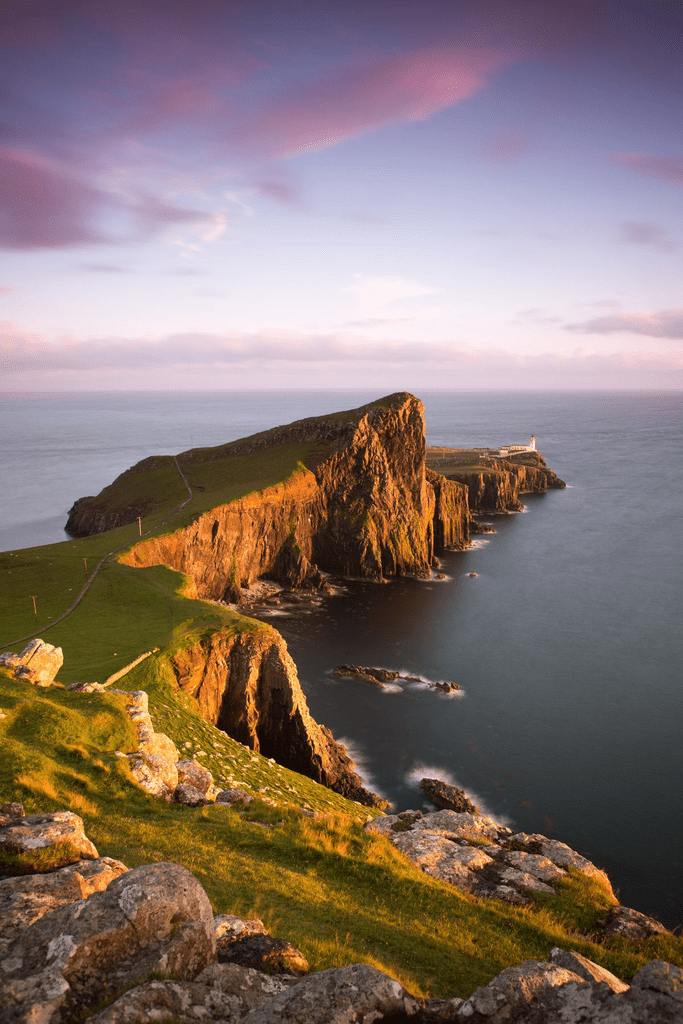
The Isle of Skye is one of the best places to visit in Scotland for dramatic scenery and photography. Its landscape is filled with rugged mountains, sea cliffs, unusual rock formations, waterfalls, and sweeping coastal views. It is frequently recommended as a highlight for first-time visitors who want to experience the wild side of Scotland.
Among the island’s famous sights are the Old Man of Storr, the Quiraing, Fairy Pools, and Neist Point. The Old Man of Storr is particularly recognizable, with towering rock pinnacles rising above the surrounding landscape. The Quiraing offers another spectacular setting for walkers and photographers.
Skye is best explored at a relaxed pace rather than treated as a quick day trip. Driving from Edinburgh just to spend a few hours on the island can mean spending more time on the road than experiencing the scenery.
Plan to stay at least one or two nights if possible. The extra time gives you more flexibility if the weather changes and allows you to explore beyond the most famous viewpoints.
3. Glencoe
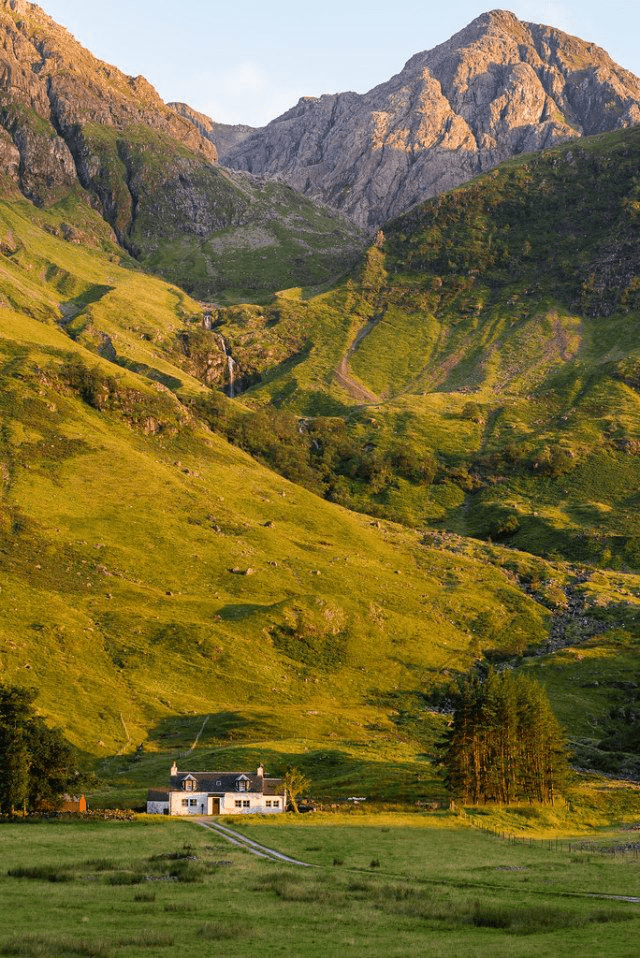
Glencoe is one of Scotland’s most spectacular Highland landscapes, making it a must-see for first-time visitors who want dramatic scenery. The valley is surrounded by towering mountains, rugged slopes, waterfalls, and winding roads that make even the journey through the area memorable.
The landscape is particularly impressive when viewed from the road, but getting out for a walk allows you to experience it more closely. There are trails for different levels of ability, ranging from relatively easy walks to more challenging mountain routes.
Glencoe also has an important place in Scottish history. The Glencoe Massacre of 1692 remains one of the most tragic events associated with the Highlands, adding historical depth to an already striking landscape.
The area works particularly well as part of a road trip between Edinburgh, Fort William, and the Isle of Skye. Current first-time itineraries regularly include Glencoe as a major scenic stop.
If you enjoy landscape photography, hiking, or scenic drives, Glencoe deserves plenty of time rather than being treated as simply a viewpoint on the way somewhere else.
4. Loch Ness
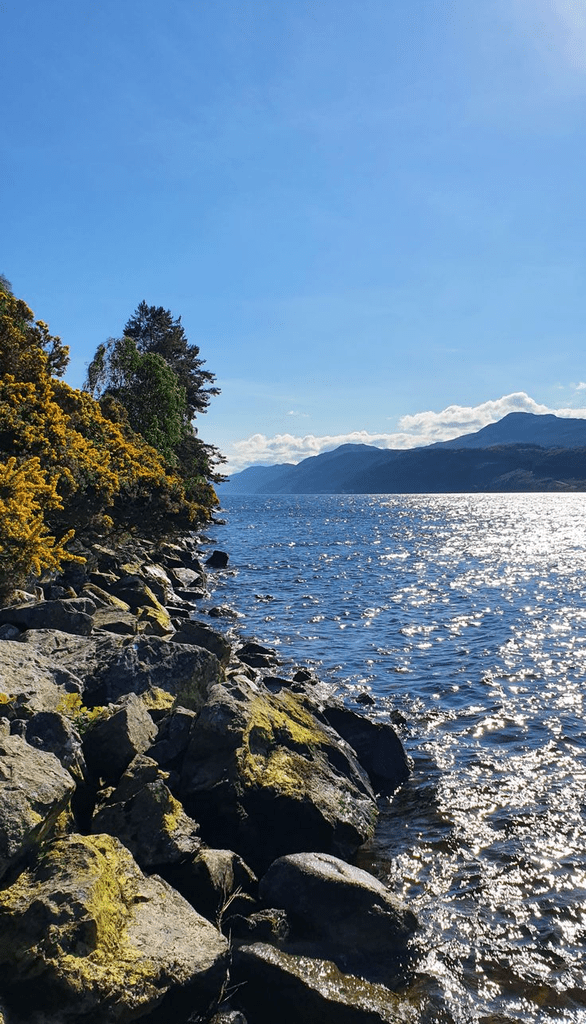
Loch Ness is one of Scotland’s most famous destinations, thanks largely to the enduring legend of the Loch Ness Monster. But even if you have little interest in Nessie, the area offers much more than the famous legend.
One of the biggest attractions is Urquhart Castle, a dramatic medieval ruin overlooking the loch. Its location provides beautiful views across the water and makes it one of the most atmospheric castle sites in the Highlands.
You can also take a boat cruise to experience the loch from the water. Inverness, located at the northern end of the loch, makes a convenient base for exploring the surrounding area.
For first-time travelers, Loch Ness works particularly well as part of a Highland road trip. Rather than dedicating an entire trip to searching for the mythical monster, combine a visit with Urquhart Castle, Inverness, and other nearby Highland attractions.
The destination is famous, but its combination of history, scenery, and folklore makes it a fun introduction to Scotland.
5. Loch Lomond & The Trossachs
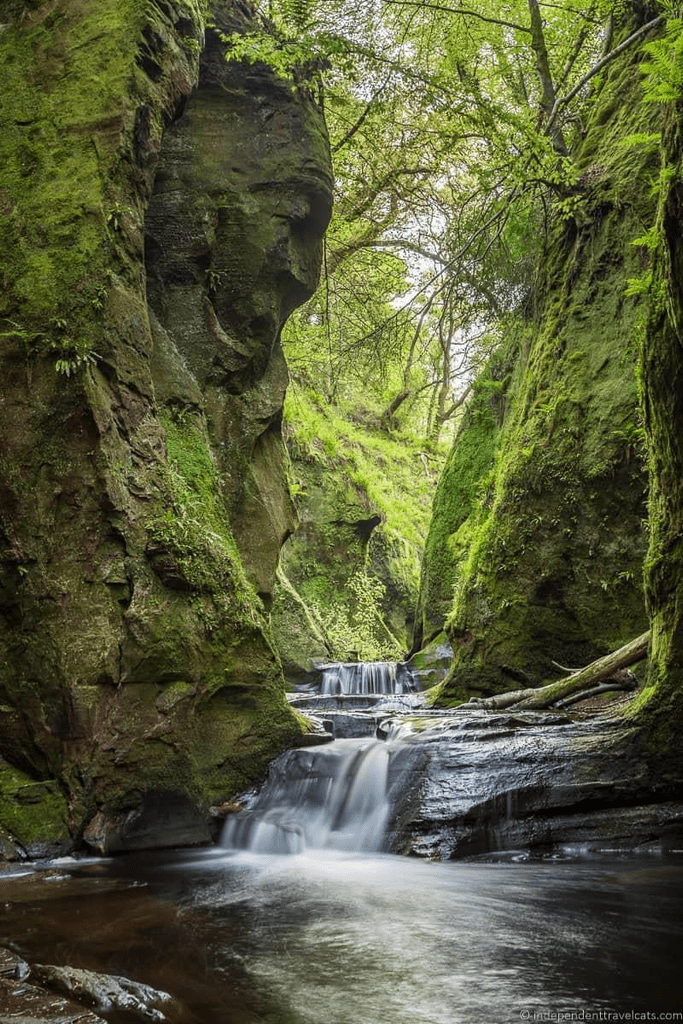
Loch Lomond is an excellent choice for travelers who want beautiful Scottish scenery without traveling deep into the Highlands. It is part of Loch Lomond & The Trossachs National Park and is relatively accessible from Glasgow.
The loch itself is surrounded by mountains, woodland, islands, and small villages. You can enjoy scenic drives, boat trips, peaceful walks, or more challenging hikes depending on your interests.
One popular option is Conic Hill, which offers impressive views over Loch Lomond. More experienced hikers can consider Ben Lomond, one of the area’s best-known mountains.
The area is particularly useful for first-time visitors who want to experience Scotland’s natural landscapes without committing to a long journey to Skye. It can also fit easily into a route between Glasgow and the Highlands.
For a relaxed experience, explore villages around the loch, enjoy a lakeside walk, and allow yourself time to simply appreciate the scenery rather than rushing from one attraction to another.
6. Glasgow
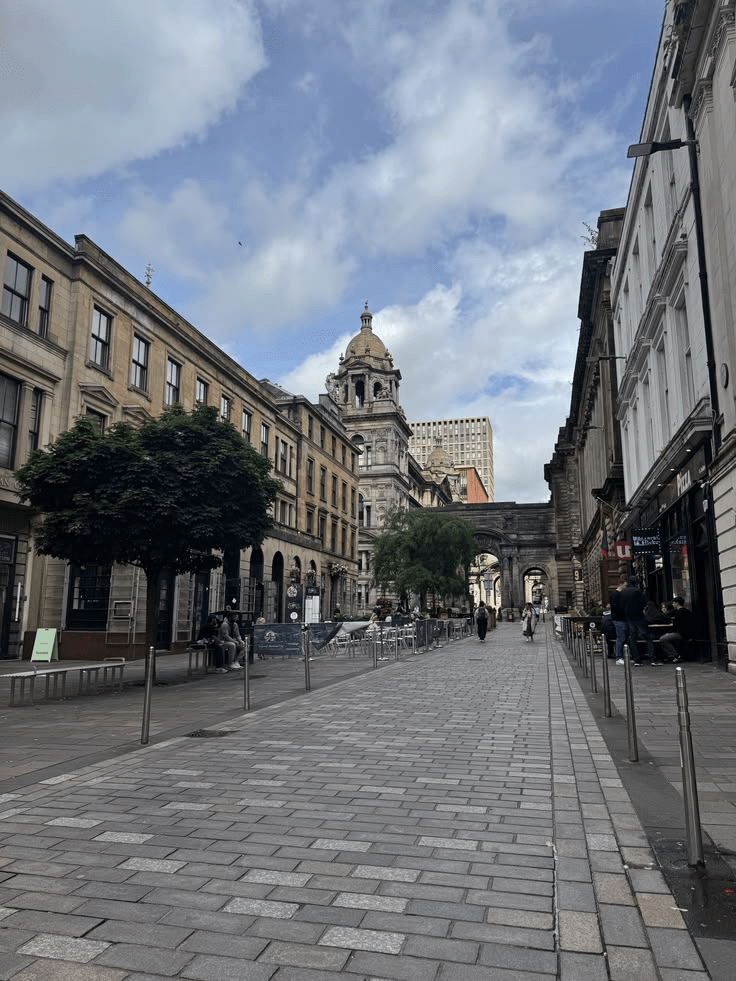
While Edinburgh often receives more attention from first-time visitors, Glasgow offers a completely different side of Scotland. It is Scotland’s largest city and is known for its music, museums, architecture, food, and lively cultural atmosphere.
The city is strongly associated with architect and designer Charles Rennie Mackintosh, making it an interesting destination for architecture and design enthusiasts. Kelvingrove Art Gallery and Museum is another popular attraction and offers a broad collection in an impressive building.
Glasgow is also known for its live music scene and energetic nightlife. Compared with Edinburgh’s historic, tourist-focused atmosphere, Glasgow can feel more contemporary and urban.
The two cities are close enough that you can easily include both in a longer trip. Current travel guides note that they are connected by a roughly 50-minute train journey.
If you have seven to ten days in Scotland, spending a couple of days in Edinburgh and adding Glasgow can give you a more complete picture of modern Scottish city life.
7. Stirling
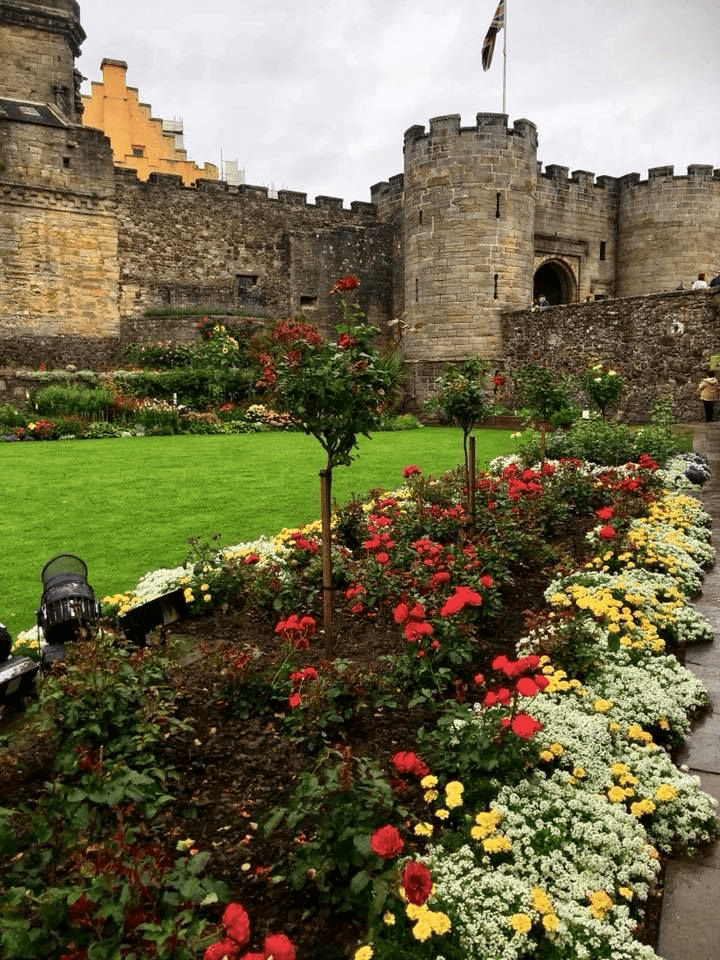
Stirling is an excellent destination for travelers interested in Scottish history and castles. Its strategic location between the Highlands and Lowlands made it an important center of power, and Stirling Castle remains one of the country’s most significant historic attractions.
The castle is particularly impressive for its architecture, royal connections, and views over the surrounding landscape. A recent 2026 local recommendation also highlights Stirling Castle as a standout Scottish castle, particularly for its restored Great Hall, Renaissance interiors, and panoramic views.
The city is also closely associated with the Wars of Scottish Independence, including the Battle of Stirling Bridge. Nearby attractions provide additional opportunities to explore this part of Scotland’s history.
Stirling can be visited as a day trip from Edinburgh, making it convenient for first-time travelers who do not want to change hotels frequently.
For a trip focused on castles and Scottish history, Stirling is an especially worthwhile addition to your itinerary.
8. St Andrews
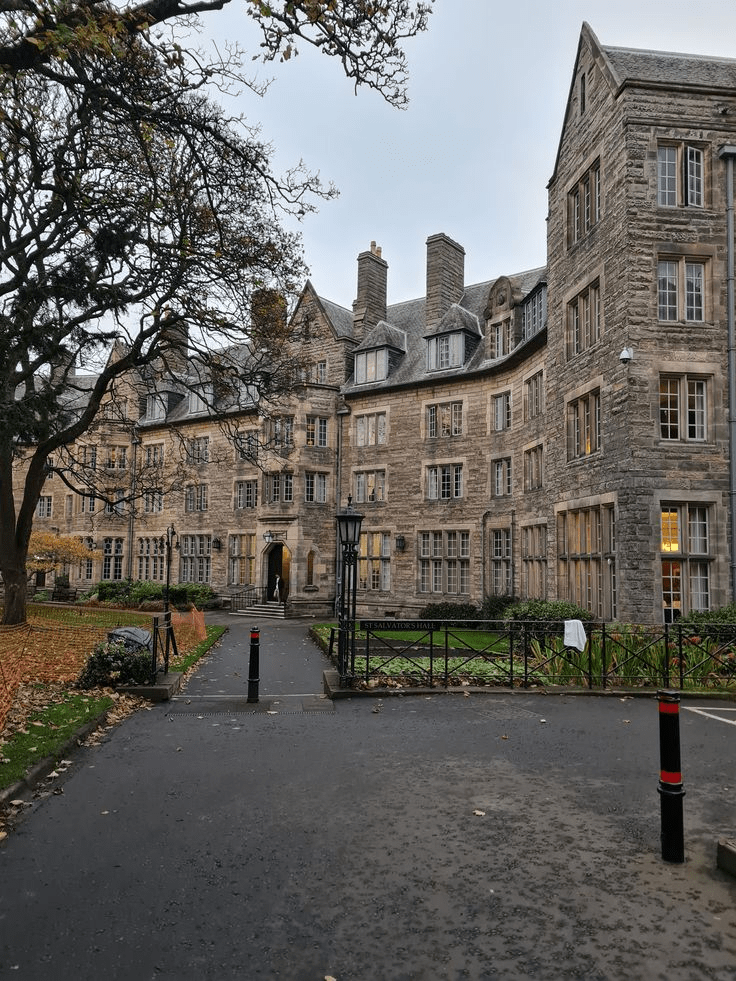
St Andrews is a charming coastal town best known internationally as the home of golf. But you do not need to be a golfer to enjoy visiting. The town combines medieval history, seaside scenery, university traditions, and attractive streets.
St Andrews Castle sits dramatically above the coast, while the ruins of St Andrews Cathedral offer another glimpse into the town’s medieval past. The beaches and coastal walks provide a completely different atmosphere from the dramatic Highland landscapes.
The town is also relatively easy to reach from Edinburgh, making it a practical day trip for first-time visitors. Current Edinburgh travel guidance lists St Andrews among the key day-trip options and notes that it can be reached by train in roughly 1.5 hours.
If you want a destination that combines history, coastal scenery, and a slower pace, St Andrews is an excellent choice.
9. Cairngorms National Park
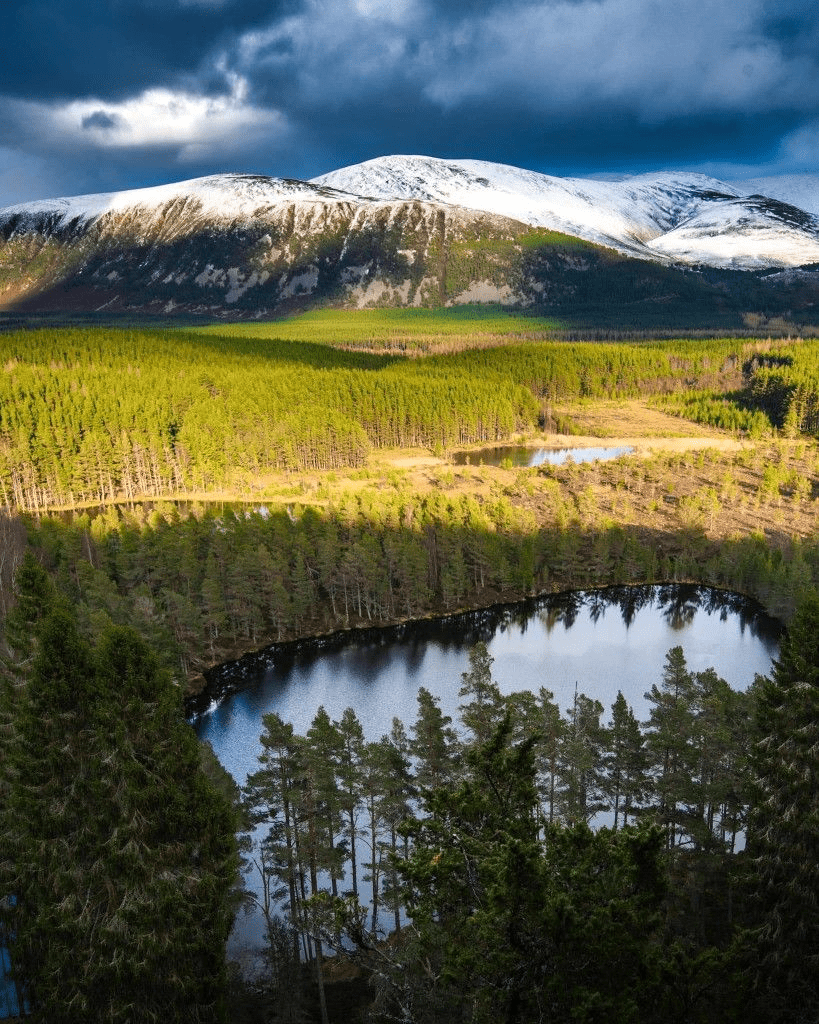
Cairngorms National Park is ideal for travelers who want outdoor adventures, mountain scenery, wildlife, and Highland landscapes. It is the UK’s largest national park and offers a wide variety of activities throughout the year.
Visitors can enjoy hiking, cycling, wildlife experiences, scenic drives, and winter sports depending on the season. The landscape ranges from forests and rivers to high mountain terrain, creating plenty of opportunities for photography.
Cairngorms is also a good choice if you want to experience a different side of the Highlands from Glencoe and Skye. Instead of dramatic coastal scenery, you’ll find expansive mountain landscapes and woodland.
For first-time travelers, it may be best to choose a few activities rather than trying to cover the entire park. Base yourself in a suitable town and explore the surrounding area at a comfortable pace.
If outdoor adventure is one of your main reasons for visiting Scotland, Cairngorms National Park deserves a place on your itinerary.
10. The Outer Hebrides
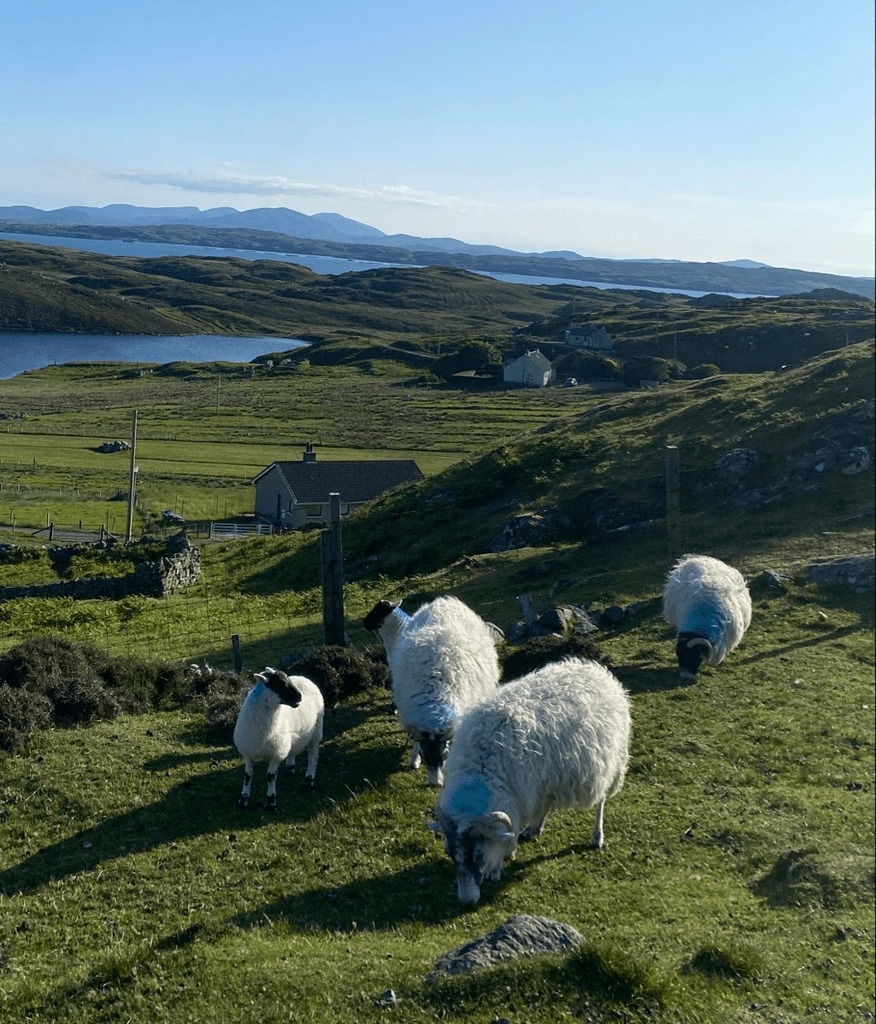
For travelers who want to go beyond Scotland’s classic tourist route, the Outer Hebrides offer a more remote and atmospheric experience. The islands are known for beautiful beaches, rugged coastlines, traditional communities, ancient archaeological sites, and Gaelic culture.
The islands can feel very different from Edinburgh and the mainland Highlands. Long stretches of coastline and open landscapes create a sense of space and isolation that is increasingly difficult to find in heavily visited destinations.
The Outer Hebrides require more planning than places such as Edinburgh or Stirling because transportation and ferry schedules need to be considered carefully. That extra effort is part of the appeal, however, especially for travelers who enjoy slower journeys and less crowded destinations.
If this is your first Scotland trip and you have limited time, the Outer Hebrides may be better saved for a second visit. But if you have two weeks or more and want a remote island adventure, they can be one of the most memorable parts of the country.
Summary
Scotland offers an incredible variety of destinations for first-time travelers, from the historic streets of Edinburgh and the cultural energy of Glasgow to the mountains of Glencoe, the landscapes of the Isle of Skye, and the legendary waters of Loch Ness. Loch Lomond, Stirling, St Andrews, Cairngorms National Park, and the Outer Hebrides add even more variety for travelers with extra time. For a first trip of around seven to ten days, a combination of Edinburgh, the Highlands, and Skye provides an especially strong introduction to Scotland. Rather than trying to see everything, choose a few destinations that match your interests and allow enough time to enjoy the journey between them.
FAQ
What is the best place to visit in Scotland for first-time travelers?
Edinburgh is one of the best starting points because it combines history, architecture, museums, food, and culture in a relatively compact city. It also provides convenient access to several day-trip destinations.
How many days do you need for a first trip to Scotland?
Around 7–10 days is a comfortable amount of time for a first trip combining Edinburgh with the Highlands and Isle of Skye. Shorter trips are possible, but you’ll need to focus on fewer destinations.
Is the Isle of Skye worth visiting on a first trip?
Yes. Skye is one of Scotland’s most spectacular destinations, particularly for dramatic scenery, hiking, and photography. Ideally, spend at least one night rather than attempting it as a rushed day trip.
What is the best time to visit Scotland?
May, June, and September are popular choices for travelers looking for longer days and generally more manageable crowds. July and August are busier, particularly in Edinburgh during festival season.
Do you need a car to travel around Scotland?
Not necessarily. Edinburgh, Glasgow, Stirling, and St Andrews can be explored or reached using public transportation. A car becomes more useful for remote Highland and island destinations, although organized tours can also work well.
Is Glasgow worth visiting if I’m already going to Edinburgh?
Yes. The two cities offer noticeably different experiences. Edinburgh is especially strong for historic architecture and major attractions, while Glasgow is known for music, museums, design, food, and a more contemporary atmosphere.
Which Scottish destination is best for dramatic scenery?
The Isle of Skye and Glencoe are two of the strongest choices for dramatic mountain and coastal landscapes. Loch Lomond and the Cairngorms also offer excellent scenery with different types of landscapes.