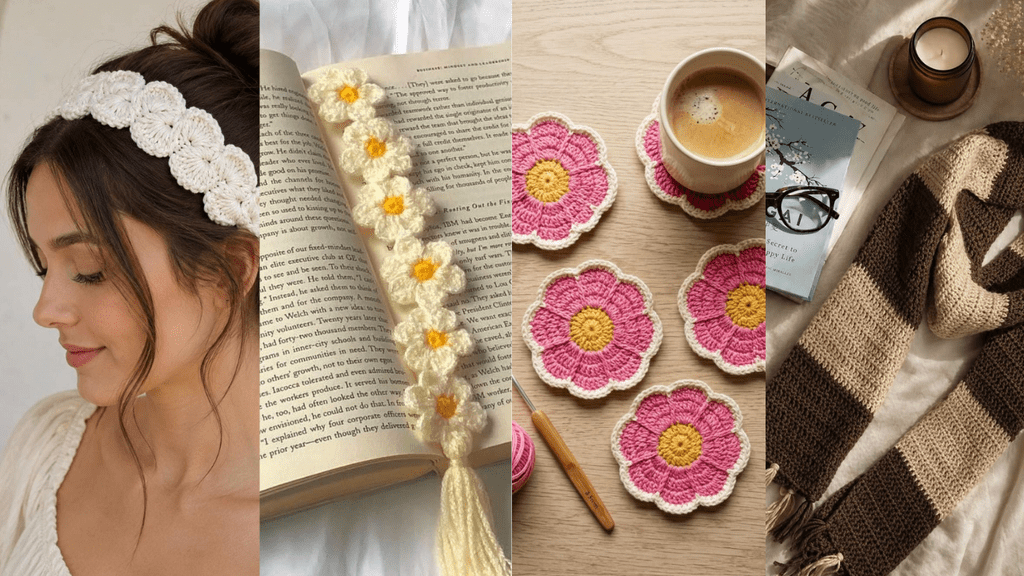
Crochet is a relaxing and rewarding craft that is easy to learn, even if you have never picked up a crochet hook before. With a few basic supplies, such as a crochet hook, yarn, scissors, and a yarn needle, beginners can start creating simple projects almost immediately. The best easy crochet ideas for beginners are usually small, practical, and made with basic stitches such as chain stitch, single crochet, and double crochet. Starting with manageable projects helps you practice your tension and stitching without feeling overwhelmed by complicated patterns.
One of the biggest advantages of beginner crochet projects is that they allow you to learn while making something useful. Instead of spending weeks on a large blanket or complicated garment, you can finish a coaster, dishcloth, headband, or small basket in a short amount of time. Choose a medium-weight yarn in a light or neutral color so you can easily see your stitches. Keep your first projects simple, and remember that uneven stitches are completely normal while learning. As your confidence grows, you can experiment with different yarn textures, colors, patterns, and crochet techniques.
1. Simple Crochet Coasters
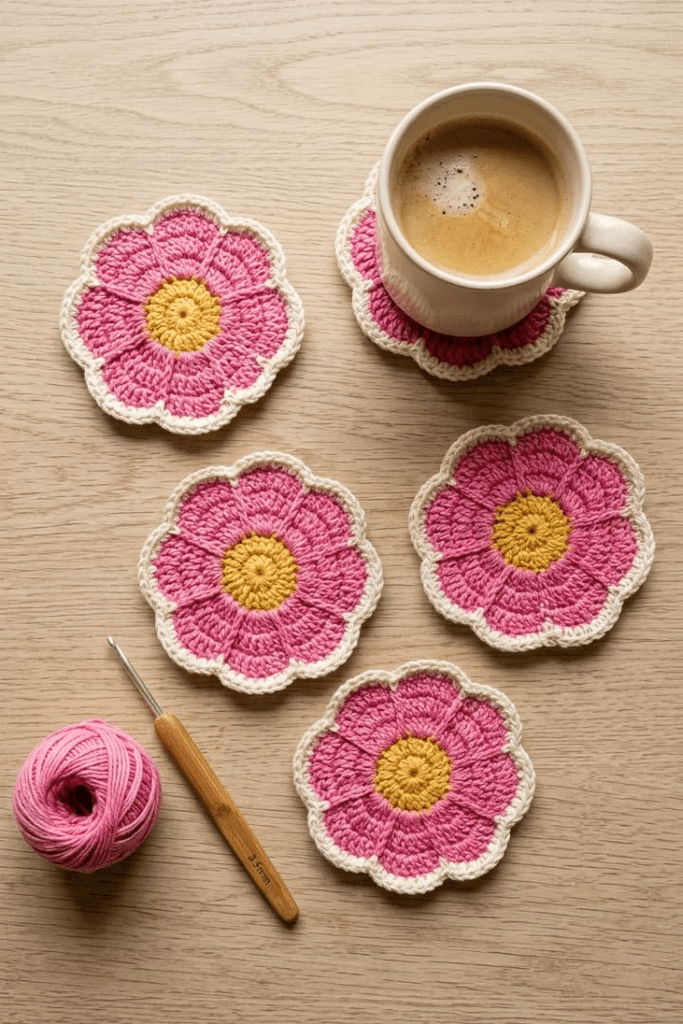
Crochet coasters are one of the easiest projects for beginners because they are small, quick to make, and usually require only basic stitches. They are also an excellent way to practice keeping your stitches consistent. You can make a simple round coaster using single crochet or double crochet, or create a square version by working back and forth in rows. Cotton yarn is particularly useful because it is durable and handles moisture well.
Start with one or two colors while learning, then experiment with stripes or simple color changes once you feel comfortable. Matching coasters can also make a thoughtful handmade gift for friends and family. If your finished coaster curls or looks uneven, don’t worry—this is often part of the learning process. Blocking the finished piece can help improve its shape. Making several coasters gives you plenty of repetition, helping you become more comfortable holding the hook and controlling yarn tension.
2. Crochet Dishcloths
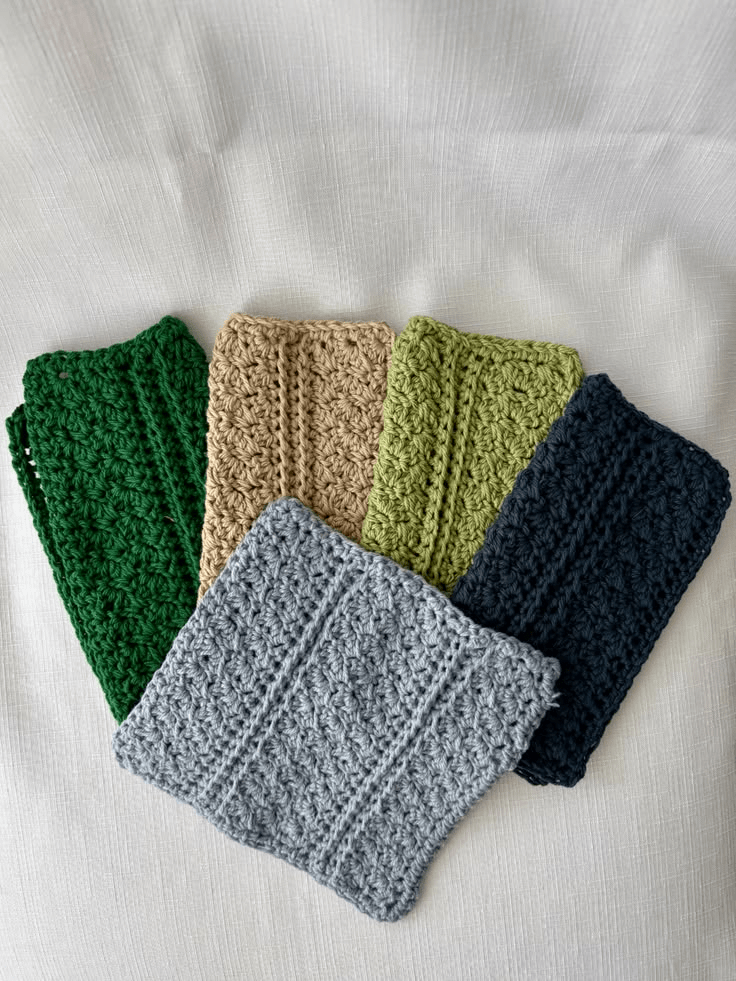
A crochet dishcloth is a practical beginner project that lets you practice working rows without requiring complicated shaping. Choose cotton yarn because it is washable, absorbent, and suitable for everyday kitchen use. A simple square pattern can be created with single crochet, half double crochet, or double crochet stitches. Once you understand how to turn your work at the end of each row, you can create a basic dishcloth with ease.
Dishcloths are especially helpful for beginners because mistakes are easy to spot and correct. You can also make several versions using different colors and stitch patterns. Try alternating rows of two colors once you are comfortable changing yarn. These handmade cloths can add a cozy touch to your kitchen and make inexpensive gifts for housewarmings or holidays. If you are practicing your tension, making multiple dishcloths can help you notice whether your stitches are becoming more even as you gain experience.
3. Crochet Scrunchies
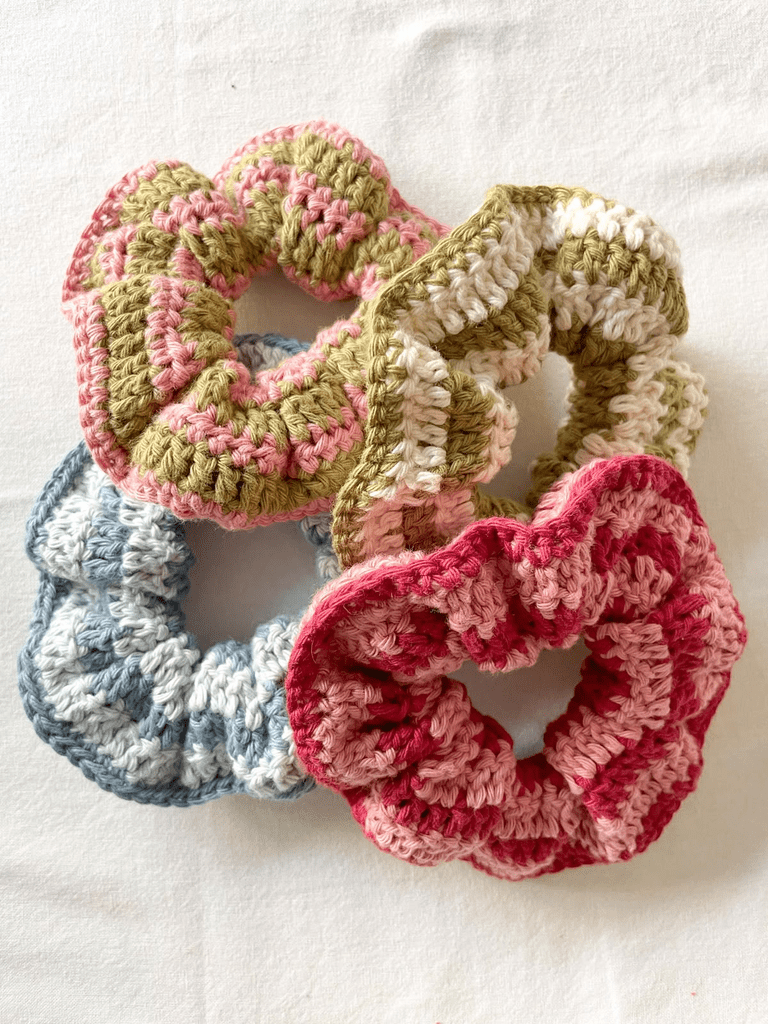
Crochet scrunchies are small, stylish, and beginner-friendly projects that can often be completed quickly. They are made by crocheting around an elastic hair tie, making them a fun way to use leftover yarn. A simple scrunchie can be created with basic stitches, while adding increases can create a fuller, ruffled appearance. Cotton or soft acrylic yarn works well, depending on the look you want.
These projects are ideal for practicing working around an existing object rather than crocheting a flat piece. Start slowly and make sure your stitches are distributed evenly around the elastic. You can create scrunchies in different colors to match various outfits or make sets as handmade gifts. They are also a useful project for using small amounts of leftover yarn from other crochet projects. Once you understand the basic construction, you can experiment with different yarn weights and stitch combinations to create more decorative designs.
4. Easy Crochet Headbands
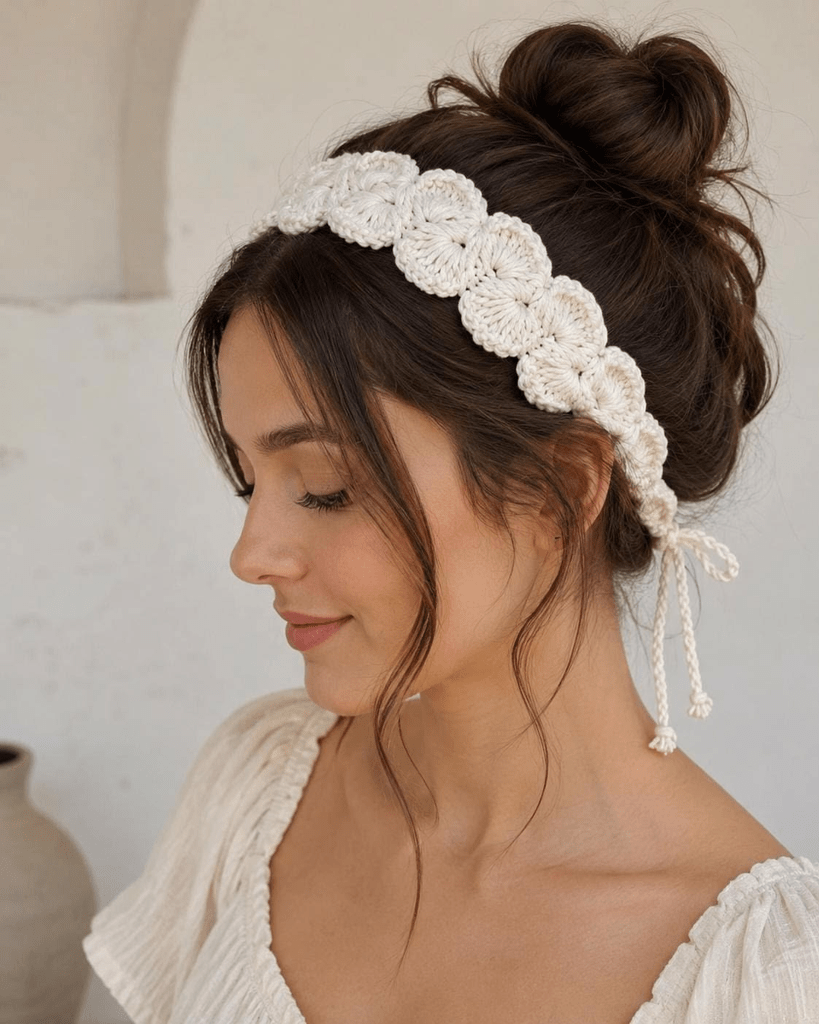
A crochet headband is another simple project that can help beginners practice working in rows. Most basic headbands are created by crocheting a long strip and joining the ends together. You can use single crochet for a firm texture or half double crochet for a slightly softer and stretchier finish. Measure the strip around your head as you work so the finished headband fits comfortably.
Headbands can be customized in countless ways. Choose a neutral color for an everyday accessory or use bright colors for a more playful design. You can also add a simple crocheted flower, bow, or button to personalize the finished piece. Because headbands are relatively small, they are less intimidating than larger wearable projects. They are also a useful way to practice maintaining an even stitch count across multiple rows before moving on to more complicated crochet patterns.
5. Crochet Mug Cozy
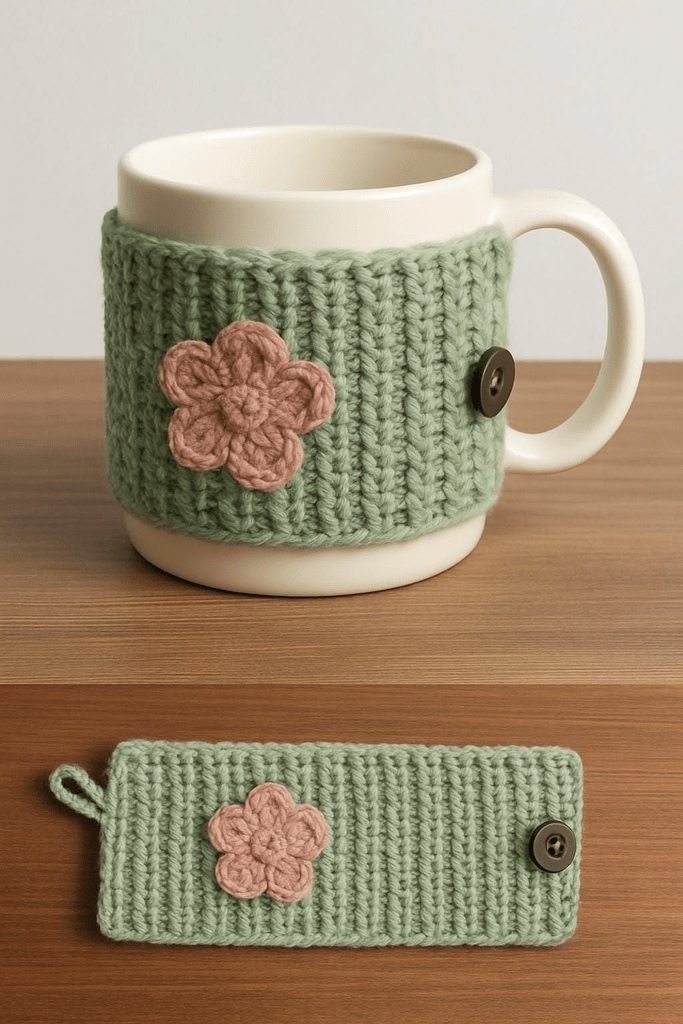
A mug cozy is a practical beginner crochet project that can add a handmade touch to your morning coffee or tea routine. The basic design is usually a small rectangular strip that wraps around a mug and fastens with a button or loop. This makes it a good project for practicing straight rows and simple finishing techniques.
Choose yarn that feels comfortable in your hands and avoid making the cozy too thick if you plan to use it around a hot drink. Measure your mug before finishing so the cozy fits securely without being too tight. You can add a button, wooden bead, simple stripe, or contrasting border for extra character. Mug cozies also make inexpensive handmade gifts because they can be customized to suit different colors and styles. Once you understand the basic pattern, you can create several quickly using leftover yarn.
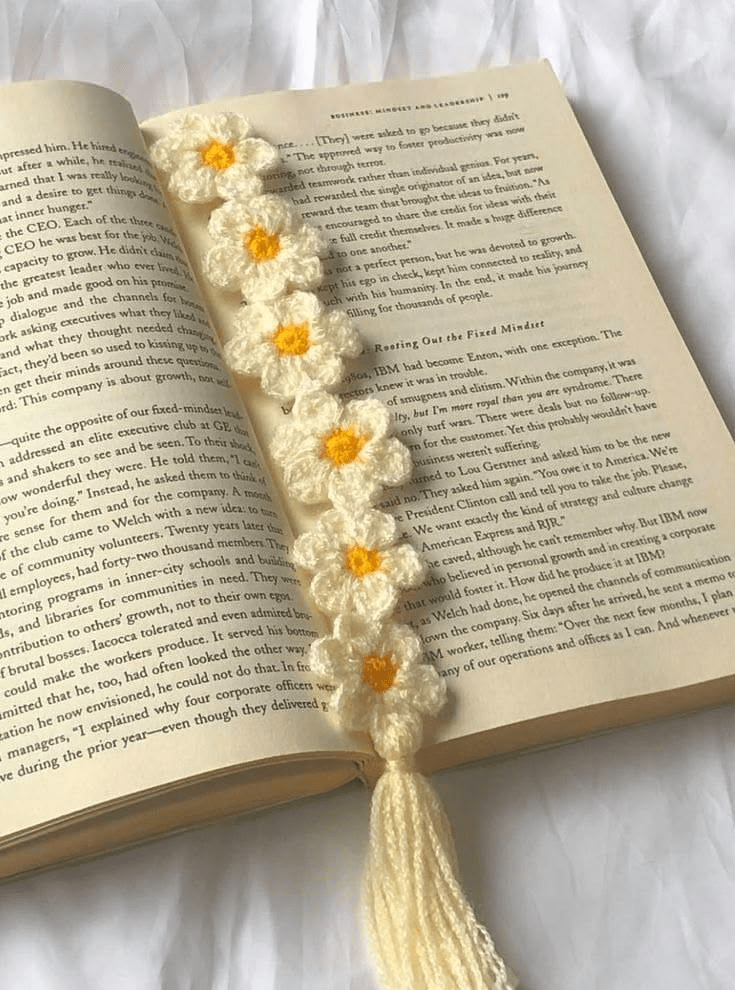
6. Simple Crochet Bookmarks
If you want a very small project, try making a crochet bookmark. It is an excellent option for beginners who want to practice basic stitches without committing to a larger project. A simple bookmark can be made as a narrow strip using chains and rows of single crochet or another basic stitch.
You can experiment with different yarn colors and add a small tassel to the bottom for decoration. Cotton or lightweight yarn can create a neat, relatively flat bookmark that slides easily between book pages. Because bookmarks require very little yarn, they are also a great way to use leftover materials. Make several in different colors and keep them ready as small handmade gifts. This project can also help you practice counting stitches, maintaining straight edges, and finishing your work neatly.
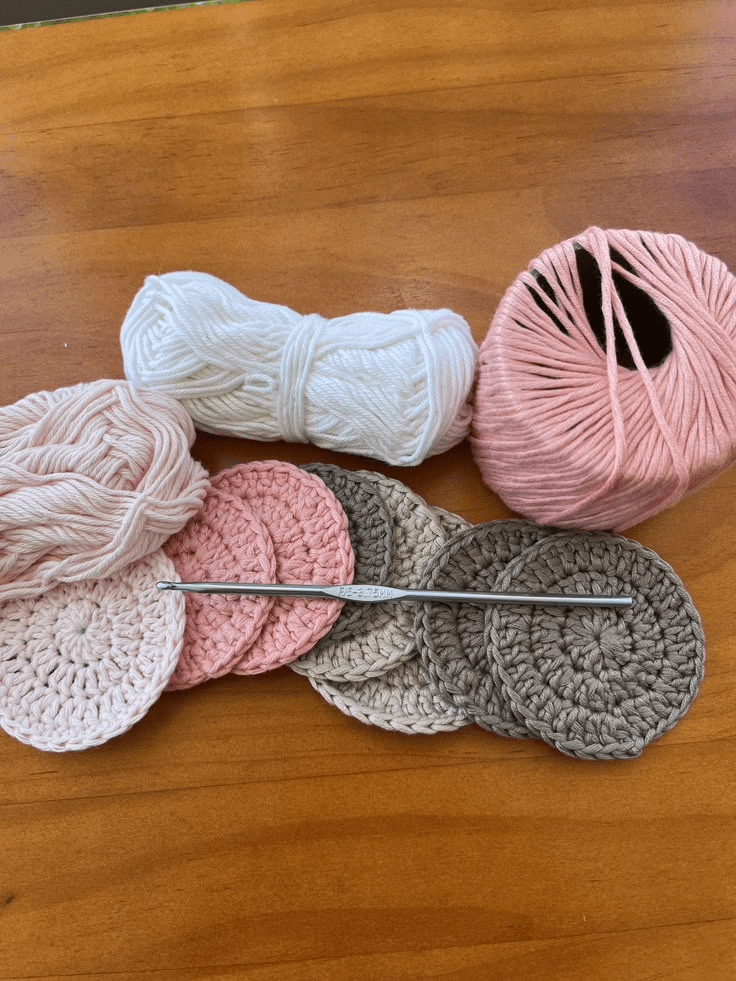
7. Crochet Face Scrubbies
Reusable crochet face scrubbies are small rounds designed for gentle cleansing or removing makeup, depending on the yarn and intended use. They are usually made with cotton yarn and basic crochet stitches. Their small size makes them a convenient project for beginners who want something that can be finished quickly.
When making face scrubbies, choose soft, washable cotton yarn and avoid rough or scratchy fibers. Simple circular patterns can teach you how increases work while helping you understand how crochet grows outward. Make several at once so you can wash and reuse them regularly. They can also be packaged together as a thoughtful handmade gift. Before using any crocheted item on your face, make sure the yarn is suitable for skin contact and follow appropriate washing instructions.
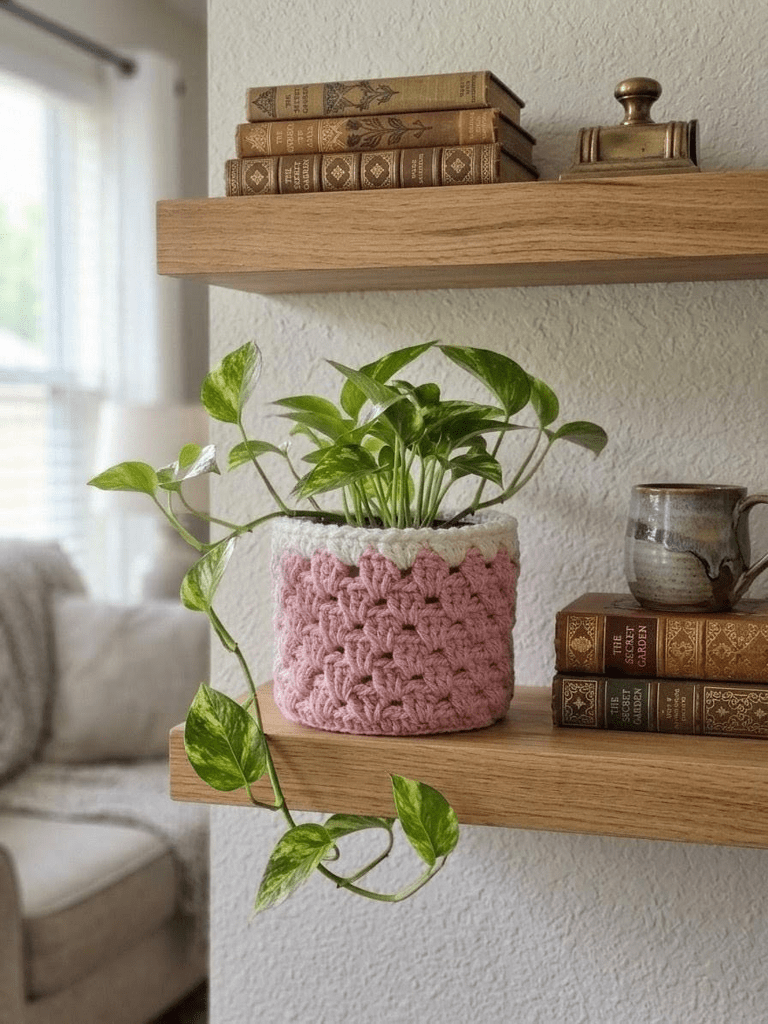
8. Easy Crochet Plant Pot Cover
A crochet plant pot cover can transform a plain plant container into a cozy decorative piece. Beginners can make a simple version using basic stitches worked in rounds or rows. The project can be adjusted according to the size of the plant pot, making it a useful way to practice measuring and shaping.
Choose sturdy yarn that holds its shape well and select a color that complements your room or plant. Measure the pot carefully before finishing because a cover that is too loose may slip down. You can keep the design completely simple or add stripes, a contrasting border, or a small decorative flower. Remember that crochet yarn can absorb moisture, so it is best to use a properly contained plant pot rather than allowing water to sit directly against the crochet material.
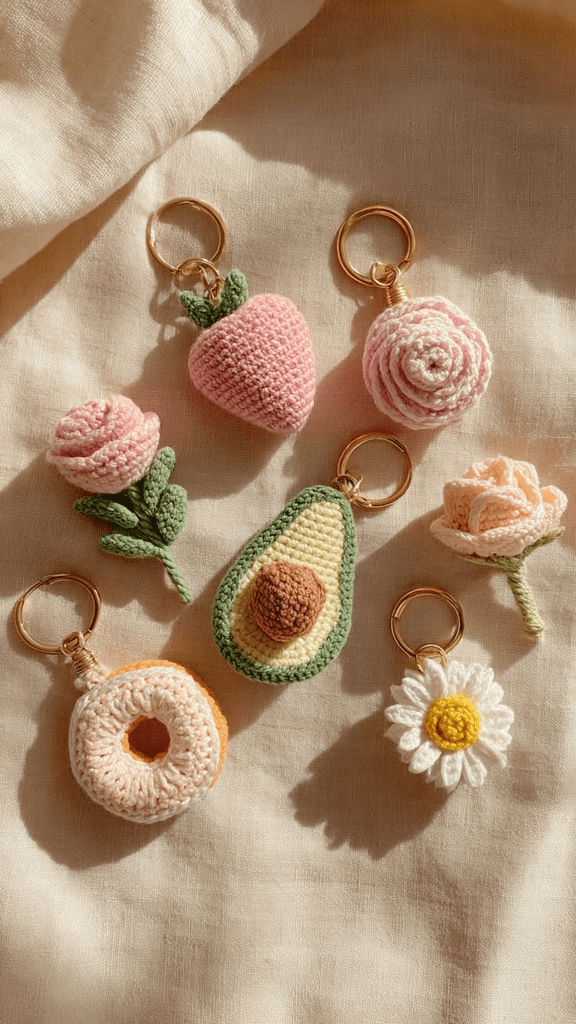
9. Crochet Keychain
A small crochet keychain is a fun project for beginners who want to make something decorative and portable. You can start with a simple crocheted ball, heart, flower, or other basic shape and attach it to a keyring. Small projects are particularly useful when you want to practice crocheting in the round without spending a lot of time on one item.
Use durable yarn and secure the keyring connection carefully so the finished piece can withstand regular handling. You can make keychains in different colors for backpacks, purses, keys, or gifts. Once you become comfortable with basic shapes, you can experiment with simple amigurumi-style designs. Keep the first project uncomplicated and focus on making tight, even stitches and securing the finishing yarn ends properly.
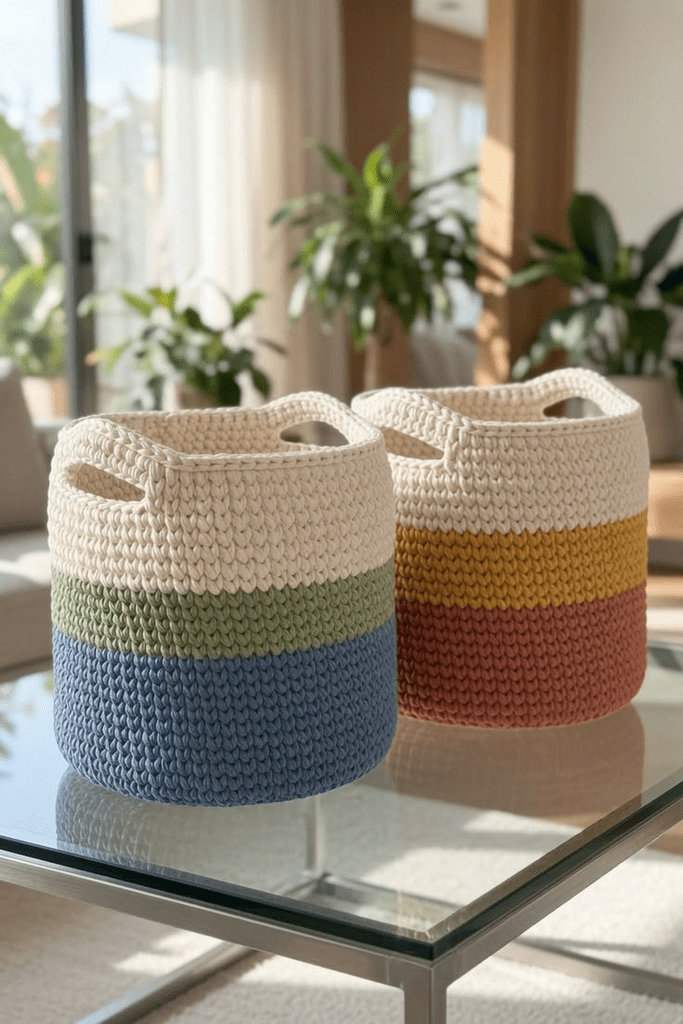
10. Simple Crochet Basket
A small crochet basket is a useful project that introduces beginners to crocheting a base and building upward. You can make a basic basket with sturdy yarn and single crochet stitches. The sides can be worked in rounds until you reach your preferred height.
For a basket that holds its shape, choose a thicker yarn or work with a smaller hook than you might normally use for that yarn. You can make small baskets for storing craft supplies, hair accessories, toiletries, or other household items. Avoid starting with a very large basket because maintaining consistent tension over a bigger project can be tiring for a beginner. A small basket gives you the opportunity to practice working in rounds while creating something genuinely useful for your home.
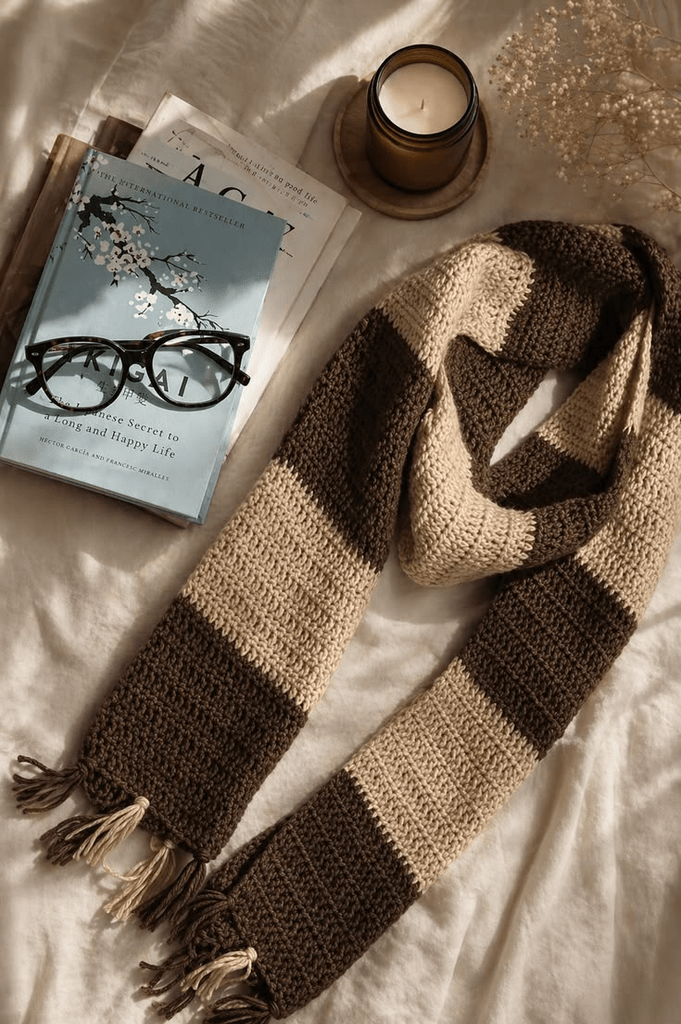
11. Crochet Simple Scarf
A basic crochet scarf is a classic project for beginners who are ready to try something larger. Unlike shaped garments, a simple scarf can be made as a long rectangle without complicated increases or decreases. Choose a basic stitch pattern and repeat it across each row.
The most important thing is to maintain a consistent width throughout the project. Count your stitches regularly, particularly during the first few rows, because accidentally adding or dropping stitches can gradually change the shape. Beginners may find a medium-weight yarn easier to work with than very thin yarn. You can create a classic solid-color scarf or add stripes by changing colors at the end of selected rows. Although a scarf takes longer than a coaster or dishcloth, the repeated stitches provide excellent practice.
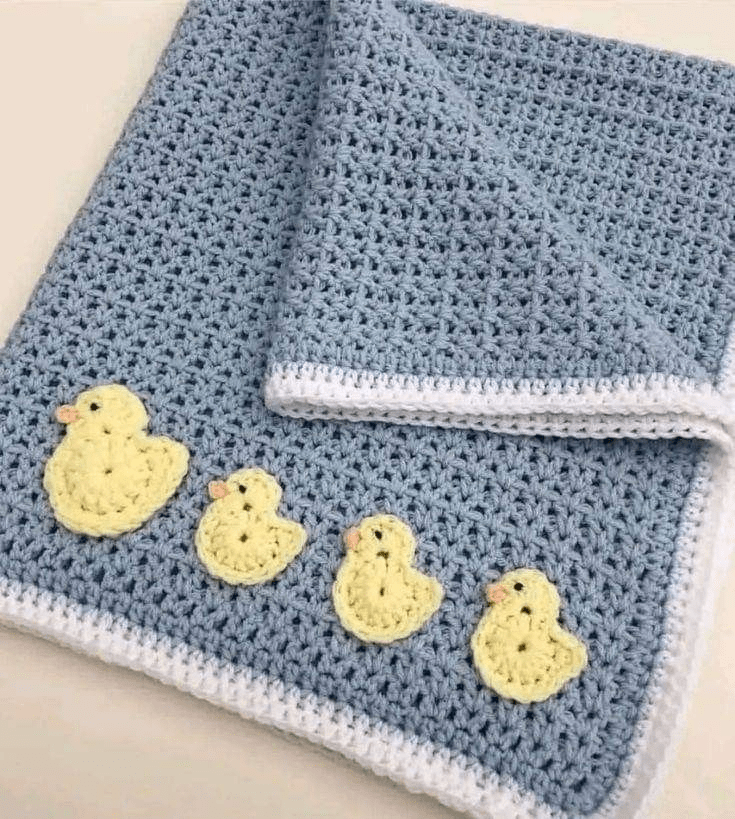
12. Crochet Simple Baby Blanket
A small baby blanket can be a good beginner project if you want to practice repeating rows for a longer period. Rather than choosing an intricate blanket pattern, select a simple stitch that creates a consistent texture. A basic granny-style pattern or repeated double crochet rows can be approachable choices.
Use soft, washable yarn appropriate for the intended recipient and consider choosing a medium-weight option that makes your stitches easy to see. Before starting a full blanket, make a small sample to check your tension. This can help you estimate the finished size and determine whether you like the fabric. Remember that blankets require considerably more time and yarn than smaller beginner projects, so don’t feel pressured to finish quickly. The repetitive nature of blanket-making can be relaxing once you become comfortable with the stitch pattern.
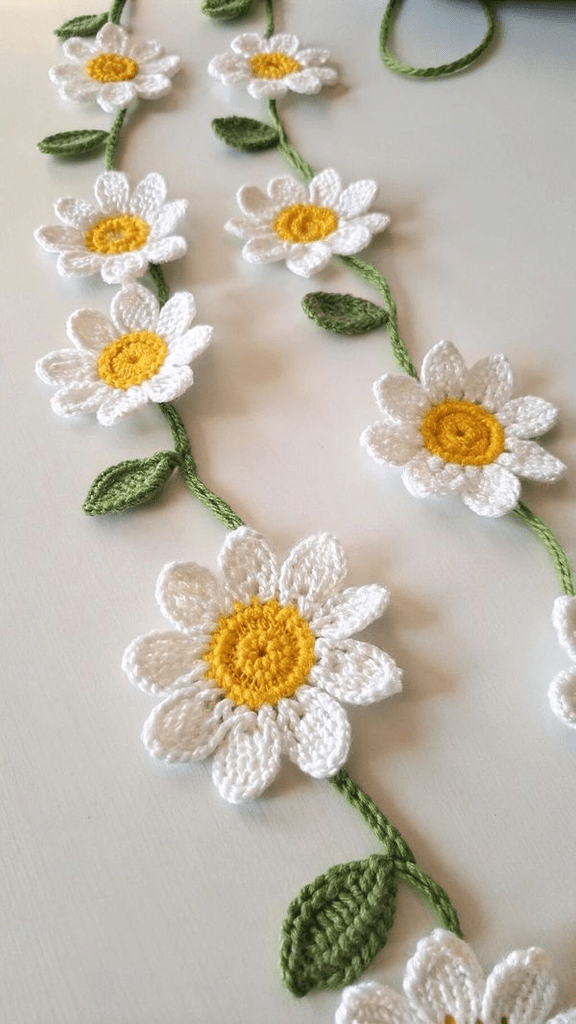
13. Crochet Simple Flower
Crochet flowers are tiny projects that can teach you how to create decorative shapes using basic stitches and increases. They can be attached to headbands, bags, hats, cards, gift wrapping, or other crochet projects. Because they use very little yarn, flowers are also perfect for practicing with leftover materials.
Start with a simple flower pattern that uses only a few rounds. Once you understand how the petals are formed, experiment with different colors and yarn weights. You can create a single-layer flower for a minimalist look or combine several layers to create a fuller design. Adding a button or small center can give the flower extra personality. These projects are particularly useful for beginners who want to move beyond plain rectangles and circles while still working with manageable shapes.
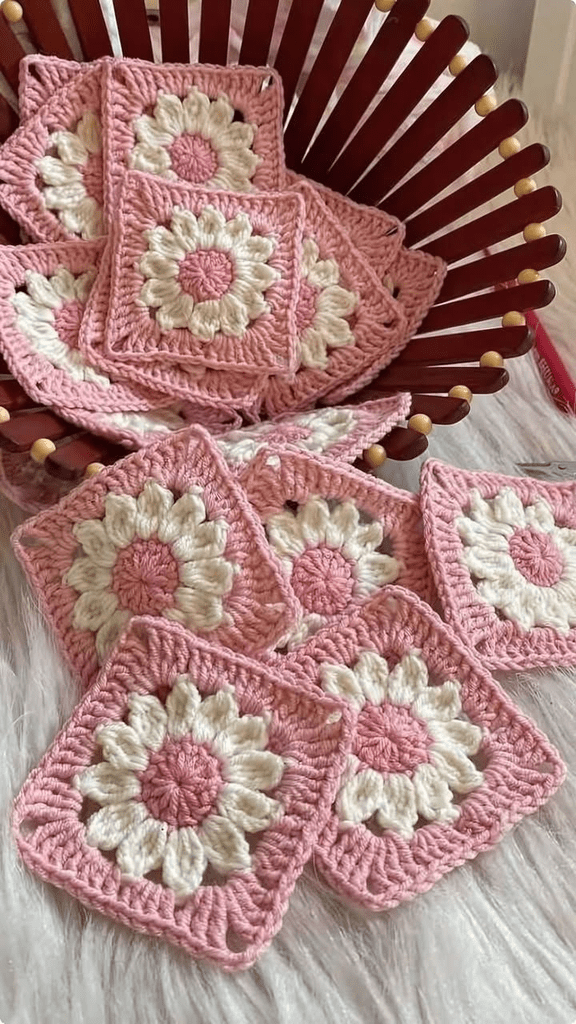
14. Easy Crochet Granny Square
The granny square is one of the most recognizable crochet projects and a great skill-building project for beginners. Traditional granny squares are made in rounds, usually using chains and groups of double crochet stitches. Once you learn the basic pattern, you can create individual squares and eventually join them into blankets, bags, cushions, or other projects.
Start with one color if changing yarn feels complicated. After you understand the construction, try using two or three colors to create different designs. Pay attention to your corners because consistent spacing helps the square maintain its shape. Granny squares are particularly useful because you can practice the same pattern repeatedly without committing to a large finished item. Make a few squares first, then decide whether you want to turn them into a larger project.
Quick Tips for Crochet Beginners
- Start with medium-weight yarn and an appropriately sized hook.
- Choose light-colored yarn so you can see individual stitches more easily.
- Learn the basic chain, single crochet, half double crochet, and double crochet stitches first.
- Count your stitches regularly to prevent your project from becoming uneven.
- Keep your yarn tension relaxed rather than pulling the yarn too tightly.
- Practice on small projects before attempting large blankets or clothing.
- Weave in loose yarn ends securely when you finish.
- Don’t worry about small imperfections—your technique will improve with practice.
Summary
These 14 easy crochet ideas for beginners offer a variety of ways to learn basic crochet skills while creating useful and attractive handmade projects. Small items such as coasters, bookmarks, scrunchies, flowers, and face scrubbies are excellent starting points because they can be completed quickly. Once you become more comfortable with your hook and yarn, you can move on to headbands, baskets, scarves, granny squares, and blankets. The key is to choose projects that match your current skill level and give yourself time to practice. With patience and regular repetition, even simple stitches can become the foundation for much more advanced crochet creations.
Frequently Asked Questions
1. What is the easiest crochet project for a beginner?
Simple coasters, dishcloths, bookmarks, and scrunchies are among the easiest crochet projects because they are small and generally use basic stitches.
2. What crochet stitch should a beginner learn first?
The chain stitch and single crochet are excellent starting points. Once you are comfortable with them, you can learn half double crochet and double crochet.
3. What yarn is best for beginner crochet projects?
Medium-weight yarn is generally easy to handle. A light-colored yarn can also make it easier to see where you need to insert your hook.
4. How long does it take to learn crochet?
You can learn the basic stitches in a short amount of practice, but becoming comfortable with tension, counting, and reading patterns takes more time. Regular practice makes a noticeable difference.
5. Is crochet easier than knitting?
Many beginners find crochet easier to start because it generally uses one hook and fewer active loops. However, the easier craft depends on your personal learning style.
6. What should I crochet first?
Start with a small, flat project such as a coaster, dishcloth, or bookmark. These projects let you practice basic stitches without requiring complicated shaping.
7. What can I crochet with leftover yarn?
Small flowers, scrunchies, keychains, bookmarks, coasters, and face scrubbies are excellent ways to use small amounts of leftover yarn.
8. How can I improve my crochet skills?
Practice regularly, count your stitches, watch your tension, and gradually move from simple projects to more challenging patterns. Making several versions of the same project can also help you develop consistency.