

Six months may not seem like a long time, but small habits practiced consistently can create meaningful changes in how you spend your time, manage responsibilities, care for yourself, and work toward your goals. You don’t need an extreme routine or a complete lifestyle overhaul. Simple actions repeated regularly can gradually become part of your everyday life.
The most effective habits are usually realistic enough to maintain even when you’re busy. Instead of trying to change everything at once, choose a few habits that fit your current lifestyle and build from there. Here are 12 simple habits that can help you make meaningful progress over the next six months.
1. Start Your Day With a Simple Plan
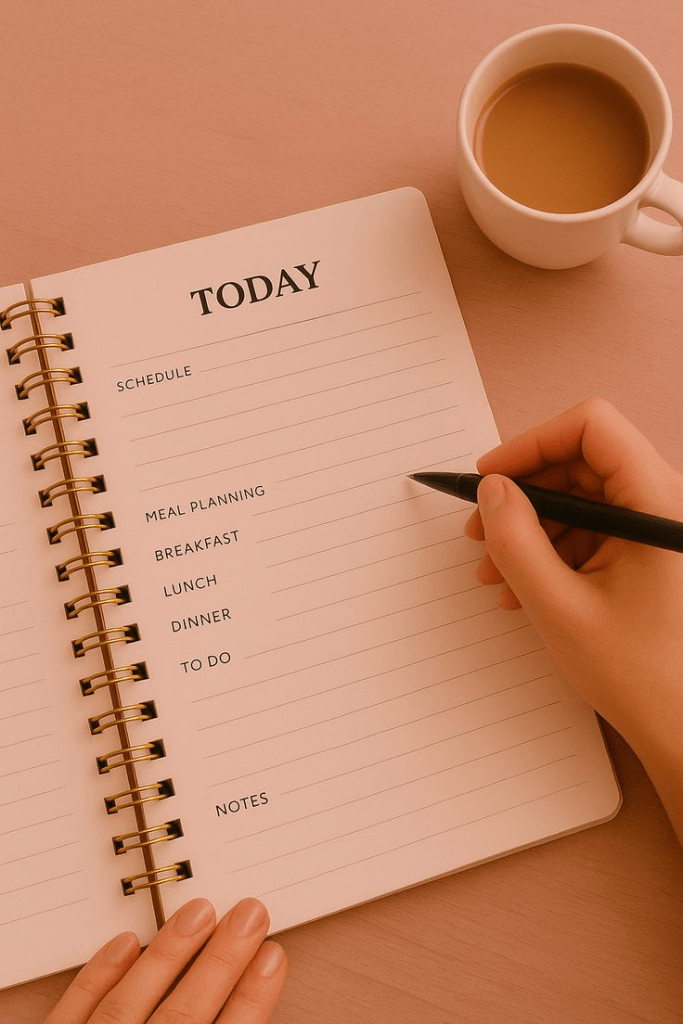
Spend a few minutes deciding what matters most that day.
Try writing down:
- Your top three priorities
- Important appointments
- One personal goal
- One thing you can look forward to
A short plan can help you approach the day with more intention.
2. Read for 15 Minutes a Day

You don’t need to finish a book every week. Consistent reading can gradually expose you to new ideas and perspectives.
Choose books related to:
- Personal development
- Your career
- History
- Creativity
- Finance
- Topics you’re genuinely curious about
3. Move Your Body Every Day

Daily movement doesn’t have to mean an intense workout.
Try:
- Walking
- Stretching
- Cycling
- Dancing
- Yoga
- Strength training
Choose activities you enjoy so staying consistent feels more manageable.
4. Drink More Water

Staying adequately hydrated is a simple part of maintaining everyday well-being.
Keep water accessible throughout the day and make it easier to remember by carrying a reusable bottle or drinking water with meals.
5. Track Your Spending

You don’t need a complicated financial system to become more aware of where your money goes.
Start by recording:
- Essential expenses
- Subscriptions
- Eating out
- Shopping
- Savings
- Other recurring costs
Review your spending regularly and look for areas that don’t align with your priorities.
6. Learn Something New Every Week

Give yourself a small learning goal each week.
You could:
- Watch an educational lecture
- Complete a short online lesson
- Read an article
- Practice a new skill
- Learn a few words in another language
Small learning sessions can add up significantly over six months.
7. Reduce Unnecessary Screen Time
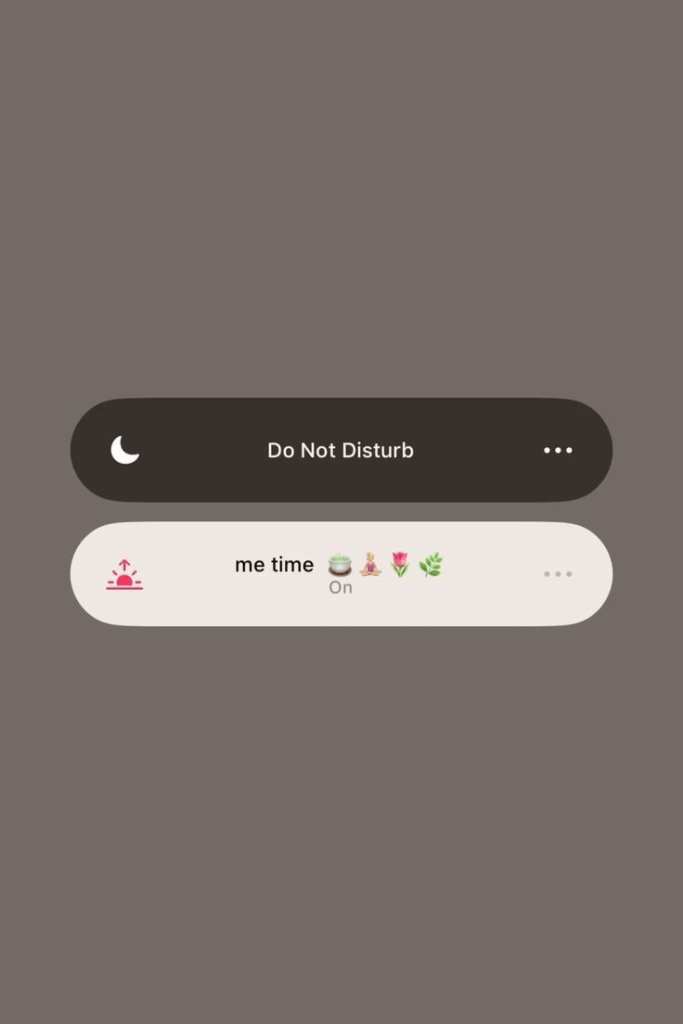
Constant notifications and scrolling can consume more time than you realize.
Try:
- Turning off nonessential notifications
- Keeping your phone away during meals
- Creating screen-free periods
- Unfollowing accounts that don’t add value
- Avoiding unnecessary scrolling before bed
Use the extra time for activities you genuinely enjoy.
8. Keep Your Space Tidy

You don’t need to spend an entire weekend cleaning.
Instead, spend a few minutes each day:
- Putting things back
- Clearing your desk
- Washing dishes
- Organizing one small area
- Removing items you no longer use
Small maintenance habits can make larger cleaning tasks easier.
9. Practice Gratitude

Take a moment each day to notice something positive.
Write down one or two things you’re grateful for, whether it’s a meaningful conversation, a good meal, time outside, or simply completing something difficult.
The practice is about noticing positive moments rather than pretending everything is perfect.
10. Protect Your Sleep Routine

A consistent sleep schedule can support everyday energy and functioning.
Create a calming routine by:
- Going to bed at a relatively consistent time
- Limiting stimulating activities before bed
- Keeping your bedroom comfortable
- Creating a relaxing wind-down period
Your ideal sleep schedule will depend on your individual needs and circumstances.
11. Make Time for People You Care About

Personal growth doesn’t have to happen alone.
Set aside time to maintain meaningful relationships.
Try:
- Calling a friend
- Having dinner with family
- Planning a monthly outing
- Sending a thoughtful message
- Joining a group based on a shared interest
Small efforts can help relationships stay connected over time.
12. Review Your Progress Each Month
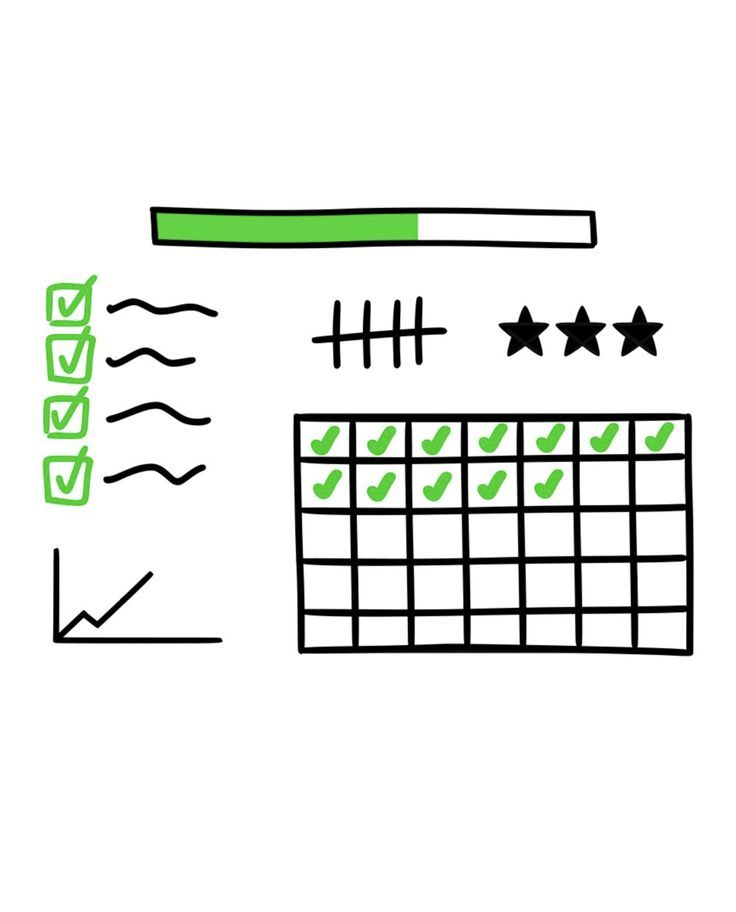
Once a month, take 15–30 minutes to reflect on how things are going.
Ask yourself:
- What improved this month?
- Which habits did I maintain?
- What didn’t work?
- What did I learn?
- What should I change next month?
Use the answers to adjust your routine rather than judging yourself for imperfect progress.
Summary
Transforming your life in six months doesn’t require dramatic changes. Simple habits such as planning your day, reading, moving regularly, tracking spending, learning, reducing unnecessary screen time, maintaining your space, protecting your sleep, nurturing relationships, and reviewing your progress can gradually create meaningful improvements. Choose a manageable starting point and focus on consistency. The goal isn’t to follow a perfect routine—it’s to build habits that make your everyday life more aligned with your priorities.
Frequently Asked Questions
Can small habits really change your life in six months?
Small habits can produce meaningful changes when practiced consistently. The results will vary depending on the habit, your starting point, and how regularly you follow through.
How many habits should I start with?
Starting with two or three habits can be more manageable than trying to change everything at once. Once they become more established, you can gradually add others.
What is the easiest habit to start?
Choose something that requires very little effort, such as planning your top three priorities, drinking water with meals, reading for 10–15 minutes, or taking a short daily walk.
How long does it take for a habit to become automatic?
There isn’t one fixed timeline. Habit formation varies from person to person and depends on the behavior, environment, and consistency.
What should I do if I miss several days?
Start again without treating the interruption as failure. Identify what made the habit difficult and adjust the routine to make it more realistic.
How can I stay consistent for six months?
Use reminders, habit trackers, weekly goals, and routines connected to activities you already do. Making the habit easy to start can also improve consistency.
Can these habits improve productivity?
Habits such as planning priorities, reducing distractions, organizing your environment, and maintaining adequate rest can support productivity, although results vary from person to person.
What is the most important habit on this list?
There isn’t one universal answer. The most valuable habit is usually the one that addresses an area of your life you want to improve and that you can realistically maintain over time.