
Six months can be enough time to make meaningful progress in a useful skill, especially when you practice consistently. You don’t need to become an expert overnight. The goal is to build a practical foundation that can support your career, finances, creativity, or everyday life.
The best skill to learn depends on your interests, existing experience, and long-term goals. Some skills can strengthen your professional profile, while others can open the door to freelance work, creative projects, or greater independence. Here are 8 skills you can realistically begin developing over six months.
1. Public Speaking

Being able to communicate ideas clearly can be valuable in almost any career.
Practice by:
- Recording short presentations
- Speaking in front of a mirror
- Joining a speaking group
- Presenting at work or school
- Learning how to structure a clear message
With regular practice, you can become more comfortable expressing your ideas in front of others.
2. Excel and Spreadsheet Skills
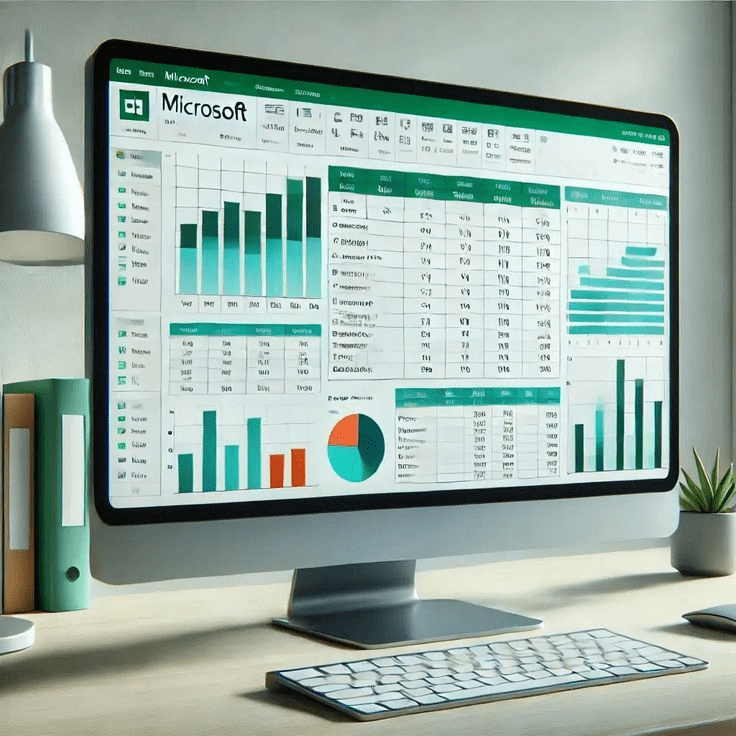
Spreadsheet skills are useful across business, finance, administration, education, and many other fields.
Start with:
- Basic formulas
- Sorting and filtering
- Tables
- Charts
- Conditional formatting
- Pivot tables
As your skills improve, you can use spreadsheets to organize information and solve practical problems more efficiently.
3. Digital Marketing

Digital marketing can be useful for businesses, freelancers, creators, and people building their own online projects.
Learn the basics of:
- Social media marketing
- Search engine optimization
- Email marketing
- Content strategy
- Analytics
- Basic advertising concepts
Build a small practice project while learning so you can apply the concepts instead of relying only on theory.
4. Graphic Design
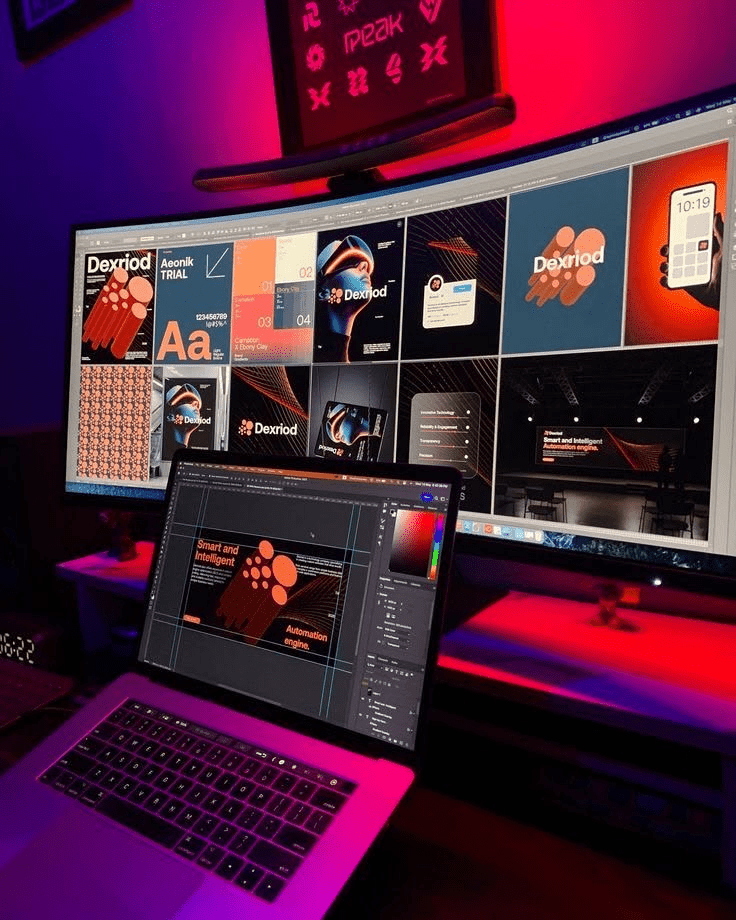
You don’t need to become a professional designer to benefit from learning basic design principles.
Focus on:
- Typography
- Color theory
- Layout
- Visual hierarchy
- Image editing
- Creating social media graphics
Practice by designing posters, presentations, social media posts, or simple promotional materials.
5. Coding
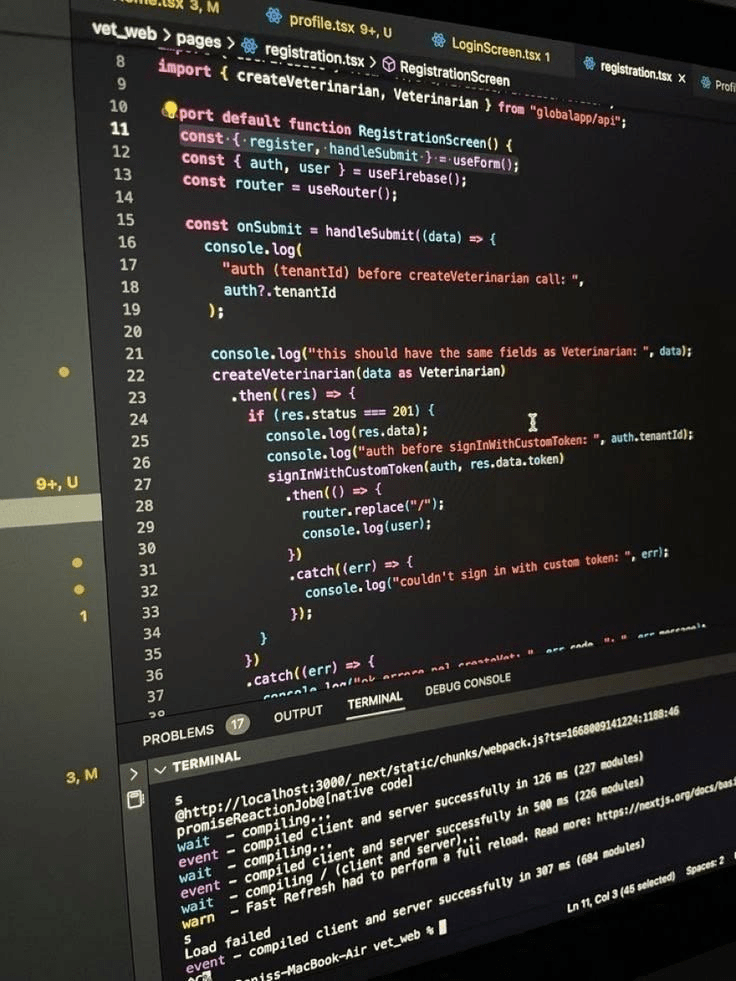
Learning to code can improve problem-solving skills and introduce you to a wide range of technical possibilities.
Beginners can explore:
- HTML and CSS
- JavaScript
- Python
- Basic automation
- Simple websites
Choose one language or area rather than trying to learn everything at once. Build small projects as your understanding develops.
6. Financial Literacy

Understanding personal finance can help you make more informed decisions about money.
Learn about:
- Budgeting
- Saving
- Interest
- Debt
- Investing basics
- Emergency funds
- Retirement planning
Focus on understanding the principles rather than trying to follow every financial trend.
7. Cooking

Cooking is a practical life skill that can improve your independence and make everyday meals more enjoyable.
Over six months, learn to:
- Prepare basic sauces
- Cook proteins safely
- Work with vegetables
- Plan simple meals
- Understand seasoning
- Prepare a few reliable dishes
You can gradually build a collection of easy recipes that fit your budget and preferences.
8. A New Language

Learning another language can support travel, communication, cultural understanding, and professional opportunities.
Create a simple routine with:
- Daily vocabulary practice
- Listening exercises
- Beginner reading
- Speaking practice
- Short writing exercises
- Conversations with other learners
You may not become fluent in six months, but consistent practice can give you a useful foundation.
Summary
Six months of consistent learning can create a strong foundation in a valuable skill. Public speaking, spreadsheets, digital marketing, graphic design, coding, financial literacy, cooking, and language learning all offer different benefits. Instead of trying to master several skills at once, choose one that connects to your goals and dedicate regular time to practicing it. Track your progress, create small projects, and focus on steady improvement rather than perfection.
Frequently Asked Questions
Can you really learn a useful skill in six months?
Yes. While mastery usually takes much longer, six months of consistent practice can provide a solid beginner or intermediate foundation in many skills.
How much time should I spend learning each day?
There is no fixed requirement. Even 30–60 minutes of focused practice several days a week can add up significantly over six months.
Which skill is best for improving career opportunities?
It depends on your industry and goals. Communication, spreadsheet skills, digital marketing, coding, and financial literacy can all be useful in different career paths.
Should I learn multiple skills at once?
For most beginners, focusing on one primary skill makes it easier to maintain consistency and measure progress. You can add another skill later.
How can I stay motivated for six months?
Set small weekly goals, track your progress, and create projects that allow you to use what you’re learning. Seeing tangible improvement can make it easier to continue.
Is coding difficult for beginners?
Coding has a learning curve, but beginners can start with simple projects and gradually build their understanding. Choosing one language or technology helps keep the learning process manageable.
Can learning a skill help me earn extra income?
Some skills can support freelance work or business opportunities, but income isn’t guaranteed. Building a portfolio and developing skills that match real market demand can improve your chances.
What is the most important part of learning a new skill?
Consistency. Regular practice, useful feedback, and applying what you learn are generally more valuable than trying to learn everything as quickly as possible.