
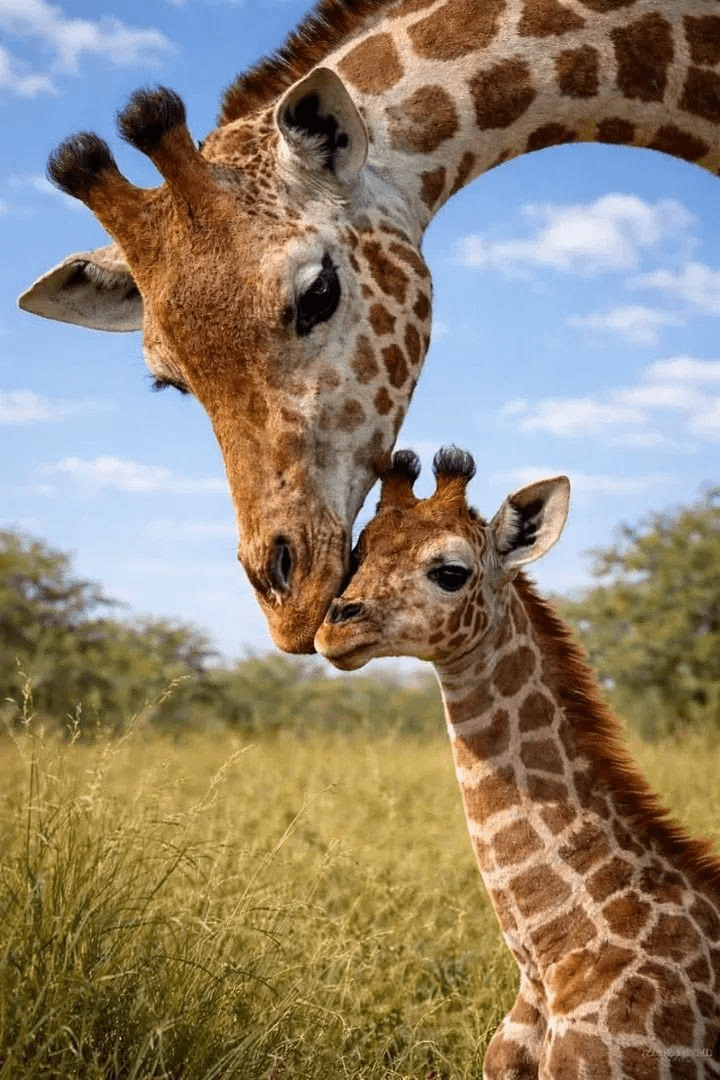
The animal kingdom is full of remarkable examples of mothers caring for, protecting, and teaching their young. Some species stay with their offspring for years, while others form close family groups where multiple generations cooperate to find food, avoid danger, and raise the next generation.
From elephants that maintain lifelong family connections to orangutans that spend years teaching their young essential survival skills, these animals show just how complex family relationships can be. Here are 8 animal mothers with surprisingly strong family bonds.
1. Elephants
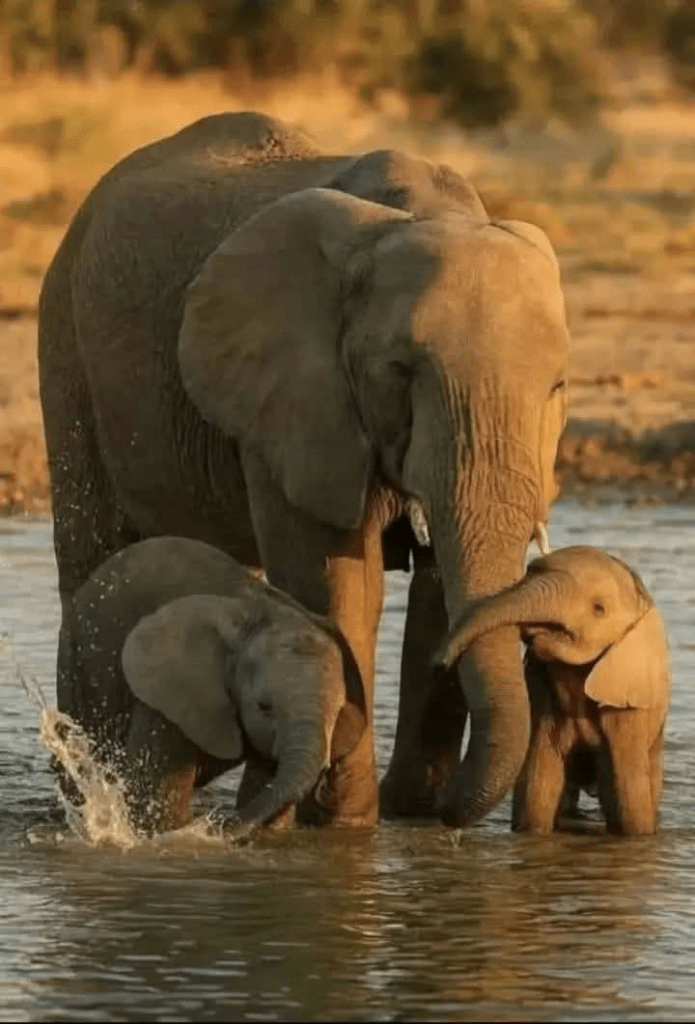
Elephant mothers are known for their close relationships with their calves. Young elephants depend heavily on their mothers for food, protection, and learning.
Family bond highlights:
- Calves may stay with their mothers for years
- Female relatives often help care for young
- Herds cooperate to protect vulnerable calves
- Young elephants learn social behavior from older family members
2. Orcas
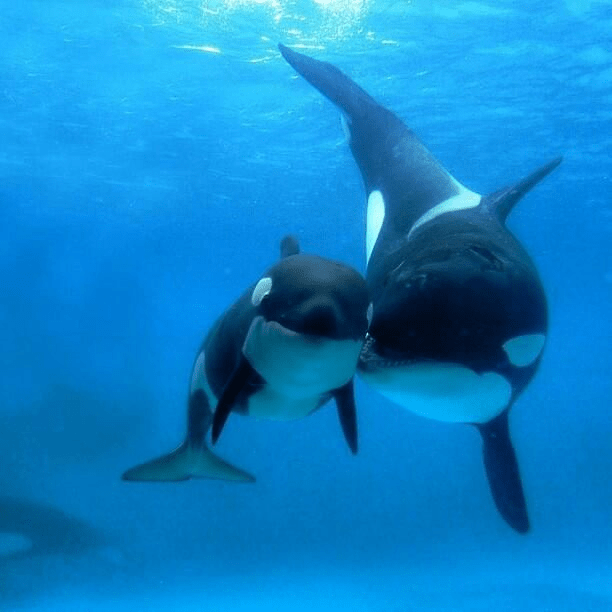
Orca families can maintain remarkably strong social connections, with offspring sometimes staying with their mothers for decades.
Mother-and-family traits:
- Mothers help young learn hunting techniques
- Family groups often travel together
- Older individuals can contribute valuable knowledge
- Young orcas learn communication and social behaviors within the group
3. Orangutans
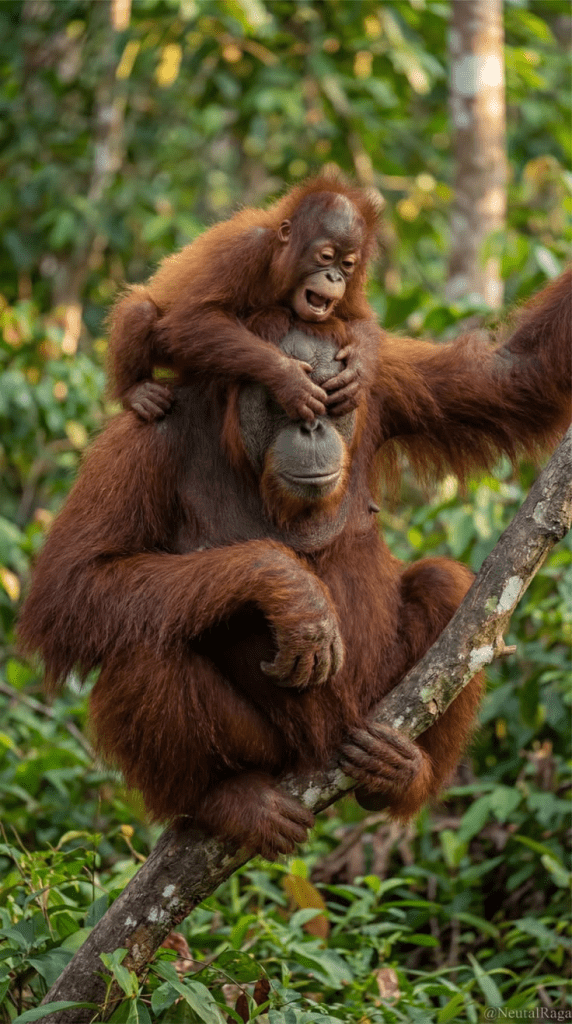
Orangutan mothers have one of the longest periods of maternal care among mammals. Young orangutans spend years learning how to survive independently.
Mothers teach:
- Which foods are safe to eat
- How to move through the forest
- Where to find food
- How to build sleeping nests
This long learning period helps young orangutans develop important survival skills.
4. Wolves
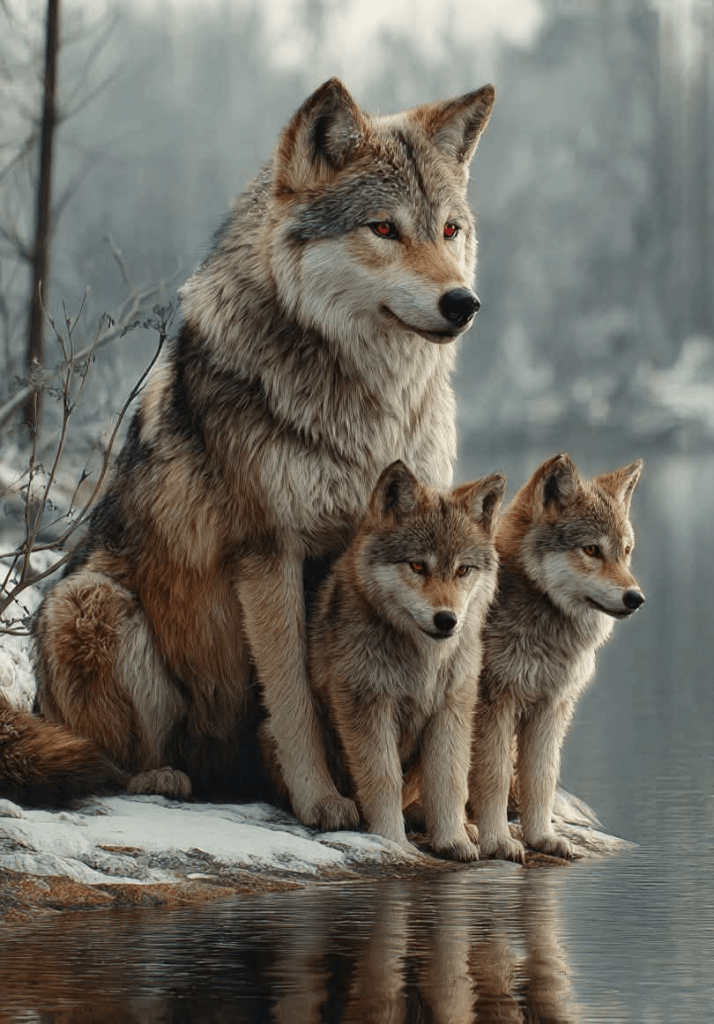
Wolf pups are raised within family groups, where their mother receives support from other members of the pack.
Family behaviors include:
- Adults helping protect pups
- Older siblings sometimes assisting with care
- Group members sharing food
- Pups learning social behaviors through play
The pack structure gives young wolves opportunities to learn from several members of their family.
5. Meerkats
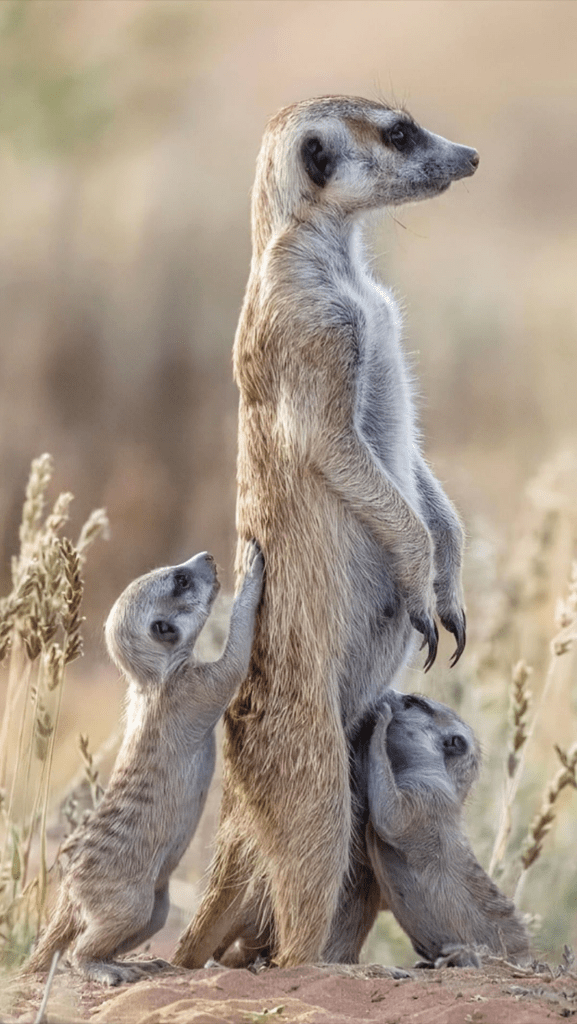
Meerkat families live in cooperative groups where raising young can involve more than just the mother.
Young meerkats benefit from:
- Babysitting by other group members
- Protection from predators
- Food brought back by adults
- Lessons in finding and handling food
This cooperative approach gives pups a strong social support system.
6. Dolphins
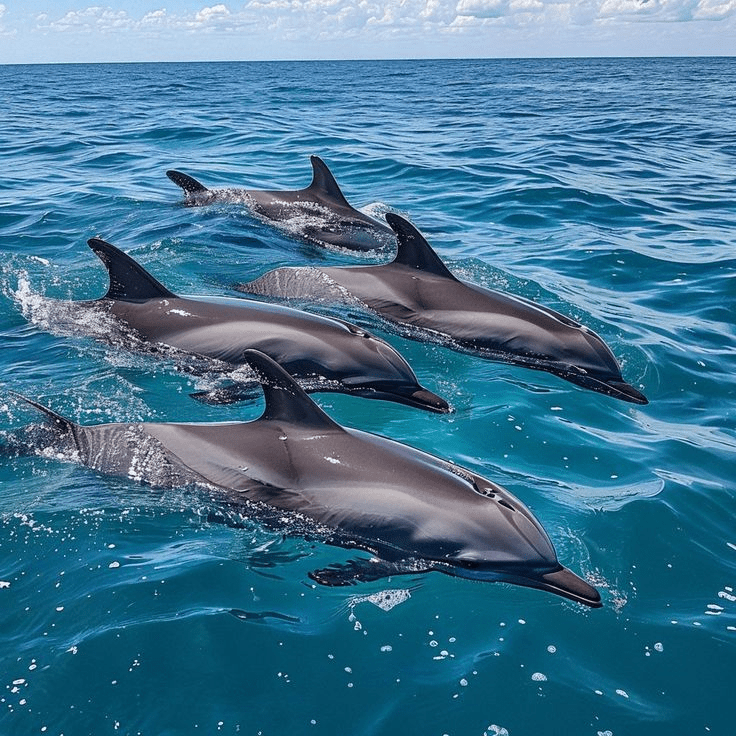
Bottlenose dolphin mothers form close bonds with their calves and spend significant time teaching them how to navigate their environment.
Mothers help calves learn:
- How to find food
- How to communicate
- How to avoid danger
- How to interact with other dolphins
Calves also learn by observing their mothers and practicing behaviors through play.
7. Giraffes
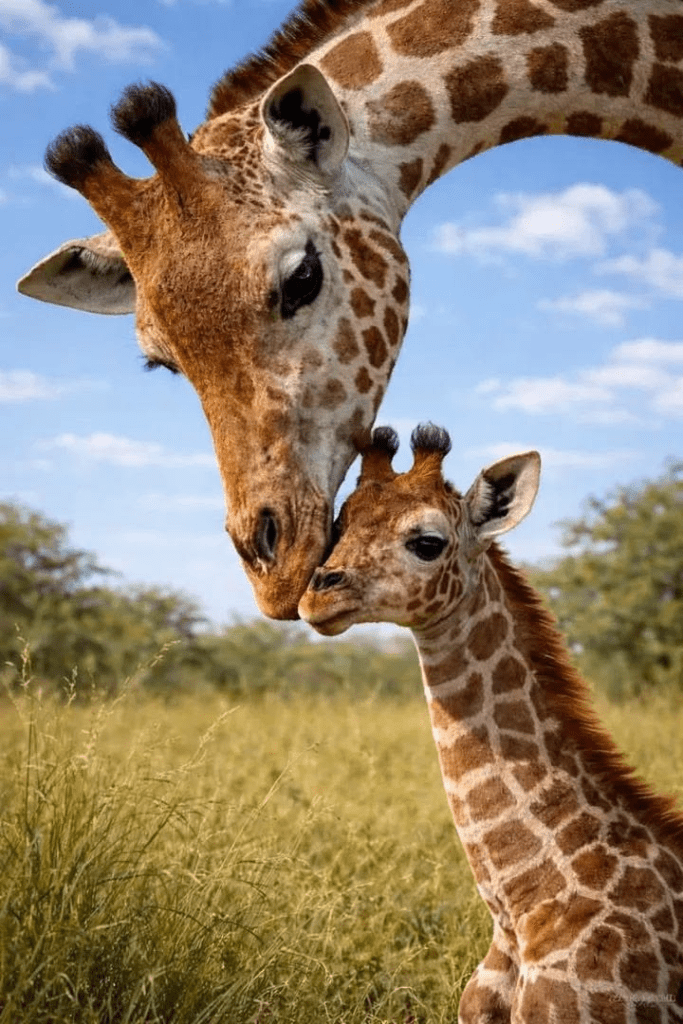
Mother giraffes stay close to their calves during their early development and are especially attentive to potential threats.
Protective behaviors include:
- Staying near young calves
- Watching for predators
- Keeping calves within sight
- Using kicks as a powerful defense when necessary
Young giraffes gradually become more independent while remaining connected to their social group.
8. Polar Bears
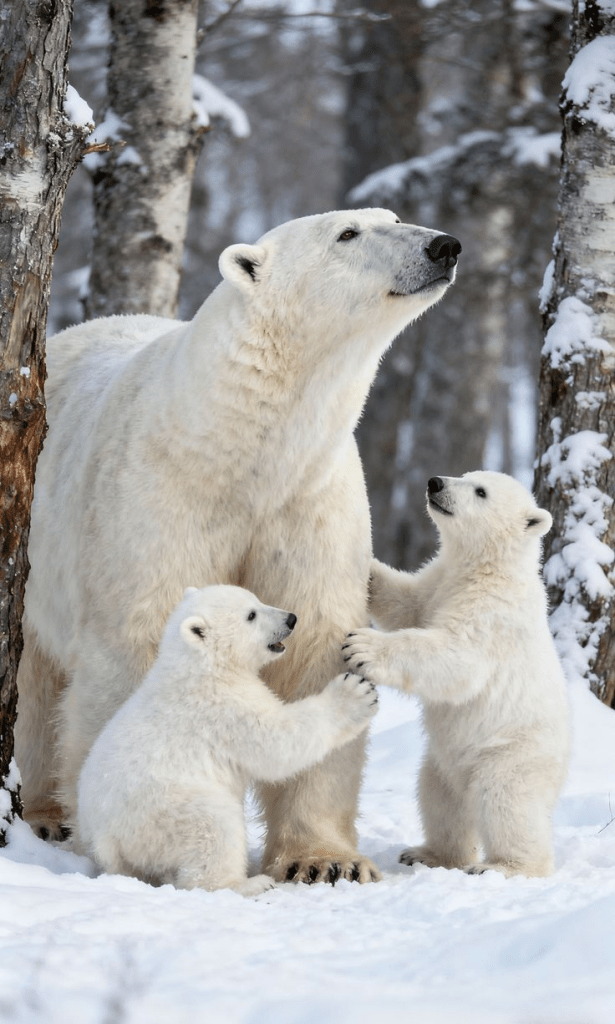
Polar bear mothers are highly protective of their cubs and can spend more than two years caring for them before the cubs become independent.
During this time, mothers help cubs:
- Learn how to move across ice and snow
- Find food
- Stay safe in harsh conditions
- Develop skills needed for independence
The extended period of maternal care is crucial in such a demanding environment.
Summary
Animal families can be far more complex than they first appear. Elephant herds, orca pods, wolf packs, and other social groups demonstrate how cooperation, teaching, protection, and long-term relationships can help young animals survive. While every species has its own family structure, these examples show the remarkable variety of maternal care found throughout the animal kingdom.
Frequently Asked Questions
Which animal has one of the strongest mother-offspring bonds?
Elephants, orcas, and orangutans are notable examples because mothers can maintain long-term relationships with their offspring and provide extensive care and learning.
How long do orangutan mothers care for their young?
Young orangutans can remain dependent on their mothers for several years while learning essential survival skills.
Do animals other than mothers help raise young?
Yes. In species such as wolves and meerkats, other members of the social group can help protect, feed, or care for young animals.
Do orcas stay with their mothers?
In many orca populations, offspring remain closely associated with their mothers for extended periods, sometimes throughout much of their lives.
Why do animal mothers teach their young?
Teaching helps young animals develop skills such as finding food, avoiding predators, communicating, and navigating their environment.
Are elephants protective of their calves?
Yes. Elephant herds can cooperate to protect calves, with adult females forming a defensive group around vulnerable young when threats arise.
How long do polar bear mothers care for their cubs?
Polar bear mothers typically care for their cubs for more than two years before the young become independent.
What can animal families teach us?
Animal family structures demonstrate the importance of cooperation, learning, protection, and social relationships in helping young animals develop and survive.