
Slow living doesn’t mean doing everything slowly or giving up a busy lifestyle. Instead, it’s about becoming more intentional with your time, reducing unnecessary distractions, and making space to enjoy everyday moments. Even a packed schedule can include small habits that help you feel more present and less rushed.
You don’t need a major lifestyle change to get started. Simple adjustments to your morning routine, meals, technology use, and daily schedule can create moments of calm without adding more tasks to your day. Here are 8 mindful slow living ideas for busy people.
1. Start Your Morning Without Your Phone

Give yourself a few quiet minutes before checking notifications.
Try:
- Drinking water
- Opening a window
- Stretching
- Writing down your priorities
Even 10 screen-free minutes can create a calmer start.
2. Create a One-Task-at-a-Time Routine
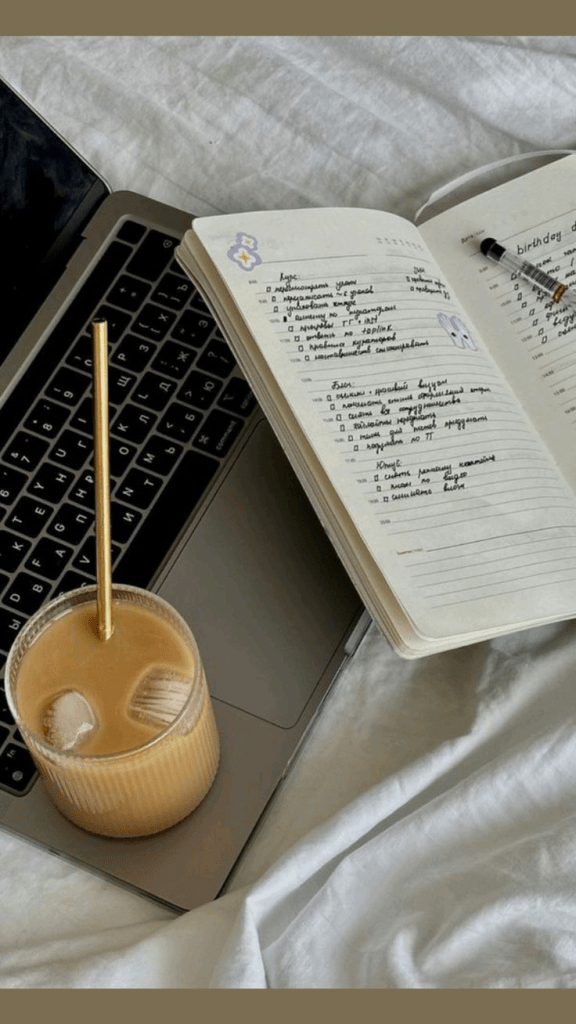
Multitasking can make a busy day feel even more overwhelming.
Instead, choose one task and give it your full attention before moving to the next.
Simple rule:
Finish, pause, then move on.
3. Turn Everyday Meals Into Mindful Breaks

You don’t need elaborate meals to practice slow living.
Make meals more intentional by:
- Sitting down without your phone
- Eating away from your desk
- Noticing flavors and textures
- Taking a few minutes to enjoy your food
4. Schedule Small Pockets of Nothing
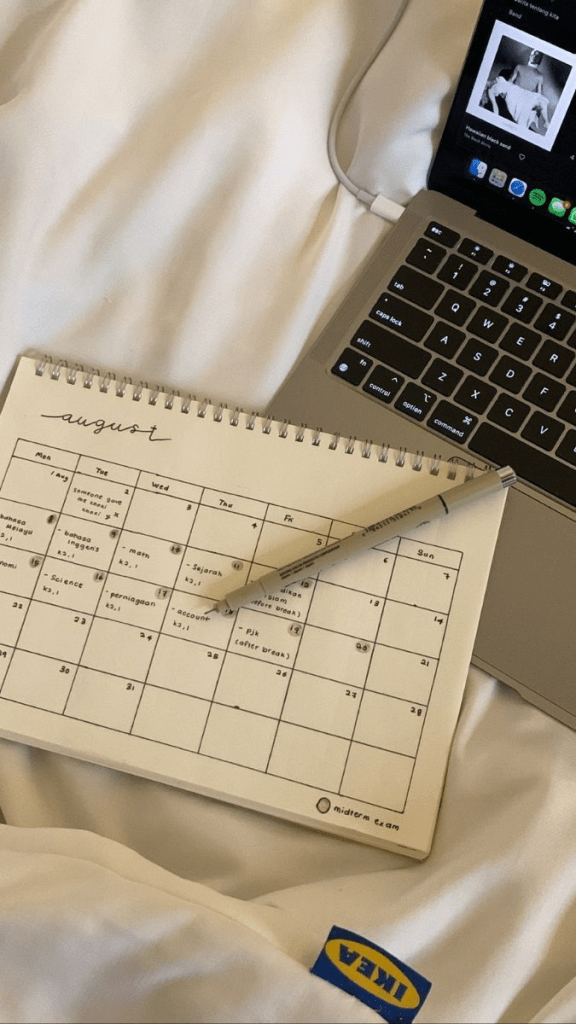
A completely empty schedule may not be realistic, but short periods without obligations can still make a difference.
Try reserving 10–15 minutes for:
- Sitting outside
- Reading
- Drinking tea
- Listening to music
- Simply doing nothing
5. Take a Slow Walk
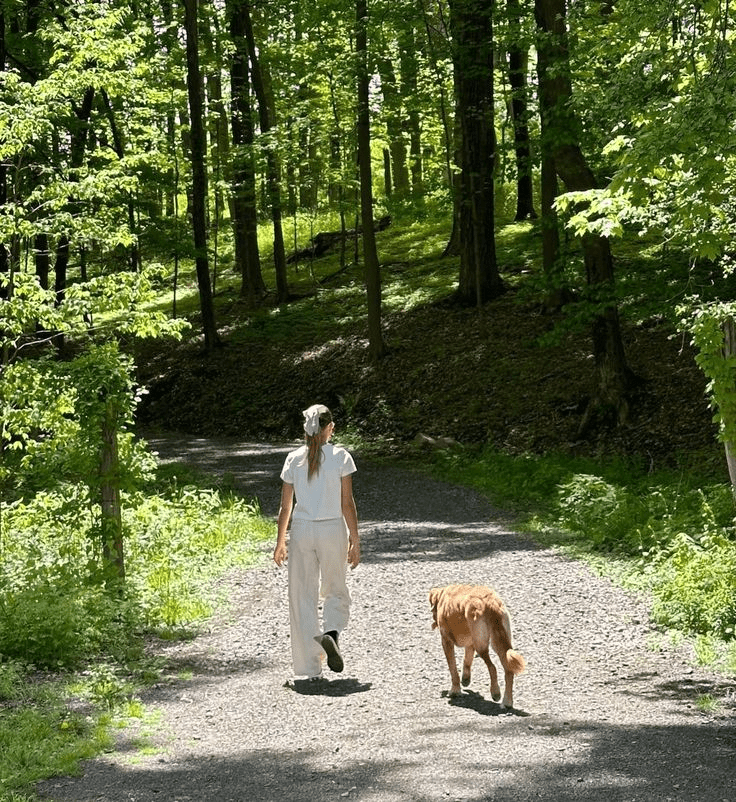
Turn a necessary walk into a mindful pause.
Instead of rushing, notice:
- Sounds around you
- Trees and plants
- The weather
- Your surroundings
Even a short walk can become a screen-free reset.
6. Simplify Your Evening Routine

Busy evenings can easily turn into another long checklist.
Create a simple wind-down routine with a few calming habits.
For example:
- Dim the lights
- Put your phone away
- Make a warm drink
- Read a few pages
- Prepare tomorrow’s essentials
7. Practice a “Less but Better” Mindset

Slow living can also apply to how you spend your time.
Ask yourself:
“Does this genuinely need my attention?”
Reducing unnecessary commitments, purchases, notifications, and activities can create more room for what matters most.
8. Keep a Simple Gratitude Journal
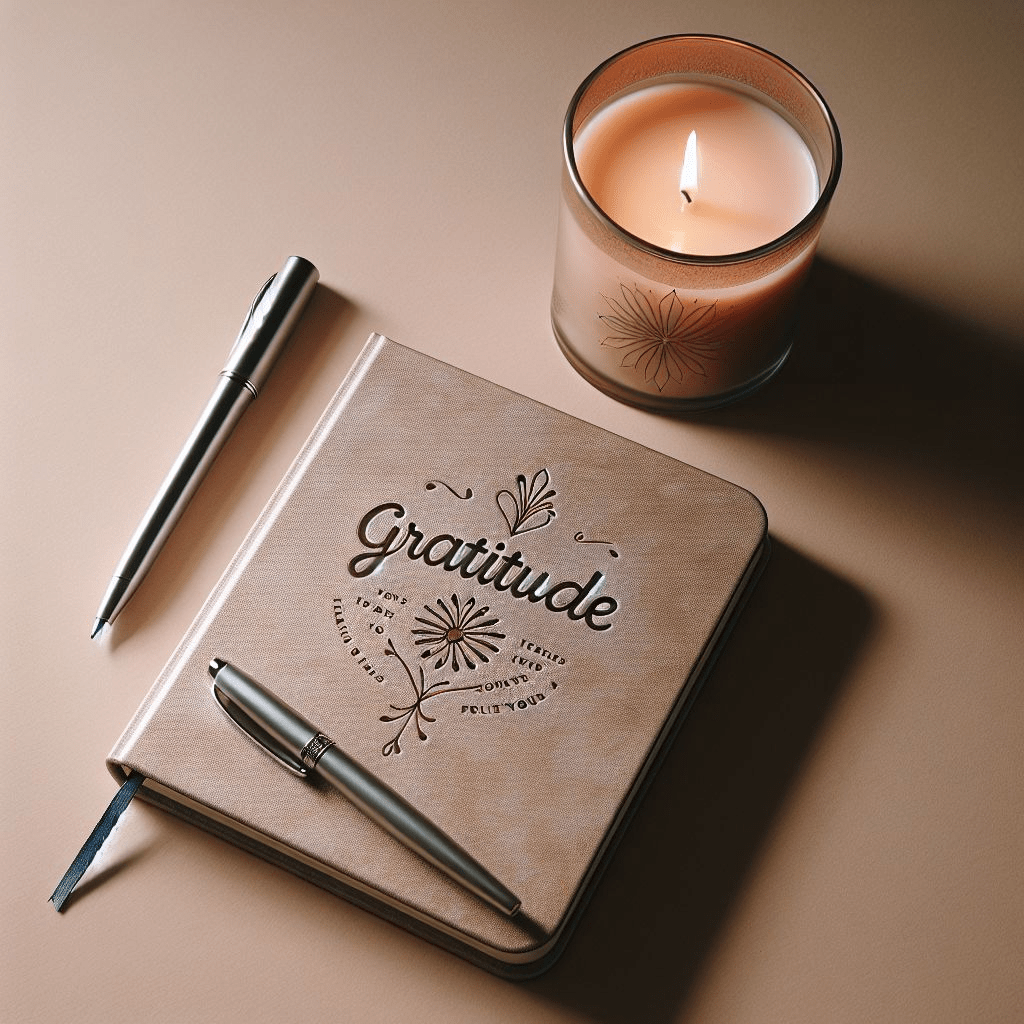
End your day by writing down a few things you appreciated.
They don’t have to be major accomplishments.
Write about:
- A good meal
- A pleasant conversation
- Something beautiful you noticed
- A small task you completed
- A peaceful moment
This encourages you to notice ordinary moments rather than constantly rushing toward the next thing.
Summary
Slow living can fit into even the busiest lifestyle when you focus on small, intentional changes rather than trying to completely redesign your routine. Put your phone away for a few minutes, take mindful walks, enjoy meals without distractions, simplify your evenings, and create small pockets of quiet throughout the day. The goal isn’t to do less simply for the sake of doing less—it’s to become more present and intentional with the time you already have.
Frequently Asked Questions
What is slow living?
Slow living is an intentional approach to everyday life that emphasizes mindfulness, simplicity, presence, and making thoughtful choices about how you spend your time.
Can busy people practice slow living?
Absolutely. Slow living doesn’t require a completely free schedule. Small habits such as screen-free meals, mindful walks, and short periods of quiet can fit into busy routines.
How can I start slow living today?
Choose one small habit, such as spending the first 10 minutes of your morning without your phone or taking a short walk without checking notifications.
Does slow living mean being unproductive?
No. Slow living is not about avoiding responsibilities. It’s about being more intentional about your priorities and reducing unnecessary rushing.
How much time do I need for mindful habits?
Even five to fifteen minutes can be useful. Consistency is often more important than spending a large amount of time on a practice.
Can slow living reduce stress?
Mindful habits may help create moments of calm and reduce unnecessary distractions, although they aren’t a substitute for professional support when someone is dealing with significant stress or mental health concerns.
What are simple slow living activities?
Reading, cooking, walking, gardening, journaling, enjoying a meal without screens, listening to music, and spending time outdoors are all simple options.
How can I maintain a slow living routine?
Start small, avoid creating a long list of new habits, and choose practices that naturally fit into your existing schedule.