
Introduction
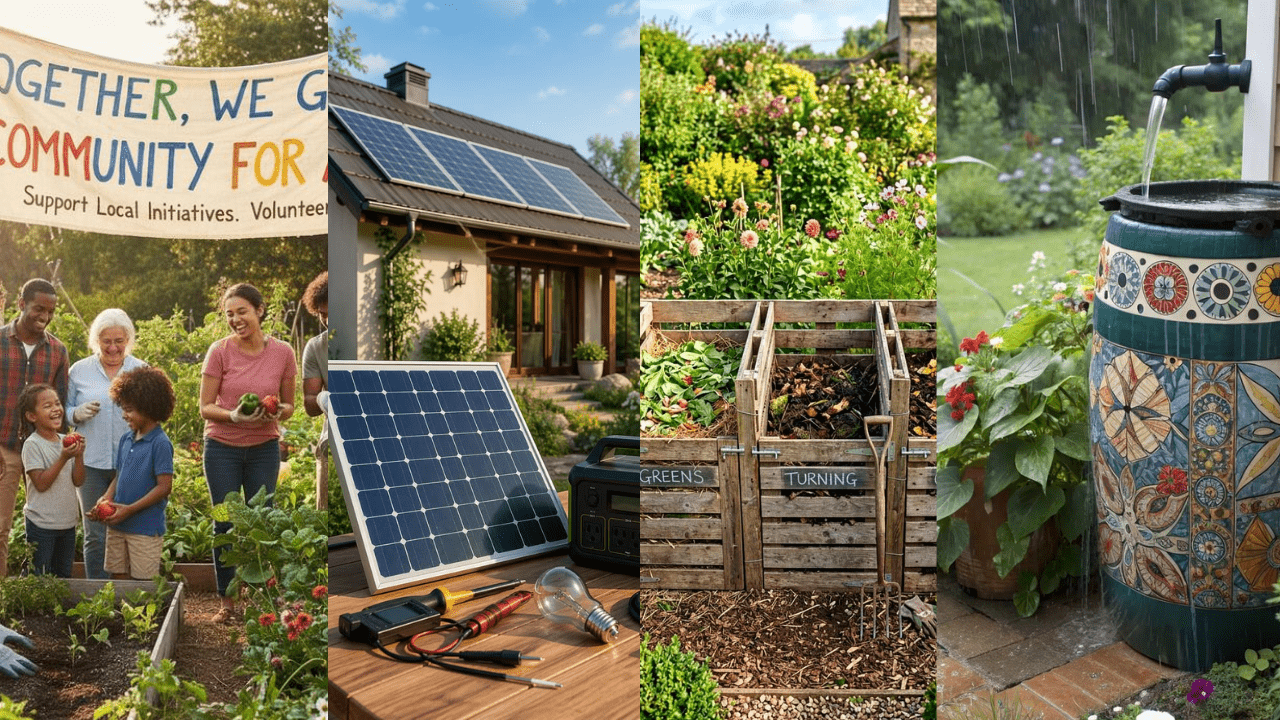
Self-sufficiency doesn’t mean doing everything alone or living completely off the grid. It means developing practical skills that help you rely less on expensive services, reduce waste, save money, and become more confident in handling everyday needs. Many self-sufficient habits can be started with little or no money by using what you already have and learning simple skills over time.
From growing your own food to repairing household items and creating useful routines, small changes can make a big difference. Here are 10 cheap or free ways to become more self-sufficient without needing a large budget.
1. Grow Your Own Food
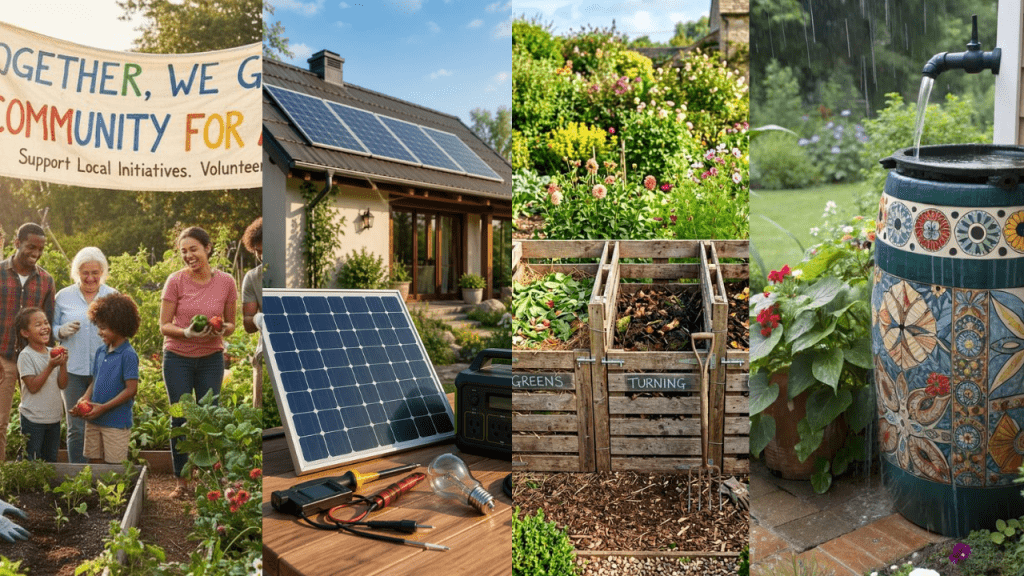
Starting a small garden is one of the easiest ways to become more independent.
You don’t need a large backyard—many foods can grow in containers, balconies, or small spaces.
Start with:
- Herbs
- Lettuce
- Tomatoes
- Green onions
- Peppers
Benefits:
- Saves money
- Provides fresh produce
- Builds gardening skills
2. Learn Basic Cooking Skills
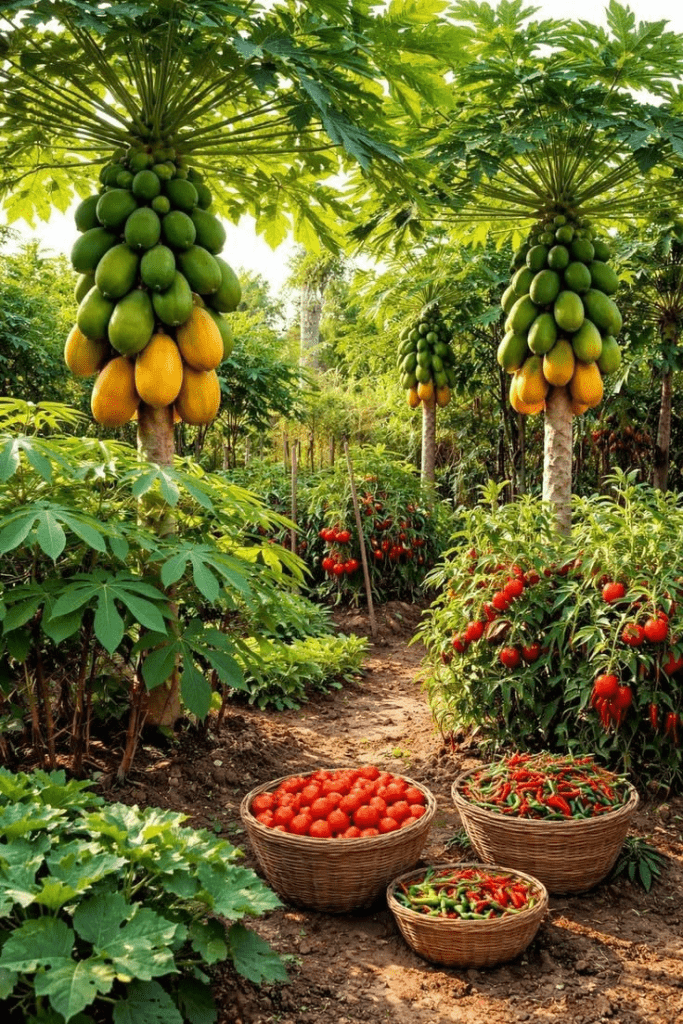
Cooking from scratch helps you depend less on expensive takeout and packaged foods.
Learn to make:
- Bread
- Soups
- Sauces
- Simple meals
- Homemade snacks
Extra benefit:
You can use affordable ingredients and reduce food waste.
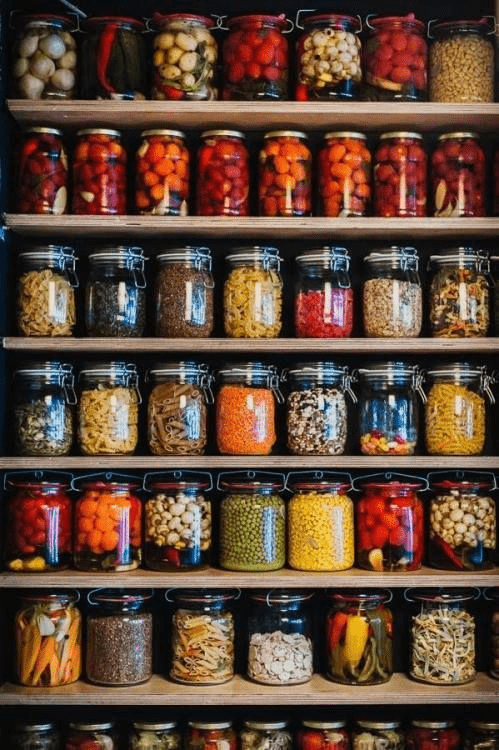
3. Preserve and Store Food
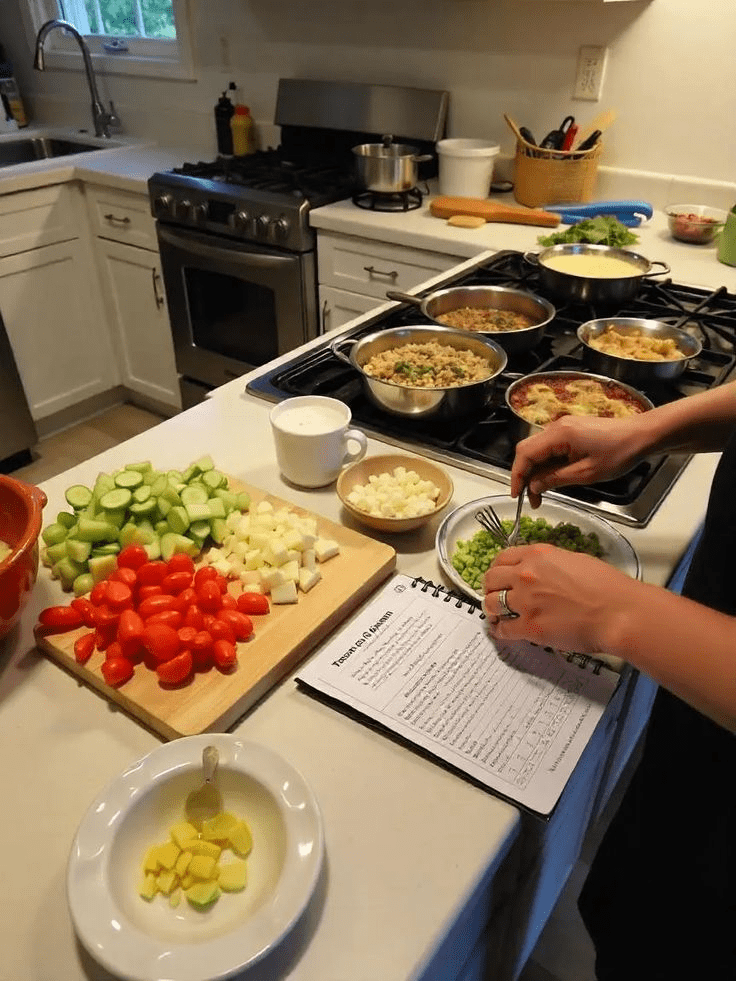
Learning food preservation helps you save seasonal produce and prepare for the future.
Simple methods:
- Freezing
- Drying herbs
- Making jams
- Pickling vegetables
- Proper food storage
4. Repair Instead of Replace
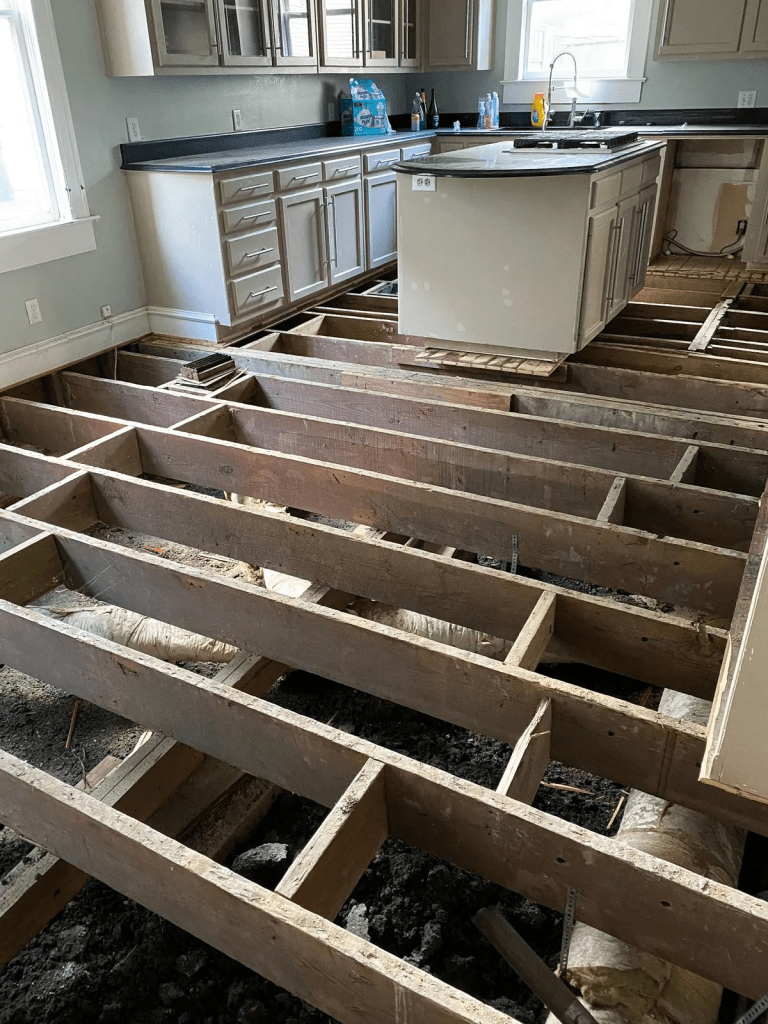
Basic repair skills can save hundreds of dollars over time.
Learn simple fixes like:
- Sewing clothes
- Repairing furniture
- Fixing small household items
- Maintaining tools
Tip: Free online tutorials can help you learn many repair skills.
5. Collect and Reuse Rainwater
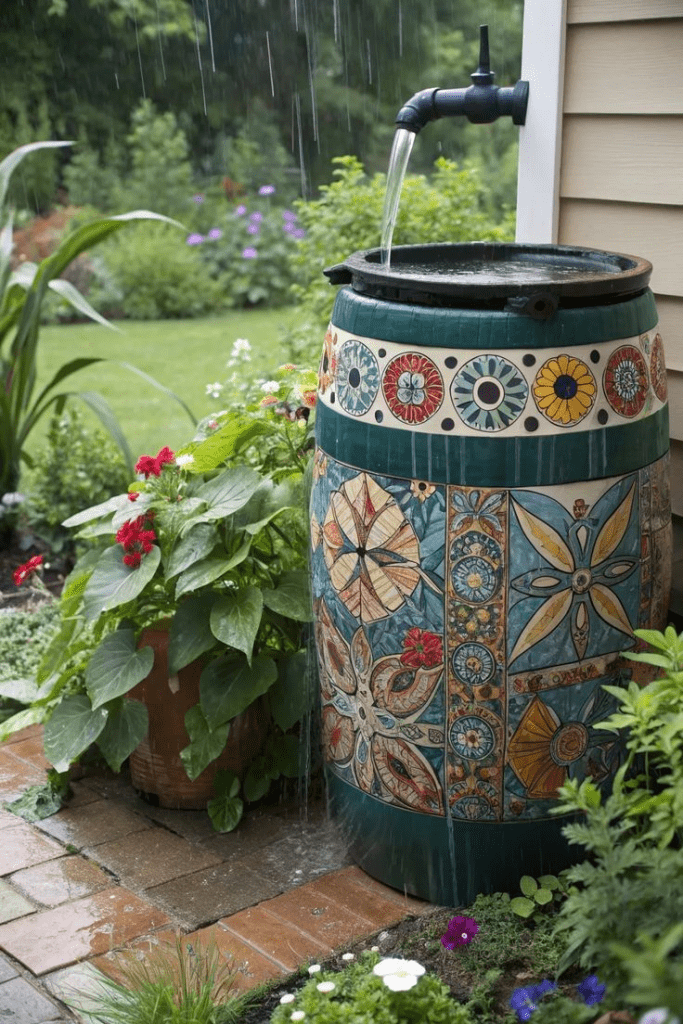
Rainwater collection can help reduce water usage for gardening and outdoor tasks.
Use it for:
- Watering plants
- Cleaning outdoor areas
- Garden maintenance
Always check local guidelines before collecting or using rainwater.
6. Start Composting
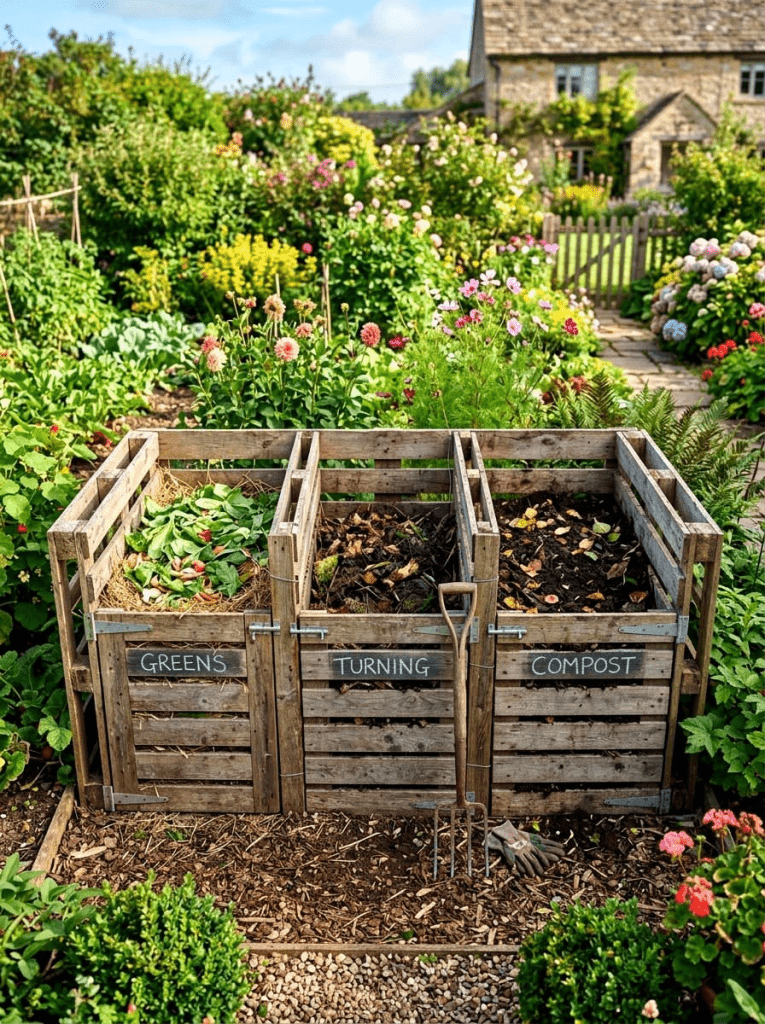
Composting turns kitchen scraps into valuable plant nutrients.
Compost items:
- Fruit and vegetable scraps
- Coffee grounds
- Dry leaves
- Grass clippings
Benefits:
- Reduces waste
- Improves garden soil
- Saves money on fertilizer
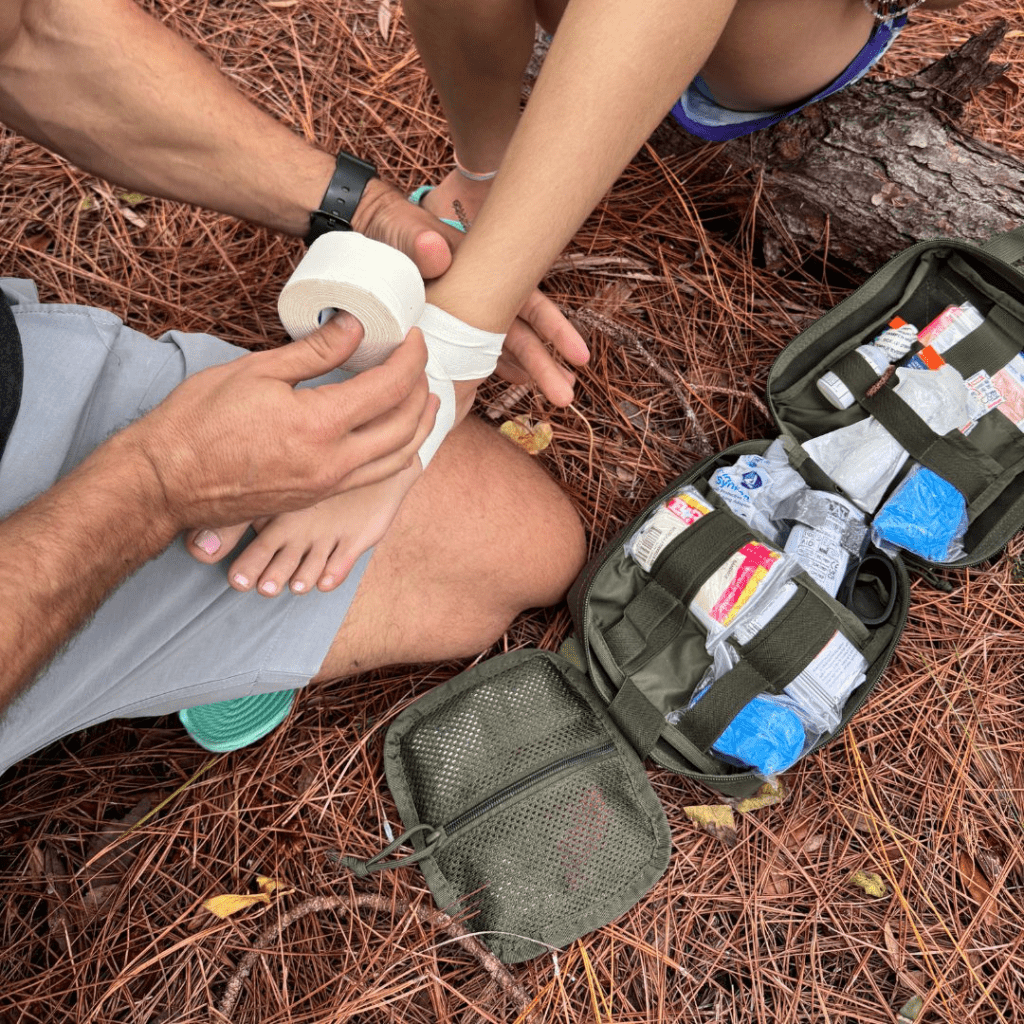
7. Learn Basic First Aid and Emergency Skills
Knowing how to handle common situations increases confidence and preparedness.
Learn:
- Basic first aid
- Emergency planning
- Safe food handling
- Outdoor safety skills
Many free community resources and online lessons can help.
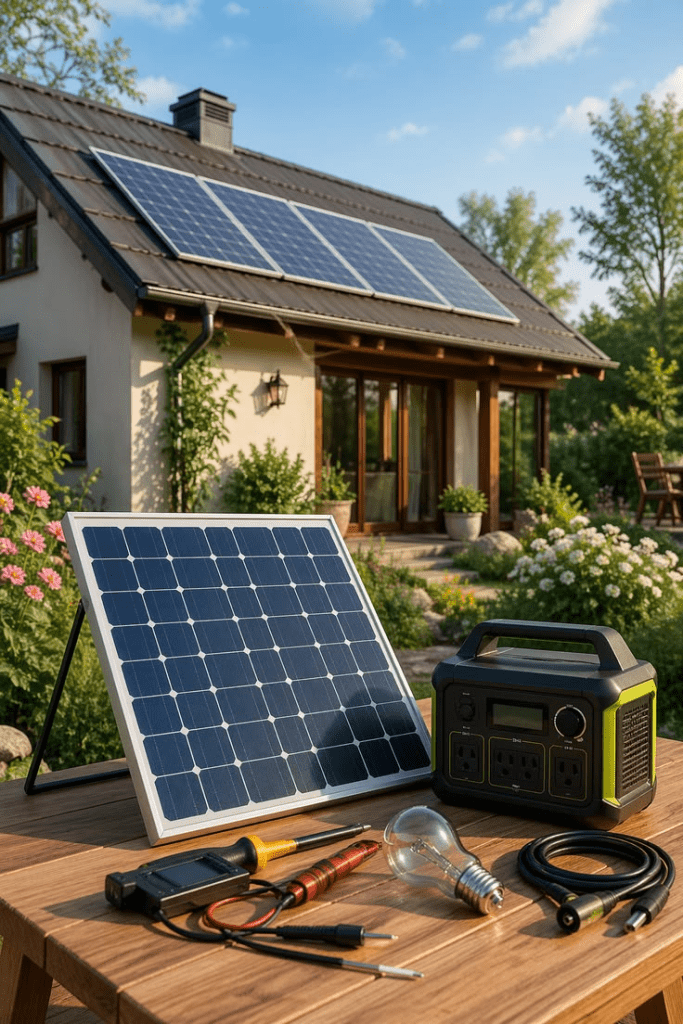
8. Reduce Energy Dependence
Small energy-saving habits can make your home more efficient.
Try:
- Using natural light
- Air-drying clothes
- Unplugging unused devices
- Improving insulation with simple methods
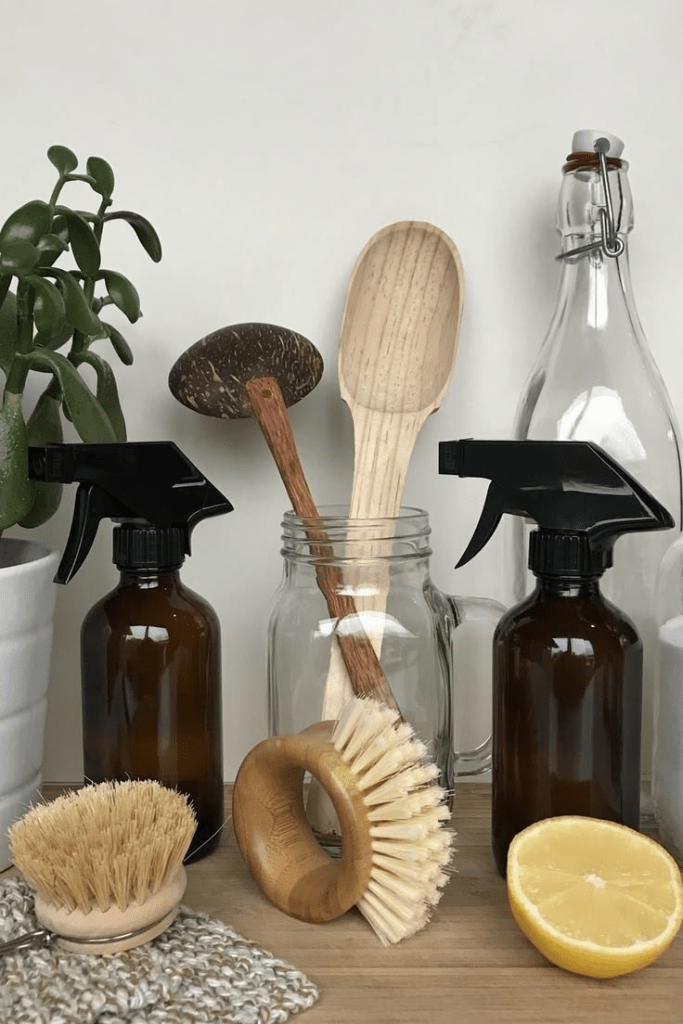
9. Create a DIY Household Routine
Making everyday items yourself can reduce expenses.
Try making:
- Simple cleaning solutions
- Natural air fresheners
- Reusable household items
- Basic personal care products
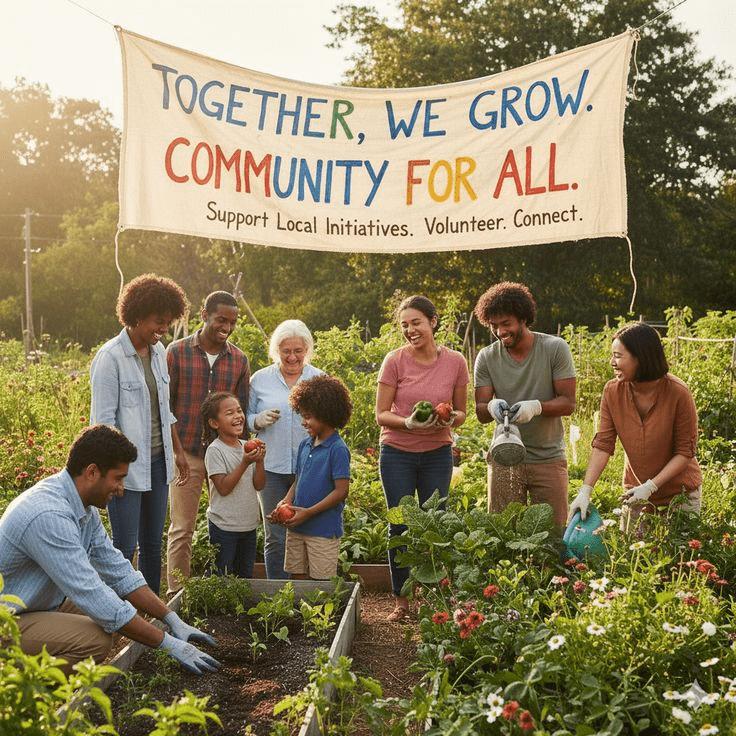
10. Learn From Your Community
Self-sufficiency grows faster when knowledge is shared.
Ways to learn:
- Join local gardening groups
- Exchange skills with neighbors
- Visit community workshops
- Share tools and resources
Summary
Becoming more self-sufficient doesn’t require a huge investment or a complete lifestyle change. Small habits like growing food, cooking at home, repairing items, composting, and learning practical skills can help you save money and become more capable over time. The goal is not perfection—it is building confidence and independence one skill at a time.
Frequently Asked Questions
What is self-sufficiency?
Self-sufficiency means developing skills and habits that help you meet more of your own needs while relying less on outside resources.
Can I become self-sufficient with little money?
Yes. Many self-sufficient skills, such as gardening, cooking, repairing, and learning new abilities, can be started for free.
What is the easiest self-sufficient skill to learn?
Cooking from scratch, growing herbs, composting, and basic repairs are some of the easiest places to begin.
Do I need a large property to be self-sufficient?
No. Many self-sufficient practices work in apartments, small homes, and urban spaces.
How long does it take to become self-sufficient?
It depends on your goals. Small changes can happen quickly, while larger skills develop through consistent practice.
Is gardening necessary for self-sufficiency?
No, but growing even a small amount of food can improve independence and reduce grocery costs.
How can I learn self-sufficient skills for free?
Use libraries, online tutorials, community groups, free workshops, and learning from experienced people.
What is the first step toward self-sufficiency?
Start with one practical skill that fits your lifestyle, then gradually build more skills over time.