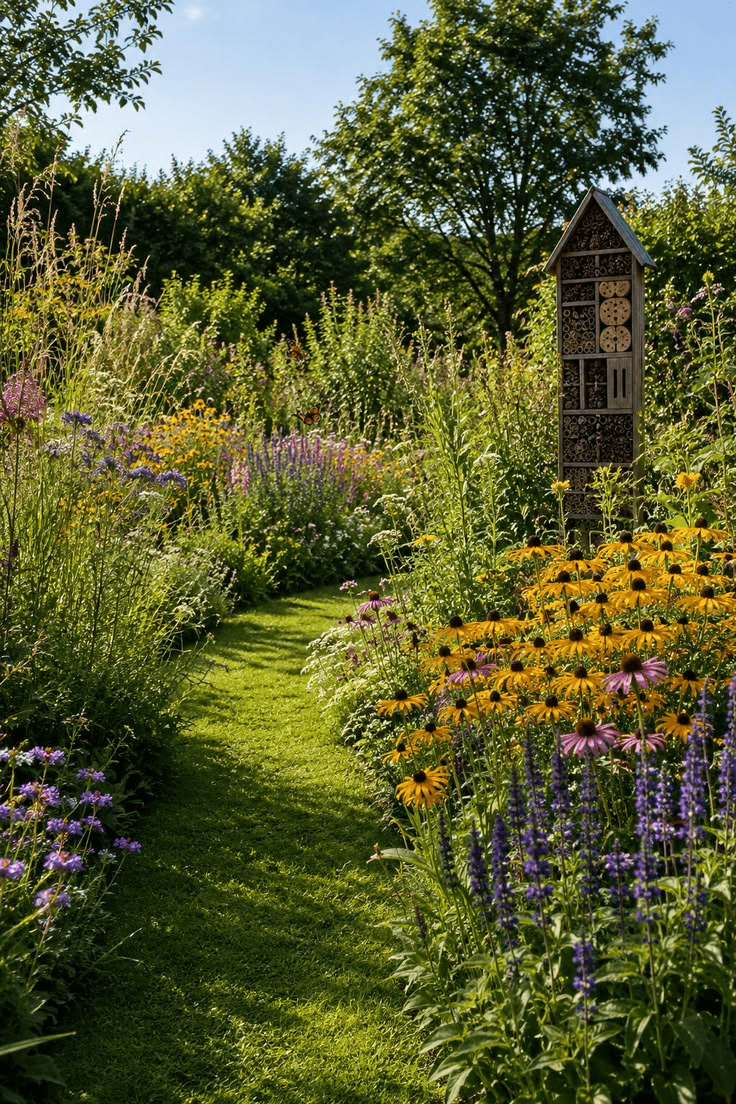
Landscaping with native plants is one of the easiest ways to create a beautiful, low-maintenance backyard that supports local wildlife and thrives in your region’s natural climate. Native plants are already adapted to local soil and weather conditions, which often means they require less water, fertilizer, and maintenance than non-native species. They also provide valuable habitat for birds, butterflies, bees, and other pollinators.
Whether you’re redesigning your entire yard or adding a few eco-friendly features, these native plant landscaping ideas can help you create an attractive and sustainable outdoor space. Here are 12 inspiring backyard landscaping ideas using native plants.
1. Create a Native Wildflower Garden
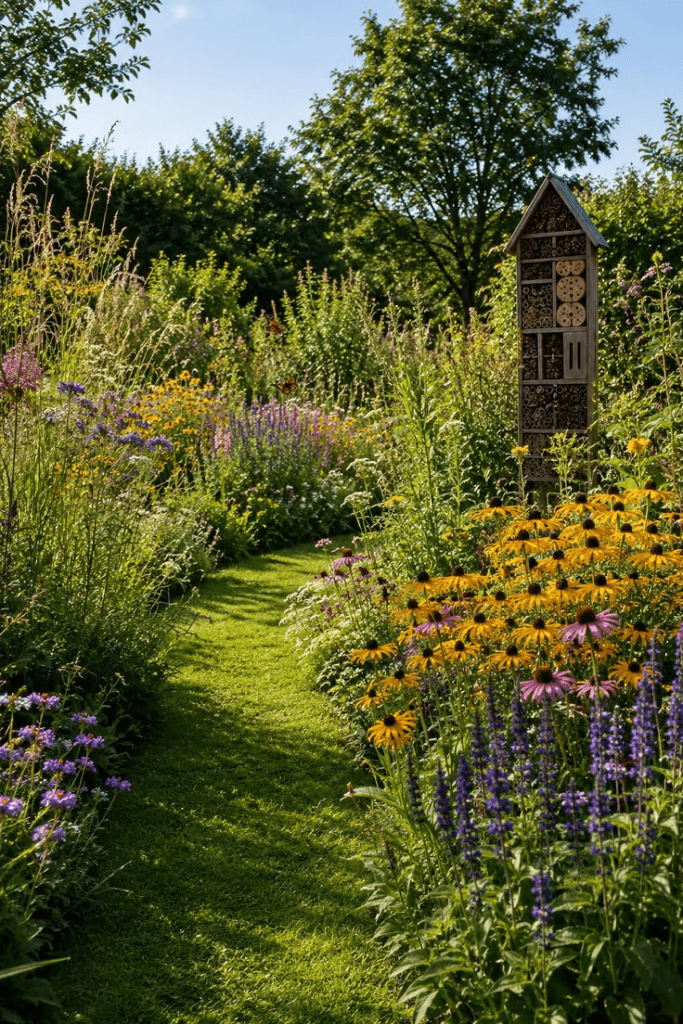
Plant a mix of colorful native wildflowers to add seasonal blooms and attract pollinators.
Benefits:
- Supports bees and butterflies
- Adds natural beauty
- Low maintenance once established
2. Design a Pollinator Garden
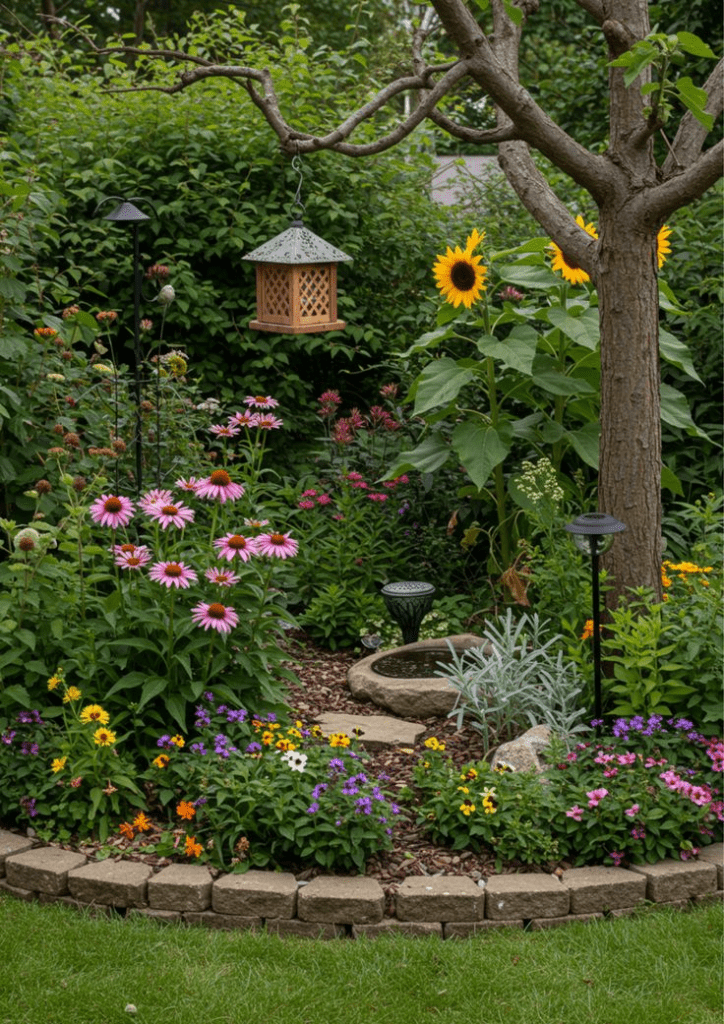
Fill a dedicated garden bed with nectar-rich native flowers that attract butterflies, bees, and hummingbirds.
Include:
- Native flowering plants
- Blooming shrubs
- Seasonal varieties
3. Add Native Ornamental Grasses
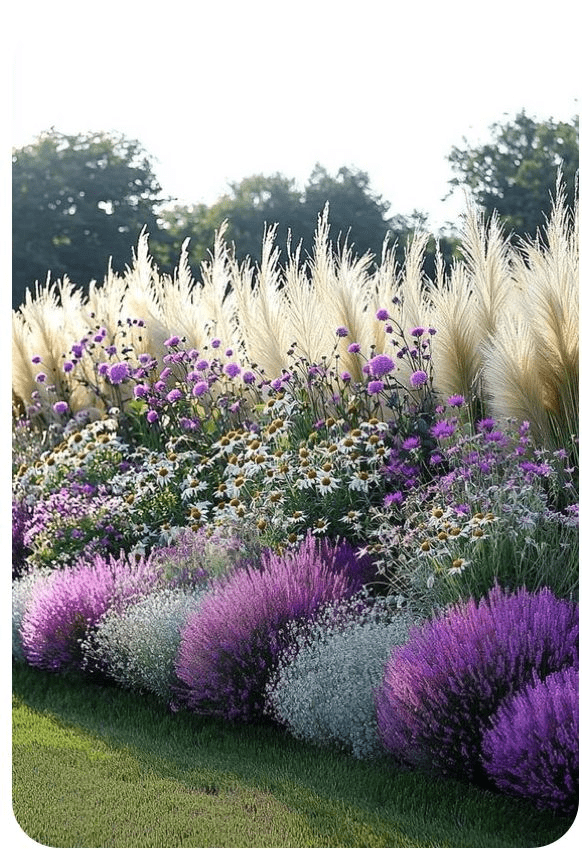
Native grasses provide movement, texture, and year-round interest in the landscape.
Great for:
- Borders
- Privacy
- Erosion control
4. Plant a Shade Garden
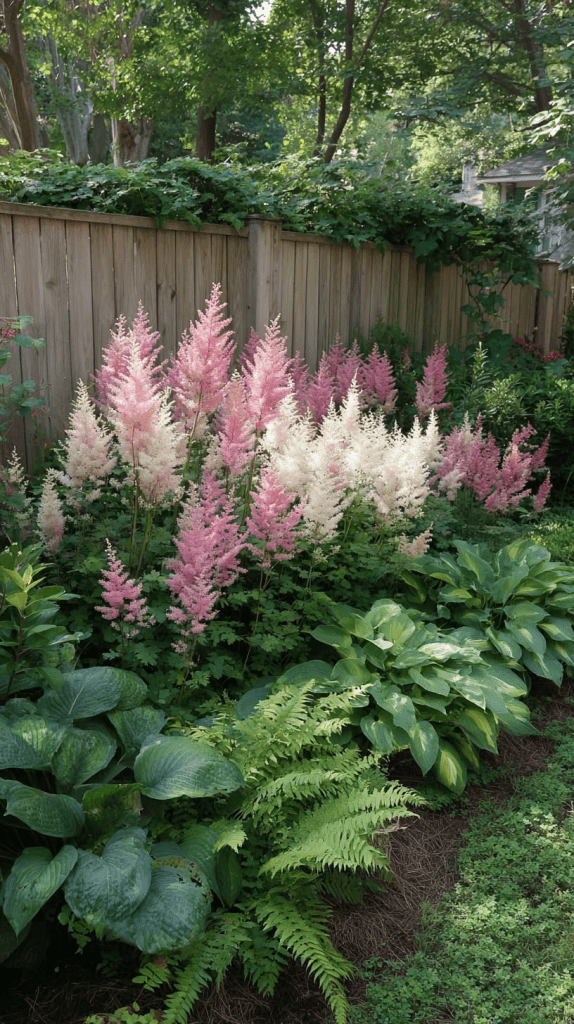
Use native plants that naturally thrive beneath mature trees or in shaded areas.
Perfect additions:
- Ferns
- Woodland flowers
- Shade-loving groundcovers
5. Build a Rain Garden
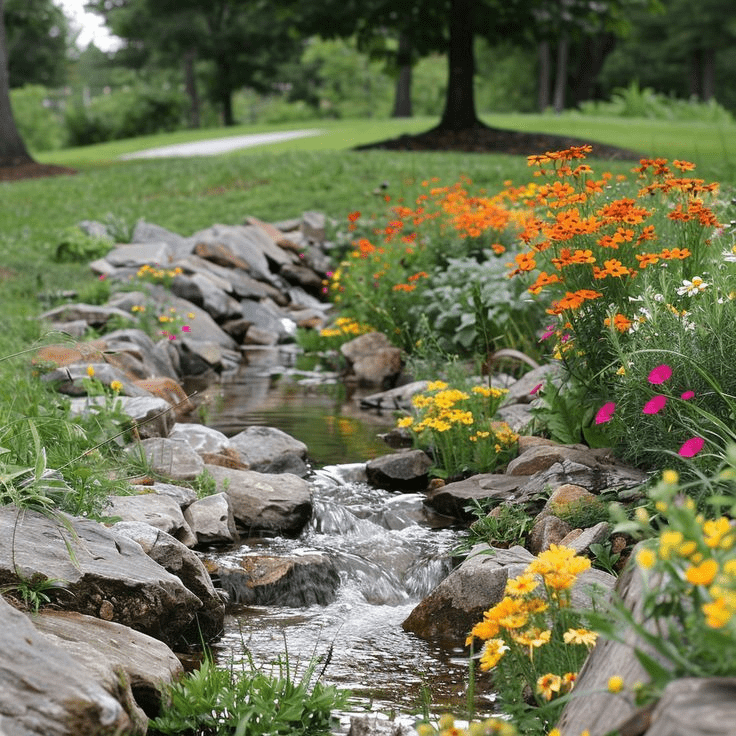
Capture rainwater runoff by planting moisture-loving native species in a shallow garden bed.
Advantages:
- Reduces runoff
- Improves drainage
- Supports local ecosystems
6. Replace Part of Your Lawn
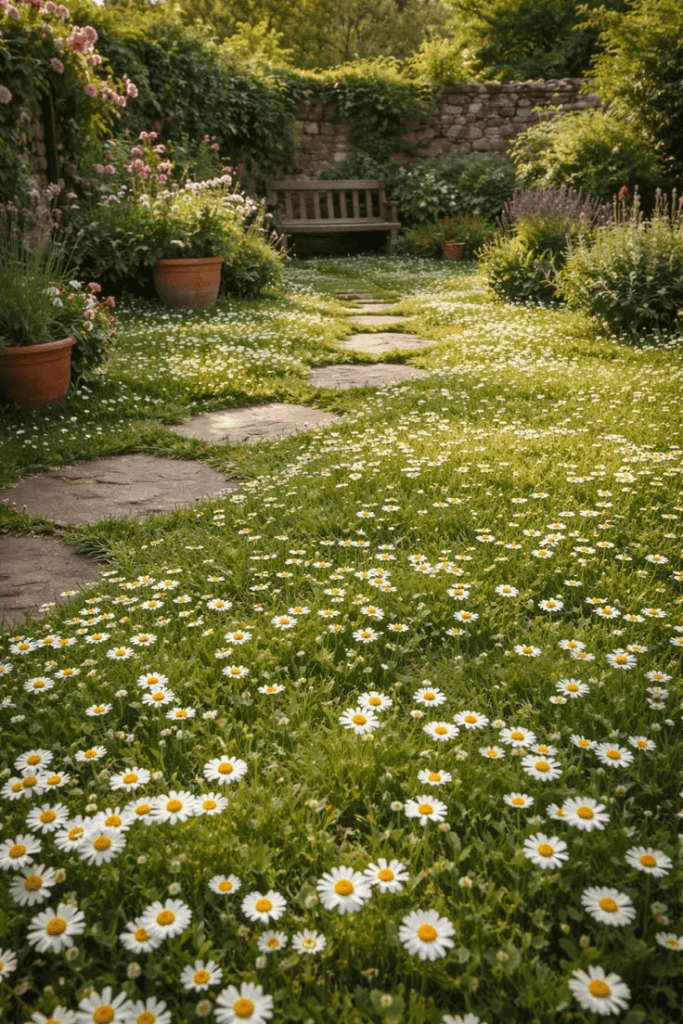
Reduce lawn maintenance by replacing sections of grass with native plants and natural mulch.
Why you’ll love it:
- Less mowing
- Lower water use
- More wildlife habitat
7. Add Native Shrubs for Privacy
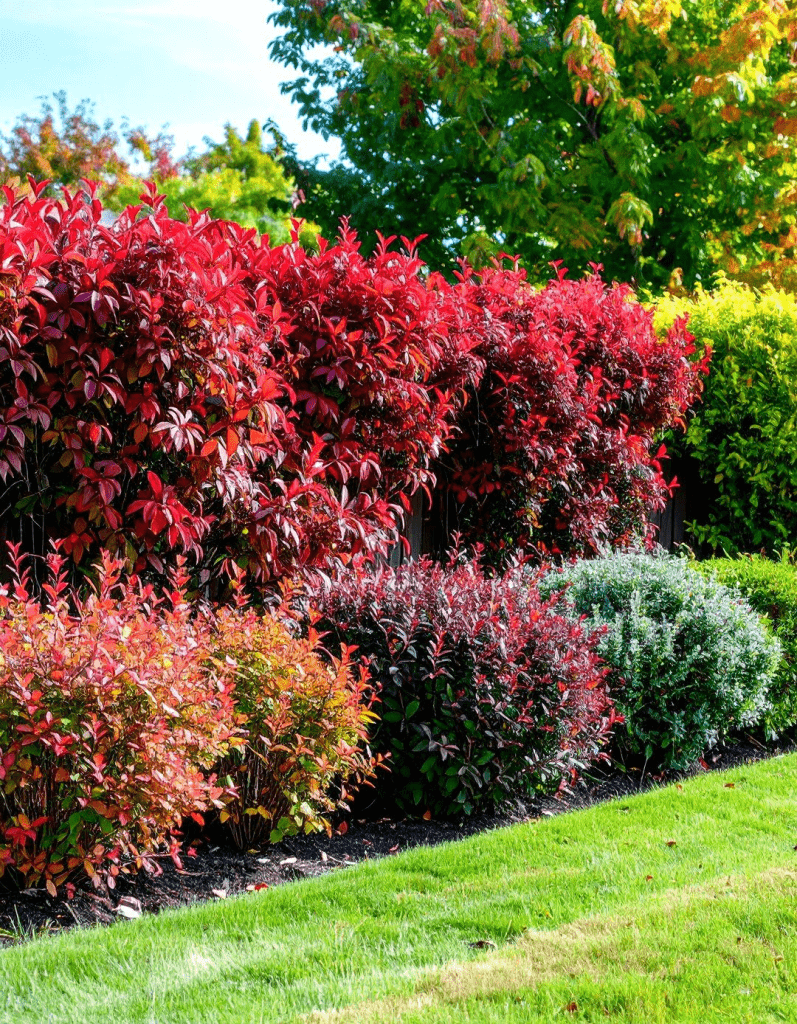
Native shrubs provide natural screening while supporting birds and beneficial insects.
Ideal for:
- Property borders
- Backyard privacy
- Wind protection
8. Create a Butterfly Garden
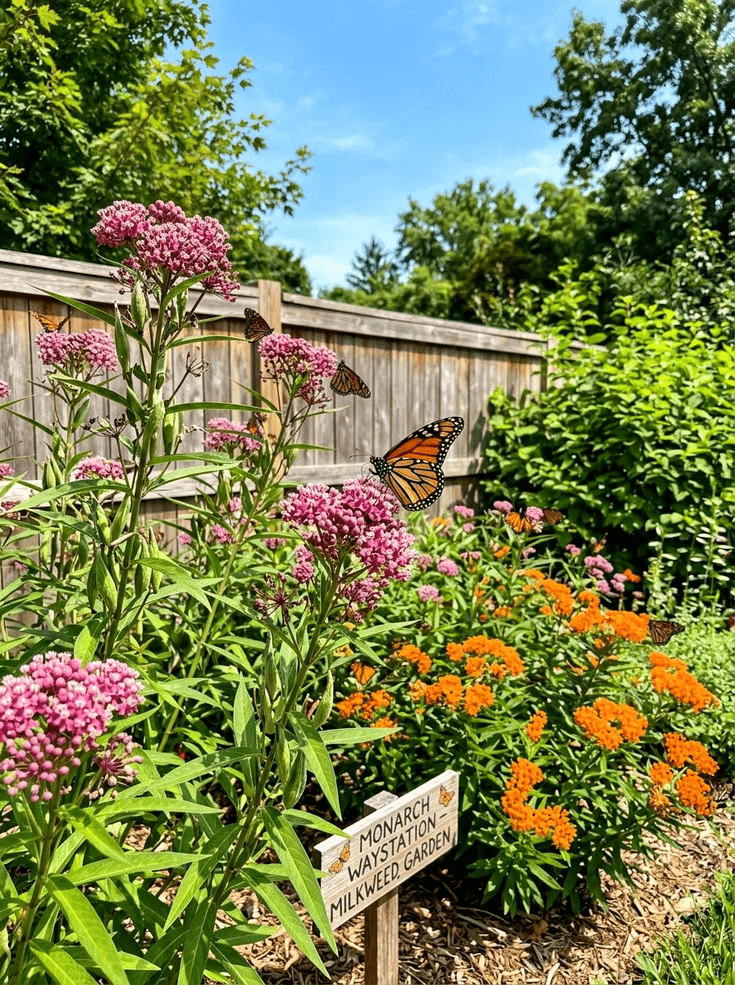
Choose native flowering plants that serve as food sources for butterflies throughout their life cycle.
Include:
- Host plants
- Nectar flowers
- Flat rocks for basking
9. Design a Dry Creek Bed
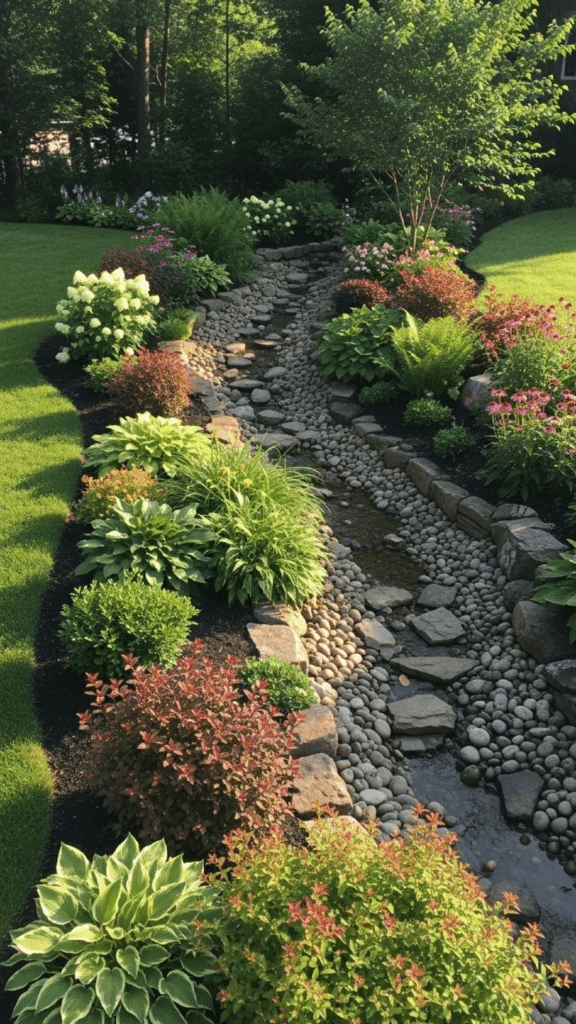
Combine decorative stones with native grasses and drought-tolerant plants to create a beautiful drainage feature.
Benefits:
- Controls erosion
- Adds visual interest
- Low maintenance
10. Line Garden Paths with Native Plants
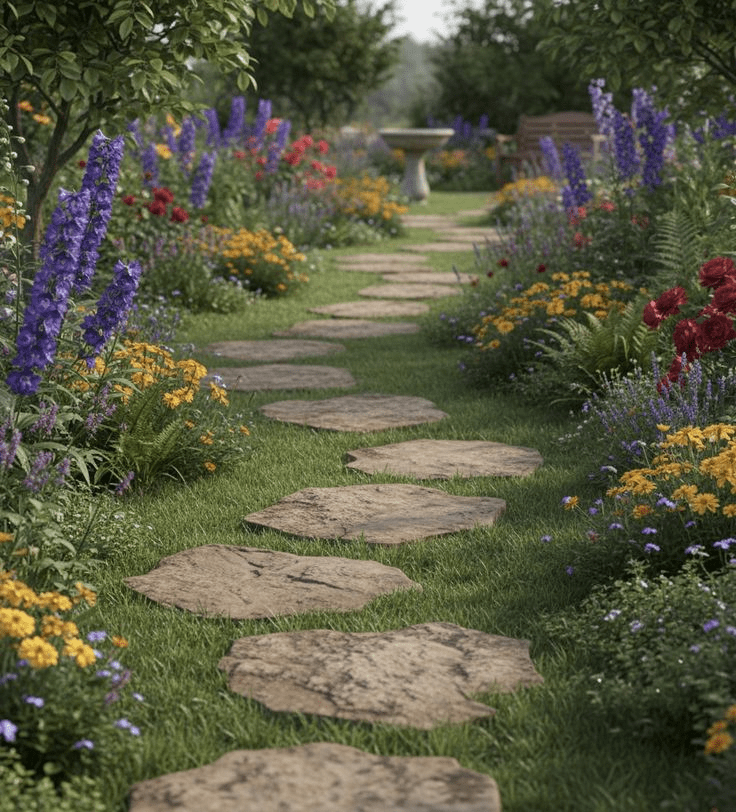
Border walkways with native flowers, grasses, or low-growing shrubs for a welcoming landscape.
Works well with:
- Gravel paths
- Stone walkways
- Mulched trails
11. Add a Native Tree as a Focal Point
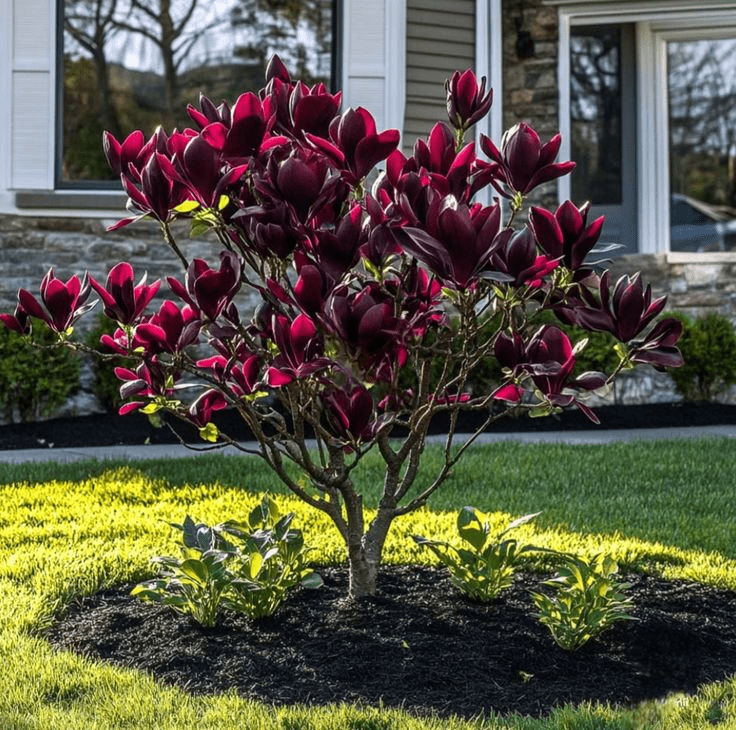
A native tree provides shade, structure, and habitat while becoming the centerpiece of your backyard.
Consider:
- Flowering trees
- Shade trees
- Small ornamental varieties
12. Create a Layered Natural Landscape
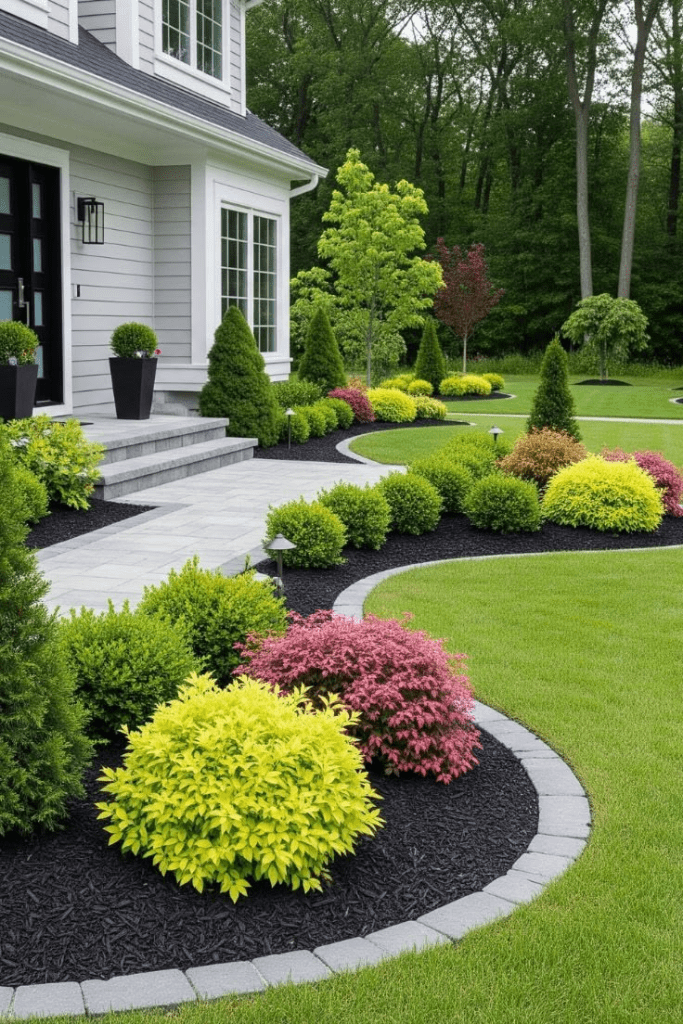
Combine native trees, shrubs, grasses, and flowering plants to mimic the structure of a natural ecosystem.
This approach provides:
- Year-round beauty
- Greater biodiversity
- A balanced, low-maintenance landscape
Summary
Landscaping with native plants creates a backyard that’s both beautiful and environmentally friendly. From colorful wildflower gardens and pollinator habitats to rain gardens and natural privacy screens, native plants help reduce maintenance while supporting local wildlife. By choosing plants that naturally thrive in your region, you can enjoy a healthy, sustainable landscape that looks stunning throughout the seasons.
Frequently Asked Questions
What are native plants?
Native plants are species that naturally occur in a specific region and have adapted to its climate, soil, and wildlife over time.
Why should I use native plants in my backyard?
They usually require less water, fertilizer, and maintenance while providing food and shelter for local wildlife.
Are native plants drought-tolerant?
Many native plants are naturally adapted to local rainfall patterns, making them more drought-tolerant than many non-native species.
How do I know which native plants are best for my area?
Check with local botanical gardens, native plant societies, university extension services, or local nurseries for region-specific recommendations.
Can native plants make my yard look colorful?
Absolutely. Many native wildflowers, shrubs, and trees produce vibrant blooms throughout the growing season.
Do native plants attract pollinators?
Yes. Native flowers are important food sources for bees, butterflies, hummingbirds, and other beneficial pollinators.
Can I replace my entire lawn with native plants?
Yes. Many homeowners gradually replace sections of lawn with native plant gardens to reduce maintenance and water use.
Are native plant gardens difficult to maintain?
Once established, native plant gardens are often easier to maintain than traditional landscapes because they’re adapted to local growing conditions.