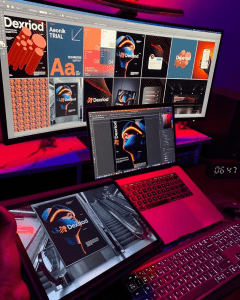

A hobby can become more than an enjoyable way to spend your free time. With consistent practice, the right tools, and a clear target audience, some hobbies can develop into freelance services, digital products, online businesses, or full-time careers. In 2026, businesses are particularly interested in people who can combine creativity, communication, technology, and artificial intelligence.
LinkedIn reports that employers are increasingly prioritising practical skills rather than relying only on degrees or traditional career paths. Current freelance demand also covers areas such as coding, web development, video editing, virtual assistance, content creation, AI automation, and digital marketing. However, no hobby guarantees a high income. Your results will depend on your skill level, portfolio, specialisation, pricing, marketing, and ability to produce valuable work.
1. AI Automation

Learning to use AI tools can become a valuable hobby for people who enjoy technology and solving problems. You could learn how to create simple chatbots, organise data, automate repetitive tasks, or connect business applications.
Fiverr’s 2026 trend research shows growing business interest in AI automation, AI agents, data cleaning, and AI-assisted content workflows.
Begin by automating small personal tasks. Document your process and create demonstrations showing how your system saves time. You can later offer automation services to small businesses, online shops, content creators, or administrative teams.
2. Short-Form Video Editing
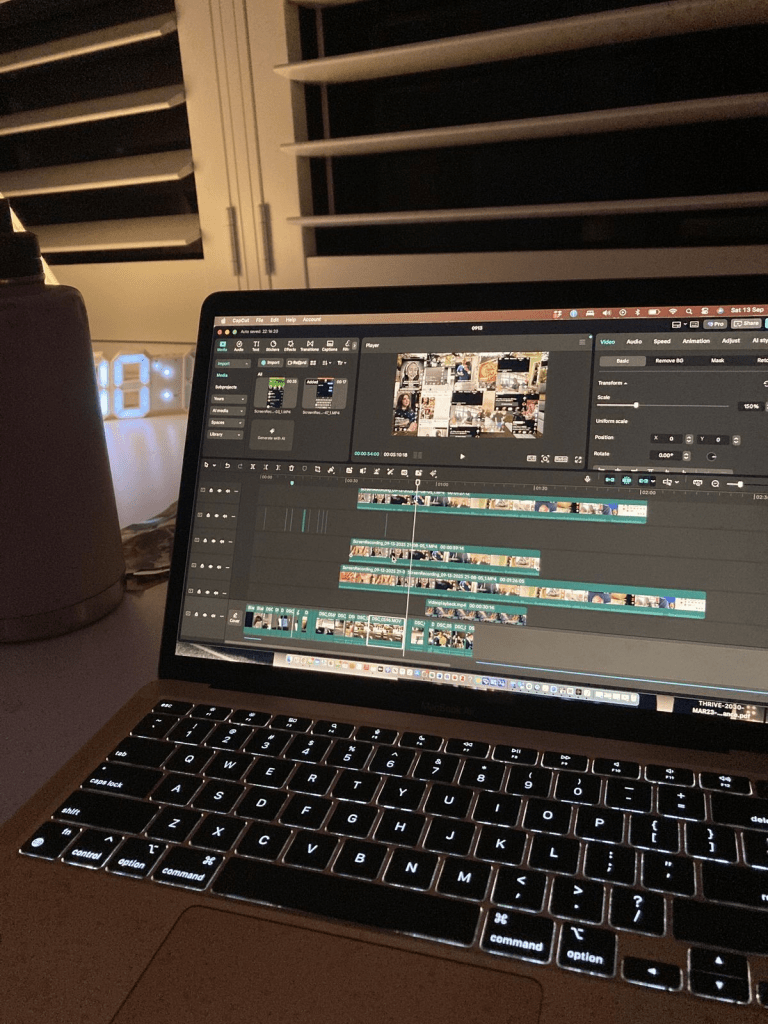
Video editing is an excellent hobby for creative people who enjoy storytelling, music, timing, and visual effects. Businesses and creators need editors for TikTok videos, Instagram Reels, YouTube Shorts, advertisements, and product demonstrations.
Fiverr reported increased demand for human video-editing skills alongside the growth of AI-generated video, including stronger interest in short-form editing.
Start with free editing software and footage recorded on your phone. Practise creating strong openings, readable captions, smooth cuts, and engaging pacing. Build a short portfolio before offering weekly or monthly editing packages.
3. Website Design
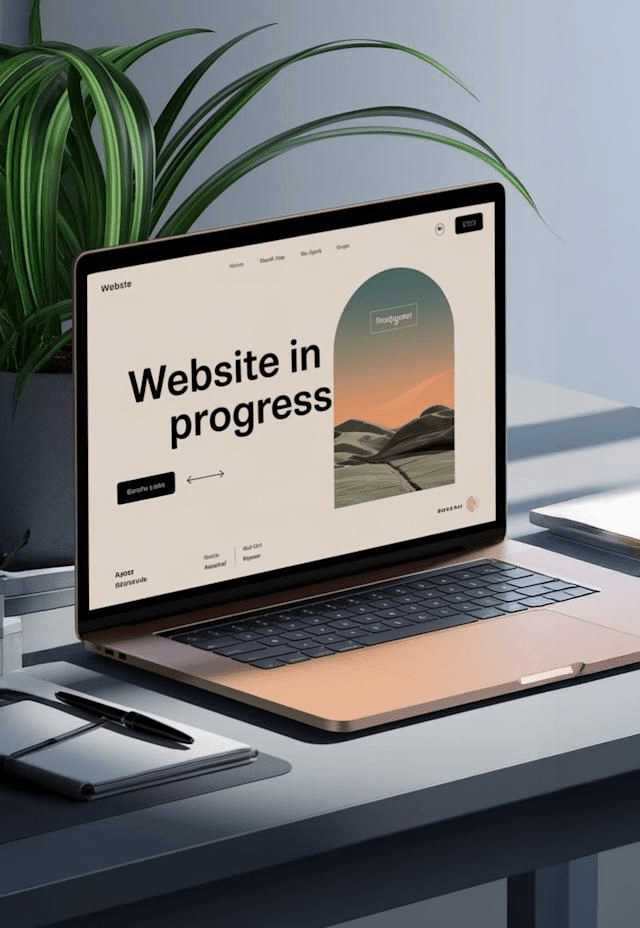
Website design combines creativity with practical problem-solving. You can learn how to create business websites, landing pages, portfolios, blogs, and online shops using coding or no-code website-building platforms.
Coding and web development remain among the major skill categories highlighted in Upwork’s 2026 guide to in-demand work.
Begin by redesigning an imaginary business website or creating a personal portfolio. Learn basic layout, mobile responsiveness, navigation, typography, and search optimisation. As your skills improve, specialise in a profitable niche such as restaurants, hotels, coaches, property businesses, or e-commerce brands.
4. Graphic Design

Graphic design can begin as a relaxing creative hobby and develop into a professional service. Designers can create social media posts, advertisements, logos, menus, presentations, thumbnails, invitations, and brand materials.
Businesses continue to seek design support for content production, advertising, e-commerce, and social media campaigns. Fiverr’s 2026 research also highlights demand for practical creative services that support regular online content.
Learn colour balance, typography, spacing, and visual hierarchy using free design tools. Choose one design category and create several strong samples instead of trying to offer every service immediately.
5. Copywriting

Copywriting is the skill of writing words that encourage readers to take action. It can include advertisements, landing pages, product descriptions, emails, social media captions, and sales messages.
AI can produce quick drafts, but businesses still need people who understand customers, brand voice, accuracy, emotion, and persuasive communication. Current freelance trends show businesses using AI while continuing to hire specialists who can improve and refine content.
Practise rewriting weak advertisements and product pages. Build samples for one industry and learn how to create clear headlines, benefits, calls to action, and customer-focused messages.
6. Photography and UGC Creation
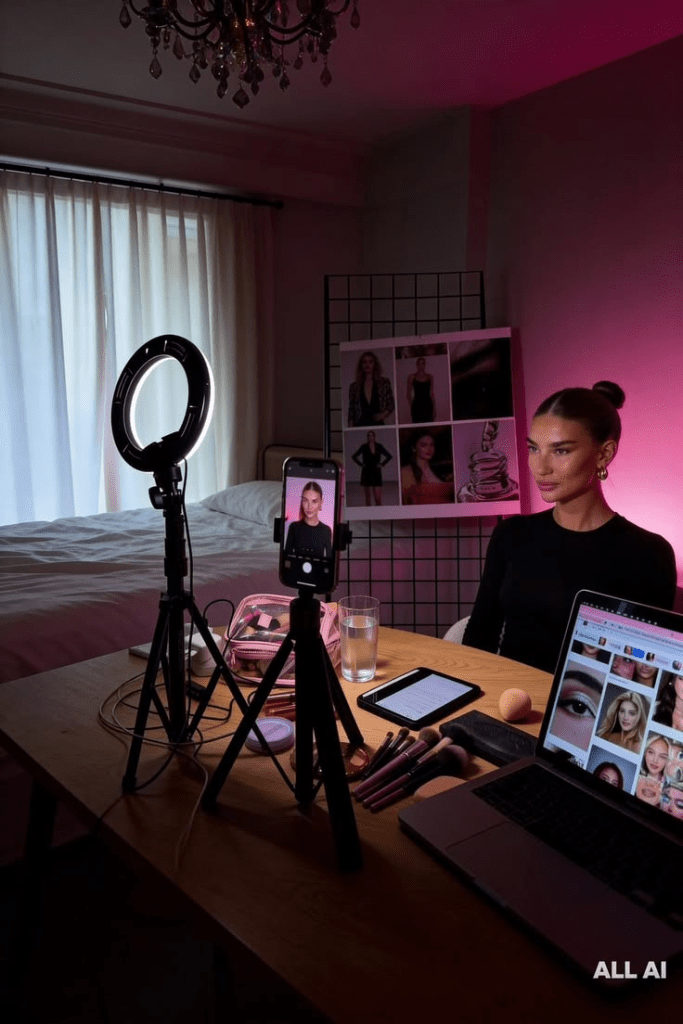
Photography is a useful hobby for people who enjoy capturing products, food, fashion, travel, interiors, or everyday moments. You can monetise it through client photography, stock images, product shoots, or user-generated content.
UGC creators produce natural-looking promotional photographs and videos that brands can publish on their own channels. You do not necessarily need a large following, but you do need clear visuals and believable presentation.
Start with products you already own. Practise lighting, composition, camera angles, editing, and storytelling. Create a portfolio containing lifestyle photographs, demonstrations, unboxings, and short testimonial-style videos.
7. Podcast and Audio Editing

Podcast editing is suitable for people who enjoy storytelling, conversations, music, and sound. Editors help remove mistakes, reduce background noise, organise episodes, adjust volume, and prepare clips for social media.
You can begin with free audio software and practise using your own voice recordings. Learn how to create clean introductions, natural transitions, and consistent sound levels.
Potential customers include podcasters, coaches, educators, businesses, and YouTube creators. You can increase the value of your service by offering episode descriptions, short promotional clips, timestamps, and basic publishing support.
8. Voice-Over Recording

A clear and expressive voice can become a profitable creative skill. Voice-over artists record advertisements, audiobooks, educational videos, social media content, corporate presentations, animations, and online courses.
Begin with a smartphone or basic microphone in a quiet room. Practise different styles, including friendly, professional, emotional, energetic, and calm. Record several short samples to demonstrate your range.
Good pronunciation, pacing, breathing, and script interpretation are more important than simply having a deep voice. As you gain clients, you can invest in a better microphone, sound treatment, and professional audio-editing software.
9. Coding and App Development

Coding is a problem-solving hobby that can lead to freelance projects, employment, software products, websites, and mobile applications. You can begin with languages and tools used for web development, automation, data analysis, or app creation.
Technology-related skills continue to feature prominently in 2026 career and freelance demand. LinkedIn also identifies AI-related and technology-enabled business skills among rapidly growing capabilities.
Start with small projects, such as a calculator, personal website, task manager, or simple automation tool. A working portfolio is often more convincing than completing tutorials without building anything independently.
10. Online Tutoring

Teaching can become a high-value hobby when you have strong knowledge of a subject or practical skill. You could teach languages, mathematics, science, music, software, design, public speaking, or exam preparation.
Begin by selecting one learner group, such as beginners, children, foreign students, or professionals. Prepare short lessons, exercises, and progress checks.
You can provide individual classes, group lessons, recorded courses, or downloadable learning materials. Patient communication and clear explanations are essential. Specialising in a specific result—such as interview English or beginner graphic design—can make your service easier to promote.
11. Social Media Strategy

Spending time on social media can become productive when you learn how content planning, audience research, storytelling, analytics, and community engagement work.
Businesses need help creating content that attracts attention and supports real goals. Fiverr’s 2026 Business Trends Index highlights continued investment in content, video, social media marketing, and creative execution.
Create a sample content calendar for an imaginary brand. Practise developing hooks, captions, post ideas, and short videos. You can later offer strategy sessions, content planning, account management, or monthly social media packages.
12. Digital Product Creation

Digital product creation is ideal for people who enjoy designing, writing, organising information, or teaching. Products can include e-books, planners, templates, checklists, worksheets, presets, digital art, or online courses.
The main advantage is that one original product can be sold repeatedly without storing physical inventory. However, success still requires research, quality, marketing, and customer support.
Choose a specific problem rather than creating a general product. For example, design a content planner for salon owners or a budgeting template for university students. Test the product, improve the instructions, and ensure all fonts, photographs, and design elements are properly licensed.
Summary
High-income hobbies in 2026 combine creativity, practical skills, and modern technology. AI automation, video editing, web design, copywriting, coding, photography, tutoring, and digital product creation can all develop into valuable income opportunities. Start with one hobby that matches your natural interests and practise it consistently. Create real projects, build a focused portfolio, and learn how your skill solves a customer’s problem. Income is never guaranteed, but specialisation, professional communication, reliable delivery, and continuous learning can significantly improve your opportunities.
Frequently Asked Questions
1. Which hobby has the highest earning potential?
AI automation, software development, website creation, specialised marketing, and advanced video production may offer strong earning potential. However, income depends more on expertise, specialisation, and customer value than on the hobby’s name.
2. Which hobby is easiest for beginners?
Graphic design, short-form video editing, content writing, voice-over recording, and social media management are accessible because beginners can practise with free tools and personal projects.
3. Can I learn these hobbies for free?
Yes. Free tutorials, documentation, online communities, and practice projects can help you develop basic skills. Paid training may be useful later, but it is not always necessary when beginning.
4. How long does it take to earn money from a hobby?
Some people may secure small projects after a few weeks, while others need several months of consistent practice. Your portfolio, market demand, networking, and ability to find customers will affect the timeline.
5. Do I need a degree?
Not always. LinkedIn’s 2026 skills research indicates that employers are increasingly interested in demonstrated abilities and practical skills. A strong portfolio and proven results may be especially important for freelance work.
6. Can I learn more than one hobby?
Yes, but begin with one main skill. After developing confidence, add a related skill. For example, combine video editing with social media strategy or web design with copywriting.
7. How can I find my first customer?
Create several quality samples and approach small businesses, creators, personal contacts, or online communities. Explain the specific problem you can solve rather than sending a general message asking for work.
8. Is high income guaranteed?
No. No hobby or online skill guarantees a particular income. Results depend on your ability, experience, pricing, location, demand, marketing, professionalism, and the value you provide.