Starting a home business in 2026 does not necessarily require inventory, an office, or expensive software. Many growing opportunities are service-based, meaning you can begin by selling your existing skills using a phone, computer, internet connection, and free online tools. Current freelance demand is especially strong in AI-supported work, video editing, e-commerce management, social media strategy, graphic design, and virtual assistance.
However, “no money” does not mean there are absolutely no costs. You may still need internet access, a suitable device, time, and eventually business registration or paid tools. The safest approach is to begin with a free service, find your first customers, and reinvest part of your earnings as the business grows.
1. AI-Assisted Content Creation
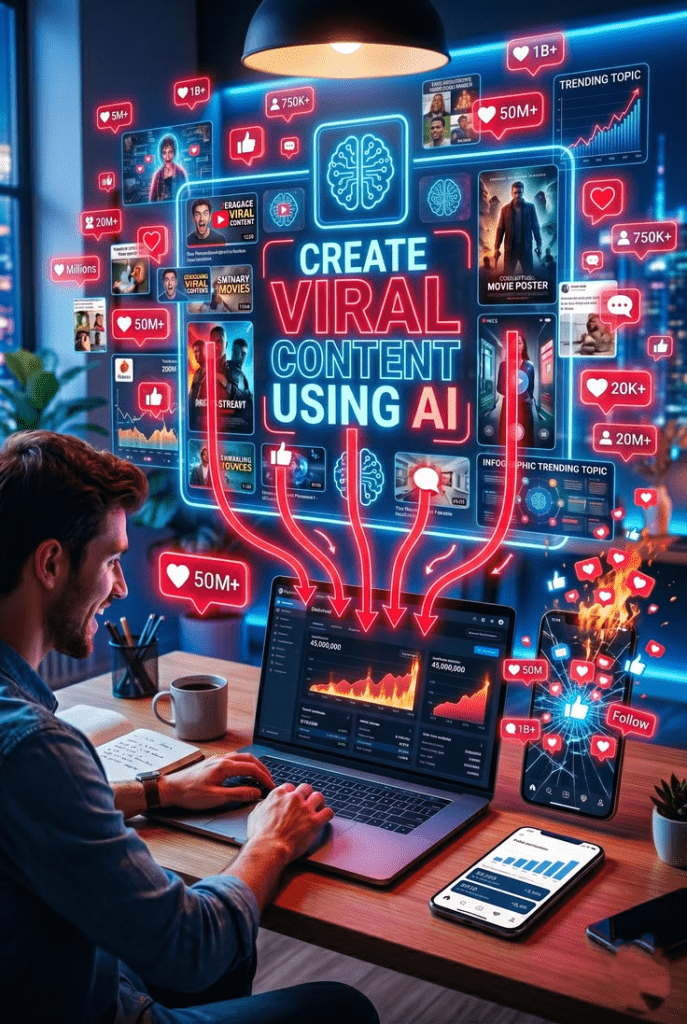
Businesses need blog posts, product descriptions, emails, social captions, video scripts, and other content. You can use free AI tools to create first drafts, then improve the tone, accuracy, structure, and originality.
Human judgement remains valuable because companies still need content that sounds natural and reflects their brand. Fiverr’s 2026 trend data shows continued demand for specialised writing, editing, formatting, and translation alongside AI-supported services.
Create several samples for one industry, such as food, fashion, travel, education, or fitness. Offer content packages to small businesses through social media, freelance platforms, or direct messages.
2. Short-Form Video Editing
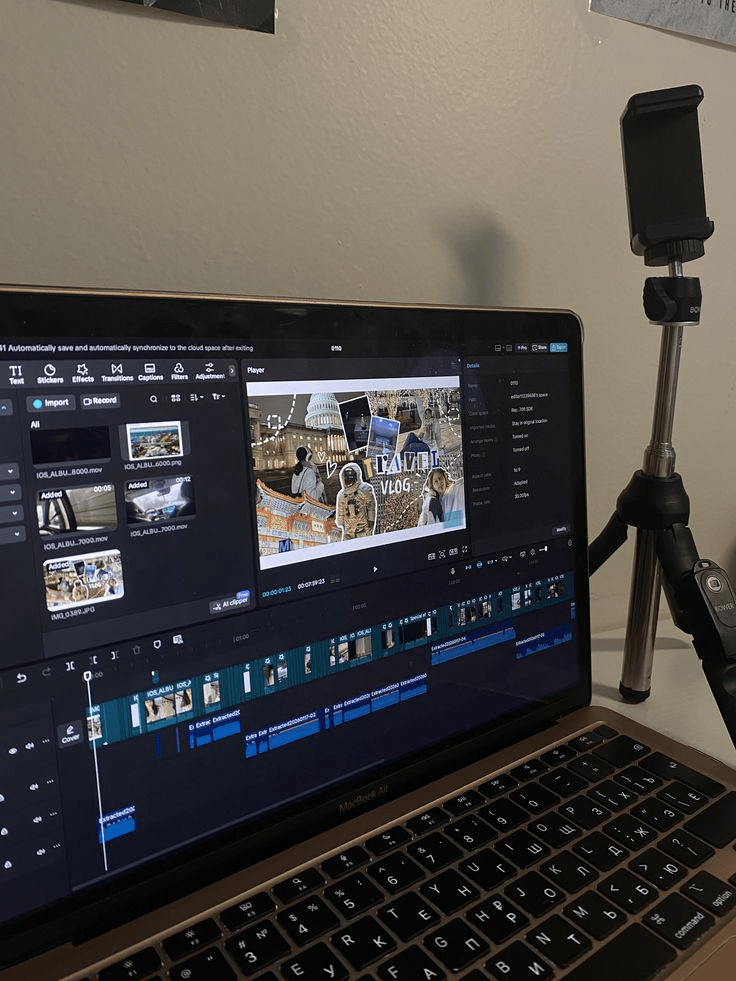
Short-form video editing is one of the strongest home business opportunities in 2026. Brands and creators need editors for Instagram Reels, TikTok videos, YouTube Shorts, advertisements, and product demonstrations.
Upwork reported rapid growth in AI video generation and editing, while Fiverr also recorded increasing demand for short-form editing services.
Begin with a free mobile or desktop editing application. Create samples showing captions, transitions, hooks, music timing, and before-and-after edits. You can offer packages based on a fixed number of videos per week or month.
3. Social Media Management

Small businesses often struggle to post regularly, answer comments, organise content, and follow current trends. A social media manager can handle these tasks remotely from home.
Services may include preparing captions, designing posts, scheduling content, replying to followers, researching hashtags, and creating monthly content calendars. Social media strategy was among Upwork’s fastest-growing sales and marketing skills for 2026.
Choose one or two platforms instead of trying to manage everything. Build sample posts for an imaginary brand, then contact local salons, restaurants, shops, tutors, or service providers with a simple monthly package.
4. User-Generated Content Creation

User-generated content, commonly called UGC, is promotional content designed to feel like a genuine customer experience. Brands use it for product demonstrations, testimonials, unboxing videos, lifestyle clips, and social advertisements.
You do not always need a large audience because the brand may publish the content on its own account. Authenticity is becoming an important advantage as audiences become more cautious about repetitive or impersonal AI-generated content.
Create sample videos using products you already own. Film in natural lighting, speak clearly, and show how the product solves a real problem.
5. Virtual Assistant Services

Virtual assistants support business owners with tasks such as email management, data entry, online research, appointment scheduling, customer service, file organisation, and document preparation.
General virtual assistance remains one of the most in-demand administrative skills on Upwork, while demand for specialised e-commerce management has also grown.
List the tasks you can complete confidently and offer a small starter package. Free spreadsheets, calendars, email platforms, and cloud-storage tools are enough for many beginner projects. Reliability, organisation, privacy, and clear communication can help you gain long-term clients.
6. Canva Design Services
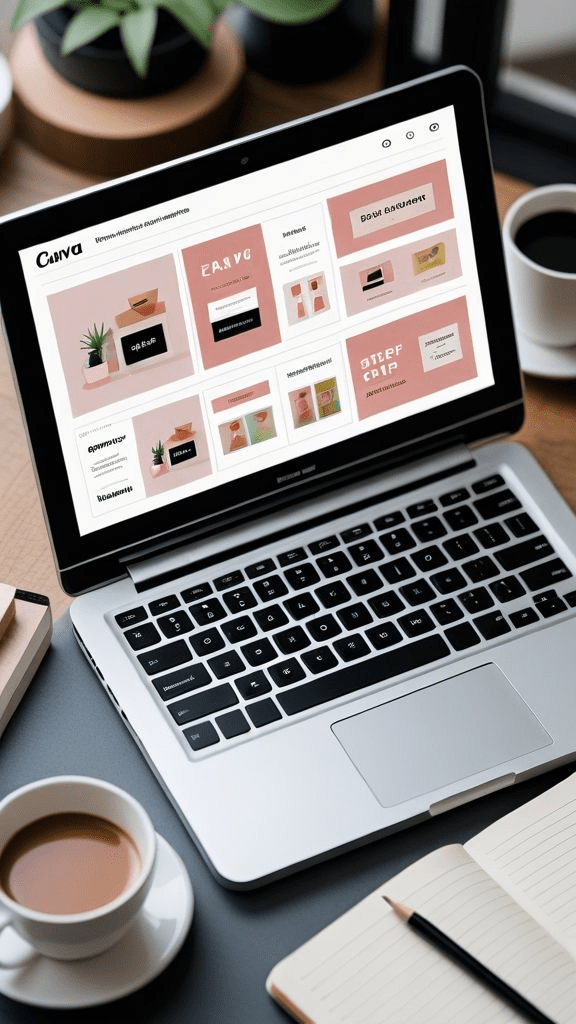
You can start a basic design business using free online design tools. Small businesses regularly need social posts, advertisements, menus, flyers, thumbnails, presentations, invitations, and digital banners.
Fiverr’s June 2026 marketplace analysis found strong growth in searches for Canva designers and continuous social-media content production.
Select a clear niche, such as restaurant posts, beauty promotions, real-estate designs, or YouTube thumbnails. Create six to ten samples and organise them into a simple portfolio. Sell individual designs or monthly packages instead of offering every possible design service.
7. Digital Product Creation
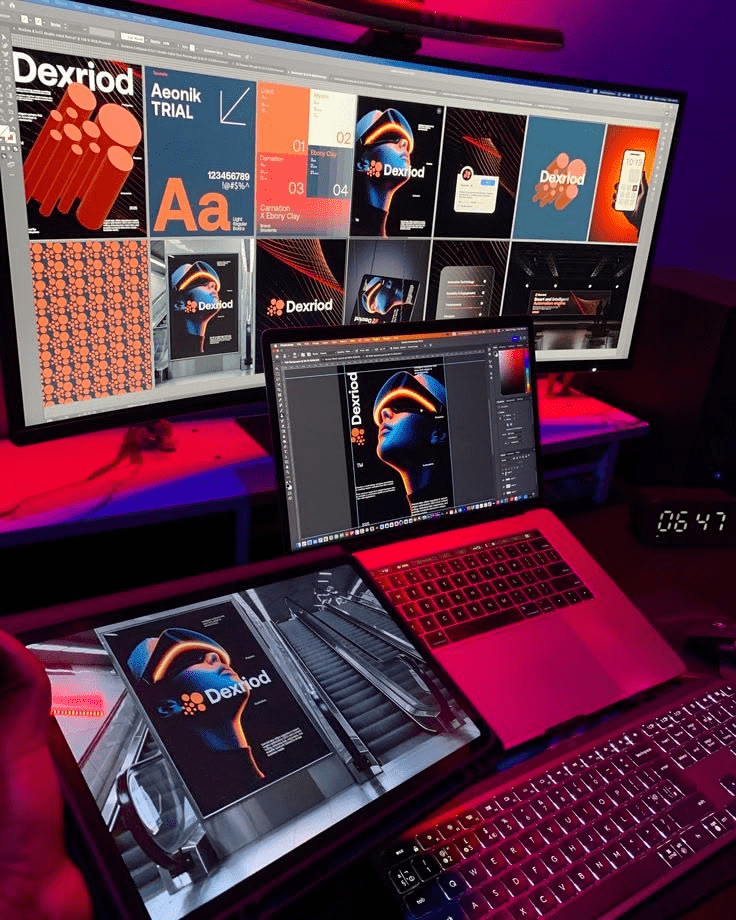
Digital products can be created at home without purchasing physical inventory. Popular examples include planners, checklists, social media templates, budgeting sheets, study materials, e-books, printable invitations, and business forms.
Choose a small, specific problem to solve. For example, create a weekly meal planner for busy parents, a content calendar for salons, or a job-application tracker for graduates.
Use free document, spreadsheet, or design tools to create the product. You can promote it through social media, online communities, or digital marketplaces. Always use original content and properly licensed design elements.
8. Online Tutoring or Skill Lessons

Online tutoring is a practical home business for anyone who can teach a subject or useful skill. You could offer lessons in languages, mathematics, school subjects, music, software, design, cooking, or interview preparation.
Begin with free video-calling and document-sharing platforms. Prepare a simple lesson plan and offer individual or small-group sessions.
Focus on a specific learner, such as beginners, schoolchildren, foreign students, or job seekers. A clear specialisation makes your service easier to promote. Ask early students for honest feedback and testimonials after they have completed several lessons.
9. E-Commerce Support Services

Many online sellers need help but cannot hire a full-time employee. You can offer product uploading, description writing, image resizing, order tracking, customer-message support, inventory updates, and basic store organisation.
Upwork identified e-commerce management as a fast-growing administrative skill in 2026. Fiverr also reported strong demand for practical Shopify design, development, and optimisation services.
Beginners can start with simple product-listing services before learning more advanced store management. Create sample listings that show clear titles, organised details, helpful descriptions, and properly prepared images.
10. Niche Creator or Affiliate Business
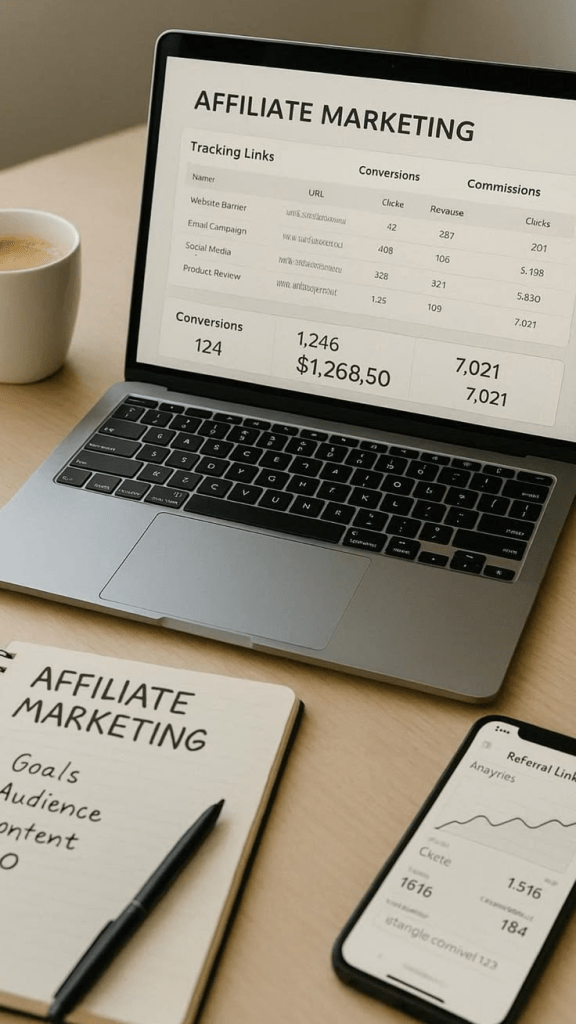
You can build a content page around one subject, such as affordable fashion, home organisation, simple recipes, fitness, gardening, technology, or beauty. Income may later come from affiliate links, sponsored content, digital products, memberships, or services.
The 2026 creator economy increasingly rewards people who build loyal audiences, use AI to support rather than replace creativity, and create content with a recognisable human perspective.
Choose one audience and publish useful content consistently. Do not promote random products or make unrealistic claims. Clearly disclose affiliate relationships and prioritise trust before expecting significant income.
Summary
The most promising no-money home businesses in 2026 combine human creativity with digital tools. AI-assisted content, short-form video editing, UGC creation, social media management, virtual assistance, digital products, tutoring, and e-commerce support can all be started with existing skills and free resources. Choose one service, create a small portfolio, and contact potential customers with a clear offer. Start slowly, deliver reliable work, collect testimonials, and reinvest your first earnings into better equipment or tools.
Frequently Asked Questions
1. Can I really start a home business with no money?
You can start many service-based businesses without major upfront spending. However, you will normally need internet access, a phone or computer, time, and a skill that customers value.
2. Which home business is most popular in 2026?
AI-supported services, video editing, social media management, e-commerce assistance, UGC creation, and virtual assistance are among the most relevant digital opportunities in 2026.
3. Which idea is easiest for beginners?
Virtual assistance, content writing, Canva design, tutoring, and basic social media services are beginner-friendly because you can practise them using free tools.
4. How can I get my first customer?
Create a few strong samples and contact small businesses that could benefit from your service. Personalised messages usually work better than sending the same general offer to everyone.
5. Do I need a website?
No. You can begin with a social media profile, shared portfolio folder, freelance-platform account, or simple online document. A website can be added later.
6. How quickly can I earn money?
There is no guaranteed timeline. Your results depend on your skill, pricing, portfolio, customer demand, and how consistently you promote your service.
7. What scams should beginners avoid?
Avoid opportunities that require large joining fees, guarantee immediate income, ask you to recruit other members, or request sensitive financial details without a legitimate reason.