

The first year of a kitten’s life is an important time for growth, development, and building a healthy foundation. Growing kittens need a balanced diet filled with essential nutrients to support their muscles, bones, immune system, energy levels, and overall well-being. Choosing the right foods helps ensure your kitten receives the protein, vitamins, and minerals needed during this important stage.
Unlike adult cats, kittens have higher nutritional requirements because they are constantly growing and becoming more active. A proper feeding routine with high-quality foods can help support healthy development while encouraging good eating habits. Whether you are caring for a new kitten or looking to improve their diet, these healthy food options can help provide the nutrition they need.
1. High-Quality Kitten Food
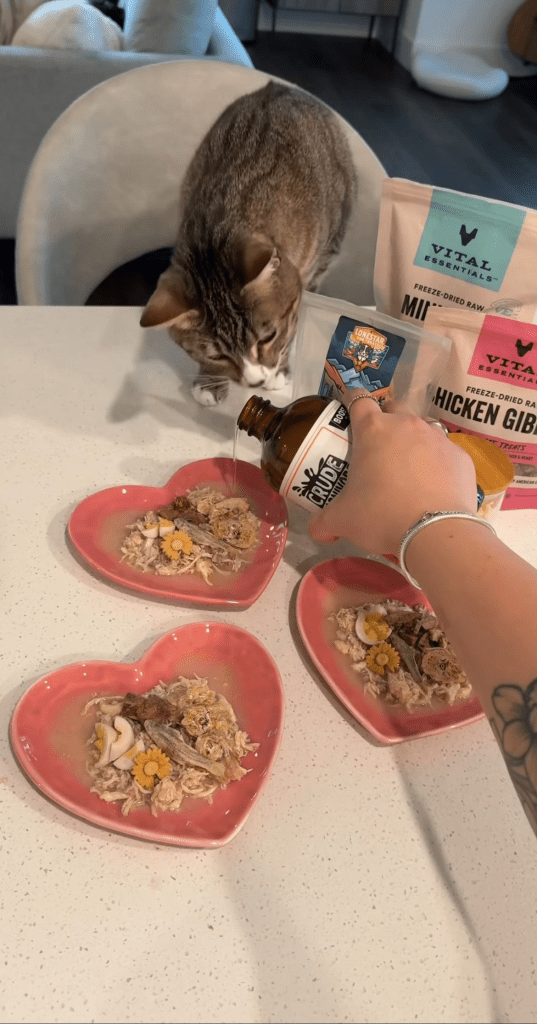
A specially formulated kitten food is one of the best foundations for your kitten’s diet.
Kitten formulas are designed with higher levels of protein, calories, and essential nutrients compared to adult cat food. They provide balanced nutrition to support growth and development.
Look for:
- Quality animal-based protein
- Essential vitamins and minerals
- Balanced kitten-specific formulas
2. Lean Cooked Chicken
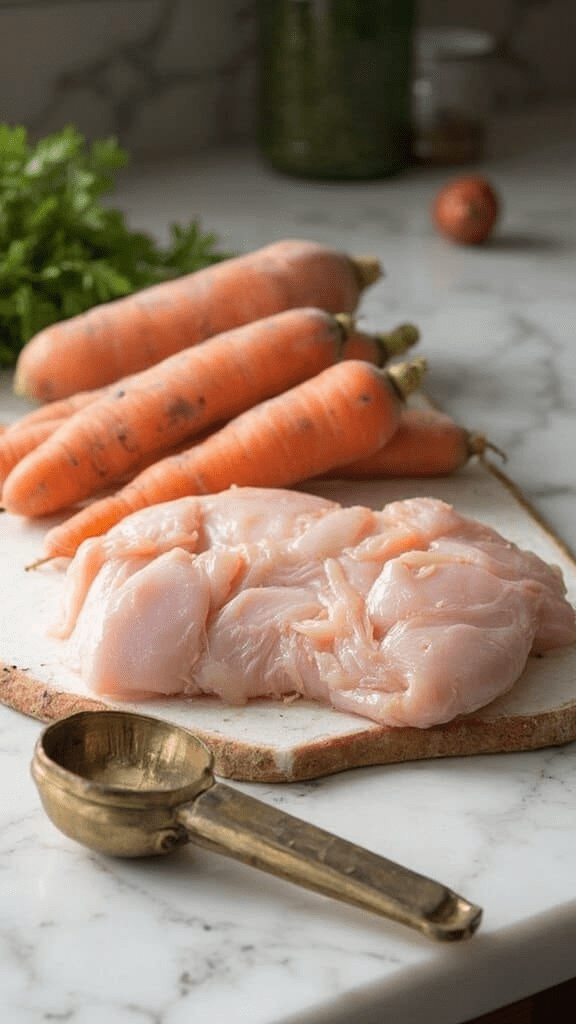
Plain cooked chicken can be a healthy protein option for kittens when offered appropriately.
Chicken provides high-quality protein that supports muscle development and energy. Always serve it plain without seasoning, salt, garlic, or sauces, which can be harmful to cats.
Serving tips:
- Cook thoroughly
- Remove bones and skin
- Offer as an occasional addition
3. Cooked Fish
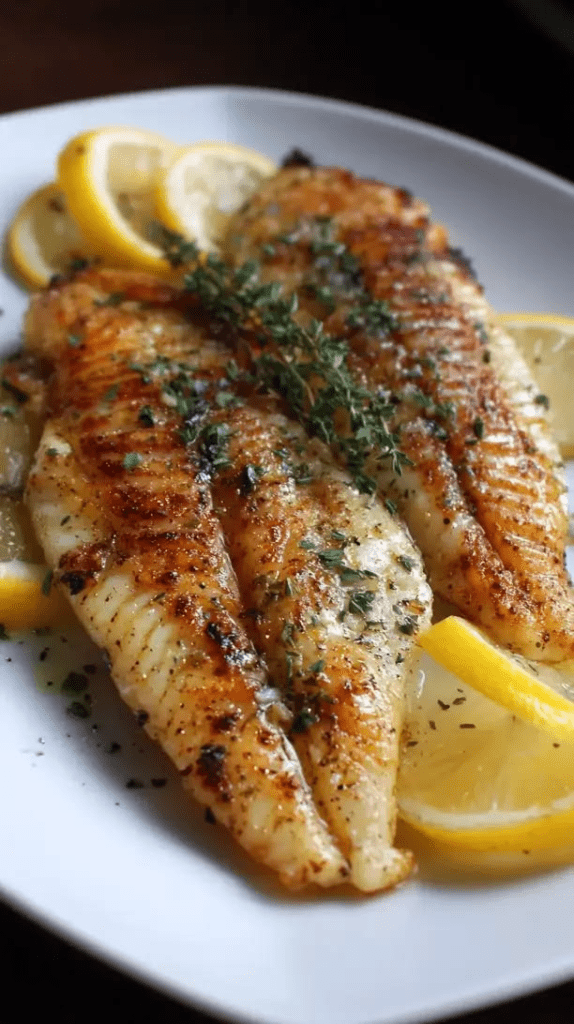
Certain cooked fish can provide beneficial nutrients for growing kittens.
Fish contains protein and healthy fats, but it should be offered in moderation as part of a balanced diet. Always remove bones and avoid seasoned or processed fish products.
4. Kitten-Safe Wet Food
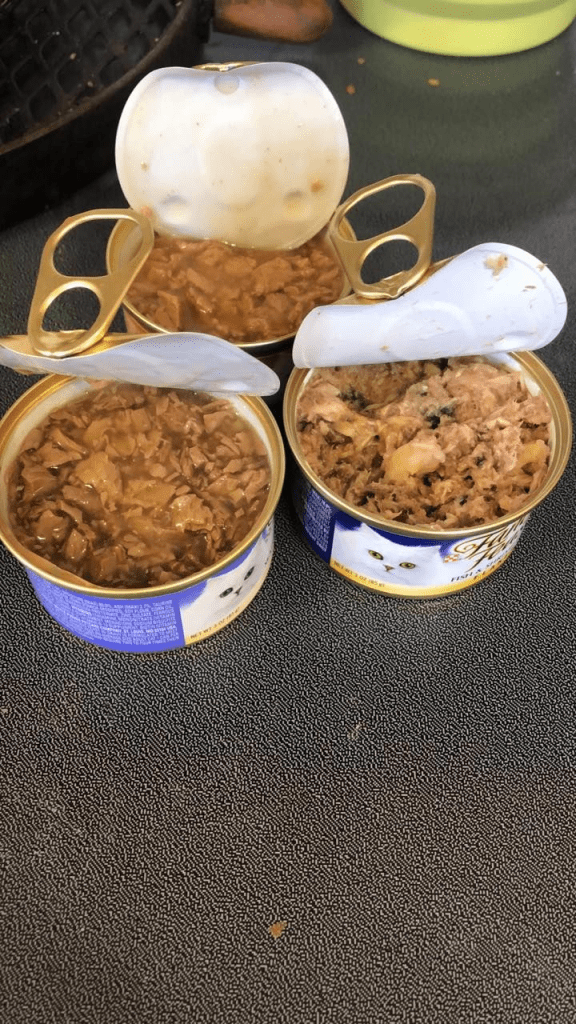
Wet kitten food is a popular choice because it provides moisture along with essential nutrients.
The soft texture can be easier for young kittens to eat, and the added water content can support hydration.
Benefits:
- Helps increase fluid intake
- Easy to chew
- Often highly appealing to kittens
5. Eggs (Cooked)
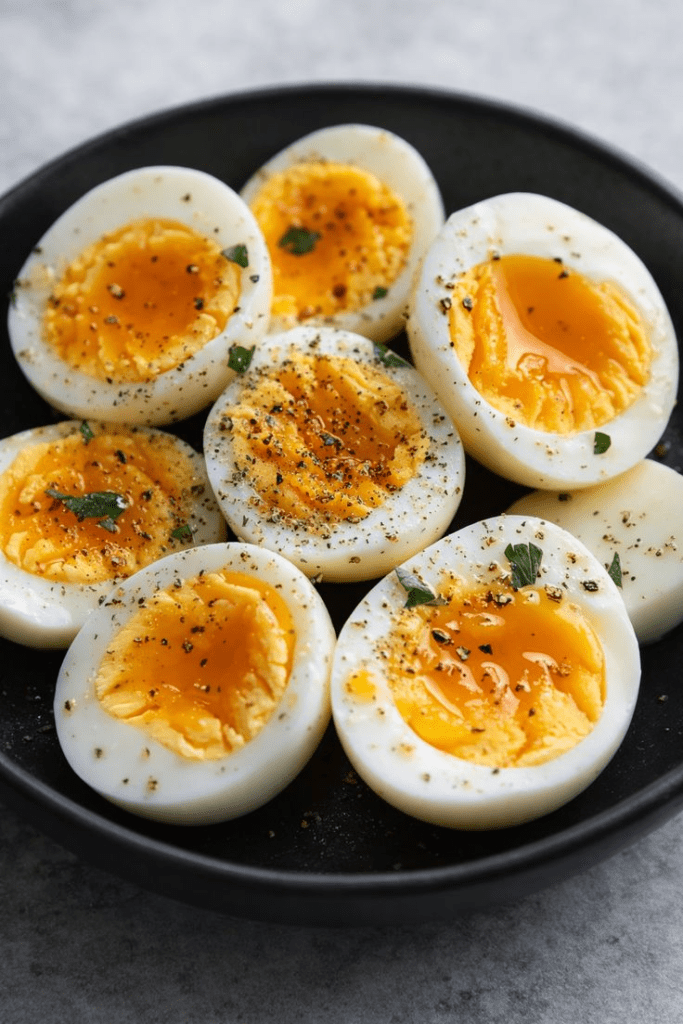
Fully cooked eggs can be an occasional protein-rich treat for kittens.
Eggs should always be cooked before serving and given in small amounts. Avoid adding butter, salt, or seasonings.
6. Pumpkin (In Small Amounts)
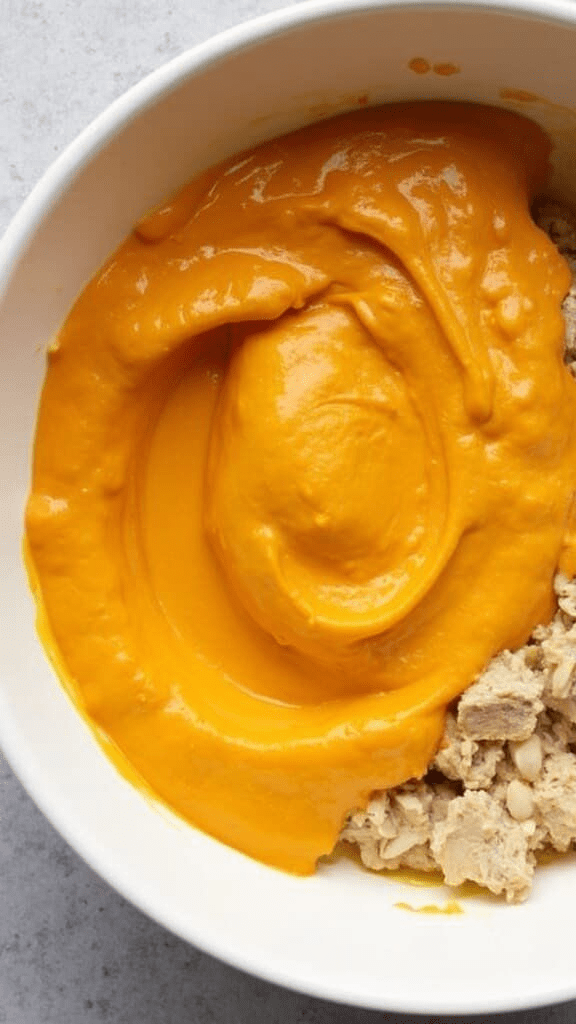
Plain pumpkin can sometimes be included as a small dietary addition for cats.
It contains fiber and may support healthy digestion when offered appropriately. Always use plain pumpkin without added sugar or spices.
7. High-Protein Treats for Kittens
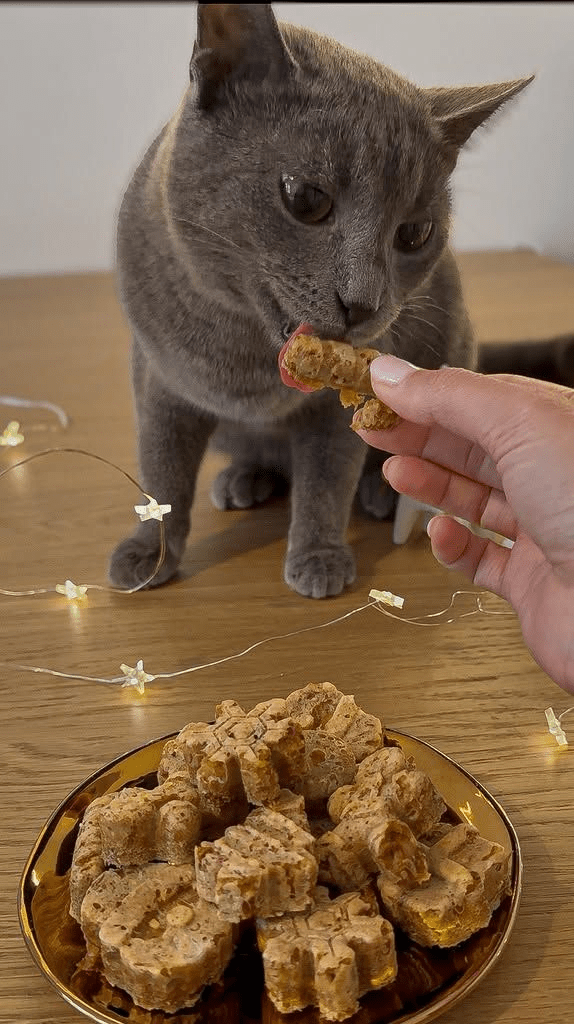
Kitten-specific treats can be used as rewards during training or bonding.
Choose treats designed for kittens and give them in moderation so they do not replace balanced meals.
Good habits:
- Keep treats small
- Follow package recommendations
- Use alongside proper nutrition
8. Fresh Clean Water
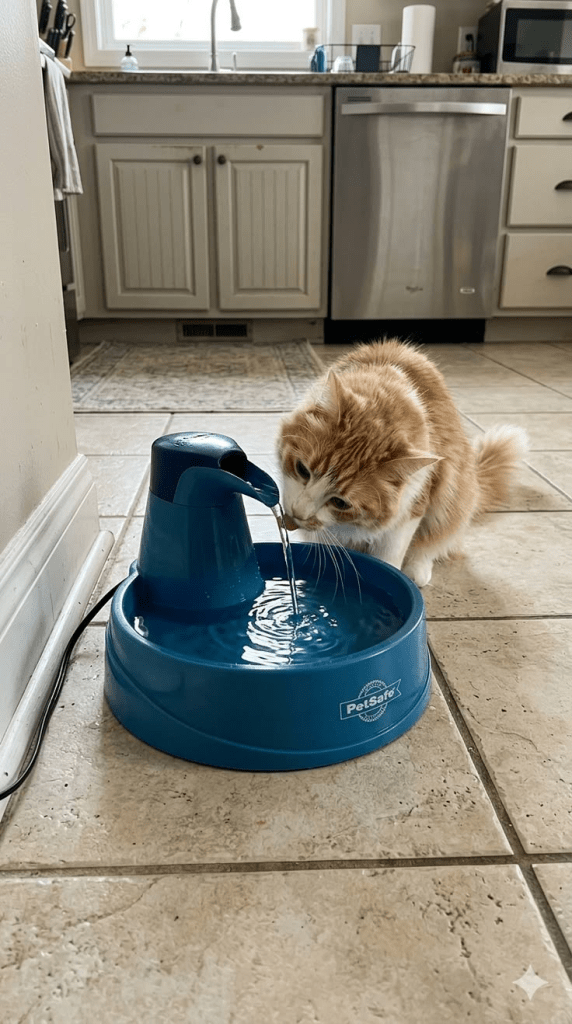
Although not a food, fresh water is one of the most important parts of a kitten’s daily care.
Keeping clean water available supports hydration and overall health. Some kittens also enjoy drinking from pet fountains because moving water can encourage interest.
Summary
Growing kittens need a nutrient-rich diet that supports their rapid development and active lifestyle. High-quality kitten food should be the foundation, while safe additions like plain cooked chicken, occasional treats, and proper hydration can complement their meals. Providing balanced nutrition from an early age helps kittens grow into healthy, energetic adult cats.
Frequently Asked Questions
What is the best food for a growing kitten?
A high-quality kitten food specifically formulated for growth is usually the best foundation because it provides balanced nutrition.
How often should kittens eat?
Young kittens typically need multiple small meals each day, depending on their age and veterinarian recommendations.
Can kittens eat adult cat food?
Adult cat food does not provide the same nutritional levels kittens need for growth, so kitten-specific food is generally recommended.
Can kittens eat human food?
Some plain cooked foods may be safe in small amounts, but a kitten’s main diet should come from balanced cat nutrition.
Do kittens need more protein than adult cats?
Yes. Growing kittens have higher nutritional needs, including increased protein and energy requirements.
Should kittens drink milk?
Many kittens cannot properly digest regular cow’s milk. Fresh water and proper kitten food are better choices.
How do I know if my kitten is eating enough?
Healthy kittens usually show steady growth, active behavior, and good energy levels. A veterinarian can help monitor development.
When should kittens switch to adult cat food?
Most cats transition to adult food around one year of age, but timing can vary depending on breed, size, and health needs.