Keeping exotic fish can be a rewarding hobby that brings beauty, relaxation, and a touch of nature into your home. A vibrant aquarium is not only about choosing colorful fish but also about creating a healthy environment where they can thrive. Exotic fish often have specific needs related to water quality, tank setup, diet, and daily care, so understanding the basics is essential for beginners and experienced aquarium owners alike.
A well-maintained fish tank requires consistent attention, but caring for your aquatic pets does not have to be complicated. With the right routine and a little knowledge, you can create a clean, comfortable habitat that keeps your fish active and healthy. From maintaining proper water conditions to providing the right nutrition and enrichment, these simple exotic fish care tips will help you build a beautiful and balanced aquarium.
1. Choose the Right Tank Size
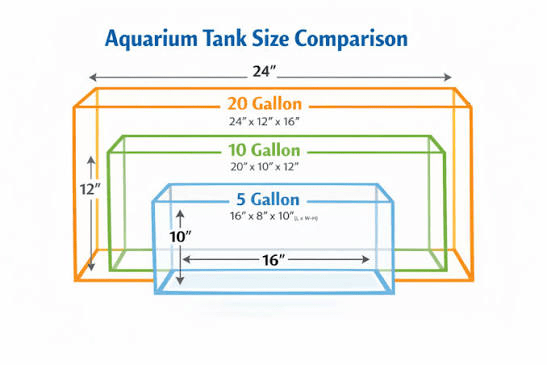
Selecting the correct aquarium size is one of the most important steps in exotic fish care.
Different fish species have different space requirements, and a tank that is too small can create stress and poor water conditions. Research the adult size, swimming habits, and compatibility of your fish before choosing a tank.
A properly sized aquarium gives fish enough room to move, reduces waste buildup, and makes maintaining stable water conditions easier. A larger tank is often more forgiving for beginners because water parameters tend to change more slowly.
Helpful tips:
- Research fish needs before buying
- Avoid overcrowding the tank
- Consider future growth of your fish
2. Maintain Clean and Balanced Water
Healthy water quality is the foundation of a thriving aquarium.
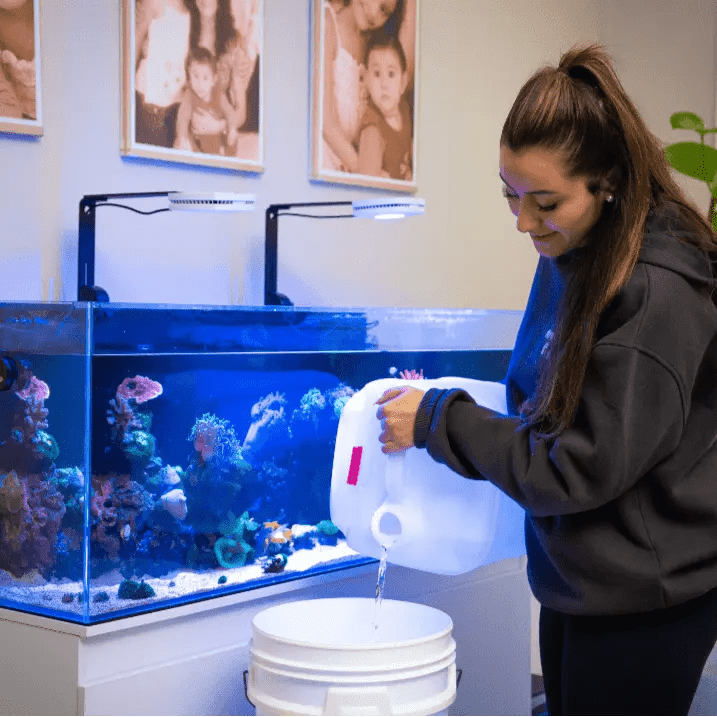
Regularly test important water conditions such as temperature, pH, ammonia, nitrite, and nitrate levels. Sudden changes can stress exotic fish, so keeping conditions stable is more important than making frequent adjustments.
Perform regular partial water changes and remove leftover food or waste to keep the environment clean. A good filtration system also helps remove harmful substances and supports beneficial bacteria.
Remember:
- Check water regularly
- Use a quality filter
- Avoid replacing all tank water at once
3. Provide Proper Filtration
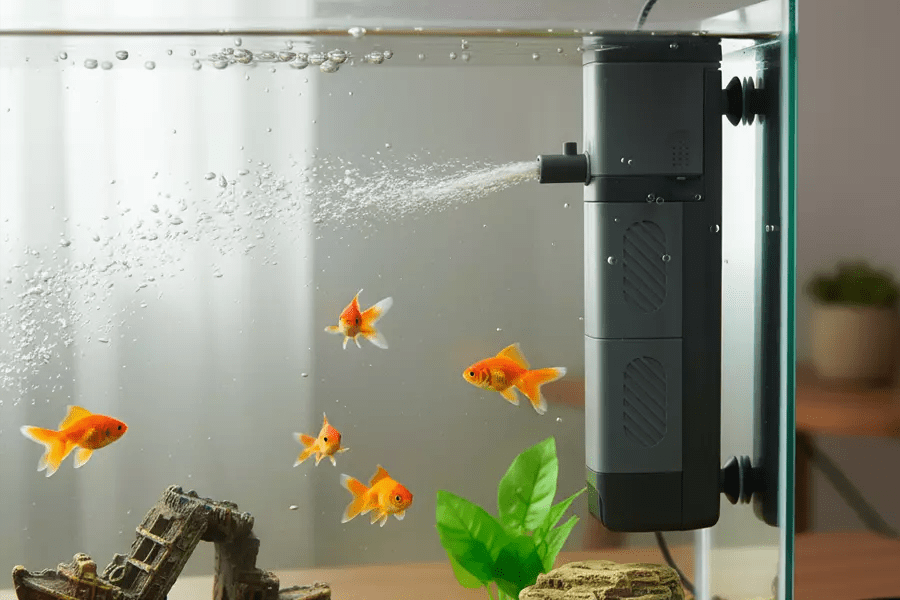
A reliable filtration system helps maintain a healthy aquatic environment.
Filters remove debris, improve water circulation, and support the beneficial bacteria needed for a balanced aquarium ecosystem. The right filter depends on your tank size, fish type, and waste production.
Clean filter parts according to the manufacturer’s instructions, but avoid over-cleaning biological filter materials because they contain helpful bacteria.
Benefits of good filtration:
- Cleaner water
- Better oxygen circulation
- Healthier fish environment
4. Feed a Balanced Diet
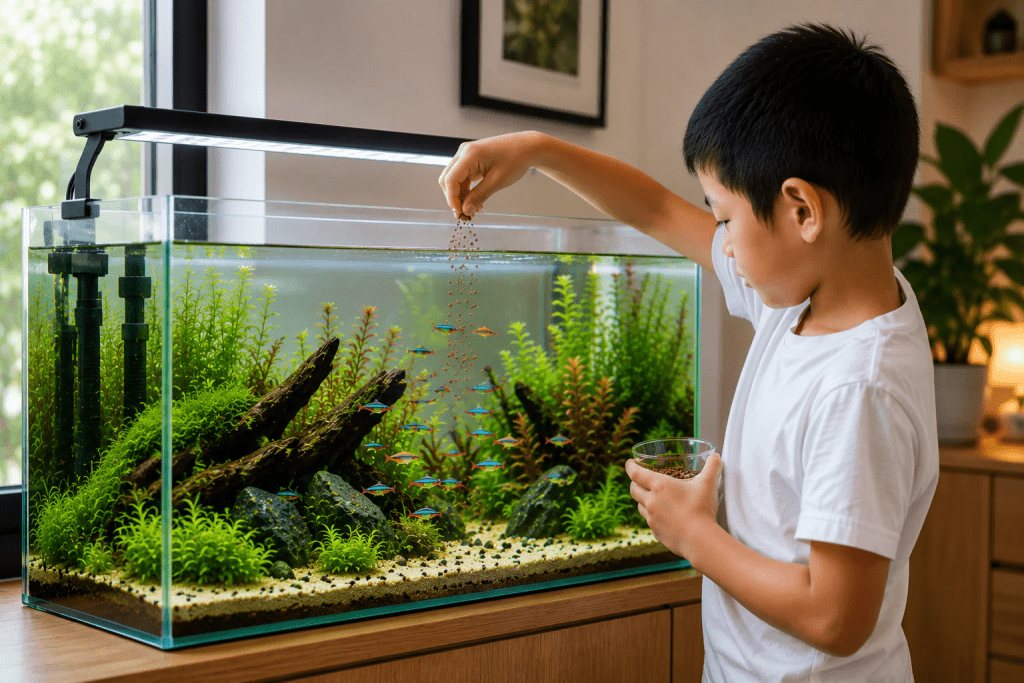
Proper nutrition plays a major role in keeping exotic fish colorful and active.
Different fish species require different foods, including flakes, pellets, frozen foods, or live foods. Choose high-quality food designed for your specific fish and avoid overfeeding.
Too much food can lead to water problems and health issues. Feed small portions that your fish can consume within a few minutes.
Feeding tips:
- Follow species-specific diets
- Remove uneaten food
- Keep a consistent feeding schedule
5. Create a Comfortable Tank Environment
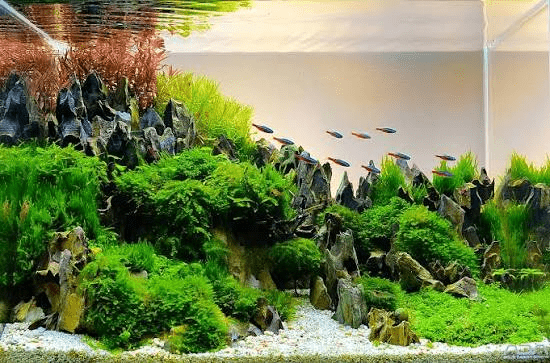
A natural-looking aquarium helps fish feel secure and reduces stress.
Add appropriate decorations such as plants, rocks, caves, or driftwood depending on your fish species. These features provide hiding spaces, encourage natural behaviors, and make your tank visually appealing.
Avoid sharp decorations that could injure fish and choose aquarium-safe materials.
Consider adding:
- Live or artificial plants
- Hiding areas
- Open swimming spaces
6. Keep the Right Temperature and Lighting
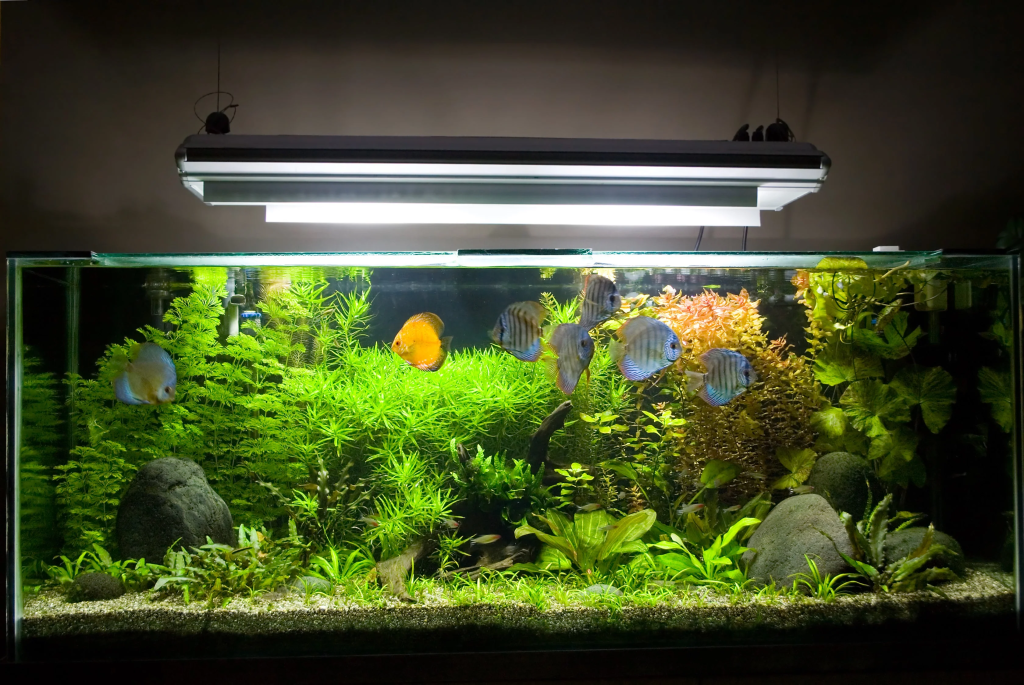
Exotic fish often require specific temperature ranges and lighting conditions.
Use a reliable aquarium thermometer and heater when needed to maintain stable temperatures. Proper lighting helps showcase fish colors and supports healthy plant growth in planted tanks.
Avoid leaving aquarium lights on for too many hours, as excessive lighting can encourage algae growth.
Good practices:
- Maintain consistent temperatures
- Use suitable aquarium lights
- Create a regular day-and-night schedule
7. Monitor Fish Health Regularly
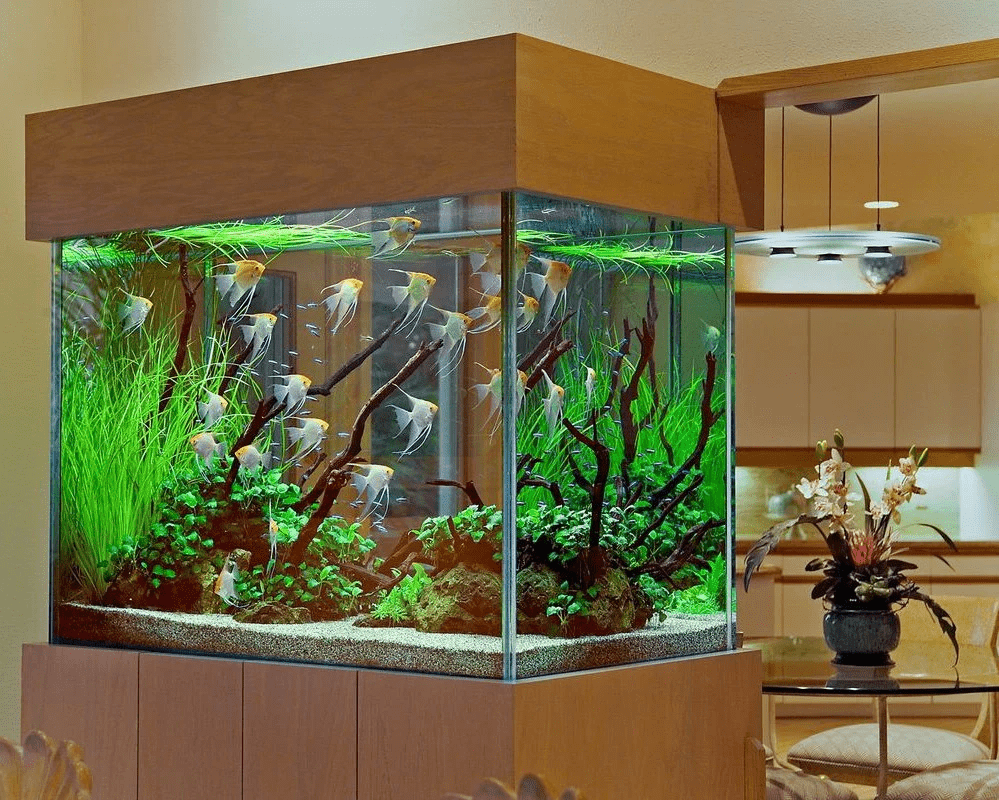
Observing your fish daily helps you notice potential problems early.
Healthy fish are usually active, have good appetite, and display normal swimming behavior. Signs like unusual hiding, faded colors, damaged fins, or reduced eating may indicate stress or illness.
Early attention can help prevent problems from becoming more serious.
Watch for:
- Changes in behavior
- Physical changes
- Appetite changes
8. Avoid Overstocking the Aquarium
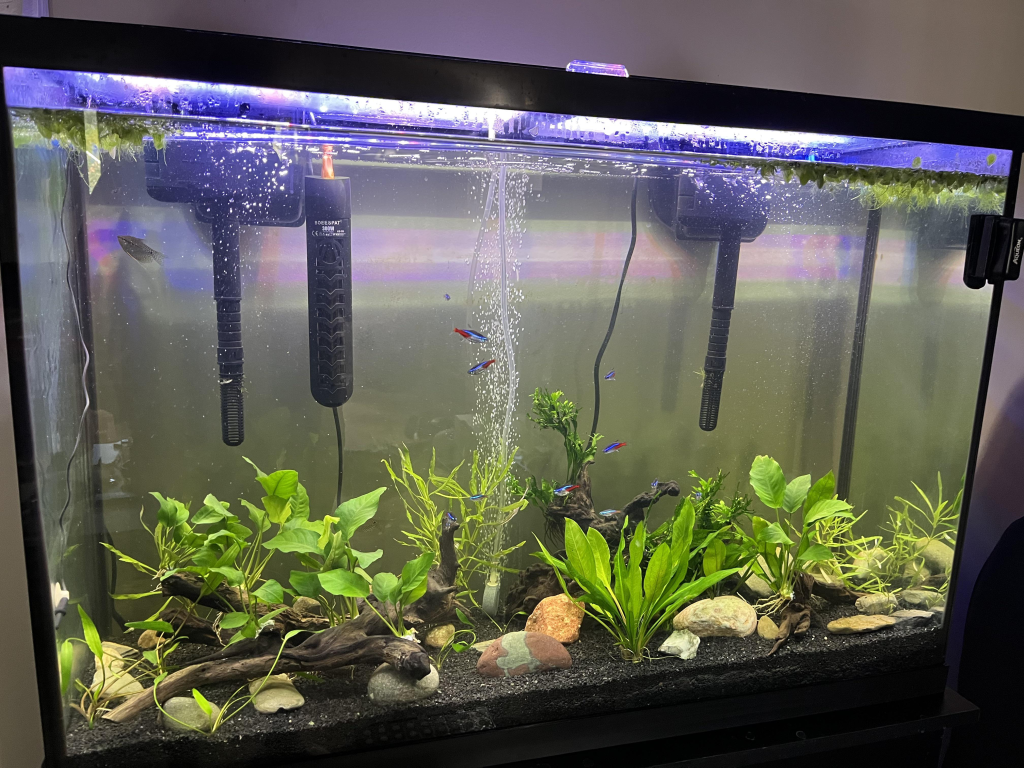
Adding too many fish can quickly create an unhealthy environment.
Every fish produces waste, and too many fish can overwhelm the filtration system and reduce water quality. Research compatibility and stocking needs before adding new species.
A balanced aquarium with fewer healthy fish is often more enjoyable than an overcrowded tank.
Stocking tips:
- Add fish gradually
- Research species compatibility
- Consider adult fish size
Summary
Caring for exotic fish becomes easier when you focus on creating a stable, healthy environment. Choosing the right tank size, maintaining clean water, providing proper nutrition, and monitoring fish health are key steps to keeping a vibrant aquarium. With consistent care and attention, your exotic fish can thrive while your tank becomes a beautiful and relaxing feature in your home.
Frequently Asked Questions
How often should I clean my exotic fish tank?
Most aquariums benefit from regular maintenance, including partial water changes and cleaning based on water quality and tank conditions.
What is the most important part of fish care?
Maintaining stable water quality is one of the most important factors for keeping fish healthy.
How often should I feed exotic fish?
Most fish do well with small meals once or twice daily, depending on their species and dietary needs.
Can beginners keep exotic fish?
Yes. Beginners can successfully keep exotic fish by researching their needs and maintaining proper tank conditions.
How do I know if my fish are healthy?
Healthy fish usually have active behavior, good appetite, bright colors, and normal swimming patterns.
Do exotic fish need live plants?
Not all fish require live plants, but plants can provide shelter, improve appearance, and support a more natural environment.
How many fish can I keep in one tank?
The number depends on tank size, fish species, adult size, and filtration capacity.
Why are my fish losing color?
Color changes can happen due to stress, poor water conditions, unsuitable diet, illness, or environmental changes.