
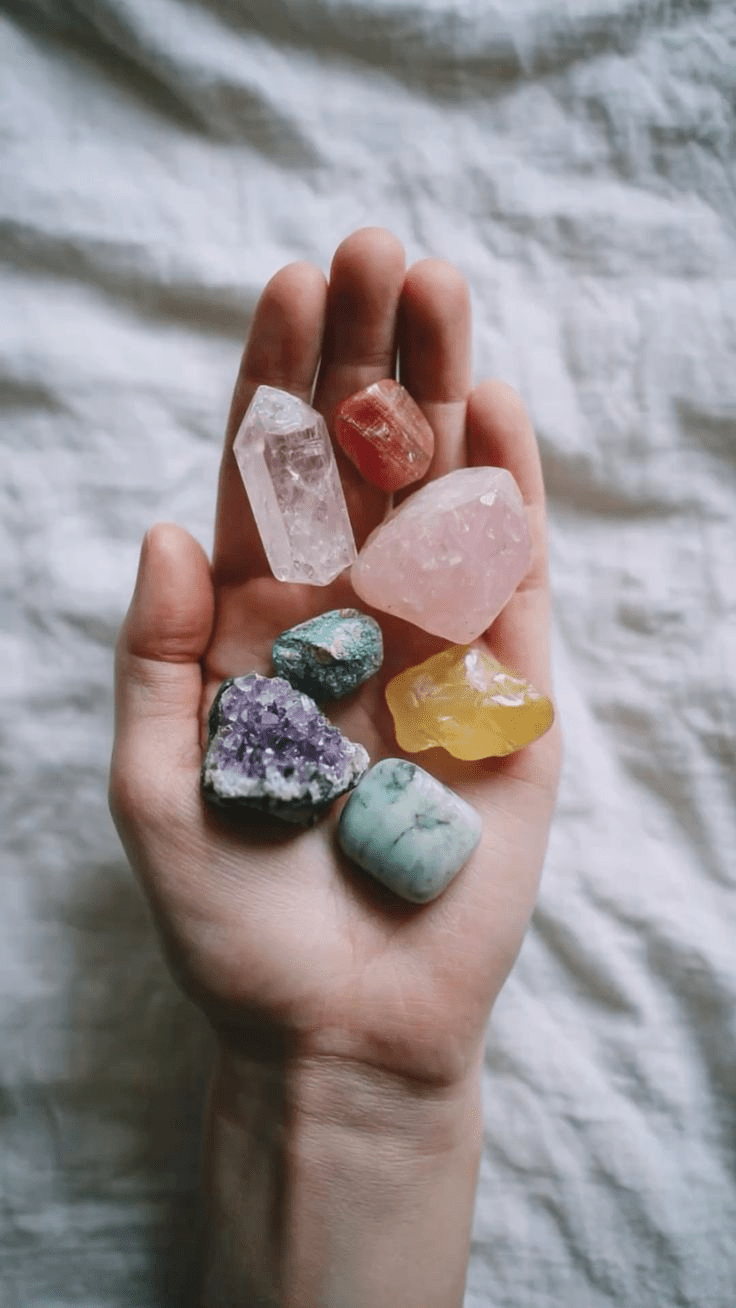
Healing stones have been used for centuries in various cultures as symbols of mindfulness, spiritual reflection, and personal intention. Today, many people choose crystals and gemstones as meaningful tools for meditation, self-care, or simply as beautiful reminders of their goals and values. While there is no scientific evidence that healing stones provide medical or therapeutic benefits, many individuals enjoy incorporating them into their wellness routines because of the symbolism and positive habits they inspire.
With hundreds of crystals available, choosing your first healing stone can feel overwhelming. Instead of focusing on trends alone, it’s helpful to consider your personal preferences, intentions, and how you plan to use the stone. Whether you’re interested in meditation, mindfulness, home décor, or carrying a meaningful keepsake, these eight smart tips will help you choose a healing stone that feels right for your personal journey.
1. Start with Your Intention

Before selecting a stone, think about why you want one.
Some people choose crystals as reminders to stay calm, build confidence, practice gratitude, or focus on personal growth. Having a clear intention makes it easier to select a stone with symbolism that resonates with you.
2. Learn the Traditional Meanings
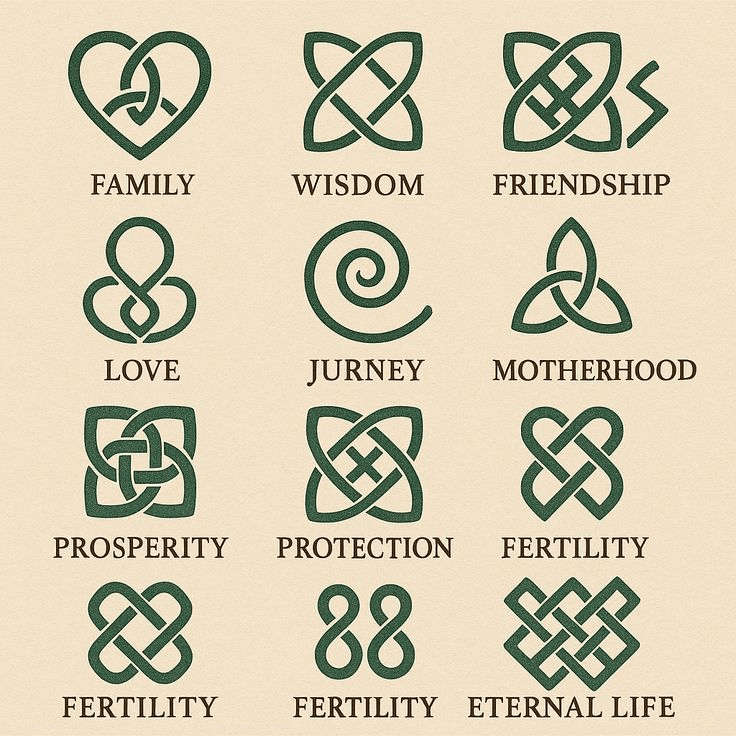
Each crystal is traditionally associated with different qualities in various spiritual practices.
For example, amethyst is often linked with calmness, rose quartz with compassion, citrine with optimism, and black tourmaline with grounding. Learning these traditional meanings can help you find a stone that aligns with your interests.
3. Choose a Stone You Feel Drawn To
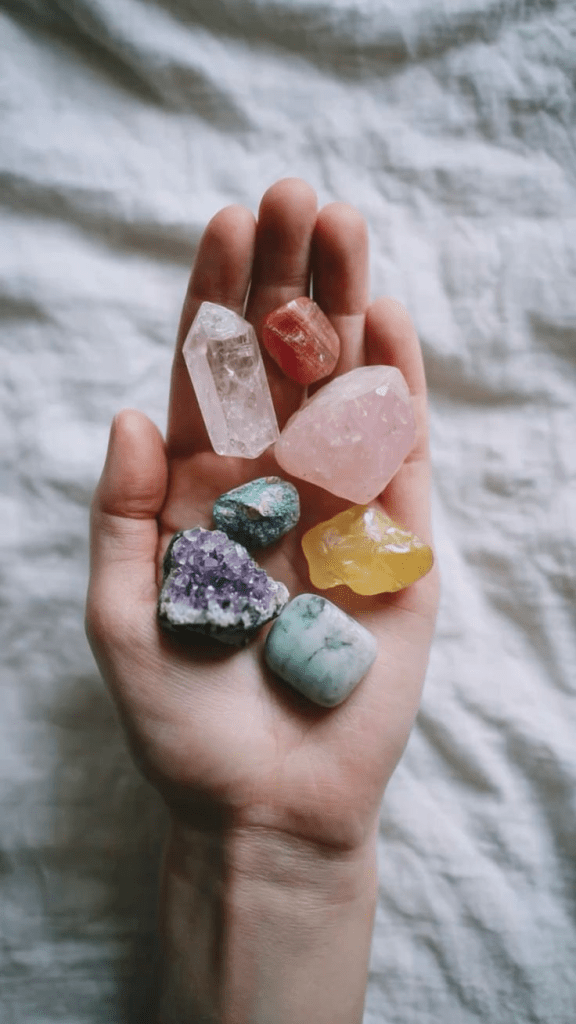
Sometimes a particular crystal simply stands out because of its color, shape, or appearance.
Many people choose stones they naturally feel connected to, believing that personal preference is an important part of creating a meaningful experience.
4. Consider How You’ll Use It
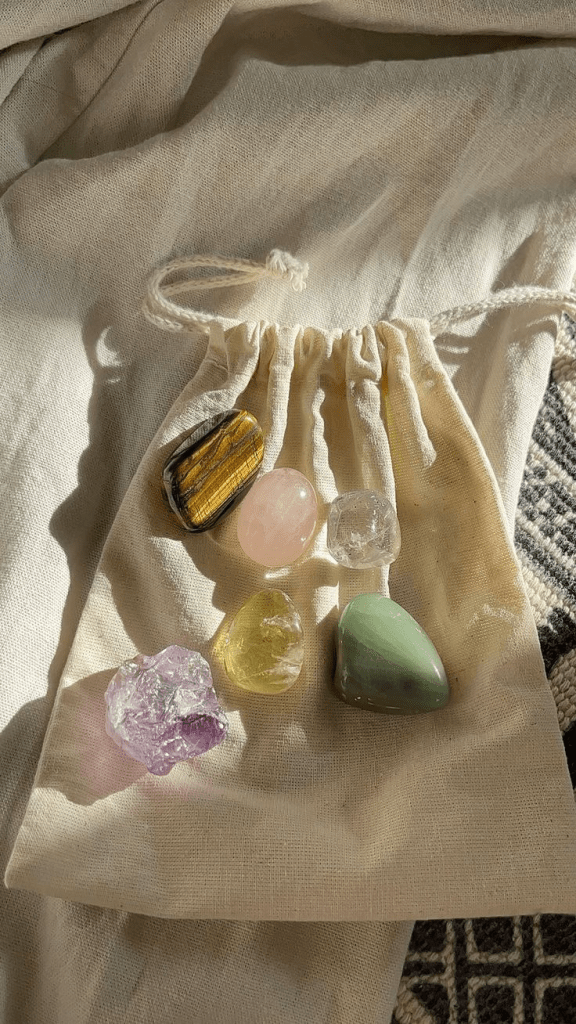
Think about where and how you plan to use your crystal.
Small stones are convenient for carrying in a pocket or bag, while larger pieces may be better suited for home décor, meditation spaces, or office desks.
5. Focus on Quality, Not Quantity
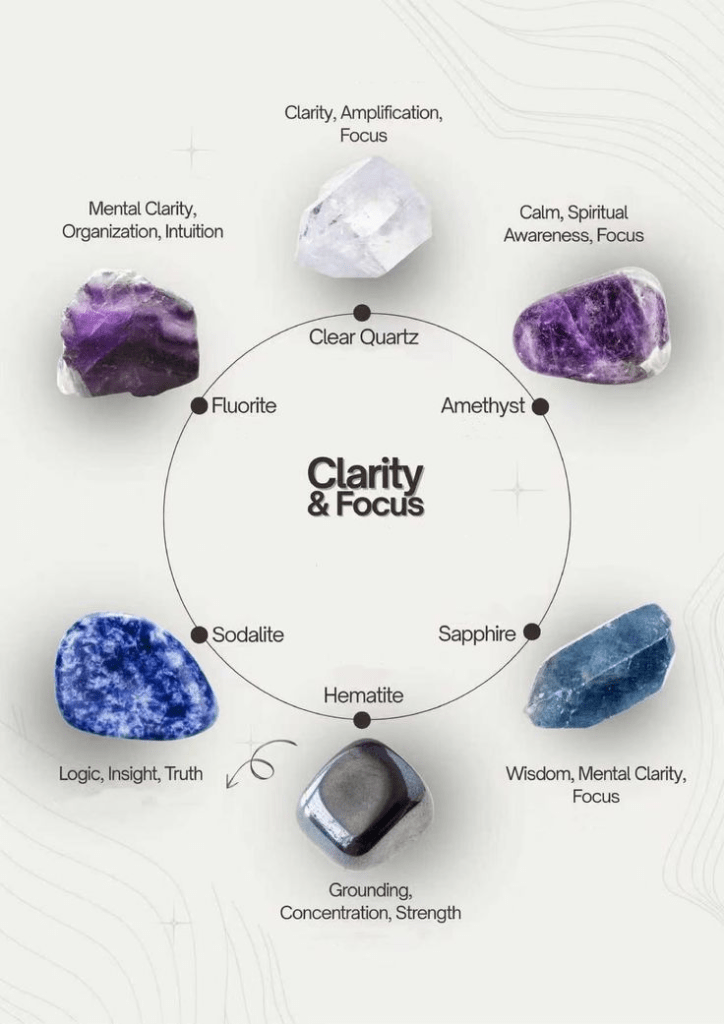
You don’t need a large crystal collection to begin.
Choosing one or two well-crafted, genuine stones that have personal meaning is often more enjoyable than purchasing many crystals simply because they are popular.
6. Buy from Trusted Sellers
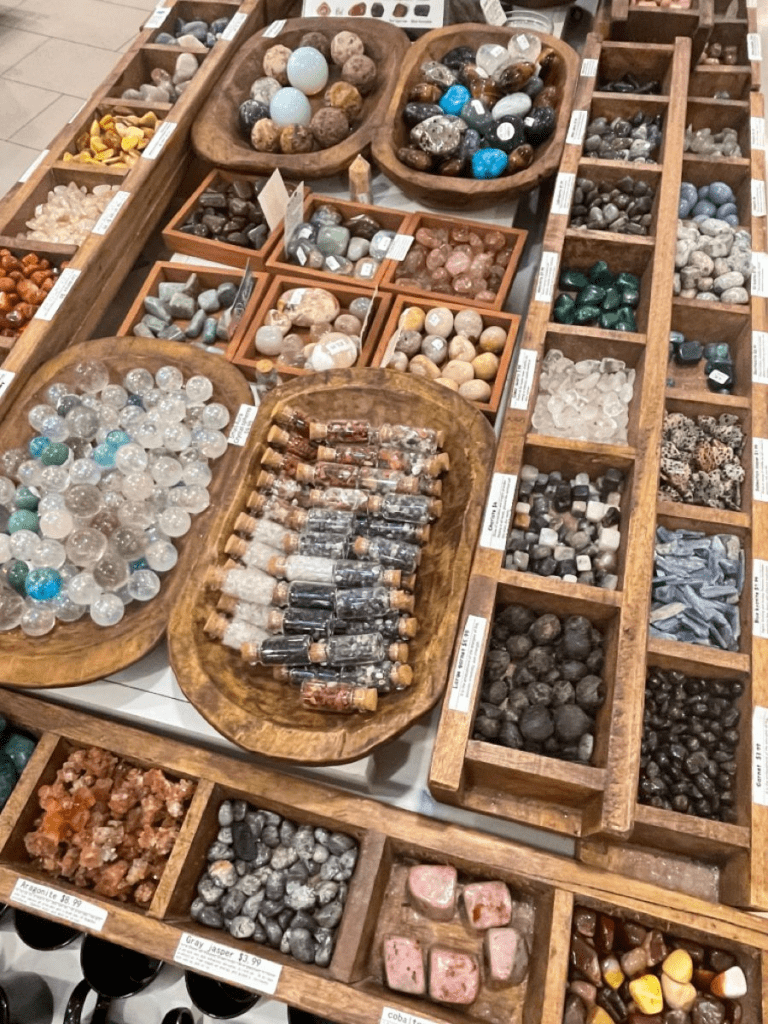
Purchase crystals from reputable shops or sellers that clearly describe their products.
Reliable sellers often provide information about the stone’s origin, care instructions, and whether it is natural or treated, helping you make an informed purchase.
7. Create a Personal Mindfulness Routine
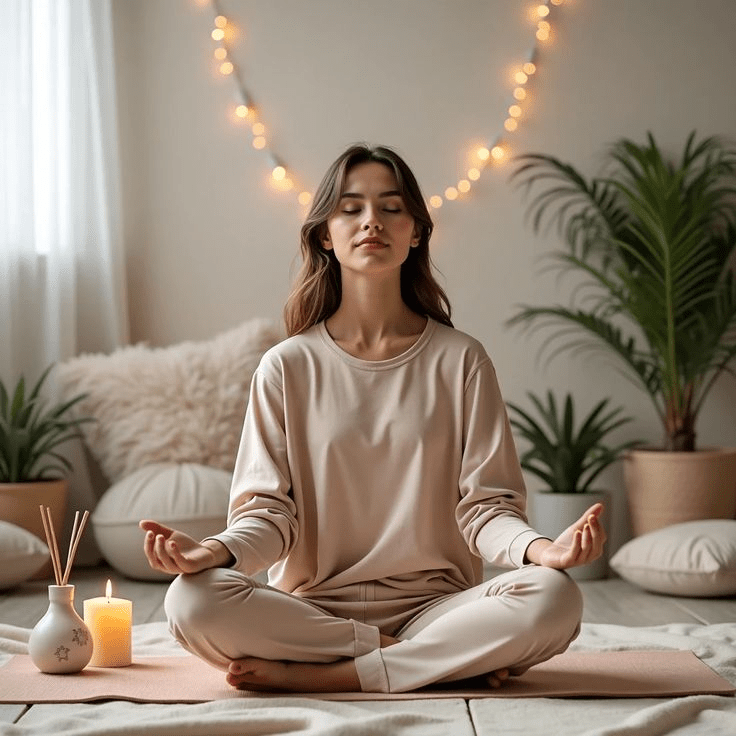
A healing stone can become part of a daily wellness practice.
Some people hold a crystal during meditation, place it on a desk as a reminder of their goals, or keep it in a quiet space where they reflect, journal, or practice gratitude.
8. Let Your Collection Grow Naturally
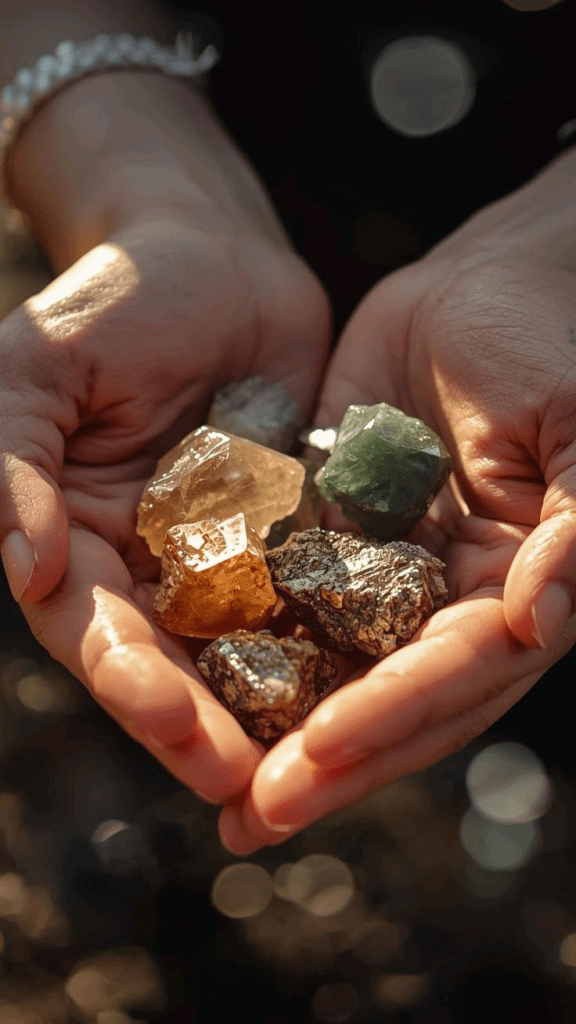
There’s no need to rush into collecting many crystals.
As your interests evolve, you may naturally discover new stones that reflect different life experiences, goals, or personal milestones. Building a collection gradually makes each crystal feel more meaningful.
Summary
Choosing a healing stone is a personal experience that often reflects your interests, intentions, and mindfulness practices. By focusing on your goals, learning traditional crystal meanings, selecting stones you’re naturally drawn to, buying from trusted sources, and incorporating them into thoughtful daily routines, you can create a meaningful collection that supports your personal reflection. While healing stones are not a substitute for medical care, many people appreciate them as beautiful symbols of positivity, intention, and self-awareness throughout 2026.
FAQ
1. How do I choose my first healing stone?
Start by thinking about your personal intention, such as relaxation, confidence, gratitude, or mindfulness, and choose a stone whose traditional symbolism resonates with you.
2. Do healing stones have scientifically proven healing powers?
No. There is no scientific evidence that crystals provide medical healing, but many people value them for their symbolic meaning and role in mindfulness or spiritual practices.
3. Which crystal is best for beginners?
Amethyst, rose quartz, clear quartz, and citrine are commonly recommended because they are widely available and easy to learn about.
4. Can I carry a healing stone every day?
Yes. Many people carry small crystals in a pocket, purse, or wear them as jewelry as personal reminders of their intentions.
5. Should I buy expensive crystals?
Not necessarily. A meaningful crystal does not need to be expensive. Focus on quality, authenticity, and personal connection rather than price.
6. Can I own more than one healing stone?
Absolutely. Many people gradually build collections based on different interests, life goals, or decorative preferences.