Personal growth is not always loud or dramatic. More often, becoming your best self happens through small, consistent changes that gradually shape your mindset, habits, and relationships. You may not notice the transformation immediately, but over time, the way you think, respond, and approach life begins to reflect a healthier, wiser version of yourself. Becoming your best self doesn’t mean achieving perfection—it means making progress toward living in alignment with your values, goals, and authentic identity. Every positive choice, every lesson learned from failure, and every step outside your comfort zone contributes to your personal evolution.
The journey of self-improvement is unique for everyone. Some people grow through overcoming challenges, while others discover themselves through new experiences, meaningful relationships, or moments of quiet reflection. Along the way, you may notice subtle signs that you’re becoming more confident, emotionally resilient, and self-aware. These signs are reminders that your efforts are paying off, even if success doesn’t always feel immediate. By recognizing these milestones, you can celebrate your progress, stay motivated, and continue building a life filled with purpose, balance, and fulfillment.
Signs You’re Becoming Your Best Self
- You embrace change instead of fearing it.
- You prioritize your mental and emotional well-being.
- You stop comparing yourself to others.
- You set healthy boundaries.
- You learn from mistakes.
- You practice gratitude daily.
- You become more self-aware.
- You choose growth over comfort.
- You surround yourself with positive influences.
- You live with purpose and intention.
1. You Embrace Change Instead of Resisting It

One of the clearest signs of personal growth is your willingness to accept change. Instead of fearing the unknown, you begin to see change as an opportunity to learn, improve, and discover new possibilities. Whether it’s changing careers, ending unhealthy relationships, or developing new habits, you become more adaptable and resilient when facing life’s transitions.
Embracing change also means trusting that every experience has something valuable to teach you. Rather than staying stuck in your comfort zone, you become open to new perspectives and experiences. This mindset helps you overcome obstacles with confidence and prepares you for future opportunities that align with your goals and values.
2. You Prioritize Your Mental and Emotional Well-Being
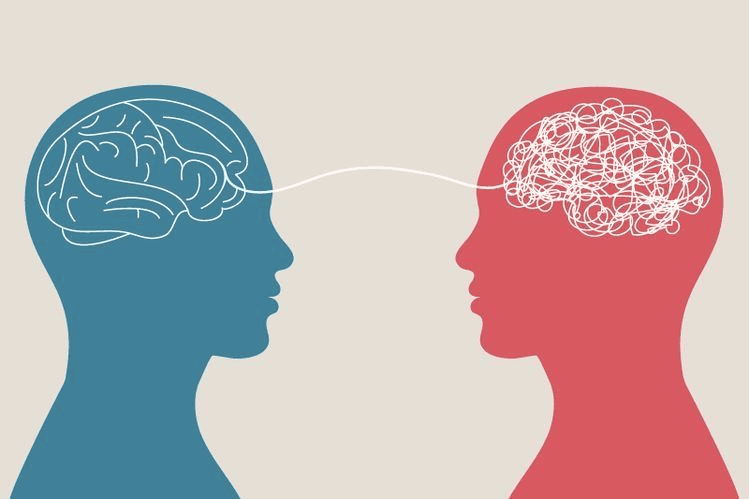
As you become your best self, you recognize that your mental and emotional health deserves attention just as much as your physical health. You begin making time for activities that reduce stress, improve your mood, and help you recharge. This might include meditation, journaling, exercise, therapy, or simply taking breaks when needed.
You also become more aware of your emotional needs and learn healthier ways to cope with challenges. Instead of ignoring your feelings or pushing yourself to exhaustion, you practice self-care without guilt. This balanced approach improves your overall quality of life and allows you to show up more fully in your personal and professional relationships.
3. You Stop Comparing Yourself to Others

Comparison often steals joy and distracts you from your own journey. A powerful sign of growth is realizing that everyone’s path is different. Instead of measuring your success against someone else’s achievements, you focus on your own progress and celebrate your unique strengths.
You begin appreciating your accomplishments, no matter how small they may seem. By shifting your attention inward, you build confidence and reduce unnecessary stress. This healthier mindset allows you to pursue goals that genuinely matter to you rather than trying to meet society’s expectations.
4. You Set Healthy Boundaries
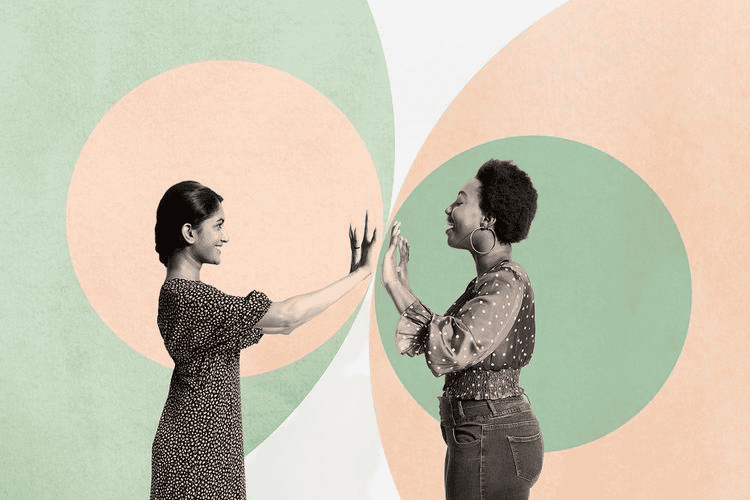
Healthy boundaries are essential for protecting your time, energy, and emotional well-being. As you grow, you become more comfortable saying “no” to situations, commitments, or relationships that don’t align with your values or priorities.
Setting boundaries isn’t about being selfish it’s about respecting yourself while maintaining healthy relationships. You communicate your needs more clearly and understand that protecting your peace allows you to be more present and supportive for the people who truly matter.
5. You Learn from Your Mistakes
Mistakes become opportunities for learning instead of reasons for self-criticism. Rather than dwelling on failure, you reflect on what happened, identify valuable lessons, and use those insights to improve future decisions.
This growth mindset builds resilience because you understand that setbacks are a natural part of success. Every challenge strengthens your character and helps you develop the wisdom needed to navigate future obstacles with greater confidence.
6. You Practice Gratitude Every Day
Gratitude changes the way you experience life. Instead of focusing on what’s missing, you become more aware of the blessings, opportunities, and relationships already present. Even during difficult times, you find reasons to appreciate small moments of joy and progress.
Daily gratitude also improves emotional resilience and encourages a more optimistic outlook. Whether through journaling or quiet reflection, expressing thankfulness helps you remain grounded and connected to what truly matters.
7. You Become More Self-Aware

Self-awareness allows you to better understand your emotions, strengths, weaknesses, and behavioral patterns. You begin recognizing what motivates you, what triggers stress, and how your actions affect others.
This deeper understanding leads to wiser decisions and healthier relationships. Instead of reacting impulsively, you respond thoughtfully and intentionally. Increased self-awareness is one of the strongest indicators of lasting personal growth.
8. You Choose Growth Over Comfort
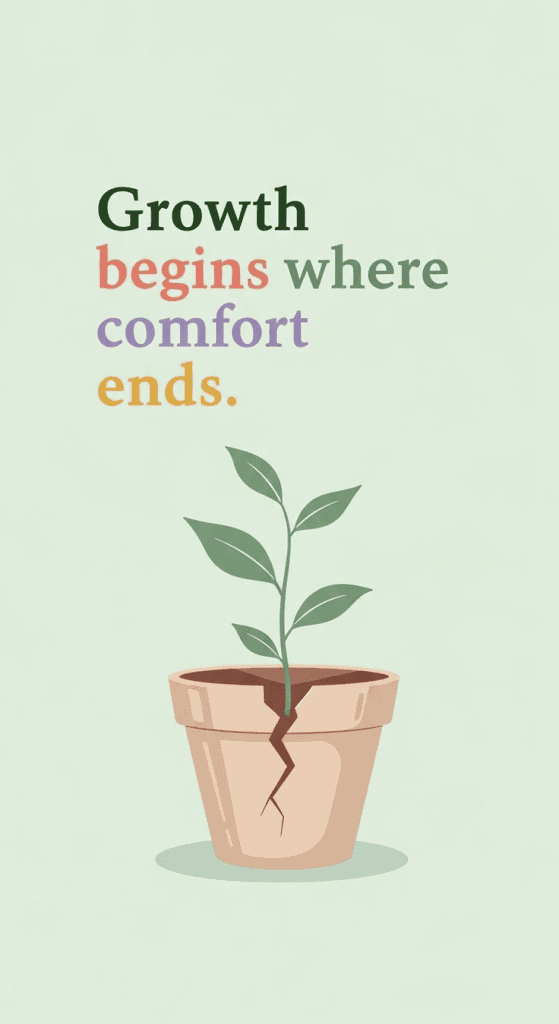
Growth often requires stepping into unfamiliar territory. Whether learning a new skill, pursuing a challenging opportunity, or facing fears, you become more willing to embrace temporary discomfort for long-term rewards.
Choosing growth means investing in yourself consistently. Every challenge you overcome expands your confidence and prepares you for even greater achievements in the future.
9. You Surround Yourself with Positive Influences
As your mindset evolves, you naturally seek relationships that encourage growth, respect, and mutual support. You spend more time with people who inspire you, celebrate your success, and encourage you to become your best self.
At the same time, you become more mindful about limiting exposure to negativity and toxic environments. Positive influences create a healthier atmosphere where you can continue learning, growing, and thriving.
10. You Live with Purpose and Intention

Perhaps the greatest sign of becoming your best self is living intentionally rather than simply going through the motions. Your daily choices begin aligning with your values, goals, and vision for the future.
Instead of reacting to life, you actively create the life you want. You focus on meaningful relationships, fulfilling work, personal growth, and experiences that bring lasting happiness. Living with purpose gives your journey direction and makes every step toward self-improvement more meaningful.
Summary
Becoming your best self is a lifelong journey built on consistent growth, self-awareness, and intentional choices. By embracing change, setting healthy boundaries, practicing gratitude, learning from mistakes, and surrounding yourself with positive influences, you create a stronger foundation for lasting happiness and fulfillment. Remember that personal growth isn’t about perfection—it’s about becoming a little better each day. Celebrate your progress, trust your journey, and continue investing in the person you’re becoming.
Frequently Asked Questions
1. What does becoming your best self mean?
It means continuously growing into a healthier, more authentic, and purpose-driven version of yourself.
2. How can I tell if I’m growing as a person?
Signs include greater self-awareness, emotional resilience, healthier relationships, and a willingness to learn from challenges.
3. Is personal growth a lifelong journey?
Yes. Personal development is ongoing and evolves through new experiences, goals, and life stages.
4. Why are healthy boundaries important?
They protect your mental and emotional well-being while helping you maintain balanced relationships.
5. Can gratitude improve personal growth?
Absolutely. Gratitude encourages a positive mindset and helps you focus on progress rather than limitations.
6. How do I become more self-aware?
Practice reflection through journaling, meditation, mindfulness, and seeking constructive feedback.
7. Why should I stop comparing myself to others?
Comparison often creates unnecessary stress and distracts you from your own unique path and achievements.
8. What role does resilience play in self-improvement?
Resilience helps you recover from setbacks, learn from failures, and continue pursuing your goals.
9. How can I live more intentionally?
Clarify your values, set meaningful goals, and make daily decisions that align with your long-term vision.
10. What’s the most important habit for becoming your best self?
Consistent self-reflection combined with small daily actions that support your physical, mental, emotional, and personal growth.