Colors have a powerful influence on human emotions, energy levels, and mental state. In 2026, understanding and applying color theory can help you create environments that support productivity, relaxation, and overall well-being. From home décor to personal attire, using colors intentionally allows you to harness their psychological and vibrational effects to enhance your daily life.
Incorporating color theory into your routine involves more than aesthetics—it’s about selecting colors that align with your goals, moods, and desired energy. Below are 8 smart tips to effectively use color theory for positive energy, emotional balance, and mood enhancement.
1. Understand Color Associations
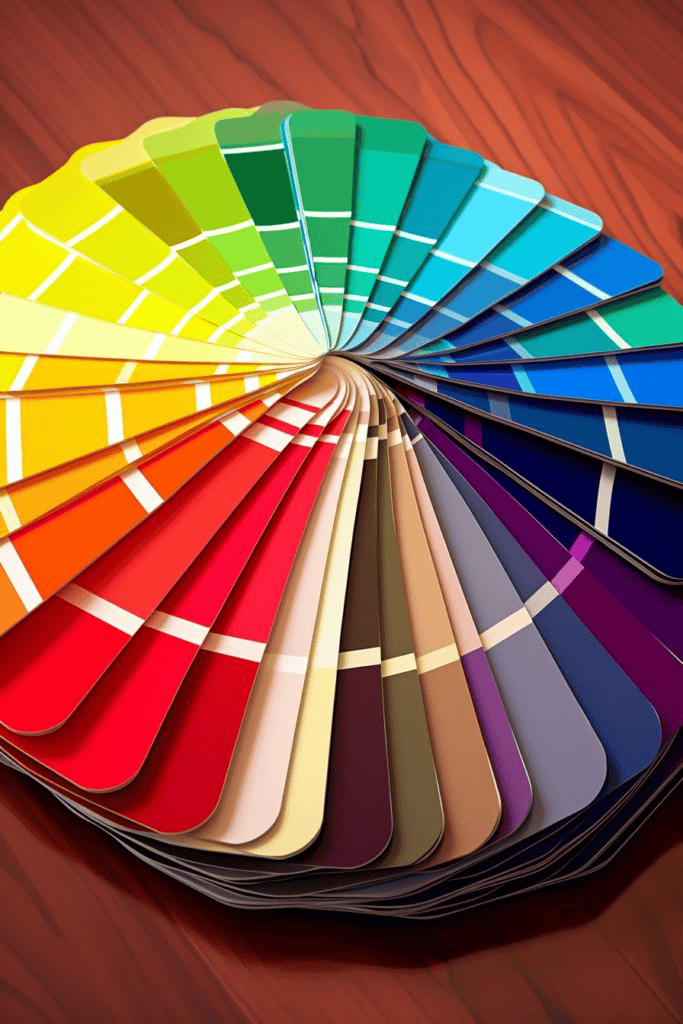
Each color carries specific psychological and emotional associations blue for calm, red for energy, yellow for happiness, and green for balance.
Knowing these associations allows you to intentionally choose colors in your surroundings, clothing, or accessories to influence mood and energy.
2. Use Colors to Enhance Focus
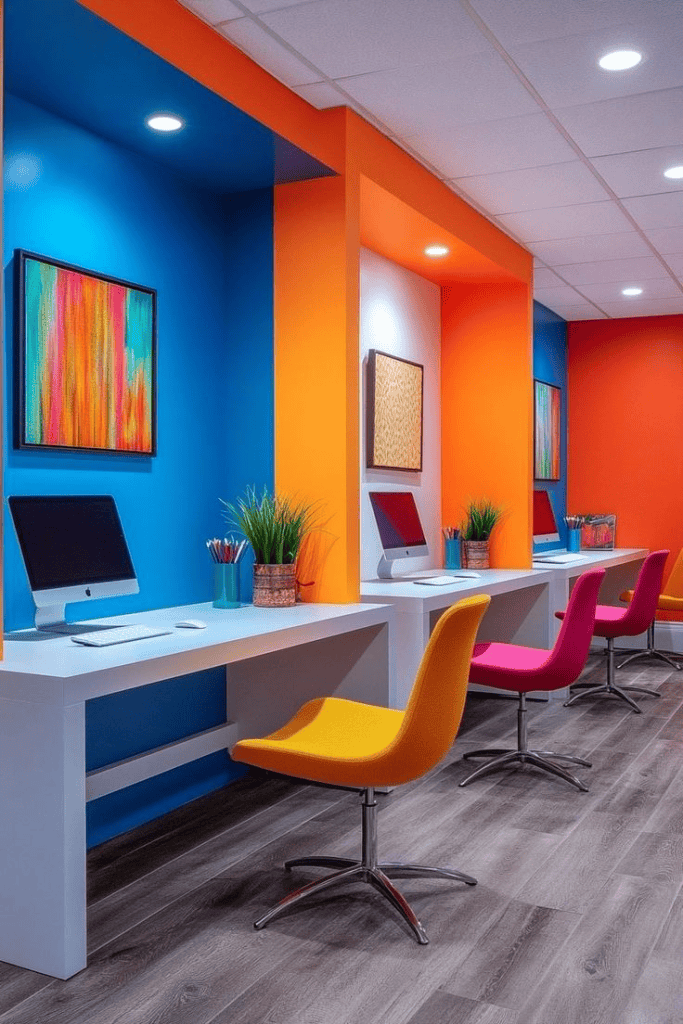
Cool tones like blue and green promote concentration and mental clarity, making them ideal for workspaces or study areas.
Incorporating these colors in office walls, desks, or décor can boost productivity and focus.
3. Energize with Warm Colors
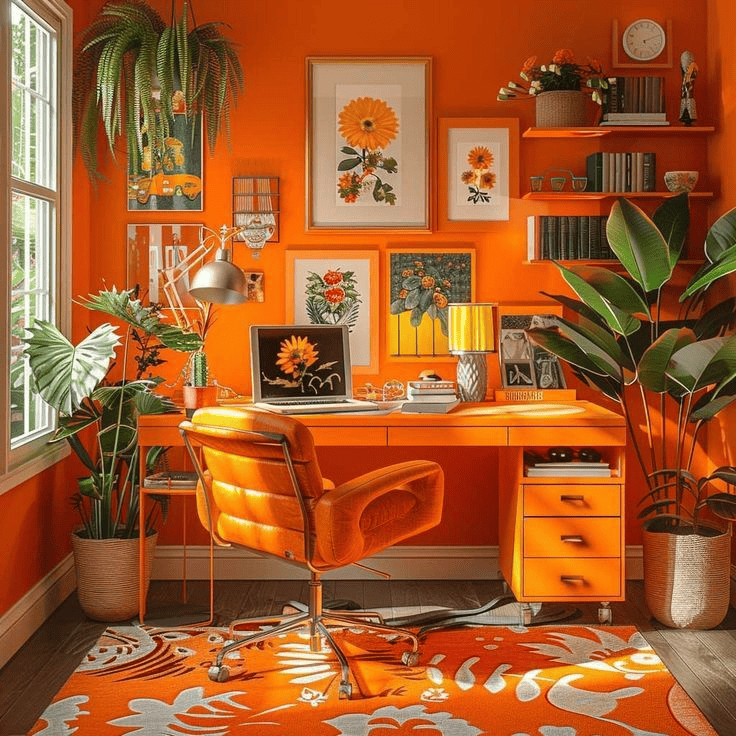
Warm colors like red, orange, and yellow stimulate energy and creativity. Use them in areas where motivation or active engagement is desired.
Careful placement of warm colors can create an uplifting environment without overwhelming the senses.
4. Balance with Neutral Tones
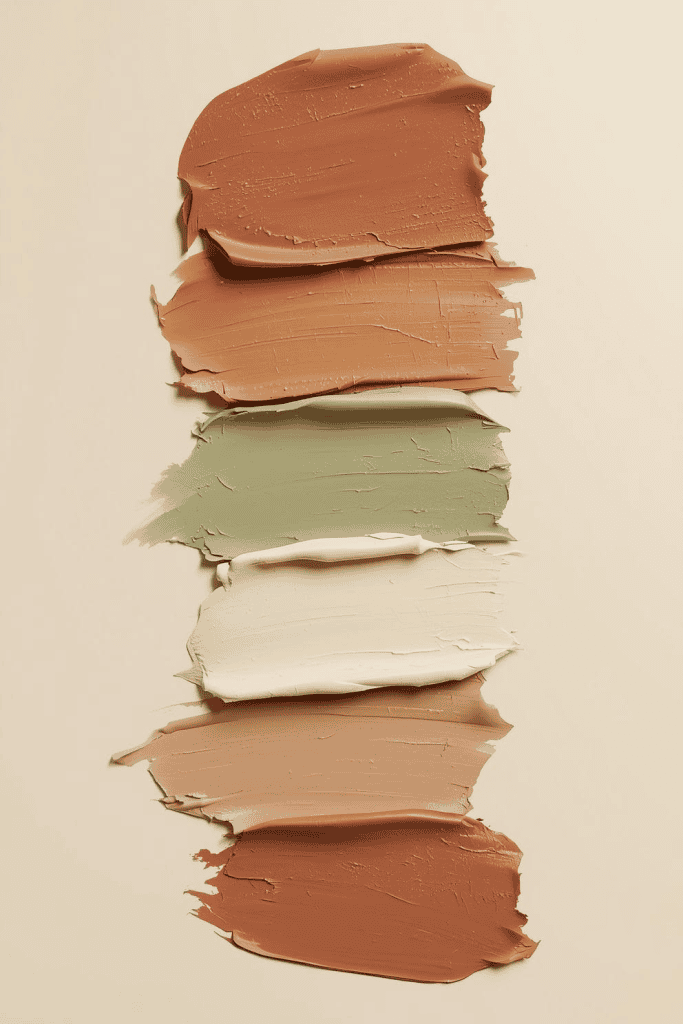
Neutral shades like white, beige, and gray provide grounding and balance. They complement vibrant colors while maintaining a calm and harmonious atmosphere.
Using neutrals prevents color overload and creates a stable background for emotional and mental well-being.
5. Apply Color in Clothing
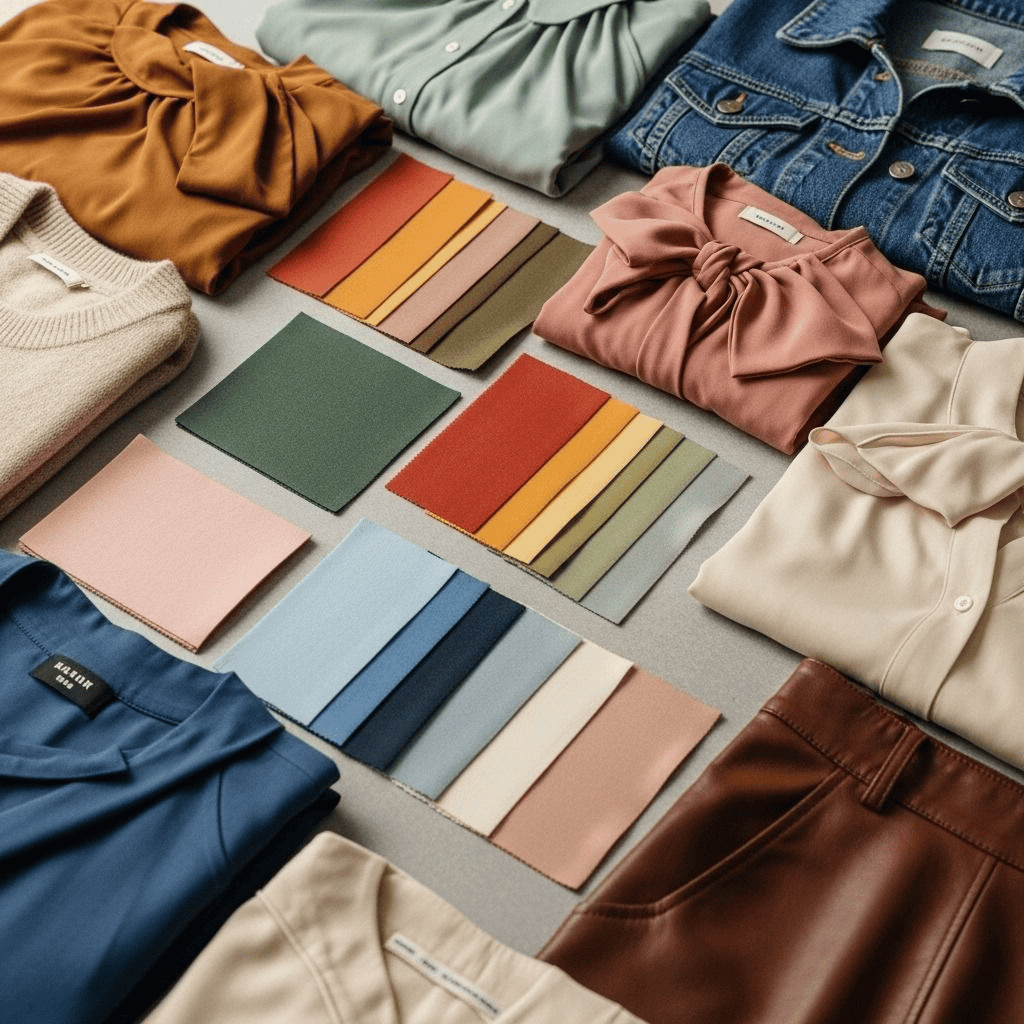
Wearing colors aligned with your desired mood red for confidence, blue for calm, or green for balance can influence personal energy and social interactions.
Choosing outfits intentionally can subtly enhance focus, positivity, and self-expression.
6. Decorate with Purpose
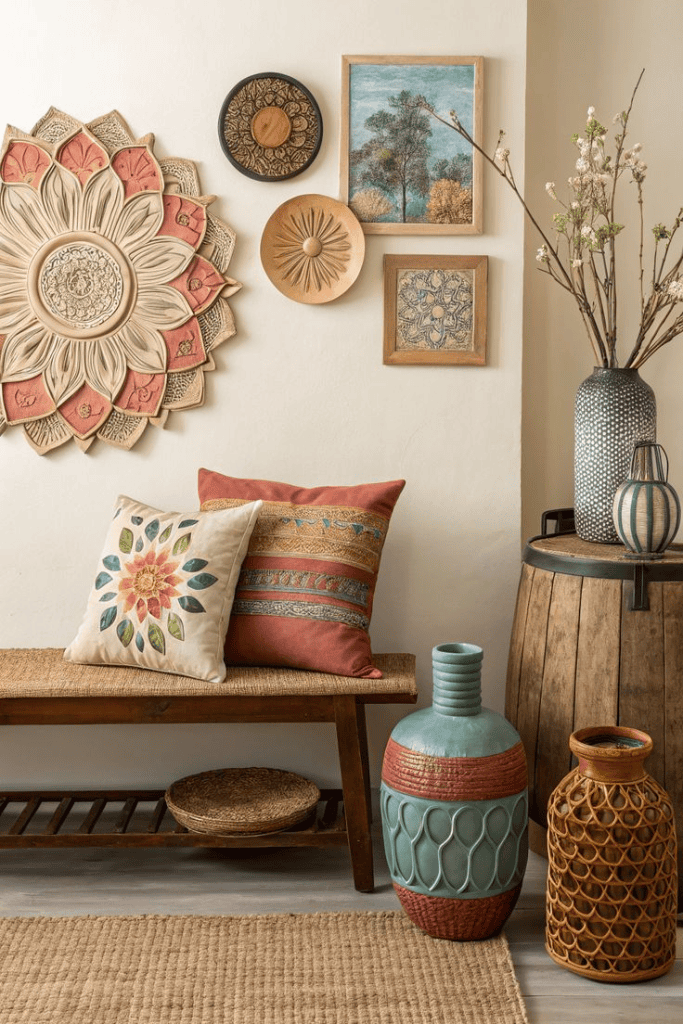
Incorporate colors strategically in home décor, art, or furniture. For example, a calming bedroom may feature blues and greens, while a creative studio can have splashes of orange or yellow.
Purposeful color placement supports energy flow and emotional harmony.
7. Experiment with Color Blocking
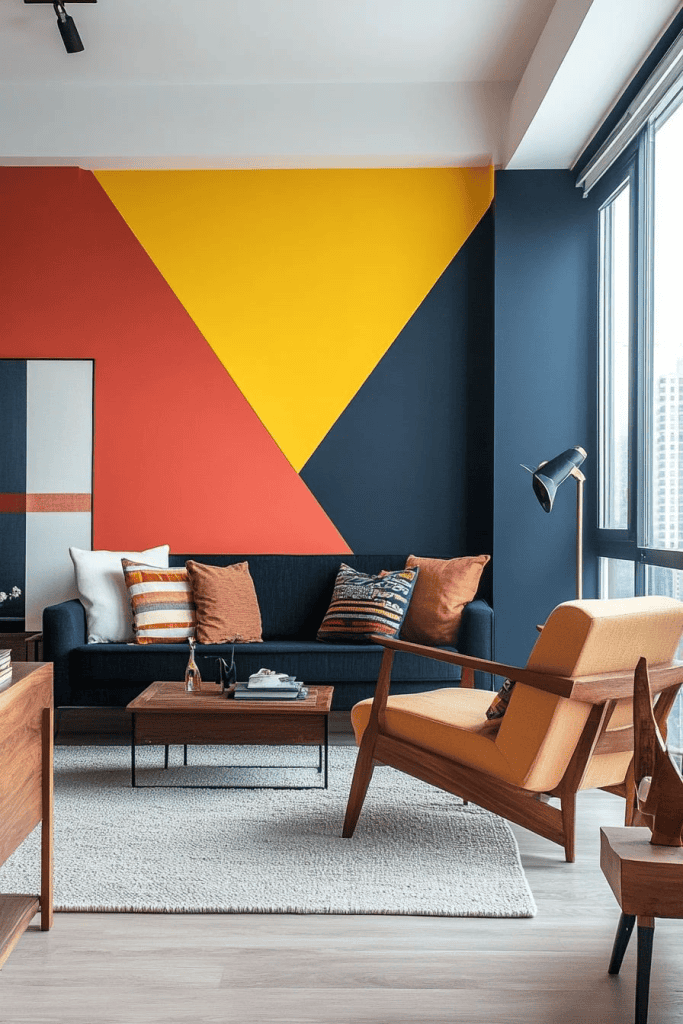
Use contrasting or complementary colors to create energy shifts in a space or outfit. Color blocking can evoke excitement, creativity, or focus depending on the combinations.
This technique allows dynamic adjustment of mood and energy throughout the day.
8. Combine with Natural Elements
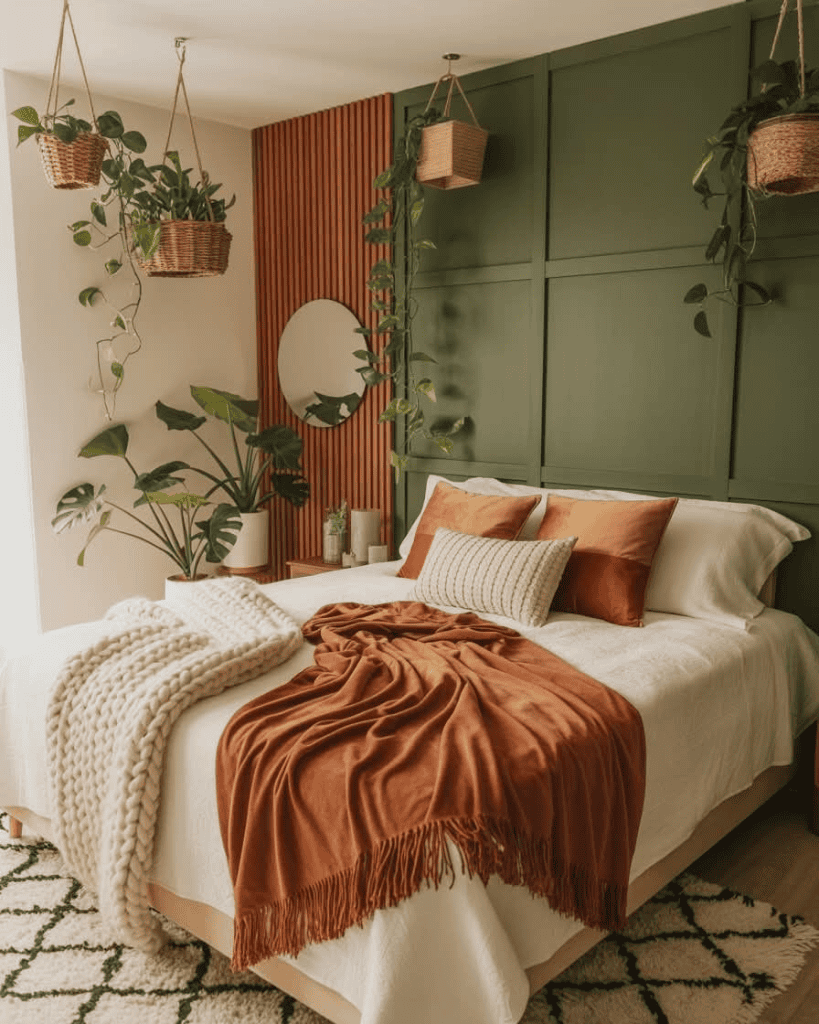
Pair colors with natural textures and elements like plants, sunlight, and wood tones to enhance emotional balance and well-being.
Integrating natural energy with color amplifies mood benefits and creates harmonious environments.
Summary
Applying color theory is a simple yet powerful tool to influence energy and mood in 2026. Understanding color associations, enhancing focus with cool tones, energizing with warm shades, balancing with neutrals, using color in clothing, purposeful décor, color blocking, and combining with natural elements can create environments and personal experiences aligned with desired emotional and energetic states. These 8 tips help individuals harness color for positivity, balance, and personal growth.
FAQ
1. Which colors promote calm and relaxation?
Blue, green, and soft neutral tones are ideal for calming environments.
2. Which colors boost energy and creativity?
Warm colors such as red, orange, and yellow stimulate activity and inspiration.
3. Can clothing colors affect mood?
Yes, wearing colors intentionally can influence personal energy, confidence, and social interactions.
4. How can I balance bright colors in a space?
Use neutral backgrounds, color accents, or natural elements to maintain harmony and prevent overstimulation.
5. Is color blocking effective for mood changes?
Yes, contrasting or complementary color combinations can shift energy, enhance creativity, and alter emotional perception.
6. Can combining colors with natural elements improve well-being?
Yes, integrating colors with plants, sunlight, or wood tones amplifies positive emotional and energetic effects.